REVIEW · TICKETS
Full Day Ticket Access around Kathmandu Valley
Kathmandu’s sacred sites fit into one busy day. I like the private transportation and the chance to visit four major places with a cultural guide, especially Manish, who is praised for his clear grasp of Nepal’s religions and traditions. The $40 price is also appealing for a seven-hour outing, though you should add about $20 per person for monument entrance fees.
The schedule gives you a useful first look at the Kathmandu Valley rather than a single temple visit. My main caution is the pace: two hours at each of Swayambhunath, Patan Durbar Square, and Boudhanath leaves little room for slow wandering, while traffic can make a seven-hour day feel quite full.
In This Review
- Key points to know before booking
- Four sides of Kathmandu in seven hours
- Swayambhunath: a hilltop beginning
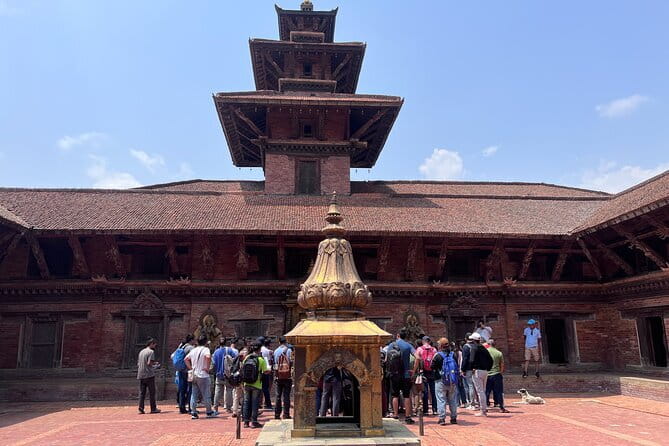
- Patan Durbar Square: Newar skill in one compact plaza
- Boudhanath: the great stupa and Tibetan Buddhist life
- Pashupatinath: the Bagmati River and the cycle of life
- What the $40 price really covers
- Timing, transport, and the shape of the day
- The guide can make or break this route
- Who should book this Kathmandu day tour
- Should you book it?
- FAQ
- How long does the Kathmandu Valley tour last?
- What time does the tour start?
- How much does the tour cost?
- Are monument entrance fees included?
- Which sites are included?
- Is transportation included?
- Is a guide included?
- How much time is planned at each site?
- Can I cancel for a full refund?
- What happens if bad weather cancels the tour?
Key points to know before booking
- Four major cultural sites in one day: Swayambhunath, Patan Durbar Square, Boudhanath, and Pashupatinath cover Buddhist, Hindu, royal, artistic, and funerary traditions.
- Manish receives special praise: One detailed review calls him passionate and exciting, with strong knowledge of Nepal and its religions.
- Private transport saves energy: You are collected for a 9:30 am start, which is useful when the sites are spread across the valley.
- The advertised price is not the final cost: The tour costs $40 per person, with roughly $20 more per person required for monument entrance fees.
- Seven hours means a focused introduction: You get a broad cultural picture, but not a long, unhurried visit at every stop.
- The route suits many first-time visitors: Most people can participate, service animals are allowed, and the tour is near public transportation.
Four sides of Kathmandu in seven hours
This outing works because the four stops show different parts of Kathmandu Valley culture. Swayambhunath presents a Buddhist hilltop shrine with wide city views. Patan offers Newar art and royal architecture. Boudhanath brings you into the Tibetan Buddhist community. Pashupatinath shows the Hindu side of life, death, and the sacred Bagmati River.
That range gives you more than a quick checklist of temples. You can begin to see how religion, art, royal power, trade, and daily life connect across the valley.
The day starts at 9:30 am and lasts about seven hours. Private transportation is included, along with an in-person English-speaking cultural guide and English audio support. The available details do not specify group size, hotel pickup coverage, or the exact vehicle, so you should confirm those points when booking if they matter to you.
The tour description places strong emphasis on cultural explanation. That is important here. These sites are not simply old buildings to photograph. Their meaning depends on rituals, symbols, religious practice, and the traditions of the Newar and Tibetan communities. A guide can help you understand what you are seeing instead of leaving you to guess.
A short list of alternatives around Kathmandu
- Everest Base Camp Trek – 14 Days
★ 5.0 · 1,499 reviews - Private Kathmandu Sightseeing Tour | UNESCO World Heritage sites
★ 5.0 · 756 reviews - Everest Base Camp Helicopter Tour landing at Everest View Hotel
★ 5.0 · 668 reviews
Swayambhunath: a hilltop beginning
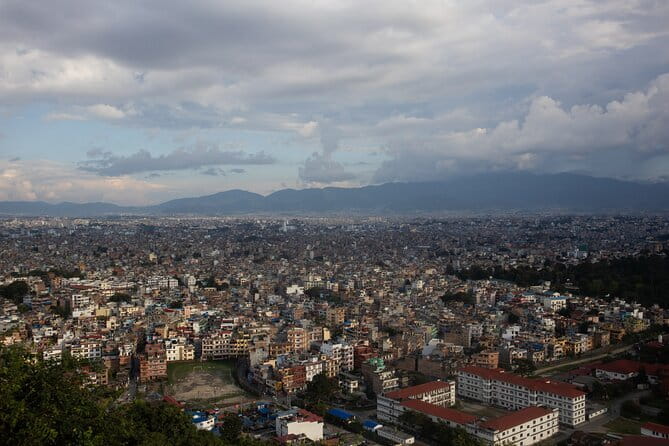
Your first stop is Swayambhunath, also called Swoyambhu Mahachaitya or the Monkey Temple. It sits on a forested hill and is described as more than 3,000 years old. The site is especially sacred within Nepali Buddhism.
The hilltop setting gives this visit a strong opening. You are not starting in a flat city square, but at a religious site set above Kathmandu. The name Monkey Temple points to the animals associated with the complex, while the stupa itself gives the place its main spiritual focus.
Two hours is a sensible amount of time for a first visit. You can see the stupa, take in the setting, and listen to explanations about Nepali Buddhist practice without having to rush through the site in half an hour. If you enjoy religious art and symbolism, this is likely to be one of the most useful stops because a guide can explain the details that are easy to miss.
The drawback is that a hilltop visit may require some walking or steps. The supplied information says most people can participate, but it does not describe the exact route, the number of steps, or the accessibility of every part of the complex. If mobility is a concern, ask the operator for current access details before paying.
The stop is listed with free admission in the sightseeing schedule, but the overall terms say monument entrance fees are not included and cost about $20 per person. Treat that extra charge as part of the budget rather than assuming every listed site is free.
Patan Durbar Square: Newar skill in one compact plaza
After Swayambhunath, the route crosses the Bagmati River to the old Newar kingdom of Patan. Patan Durbar Square is a UNESCO World Heritage Site and is known for metal casting and wood carving.
This is the stop for architecture and craft. The square gathers centuries of buildings and religious structures into one compact area, making it easier to compare forms, carvings, and decorative work in a short visit. The Newar tradition is central to the artistic identity of the Kathmandu Valley, and this is where the tour’s focus on local culture becomes especially useful.
I like the way Patan balances grand history with hands-on craft traditions. The site is not presented only as a former royal center. Its metal and wood work gives you a way to connect architecture with the skilled guilds that shaped it.
Two hours should let you see the main square and hear the essential background. It will not give you time to inspect every carving or explore every nearby lane at a leisurely pace. If you are especially interested in architecture, this is the place where you may wish the schedule were less tight.
The tour information does not list every building you will enter, nor does it promise a workshop visit. You should expect guided sightseeing around the historic square rather than a dedicated craft class. That distinction matters if you are booking mainly for artisan demonstrations.
Boudhanath: the great stupa and Tibetan Buddhist life
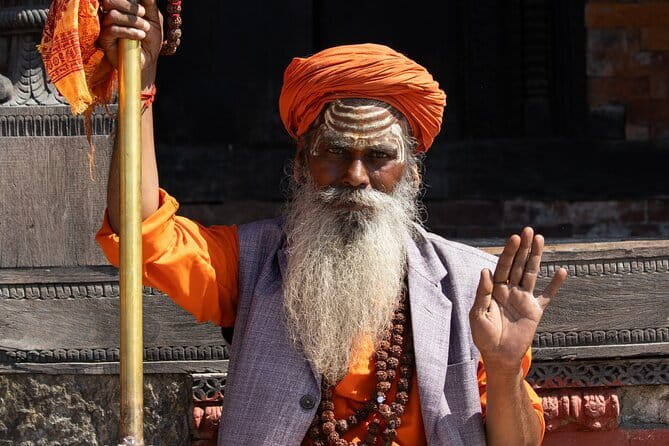
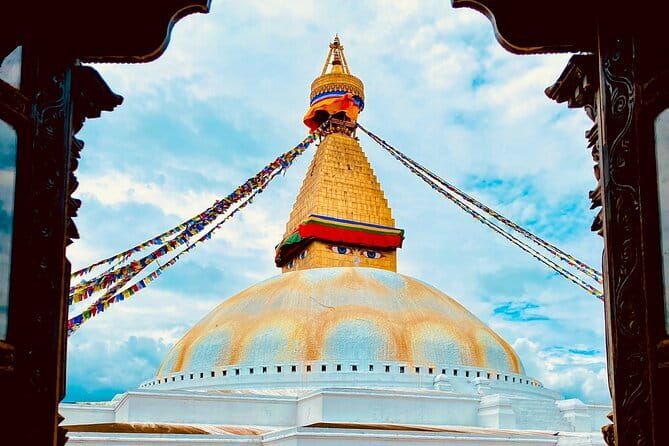
Boudhanath Stupa is scheduled for two hours. It is described as one of the world’s largest spherical stupas and the spiritual center of Nepal’s Tibetan community.
This stop changes the mood of the day. You are looking at a major Buddhist monument, but the value comes from the surrounding religious life as well. The route description refers to circumambulating the stupa, known as kora, alongside crimson-robed monks. It also points to juniper incense rising from rooftop monasteries.
Those details give you a clear sense of what to notice. Walk around the stupa in the customary direction, watch the religious activity, and let the guide explain the role of the monument for Tibetan Buddhists in Nepal. The circular route makes Boudhanath different from the hilltop form of Swayambhunath and the royal plaza at Patan.
Two hours is enough to understand the basic layout and take part in a circuit around the stupa. It also gives you time to pause rather than treating the site as a five-minute photo stop. Still, the tour does not specify visits inside particular monasteries, meetings with monks, or a meditation session. Do not book it expecting those additions.
Boudhanath is also a good place to pay attention to the contrast between formal religious practice and the ordinary movement around a major urban shrine. The description supports the presence of monasteries, monks, incense, and the kora, but it does not promise a private ceremony or special access.
A completely different way to spend the day:
- Half day cooking class in Thamel kathmandu
★ 5.0 · 607 reviews - Everest Base Camp Trekking
★ 5.0 · 485 reviews - Nagarkot Sunrise View and Day Hiking from Kathmandu
★ 5.0 · 471 reviews - Kathmandu: Full Day 7 UNESCO Tour with Lunch – Private/Group
★ 5.0 · 415 reviews
Pashupatinath: the Bagmati River and the cycle of life
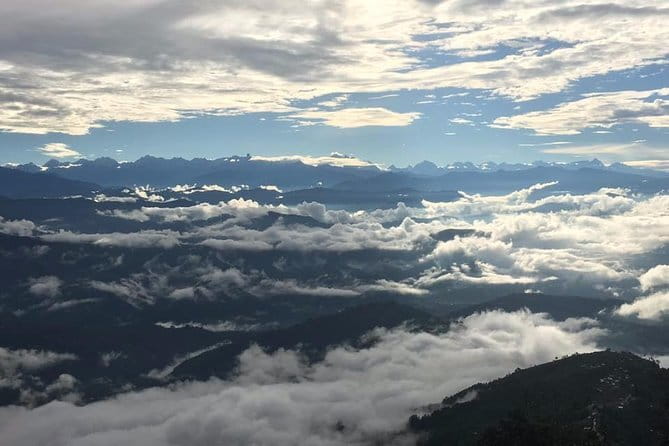
The last stop is Pashupatinath Temple, an ancient sacred site on the bank of the holy Bagmati River. The description focuses on the Hindu understanding of life and death, including the separation of the soul and the body.
This is the most sensitive stop on the route. Pashupatinath is not simply another ornate temple. It is connected with major Hindu beliefs and practices surrounding the end of life. A good cultural guide matters here because the meaning of the river, the temple area, and the ceremonies cannot be understood through photographs alone.
The visit is scheduled for one hour, shorter than the first three stops. That makes sense for a focused introduction, but you should expect a brief visit rather than an extensive exploration of the entire complex. The information does not state which areas are open to non-Hindu visitors, so listen carefully to the guide and follow local rules.
I appreciate that the tour presents Pashupatinath as a place for understanding cultural practice, not as a spectacle. You should approach it with quiet respect. Dress and behavior expectations are not provided in the details, so ask your guide if you need advice before entering or viewing specific areas.
Because Pashupatinath is beside the Bagmati, the stop also completes the day’s religious range. You have seen Buddhist sites, a historic Newar royal center, a Tibetan Buddhist sanctuary, and a major Hindu temple complex.
What the $40 price really covers
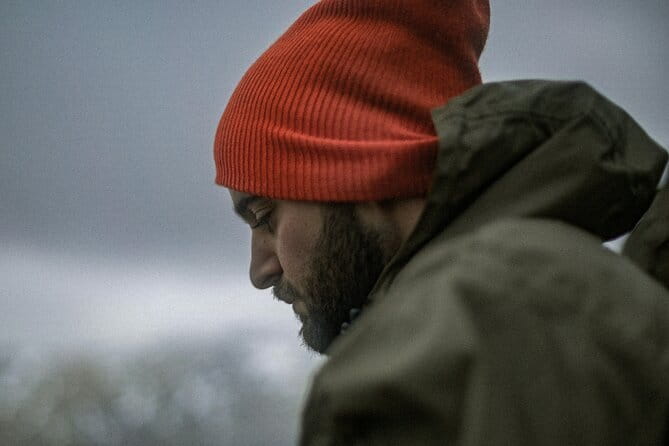
The listed price is $40 per person. For that amount, you receive private transportation, a cultural guide, in-person English service, English audio support, and about seven hours of sightseeing.
That is a reasonable value if you want a structured introduction to several important places in one day. Hiring transport independently and arranging separate explanations at four sites could take more effort, especially if you are unfamiliar with Kathmandu Valley geography and customs.
The real price is closer to $60 per person once the stated $20 monument fee is added. The additional charge is not a minor detail, so include it in your comparison with other Kathmandu tours. The booking information uses both free-admission labels for individual stops and a separate statement that entrance fees are paid by the guest. Because those details can seem inconsistent, confirm the exact fee arrangement before departure.
The value depends on what you want. If you prefer independent wandering, long café breaks, or detailed museum visits, the schedule may feel too organized. If you want four important cultural sites explained in one day, the price is easier to justify.
The tour’s strongest value is not luxury. It is interpretation. The description says university lecturers and local experts guide visitors personally, and the positive feedback singles out Manish for his understanding of Nepal and its religions. You should confirm the assigned guide when booking, since Manish may not lead every departure.
Timing, transport, and the shape of the day
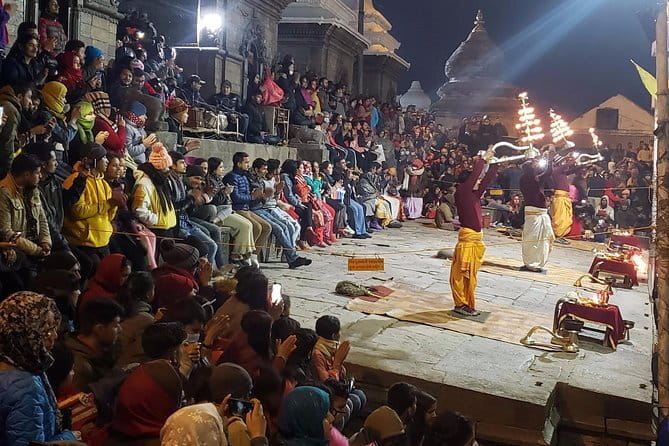
A 9:30 am start gives you a clear morning departure and places the full route inside roughly seven hours. The published stop times total seven hours exactly: two hours at Swayambhunath, two at Patan, two at Boudhanath, and one at Pashupatinath.
That leaves no stated allowance for traffic, parking, meals, or delays. Kathmandu Valley roads can affect the rhythm of any sightseeing day, but the supplied information does not promise a lunch stop or give exact driving times. Plan to eat before departure or ask if a break is built into your schedule.
Private transportation is one of the practical strengths. You do not need to work out separate public transport connections between four major sites. The tour is also near public transportation, which gives you a possible fallback for reaching the meeting area or continuing afterward, although the exact meeting location is not provided.
Pickup is offered, but the details do not say whether pickup is available from every hotel or only selected areas. Confirm your pickup point and time after booking. The starting time is 9:30 am, and confirmation is received at the time of booking.
Most people can participate, and service animals are allowed. That is useful general information, but it does not replace checking the physical demands of Swayambhunath or access rules at religious sites.
The guide can make or break this route
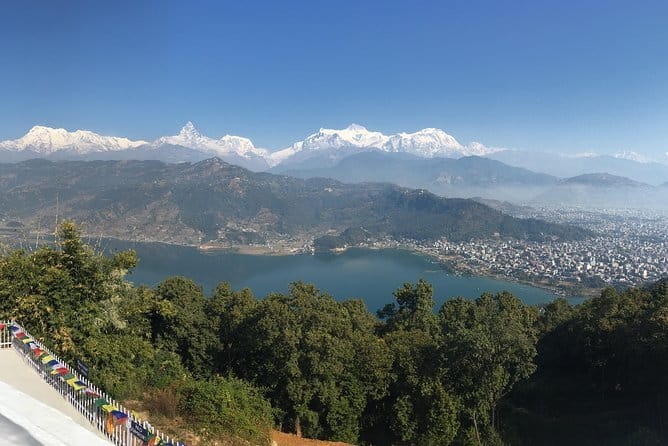
Four religious and historic sites in one day can become a blur if the explanations are thin. Here, the guide is a central part of what you are paying for.
The strongest named feedback concerns Manish. He is praised for his knowledge of Nepal and its religions, as well as his passion and energy. That is exactly the kind of guide this route needs. The sites ask basic questions about Buddhist symbols, Newar design, Tibetan practice, Hindu beliefs, and the treatment of sacred spaces. Clear explanations give the day a purpose.
The tour is recommended by 100 percent of 18 reviews and has a five-star rating. That is encouraging, though it is still a small number of ratings. I would view it as a strong positive sign, not a guarantee that every departure will feel identical.
The service includes an in-person English guide and English audio. If you prefer to ask questions and adjust the pace, an in-person guide should be more useful than audio alone. The information does not state whether another language is available, whether the tour is private for one booking, or how many people can join, so ask if those points affect your choice.
Who should book this Kathmandu day tour
I would recommend this outing to a first-time visitor who wants cultural context without arranging four separate visits. It suits you if you like major landmarks, religious traditions, and a guide who can explain what you are seeing.
It is also a good fit if you have limited time in Kathmandu. The route covers four of the valley’s best-known cultural locations and gives each one a planned visit. You will leave with a broad understanding of the valley rather than a detailed study of one neighborhood.
The tour may also suit you if you are interested in the connection between different faiths. The combination of Swayambhunath, Boudhanath, and Pashupatinath gives you a useful comparison of Buddhist and Hindu practice, while Patan adds the artistic and royal setting.
I would hesitate if your priority is a slow pace. The schedule is tightly packed, and the absence of a stated meal break or traffic allowance could make the day feel compressed. It may also be less suitable if you want guaranteed access to particular interiors, monasteries, ceremonies, or craft workshops, since those are not promised.
You can cancel for a full refund if you do so at least 24 hours before the start time. Changes or cancellations inside that period are not accepted for a refund. The experience requires good weather, and a weather cancellation offers either another date or a full refund.
Should you book it?
Book this tour if you want a practical, guide-led introduction to Kathmandu Valley and you value explanation more than free time. The combination of four major sites, private transport, and a guide such as Manish gives the day a clear purpose.
Before booking, budget $60 per person rather than only $40, confirm what the $20 entrance charge covers, and ask about pickup, group size, and the exact physical demands of the hilltop visit. If those details work for you, this is a well-priced way to see the valley’s Buddhist, Hindu, Newar, and royal traditions in one focused day.
FAQ
How long does the Kathmandu Valley tour last?
The tour lasts approximately seven hours.
What time does the tour start?
The stated start time is 9:30 am.
How much does the tour cost?
The listed price is $40 per person.
Are monument entrance fees included?
No. Entrance fees are paid separately by the guest and are stated as approximately $20 per person.
Which sites are included?
The route includes Swayambhunath, Patan Durbar Square, Boudhanath Stupa, and Pashupatinath Temple.
Is transportation included?
Yes. Private transportation is included, and pickup is offered.
Is a guide included?
Yes. The tour includes an experienced cultural guide with in-person English service and English audio support.
How much time is planned at each site?
The schedule allows two hours at Swayambhunath, two hours at Patan Durbar Square, two hours at Boudhanath Stupa, and one hour at Pashupatinath Temple.
Can I cancel for a full refund?
Yes. You can receive a full refund if you cancel at least 24 hours before the experience starts. Cancellations within 24 hours are not refunded.
What happens if bad weather cancels the tour?
If poor weather causes a cancellation, you are offered a different date or a full refund.
New in the Kathmandu listings
- Traditional Momo Making Class★ 5.0 · 10 reviews
- Kathmandu: Ancient City Kirtipur & Pharping Monastery Tour★ 5.0 · 2 reviews
- Kathmandu to Pokhara Premium sofa bus ticket★ 4.0 · 17 reviews
- Women Empowerment Project(Nepali cooking class & jewelry workshop★ 5.0 · 15 reviews
- 7-Day Langtang Valley Trek from Kathmandu★ 5.0 · 1 review
- Kathmandu 2 Nights 3 Days Chitwan Jungle Safari Tour★ 5.0 · 9 reviews
- Yoga Experience Day Trip with Private Transfer From Kathmandu★ 4.0 · 2 reviews
- Wildlife Adventure in Chitwan Nepal★ 4.0 · 4 reviews
Tickets, compared.

Kathmandu to Pokhara Tourist Bus Tickets reservation
Read our review →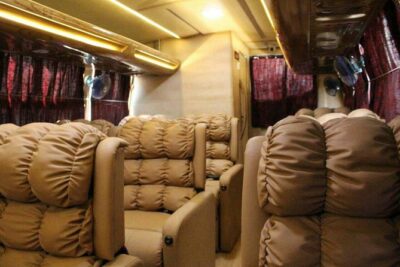

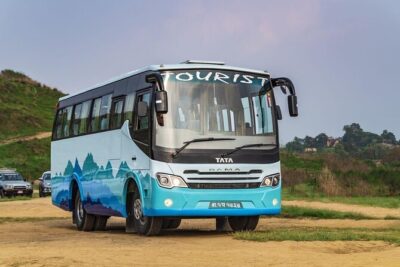
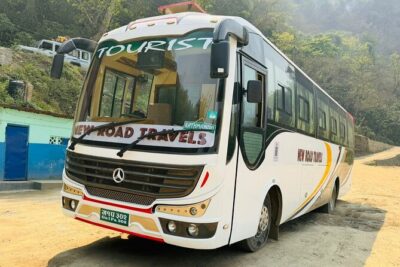
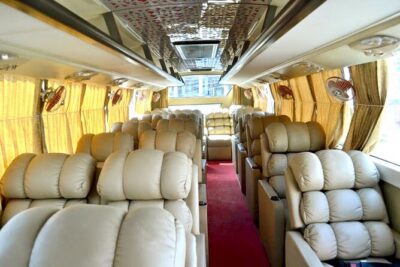
Kathmandu to Pokhara Luxury Bus Ticket – Easy & Reliable Booking
Read our review →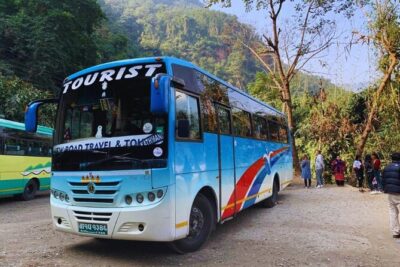
Tourist Bus Tickets: Kathmandu to Chitwan or Chitwan to KTM
Read our review →