
REVIEW · UNESCO WORLD HERITAGE TOURS
Kathmandu: 7 UNESCO World Heritage Sites Guided Tour
Seven sacred sites, one very full day. This private Kathmandu tour links the valley’s major UNESCO-listed places with an English or Hindi-speaking guide and an air-conditioned vehicle. I like the efficient door-to-door transport, and I like the chance to see both Hindu and Buddhist traditions in one carefully planned outing.
The main drawback is the pace. The advertised duration is eight hours, but the listed stops and transfers add up to nearly ten hours before traffic delays. Entrance fees and meals are also extra, so you should confirm the day’s exact timing and budget before booking.
In This Review
- Seven places that define the Kathmandu Valley
- Why this tour works for first-time visitors
- Kathmandu Durbar Square, where the capital’s old center begins
- Swayambhunath and the monkeys on the hill
- Boudhanath, a great white stupa and Tibetan traditions
- Pashupatinath, sacred rites beside the Bagmati River
- Changu Narayan, the oldest stop on the route
- Bhaktapur Durbar Square and medieval craftsmanship
- Patan Durbar Square and the Buddhist-Hindu blend
- The private vehicle and the real timing
- Is $71 a fair price?
- What to bring and who should skip it
- Should you book the seven-site tour?
- FAQ
- How long does the Kathmandu UNESCO sites tour last?
- Which sites are included?
- Is hotel pickup included?
- What languages does the guide speak?
- Is this a private tour?
- Are entrance fees included in the price?
- What should I bring?
- Are photographs allowed at the temples?
- Is the tour suitable for wheelchair users?
- Can I cancel the booking?
Seven places that define the Kathmandu Valley
- Kathmandu Durbar Square first: Begin among old palaces, courtyards, temples, carved windows, and local markets in the historic center of the capital.
- Swayambhunath’s hilltop view: See the famous stupa, ancient sculptures, monasteries, and monkeys while looking across Kathmandu Valley.
- Boudhanath’s Tibetan atmosphere: Walk around one of the world’s largest stupas and visit nearby Thanka painting schools.
- Pashupatinath’s sacred Bagmati setting: Observe Hindu rites and public cremations from the temple complex, with cultural sensitivity.
- Three royal cities in one day: Compare Kathmandu, Patan, and Bhaktapur, each with its own style of Newar art and architecture.
- A private vehicle saves energy: Hotel pickup, transfers, and drop-off are included within Kathmandu, though entrance fees are not.
Why this tour works for first-time visitors
Kathmandu Valley can feel confusing on a first visit. The major historic sites are spread across Kathmandu, Lalitpur, Bhaktapur, and the hill above Bhaktapur. This tour gives you a clear framework in one day, with a guide to explain what you are seeing rather than leaving you to decode rows of temples on your own.
I especially like the cultural range. You move from Hindu worship at Pashupatinath to Buddhist prayer at Swayambhunath and Boudhanath, then into the former royal squares of three old cities. That contrast helps you understand Nepal as more than a collection of photogenic buildings.
The private format also matters. You are not being moved around in a large group, and the vehicle remains available for the full tour. If you are traveling with family or friends, you can keep the day focused on your interests and ask questions as you go.
The guide can make or break a day like this. Ramesh received especially strong praise for bringing the sites and Nepali culture to life with stories and clear explanations. If you book, it is reasonable to request him, though guide assignments cannot be guaranteed from the information provided.
More UNESCO World Heritage Tours in Kathmandu:
- Private Kathmandu Sightseeing Tour | UNESCO World Heritage sites
★ 5.0 · 756 reviews - Kathmandu: Full Day 7 UNESCO Tour with Lunch – Private/Group
★ 5.0 · 415 reviews - Kathmandu: Full Day Top 4 UNESCO Tour with Lunch – Private/Group
★ 5.0 · 269 reviews
Kathmandu Durbar Square, where the capital’s old center begins
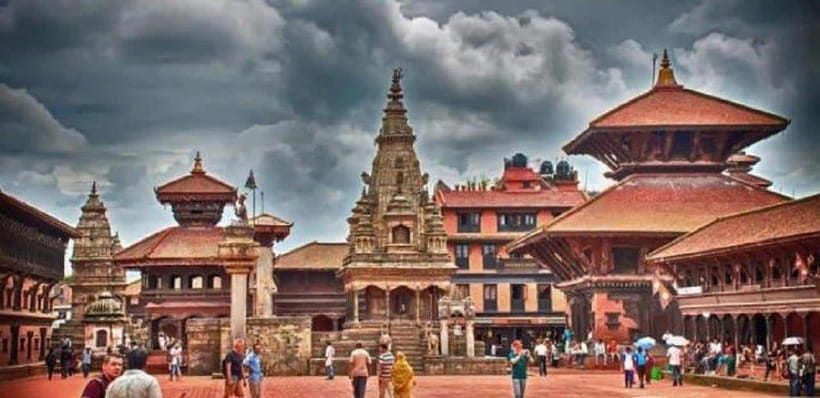
The first stop is Kathmandu Durbar Square, in the heart of old Kathmandu. Allow about one hour here for a guided walk, photographs, and a look at the surrounding courtyards, temples, and palace buildings.
This is a good opening stop because it introduces the Newar architectural style you will see all day. Look for finely carved doors, windows, roof details, and layered temple forms. The square also gives you a sense of how royal power, religious life, and ordinary city activity once shared the same compact space.
You should expect a historic urban setting rather than a quiet museum. Markets and daily life surround the monuments, which adds character but can also make the visit feel crowded or visually busy. Keep your camera ready, but pay attention to the guide’s explanations. Without context, the carved figures and courtyards can blur together.
The planned visit is relatively short. If architecture is your main interest, you may want to ask the guide which buildings deserve the closest look before moving on.
Swayambhunath and the monkeys on the hill
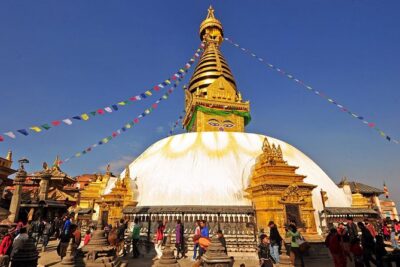
After a short transfer, the tour continues to Swayambhunath Temple, also called the Monkey Temple. The listed visit lasts about 45 minutes and includes a walk, sightseeing, and views over Kathmandu Valley.
The stupa is described as roughly 2,600 years old, and its hilltop position gives this stop a different feel from the city squares. The main stupa, nearby monasteries, ancient sculptures, and a temple dedicated to a child protector goddess all add layers to the visit.
The monkeys are part of the setting, but they are not the main reason to come. The more lasting appeal is the combination of Buddhist symbolism, old religious art, and the broad view across the valley. Your guide can help explain how the site functions as a place of worship, not simply as a lookout point.
Wear shoes with a good grip. The tour involves a moderate amount of walking, and the stop includes a hilltop temple setting. A hat, sunscreen, and water are sensible additions, especially on a sunny day.
Boudhanath, a great white stupa and Tibetan traditions
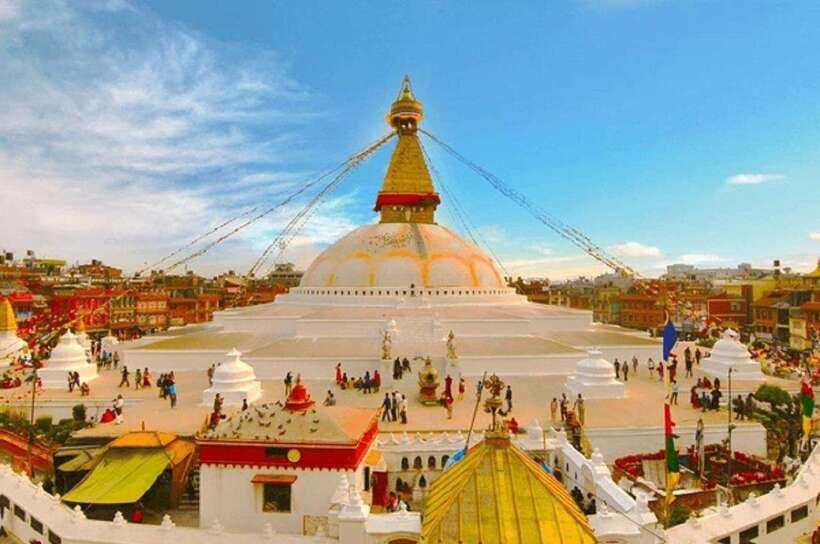
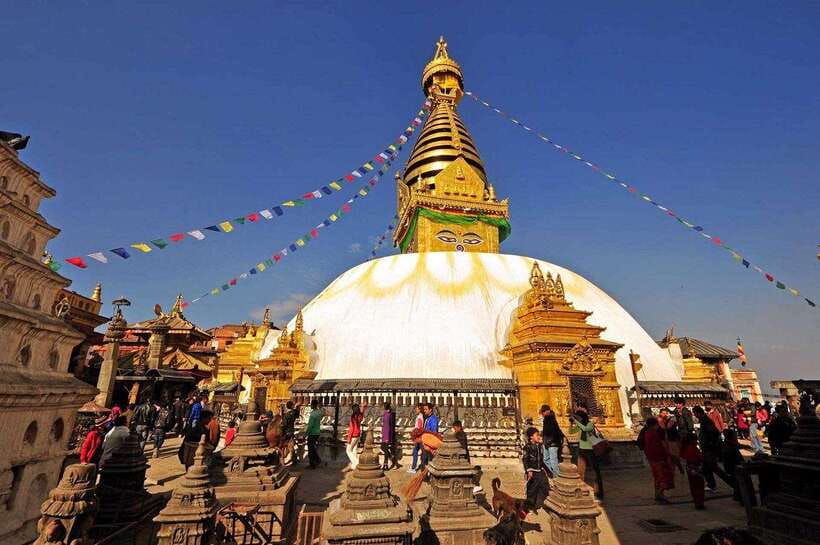
Boudhanath Stupa comes next, with about 45 minutes for a guided visit. Its large dome and surrounding Tibetan monasteries create one of the most distinctive religious settings in Kathmandu.
The stupa dates to the fourth century and is one of the largest in the world. The surrounding buildings give the area the feel of a Tibetan village, with monasteries and religious activity gathered close around the central structure.
This is a place where a guide’s interpretation is useful. You can learn how the stupa fits into Buddhist practice and why the surrounding monasteries matter. Nearby art schools also offer a chance to see Lamas creating traditional Thanka paintings. These works can make meaningful souvenirs, but remember that shopping is optional and personal expenses are not included.
Forty-five minutes is enough for a focused visit, but it is not generous if you want to linger in the art schools, examine every detail, and take an unhurried walk around the stupa. If Buddhist art is important to you, ask how much time can be given to that part of the stop.
More history tours in Kathmandu:
- UNESCO Seven World Heritage Tour in Kathmandu
★ 5.0 · 253 reviews - Kathmandu Private Sightseeing Tour | UNESCO World Heritage Sites
★ 5.0 · 109 reviews - Kathmandu: Full Day Private Top 4 UNESCO Heritage Tour W/Lunch.
★ 5.0 · 86 reviews - Kathmandu World Heritage Tour
★ 5.0 · 74 reviews
Pashupatinath, sacred rites beside the Bagmati River
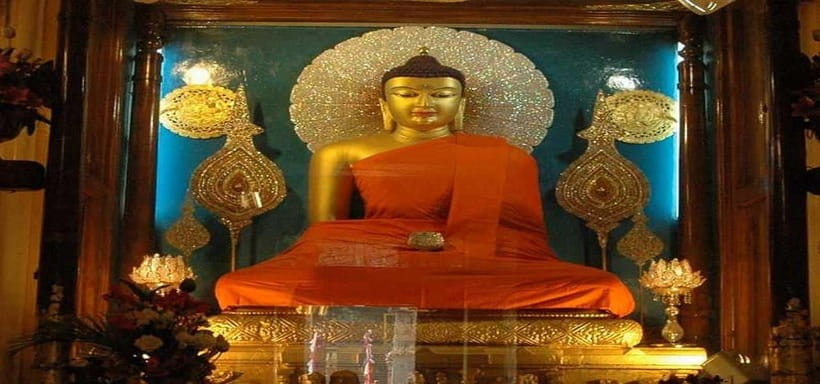
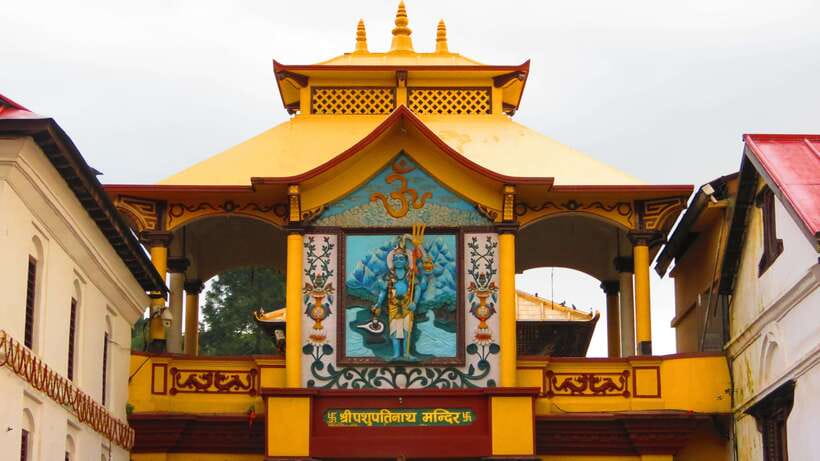
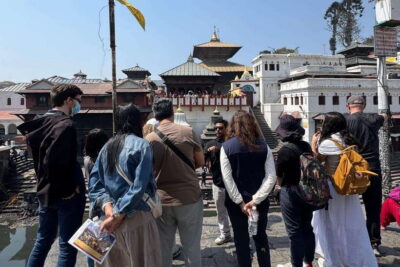
Pashupatinath Temple receives about one hour on the schedule. Located beside the sacred Bagmati River, it is one of Nepal’s most important Hindu sites and the emotional center of the day for many people.
You may observe traditional public cremations and Hindu rites from the temple area. This is not a staged attraction. It is an active religious site where families are carrying out important ceremonies, so a quiet, respectful attitude matters more than getting the perfect photograph.
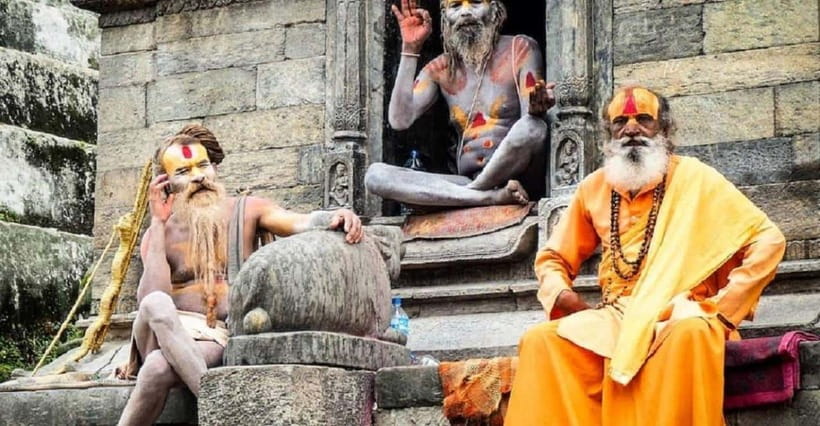
The tour description also highlights the Sadhus, or holy men, recognized by painted faces, dreadlocked hair, and ash-covered bodies. Some are willing to pose for photos. Always ask before taking a picture, and remember that a posed photo does not remove the need for courtesy.
Pashupatinath requires more cultural awareness than the palace squares. Dress modestly, follow your guide’s instructions, and do not use flash photography inside temples. Food and drinks are not allowed inside the heritage sites. This stop can be powerful, but it may feel intense if you are unaccustomed to seeing cremation rites in public.
Changu Narayan, the oldest stop on the route
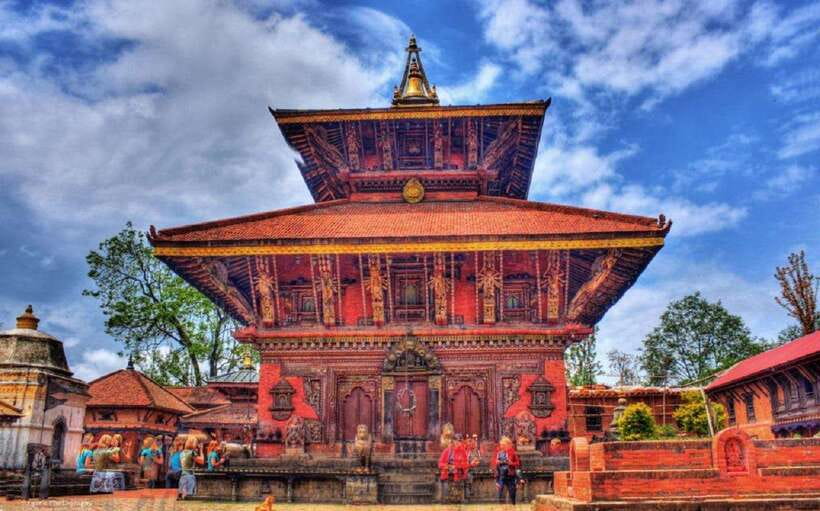
The drive to Changu Narayan takes longer than several other transfers, with about 30 minutes planned at the temple itself. Perched on a hill near Bhaktapur, Changu Narayan is believed to date to the fourth century during the Lichhavi dynasty.
The temple is considered one of Nepal’s oldest surviving wooden structures. That makes it valuable for travelers who want more than the best-known squares. Its age and traditional construction connect the site to Nepal’s long architectural past in a direct way.
The short visit means you should listen closely as the guide points out the important carvings and features. The hilltop setting also provides scenic views along the way, but the available information does not promise a long viewpoint stop. Treat this as a compact historical visit rather than a leisurely hill excursion.
Because this is another sacred place, modest clothing and quiet behavior are expected. Comfortable footwear will make the walking easier.
Bhaktapur Durbar Square and medieval craftsmanship
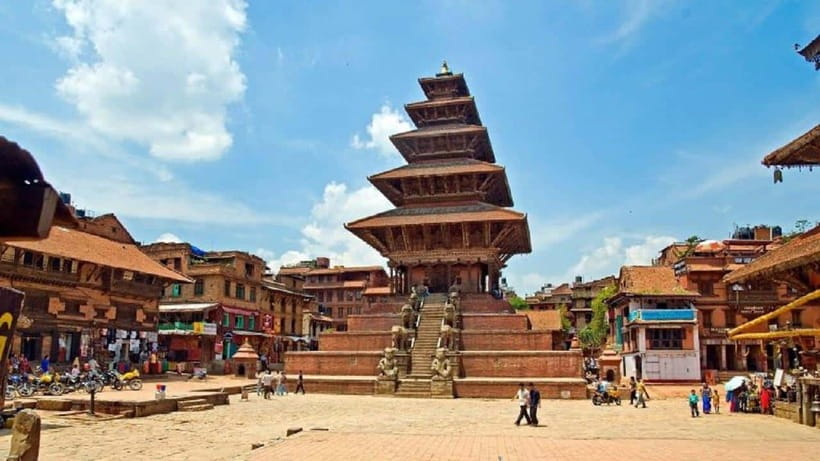
Bhaktapur receives the longest stop, about 90 minutes. That extra time is justified. The square is known for its well-preserved medieval architecture, with temples, palaces, courtyards, and intricate carvings packed into a walkable historic center.
This is where the day’s Newar craftsmanship becomes especially clear. Look at the carved woodwork, temple roofs, doorways, and palace details. Each courtyard has its own character, and the guide can help connect the buildings to the city’s cultural traditions.
I would use this stop for careful looking rather than trying to collect photos at speed. The listed time allows a proper walk, but Bhaktapur is also the kind of place where you can easily want more time. If you enjoy architecture, ask which carvings and courtyards deserve priority.
The square is a good place to compare with Kathmandu Durbar Square. Kathmandu feels like part of a living capital, while Bhaktapur is presented as a more preserved medieval city. The difference is one of the tour’s strongest features.
Patan Durbar Square and the Buddhist-Hindu blend
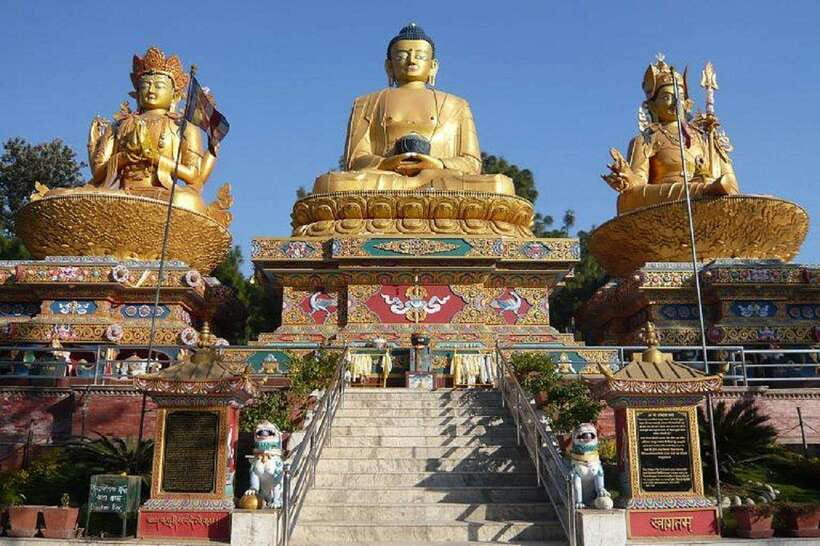
The final major stop is Patan Durbar Square in Lalitpur, about five kilometers from Kathmandu. The visit lasts roughly one hour and focuses on the city’s art, architecture, and cultural heritage.
Patan is known for its blend of Buddhist and Hindu influences. That combination gives the square a useful place in the day’s larger story. You have already seen separate Hindu and Buddhist centers, and here you can see how both traditions appear within one historic city.
Pay attention to the carved doors and windows of the traditional houses. They show the skill of the Newar artisans and offer details that are easy to miss when you focus only on the largest temples.
Patan is a strong final stop because it brings together the religious and artistic themes introduced earlier. By this point, though, you may be tired. The tour covers a lot of ground, and the final transfer back to Kathmandu is listed at about 45 minutes.
The private vehicle and the real timing
The air-conditioned vehicle is one of the tour’s practical advantages. Kathmandu Valley traffic can make short distances slow, and having transport arranged is easier than trying to connect seven sites independently.
Pickup is offered from hotels in the Thamel area, with listed pickup and drop-off options also including Durbarmarg and Lazimpat. You should wait in the hotel lobby about ten minutes before the scheduled time and look for a driver holding a sign with your name or the tour name.
There is an important timing issue to clarify. The experience is advertised as eight hours, yet the listed stop durations total about six and a half hours, while the listed transfers add roughly three hours and twenty minutes. That comes to close to ten hours before any traffic. The times may be estimates, but you should confirm the actual plan with the operator, Snow Peak Tours and Travels, before booking flights, restaurant reservations, or other activities later that day.
This matters especially because the tour begins with three pickup areas and ends with three drop-off areas. Traffic, road conditions, and the order of visits may affect the final return time.
Is $71 a fair price?
At $71 per person, the tour can offer good value if you want a private vehicle, hotel pickup, and a guide for a full cultural day. You are paying for convenience and interpretation, not just transportation between monuments.
The important catch is that entrance fees to all seven UNESCO World Heritage sites are excluded. Meals, drinks, and personal purchases are also extra. Since the entrance costs are not provided here, you should ask for the current total before deciding how much cash to carry.
The value is strongest for a small private group that wants to see all seven sites without arranging several separate rides. Solo visitors or couples may find the price less attractive once entrance fees are added, but the private format still saves planning time.
Free cancellation up to 24 hours in advance and the option to reserve without paying immediately add useful flexibility. Pickup and drop-off are included only when that option is selected during booking.
What to bring and who should skip it
Bring comfortable walking shoes, water, a hat, sunscreen, and a camera. Dress modestly for the temples, avoid flash photography inside, and keep food and drinks outside the heritage areas.
This is not a good choice for wheelchair users or people with mobility impairments. The day includes walking at several sites and a hilltop temple at Changu Narayan.
I think the tour suits first-time visitors who want a broad introduction to Kathmandu Valley, families or friends who value a private vehicle, and anyone who prefers an English or Hindi-speaking guide to explain the religious and architectural details. It is less suitable if you want a slow, meditative visit at each site or if you dislike long days with repeated transfers.
Should you book the seven-site tour?
Book it if your time in Kathmandu is short and you want the major religious and historic sights handled in one day. The mix of Pashupatinath, Swayambhunath, Boudhanath, three Durbar Squares, and Changu Narayan is unusually broad, and a strong guide can make the difference between simply seeing buildings and understanding their place in Nepali life.
Before confirming, ask about the actual start and finish time, current entrance fees, and guide availability. Request Ramesh if possible, since his storytelling and cultural explanations earned particularly strong praise.
If you prefer slow travel, want extended time for photography, or need easy access throughout the day, choose a shorter, more focused tour instead. For most first-time visitors who can manage a demanding walking day, this is a useful and well-organized introduction to the Kathmandu Valley.
FAQ
How long does the Kathmandu UNESCO sites tour last?
The advertised duration is eight hours. However, the listed stop and transfer times add up to nearly ten hours, so confirm the expected return time with the operator before booking other plans.
Which sites are included?
The tour visits Kathmandu Durbar Square, Swayambhunath Temple, Boudhanath Stupa, Pashupatinath Temple, Changu Narayan Temple, Bhaktapur Durbar Square, and Patan Durbar Square.
Is hotel pickup included?
Hotel pickup and drop-off are available within Kathmandu when the pickup option is selected. The listed areas include Thamel, Durbarmarg, and Lazimpat.
What languages does the guide speak?
The live guide is available in English or Hindi.
Is this a private tour?
Yes. The experience is arranged for a private group and includes a private air-conditioned vehicle.
Are entrance fees included in the price?
No. Entrance fees to all seven UNESCO Heritage Sites are not included. Meals and personal expenses are also extra.
What should I bring?
Bring comfortable shoes, a hat, sunscreen, water, and a camera.
Are photographs allowed at the temples?
Photography is allowed in the experience, but flash photography is not allowed inside the temples. Ask permission before photographing holy men or religious ceremonies.
Is the tour suitable for wheelchair users?
No. The tour is not suitable for wheelchair users or people with mobility impairments.
Can I cancel the booking?
You can cancel up to 24 hours in advance for a full refund. The reserve-now, pay-later option is also available.
New in the Kathmandu listings
- Traditional Momo Making Class★ 5.0 · 10 reviews
- Kathmandu: Ancient City Kirtipur & Pharping Monastery Tour★ 5.0 · 2 reviews
- Kathmandu to Pokhara Premium sofa bus ticket★ 4.0 · 17 reviews
- Women Empowerment Project(Nepali cooking class & jewelry workshop★ 5.0 · 15 reviews
- 7-Day Langtang Valley Trek from Kathmandu★ 5.0 · 1 review
- Kathmandu 2 Nights 3 Days Chitwan Jungle Safari Tour★ 5.0 · 9 reviews
- Yoga Experience Day Trip with Private Transfer From Kathmandu★ 4.0 · 2 reviews
- Wildlife Adventure in Chitwan Nepal★ 4.0 · 4 reviews
UNESCO World Heritage Tours, compared.
Private Kathmandu Sightseeing Tour | UNESCO World Heritage sites
Read our review →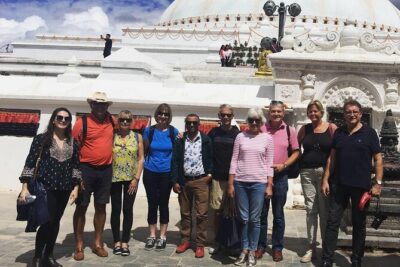
Full Day 7 UNESCO Tour with Lunch – Private/Group
Read our review →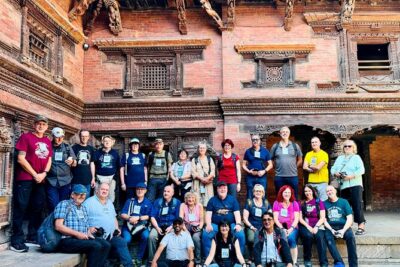
Full Day Top 4 UNESCO Tour with Lunch – Private/Group
Read our review →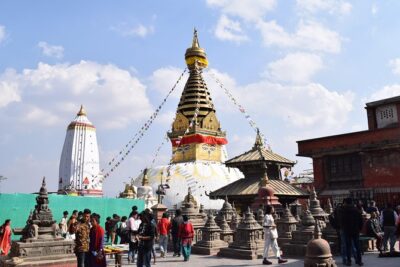
Full-Day 7 UNESCO Tour with Lunch – Private/Group
Read our review →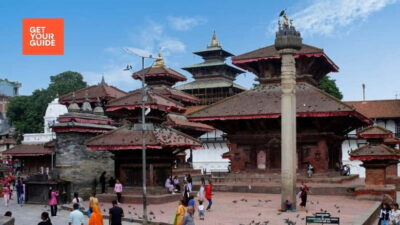
Browse the lists this tour appears in