
REVIEW · BHAKTAPUR TOURS
Kathmandu Bhaktapur Patan Authentic Local Tour +7 UNESCO WH Sites
Ancient cities reward slow wandering. This three-day private tour links Kathmandu, Bhaktapur, and Patan with seven UNESCO World Heritage sites, while adding local encounters such as Juju Dhau making, pottery, idol carving, old markets, and traditional Newar food. I like the way it reaches beyond the famous squares, and I like that guides such as Nirajan, originally from Bhaktapur, bring a personal connection to the places they explain.
The strongest feature is the local access: you are not simply driven past old neighborhoods, but taken into courtyards, workshops, ponds, shrines, and narrow lanes. The main concern is the price, $385 per person, which does not include meals or accommodation. It can be good value for a private, three-day introduction, but budget-minded visitors may find it costly.
In This Review
- Key points worth knowing
- Why this three-day plan is different
- Day one: Bhaktapur, pottery, and Newari flavors
- Siddha Pokhari and the approach to the old city
- Pottery Square
- Bhaktapur Durbar Square
- Chandeshwori Temple and local food
- Dattatreya Temple and Navadurga
- Day two: Patan’s courtyards, fountains, and sacred art
- Pimbahal Stupa and Nagbahal Hiti
- Golden Temple and Kumbheshwor Temple
- Patan Durbar Square
- Mahaboudha and Rudravarna Mahavihar
- Day three: Kathmandu squares, stupas, and sacred riverbanks
- Kathmandu Durbar Square
- Swayambhunath and Budhanilkanth
- Boudhanath Stupa
- Pashupatinath Temple
- Thamel and evening options
- What the $385 price really covers
- Pace, transport, and practical limits
- Who should choose this tour
- Should you book it?
- FAQ
- How long does the tour last?
- Is this a private tour?
- Are entrance fees included?
- Is transportation provided?
- Are meals included?
- Is accommodation included?
- Can I cancel for a full refund?
- Are group discounts available?
Key points worth knowing
- Seven UNESCO sites in three days: Kathmandu Durbar Square, Bhaktapur Durbar Square, Patan Durbar Square, Swayambhunath, Boudhanath, Pashupatinath, and the Kathmandu Valley heritage area are central to the plan.
- Juju Dhau in Bhaktapur: You can watch the famous Newari yogurt being prepared before tasting local dishes.
- Workshop visits: Pottery making in Bhaktapur and traditional religious art and idol carving in Patan give the tour a hands-on character.
- Private transportation: An air-conditioned vehicle, entrance fees, taxes, and one bottle of water per day are included.
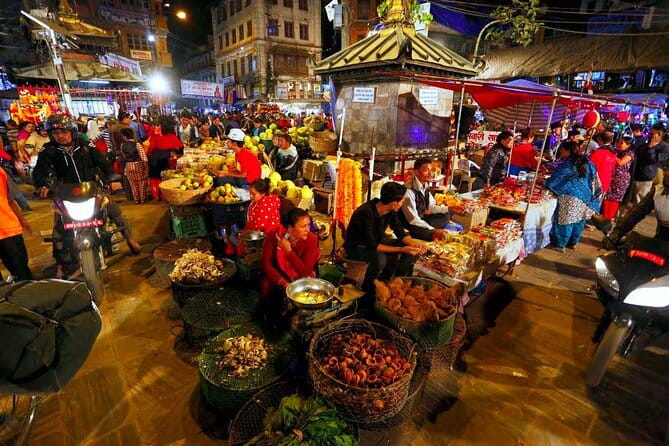
- Three old cities, three different moods: Bhaktapur feels preserved and ceremonial, Patan is a center of Buddhist and metalworking traditions, and Kathmandu mixes sacred sites with shopping streets and nightlife.
- A guide matters here: The narrow lanes and layered religious traditions make a local expert especially useful, and Nirajan is specifically praised for his roots in Bhaktapur.
Why this three-day plan is different
Kathmandu Valley is not one single historic city. It is a cluster of old settlements with separate royal centers, religious customs, craft traditions, and local identities. This tour gives each of the three main cities a full day of attention rather than treating them as quick photo stops.
That matters because the most interesting details are often easy to miss. A carved wooden window may look decorative until your guide explains the craft families who still work in the old town. A stone water fountain may seem like a simple relic until you learn that it remains tied to community events. A courtyard monastery can be tucked behind an ordinary lane, with little signage to announce its importance.
The tour is private, so only your group participates. That gives you more room to ask questions and adjust the pace than a large group outing usually allows. It also makes the $385 price easier to justify if you are traveling with family or friends and can share the value of the vehicle and guide.
Still, three days is full. The schedule includes long walking periods, repeated temple visits, and drives across a busy valley. You should think of this as an active cultural program, not a relaxed hotel-based break.
More time in Bhaktapur:
- Day Trip to Bhaktapur and Panauti from Kathmandu
★ 5.0 · 184 reviews - Bhaktapur & Patan Durbar Square Day Tours
★ 5.0 · 122 reviews - Nagarkot Sunrise & Bhaktapur UNESCO Heritage Private Tour
★ 5.0 · 66 reviews
Day one: Bhaktapur, pottery, and Newari flavors
Bhaktapur receives the first full day, and that is a sensible choice. Of the three old cities, it offers perhaps the clearest sense of a preserved medieval urban center, with brick lanes, courtyards, temples, and craft squares close together.
The day begins with a live session on Juju Dhau, the thick local yogurt associated with Bhaktapur. Watching it being made gives you an immediate connection to everyday Newari food culture. You can also taste traditional dishes later in the day, though food is not included in the tour price.
This is one of the tour’s most appealing additions. Many city tours explain food only after you have eaten it. Here, you see a preparation process and learn why the dish matters locally. If you enjoy trying unfamiliar foods, keep room in your schedule and appetite for the tasting.
Siddha Pokhari and the approach to the old city
Siddha Pokhari is a historic pond near the entrance to Bhaktapur Durbar Square. It works as a quiet opening before the denser temple area, giving you a chance to begin with a slower look at the city.
The stop lasts about 30 minutes. That is enough for an introduction, though not enough for a long, unhurried visit. From here, the route moves on foot toward Pottery Square, passing Barahi Agam Ghar.
Pottery Square
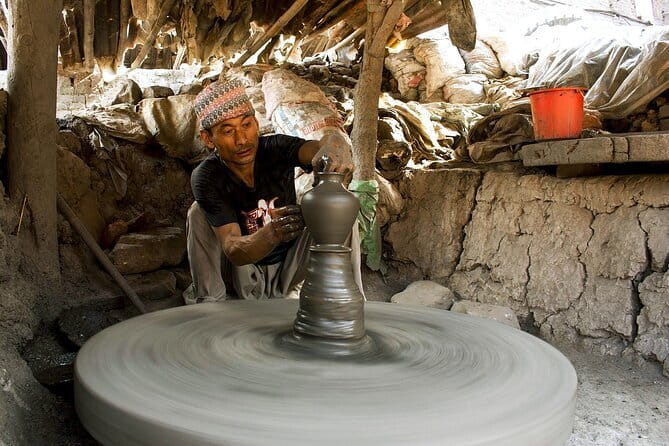
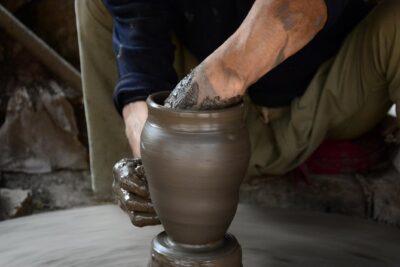
Pottery Square is one of the best places in the program for seeing a living craft rather than only finished monuments. Local potters work in the open, and the setting helps you understand that Bhaktapur is not simply an archaeological zone. It remains a working town.
The planned visit lasts about an hour. The experience is most valuable if you ask your guide to explain how the craft fits into local life and take time to watch the process rather than rushing to photographs.
The tradeoff is that working areas can be uneven, crowded, or dusty. This is a practical visit, not a polished museum presentation. That is part of its appeal.
More time in Patan:
- Kathmandu: Private Patan and Bhaktapur Sightseeing Tour
★ 4.7 · 64 reviews - Patan and Bhaktapur City Full Day Tour
★ 5.0 · 24 reviews - City tour of Bhaktapur and Patan Durbar Square
★ 4.5 · 20 reviews - Patan Heritage Tour – Private/Small Group
★ 5.0 · 14 reviews
Bhaktapur Durbar Square
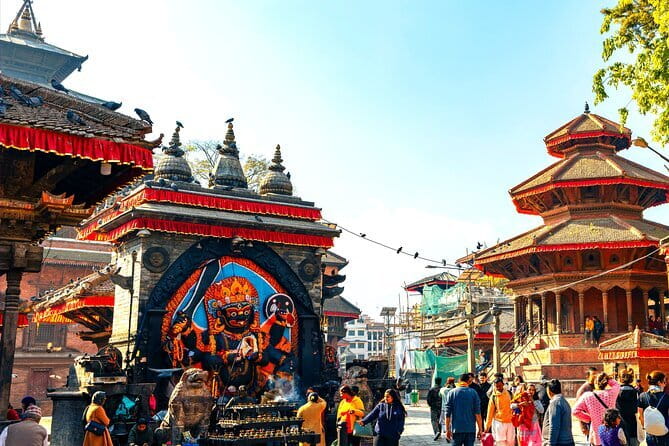
Bhaktapur Durbar Square is the day’s main historic stop. Its palace buildings, temples, carved details, and open spaces show why the site received UNESCO World Heritage recognition in 1979.
You have about an hour here, with the entrance fee included. That should cover the principal monuments, but Bhaktapur rewards attention to small details: roof supports, brickwork, metal figures, and the way shrines fit into the surrounding lanes.
The square is also where the tour’s historical explanations become especially important. Without a guide, you may see a group of beautiful buildings. With one, you can better understand the royal, religious, and community roles they once played.
Chandeshwori Temple and local food
Chandeshwori Temple is a three-story pagoda shrine in Tibukchhen Tole. The 30-minute visit adds a neighborhood-scale religious site after the grand royal square.
You then have an opportunity to taste traditional Newari food in the community. Since this is optional and not included, ask your guide what is available and what the cost will be before ordering. For many people, this meal or tasting will be more memorable than another formal monument.
Dattatreya Temple and Navadurga
Dattatreya Temple is linked to King Yaksha Malla and is traditionally dated to the 14th century. The route reaches it through Khacha Pokhari, giving you another look at Bhaktapur’s smaller public spaces and local lanes.
The final scheduled religious visit is the Navadurga temple area on the outskirts of Bhaktapur. These temples are connected with the protection of the city, and the order of worship matters during particular religious observances.
The stop is brief, around 30 minutes. Do not expect a long ceremony or extended time at every shrine. Instead, see this part as a chance to understand how the city’s religious life extends beyond the well-known square.
Day two: Patan’s courtyards, fountains, and sacred art
Patan, also called Lalitpur, receives the second day. This former Newar city served as a capital of the Malla dynasty until 1768. Its old center is especially rewarding for anyone interested in Buddhist monasteries, metalwork, brick construction, and carved religious art.
The day begins at Patan Dhoka, the historic gateway to the city. From there, you move through a sequence of ponds, fountains, temples, monasteries, and lanes before reaching Patan Durbar Square.
Pimbahal Stupa and Nagbahal Hiti
Pimbahal Stupa lies about 650 meters from Patan Durbar Square and is important to Buddhist pilgrims. Nearby Jagamadu Pond adds a useful reminder that water structures were once central to urban life, not merely decorative features.
The visit lasts about an hour. It gives you a calmer start than beginning immediately at the royal square.
Next comes Nagbahal Hiti, also known as Elhānani Hiti, an ancient drinking fountain believed to date to the eighth century. It is still connected with cultural events, which makes the stop more than an old stone feature. You can see how historic infrastructure continues to carry community meaning.
Golden Temple and Kumbheshwor Temple
The Golden Temple, or Hiranya Varna Mahavihar, is a Newar Buddhist monastery dating to 1409. Its name can mislead you: it is not made entirely of gold. The nickname refers to its decorated appearance and long-standing popular use.
The monastery visit lasts about an hour. Courtyard monasteries often reward a quiet pace, since their details can be easy to miss among the shrines, metalwork, and ritual objects.
Kumbheshwor Temple follows, with about 30 minutes for the visit. The temple is associated with the late 14th century and adds a Hindu religious site to a day that has already included several Buddhist settings. That contrast is one of Patan’s great strengths.
Patan Durbar Square
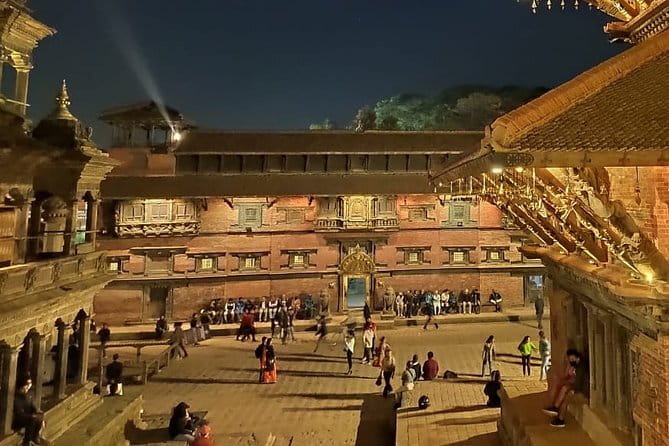
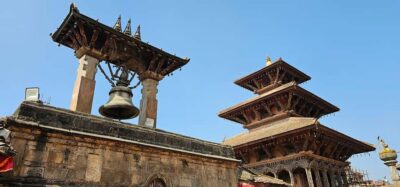
Patan Durbar Square is the day’s central sight. The former royal palace is surrounded by a dense group of temples and courtyards, making it a concentrated lesson in Newar architecture.
You have about an hour here, and the admission fee is covered. I would pay close attention to the carved wood and metal figures, not only the broad view. Patan is particularly strong in decorative religious art, and a local guide can help you distinguish palace spaces from active shrines.
After the square, the route continues to the Golden Fountain. This smaller feature gives the day a change of scale. It is a reminder that Patan’s artistic traditions appear in public waterworks as well as large temples.
Mahaboudha and Rudravarna Mahavihar
Mahaboudha Temple dates from the 14th century and is made from clay bricks decorated with terra-cotta art. Its form differs from the surrounding pagoda roofs, so it provides a welcome visual change.
The planned visit lasts about an hour. This is a good place to slow down and examine the repeated images and brick details rather than treating the temple as a quick stop.
Rudravarna Mahavihar, also called Oku Bahal, is a Newar Buddhist monastery with three courtyards. The half-hour visit gives you another chance to see how religious buildings are organized around shared interior spaces.
The final hour takes you through old Patan’s narrow alleys, where Shilpakar families are known for long traditions of woodwork. This is where the tour’s emphasis on local craft is strongest. You may see workshops and working streets rather than formal demonstrations, so stay observant and respectful around homes and artisans.
Day three: Kathmandu squares, stupas, and sacred riverbanks
The final day turns to Kathmandu itself. It begins with a walk through Thamel and Asan Tole, one of the city’s important local shopping areas, before reaching Newroad Gate through Kathmandu Durbar Square.
This opening combines historic monuments with present-day commerce. Asan is useful for seeing the city in motion, with shops and street activity filling the old lanes. The route can also be a sensory overload, so comfortable walking shoes and a little patience will help.
Kathmandu Durbar Square
Kathmandu Durbar Square receives about two hours. This is one of the valley’s major royal centers and a key UNESCO site.
The longer visit is welcome because the square and its surrounding lanes contain more than one obvious landmark. The walk from Thamel through Asan and toward Newroad also shows how the old city functions as a place of business, worship, and daily movement.
Swayambhunath and Budhanilkanth
Swayambhunath, commonly known as the Monkey Temple, follows with about an hour. The stupa is regarded as one of the Kathmandu Valley’s great architectural achievements and is one of the major heritage sites included in the trip.
The itinerary then shifts to Budhanilkanth Temple, also called Jal Narayan Temple. This peaceful religious site is associated with a reclining Vishnu image and offers a different atmosphere from the crowded urban core.
The stop is only about 30 minutes, so expect a brief visit rather than a long religious program. Its value lies in the contrast: after the historic square and stupa, you see a quieter corner of the valley.
Boudhanath Stupa
The drive along Kathmandu’s outer ring road leads to Boudhanath, also called Buddha Stupa. The first stupa at the site is generally linked to the period after AD 600 and to Tibetan Buddhist influence in the valley.
Two hours are allocated here, giving you time to walk around the large stupa and observe its religious setting. This is one of the better-paced stops in the program. A quick ten-minute photo stop would miss much of what makes Boudhanath meaningful.
Pashupatinath Temple
Pashupatinath sits on the Bagmati River and is one of Nepal’s most important Hindu religious sites. The visit also lasts about two hours.
Access within religious compounds can depend on local rules, so your guide’s advice is important. The tour includes the entrance and environmental fees listed for the attractions, but the schedule does not promise participation in ceremonies or access to every interior space.
Taken together, Boudhanath and Pashupatinath show the range of religious traditions in the valley. They are not interchangeable temple stops. One is centered on a major Buddhist stupa and Tibetan Buddhist community, while the other is tied to Hindu worship on the Bagmati.
Thamel and evening options
The day ends with an optional escorted visit around Thamel and Jhamsikhel. The plan allows up to five hours for restaurants, pubs, clubs, and streets, with VIP line access mentioned for the evening venues.
This portion is not included in the tour price. You pay for food, drinks, and any nightlife costs yourself. It is best treated as an optional add-on, especially if your main goal is heritage rather than evening entertainment.
What the $385 price really covers
At $385 per person, the tour is not a cheap way to check off monuments. Its value comes from the combination of a private vehicle, an air-conditioned car, a certified local leader, entrance fees, taxes, environmental fees, and three days of focused sightseeing.
Accommodation and food are excluded. That gives you some control over the budget, since you can choose from multiple hotel brands and luxury options and decide how much to spend on meals. It also means you should calculate the full trip cost before booking.
For a solo visitor, the price may feel high. For a couple, family, or small group, the private format can make more sense, particularly if you value flexible questions and local explanations. Group discounts are offered, but the exact discount is not specified, so ask for the current rate before paying.
The strongest value is the access to local skills and traditions. Juju Dhau preparation, pottery, old water fountains, monastery courtyards, woodwork, and idol carving provide more texture than a standard highlights tour. Just confirm the exact craft demonstration available on your date, since the general description refers to both pottery and art sessions while the daily plan gives the clearest detail for pottery and local workshops.
Pace, transport, and practical limits
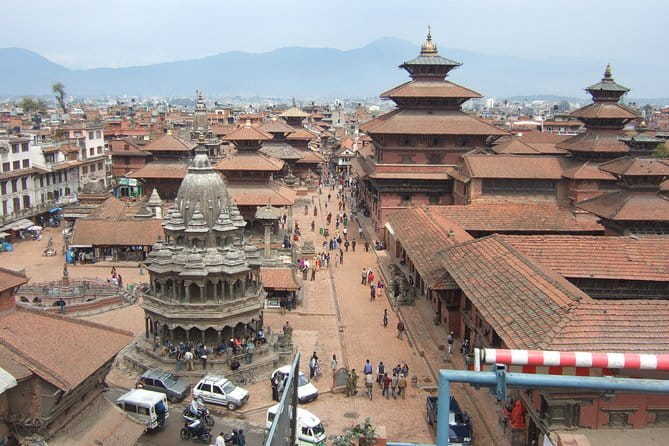
Pickup is offered, and the tour begins at 9:15 am. Private transportation is included, but you will still walk extensively through old neighborhoods, squares, courtyards, and temple areas.
The vehicle helps with the distances between cities and major sites. It cannot remove the basic realities of Kathmandu Valley traffic, narrow lanes, or crowded historic districts. Some days include ten stops, so the schedule is ambitious.
One bottle of water per person per day is included. Public toilets are available, and service animals are allowed. Most people can participate, but the information provided does not describe step-free access or detailed mobility arrangements. If you need those, ask the provider before booking.
Free cancellation is available when you cancel at least 24 hours before the start time. Changes or cancellations inside that window are not accepted for a refund.
Who should choose this tour
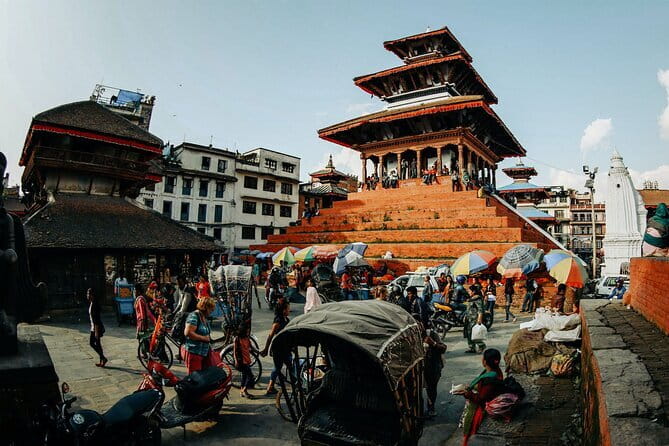
I would recommend it to you if you want a guided introduction to the valley’s old cities and prefer local context over independent monument collecting. It suits first-time visitors, families who want private transport, and anyone interested in Newar food, religion, architecture, and craft.
It is also a strong choice after a trek. Several people used a city tour alongside routes such as the Manaslu or Annapurna Circuit, using the three days to understand the cultural setting of Nepal after time in the mountains.
I would be more cautious if you dislike full schedules, long walks, or repeated religious sites. You may prefer a shorter private tour with fewer stops. I would also compare prices if you are traveling alone and do not need an air-conditioned vehicle or a dedicated guide for three days.
Should you book it?
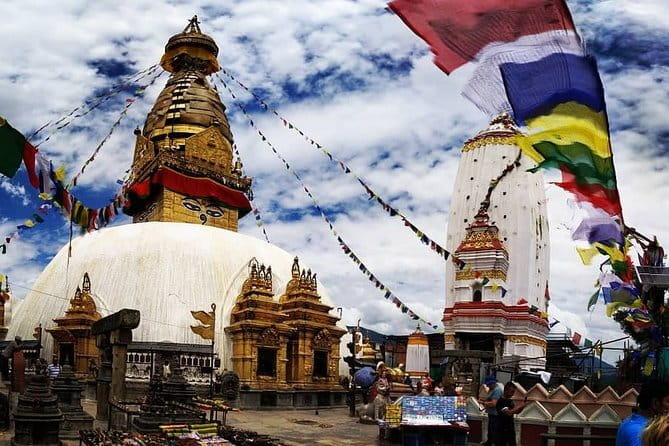
Book this tour if authentic local contact is your priority and you want all three old cities explained in detail. The guide’s local roots, the Bhaktapur food session, pottery, monasteries, old fountains, and market walk give it more substance than a standard UNESCO checklist.
Skip it if your budget is tight, you want accommodation and meals bundled, or you prefer a slow itinerary with plenty of unscheduled time. For the right visitor, the $385 cost buys structure, transport, and cultural context across three demanding days. Ask in advance about the exact workshop demonstrations, group discount, pickup details, and evening costs, then make your decision with a clear view of the total price.
FAQ
How long does the tour last?
The experience lasts approximately three days, with a start time of 9:15 am.
Is this a private tour?
Yes. Only your group participates in the activity.
Are entrance fees included?
Yes. Entrance fees, taxes, and environmental management fees for the attractions named in the program are included.
Is transportation provided?
Yes. Private transportation in an air-conditioned vehicle is included, and pickup is offered.
Are meals included?
No. Food is not included, though the guide will advise you about local dining and tasting options.
Is accommodation included?
No. Accommodation is separate, and you can select from multiple hotel brands and luxury options.
Can I cancel for a full refund?
Yes, if you cancel at least 24 hours before the experience start time. Cancellations made less than 24 hours in advance are not refunded.
Are group discounts available?
Yes. Group discounts are offered, but the specific discount amount is not provided.
More UNESCO World Heritage Tours in Kathmandu
- Private Kathmandu Sightseeing Tour | UNESCO World Heritage sites
★ 5.0 · 756 reviews - Kathmandu: Full Day 7 UNESCO Tour with Lunch – Private/Group
★ 5.0 · 415 reviews - Kathmandu: Full Day Top 4 UNESCO Tour with Lunch – Private/Group
★ 5.0 · 269 reviews - UNESCO Seven World Heritage Tour in Kathmandu
★ 5.0 · 253 reviews
New in the Kathmandu listings
- Traditional Momo Making Class★ 5.0 · 10 reviews
- Kathmandu: Ancient City Kirtipur & Pharping Monastery Tour★ 5.0 · 2 reviews
- Kathmandu to Pokhara Premium sofa bus ticket★ 4.0 · 17 reviews
- Women Empowerment Project(Nepali cooking class & jewelry workshop★ 5.0 · 15 reviews
- 7-Day Langtang Valley Trek from Kathmandu★ 5.0 · 1 review
- Kathmandu 2 Nights 3 Days Chitwan Jungle Safari Tour★ 5.0 · 9 reviews
- Yoga Experience Day Trip with Private Transfer From Kathmandu★ 4.0 · 2 reviews
- Wildlife Adventure in Chitwan Nepal★ 4.0 · 4 reviews
Bhaktapur Tours, compared.
Day Trip to Bhaktapur and Panauti from Kathmandu
Read our review →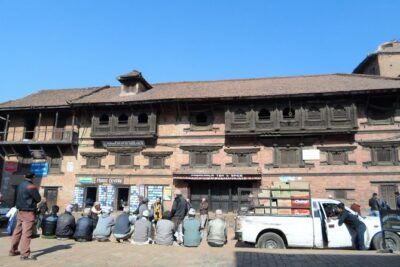
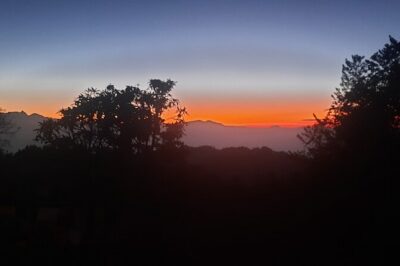
Nagarkot Sunrise & Bhaktapur UNESCO Heritage Private Tour
Read our review →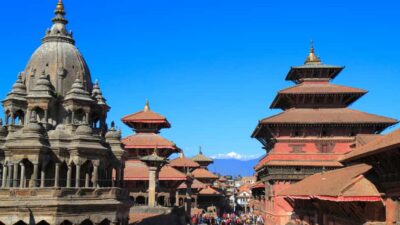
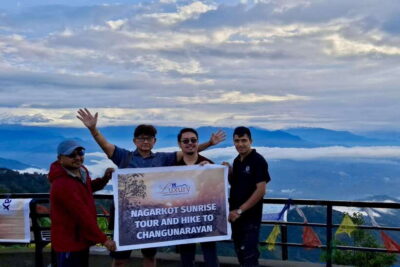
Bhaktapur & Nagarkot Day Tour with Lunch – Private/Group
Read our review →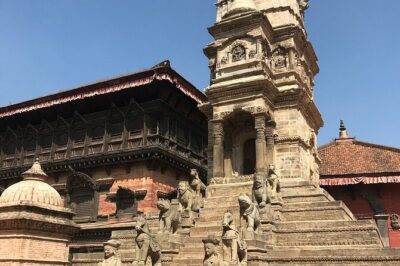
Nagarkot Sunrise & Bhaktapur Heritage Tour -Private Full Day Trip
Read our review →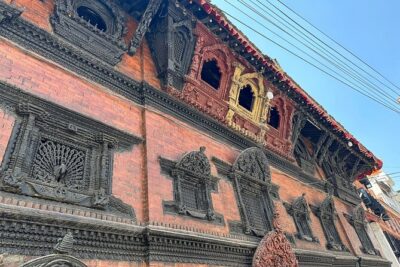
Browse the lists this tour appears in