
REVIEW · UNESCO WORLD HERITAGE TOURS
Kathmandu : Group Tour to 7 UNESCO World Heritage Tour
Seven landmarks, one long day. This 8-hour Kathmandu Valley tour links ancient palaces, Hindu temples, and Buddhist stupas with hotel pickup, air-conditioned transport, and an English-speaking guide. I like the way it brings Kathmandu Durbar Square, Patan, Bhaktapur, Swayambhunath, Boudhanath, Pashupatinath, and Changu Narayan into one organized outing.
I also like the cultural range. You see Newar architecture and festivals, learn about Hindu and Buddhist traditions, and visit sites that still function as places of worship. The main caution is pace: seven UNESCO sites in eight hours leaves limited time at each stop, and the separate monument fee of 5,800 NPR per person adds a significant cost to the $68 tour price.
In This Review
- Key Points Before You Book
- Why This Kathmandu Tour Packs So Much Into Eight Hours
- Kathmandu Durbar Square and the Living Goddess Tradition
- Patan Durbar Square and Fine Newar Craftsmanship
- Bhaktapur’s Medieval Squares and Five-Story Nyatapola
- Swayambhunath, the Hilltop Stupa With Buddha’s Eyes
- Boudhanath and Kathmandu’s Tibetan Buddhist Center
- Pashupatinath and the Bagmati River Ghats
- Changu Narayan, the Hilltop Temple Dedicated to Vishnu
- What the $68 Price Really Covers
- Who Will Get the Most From This Day
- Practical Advice for a Better Visit
- Should You Book the 7 UNESCO Sites Tour?
- FAQ
- How long does the Kathmandu UNESCO tour last?
- Which UNESCO World Heritage Sites are included?
- Is hotel pickup included?
- Is transportation included?
- Is an English-speaking guide included?
- Are monument entry fees included in the tour price?
- Are food and drinks included?
- Can I cancel the tour for a full refund?
Key Points Before You Book
- Seven UNESCO sites in one day: The route covers the major cultural landmarks of Kathmandu Valley, from royal squares to active religious centers.
- A useful first-day orientation: Hotel pickup and private air-conditioned transport save you from piecing together a complicated route on your own.
- Newar art is the visual theme: Carved windows, pagoda roofs, stone temples, courtyards, and palace details appear again and again.
- Hindu and Buddhist traditions share the route: Pashupatinath, Boudhanath, Swayambhunath, and Changu Narayan each offer a different religious setting.
- The entry fee matters: The listed 5,800 NPR monument charge is not included, so check your total budget before booking.
- Expect a full schedule: This is best for seeing the valley’s major sites in one sweep, not for lingering at every temple.
Why This Kathmandu Tour Packs So Much Into Eight Hours
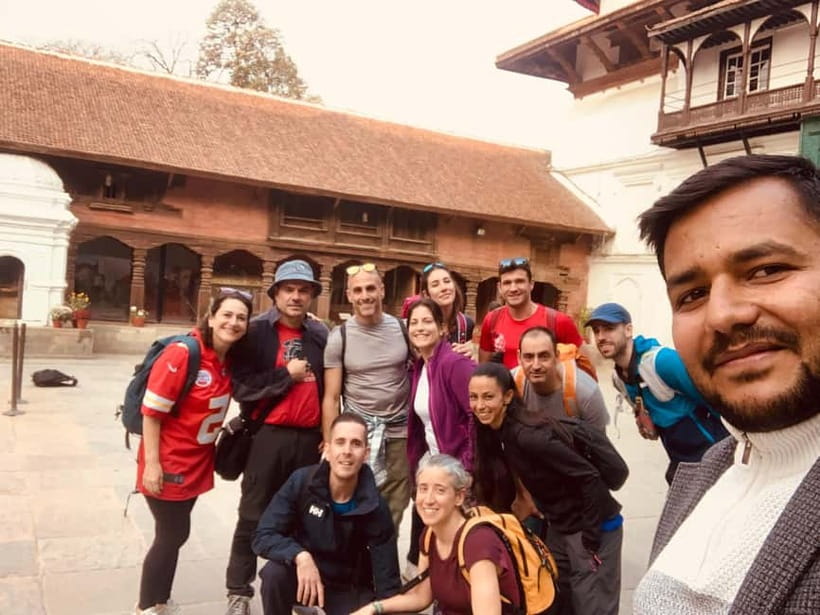
Kathmandu Valley’s seven UNESCO World Heritage Sites are spread across Kathmandu, Lalitpur, Bhaktapur, and the surrounding valley. Seeing them independently means arranging transport between several districts, working out opening and entry arrangements, and keeping track of a busy day.
This tour handles the movement for you. Pickup and drop-off at your hotel, private transportation with air conditioning, and an experienced English-speaking guide are included. For me, that practical structure is the main reason to consider it. You spend less energy navigating and more time looking at the buildings and religious life around you.
The schedule is ambitious. Kathmandu Durbar Square, Patan Durbar Square, and Bhaktapur Durbar Square each deserve plenty of time. Swayambhunath and Boudhanath are not quick photo stops either, especially if you want to watch worshippers, understand the symbols, and notice the details in the carvings and shrines.
I would treat this as an introduction rather than a slow architectural study. You get the broad picture in one day, then you can return to the place that caught your attention most.
More UNESCO World Heritage Tours in Kathmandu:
- Private Kathmandu Sightseeing Tour | UNESCO World Heritage sites
★ 5.0 · 756 reviews - Kathmandu: Full Day 7 UNESCO Tour with Lunch – Private/Group
★ 5.0 · 415 reviews - Kathmandu: Full Day Top 4 UNESCO Tour with Lunch – Private/Group
★ 5.0 · 269 reviews
Kathmandu Durbar Square and the Living Goddess Tradition
The day begins, in the broad sense, with Kathmandu’s historic royal center, commonly called Hanuman Dhoka. This was the seat of the Malla and Shah kings, and its courtyards and temples show how royal power, religion, and daily life were closely tied together.
The Kumari Ghar is one of the most distinctive stops. It is the home of the living goddess Kumari, a young girl selected through a traditional process and honored as a divine figure. The building itself is known for its finely carved windows and courtyard.
Other important sights include Kal Bhairav and the Taleju Temple. Kal Bhairav is associated with a fierce form of Shiva, while Taleju was a major royal deity. The square’s Newar design is visible in its brick buildings, tiered roofs, timber carvings, and enclosed courtyards.
This is a place where a guide adds real value. Without context, you might see a crowded collection of temples and palace walls. With explanation, the square becomes easier to read as a royal and religious center.
The limitation is time. Kathmandu Durbar Square has enough detail to fill a full visit, so you may need to choose a few structures rather than inspect every carving. Keep your expectations realistic: this tour gives you an overview of the complex, not a long, quiet exploration.
Patan Durbar Square and Fine Newar Craftsmanship
Patan, also called Lalitpur, is known for its refined Newar craftsmanship. The royal palace, courtyards, temples, windows, and doors here reward close attention. Look for the repeated use of carved wood and stone, where small figures and patterns are worked into parts of the buildings you could easily miss.
The Krishna Mandir is one of the key sights. Its stone construction and carved details differ from the more familiar pagoda-style temples nearby. The Hiranya Varna Mahavihar, often called the Golden Temple, adds another religious layer to the stop.
Patan is especially useful for understanding that Kathmandu Valley architecture is not one single style. You see different roof forms, materials, temple plans, and decorative approaches across the three royal squares.
I like this stop for visitors who enjoy design. You do not need to be an architecture specialist. Simply pay attention to the windows, doors, columns, roof supports, and metal or stone figures. The guide can help explain why these details matter.
Again, the full value of Patan depends on the time allowed. A quick circuit will show you the highlights, but the square is worth revisiting if you want to photograph or study the craftsmanship.
Bhaktapur’s Medieval Squares and Five-Story Nyatapola
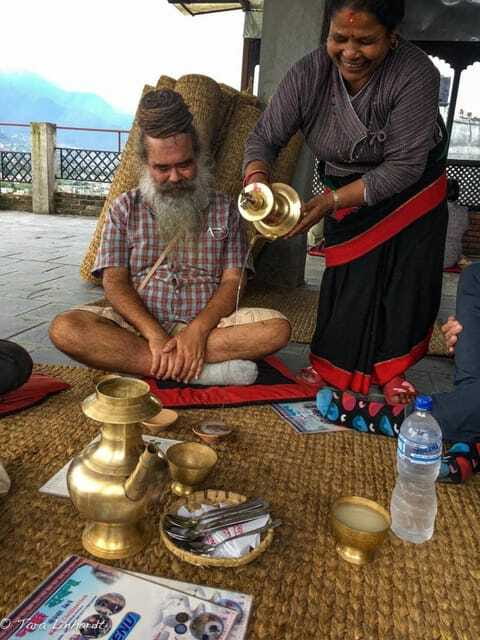
Bhaktapur offers the most clearly preserved medieval city setting of the three royal centers described here. Its Durbar Square reflects the power and artistic skill of the Malla kings, with major buildings including the 55-Window Palace, Nyatapola Temple, and Vatsala Temple.
The Nyatapola Temple is the visual anchor. Its five-story pagoda form gives it a strong vertical presence, and it is one of the most memorable structures on the route. The 55-Window Palace is another reminder of Bhaktapur’s royal past, with elaborate timber work and a formal palace setting.
Bhaktapur helps you picture how a Malla-era city might have been organized around courtyards, temples, palace buildings, and public spaces. The stop also connects well with the tour’s focus on Newar traditions and festivals.
I would pay attention to how different Bhaktapur feels from central Kathmandu. The three squares share cultural roots, but each has its own character and collection of buildings. Bhaktapur is likely to be one of the most rewarding stops for anyone who enjoys traditional architecture.
The practical drawback is that this is one of seven major visits. You may wish you had more time here, particularly if the palace interiors and temple details interest you. The tour is useful for seeing Bhaktapur, but it cannot give you the leisurely pace of a dedicated Bhaktapur visit.
More history tours in Kathmandu:
- UNESCO Seven World Heritage Tour in Kathmandu
★ 5.0 · 253 reviews - Kathmandu Private Sightseeing Tour | UNESCO World Heritage Sites
★ 5.0 · 109 reviews - Kathmandu: Full Day Private Top 4 UNESCO Heritage Tour W/Lunch.
★ 5.0 · 86 reviews - Kathmandu World Heritage Tour
★ 5.0 · 74 reviews
Swayambhunath, the Hilltop Stupa With Buddha’s Eyes
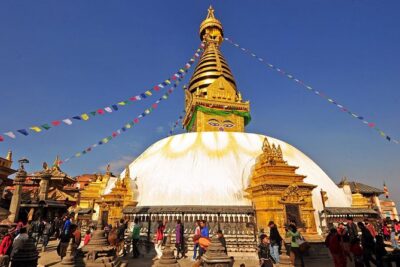
Swayambhunath Stupa sits on a hill west of Kathmandu and is one of Nepal’s oldest Buddhist stupas. It is widely known as the Monkey Temple, and monkeys are part of the site’s atmosphere.
The white dome, gilded spire, and Buddha’s eyes create the familiar image associated with Swayambhunath. The eyes symbolize wisdom, giving the stupa a meaning beyond its striking appearance. From the hilltop setting, you also get broad views over Kathmandu.
This is a good point in the day to connect the architecture with Buddhist beliefs. The stupa’s form, painted symbols, and surrounding religious activity make it different from the palace squares and Hindu temple complexes.
The monkeys are entertaining, but keep your attention on your belongings and on the religious setting. They are part of the location, not the main reason for visiting.
Swayambhunath can be a short stop in a packed schedule, yet it has enough atmosphere to make you want to linger. I would use the guide’s explanation here, then take a few quiet minutes to look at the stupa and the city views.
Boudhanath and Kathmandu’s Tibetan Buddhist Center
Boudhanath is one of the largest stupas in the world and a major Tibetan Buddhist center. Its huge mandala design, white dome, gilded features, and Buddha’s all-seeing eyes create a very different experience from Swayambhunath.
The surrounding monasteries add to the importance of the site. Boudhanath is not only a monument to photograph. It is a spiritual center with a strong connection to Tibetan Buddhism.
This is one place where the guide’s cultural explanation can help you understand what you are seeing. The circular design and symbolic eyes are not random decoration. They form part of a religious setting with its own traditions and visual language.
I like Boudhanath because it gives the tour a clear Buddhist focus after the royal squares. Along with Swayambhunath, it helps you compare two important Buddhist sites rather than treating Buddhism as a single, uniform tradition.
Time is the issue here too. The stupa and surrounding monasteries invite a slower visit. If you enjoy religious art or photography, note the details you want to revisit later.
Pashupatinath and the Bagmati River Ghats
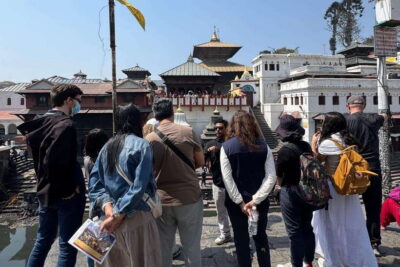
Pashupatinath Temple is a major Hindu site dedicated to Lord Shiva. The complex includes pagoda-style temples, shrines, and ghats along the Bagmati River, including cremation areas.
Only Hindus may enter the main temple. That restriction is important to understand before you arrive. You can still learn about the complex and observe its religious setting from the areas open to you, but the central temple interior is not part of the visit for non-Hindu visitors.
Pashupatinath adds a serious and deeply religious dimension to the day. It is not simply another attractive temple. The Bagmati River ghats connect the site with Hindu funeral traditions, and the area may feel very different from the royal squares or Buddhist stupas.
I appreciate having this stop included because it presents Hindu practice in an active setting. At the same time, you should approach it respectfully. This is a working religious and cremation site, not a staged cultural display.
The short schedule may limit how much context you receive. Ask your guide questions if the pace allows. The site has many layers, and a brief explanation can make the visit much more meaningful.
Changu Narayan, the Hilltop Temple Dedicated to Vishnu
Changu Narayan Temple is in Bhaktapur District and is described as Nepal’s oldest Hindu temple, dating back to the fourth century. It is dedicated to Lord Vishnu and is known for stone and wood carvings, ancient inscriptions, and a peaceful hilltop setting.
This stop gives the route a quieter finish than the large urban squares. Its importance comes from age, religious purpose, and craftsmanship. The inscriptions and carvings make it especially useful for understanding how Nepal’s artistic and religious traditions developed over time.
Changu Narayan also broadens the geographical reach of the tour. You are not seeing only the major city centers. The route includes a hilltop temple setting in the Bhaktapur area, which gives you another view of the valley’s heritage.
Because the entire schedule lasts eight hours, I would not assume you can examine every inscription or carving in detail. Still, the temple is a worthwhile inclusion for anyone interested in old religious architecture and Nepal’s early history.
What the $68 Price Really Covers
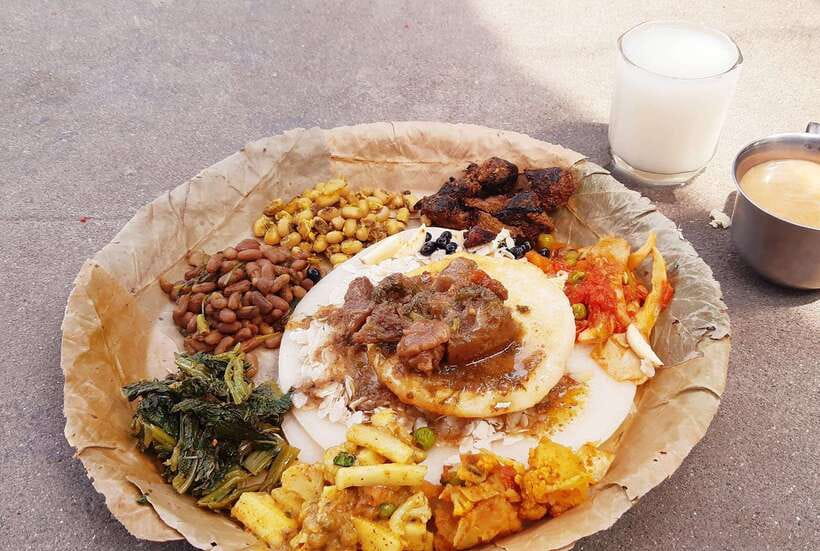
The tour costs $68 per person. That price includes hotel pickup and drop-off, private air-conditioned transportation, an experienced English-speaking guide, government tax, and service charges.
The separate monument entry fee is listed as 5,800 NPR per person. Food and drinks are also excluded. This means you should compare the full expected cost, not just the advertised tour price.
I see reasonable value here if you want all seven sites in one day and prefer not to arrange transport between districts. Air conditioning matters during a long sightseeing schedule, and hotel pickup removes another practical task.
The value is weaker if you prefer slow visits or already have reliable transport and a strong understanding of Kathmandu Valley’s sites. You may get more from booking individual visits over several days, even though that would require more planning.
The guide is important to the price. These sites are filled with religious symbols, royal references, and Newar details that are easy to miss. An English-speaking guide can connect the buildings with Hinduism, Buddhism, Newar culture, traditions, and festivals.
Who Will Get the Most From This Day
I would recommend this tour to a first-time visitor with only one full day for Kathmandu Valley’s major heritage sites. It is also a good fit if you want a broad cultural introduction before deciding where to spend more time later.
You will likely appreciate it if you enjoy:
- Historic palace squares and temple architecture
- Newar wood, stone, and metal craftsmanship
- Hindu and Buddhist religious sites
- Organized pickup and transport
- A guide who can explain cultural details in English
- Seeing a wide range of places in a single day
I would hesitate if your priority is quiet photography, long temple visits, or detailed study of every palace and shrine. Seven UNESCO sites make for a strong overview, but the itinerary leaves little room for wandering.
The tour language is English, and the provider is Mount Glory Treks. The group size is not specified, so ask about that before booking if the size of the group matters to you.
Practical Advice for a Better Visit
Wear clothing suitable for religious sites. Pashupatinath is an active Hindu complex, and other temples and stupas also deserve respectful dress and behavior.
Keep some flexibility in your expectations. The tour includes seven major sites, but traffic and time at earlier stops can affect how long you have at later ones. The stated duration is eight hours, so think of the day as a carefully packed overview.
Bring money for the 5,800 NPR entry fee and for food or drinks, since neither is included. The tour provides transportation and guiding, but not meals.
If one site matters most to you, tell the guide early. You may not be able to extend the schedule, but sharing your interest can help you use your limited time well.
Free cancellation is available up to 24 hours before the tour for a full refund. You can also reserve now and pay later, which helps if your Kathmandu plans are still shifting.
Should You Book the 7 UNESCO Sites Tour?
Book it if you want the valley’s major heritage sites covered in one organized day, with hotel pickup, air-conditioned transport, and an English-speaking guide. The combination of royal squares, Buddhist stupas, Hindu temples, and Newar craftsmanship gives you a useful first picture of Kathmandu’s cultural traditions.
Skip it if you want a slow, unhurried visit or if the extra 5,800 NPR entry fee pushes the total beyond your budget. My practical advice is to book this for an overview, then return on another day to the one or two sites that deserve more of your time.
FAQ
How long does the Kathmandu UNESCO tour last?
The tour lasts 8 hours.
Which UNESCO World Heritage Sites are included?
The tour includes Kathmandu Durbar Square, Patan Durbar Square, Bhaktapur Durbar Square, Swayambhunath Stupa, Boudhanath Stupa, Pashupatinath Temple, and Changu Narayan Temple.
Is hotel pickup included?
Yes. Pickup and drop-off at your hotel are included.
Is transportation included?
Yes. The tour includes private transportation with air conditioning.
Is an English-speaking guide included?
Yes. An experienced English-speaking guide is included.
Are monument entry fees included in the tour price?
No. Sightseeing monument entry fees are not included. The listed cost is 5,800 NPR per person.
Are food and drinks included?
No. Food and beverages are not included.
Can I cancel the tour for a full refund?
Yes. You can cancel up to 24 hours in advance for a full refund.
New in the Kathmandu listings
- Traditional Momo Making Class★ 5.0 · 10 reviews
- Kathmandu: Ancient City Kirtipur & Pharping Monastery Tour★ 5.0 · 2 reviews
- Kathmandu to Pokhara Premium sofa bus ticket★ 4.0 · 17 reviews
- Women Empowerment Project(Nepali cooking class & jewelry workshop★ 5.0 · 15 reviews
- Kathmandu 2 Nights 3 Days Chitwan Jungle Safari Tour★ 5.0 · 9 reviews
- Yoga Experience Day Trip with Private Transfer From Kathmandu★ 4.0 · 2 reviews
- 7-Day Langtang Valley Trek from Kathmandu★ 5.0 · 1 review
- Wildlife Adventure in Chitwan Nepal★ 4.0 · 4 reviews
UNESCO World Heritage Tours, compared.
Private Kathmandu Sightseeing Tour | UNESCO World Heritage sites
Read our review →
Full Day 7 UNESCO Tour with Lunch – Private/Group
Read our review →
Full Day Top 4 UNESCO Tour with Lunch – Private/Group
Read our review →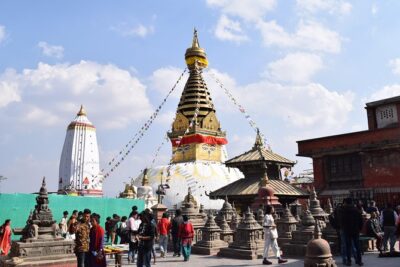
Full-Day 7 UNESCO Tour with Lunch – Private/Group
Read our review →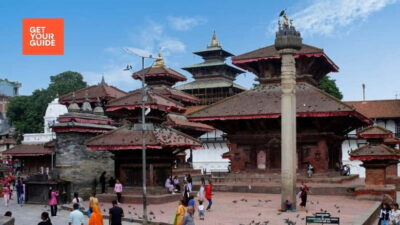
Browse the lists this tour appears in