
REVIEW · UNESCO WORLD HERITAGE TOURS
Kathmandu: Guided -Day Tour of World Heritage Sites
Four sacred sites, one very full day. This Kathmandu tour gives you a practical way to see the valley’s major cultural landmarks without chasing them across the city alone. I especially like the private car and hotel pickup, plus the chance to travel with an English, Hindi, or Nepali-speaking guide. The $37 price is also appealing for a private day out.
I also like the clear mix of Hindu and Buddhist places: Pashupatinath, Boudhanath, Patan Durbar Square, and Swayambhunath. The main consideration is pace. Four major sites spread across Kathmandu Valley can make for a long day, and entrance fees, food, and drinks cost extra.
In This Review
- Key points to know before booking
- Why this tour works well in Kathmandu
- Pashupatinath Temple and the Bagmati River
- Boudhanath Stupa, Kathmandu’s great Buddhist landmark
- Patan Durbar Square and the old royal city
- Swayambhunath, the hilltop Monkey Temple
- The guide and driver make the difference
- What the 5.5-hour schedule really means
- Who should book this Kathmandu tour?
- Final verdict: a strong first-day introduction
- FAQ
- How long does the Kathmandu World Heritage Sites tour last?
- Which places are included on the tour?
- Is hotel pickup and drop-off included?
- Is transportation private?
- Are sightseeing entrance fees included?
- Which languages are available for the guide?
- Can I cancel the tour or pay later?
Key points to know before booking
- Four major heritage stops: The day commonly covers Pashupatinath Temple, Boudhanath Stupa, Patan Durbar Square, and Swayambhunath.
- Private transport included: A private car, driver, hotel pickup, and hotel drop-off make the sprawling city easier to manage.
- Strong guide feedback: Guides including Ramesh and Sujan are praised for clear explanations, flexibility, and friendly service.
- A useful first-day tour: You get a broad introduction to Kathmandu’s temples, stupas, religious customs, and old-city architecture.
- Entry fees are extra: The $37 covers the guide, car, tax, and service charge, but not sightseeing tickets or meals.
- Expect a full schedule: The advertised touring time is about 5.5 hours, but the overall day depends on pickup, traffic, and time at each site.
Why this tour works well in Kathmandu
Kathmandu Valley can look compact on a map, yet its important sights are scattered through three districts and a sprawling urban area. Finding each place on your own is possible, but fitting four major stops into one day takes planning, transport, and patience.
This is where the tour earns its keep. You are collected from your hotel, driven between the sites, and given explanations along the way. Instead of spending the day working out which road leads to which temple, you can focus on what you are seeing.
The tour also gives you a useful cultural balance. Pashupatinath is one of Nepal’s most important Hindu temples. Boudhanath and Swayambhunath present Buddhist traditions, while Patan offers old royal architecture, courtyards, carved wood, and stonework.
I would not treat this as a slow, meditative tour of every corner. It is better understood as a broad introduction. You see the main places, learn why they matter, and decide where you may want to return for more time.
The price is $37 per person, which is good value if the private car and guide are important to you. A private vehicle is especially useful when your time in Kathmandu is short. Just remember that entry tickets are not included, so your final cost will be higher than the headline price.
More UNESCO World Heritage Tours in Nepal:
- Private Kathmandu Sightseeing Tour | UNESCO World Heritage sites
★ 5.0 · 756 reviews - Kathmandu: Full Day 7 UNESCO Tour with Lunch – Private/Group
★ 5.0 · 415 reviews - Kathmandu: Full Day Top 4 UNESCO Tour with Lunch – Private/Group
★ 5.0 · 269 reviews
Pashupatinath Temple and the Bagmati River
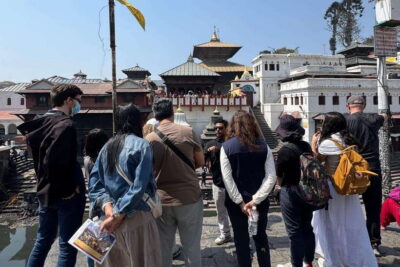
Pashupatinath is usually the most emotionally powerful stop. The temple sits beside the Bagmati River and is dedicated to Shiva, one of the central Hindu deities. The main temple is a two-story pagoda-style building, and the wider complex contains many shrines and religious spaces.
The site was added to the UNESCO World Heritage list in 1979. On Maha Shivaratri, more than one million devotees are said to visit, giving you an idea of its importance in Nepal and beyond.
Your guide can help explain the religious meaning of the complex and the customs taking place around it. That matters here because Pashupatinath is not simply an old building for photographs. It remains an active place of worship, and some parts of the visit may feel solemn rather than sightseeing-focused.
A cremation ceremony may be visible beside the Bagmati River. One person described seeing this as an extraordinary part of the day, but you should approach such scenes with care. This is a family and religious event, not a performance arranged for visitors. Follow your guide’s advice about where to stand and when photography is appropriate.
Pashupatinath can be a strong reason to book a guided tour. Without context, you may see temples, smoke, pilgrims, and ritual activity without understanding the connections between them. With a guide, the scene becomes easier to read.
The drawback is that the site may feel intense and crowded, especially during major religious occasions. You may also find the day’s schedule leaves less time than you would like for quiet observation. If Pashupatinath is your main reason for visiting, ask at the start of the day how long you will have there.
Boudhanath Stupa, Kathmandu’s great Buddhist landmark
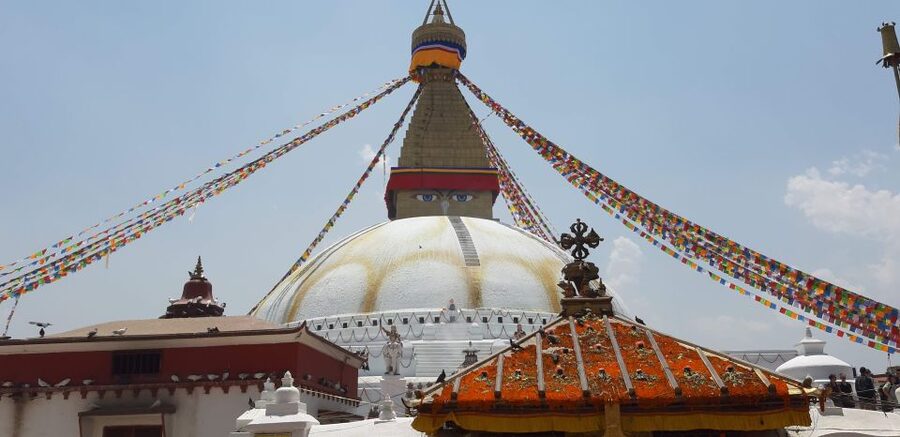
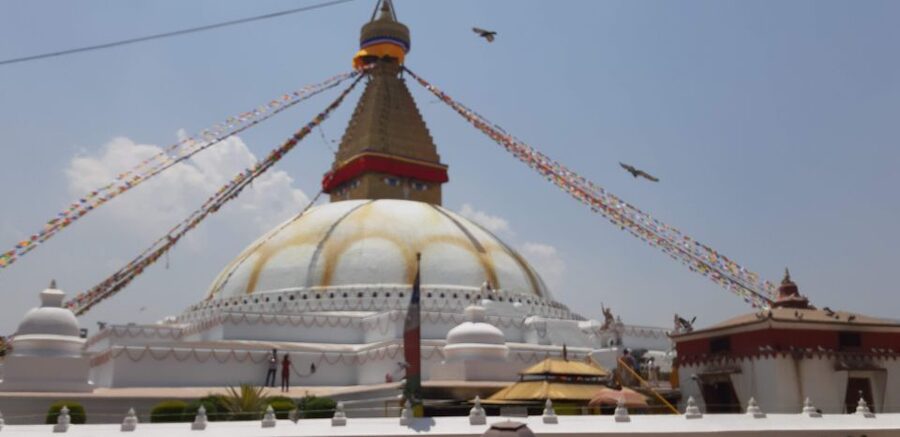
Boudhanath is one of the largest stupas in the world. Its white dome and large central structure dominate the area, with a diameter of about 100 meters and a height of roughly 40 meters.
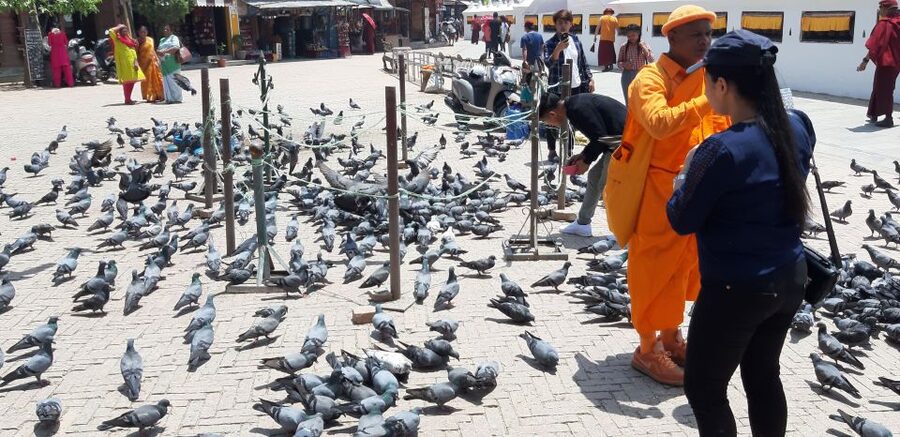
The scale is impressive, but the real value is the chance to watch a living Buddhist center at work. The stupa is sacred to Buddhists and Hindus, and people come from across the world to pray and walk around it. Your guide can explain the symbols and the proper way to approach the site.
Boudhanath offers a different mood from Pashupatinath. The Hindu temple complex feels connected to the river and cremation traditions. Boudhanath is centered on the stupa itself, giving you a strong visual focus and a clearer sense of how a sacred Buddhist monument shapes the surrounding district.
You will likely have time for a guided visit and photographs, though the exact amount depends on the day’s timing. The stupa is one of the easiest places on this tour to appreciate even if you know little about Buddhist architecture. The white dome, painted eyes, and layered design make an immediate impression.
I would still listen closely rather than simply circle the monument with a camera. The guide’s explanation is what turns the stop from a quick photo opportunity into a useful lesson in Nepalese religious life.
Since Boudhanath is one of the tour’s major stops, an entry ticket is not included in the $37 price. Bring water and comfortable shoes. You may be walking between the car and the monuments throughout the day, and the full schedule can become tiring.
Patan Durbar Square and the old royal city
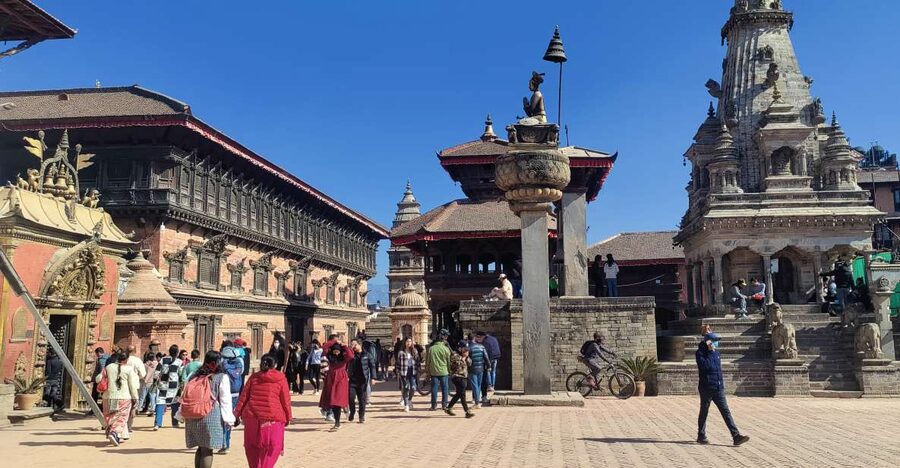
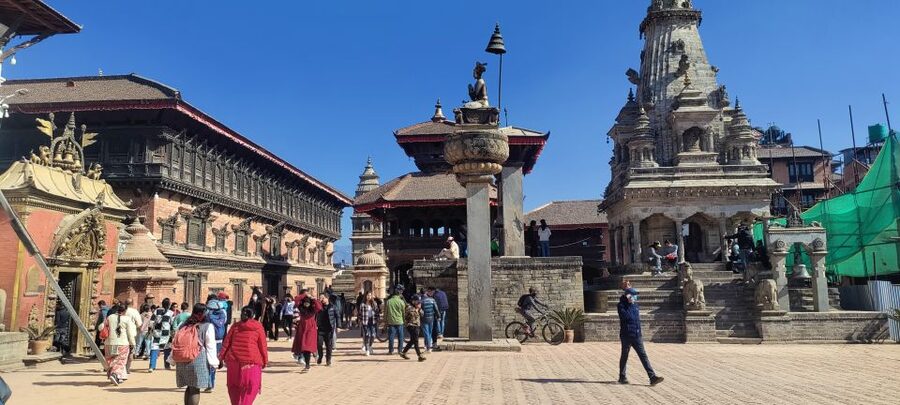
Patan, also called Lalitpur, is described as the oldest of Kathmandu Valley’s three cities. Its Durbar Square is filled with temples, palaces, and monuments decorated with carved wood and stone.
This is the stop for architecture. At Pashupatinath and Boudhanath, religious practice is the main story. At Patan, you get a stronger look at royal design, craftsmanship, and the way a historic city center was arranged.
A guide is particularly useful here because the square can appear to be a collection of beautiful buildings without an obvious order. You can learn which structures served religious purposes, which were connected to the royal court, and how the carvings fit into Nepal’s artistic traditions.
The tour description calls Patan a spectacular sight of Asia, but I would keep expectations practical. This is an old urban heritage area, not a polished museum display. You may find active city life around the monuments, and the visit can feel more rewarding when you slow down and look at details rather than trying to photograph everything at once.
Patan also adds variety to the day. If you only visit stupas and temples, the tour could feel repetitive. Patan’s courtyards, palace buildings, and carved façades give you a different way to understand the valley.
The limitation is time. Four heritage sites in one day means Patan may receive less attention than it deserves. If you care most about traditional architecture, tell the guide early. One of the strongest comments about this tour came from a solo visitor who appreciated the guide’s flexibility, so it is worth asking for a little more time at the places that matter most to you.
More history tours in Nepal:
- UNESCO Seven World Heritage Tour in Kathmandu
★ 5.0 · 253 reviews - Full-Day Tibetan Cultural Tour to Tibetan Settlements Pokhara
★ 5.0 · 184 reviews - Kathmandu Private Sightseeing Tour | UNESCO World Heritage Sites
★ 5.0 · 109 reviews - Afternoon Tibetan Cultural Tour to Tibetan Settlements Pokhara
★ 5.0 · 106 reviews
Swayambhunath, the hilltop Monkey Temple
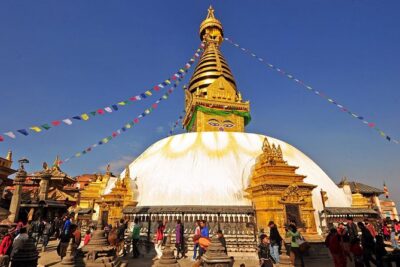
Swayambhunath sits on a hill in the northwest part of Kathmandu Valley. Foreign visitors often call it the Monkey Temple, but the stupa itself is the focus, not the animals.
The site is linked to a traditional belief that Kathmandu Valley was once a lake and that the stupa was built more than 2,000 years ago, when the valley was formed. Whether you approach that story as religious tradition or local legend, it gives the hill a powerful place in Kathmandu’s identity.
The main practical reward is the view. Swayambhunath is one of the best places on this route for a panoramic look over Kathmandu Valley. After several hours among close-set temples and city streets, the hilltop gives you a broader sense of where you are.
The stop may require walking and, depending on the exact route used, some uphill effort. Comfortable shoes are specifically recommended, and you should carry water. The guide can help you understand the stupa, the surrounding shrines, and the difference between simply reaching the viewpoint and properly seeing the site.
Swayambhunath is also a good final stop because it brings together several themes from the day: Buddhist worship, local legend, traditional architecture, and the geography of the valley. The views help connect the separate places you have visited.
The tradeoff is that hilltop sites can be tiring late in the day. If you are already worn out after Pashupatinath, Boudhanath, and Patan, you may appreciate the scenery more than a long explanation. Let your guide know if you need a slower pace.
The guide and driver make the difference
The most consistent praise for this experience centers on the people running it. Ramesh is described as friendly, clear, accommodating, and good at explaining culture and history. Sujan also receives strong praise for his explanations, while Tirtha is repeatedly described as punctual, professional, and a safe driver.
That combination matters. Kathmandu’s sights are too important to rush past with only a few labels and dates. A good guide can explain what you are seeing, answer questions, and adjust the day when you want more time at one place.
The tour is offered with English, Hindi, and Nepali-speaking guides. The English-language feedback is particularly positive, but you should select the language you need when booking and confirm the arrangement if it matters to your plans.
This is a private-car experience, not a large group bus tour. That gives you more control over the pace and avoids the problem of waiting for a full coach at every stop. It also means the value depends partly on the size of your party. At $37 per person, the cost looks especially attractive for a small private group.
One solo female visitor felt safe and appreciated the guide’s flexibility. Another visitor praised the smooth driving and organization. Those details are useful if you are arriving in Kathmandu for the first time and want a gentle, structured introduction rather than handling the city alone on day one.
What the 5.5-hour schedule really means
The advertised guided visit is about 5.5 hours, but you should think of this as a full-day outing once hotel pickup, driving, site visits, and return transport are included. The published timing does not provide a minute-by-minute breakdown for each monument.
That lack of a fixed stop-by-stop schedule can be a plus. You may be able to spend more time at a place that interests you, as long as the day remains workable. It can also be a drawback if you expect every site to receive an equal amount of time.
Traffic and the spread of the monuments will affect the rhythm. The important thing is to begin with realistic expectations. You are getting a city overview, not an in-depth archaeological study of each UNESCO site.
I would start with three simple priorities:
- Tell the guide which site matters most to you.
- Carry water, your passport or ID, and comfortable shoes.
- Leave room in your plan for entry fees and personal spending.
Food and drinks are not included, so plan accordingly. The tour also lists drones, alcohol, and drugs as prohibited. Your passport or ID may be needed during the day, so keep it secure.
Hotel pickup and drop-off are included, with listed pickup and return points connected to Hotel Nepalaya in Thamel and Kathmandu. The important instruction is simple: meet your driver at your hotel at the tour start time.
Who should book this Kathmandu tour?
I would recommend it most strongly to first-time visitors with only one full day in Kathmandu. It gives you four of the valley’s best-known cultural sites, a private car, and a guide who can provide the background that signs and guidebooks often miss.
It also suits solo visitors who want a safer, more organized day, couples who prefer private transport, and small groups that want to control the pace. The private setup is more appealing than a large group if you value flexibility.
It is less suitable if you want long, quiet visits at every site. Four important places in one day will always involve compromise. You should also budget for admission tickets, meals, drinks, and personal expenses beyond the $37 booking price.
The cancellation terms are helpful: you can cancel up to 24 hours in advance for a full refund. You can also reserve now and pay later, which keeps your plans flexible while you decide how to arrange the rest of your Kathmandu stay.
Final verdict: a strong first-day introduction
I would book this tour if my time in Kathmandu were limited and I wanted the main cultural landmarks explained by a local guide. The private car and hotel service remove much of the day’s practical hassle, while the mix of Pashupatinath, Boudhanath, Patan, and Swayambhunath gives you a useful picture of the valley.
The strongest features are the guide service, safe driving, flexible approach, and low starting price. Ramesh, Sujan, and driver Tirtha are names associated with especially warm and professional service, though your assigned team may differ.
Book it for a broad, well-organized introduction. Skip it only if you would rather choose one or two sites and explore them slowly. For most people arriving in Kathmandu with one free day, this is a sensible way to get your bearings fast without losing the cultural meaning behind what you see.
FAQ
How long does the Kathmandu World Heritage Sites tour last?
The activity lasts one day, with the guided sightseeing portion listed at about 5.5 hours. The total time can include hotel pickup, transport between sites, and the return journey.
Which places are included on the tour?
The tour includes Pashupatinath Temple, Boudhanath Stupa, Patan Durbar Square, and Swayambhunath, also known as the Monkey Temple.
Is hotel pickup and drop-off included?
Yes. Pickup and drop-off are included. The listed pickup point is Hotel Nepalaya in Thamel, Kathmandu, and you should meet the driver at your hotel at the tour start time.
Is transportation private?
Yes. A private car is included, along with the driver and an English-speaking guide.
Are sightseeing entrance fees included?
No. Sightseeing entry fees are not included. Food, drinks, and personal expenses are also excluded.
Which languages are available for the guide?
Live guides are available in English, Hindi, and Nepali.
Can I cancel the tour or pay later?
You can cancel up to 24 hours before the activity for a full refund. The reservation option also allows you to book now and pay later.
New in the Nepal listings
- Traditional Momo Making Class★ 5.0 · 10 reviews
- Kathmandu: Ancient City Kirtipur & Pharping Monastery Tour★ 5.0 · 2 reviews
- Pokhara: Pokhara Highlights Tour by Bus★ 3.6 · 10 reviews
- Day Walk(8-10h.) inside Chitwan National Park.★ 5.0 · 1 review
- One Day Tour inside Chitwan National Park★ 5.0 · 2 reviews
- Night Stay in Chitwan National Park, 2 Nights 3 Days Package★ 5.0 · 1 review
- Private Jeep Safari (8-10 hrs.)inside Chitwan National Park.★ 5.0 · 3 reviews
- Jungle Towernight Stay: 4-Day Tour in Chitwan National Park★ 5.0 · 4 reviews
UNESCO World Heritage Tours, compared.
Private Kathmandu Sightseeing Tour | UNESCO World Heritage sites
Read our review →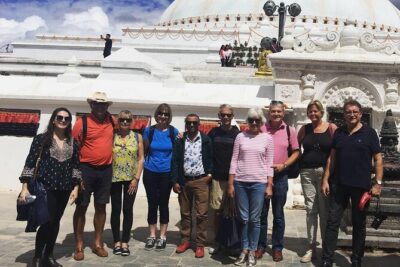
Full Day 7 UNESCO Tour with Lunch – Private/Group
Read our review →
Full Day Top 4 UNESCO Tour with Lunch – Private/Group
Read our review →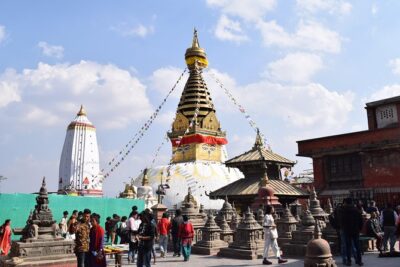
Full-Day 7 UNESCO Tour with Lunch – Private/Group
Read our review →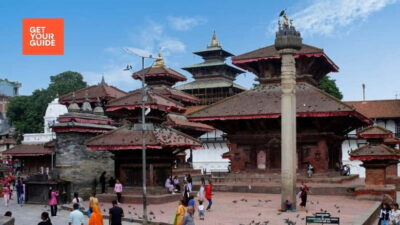
Browse the lists this tour appears in