REVIEW · FOOD
Kathmandu Local Food Hunt Tour
Come hungry, leave with a better sense of Kathmandu. This 4.5-hour private food walk combines at least five Nepali dishes and drinks with Asan Market, old temples, street vendors, and the area around Kathmandu Durbar Square. I like the hotel pickup and the personal format, which make this a simple way to get oriented soon after arriving.
I also like that the guide explains what you are seeing instead of rushing from snack to snack. A verified booking praised guide Mr. Rajan for finding excellent places to eat. The main drawback is clear: this tour is not suitable for people with food allergies, and anyone expecting a formal restaurant meal may find the market-style eating more basic than polished.
In This Review
- Key points to know before booking
- Why this half-day food walk works
- Starting with hotel pickup in Kathmandu
- Entering Asan Market, Kathmandu’s everyday food district
- Five dishes and drinks, with room for local surprises
- Temples, bells, and the religious life of the street
- Kathmandu Durbar Square and the old shops nearby
- How the private group changes the experience
- Is $55 a fair price?
- Who should book this Kathmandu food tour?
- Practical advice for getting the most from the 4.5 hours
- Should you book the Kathmandu Local Food Hunt Tour?
- FAQ
- How long does the Kathmandu Local Food Hunt Tour last?
- What food is included?
- Can vegetarians and vegans join?
- Is hotel pickup included?
- Is the tour private?
- Is the tour suitable for people with food allergies?
Key points to know before booking
- Five or more tastes are included: You will sample different foods and drinks, though the exact menu is not fixed in the details provided.
- Asan Market is the food center of the walk: Expect local shops, spices, tea, cookies, street vendors, and plenty of everyday activity.
- Temples are part of the meal story: Bells, incense, prayer, and old shrines help connect the food to Kathmandu’s daily customs.
- Kathmandu Durbar Square adds historic setting: The nearby area includes old shops and the 16th-century palace associated with Pratap Singh Malla.
- The tour is private: Your group travels with an English-speaking guide, rather than joining a larger crowd.
- Wear walking clothes: Comfortable shoes, comfortable clothing, and sunscreen will make the four-and-a-half hours easier.
Why this half-day food walk works
Kathmandu can feel like a lot at first. Streets are busy, signs may be unfamiliar, and the best food is not always found behind a large sign in English. A local guide gives you a practical start, taking you into markets and food stops that could be difficult to locate on your own.
The tour is not only about filling your stomach. It gives you a way to read the city. You move through shops, temples, prayer spaces, old buildings, and food stalls while your guide explains the customs and traditions connected with them. That combination gives the walk more purpose than a simple list of snacks.
The private format is a real advantage. You can ask questions, request a slower pace, or explain that you are vegetarian or vegan. The food can be adjusted for those diets if you tell the guide in advance. This is especially useful if you want cultural context without the fixed pace of a large group.
Still, keep your expectations sensible. The exact dishes are not specified, so you should not book this expecting a published tasting menu. The experience is built around what your guide selects and what is available along the route. That can make the outing feel local and flexible, but it also means your meal will not be fully predictable.
More eating and drinking in Nepal:
- Kathmandu Food and Drink Walking Tour
★ 5.0 · 266 reviews - Kathmandu: Food and Drink Walking Tour
★ 4.9 · 119 reviews - Walking Street Food Tour in Kathmandu
★ 5.0 · 111 reviews
Starting with hotel pickup in Kathmandu
Your guide picks you up from your hotel and takes you to the meeting point for the walk. You are asked to wait in the hotel lobby before the scheduled pickup time, so plan to be ready a little early.
This arrangement saves you the trouble of finding the starting area by yourself. It also makes the tour a useful first-day activity, when you may still be learning Kathmandu’s roads and neighborhoods. Pickup and drop-off are included, along with an English-speaking guide and a bottle of drinking water.
The tour lasts 4.5 hours. That is long enough for several food stops and sightseeing, but short enough to leave part of your day free. You might schedule it in the morning or later in the day, depending on the starting times available when you book.
Because the route involves walking through markets and older streets, dress for movement rather than photographs. Comfortable shoes matter more than stylish ones. Sunscreen and light, comfortable clothes are sensible choices, and the included water is useful in the middle of a warm walk.
Entering Asan Market, Kathmandu’s everyday food district
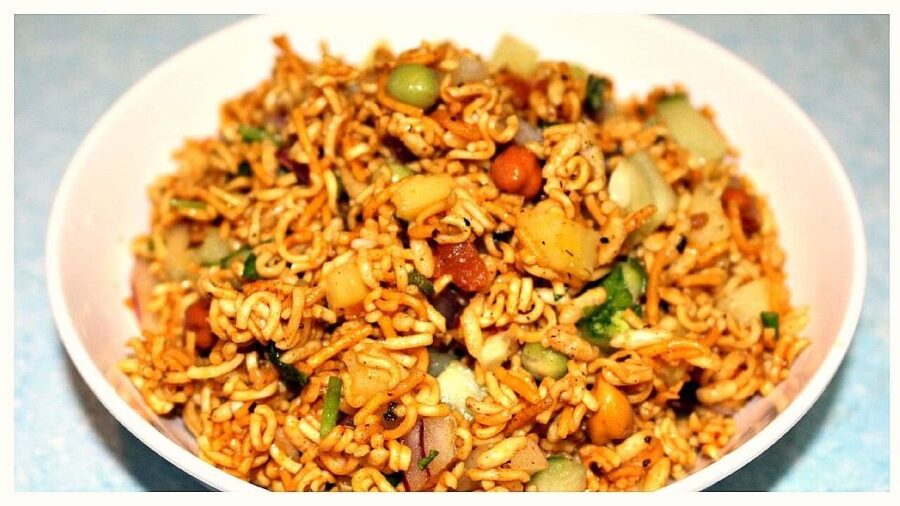
Asan is the main stage for the food portion of the experience. Your guide leads you toward one of Kathmandu’s busiest street markets, explaining what you are seeing as the route unfolds.
The appeal of Asan is its ordinary life. You can expect local market stalls, old shops, street vendors, and food sellers rather than a carefully arranged tourist area. The details provided specifically mention spices, tea, cookies, and different kinds of local market goods. These small shops help you see how food moves through the city before it reaches a plate.
This is also where your guide earns the price of the tour. A market can be confusing if you do not know what to look for or where it is acceptable to stop and eat. Your guide can point out places for tasting and explain what you are encountering. One booking singled out Mr. Rajan for taking the customer to excellent food stops, which suggests that the choice of stops can be one of the strongest parts of the outing.
Do not expect every stop to feel quiet or comfortable. Asan is a busy market, and the street setting is part of the point. You may be walking close to other people, stopping near vendors, and eating in places that are practical rather than decorative. If you prefer air-conditioned restaurants and carefully plated courses, this may not be your style.
For most people, though, the market setting is the reason to choose this tour. You are not simply being handed a dish and told its name. You are seeing the shops and streets that give the food its setting.
Five dishes and drinks, with room for local surprises
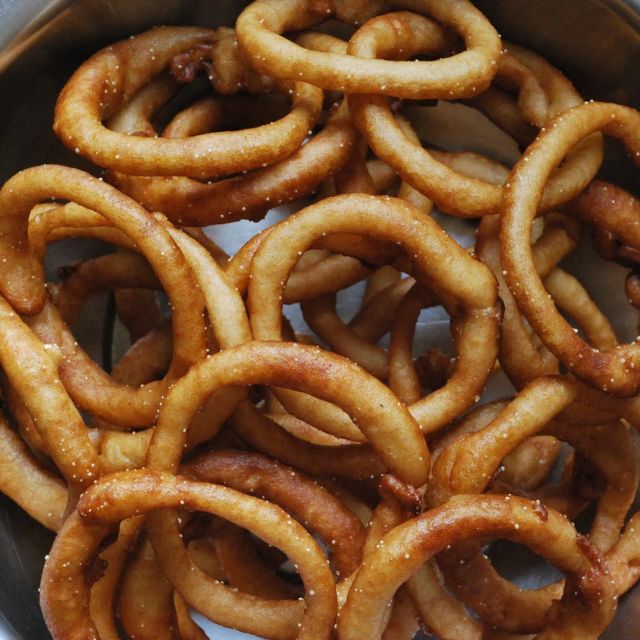
The tour includes a minimum of five dishes and drinks, described as different varieties of local food. The menu is not listed in advance, so I would treat the number as a floor rather than a promise of a particular set of specialties.
That flexibility has two sides. It allows the guide to choose food that is available during your visit and to respond to your preferences. It also means you should ask at the beginning what you will be tasting, especially if you have strong dislikes or dietary concerns.
Vegetarian and vegan visitors can be accommodated if they tell the guide. That is helpful, but it does not remove the need for clear communication. The experience is specifically not suitable for people with food allergies. If even small traces of an ingredient could cause a serious reaction, this is not the right food activity for you.
Alcoholic drinks are not included, and alcohol and drugs are not allowed. The included bottle of water is a useful extra, but you may still want to carry your own water if you are accustomed to drinking often while walking.
The strongest part of the food program is its connection to place. You are tasting while moving through the market, not sitting apart from Kathmandu’s daily rhythm. The food gives you a reason to stop, ask questions, and notice how the neighborhood works.
A completely different way to spend the day:
- Everest Base Camp Trek – 14 Days
★ 5.0 · 1,499 reviews - Private Kathmandu Sightseeing Tour | UNESCO World Heritage sites
★ 5.0 · 756 reviews - Everest Base Camp Helicopter Tour landing at Everest View Hotel
★ 5.0 · 668 reviews - ZipFlyer Nepal – The World’s Steepest Zip-line
★ 5.0 · 608 reviews
Temples, bells, and the religious life of the street
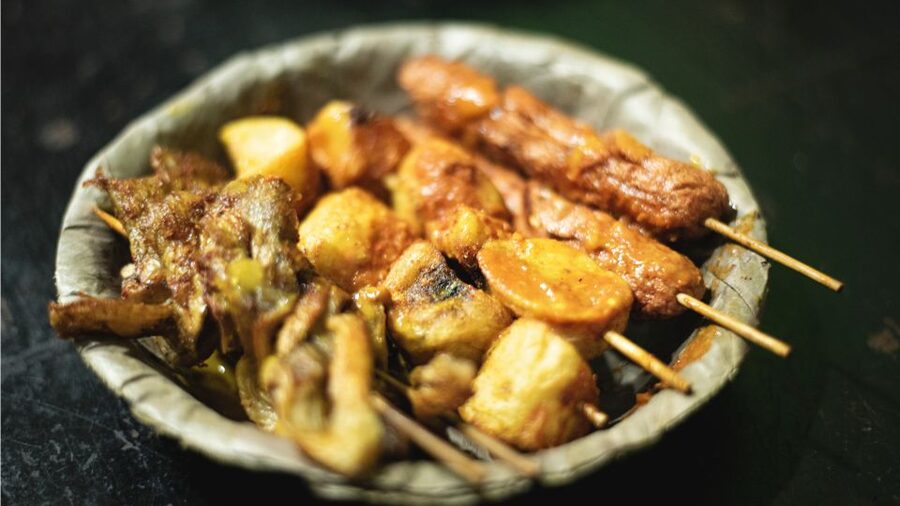
The walk includes old temples and places where people gather to pray. You may hear temple bells, smell incense, and see people observing local religious customs as you pass through the area.
These moments give the food tour a wider frame. Markets and temples share the same streets, so the route shows how eating, shopping, worship, and social life overlap in Kathmandu. Your guide explains the culture and tradition along the way, helping you understand that these are not just scenic backdrops.
You should act respectfully around temples and people at prayer. The tour information does not give a detailed dress code, but comfortable and reasonably modest clothing is the sensible choice for a walk that includes religious sites.
The temple stops also provide a change of pace. After the movement and noise of the market, a shrine or old courtyard can give you a moment to look around. Do not expect a long, formal temple tour. The main focus remains food and street life, with cultural stops woven into the route.
Kathmandu Durbar Square and the old shops nearby
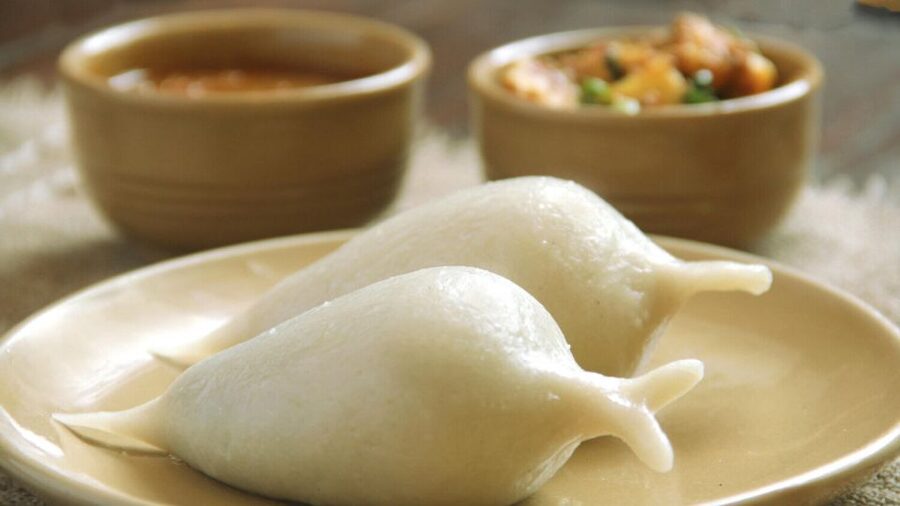
The itinerary takes you around the nearby area of Kathmandu Durbar Square. The historic setting includes a 16th-century palace associated with Pratap Singh Malla, along with old shops selling spices, tea, cookies, and other goods.
This section adds context to the market walk. You see how the older parts of Kathmandu continue to function as living neighborhoods, not just as monuments for sightseeing. The combination of palace history, shops, temples, bells, incense, and foot traffic gives the route a strong sense of place.
The wording describes exploring the nearby area rather than promising a full, detailed inspection of every monument in the square. That distinction matters. If your main goal is an in-depth palace and architecture tour, you may want a separate Kathmandu Durbar Square visit. If you want a food walk with historic scenery around it, this stop fits well.
I like this balance because the square does not feel bolted onto the food experience. The shops and temples help explain why this part of Kathmandu remains important. You are given enough historical setting to understand the surroundings without losing half the tour to a lecture.
How the private group changes the experience
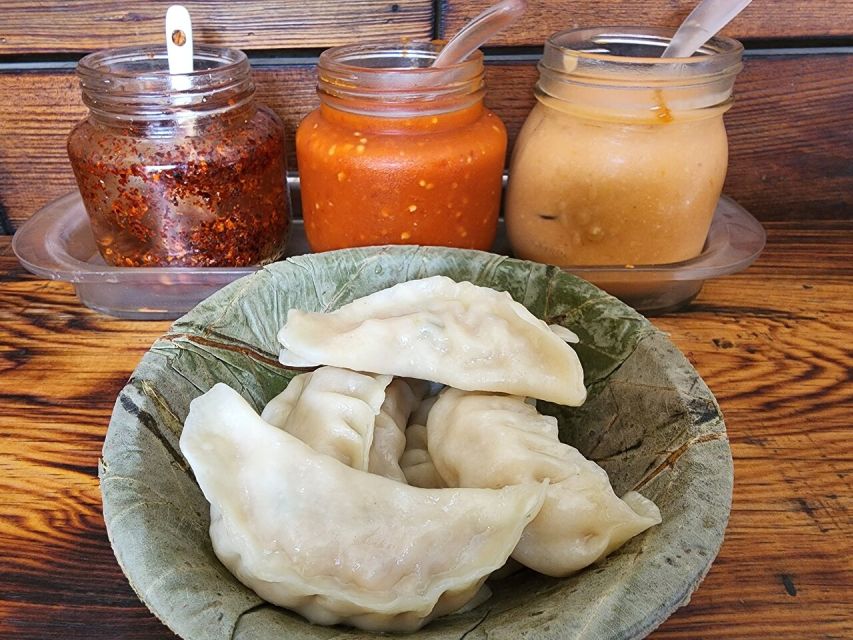
This is a private activity, so only your group participates. That makes the tour more adaptable than a standard group walk. You can ask your guide to explain a market item, pause when something catches your eye, or discuss vegetarian and vegan choices without holding up a busload of people.
The group size is not specified beyond private, so you should not assume the tour is designed for one or two people only. Still, a private booking gives you control that a shared tour cannot provide.
The guide’s role is central. The experience is offered in English, and the guide explains what you see at each part of the route. The one named guide in the available booking feedback is Mr. Rajan, who was praised for choosing strong food stops in Kathmandu. Guide quality can shape this kind of outing more than the printed route, since the guide decides how much context you receive and where you taste.
The tour is also listed as wheelchair accessible and near public transportation. That is useful information, but the route includes markets, temples, and walking streets, so you should discuss your exact mobility needs with the provider before booking. The published details do not describe street surfaces, steps, or restroom access.
Is $55 a fair price?
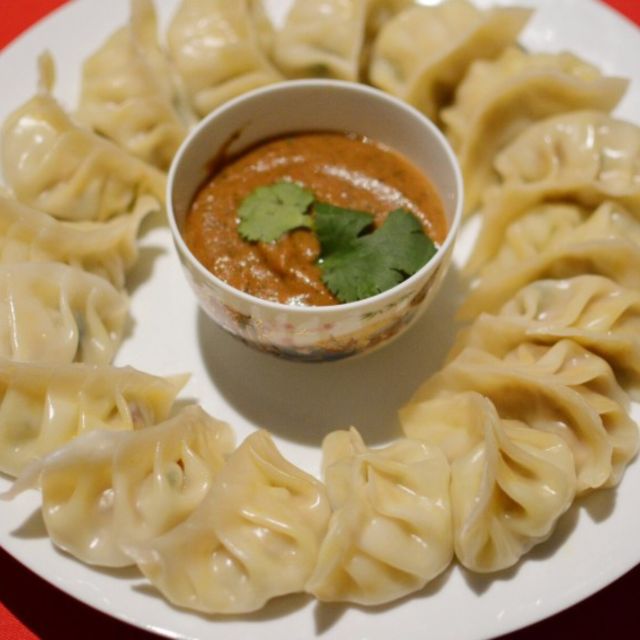
At $55 per person, the tour is not the cheapest way to eat in Kathmandu. You could certainly buy individual snacks for less. The question is what you are paying for beyond the food.
The price includes hotel pickup and drop-off, an English-speaking guide, a private group, different food varieties, a local market tour, and a bottle of water. You are also paying for route planning, cultural explanation, and help identifying places where you can taste local food with more confidence.
That makes the price reasonable for someone who values convenience and interpretation. It is particularly useful early in your stay, when hotel pickup removes a transport problem and the guide can introduce you to food you may want to find again later.
The value is weaker if you only want a cheap meal or already know Kathmandu well. You might spend less by exploring independently, but you would give up the guide’s help with the market and the cultural explanation. You would also need to handle your own transport and decide where to eat.
The small number of published ratings is worth noting. The experience has a perfect rating from four reviews, and a February 2025 verified booking gave specific praise to Mr. Rajan and the quality of the food stops. That is encouraging, but it is still a small sample. I would see the rating as a positive sign, not a guarantee that every guide-led food route will be identical.
Who should book this Kathmandu food tour?
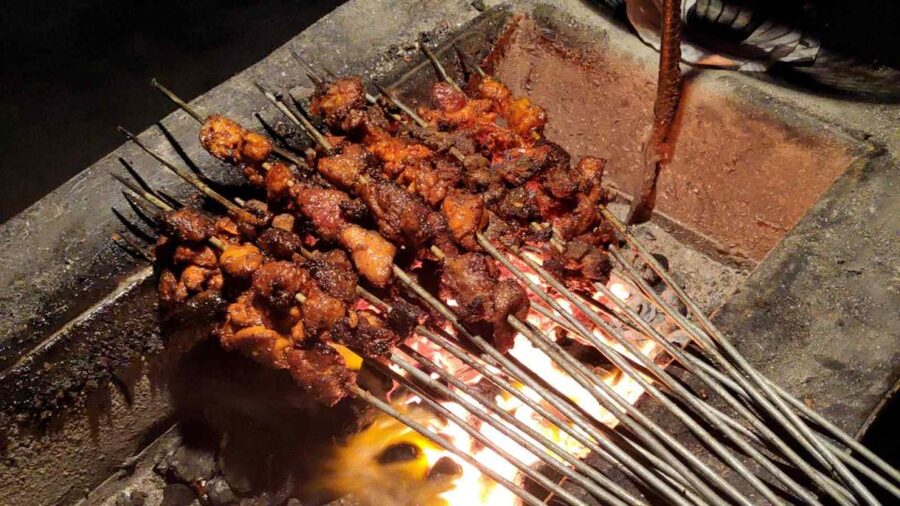
I would recommend it to first-time visitors who want an easy introduction to Kathmandu’s food and street life. It also suits people who prefer a private guide, want hotel pickup, or enjoy learning about customs while they eat.
Vegetarians and vegans can book if they explain their needs to the guide. The private setup makes that request practical. People who are sensitive to unfamiliar foods should ask questions before tasting, since the menu is not fixed.
I would avoid it if you have food allergies. The activity specifically says it is not suitable for people with allergies, and that warning should be taken seriously.
You may also want a different experience if your main interest is high-end dining, a set menu, or a detailed architectural tour. This is a street-market food walk with temples and historic surroundings. Its appeal is direct contact with everyday Kathmandu, not restaurant polish.
Practical advice for getting the most from the 4.5 hours
Tell the guide about dietary preferences at the start, even if you have already sent the information during booking. Ask what each dish contains before you taste it, especially if you avoid particular ingredients.
Wear shoes that can handle several hours on foot. Choose comfortable clothing and use sunscreen. Keep your schedule flexible enough to enjoy the market instead of hurrying to the next appointment.
Arrive in the hotel lobby before pickup. Bring a little patience for crowded streets and food stops that may be simple. The route is designed around local markets, so the surroundings may be noisy and active.
If you are visiting Kathmandu for several days, consider taking this tour near the beginning of your stay. You can use the guide’s explanations to make later independent walks and meals easier. You may also learn which foods and market areas you want to revisit on your own.
Should you book the Kathmandu Local Food Hunt Tour?
Book it if you want a private introduction to Kathmandu through food, with hotel pickup and a guide who can connect market life to temples and tradition. The minimum of five dishes and drinks gives the outing enough tasting variety, while Asan Market and the Kathmandu Durbar Square area provide strong local surroundings.
The best reason to choose it is the guide-led access. Mr. Rajan received direct praise for finding good food stops, and that is exactly where this kind of tour can succeed. The main cautions are the unspecified menu, walking conditions, and firm warning for people with food allergies.
For curious eaters who are comfortable with street-market settings, $55 is a fair price for the food, transport, private guide, and local context. For a person seeking a predictable restaurant meal or allergy-safe dining, I would spend the money elsewhere.
FAQ
How long does the Kathmandu Local Food Hunt Tour last?
The tour lasts 4.5 hours. Starting times depend on availability when you book.
What food is included?
You will try a minimum of five different dishes and drinks. The specific menu is not provided and may be selected by the guide during the tour.
Can vegetarians and vegans join?
Yes. Vegetarian and vegan visitors can be accommodated, but you should tell the guide about your dietary needs so the tour can be adjusted.
Is hotel pickup included?
Yes. Hotel pickup and drop-off are included. You should wait in your hotel lobby before the scheduled pickup time.
Is the tour private?
Yes. This is a private activity, so only your group participates. The tour is conducted in English.
Is the tour suitable for people with food allergies?
No. The activity is specifically not suitable for people with food allergies. Alcoholic beverages are also not included, and alcohol and drugs are not allowed.
New in the Nepal listings
- Traditional Momo Making Class★ 5.0 · 10 reviews
- Kathmandu: Ancient City Kirtipur & Pharping Monastery Tour★ 5.0 · 2 reviews
- Pokhara: Pokhara Highlights Tour by Bus★ 3.6 · 10 reviews
- Day Walk(8-10h.) inside Chitwan National Park.★ 5.0 · 1 review
- One Day Tour inside Chitwan National Park★ 5.0 · 2 reviews
- Night Stay in Chitwan National Park, 2 Nights 3 Days Package★ 5.0 · 1 review
- Private Jeep Safari (8-10 hrs.)inside Chitwan National Park.★ 5.0 · 3 reviews
- Jungle Towernight Stay: 4-Day Tour in Chitwan National Park★ 5.0 · 4 reviews
Food, compared.
Secret Food Tour – Food Bites and Sights Kathmandu 14+ Testings
Read our review →
Kathmandu Food & Drink and Shopping Rickshaw Tour
Read our review →
Walking Food Tour in Hidden Local Eateries of Kathmandu
Read our review →