
REVIEW · PHARPING TOURS
Kathmandu: Pharping, Dakshinkali and Chobhar Tour with Lunch
Sacred caves meet dramatic gorges. This private trip from Kathmandu packs Buddhist and Hindu sites into a six-hour outing, with Pharping’s prayer flags, old temples, Dakshinkali’s intense rituals, Taudaha Lake, and Chobar Gorge all on the route. I like the cultural variety and the chance to see quieter places beyond central Kathmandu. I also like that lunch, entrance fees, a private vehicle, and hotel pickup are included.
The main concern is timing. Six hours is a tight fit for this many stops, and access can change. Some caves and monuments have been closed in the past, while traffic can turn a short drive into a slow one. You should book this for the guide and transport, not because every listed stop is guaranteed to unfold exactly as planned.
In This Review
- Key points to know before booking
- Why this trip works beyond Kathmandu’s main sights
- Leaving Kathmandu for Pharping
- Asura Cave and the Buddhist side of Pharping
- Shesnarayan Temple and the valley’s four Narayana shrines
- Gorakhnath Temple and a flexible temple visit
- Dakshinkali, Nepal’s most intense temple stop
- Lunch, with a welcome break in the middle
- Taudaha Lake and a change of pace
- Chobar Gorge and the story of Kathmandu Valley
- What the guide adds to the day
- Physical demands, clothing, and practical limits
- Who will get the most from this private tour
- Should you book the Pharping and Chobar tour?
- FAQ
- How long does the tour last?
- Is hotel pickup included?
- What languages can the guide speak?
- Is lunch included?
- Are entrance fees included?
- Is Dakshinkali suitable for everyone?
Key points to know before booking
- Pharping brings two faiths together: Buddhist caves, monasteries, and Hindu shrines sit close to one another.
- Asura Cave requires stairs: Wear proper closed shoes and allow time to climb rather than rushing to the next stop.
- Dakshinkali can be confronting: The temple’s animal-sacrifice practices and bloody river are not suitable for everyone.
- Lunch is included: One particularly well-liked meal was served on a pleasant rooftop, though the exact restaurant may vary.
- Taudaha and Chobar slow the pace: The lake and gorge provide a welcome change from temple visits and city traffic.
- The private format helps: A guide can reorder stops if a cave or temple is closed, but a changed route may mean missing planned sights.
Why this trip works beyond Kathmandu’s main sights
Kathmandu’s famous squares and temples deserve attention, but the southern edge of the valley gives you a different kind of day. Here, religious sites are mixed with village roads, hills, lakes, caves, and old stories about how the valley itself was formed.
Pharping is the heart of the outing. The town lies roughly 19 kilometers south of Kathmandu and is an important pilgrimage center for both Buddhists and Hindus. You are not simply checking off monuments. You are moving through a place where different traditions share the same small area.
I especially like the contrast between the quiet Buddhist caves and the forceful presence of Dakshinkali. Taudaha Lake and Chobar Gorge then add open space and local nature to a day that could otherwise feel like one temple after another.
The tour costs $83 per person. That is fair if you value private transport, a guide, lunch, entrance fees, and hotel pickup. It is less convincing if you want a long, unhurried visit at every stop. A private group gives you flexibility, but the price still depends heavily on how well the guide manages the schedule.
More trips down to Pharping:
- Kathmandu: Pharping Monastery & Asura Cave Meditation Tour
★ 5.0 · 7 reviews - Escorted Full Day Pharping, Dakshinkali and Kirtipur Day Trip with Newari Lunch
★ 4.5 · 5 reviews - Pharping Asura Cave Meditation Tour
★ 5.0 · 4 reviews
Leaving Kathmandu for Pharping
Pickup is provided from hotels inside Kathmandu’s ring road. You should wait in the lobby five minutes before the agreed time. If your hotel sits outside the ring road, an extra pickup charge applies, so check that point before you pay.
The listed duration is six hours. One suggested schedule begins at 10:00 AM and returns around 4:00 PM, though the stop times do not fit neatly together. That tells you something important: the route is best treated as a flexible half-day plan rather than a tightly timed program.
The drive south takes about an hour in the usual description, but Kathmandu traffic can affect the day. A private vehicle is a real benefit here. You do not have to find separate taxis between Pharping, Dakshinkali, Taudaha, and Chobar, and your guide can make practical decisions if a road or site causes delays.
The vehicle is described as luxury transport, with hotel drop-off included at the end. Still, do not judge the outing by the vehicle alone. The value comes from having one person explain the religious sites and connect the stops into a coherent story.
Asura Cave and the Buddhist side of Pharping
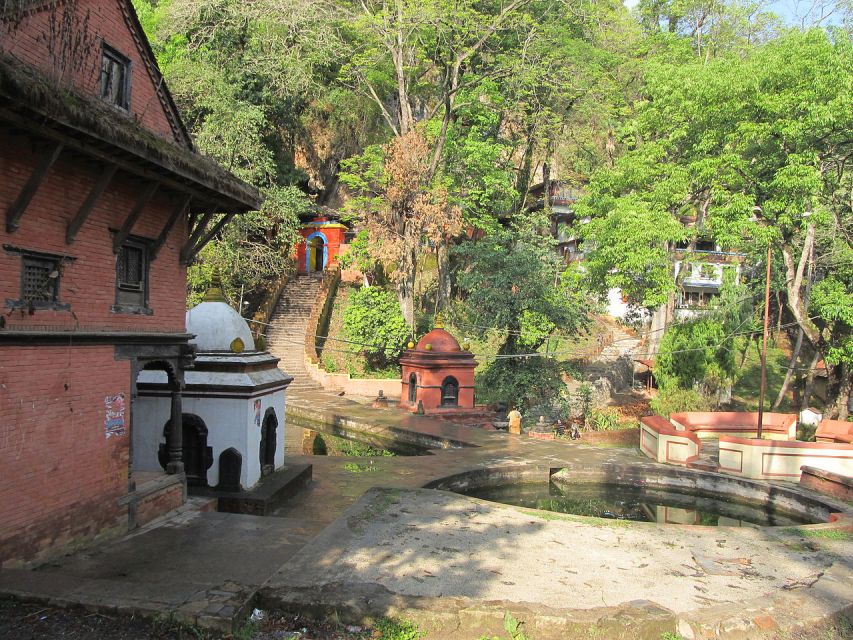
Above Pharping, Asura Cave is linked with Guru Rinpoche, also known as Padmasambhava, a major figure in Himalayan Buddhism. Tradition holds that he meditated here and reached spiritual realization. You will find this to be a place for quiet attention rather than a grand architectural display.
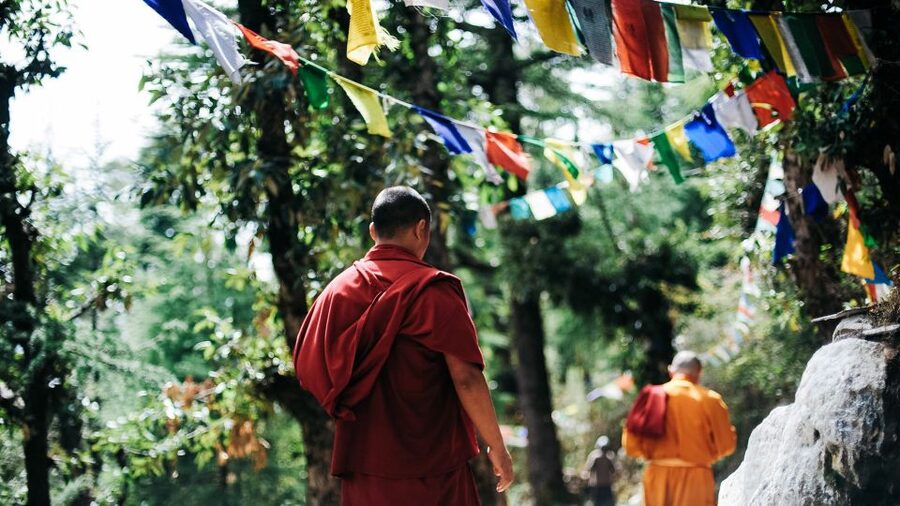
The approach involves stairs, and one strong piece of practical advice is worth following: climb to the top if you are physically able. The route brings you closer to the prayer flags and the Hindu temple above, giving you a better sense of how Buddhist and Hindu sacred places overlap in this area.
The cave itself can feel intimate and devotional. You might see people praying or spending time in silence, so keep your voice low and dress respectfully. Your guide can explain what you are seeing, but you should also allow yourself a few quiet minutes without constant commentary.
Access is not guaranteed every time. A past itinerary had to be altered because a Chobar cave was closed, and other reports also describe cave access changing. Ask your guide at the start of the day which sites are open. That small question can prevent disappointment.
Shesnarayan Temple and the valley’s four Narayana shrines
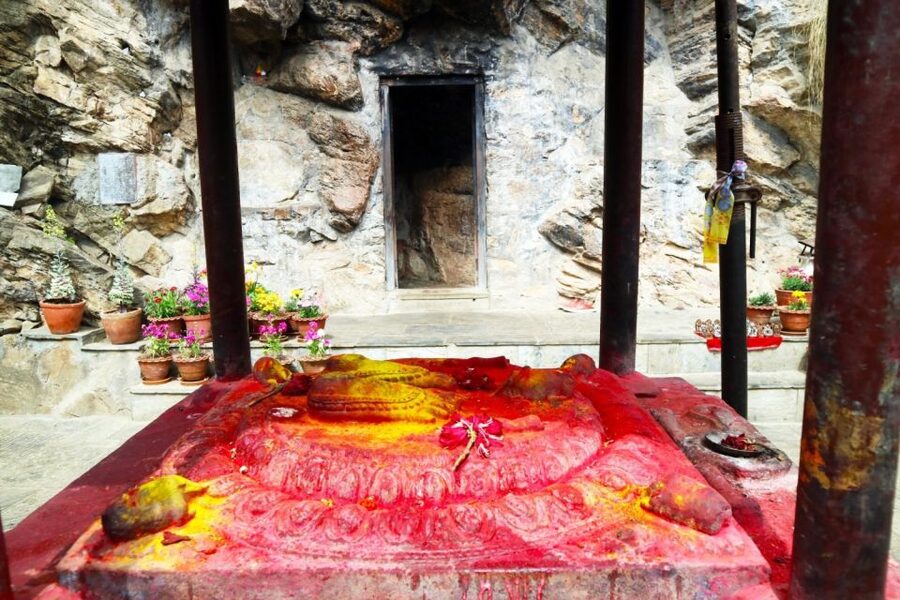
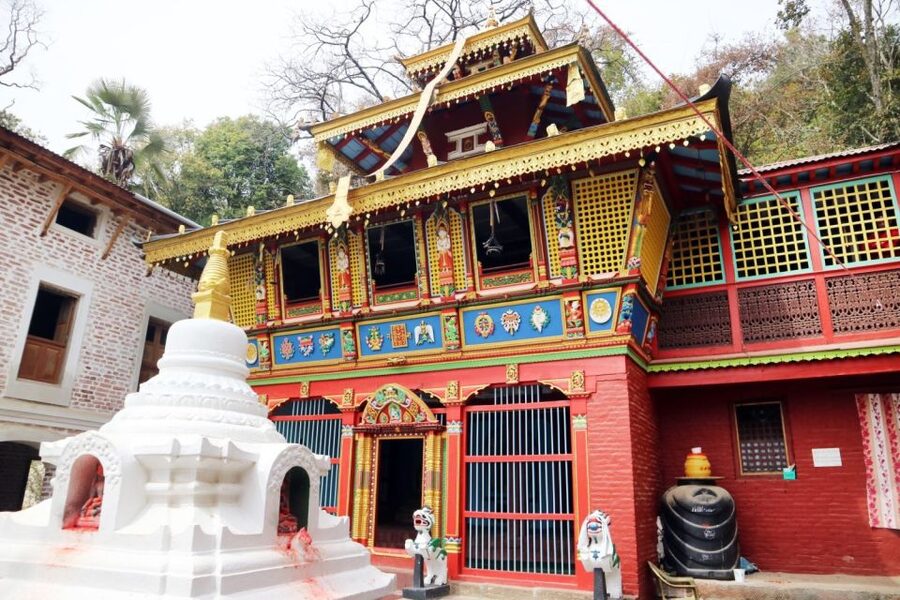
Shesnarayan Temple is one of the four Narayana temples of the Kathmandu Valley. It is associated with the Licchavi period and the reign of King Vishnugupta, giving the site an early place in the valley’s Hindu tradition.
This is a shorter stop than the cave, but it adds useful context. The Asura Cave introduces you to Buddhist devotion, while Shesnarayan shows the long-standing Hindu presence around Pharping. I find that this pairing makes the area easier to understand than visiting either site alone.
You should expect a functioning place of worship rather than a polished museum. That means access, rituals, and the amount of time you can spend inside may vary. Follow your guide’s instructions, ask before taking photographs, and avoid treating the temple as a backdrop for hurried pictures.
A short list of alternatives around Kathmandu
- Kathmandu: Full Day 7 UNESCO Tour with Lunch – Private/Group
★ 5.0 · 415 reviews - Kathmandu: Full Day Top 4 UNESCO Tour with Lunch – Private/Group
★ 5.0 · 269 reviews - Kathmandu: Full-Day 7 UNESCO Tour with Lunch – Private/Group
★ 4.9 · 247 reviews - Kathmandu: Nagarkot Sunrise View & Morning Hike with Lunch
★ 4.9 · 188 reviews
Gorakhnath Temple and a flexible temple visit
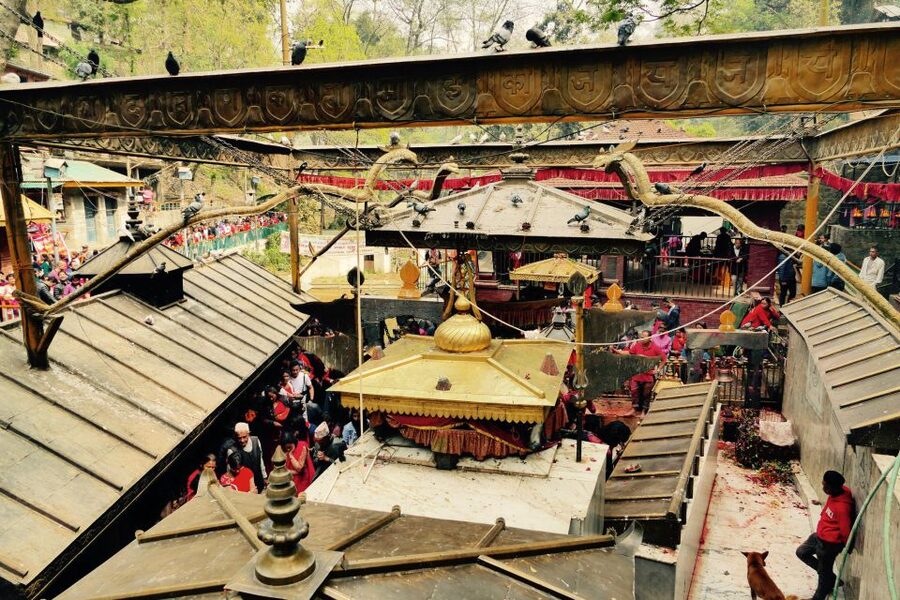
The route also includes Gorakhnath Temple, associated with Guru Gorakhnath and the Nath tradition of yogic practice. The information for this outing places the temple among the Pharping-area stops, so your guide should clarify the exact shrine and route on the day.
This is one reason a private group helps. You can ask for a fuller explanation of Gorakhnath’s teachings, the Nath sect, and the connection between Hindu and yogic traditions. If you simply move from one shrine to the next, the visit may feel brief. If you ask questions, it can become one of the more interesting cultural parts of the morning.
The schedule provided for the stops is not fully consistent. It places several temple visits close together, with times that overlap. Do not expect a strict thirty-minute bell to control the day. Your guide may spend more time at a site that is open and meaningful, then shorten or replace a stop that is closed.
Dakshinkali, Nepal’s most intense temple stop
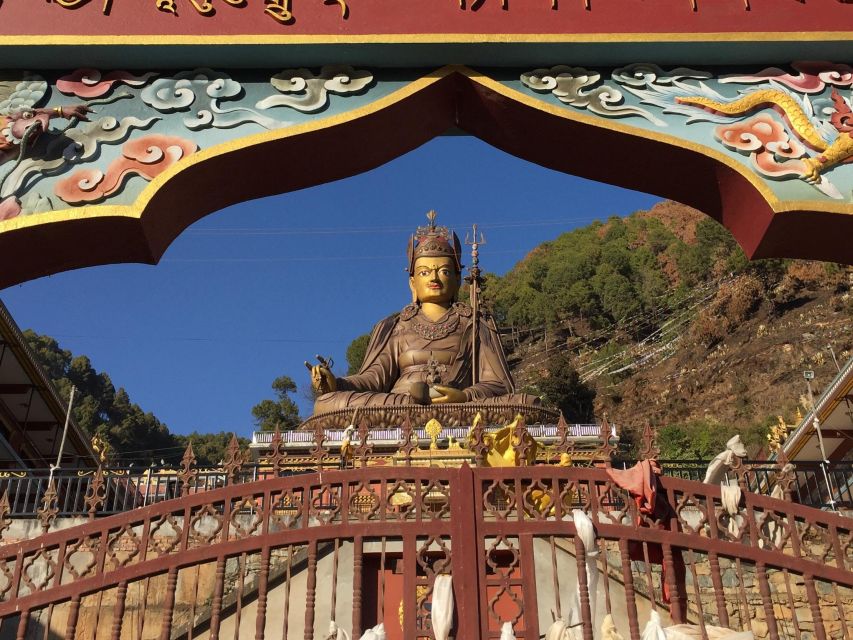
Dakshinkali Temple lies about 22 kilometers from Kathmandu and roughly one kilometer from Pharping. It is dedicated to Kali, the powerful Hindu goddess associated with destruction and protection.
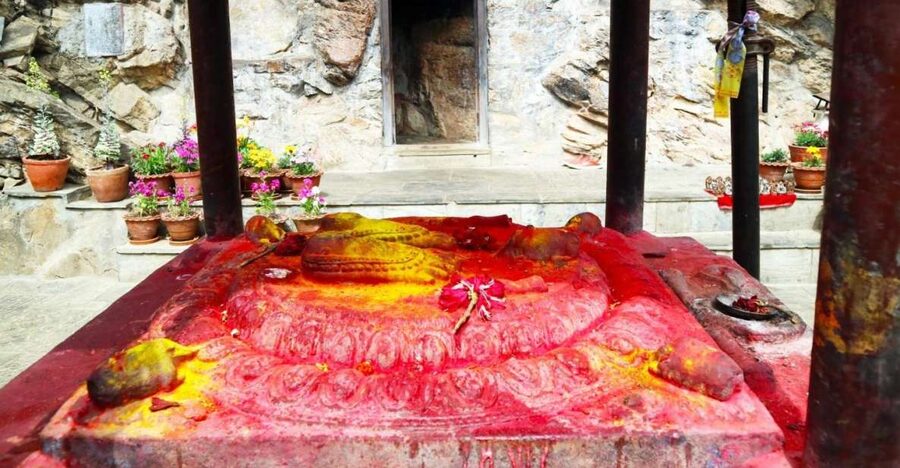
This is not a calm, decorative temple visit. The site is known for animal sacrifice, and the provided information specifically warns that the bloody river and temple rituals may distress some people. I would take that warning seriously. If you are uncomfortable with blood or sacrifice, tell your guide before arriving so you can decide how much of the area to see.
For others, Dakshinkali offers a direct look at living religious practice in Nepal. You may find the atmosphere intense, crowded, or difficult to interpret without help. A good guide can explain the role of offerings and the temple’s importance without asking you to approve of practices that may conflict with your own beliefs.
Plan for about an hour and a half if conditions allow, but do not assume you will need that full time. The best visit is respectful and observant. Dress modestly, follow temple rules, and do not photograph ceremonies unless your guide confirms that it is acceptable.
Lunch, with a welcome break in the middle
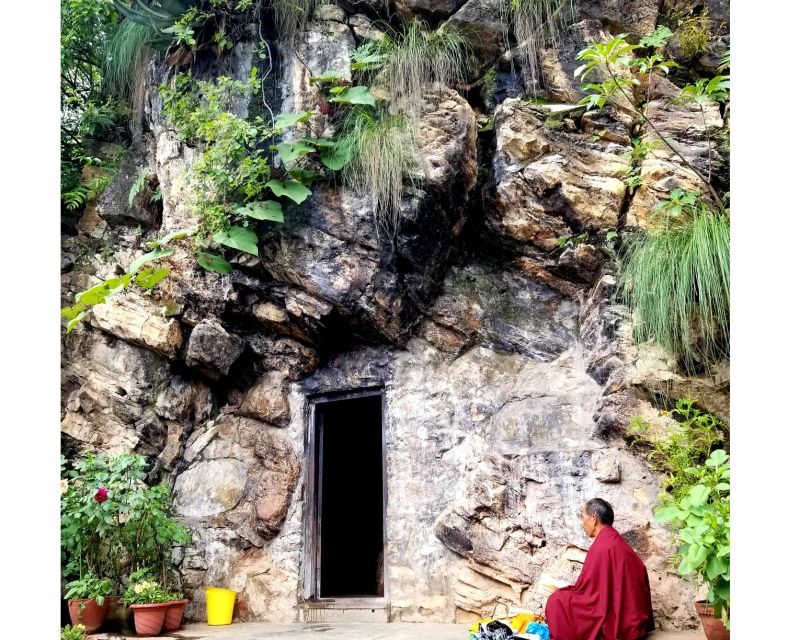
Lunch is included, which keeps the day simple. One highly praised outing included a delicious meal on a rooftop, a useful detail for anyone who appreciates a pleasant setting as much as the food itself.
The exact restaurant is not specified, so you should not book this solely for a particular menu or rooftop view. Still, an included meal has practical value. You avoid spending time searching for a restaurant, and you get a chance to sit down after the stairs, temple walking, and vehicle rides.
The suggested schedule places lunch around the middle of the day, but the order may shift. If Dakshinkali is busy or a cave is closed, your guide may move lunch earlier or later. Carry water and a small snack if you need food at fixed times.
Taudaha Lake and a change of pace
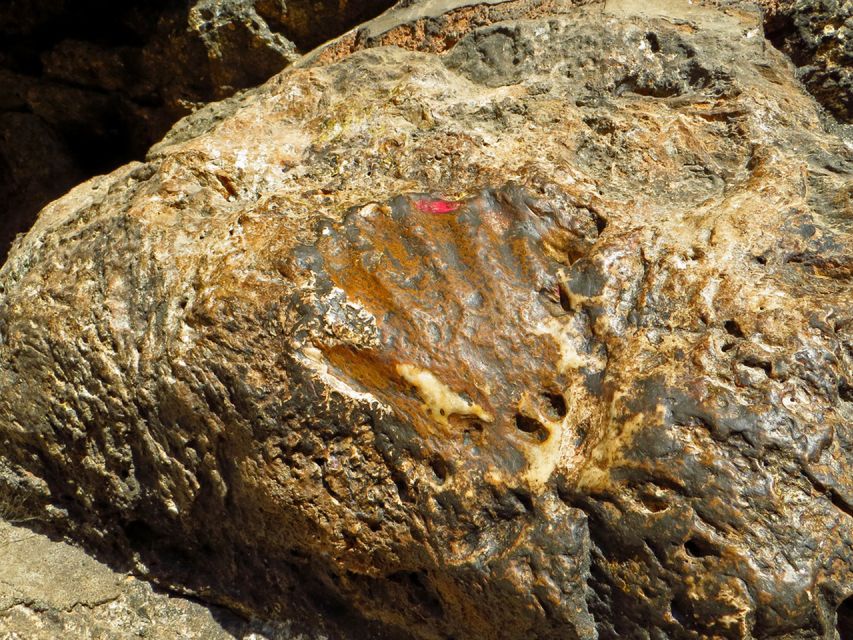
Taudaha Lake is described as the largest natural lake in the Kathmandu Valley. It is also known as a bird sanctuary and a recreation spot.
After the religious sites, the lake gives you breathing room. You can pause beside the water, look for birds, and enjoy a quieter setting before the final stop. I like this change of mood because it prevents the day from becoming a long sequence of similar shrines.
Do not expect a major nature trek. The attraction is the calm setting and the contrast with Kathmandu’s dense streets. Your time here may depend on traffic and on how long you spent at Pharping and Dakshinkali. If the day is running late, the lake stop could feel short.
Chobar Gorge and the story of Kathmandu Valley
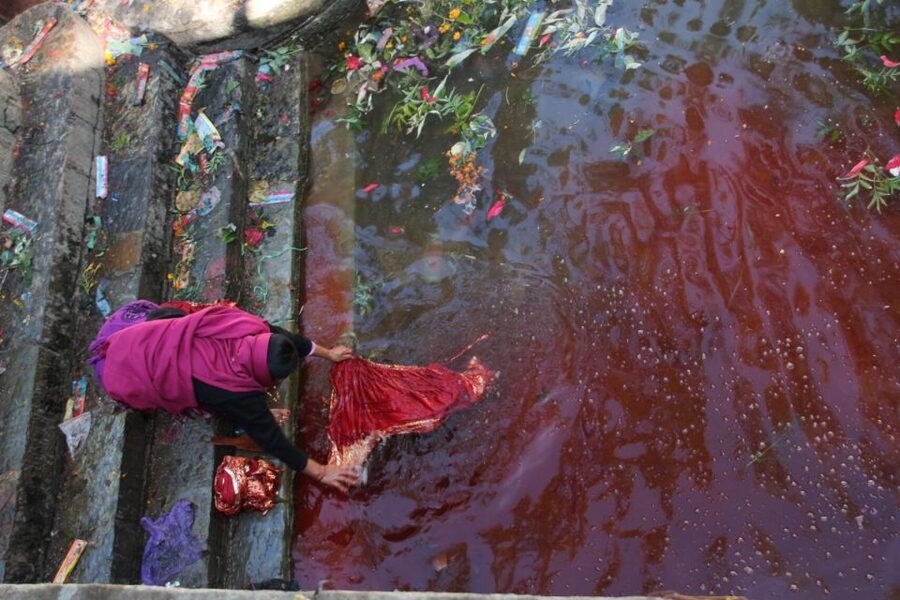
Chobar Gorge is one of the most memorable parts of the route because it connects scenery with local creation stories. The valley was once covered by an ancient lake, and Buddhist tradition says that the bodhisattva Manjushri cut a gorge here so the water could drain away. The exposed land then became suitable for settlement.
You can look at Chobar as both a geological feature and a sacred story. That combination is typical of the Kathmandu Valley, where natural sites often carry religious meaning.
The gorge is close to Taudaha Lake, making it an efficient final sightseeing stop. Caves are associated with the area, but access has not always been possible. If a cave is closed, your guide may adjust the schedule or replace the stop. One past outing changed its route after arriving at Chobar and later went to Patan instead. Flexibility is useful, but you should understand that a substitute visit may involve extra monument fees.
What the guide adds to the day
The guide can make or break this experience. English and Japanese guiding are available, and one especially praised guide, Rajat, was described as friendly, clear, and able to answer questions throughout the day. Another guide was praised for giving helpful explanations and allowing time for prayer and conversation with monks.
That matters because the sites are not self-explanatory. Without context, a cave may be just a dark room, a temple may look like another shrine, and Chobar may be only a gorge. Ask questions about Guru Rinpoche, Kali, Narayana, Gorakhnath, and the Manjushri story. The more curious you are, the more useful the private format becomes.
Guide quality has not been perfectly consistent. One past account described poor information and an unsuitable vehicle, while another praised the guide’s flexibility even after the route changed. I would confirm your preferred guiding language and tell the operator what interests you most before departure.
Physical demands, clothing, and practical limits
You should bring comfortable closed shoes, sunglasses, a sun hat, and sunscreen. Open-toed shoes are not allowed, and the stairs around Asura Cave make proper footwear especially important.
This outing is not suited to wheelchair users or people with back, heart, or kidney problems. It is also listed as unsuitable for people over 100 kilograms or over 95 years old. Those limits may feel broad, but the route includes stairs, walking, vehicle transfers, and uneven religious sites.
Smoking is not allowed in the vehicle. Pets, weapons, sharp objects, alcohol, drugs, baby strollers, and alcoholic drinks in the vehicle are prohibited. These rules are easy to follow, but checking them before pickup avoids an awkward start.
Who will get the most from this private tour
I would recommend this trip if you want to see the Hindu and Buddhist sides of the Kathmandu Valley in one outing. It suits people who prefer a private car, a guide, and a flexible route rather than public transport and independent research.
It is also a good fit if you have already seen central Kathmandu and want a different day outside the main historic squares. The combination of cave, temple, lake, and gorge gives the trip more range than a standard temple circuit.
I would be cautious if your main goal is one specific monument shown in promotional photographs. Sites can be closed, damaged, or inaccessible, and older images may not show current conditions. I would also choose another outing if you want a slow, detailed visit at every temple. Six hours is not enough for that.
The price becomes more attractive with two or more people sharing a private booking. For a solo participant, $83 can still be reasonable if you value the guide and included meal, but it feels expensive if the route is shortened to four or five hours or several sites are inaccessible.
Should you book the Pharping and Chobar tour?
Book it if you want a compact, guided introduction to the spiritual places south of Kathmandu, and if you can accept changes to the route. The best parts are the Buddhist cave, the Hindu temples, the strong cultural contrast at Dakshinkali, and the open-air pause at Taudaha and Chobar.
Before booking, ask the operator which caves and temples are currently open, confirm the pickup area, and make clear that you want time at the sites that matter most to you. If your guide is Rajat, you may benefit from the same friendly, question-friendly approach praised by earlier participants.
Skip it if you need guaranteed access to a particular cave, monument, or photographed structure. This is a worthwhile regional outing, but it rewards flexibility more than strict sightseeing checklists.
FAQ
How long does the tour last?
The activity is listed as six hours, with pickup and drop-off in Kathmandu. Actual timing can change because of traffic, personal pace, and access at individual sites.
Is hotel pickup included?
Yes. Pickup and drop-off are included for hotels inside Kathmandu’s city ring road. Hotels outside the ring road require an additional charge.
What languages can the guide speak?
Live guiding is available in English and Japanese.
Is lunch included?
Yes. Lunch is included in the tour price. The restaurant is not specified, and the meal location may vary.
Are entrance fees included?
The tour includes entrance fees, but fees for extra monuments are not included. This can matter if the guide changes the route and adds a site outside the planned stops.
Is Dakshinkali suitable for everyone?
No. The temple is associated with animal sacrifice, and the bloody river and rituals may be distressing. People with back, heart, or kidney problems, wheelchair users, people over 100 kilograms, and people over 95 years old are specifically advised not to take this tour.
New in the Kathmandu listings
- Traditional Momo Making Class★ 5.0 · 10 reviews
- Kathmandu: Ancient City Kirtipur & Pharping Monastery Tour★ 5.0 · 2 reviews
- Kathmandu to Pokhara Premium sofa bus ticket★ 4.0 · 17 reviews
- Women Empowerment Project(Nepali cooking class & jewelry workshop★ 5.0 · 15 reviews
- 7-Day Langtang Valley Trek from Kathmandu★ 5.0 · 1 review
- Kathmandu 2 Nights 3 Days Chitwan Jungle Safari Tour★ 5.0 · 9 reviews
- Yoga Experience Day Trip with Private Transfer From Kathmandu★ 4.0 · 2 reviews
- Walking tour of real Kathmandu through back streets.★ 5.0 · 3 reviews
Pharping Tours, compared.
Escorted Full Day Pharping, Dakshinkali and Kirtipur Day Trip with Newari Lunch
Read our review →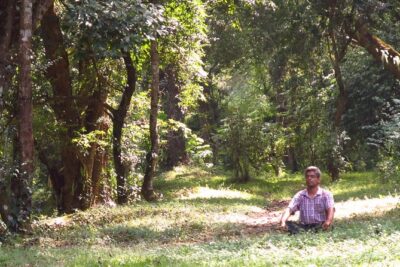
Browse the lists this tour appears in