
REVIEW · UNESCO WORLD HERITAGE TOURS
Kathmandu: UNESCO Heritage Site Private & Guided Tour
Kathmandu’s greatest stories are carved in stone. This tour links seven UNESCO World Heritage Sites across the valley, from the hilltop eyes of Swayambhunath to the palace courtyards of Bhaktapur. I like the clear focus on Nepalese art, faith, and royal history, and I like that hotel pickup, transport, and guiding are included.
The strongest feature is the local interpretation. Guides such as Nabin, Sajan, and Pranav have been praised for bringing temple details and old stories to life, while driver Sundar earned credit for a smooth, comfortable ride. The main catch is simple: entrance fees are not included, and seven major sites make for a full, busy day of sightseeing.
In This Review
- Key things to know before you book
- Seven UNESCO sites, one wide view of Kathmandu
- Swayambhunath, Kathmandu Valley from the hilltop
- Pashupatinath, faith beside the Bagmati River
- Boudhanath, a powerful Buddhist center
- Kathmandu Durbar Square and the royal past
- Patan Durbar Square, Newari design at its finest
- Bhaktapur Durbar Square, a preserved medieval setting
- Changunarayan, the quieter final stop
- Why the guide matters more than the vehicle
- Is $59 good value?
- Small practical details that affect the day
- Who should book this Kathmandu tour?
- Should you book it?
- FAQ
- How many UNESCO World Heritage Sites does the tour visit?
- What is the price of the tour?
- Are entrance fees included?
- Is hotel pickup provided?
- Is transportation included between the sites?
- What language is the tour available in?
- Is the tour suitable for wheelchair users?
- Are meals included?
- Can I reserve now and pay later?
- What is the cancellation policy?
Key things to know before you book
- Seven UNESCO sites in one private tour: You visit Swayambhunath, Pashupatinath, Boudhanath, Kathmandu Durbar Square, Patan Durbar Square, Bhaktapur Durbar Square, and Changunarayan.
- A guide adds real value: The temples and courtyards make more sense when someone explains the gods, royal figures, Newari craftsmanship, and local customs.
- Transport connects a wide area: Hotel pickup and drop-off within Kathmandu Valley save you from arranging several separate taxi rides.
- The sites offer very different moods: Expect hilltop views, Hindu ritual, Tibetan Buddhist calm, palace squares, and a quiet old temple.
- Budget extra money for admission: Entrance fees to all seven sites are separate from the $59 tour price.
- Best for culturally curious visitors: This suits you if you want context and organization more than a slow, unplanned stroll.
Seven UNESCO sites, one wide view of Kathmandu
The tour works because the sites are not repetitive. Kathmandu Valley’s heritage is spread across temples, stupas, palace squares, and sacred riverbanks. Seeing them together helps you understand how Hindu, Buddhist, royal, and Newari traditions overlap.
I would not treat this as seven quick photo stops. The guide is central to the experience. Without context, a carved doorway can look like a beautiful old doorway. With an explanation, it may reveal a royal legend, a religious symbol, or a detail of Newari woodwork.
The private format should also help you ask questions and adjust your attention. The information does not specify the exact schedule or tour length, so you should confirm the day’s timing before booking. With seven major places on the plan, expect a packed sightseeing program rather than a lazy morning.
More UNESCO World Heritage Tours in Kathmandu:
- Private Kathmandu Sightseeing Tour | UNESCO World Heritage sites
★ 5.0 · 756 reviews - Kathmandu: Full Day 7 UNESCO Tour with Lunch – Private/Group
★ 5.0 · 415 reviews - Kathmandu: Full Day Top 4 UNESCO Tour with Lunch – Private/Group
★ 5.0 · 269 reviews
Swayambhunath, Kathmandu Valley from the hilltop
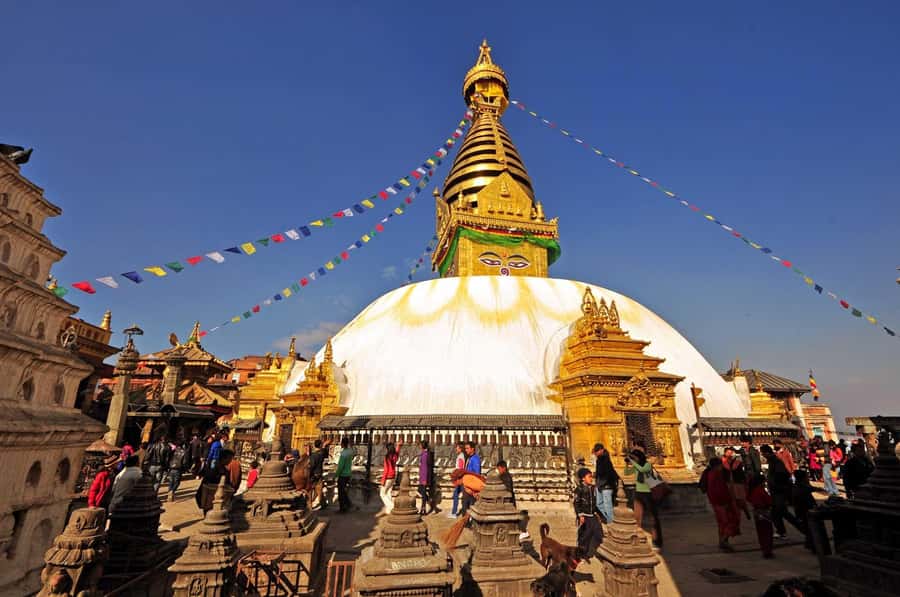
Swayambhunath Stupa, often called the Monkey Temple, is an excellent opening stop. It gives you a broad view across Kathmandu Valley and introduces the religious mix that defines the area.
The stupa itself is instantly recognizable, with the Buddha eyes painted on its central structure. The hilltop setting gives the visit a sense of arrival. You are not just looking at an isolated monument. You are seeing an important religious site above the city, with Kathmandu spread below.
The name Monkey Temple points to the monkeys found around the site. That detail adds character, but keep your attention on the religious setting and the guide’s explanation. Your guide can help separate the visual attractions from the site’s meaning.
This is also a stop where physical access matters. The tour is not suitable for wheelchair users, and a hilltop temple can involve uneven or difficult access. If mobility is a concern, ask the provider for a clear description of the route before paying.
Pashupatinath, faith beside the Bagmati River
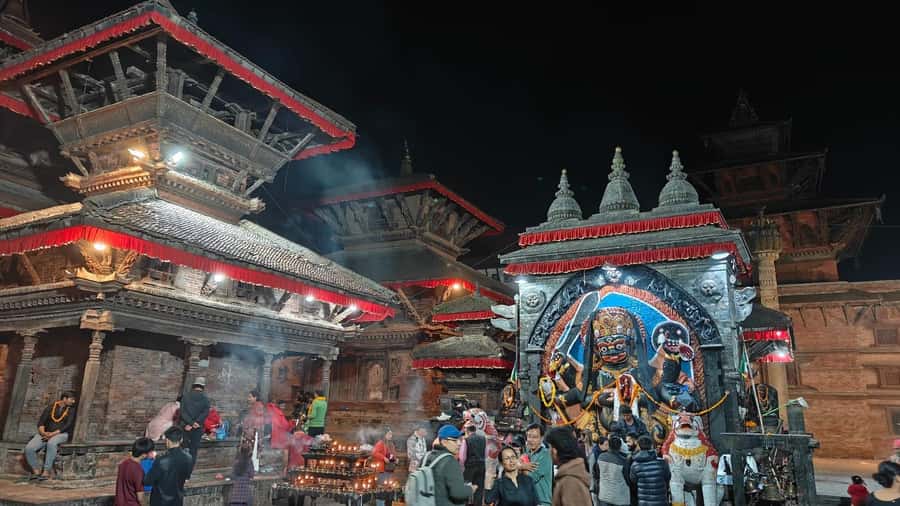
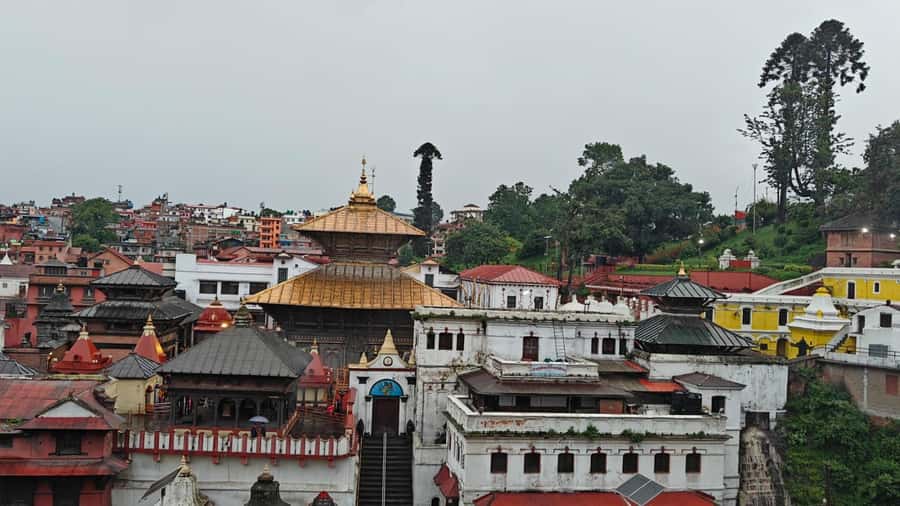
Pashupatinath Temple brings you into one of Nepal’s most sacred Hindu settings. Located beside the Bagmati River, it has a very different atmosphere from Swayambhunath’s hilltop views and Boudhanath’s open circular plaza.
The value of a guide here is especially high. Religious sites can be easy to misunderstand if you only look at architecture. Your guide can explain the temple’s role as a Hindu pilgrimage center and help you behave respectfully around worshippers.
This is not simply another old building on a sightseeing list. It is an active sacred place. I would keep your camera and conversation discreet, follow local instructions, and let the guide set the tone.
Do not assume every part of the temple complex will be open to every visitor. The tour information identifies Pashupatinath as a revered Hindu site, but it does not promise access to every interior area. That is another reason to value the explanation and surrounding views, even if some spaces are restricted.
Boudhanath, a powerful Buddhist center
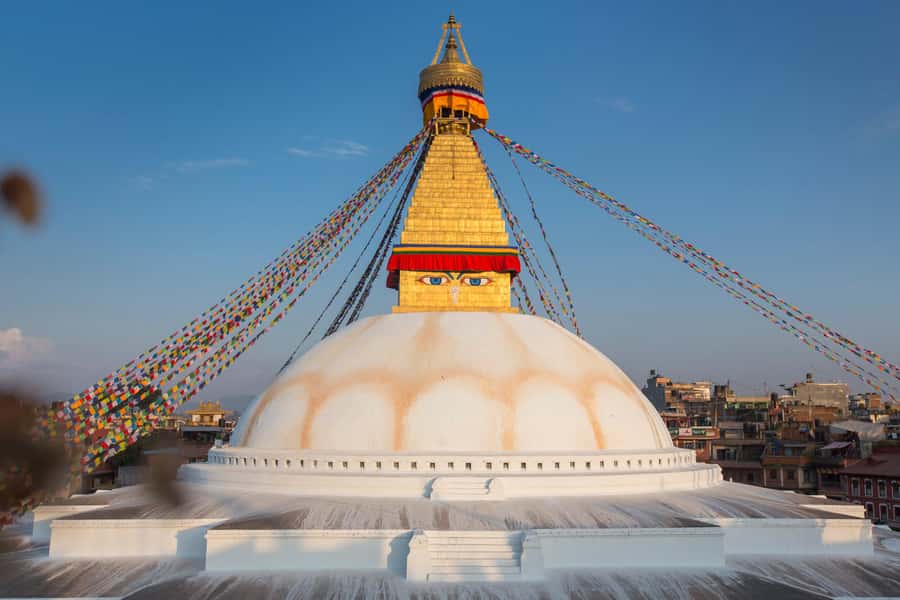
Boudhanath Stupa gives the tour its most spacious and peaceful stop. It is one of the largest stupas in the world and a major center of Tibetan culture.
The structure is easy to appreciate at a glance: a huge white dome, a tall central tower, and the familiar painted eyes looking out in the four directions. Yet the scale becomes clearer when you walk around it and take in the surrounding religious life.
I like this stop because it offers breathing room after the more intense religious and urban scenes elsewhere. Your guide can explain Buddhist symbols and the importance of the stupa, turning a striking landmark into a place with purpose.
Boudhanath also provides a useful contrast with Pashupatinath. Both are major spiritual sites, but they express different traditions and rhythms. Seeing them on the same day helps you understand that Kathmandu’s culture cannot be reduced to one faith or one style of architecture.
More history tours in Kathmandu:
- UNESCO Seven World Heritage Tour in Kathmandu
★ 5.0 · 253 reviews - Kathmandu Private Sightseeing Tour | UNESCO World Heritage Sites
★ 5.0 · 109 reviews - Kathmandu: Full Day Private Top 4 UNESCO Heritage Tour W/Lunch.
★ 5.0 · 86 reviews - Kathmandu World Heritage Tour
★ 5.0 · 74 reviews
Kathmandu Durbar Square and the royal past
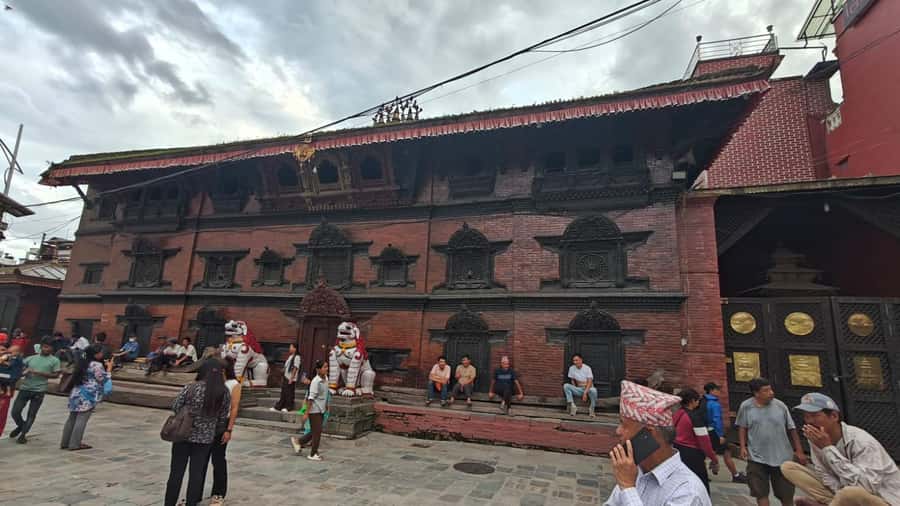
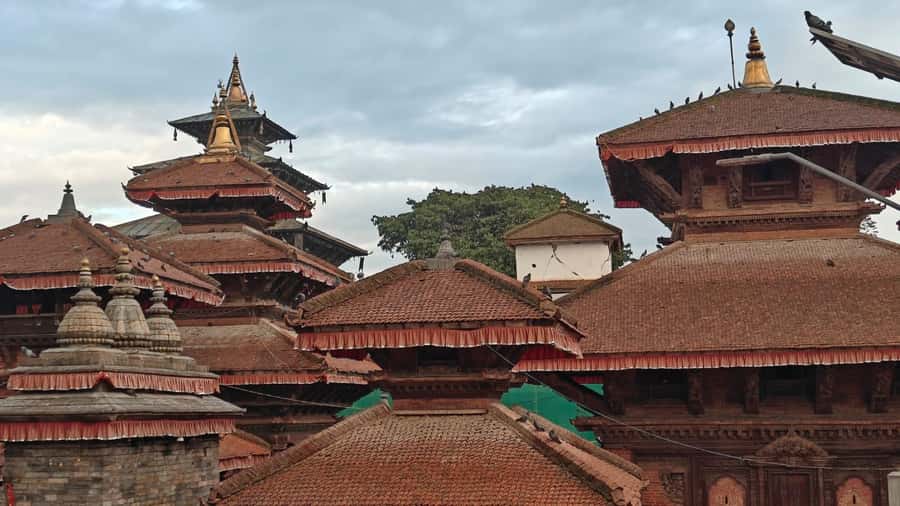
Kathmandu Durbar Square takes you into Nepal’s royal history. The main sights include Hanuman Dhoka Palace and Kumari Ghar, the home of the living goddess.
This is one of the places where a guide’s storytelling matters most. Palace squares can blur together when you are moving from one temple to another. A good explanation gives structure to the courtyards, palace buildings, carved windows, and ceremonial spaces.
Kumari Ghar is particularly distinctive. The living goddess tradition is unlike anything you will see at the other stops, and the guide can explain its place in Nepalese culture without reducing it to a quick curiosity.
Nabin received especially strong praise for bringing the art, culture, and architecture of Durbar Square to life. The useful takeaway is not that you are guaranteed Nabin himself, since guide assignments can change. It is that the provider has received repeated praise for guides who explain rather than simply point.
This square is also a good place to slow down mentally. You will see damage, rebuilding, and layers of history in the old buildings, but the supplied information does not promise a specific restoration commentary. Ask your guide about what you are seeing instead of filling in the gaps yourself.
Patan Durbar Square, Newari design at its finest
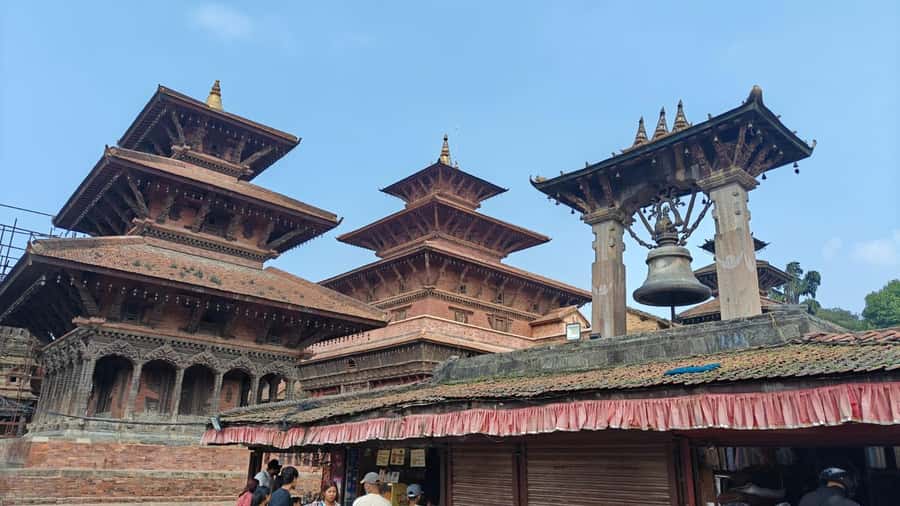
Patan Durbar Square is one of the clearest places to appreciate Newari art and building skill. Its palaces, temples, courtyards, and detailed carvings show how much visual work can be packed into a relatively small space.
Look closely at the wood and stone rather than only searching for the biggest structure. Carved doors, window frames, roof supports, and temple details are where the craft becomes personal. A guide can point out features you would probably miss while walking on your own.
Patan is valuable because it is not only a royal setting. It also shows the artistic culture that shaped the Kathmandu Valley. The tour’s emphasis on architecture and local customs makes this a strong stop for anyone who enjoys design, sculpture, and traditional building methods.
You should allow mental space for comparisons. Kathmandu Durbar Square focuses your attention on monarchy and the Kumari tradition. Patan gives more room to study Newari craftsmanship. The two squares are similar enough to connect, but different enough to justify visiting both.
Bhaktapur Durbar Square, a preserved medieval setting
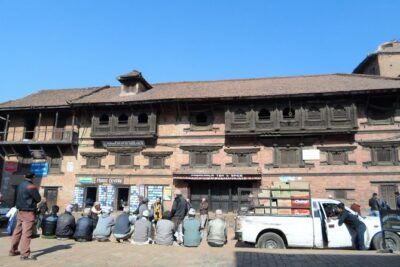
Bhaktapur Durbar Square offers another royal center, with a strong sense of medieval preservation. Its palaces, temples, and courtyards present a more contained historical setting than the wider city around them.
This is the stop for architectural detail and old-world atmosphere. The square’s appeal comes from the relationship between buildings, open courtyards, and carved surfaces. Instead of rushing to one famous object, I would let the guide lead you through the broader design of the square.
The tour description calls attention to Bhaktapur’s royal heritage and preserved medieval character. That makes it a useful contrast with Kathmandu Durbar Square, where the Kumari Ghar and Hanuman Dhoka Palace provide more specific historical anchors.
The practical concern is time. Seven sites require moving along, and Bhaktapur deserves attention of its own. If you are an architecture enthusiast, ask how long the tour normally spends here. The provider does not give a detailed time breakdown, so do not assume every square receives equal time.
Changunarayan, the quieter final stop
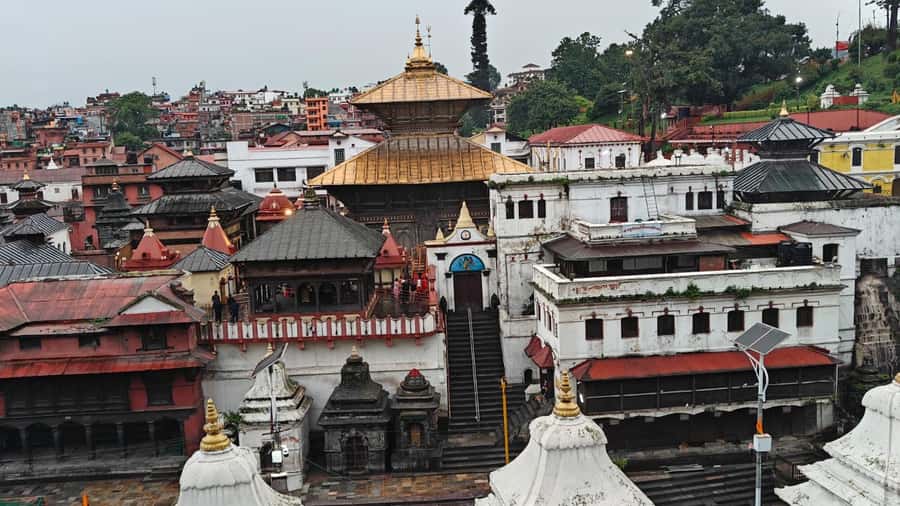
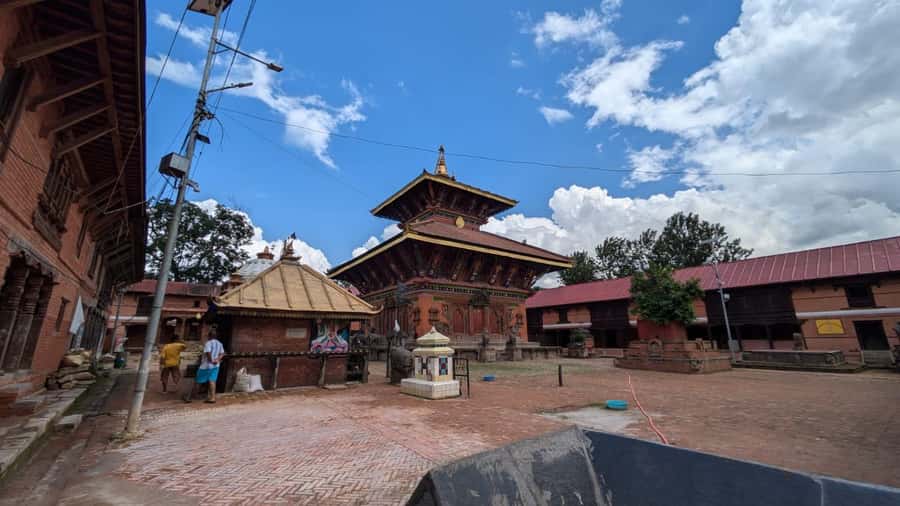
Changunarayan Temple completes the route with a quieter and older-feeling place. It is described as one of the oldest Hindu temples in the valley and as a less crowded site than the better-known landmarks.
That makes it a smart ending. After major stupas, palace squares, and city temples, Changunarayan can give you a calmer final look at Nepalese religious architecture.
The available information does not provide a detailed description of the temple’s carvings, layout, or access route, so I would ask your guide to focus on what makes it old and important. The stop is included because it adds another layer to the valley’s sacred past, not simply because it is a famous viewpoint.
You may find this site especially rewarding if you prefer places with a quieter feel. At the same time, its less prominent profile means the guide’s explanation is even more useful.
Why the guide matters more than the vehicle
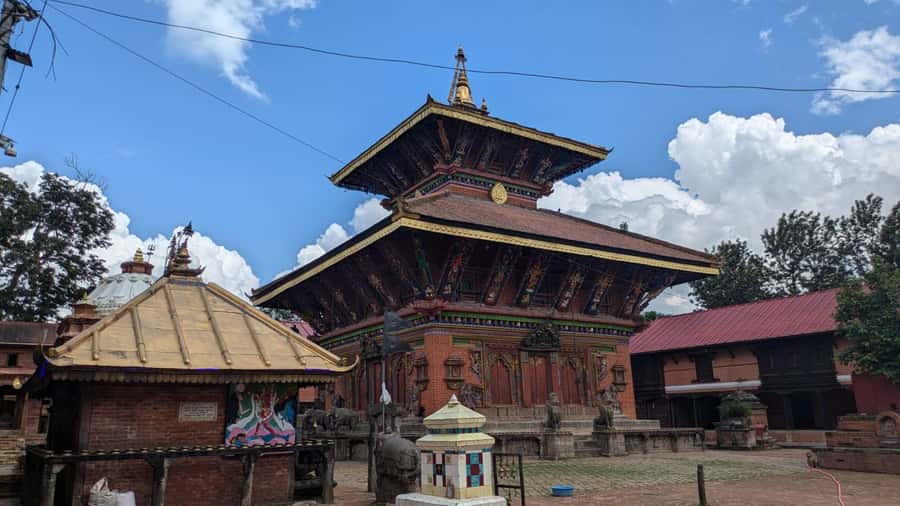
Comfortable transport is included, with pickup and drop-off at hotels within Kathmandu Valley. That is practical because the seven sites are spread across the area, and arranging separate rides would add effort and uncertainty to the day.
The driver is not just a minor detail. One account specifically praised Sundar for being friendly and skillful, with a comfortable vehicle and smooth driving. You are likely to appreciate that during a full day of moving between historic areas.
Still, transport cannot remove every challenge. Kathmandu sightseeing involves roads, crowds, and access points, and the information does not promise a specific vehicle model or journey time. Think of the car as a useful base between visits, not as a way to avoid all city conditions.
The language options are English and Hindi. Guides are described as English-speaking, so English speakers should have a clear advantage in receiving the planned explanations. If you prefer Hindi, confirm how that language is arranged when you book.
Is $59 good value?
At $59 per person, the price is reasonable if you want a private, organized introduction to Kathmandu’s major heritage sites. You receive a guide, transport, hotel pickup and drop-off within Kathmandu Valley, and cultural explanations across seven locations.
The value depends on how you would otherwise visit the sites. Hiring separate transport, finding each entrance, and arranging several independent guides could take more time and planning. This tour bundles the practical parts into one day.
The important qualification is that admission fees to all seven UNESCO sites are extra. You should add those costs to your budget before deciding. Meals, personal expenses, travel insurance, accommodation, international airfare, visa fees, and extra activities are also excluded.
I would book it for a first visit when your priority is coverage and context. I would hesitate if you want long, unhurried sessions at just two or three sites. Seven landmarks offer breadth, but the schedule may not provide the depth that a specialist photographer or architecture student wants.
Small practical details that affect the day
Hotel pickup and drop-off are available within Kathmandu Valley. Confirm that your accommodation falls inside that area before booking, since the included transfer is not described for hotels elsewhere.
Drinks are not allowed in the vehicle, and alcohol and drugs are prohibited. Bring only what you need for a day of site visits, and treat the vehicle as shared equipment that needs to remain clean and comfortable.
Wheelchair users should not book without first discussing alternatives with the provider. The tour is specifically marked as unsuitable for wheelchair users, and the combination of historic sites and uneven access may be difficult.
The reserve now and pay later option is useful if your Nepal plans are still shifting. You can hold a place without paying today, and cancellation up to 24 hours before the tour provides a full refund under the stated policy.
Who should book this Kathmandu tour?
I would recommend it to first-time visitors who want a solid cultural introduction without handling every transfer themselves. It also fits history fans, architecture lovers, spiritual seekers, and anyone who wants a guide to explain why the sites matter.
Families and mixed-interest groups may appreciate the variety. One person can focus on temples, another on palace life, and another on photography or city views. The private format should make it easier to ask questions than on a large group outing.
I would be more cautious if you use a wheelchair, dislike full sightseeing schedules, or want entrance fees folded into one final price. The tour is also less suitable if your main goal is food, shopping, or modern Kathmandu, since the focus stays firmly on heritage sites.
Should you book it?
Book this tour if you want seven major heritage stops, local explanation, and door-to-door transport for $59 per person, while accepting separate entrance fees. The repeated praise for guides, especially Nabin, Sajan, and Pranav, is encouraging, and the positive comments about driver Sundar point to strong organization.
Before paying, confirm the day’s duration, expected time at each square, entrance-fee budget, language arrangement, and pickup details. If those points suit you, this is an efficient way to understand Kathmandu Valley’s temples, stupas, palaces, and living traditions in one well-planned outing.
FAQ
How many UNESCO World Heritage Sites does the tour visit?
The tour visits seven sites: Swayambhunath Stupa, Pashupatinath Temple, Boudhanath Stupa, Kathmandu Durbar Square, Patan Durbar Square, Bhaktapur Durbar Square, and Changunarayan Temple.
What is the price of the tour?
The listed price is $59 per person.
Are entrance fees included?
No. Entrance fees to all seven UNESCO World Heritage Sites are not included in the tour price.
Is hotel pickup provided?
Yes. Hotel pickup and drop-off are included for hotels within Kathmandu Valley.
Is transportation included between the sites?
Yes. Comfortable transportation between the sites is included.
What language is the tour available in?
The available languages are English and Hindi. The included guides are described as English-speaking.
Is the tour suitable for wheelchair users?
No. The tour is marked as not suitable for wheelchair users.
Are meals included?
No. Meals are not specified as included, so you should plan for meals separately.
Can I reserve now and pay later?
Yes. The reserve and pay later option lets you book your spot without paying anything today.
What is the cancellation policy?
You can cancel up to 24 hours in advance for a full refund.
New in the Kathmandu listings
- Traditional Momo Making Class★ 5.0 · 10 reviews
- Kathmandu: Ancient City Kirtipur & Pharping Monastery Tour★ 5.0 · 2 reviews
- Kathmandu to Pokhara Premium sofa bus ticket★ 4.0 · 17 reviews
- Women Empowerment Project(Nepali cooking class & jewelry workshop★ 5.0 · 15 reviews
- 7-Day Langtang Valley Trek from Kathmandu★ 5.0 · 1 review
- Kathmandu 2 Nights 3 Days Chitwan Jungle Safari Tour★ 5.0 · 9 reviews
- Yoga Experience Day Trip with Private Transfer From Kathmandu★ 4.0 · 2 reviews
- Wildlife Adventure in Chitwan Nepal★ 4.0 · 4 reviews
UNESCO World Heritage Tours, compared.
Private Kathmandu Sightseeing Tour | UNESCO World Heritage sites
Read our review →
Full Day 7 UNESCO Tour with Lunch – Private/Group
Read our review →
Full Day Top 4 UNESCO Tour with Lunch – Private/Group
Read our review →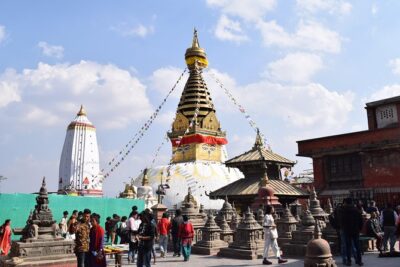
Full-Day 7 UNESCO Tour with Lunch – Private/Group
Read our review →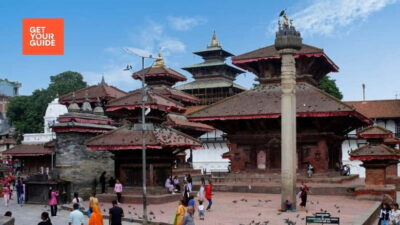
Browse the lists this tour appears in