
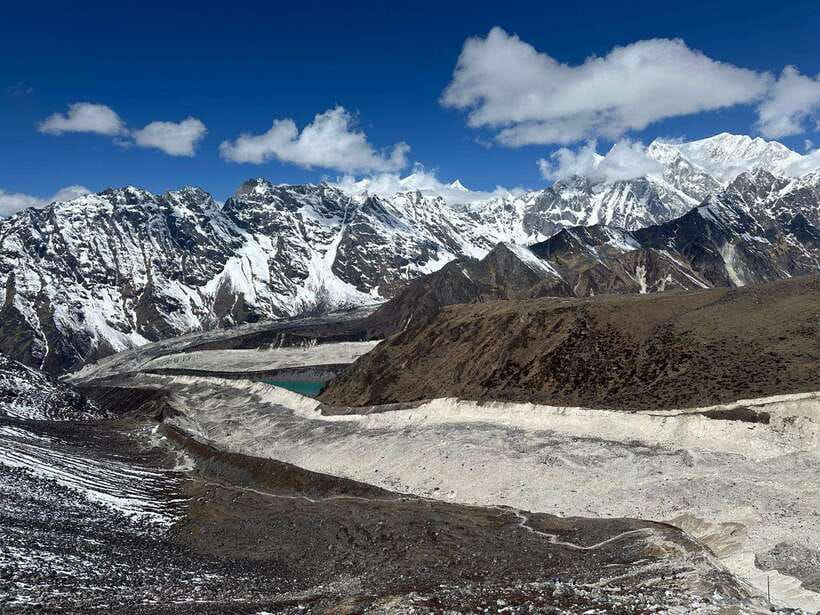
REVIEW · MANASLU CIRCUIT TREKS
Manaslu Circuit Trek with Larkya La Pass – Hidden Gems
Nepal gets wilder beyond the famous trails. This 12-day Manaslu Circuit trek takes you from Machhakhola through Tibetan-influenced villages, forested valleys, high meadows, and the demanding Larkya La Pass. I like the small group limit of six, which should make the walking days easier to manage, and I like that guide Prakash is praised for his warm manner, cultural knowledge, and careful support.
The main caution is cost clarity. The advertised $612 price covers the guide, teahouse lodging, transport, and tax, but you still pay about $140 for permits and roughly $5 to $7 per meal. Add personal gear, insurance, and snacks, and the final bill is notably higher. The trek is also physically demanding, with one especially long pass day.
This is not a quick scenic walk with a few mountain views added on. You spend long hours on foot, sleep in simple teahouses, carry cash in remote areas, and deal with rapidly changing mountain weather. In return, you get a quieter route with a strong sense of place and a memorable high-pass crossing.
In This Review
- Key points before you reserve
- Why the Manaslu Circuit feels different
- Day 1: The long road from Thamel to Machhakhola
- Day 2: Machhakhola to Jagat
- Day 3: Jagat to Deng through gorges and villages
- Day 4: Deng to Namrung
- Day 5: Namrung to Syalagoan
- Day 6: Syalagoan to Samagaon, with Pungyen Gumba
- Day 7: Rest in Samagaon and walk toward Manaslu Base Camp
- Day 8: Samagaon to Samdo
- Day 9: Samdo to Dharmasala
- Day 10: Dharmasala over Larkya La to Bhimtang
- Day 11: Bhimtang to Dharapani
- Day 12: Dharapani to Besishare, then onward
- What the $612 price really covers
- Teahouses, food, and what to pack
- Who should choose this trek
- Should you book the Manaslu Circuit?
- FAQ
- How long is the Manaslu Circuit trek?
- What is the price per person?
- Are permits included?
- Is food included?
- What transport is provided?
- Is accommodation included?
- How large is the group?
- What language does the guide speak?
Key points before you reserve
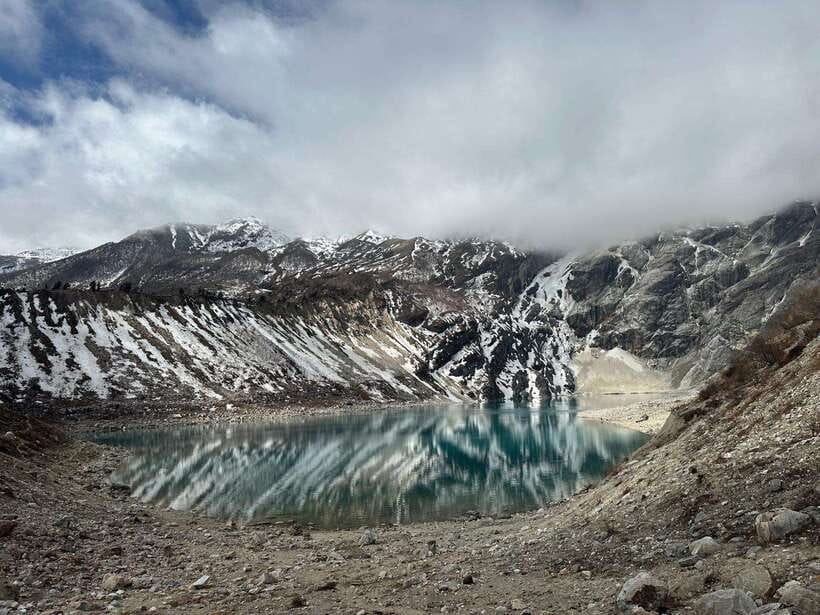
- Larkya La is the big test: The pass day takes about 8 to 9 hours and combines high altitude, cold conditions, and steep walking.
- Prakash is the named guide: His friendly, attentive approach and explanations of Nepalese and Tibetan culture are a major part of the experience.
- The group is limited to six: That is useful on narrow trails, in teahouses, and during a long day when the group needs to keep a steady pace.
- The price is only part of the budget: Add $140 for permits, food at $5 to $7 per meal, insurance, and personal trekking equipment.
- The route changes character every few days: You move from lush lowlands and gorges to alpine meadows, Tibetan-style villages, and snowy peaks.
- Two acclimatization stops are built in: Samagaon includes a rest day and a walk toward Manaslu Base Camp, helping you prepare for the pass.
Why the Manaslu Circuit feels different
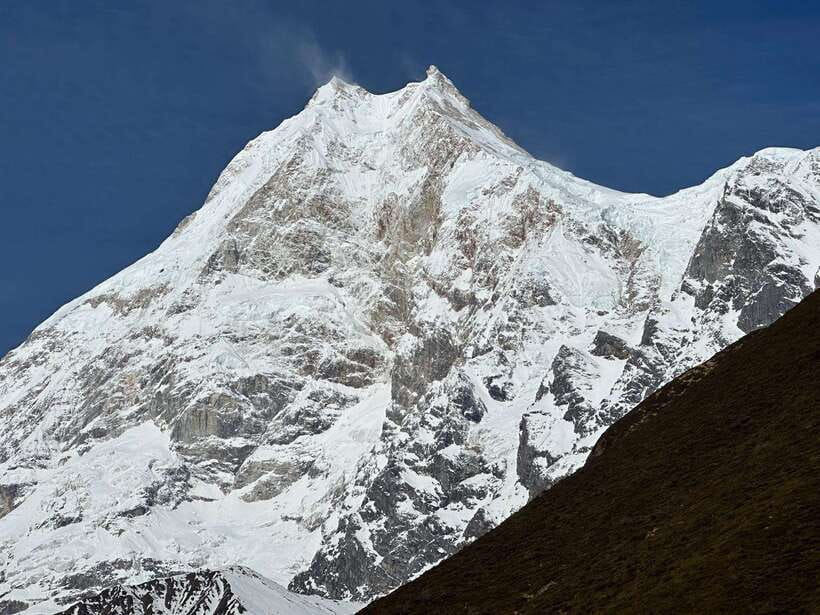
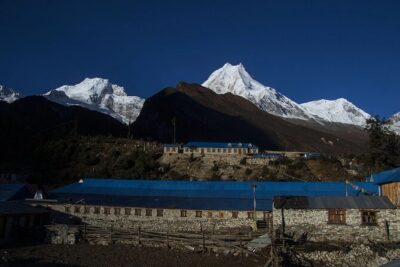
The Manaslu region gives you a long visual transition rather than one repeated mountain view. Near the start, you walk through warmer valleys with greenery, rivers, and narrow gorges. Higher up, the vegetation thins, villages take on a stronger Tibetan Buddhist character, and the peaks begin to dominate the horizon.
I like this gradual change. You have time to see how homes, customs, and daily routines shift with altitude. Traditional villages are not just lunch stops on this route. They are part of the reason to choose Manaslu over a shorter and more heavily visited Nepal trek.
The route is also known for a quieter feel than Nepal’s most popular circuits. That does not mean you will have the trail to yourself, and the itinerary does not promise solitude every day. Still, the small group and less crowded setting can make the trek feel more personal and exploratory.
The price of that atmosphere is effort. Several days call for 6 to 7 hours of walking, and the pass crossing takes longer. You need to be comfortable with sustained uphill and downhill walking, uneven trails, and simple accommodation.
More Manaslu Circuit treks:
- Manaslu Circuit Trek (15 Days)
★ 5.0 · 50 reviews - 16 Day Private Manaslu Circuit Trek from Kathmandu
★ 5.0 · 42 reviews - Manaslu Circuit Trek 13 Days
★ 5.0 · 30 reviews
Day 1: The long road from Thamel to Machhakhola
The trip begins with pickup in Thamel and a scenic drive of about eight hours to Machhakhola. This is a practical start rather than a glamorous one. The road transfer takes up much of the day, so do not think of Day 1 as a gentle walking introduction.
Transport is by bus from Kathmandu to Machhakhola. Road conditions in the mountain region can make a long drive feel tiring, but this transfer gets you to the trailhead without adding an extra trekking day.
Machhakhola marks the beginning of the walking section. From here, the trip moves into river valleys, villages, and increasingly narrow mountain corridors.
Day 2: Machhakhola to Jagat
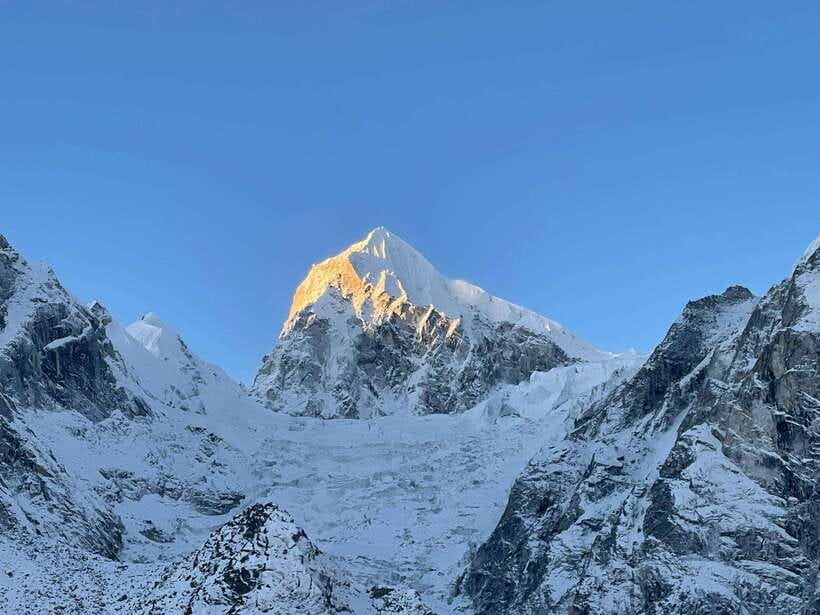
The walk to Jagat takes about 6 to 7 hours. You begin among the greener, lower parts of the route, with scenic views developing as the valley tightens and the trail follows the contours of the mountains.
Jagat is an important early stop because it feels like the route is properly underway. You can expect a full day of walking with meals arranged along the way and an overnight stay in a teahouse.
This is also where you start to understand the daily rhythm: breakfast, several hours on the trail, a lunch stop at a local café, more walking, then dinner and a simple bed. It is a straightforward routine, but it helps to know that comfort is limited and the days are structured around walking.
Day 3: Jagat to Deng through gorges and villages
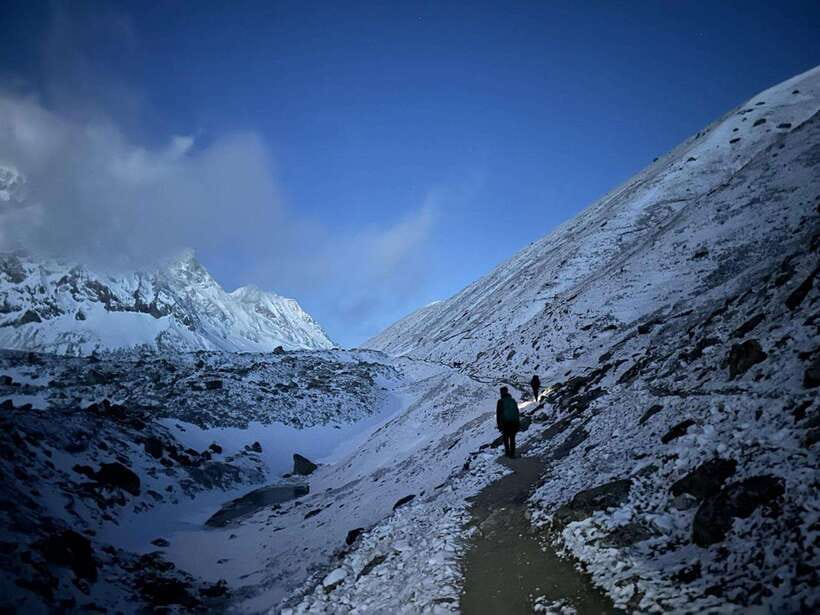
The 6 to 7-hour walk toward Deng brings more dramatic valley scenery. The route passes through traditional settlements, forested sections, and steep-sided gorges.
I would pay attention to the changes in architecture and religious practice here. The trek is not only about peaks. Tibetan Buddhism becomes increasingly visible as you move higher, and the guide can add meaning to what you see. Prakash is specifically praised for explaining Nepalese and Tibetan culture, which can turn a passing village into a memorable part of the day.
Deng is another teahouse stop. The facilities are basic, and food is not included in the listed price, so keep Nepalese rupees ready for meals and drinks.
More walking in the hills of Nepal:
- Everest Base Camp Trek – 14 Days
★ 5.0 · 1,499 reviews - Everest Base Camp Trekking
★ 5.0 · 485 reviews - Nagarkot Sunrise View and Day Hiking from Kathmandu
★ 5.0 · 471 reviews - Annapurna Circuit Trek with Tilicho Lake
★ 5.0 · 368 reviews
Day 4: Deng to Namrung
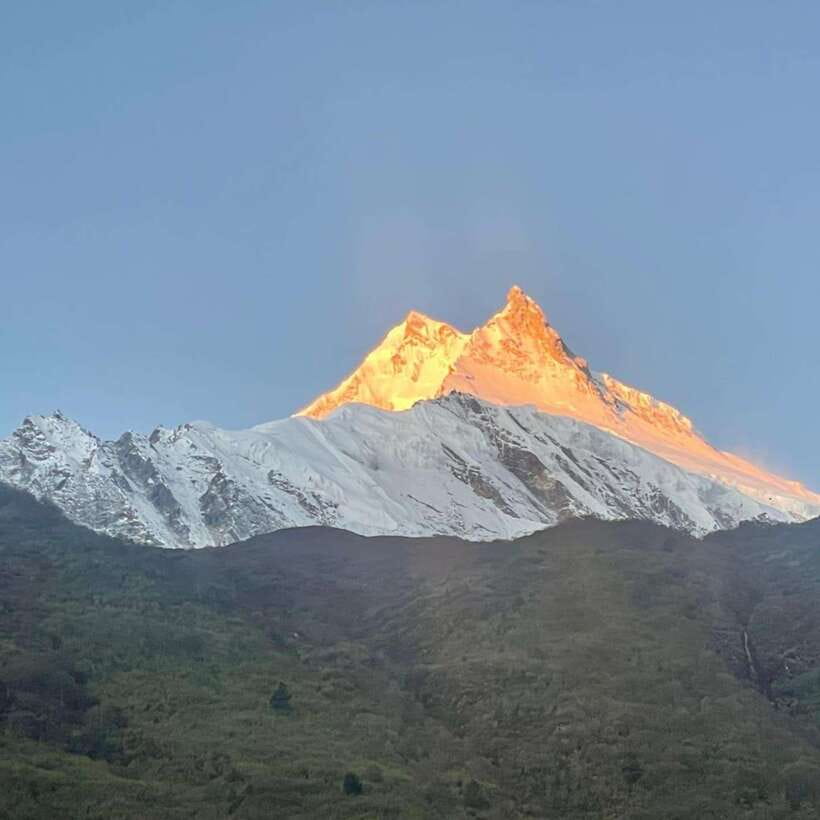
The walk to Namrung takes another 6 to 7 hours. By this point, the route begins to feel more alpine, though you still pass through wooded sections and settled areas.
Namrung is a useful transition point. The day gives you enough walking to build stamina, but it also places you closer to the higher country ahead. You may find the views becoming broader and the air cooler as the elevation increases.
This is where a steady pace matters. Trying to rush the earlier days can make the high sections harder. Stay close to the group, drink regularly, and tell the guide if you develop a headache, nausea, unusual tiredness, or breathing trouble.
Day 5: Namrung to Syalagoan
The route continues to Syalagoan in about 6 to 7 hours. This section brings more open alpine scenery and clearer views toward the high peaks.
The strength of this itinerary is the variety packed into a few days. You are not simply repeating one type of trail. Forest gives way to open slopes, villages appear and disappear, and mountain walls seem to grow taller around you.
The drawback is that the schedule leaves little room for a full rest day before Samagaon. You need a reasonable level of fitness from the beginning, not just enthusiasm for mountain photos.
Day 6: Syalagoan to Samagaon, with Pungyen Gumba
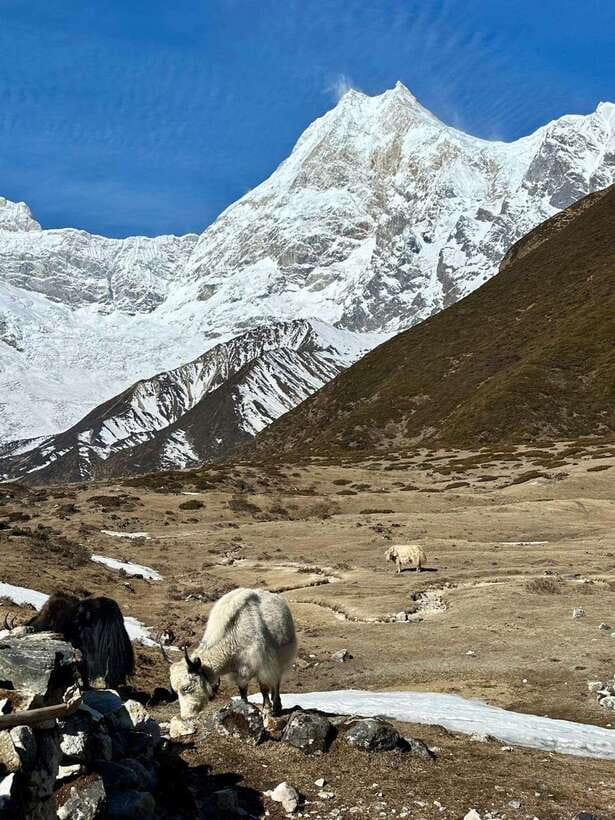
The walk to Samagaon takes about 6 to 7 hours and includes a side trip to Pungyen Gumba. This is one of the more culturally meaningful days because the route combines a working mountain settlement with a Buddhist religious site.
Samagaon is more than an overnight stop. It is the base for the next day’s acclimatization walk and a key point before the trail climbs higher. The village’s Tibetan Buddhist influence helps explain why this circuit feels distinct from a simple peak-viewing route.
You should use the evening to rest, organize warm clothing, check your water supply, and prepare for the next day. The mountain may look inviting, but altitude rewards patience rather than bravado.
Day 7: Rest in Samagaon and walk toward Manaslu Base Camp
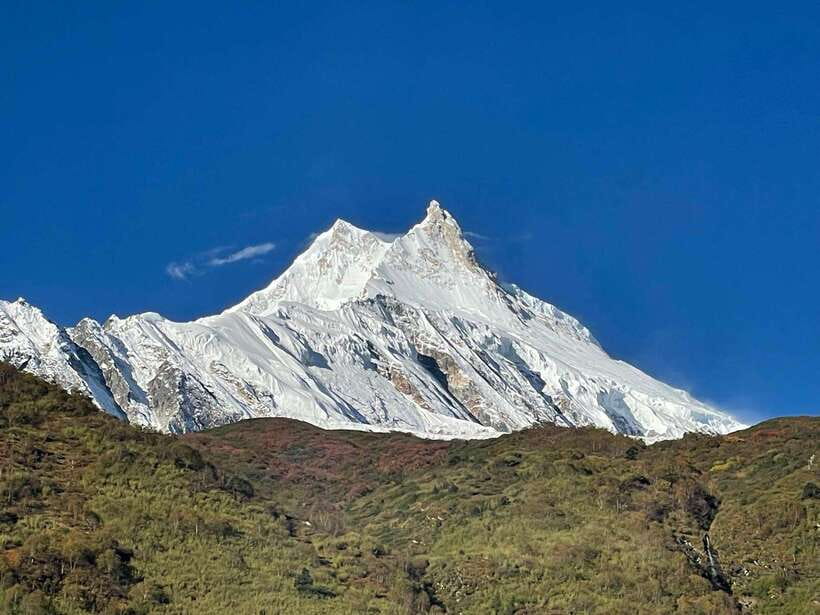
The itinerary includes a rest day in Samagaon, with a 4 to 5-hour hike toward Manaslu Base Camp. This is one of the smartest parts of the schedule.
An acclimatization walk gives you a chance to gain altitude during the day and return to sleep at a lower elevation than the highest point reached. The route offers impressive mountain views, and the walk provides a clear sense of the scale of Manaslu.
Do not treat this as a bonus sightseeing walk that you can skip without thought. It is also preparation for the higher days ahead. At the same time, you should not push beyond your ability. The guide’s role is especially important here, and Prakash’s attentive style is a reassuring feature for anyone unsure about altitude.
Day 8: Samagaon to Samdo
The walk to Samdo takes about 6 to 7 hours. The vegetation becomes sparser, the air colder, and the surroundings more exposed.
Samdo is close to the high mountain zone, so this day can feel more demanding than the distance suggests. Take short breaks, protect yourself from the sun, and keep snacks available. Sunglasses, sunscreen, a hat, and warm clothing are not optional extras at this stage.
The route includes striking aerial-style views from higher sections, but you should keep your eyes on the trail too. Mountain paths can be uneven, and fatigue makes small mistakes more likely.
Day 9: Samdo to Dharmasala
The walk to Dharmasala takes about 5 to 6 hours. This is a shorter day on paper, but it places you at the staging point for the Larkya La crossing.
Dharmasala is where you prepare for the hardest day. Sort your pack before dinner, keep warm layers close, and make sure your water bottle is ready. A sleeping bag is listed among the required items, and this is exactly the sort of high, cold night when it matters.
Remote areas along the route favor cash. Carry enough Nepalese rupees for food, drinks, and small needs because card payments should not be assumed.
Day 10: Dharmasala over Larkya La to Bhimtang
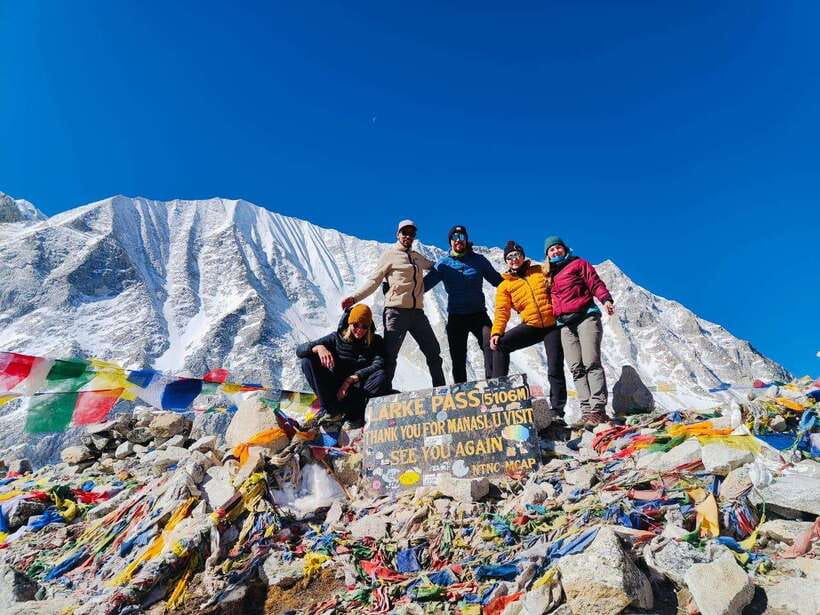
This is the centerpiece of the trek. The crossing from Dharmasala to Bhimtang takes about 8 to 9 hours and goes over Larkya La Pass.
The pass offers panoramic views toward surrounding 8,000-meter peaks, and the setting is the reward for all the slower preparation days. You get high ridges, snow-covered summits, broad mountain views, and the satisfaction of crossing one of the region’s great trekking passes.
It is also the day most likely to test you. High altitude, wind, cold, long hours, and changing weather can combine quickly. The guide will help manage the pace, but no guide can remove the physical work. Keep your expectations realistic and understand that reaching the pass is an achievement, not a casual photo stop.
The descent toward Bhimtang changes the mood. After the exposed high country, the route begins to feel more welcoming again. You still have plenty of walking, but the pass crossing is behind you.
Day 11: Bhimtang to Dharapani
The walk to Dharapani takes about 6 to 7 hours. This is a satisfying post-pass day because you can reflect on the crossing while moving through different scenery.
Dharapani is the final overnight trekking stop in the stated route. The day remains substantial, so do not assume the trek becomes easy once Larkya La is complete. Downhill walking can be hard on tired knees, and trekking poles may be useful if you already use them.
The route retains its scenic appeal, with forest, mountain views, and village surroundings. It is a good final walking day before returning to road transport.
Day 12: Dharapani to Besishare, then onward
The transport plan takes you from Dharapani to Besishare by jeep, followed by a bus toward Kathmandu or Pokhara. The supplied schedule describes several transfer segments, including about four hours and then about five hours, before returning to Thamel.
This makes Day 12 a long travel day rather than a relaxed finish. Delays are possible in any mountain road journey, so avoid scheduling an important flight or fixed appointment immediately afterward unless you have a generous buffer.
The stated end point is Thamel, but the transport information also allows onward travel to Pokhara. Confirm your exact drop-off and final transport plan before setting out.
What the $612 price really covers
At $612 per person, the trek offers solid value if you want a guided route with lodging and transport arranged. The package includes an English-speaking guide, the guide’s food, accommodation, and insurance, teahouse accommodation for you, transportation to and from the trailhead, a first-aid box, and tax or VAT.
The small group limit of six improves that value. You are not paying only for a bed and a route. You are also paying for guidance on a demanding trail, help with pacing and logistics, and a more manageable group size.
But calculate the real cost before booking:
- Permits cost an additional $140 per person.
- Food costs about $5 to $7 per meal.
- Travel insurance is not included.
- Personal trekking equipment is not included.
- Drinks, snacks, and other personal purchases are extra.
With three meals a day for 12 days, food alone could add roughly $180 to $252 if every meal falls within the stated range. That means the advertised rate is a starting price, not the full trip budget.
Teahouses, food, and what to pack
Accommodation is in teahouses. You should expect practical mountain lodging rather than hotel comforts. Breakfast and dinner can be taken at the teahouse, while the guide stops at cafés for lunch during the walking days.
Pack warm clothing, hiking shoes, sunglasses, a hat, sunscreen, snacks, a reusable water bottle, a sleeping bag, trekking gear, and a first-aid kit. A camera is worth bringing, but keep it protected from changing weather and cold.
The mountain climate can shift quickly. Bring layers that let you adjust without unpacking your entire bag. A local SIM card with data is available in Kathmandu, which can make communication easier before you leave the city.
Smoking, alcohol, drugs, and littering are not allowed. Those rules are sensible on a demanding route where clean water, safe trails, and shared teahouses matter.
Who should choose this trek
I would recommend this route to you if you want a serious Nepal trek with cultural contact, changing scenery, and a major high-pass goal. It suits people who enjoy walking for most of a day and who are comfortable with simple lodging and uncertain mountain weather.
You should think twice if you have limited mobility, a history of altitude sickness, or a low level of fitness. The activity is not suitable for people with mobility impairments or altitude sickness, and the stated guidance also excludes people over 95 years old.
The acclimatization plan helps, but it does not guarantee that you will avoid altitude problems. Your health, preparation, and response to the conditions still matter.
Should you book the Manaslu Circuit?
Book it if you want a quieter alternative to Nepal’s busiest trekking routes and you are ready for a demanding 12-day schedule. The combination of traditional villages, Tibetan Buddhist culture, changing scenery, and the Larkya La crossing gives the trip real substance.
I would especially favor it for a small group that values a friendly guide. Prakash receives strong praise for his patience, good humor, and ability to explain local culture, and that kind of human connection can make a difficult trek much more rewarding.
Skip it if you want predictable roads, soft beds, included meals, or short walking days. Also skip it if the extra permit, food, equipment, and insurance costs stretch your budget. For a fit walker who wants a genuine mountain challenge, though, this is a well-priced guided route with a powerful payoff at Larkya La.
FAQ
How long is the Manaslu Circuit trek?
The trek is scheduled for 12 days, including transport from Kathmandu, the walking route, the Larkya La Pass crossing, and the return journey.
What is the price per person?
The listed price is $612 per person.
Are permits included?
No. ACAP, MCAP, and special permits cost an additional $140 per person, payable before the trek at the meeting point.
Is food included?
No. Food and beverages are not included. Meals generally cost between $5 and $7 each. Breakfast and dinner can be taken at teahouses, while lunch is arranged at cafés along the route.
What transport is provided?
Transport includes a bus from Kathmandu to Machhakhola, a jeep from Dharapani to Besishare, and a bus from Besishare toward Kathmandu or Pokhara.
Is accommodation included?
Yes. Teahouse accommodation during the trek is included.
How large is the group?
The group is limited to six participants.
What language does the guide speak?
The tour provides a live English-speaking guide. The named guide for this experience is Prakash.
New in the Nepal listings
- Traditional Momo Making Class★ 5.0 · 10 reviews
- Kathmandu: Ancient City Kirtipur & Pharping Monastery Tour★ 5.0 · 2 reviews
- Pokhara: Pokhara Highlights Tour by Bus★ 3.6 · 10 reviews
- Day Walk(8-10h.) inside Chitwan National Park.★ 5.0 · 1 review
- One Day Tour inside Chitwan National Park★ 5.0 · 2 reviews
- Private Jeep Safari (8-10 hrs.)inside Chitwan National Park.★ 5.0 · 3 reviews
- Jungle Towernight Stay: 4-Day Tour in Chitwan National Park★ 5.0 · 4 reviews
- Night Stay in Chitwan National Park, 2 Nights 3 Days Package★ 5.0 · 1 review
Manaslu Circuit Treks, compared.
16 Day Private Manaslu Circuit Trek from Kathmandu
Read our review →
10 Days Manaslu Circuit Trek in Larke La Pass
Read our review →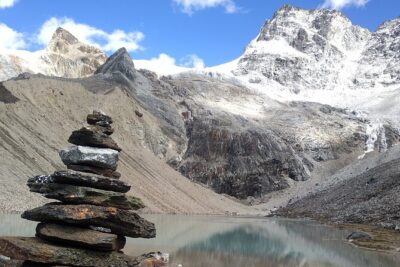
Manaslu Circuit Trek 8th Highest in the World
Read our review →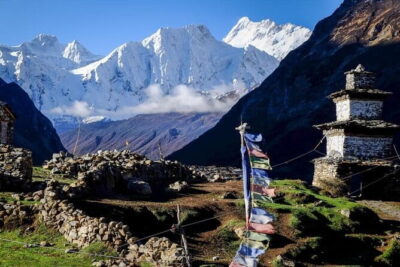
Manaslu Circuit Trek to the Beauty of 8th Highest Mountain
Read our review →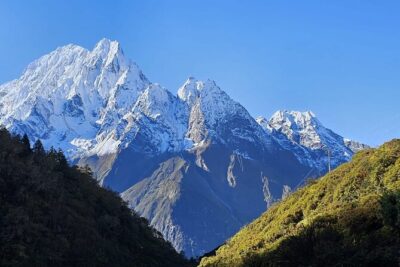
Browse the lists this tour appears in