
REVIEW · MANASLU CIRCUIT TREKS
Manaslu Circuit Trek (15 Days)
Quiet trails reward patient walkers. The Manaslu Circuit Trek gives you dramatic Himalayan scenery, Tibetan-influenced villages, and far fewer crowds than Nepal’s best-known routes. I like the careful altitude plan and the strong local support, including guides, assistant guides, and porters. The main drawback is the hard walking schedule, especially the long days before Larkya La Pass and the basic teahouse conditions.
I also like the clear arrival support, permit handling, and airport transfers. Guides named in trek feedback, including Raj Rai, Tshering, Pemba Sherpa, and Ishwor Rai, were praised for safety, care, and organization. You should still note that meals during the trek, personal gear, hot showers, charging, Wi-Fi, and drinking water are not included in the stated price.
In This Review
- Key points to know before booking
- Why the Manaslu Circuit feels different
- Days 1 and 2: Kathmandu, permits, and preparation
- Day 3: The long road to Machha Khola
- Days 4 and 5: River gorges, hot springs, and Gurung villages
- Days 6 and 7: Forest trails and Tibetan-style villages
- Day 8: Shyala and the approach to Samagaun
- Day 9: Acclimatization at Samagaun and Pungyen Gompa
- Days 10 and 11: Samdo, high pasture, and Dharamsala
- Day 12: Crossing Larkya La Pass to Bimthang
- Days 13 and 14: Forest descent and the road back
- Day 15: A gentle finish in Kathmandu
- What the $1,657.50 price really covers
- Who should book this trek?
- FAQ
- How long is the Manaslu Circuit Trek?
- What is the highest point on the trek?
- Is airport pickup included?
- Where does the trek start?
- Are meals included during the trek?
- Is drinking water included?
- Do I need travel insurance?
- How large is the group?
- What happens if bad weather cancels the trek?
- Should you book the Manaslu Circuit Trek?
Key points to know before booking
- Larkya La Pass reaches roughly 5,200 meters, making Day 12 the toughest and most important day.
- The circuit uses a careful acclimatization pattern, with a rest day and a side hike to Pungyen Gompa near Samagaun.
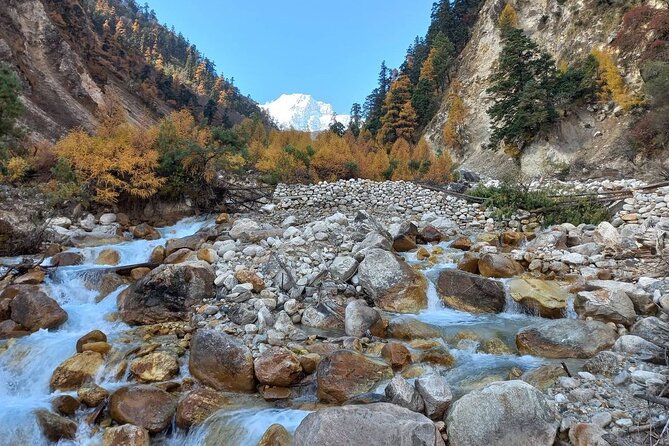
- The route changes constantly, from subtropical forest and river gorges to dry yak pasture and glacial terrain.
- You stay in standard teahouses, with simple rooms and extra charges for hot showers, Wi-Fi, and battery charging.
- The group limit is 15 people, with one assistant guide for every five trekkers.
- The $1,657.50 price covers major permits, hotels, transport, guides, porters, and crew insurance, but not most food or personal expenses.
Why the Manaslu Circuit feels different
The Manaslu Circuit circles the world’s eighth-highest mountain through a quieter part of Nepal. Its appeal is not just one famous viewpoint. It is the steady change in scenery and culture as you move from warm river valleys into high Himalayan country.
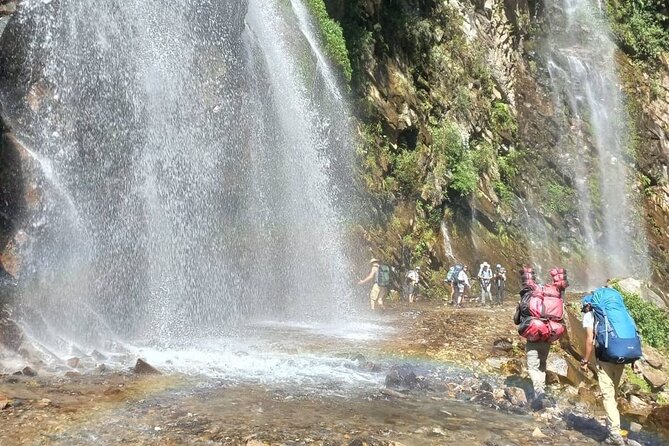
You begin near Kathmandu, drive deep into the hills, and follow the Budi Gandaki River upstream. The route passes suspension bridges, waterfalls, forest, stone houses, mani walls, yak pastures, and old Buddhist sites. By the time you reach Samagaun and Samdo, the lower valleys feel very far away.
The cultural change is just as important as the mountain views. Villages such as Phili, Namrung, Lihi, and Samagaun show strong Tibetan influence in their buildings, prayer walls, fields, and religious sites. This is a trek where the villages are part of the point, not simply overnight stops.
The route is quieter than the Everest and Annapurna circuits, but quiet does not mean easy. You need a moderate level of fitness, comfort with several days of six to eight hours of walking, and a sensible attitude toward altitude.
More Manaslu Circuit treks:
- 16 Day Private Manaslu Circuit Trek from Kathmandu
★ 5.0 · 42 reviews - Manaslu Circuit Trek 13 Days
★ 5.0 · 30 reviews - 10 Days Manaslu Circuit Trek in Larke La Pass
★ 5.0 · 30 reviews
Days 1 and 2: Kathmandu, permits, and preparation
Your first day begins with an airport pickup at Tribhuvan International Airport. A company representative meets you and takes you to a three-star hotel in Thamel, where breakfast is included. After check-in, you have free time to rest or look around Kathmandu.
Day 2 is practical rather than scenic. The team prepares the trek and waits for the Manaslu permits to be issued. You must provide your original physical passport and two passport photos because the passport is needed for Nepal’s immigration process.
This is a useful preparation day. Use it to check your boots, sleeping bag, layers, water treatment, and headlamp. The operator provides gear guidance, but personal trekking gear is your responsibility. The extra day also gives you room to handle small purchases before leaving Kathmandu.
Day 3: The long road to Machha Khola
The drive from Kathmandu to Machha Khola takes most of the day. You leave the city behind and pass through foothills, river valleys, and increasingly rural settlements.
This road transfer is scenic, but it is not a smooth start. The route to the trailhead can be tiring, and the trip takes about 12 hours according to the schedule. Private transportation is included from Kathmandu to Machha Khola, which is useful because transport at this stage can be complicated.
Machha Khola is the practical beginning of the walking portion. Do not expect a gentle holiday transfer followed by an easy stroll. The next several days build distance and height quickly.
Days 4 and 5: River gorges, hot springs, and Gurung villages
Day 4 takes you from Machha Khola to Jagat, about 15 kilometers in six to seven hours. You gain around 600 meters and lose about 250 meters, with narrow riverside paths, ridges, bamboo, and steep gorge scenery.
You pass Tatopani, a natural hot spring near the river. The itinerary does not include time to bathe there, so treat it as a passing landmark rather than a promised spa stop. At Dobhan, the Shiar Khola meets the Budi Gandaki, creating another dramatic river setting.
The trail is rocky and uneven. You will cross bridges and follow paths that can feel exposed in places, so sturdy footwear and steady pacing matter. Jagat is a village checkpoint and a clear transition into the more restricted Manaslu region.
Day 5 is a longer effort to Deng, about 18 kilometers and seven to eight hours. The route includes roughly 1,050 meters of ascent, 400 meters of descent, and some level walking. You pass Salleri and the large Gurung village of Phili, with forest, river views, and more signs of mountain life.
This is one of the days where the trek’s difficulty becomes clear. The distance is manageable for fit walkers, but the repeated climbs and rough trail demand energy. Keep your daypack light because porters carry your overnight bag at a ratio of one porter for every two trekkers.
More walking in the hills of Kathmandu:
- Everest Base Camp Trek – 14 Days
★ 5.0 · 1,499 reviews - Everest Base Camp Trekking
★ 5.0 · 485 reviews - Nagarkot Sunrise View and Day Hiking from Kathmandu
★ 5.0 · 471 reviews - Annapurna Circuit Trek with Tilicho Lake
★ 5.0 · 368 reviews
Days 6 and 7: Forest trails and Tibetan-style villages
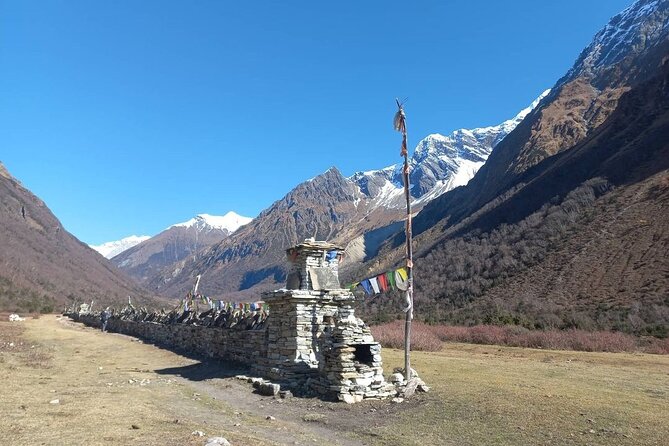
From Deng, the route climbs through pine and rhododendron forest toward Bihi and Rana. These settlements have stone houses and a stronger Tibetan feel. The trail then continues to Namrung, after around 19 kilometers and seven to eight hours of walking.
Day 6 includes about 1,100 meters of ascent. That is a serious gain, even though the forest provides shade and the route changes often enough to keep the day interesting. Namrung is an important overnight stop because the forest and valley scenery begin giving way to higher, drier surroundings.
Day 7 takes you to Lihi, with about 700 meters of ascent and 100 meters of descent. Terraced fields, forested switchbacks, and yak pastures appear along the route. Lihi is a small village, but it gives you a close look at how high mountain communities use limited land.
The schedule lists Lihi as the night stop, so confirm the exact overnight village before departure. In the high Himalayas, small changes in lodging can happen because of weather, trail conditions, or local availability.
Day 8: Shyala and the approach to Samagaun
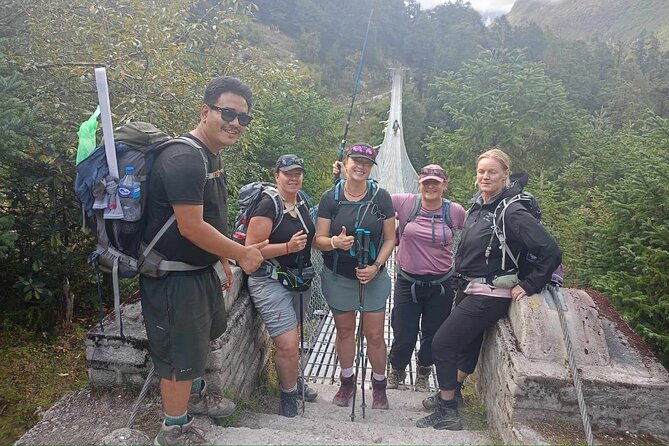
The walk toward Shyala is one of the most scenic parts of the circuit. Pine and rhododendron forest give way to open ground, mani walls, and views toward Manaslu, Himalchuli, Peak 29, and Ngadi Chuli.
From Shyala, the trail continues through yak pastures and scrubland before reaching Samagaun. The day covers about 17 kilometers and includes roughly 500 meters of ascent. Samagaun is the largest village in the Nubri Valley and an important base for the next stage.
Here, the trek feels distinctly high Himalayan. The air is thinner, the vegetation is sparser, and the mountains take over the view. Move slowly and drink regularly. You do not gain points for arriving at the teahouse early if you pay for it with a headache the next day.
Day 9: Acclimatization at Samagaun and Pungyen Gompa
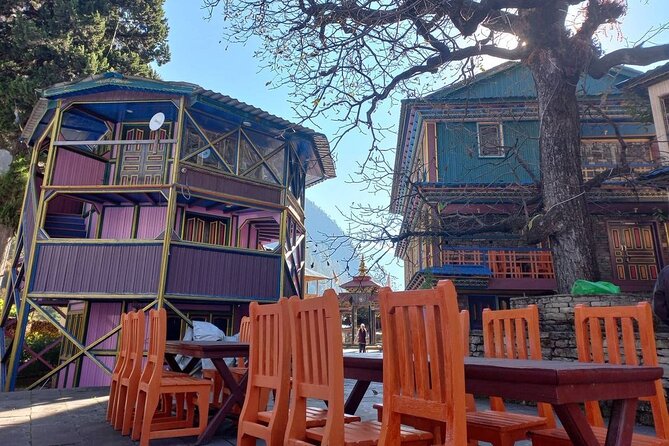
Day 9 is an acclimatization day, but it is not a day spent entirely indoors. You take a three to four hour roundtrip hike to Pungyen Gompa, a quiet monastery on a ridge with views toward Manaslu.
This is good altitude planning. A short uphill walk helps your body adjust while keeping the day manageable. The monastery also gives the trek a cultural center, not just another mountain viewpoint.
You spend another night at Samagaun. That second night matters because the route rises sharply from here. Pay attention to how you feel, and tell your guide about headaches, nausea, unusual fatigue, or breathing problems. The company says it provides altitude briefings and emergency procedures, but your honest communication remains essential.
Days 10 and 11: Samdo, high pasture, and Dharamsala
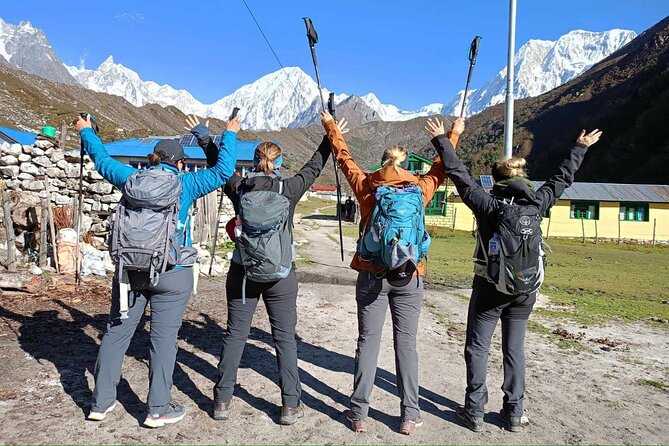
Day 10 leads from Samagaun to Samdo. The path first drops gently to a wooden bridge over the Budhi Gandaki, then climbs through dry yak pasture and high open ground.
Small mani walls mark the route, and the scenery becomes more severe as vegetation thins. Samdo is close to the Tibetan border area and feels remote in a way that the lower villages do not. The short distance does not make the day meaningless. At this height, slower movement is the sensible choice.
Day 11 continues from Samdo to Dharamsala, also known as the Larkya La base area. This is a short but important acclimatization walk over rocky alpine ground. You get broad views and time to prepare for the pass.
Dharamsala is a basic stop, and conditions can be spare. Hot showers, Wi-Fi, and charging usually cost extra at teahouses, and you should not expect the comforts of Kathmandu. Keep essential warm clothing and snacks close at hand.
Day 12: Crossing Larkya La Pass to Bimthang
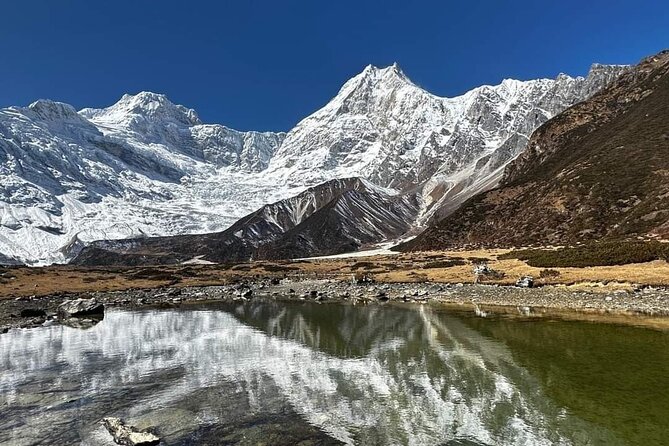
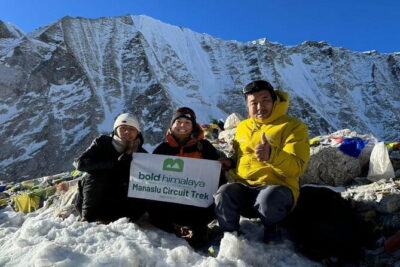
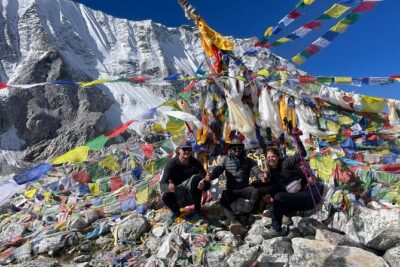
This is the defining day of the trek. You start before dawn from Dharamsala and climb through rocky moraine and glacial terrain toward Larkya La Pass, at approximately 5,200 meters.
The climb is demanding because of the altitude, cold, uneven ground, and early start. The reward is a wide mountain setting with glacier-covered peaks and a powerful sense of crossing from one Himalayan valley to another.
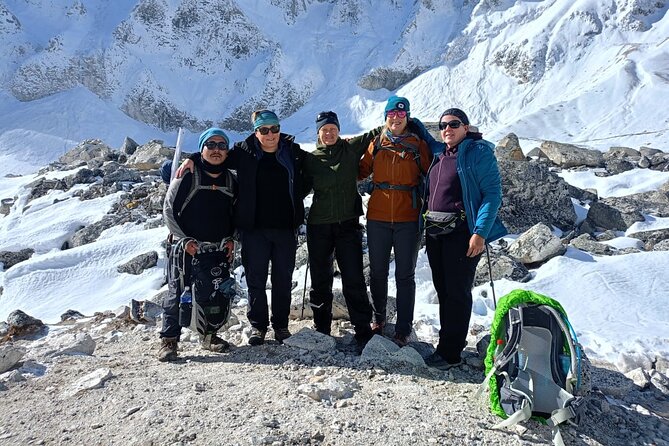
The descent to Bimthang is also hard. Reaching the pass is only half the day, and tired legs must still handle the downhill route. This is where the guide team matters most. The operation includes a government-licensed, first-aid-trained trek guide, assistant guides at a ratio of one per five trekkers, and porters carrying overnight bags.
Do not treat this as a casual sightseeing day. Travel insurance must cover accidental and medical care plus helicopter evacuation up to 5,200 meters. That requirement is not a formality. Check the exact altitude and evacuation terms before you book.
Days 13 and 14: Forest descent and the road back
Day 13 drops from Bimthang toward Dharapani. The scenery changes quickly from alpine scrub to pine, rhododendron, and oak forest. You pass Yak Kharka, a seasonal grazing area, before entering greener country.
The descent can feel easier than the pass day, but downhill walking is tough on knees and toes. Trekking poles can help, especially after the long climb and descent of Day 12.
On Day 14, you leave Dharapani after breakfast in a shared jeep. The road follows the Marsyangdi River through cliff-side sections and Tal village, with waterfalls along the way. The drive to Besisahar is scenic but bumpy, so keep fragile items protected and expect a long transport day.
From Besisahar, private transport returns you to Kathmandu. The schedule calls this a Kathmandu Valley day, but the road can be tiring after two demanding days of walking. If delays affect your return, extra Kathmandu nights are not included.
Day 15: A gentle finish in Kathmandu
Your final day depends on your flight time. You may have a few hours in Thamel for souvenirs, food, or a quiet café before the team takes you to the airport.
Airport arrival and departure transfers are included. The package also includes Kathmandu hotel accommodation with breakfast, though you should confirm exactly which nights are covered if your flights require changes.
What the $1,657.50 price really covers
At $1,657.50 per person, the price offers solid value for a restricted-area trek if you want a supported trip rather than arranging each part yourself. It includes Manaslu Conservation Area, Annapurna Conservation Area, and Special Restricted Area permits, along with government fees.
You also get:
- Three-star Kathmandu accommodation with breakfast
- Standard teahouse accommodation during the trek
- Airport transfers
- Private transport from Kathmandu to Machha Khola
- Shared jeep transport from Dharapani to Besisahar
- Private transport from Besisahar to Kathmandu
- A licensed guide and assistant guides
- Porters at a two-to-one ratio
- Insurance for guides, assistant guides, and porters
The important catch is food. The inclusion details list two dinners and two breakfasts, while the exclusions say meals during the trek are not included and identify a welcome dinner, farewell dinner, and Kathmandu breakfasts. You should ask for a written meal breakdown before paying.
Also budget for a Nepal visa, listed at $30, personal gear, tips, drinking water, showers, charging, Wi-Fi, and possible rescue or delay costs. A filter bottle or purification tablets are recommended because drinking water is not included.
Who should book this trek?
I would recommend it to fit walkers who want a quieter route, strong mountain scenery, local villages, and a more structured support system. It suits people who value guides and porters, do not mind simple lodging, and are ready for long days on rough trails.
I would not choose it for a first mountain holiday if you dislike basic teahouses, bumpy road journeys, or cold early starts. The pass day is serious, and the lack of included meals makes the final cost less predictable than the headline price suggests.
The group limit of 15 is a useful middle ground. It is small enough for personal attention, while the assistant-guide ratio adds support on steep or demanding days. Feedback especially praised organization, pre-arrival communication, safety, and guides such as Raj Rai and Tshering. That is exactly the kind of support you want when the route gets high and remote.
Free cancellation is available when you cancel at least 24 hours before the local start time. Poor weather or failure to reach the minimum group size can lead to a different date or a full refund.
FAQ
How long is the Manaslu Circuit Trek?
The trek lasts approximately 15 days, including arrival and departure in Kathmandu, permit preparation, road transfers, walking days, acclimatization, and the return journey.
What is the highest point on the trek?
The route crosses Larkya La Pass at approximately 5,200 meters. Travel insurance must cover emergency evacuation at this altitude.
Is airport pickup included?
Yes. Private airport transportation is included for arrival and departure between Tribhuvan International Airport and the hotel or meeting point.
Where does the trek start?
The activity begins from Thamel in Kathmandu, while the walking section starts after the drive to Machha Khola.
Are meals included during the trek?
Meals during the trek are listed as not included. The package information separately lists two dinners and two breakfasts, so confirm which meals those refer to before booking.
Is drinking water included?
No. Drinking water is not included. A filter bottle or purification tablets are recommended.
Do I need travel insurance?
Yes. You need insurance covering accidental and medical care plus helicopter evacuation up to 5,200 meters.
How large is the group?
The maximum group size is 15 people. The support plan includes one assistant guide for every five trekkers.
What happens if bad weather cancels the trek?
If poor weather causes cancellation, you are offered a different date or a full refund. Cancellation must normally be made at least 24 hours before the experience start time for a full refund.
Should you book the Manaslu Circuit Trek?
Book it if you want a remote Himalayan route with fewer crowds, strong cultural encounters, and a properly planned pass crossing. The permits, transport, porters, guide team, and acclimatization day give the $1,657.50 price a useful base of value.
Before booking, confirm the meal inclusions, check your insurance altitude limit, and make sure you are prepared for long walking days and basic teahouse life. If those points suit you, this is a purposeful and well-supported way to see Manaslu without turning the mountains into a parade route.
New in the Kathmandu listings
- Traditional Momo Making Class★ 5.0 · 10 reviews
- Kathmandu: Ancient City Kirtipur & Pharping Monastery Tour★ 5.0 · 2 reviews
- Kathmandu to Pokhara Premium sofa bus ticket★ 4.0 · 17 reviews
- Women Empowerment Project(Nepali cooking class & jewelry workshop★ 5.0 · 15 reviews
- 7-Day Langtang Valley Trek from Kathmandu★ 5.0 · 1 review
- Kathmandu 2 Nights 3 Days Chitwan Jungle Safari Tour★ 5.0 · 9 reviews
- Yoga Experience Day Trip with Private Transfer From Kathmandu★ 4.0 · 2 reviews
- Wildlife Adventure in Chitwan Nepal★ 4.0 · 4 reviews
Manaslu Circuit Treks, compared.
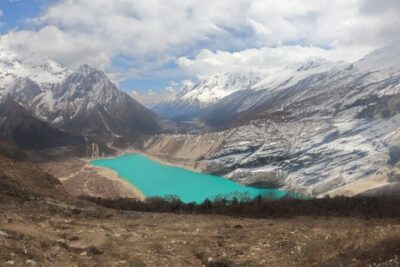
16 Day Private Manaslu Circuit Trek from Kathmandu
Read our review →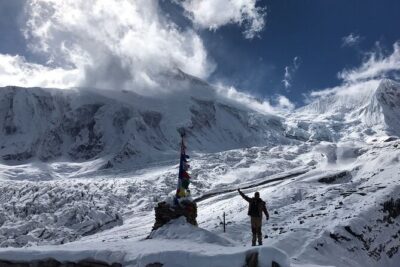
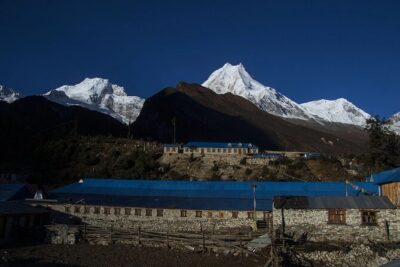
10 Days Manaslu Circuit Trek in Larke La Pass
Read our review →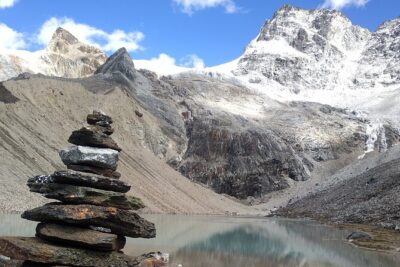
Manaslu Circuit Trek 8th Highest in the World
Read our review →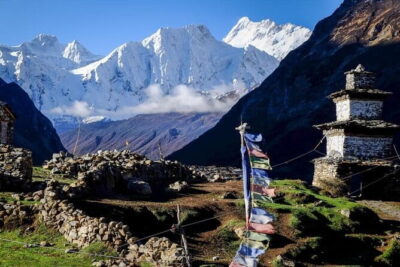
Manaslu Circuit Trek to the Beauty of 8th Highest Mountain
Read our review →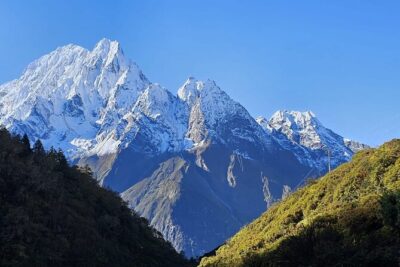
Manaslu Circuit Trek – 14 days of Himalayan Adventure
Read our review →Browse the lists this tour appears in