
REVIEW · MARDI HIMAL TREKS
Mardi Himal Base Camp Trek (5 Days)
Five days can bring you very high. This Mardi Himal trek gives you quiet mountain walking, forest trails, tea-house stays, and broad Annapurna views without the heavier foot traffic associated with Annapurna Base Camp. I especially like the private format, which lets your group move at its own pace, and the early sunrise walk to Mardi Himal Base Camp.
The $480 per-person price also covers permits, transport, four nights of food, and accommodation on the trek, making the package easier to budget. The main catch is physical: the days run roughly four to eight hours, the final return is long, and mountain weather can hide the views you came to see.
In This Review
- Key points at a glance
- Why Mardi Himal works well for a five-day trek
- Starting in Pokhara and walking to Forest Camp
- Day 2 through the Annapurna forest to Badal Dhanda
- The climb to High Camp on Day 3
- The pre-dawn walk to Mardi Himal Base Camp
- The long return to Pokhara on Day 5
- What the $480 price really covers
- The private format and guide support
- Food, tea houses, and what to pack
- Fitness, weather, and the route’s limits
- Who should book this Mardi Himal trip?
- Should you book it?
- FAQ
- Where does the Mardi Himal Base Camp Trek begin?
- How long is the trek?
- Is transportation included?
- Are permits included in the price?
- Are meals included?
- Is accommodation included?
- Is this a private tour?
- Do I need a particular level of fitness?
- Is trekking equipment included?
- What happens if bad weather cancels the trek?
Key points at a glance
- A quieter Annapurna route: Mardi Himal is becoming popular, but it generally feels less crowded than Annapurna Base Camp.
- Sunrise is the big reward: Day 4 begins around 4:00 or 4:30 AM for the walk toward Base Camp or the nearby viewpoint.
- Private means flexible: Only your group takes part, and the route can be adjusted to suit your party’s needs.
- Good value at $480: Permits, private transport, tea-house accommodation, and all listed meals are included.
- Guiding is a major strength: Madhav, also called Madu in some accounts, is praised for adapting the pace and explaining Nepal’s culture and nature.
- Pack for yourself: Trekking equipment and porter service are not included, so you must arrange those separately.
Why Mardi Himal works well for a five-day trek
Mardi Himal offers a shorter route into the Annapurna Conservation Area, but shorter does not mean tame. You still spend several days walking uphill and downhill, sleeping in simple local tea houses, and dealing with changing mountain weather.
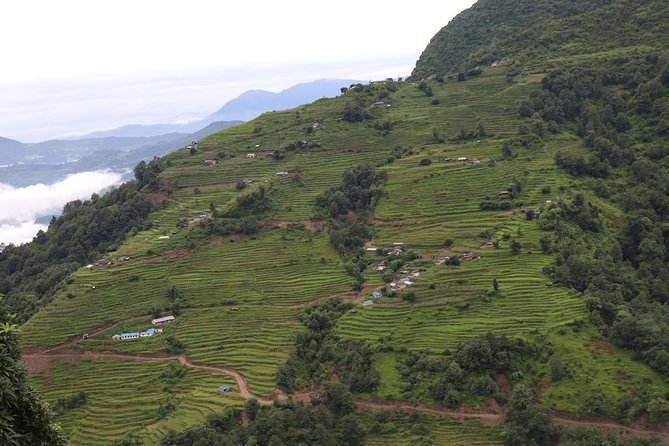
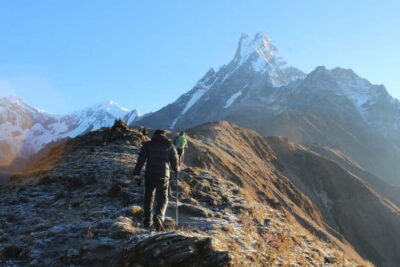
What I like most is the change in scenery. The route begins around Pokhara and Khande, passes through forest, reaches Badal Dhanda, then climbs toward High Camp and the Base Camp viewpoint. You get woodland, silence, open ridges, and snowy Himalayan peaks in one compact trip.
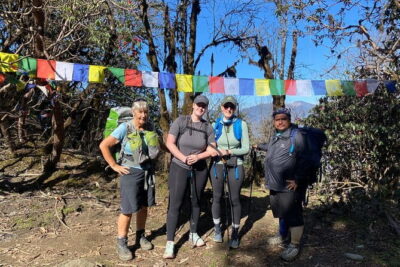
The route also gives you a more personal mountain outing than a large group departure. Since this is a private activity, your group travels together rather than being matched with strangers. That matters when someone needs a slower pace, a longer lunch stop, or a little extra time for photographs.
The tradeoff is that the five-day schedule is fairly active. The advertised walking times range from four to eight hours, and Day 5 is especially demanding. You should arrive with a moderate level of fitness and be comfortable spending long periods on foot.
More Mardi Himal treks:
- Pokhara: 4-Day Mardi Himal Trek
★ 4.9 · 59 reviews - Private Mardi Himal Trek
★ 5.0 · 42 reviews - From Pokhara: 4-Day Mardi Himal Base Camp Trek
★ 4.9 · 31 reviews
Starting in Pokhara and walking to Forest Camp
Day 1 begins early at Pokhara Lakeside. Private transport takes you toward Khande, where the trek starts. From there, you walk to Forest Camp, with about six hours of trekking planned for the day.
The first day is valuable because it moves you quickly from the city into the Annapurna Conservation Area. Instead of spending the opening day on a short warm-up walk, you make real progress toward the higher camps.
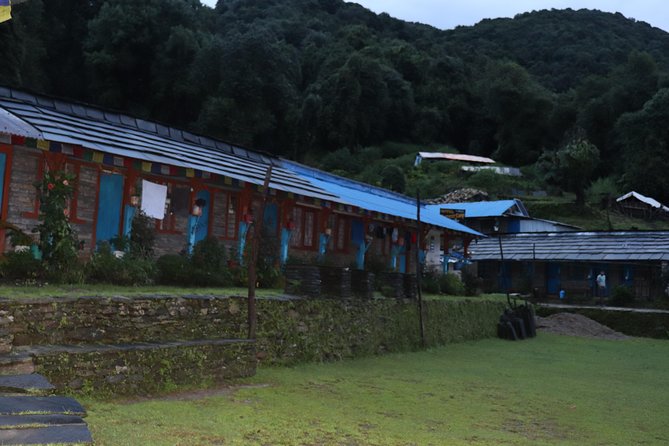
Forest Camp is also your first taste of tea-house life. Accommodation and dinner are included, but you should expect a practical mountain stay rather than a resort. Tea houses are part of the appeal here because they keep you close to local communities and the route itself.
A six-hour opening walk can feel long if you have just arrived in Nepal. I would avoid scheduling a tiring activity late the previous evening and would keep your morning organized. The pickup is offered, but confirm the exact meeting arrangement and departure time before setting out.
Day 2 through the Annapurna forest to Badal Dhanda
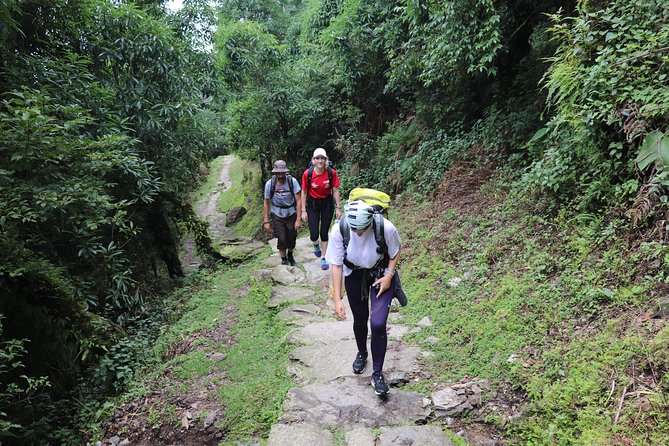
After breakfast, Day 2 continues toward Badal Dhanda. The walking time is listed at about six hours, and much of the route passes through the forest of the Annapurna Conservation Area.
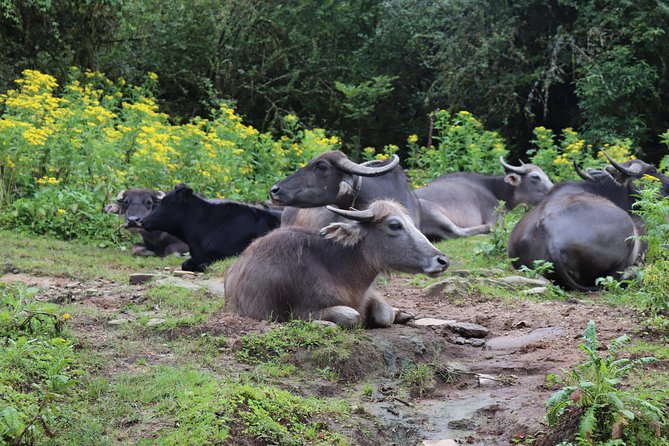
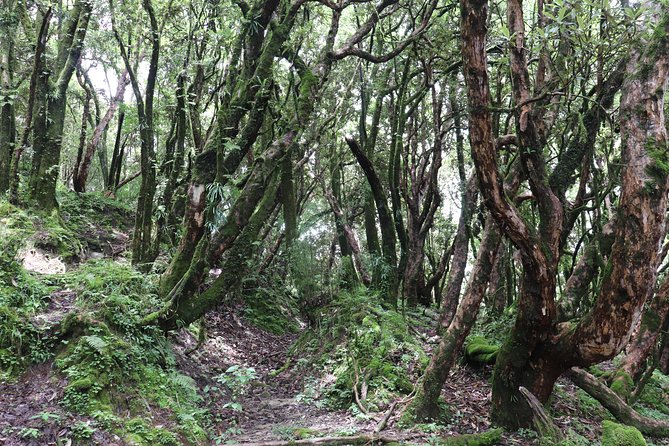
This is one of the quieter parts of the trek. You walk among trees, with the possibility of seeing wildlife and long stretches of natural silence. The forest does not provide the constant mountain views that arrive later, but it gives the trek a useful rhythm. You are not simply marching from one photo stop to another.
A guide can add real value here. Madhav, known as Madu in several accounts, is praised for adjusting the pace, explaining local culture, and pointing out things along the route. That kind of help is particularly useful in wooded sections, where the surroundings can be harder to interpret on your own.
The information provided does not specify the exact tea house or room arrangements for each night. Food and accommodation are included, though, and breakfast, lunch, and dinner are covered for four days. Personal drinks, snacks, and other purchases belong in your own budget.
The climb to High Camp on Day 3
Day 3 is shorter in stated walking time, at roughly four to five hours, but it takes you toward High Camp. As you gain height, the route opens up and the views become the main event.
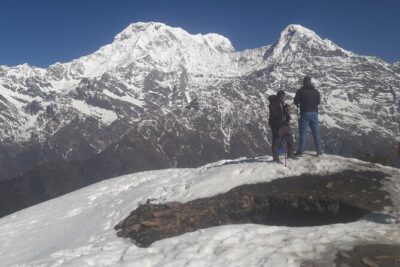
The promise here is a broad view across the Annapurna Conservation Area and toward the Himalayan peaks. The higher you go, the less the forest controls the scene. On a clear day, this is where the trek begins to feel properly alpine.
The schedule leaves some value in a shorter day. You reach High Camp with time to rest before the pre-dawn start, although the altitude and the previous two days can still make the afternoon tiring.
Weather is the great unknown. One of the strongest accounts describes fog at the beginning of a Mardi Himal trek, followed by excellent views at High Camp. That is a useful warning: clouds may spoil an early section without ruining the whole trip. Keep your expectations flexible and take the views when they appear.
High Camp is not the final goal, but it is an important overnight stop. You need to be ready for an early night because Day 4 starts around 4:00 or 4:30 AM. The schedule is built around sunrise, not leisurely mornings.
More walking in the hills of Pokhara:
- Poon hill Trek 3 days
★ 5.0 · 176 reviews - Trekking in Annapurna/Langtang/Everest/Upper Mustang regions
★ 5.0 · 161 reviews - Pokhara: 4-Day Ghorepani, Poonhill & Ghandruk Mountain Trek
★ 5.0 · 132 reviews - Ghorepani – Poon Hill Trek 3N-4D
★ 5.0 · 125 reviews
The pre-dawn walk to Mardi Himal Base Camp
Day 4 is the highlight. You leave High Camp before dawn and walk toward Mardi Himal Base Camp to see the sunrise. The planned walking time is about six hours, though that includes the outing and return to the overnight area.
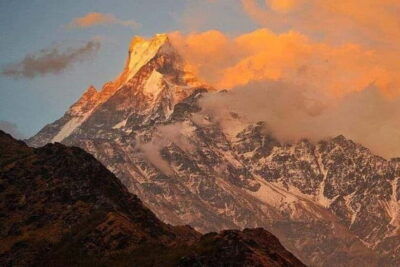
The early departure is not a gimmick. Sunrise gives the mountains changing light, and the route can feel especially quiet before the day’s activity begins. Walking under the stars is one of the details that gives this trek its sense of occasion.
The plan includes a sensible backup. If your group cannot reach Base Camp before sunrise, you continue to a viewpoint with wide views of Mardi Himal and the surrounding peaks. That matters because the best result is not always reaching the highest named point at a precise hour. A clear viewpoint can be more rewarding than rushing uphill in poor light.
You should discuss the pace with your guide before leaving. The private format makes it easier to balance the strongest walkers with those who need more time. Madu’s reputation for adapting the trek to a group’s interests and pace is especially relevant on this day.
The Base Camp outing also demands warm clothing, a headlamp, water, and suitable footwear, but the tour price does not include trekking equipment. The exact equipment list is not supplied, so ask the operator what they recommend before departure. Do not assume that transport, food, and permits mean gear is provided.
The long return to Pokhara on Day 5
The final day starts early with the walk back toward Sidhing. From Sidhing, you catch transport to Pokhara Lakeside. The total day is listed at about eight hours, making it the hardest day by duration even though much of it is downhill.
This return route gives you one last look at the lower mountain setting before the road takes over. It also brings the practical side of the trek into focus. Tired legs, a long descent, and a vehicle transfer are not glamorous, but they are part of getting back to Pokhara in five days.
Plan nothing demanding for the evening. A relaxed meal or an early night will serve you better than a packed schedule. If the trek runs late because of weather or walking pace, the private arrangement should make communication easier, but you should still allow a buffer before any onward travel.
What the $480 price really covers
At $480 per person, this is not a bare guiding service. The package includes:
- Private transportation
- All fees and taxes
- TIMS and Annapurna Conservation Area Project permits
- Trek accommodation
- Four breakfasts
- Four lunches
- Four dinners
That list gives the price solid value, especially for a private five-day outing. Permits and transport can otherwise create a string of separate payments, while meals and tea-house stays make the main cost easier to predict.
The price does not include trekking equipment, porter services, or personal expenses. If you need a porter, special gear, snacks, drinks, or other items, add those costs before comparing this trek with cheaper alternatives.
I also like that the tour can be customized for your group. The information does not set out the limits of those changes, so ask about extra nights, altered walking times, or a different route before booking. Customization is useful, but it may affect the price and duration.
The private format and guide support
Only your group participates, which is a major advantage for a trek with early starts and changing conditions. You are not tied to the speed of a large party, and your guide can pay closer attention to the group’s needs.
The strongest praise centers on Madhav, also referred to as Madu. He is described as fun, attentive, and good at explaining Nepal, local culture, and the natural surroundings. One account also names porter Gopal on a five-day trek to High Camp.
You should confirm who will guide your departure, since the supplied information does not guarantee a particular guide. If Madhav is available, his reported strengths fit this route well: adjusting the pace, handling logistics, and making the walk more informative without turning it into a lecture.
The guide can also help with choices on the mountain. On Day 4, that may mean deciding between pushing for Base Camp before sunrise or taking the viewpoint. A flexible decision can protect both safety and enjoyment.
Food, tea houses, and what to pack
Food and accommodation are included for the trek, with four breakfasts, four lunches, and four dinners. The specific menus and tea houses are not given, so you should ask about dietary needs before departure rather than assuming every request can be handled on the route.
Tea-house accommodation is part of the local character of the trek. It is also basic by city standards. Pack with changing conditions in mind, because the route moves from forest to higher, more exposed areas and includes a cold pre-dawn start.
The operator does not provide trekking equipment. At a minimum, you should ask for a current packing recommendation covering footwear, warm layers, rain protection, and lighting. Do not forget that the sunrise walk begins in darkness.
Porter service is also extra. You can carry your own belongings, arrange a porter independently through the provider, or ask if the guide company can add one. The supplied price alone does not include that service.
Fitness, weather, and the route’s limits
A moderate fitness level is required. That wording should not be treated casually: six-hour walking days arrive early, and the final return takes about eight hours. You should be comfortable with sustained uphill and downhill walking before booking.
Weather can affect the experience. The tour requires good conditions, and poor weather may lead to a different date or a full refund if the outing is canceled. Clouds and fog can also reduce the views without canceling the trek, so I would choose clothing and expectations that work in both clear and wet conditions.
Altitude is another reason to keep your pace steady, though the supplied details do not give elevations or medical guidance. Follow your guide’s instructions and speak with a medical professional if you have concerns about your fitness or health.
This trek suits people who want a compact Himalayan route with real walking, not a sightseeing transfer. It is less suitable for anyone expecting easy paths, guaranteed views, or hotel comfort each night.
Who should book this Mardi Himal trip?
I would recommend it to you if you have five days available from Pokhara, want a private group, and prefer a quieter route than Annapurna Base Camp. It is a strong fit for friends, couples, and families with a moderate level of fitness who value flexibility.
The trek also suits first-time visitors who want guide support with permits, transport, meals, and accommodation handled in one package. The cultural explanations and nature details associated with Madhav or Madu can add meaning to the walking, especially in the forest sections.
I would think twice if you dislike early mornings, long downhill days, simple tea-house accommodation, or uncertain weather. You also need to budget for gear, porter service, and personal spending on top of the advertised price.
Cancellation is free if you cancel at least 24 hours before the start time. Changes made within 24 hours are not accepted, and late cancellations are not refunded. The operator can offer another date or a full refund if poor weather or an unmet minimum number of participants causes cancellation.
Should you book it?
Book this trek if you want a short but serious Himalayan walk with private guiding, included permits and meals, and a strong chance of quieter trails. The route packs forest, High Camp, sunrise, and mountain views into five days without asking you to commit to a much longer circuit.
Before paying, confirm the exact pickup point, guide, equipment recommendations, porter cost, tea-house arrangements, and what happens if weather affects only the Base Camp sunrise outing. If you accept the early starts and the eight-hour return, the $480 package offers a sensible way to reach Mardi Himal from Pokhara.
FAQ
Where does the Mardi Himal Base Camp Trek begin?
The trek begins at Pokhara Lakeside. On Day 1, private transport takes you from Pokhara Lakeside to Khande, where the walking portion starts.
How long is the trek?
The trek lasts approximately five days. The daily walking times are listed as about six hours on Days 1 and 2, four to five hours on Day 3, six hours on Day 4, and eight hours on Day 5.
Is transportation included?
Yes. Private transportation is included, and pickup is offered. Day 5 includes transport from Sidhing back to Pokhara.
Are permits included in the price?
Yes. The price includes TIMS and Annapurna Conservation Area Project permits, as well as all fees and taxes.
Are meals included?
Yes. The package includes four breakfasts, four lunches, and four dinners during the trek.
Is accommodation included?
Yes. Food and accommodation on the trek are included. The itinerary identifies local tea-house accommodation at Forest Camp, but it does not specify every tea house used.
Is this a private tour?
Yes. Only your group participates in the activity. The route can also be customized to suit your group’s needs.
Do I need a particular level of fitness?
You should have a moderate level of physical fitness. The walking days last several hours, and the final day back to Pokhara is listed at about eight hours.
Is trekking equipment included?
No. Trekking equipment is not included. Porter services and personal expenses are also excluded.
What happens if bad weather cancels the trek?
If poor weather causes the experience to be canceled, you can be offered a different date or a full refund. The experience also requires a minimum number of participants, and the same options apply if that minimum is not met.
New in the Pokhara listings
- Pokhara: Pokhara Highlights Tour by Bus★ 3.6 · 10 reviews
- Discover Pokhara in Style: Private Vehicle Service with Driver★ 5.0 · 5 reviews
- Multi-Day Tour from Pokhara, Poon Hill and Mulde Trek★ 5.0 · 1 review
- Pokhara in 5 Hours: Lake, Museum, Cave, Falls & Pagoda Hill★ 4.5 · 16 reviews
- Private 4 Day Poon Hill Trek from Pokhara★ 5.0 · 16 reviews
- 4 Day Mardi Himal Base Camp Trek from Pokhara★ 5.0 · 18 reviews
- From Pokhara Full Day Entire Pokhara Tour with Guide★ 5.0 · 1 review
- Ultralight Flight: Into The Heart Of The Mountains (90 min)★ 5.0 · 1 review
Mardi Himal Treks, compared.

Browse the lists this tour appears in