
REVIEW · COOKING CLASSES
Pokhara: 1 Day Momo making cooking class
Follow the dumpling trail. This five-and-a-half-hour Pokhara cooking experience gives you a practical way to understand Nepali food, not just eat it. You meet a local instructor, prepare dough and fillings, learn several folding styles, steam the momos, and sit down to enjoy the meal you made.
I like the private format, since your group gets direct attention instead of being lost in a large class. I also like the friendly, family-style setting, where cooking comes with conversation about Nepali food and customs. The main consideration is the $75 price, which is fair only if you value hotel transfers, a private lesson, lunch, and the cultural exchange as much as the cooking itself.
In This Review
- Key points at a glance
- Why momos make a good Pokhara food class
- Hotel pickup starts the five-and-a-half-hour outing
- Meeting the local instructor and learning the basics
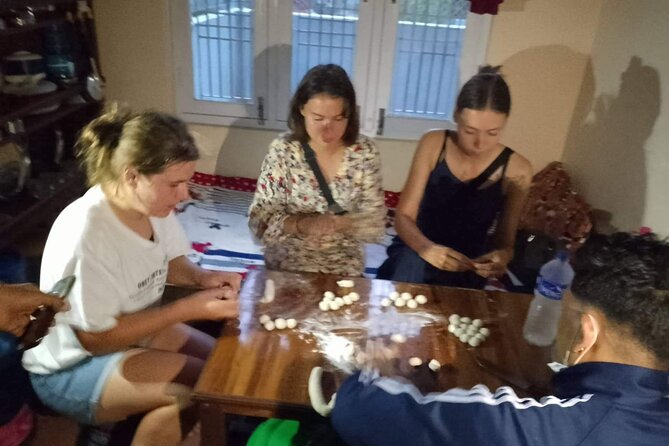
- Rolling dough into momo wrappers
- Mixing fillings with herbs and spices
- Folding patterns turn lunch into a skill
- Steaming the momos and eating your own lunch
- What the $75 price really covers
- Who will enjoy this class most
- Practical booking advice before you commit
- Should you book the Pokhara momo class?
- FAQ
- How long does the momo cooking class last?
- Where does the class take place?
- Is hotel transportation included?
- Is this a private cooking class?
- Does the class include lunch?
- Will I learn to make the momo dough?
- Are vegetarian fillings available?
- Will I learn different ways to fold momos?
- Do I receive anything after completing the class?
- Can I cancel for a full refund?
Key points at a glance
- Private instruction: Only your group takes part, so you can ask questions and get help with dough, filling, and folding.
- Hotel pickup and drop-off: Transport is included, making the five-and-a-half-hour outing easier to manage in Pokhara.
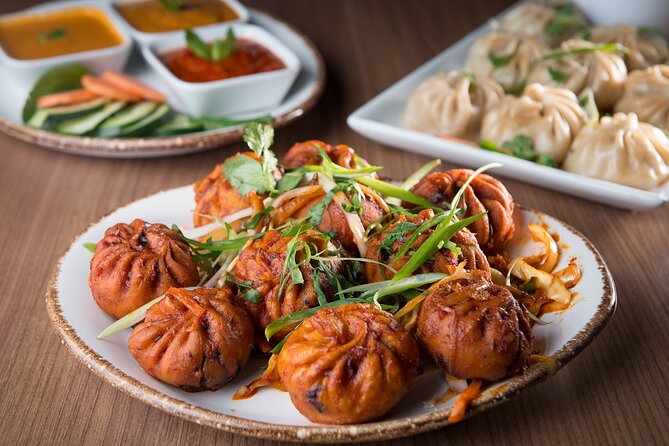
- Hands-on momo making: You prepare wrappers, mix fillings, shape the dumplings, and steam them yourself.
- Vegetarian and meat options: The class introduces different filling styles, giving you room to explore your preferences.
- Lunch is your own work: You eat the momos after cooking, which gives the meal a satisfying sense of reward.
- Recipe and certificate included: You leave with recipes, photos of the experience, and a participation certificate.
Why momos make a good Pokhara food class
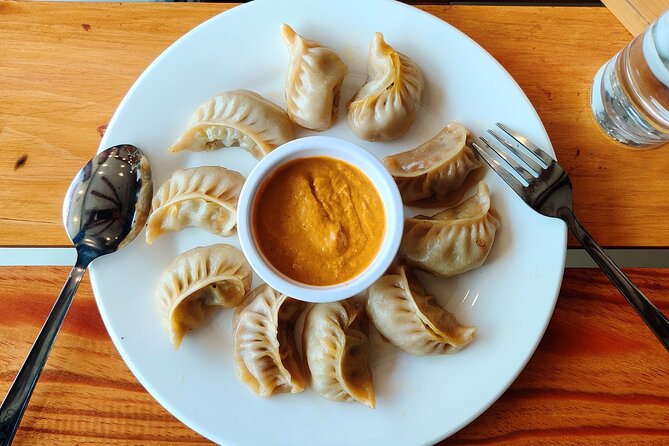
Momos are one of Nepal’s best introductions to everyday food culture. They are familiar enough to seem approachable, yet the dough, filling, seasoning, and folding all require care. That makes a momo class more useful than a quick tasting stop. You learn what goes into the dish and how the parts fit together.
The experience also gives you a reason to talk with a local instructor. Food becomes the shared language, while the conversation covers Nepali cuisine, traditions, and the place momos hold in local life. You do not need advanced cooking skills. The class is built around doing each stage with guidance.
I especially like that the lesson is not limited to one finished recipe. You are introduced to vegetarian and meat fillings, a mix of herbs and spices, and several folding methods. That gives you a base recipe to repeat at home, plus enough flexibility to make the dish your own.
More Cooking Classes in Pokhara
- Nepalese Momos or Dal Bhat Cooking Class (Cook with Delight)
★ 5.0 · 99 reviews - Nepalese Kitchen in Pokhara: Momos or Dal Bhat Cooking Class
★ 5.0 · 67 reviews - MoMo or Dal Bhat Cooking Class at Aama Kitchen in Pokhara
★ 4.9 · 28 reviews
Hotel pickup starts the five-and-a-half-hour outing
The day begins with pickup from your hotel in Pokhara. Hotel transport is included both ways, so you do not need to arrange a taxi to the class venue or find your way back after lunch. That matters because the total experience lasts about five hours and 30 minutes, making it a half-day commitment rather than a quick morning activity.
The exact pickup time and venue should be confirmed when you book. The available details do not give a precise schedule, and your local start time matters for the cancellation deadline. Plan to keep the rest of the day fairly open, especially if you prefer not to rush from cooking straight into another activity.
The class is private. Only your group participates, which is helpful if you are traveling with family, friends, or a partner. It also makes the lesson more personal. You can ask about a particular ingredient, request help with a difficult fold, or move at a comfortable pace without competing for the instructor’s attention.
Meeting the local instructor and learning the basics
At the cooking venue, you meet an experienced local instructor and receive an introduction to momo making. This opening should help you understand the basic structure of the dish before you begin working with the ingredients.
The class introduces the ingredients that give momos their flavor. You learn about different fillings, including vegetarian and meat options, as well as the herbs and spices used to build the mixture. Since the class is private, you can ask about substitutions or compare the two main filling styles as you work.
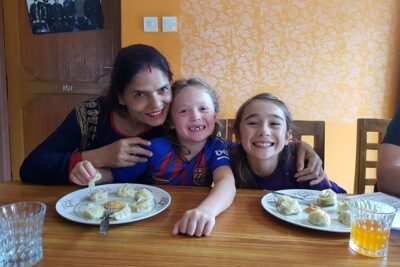
The friendly family atmosphere is one of the most appealing parts of the experience. The class is designed around conversation, not just instruction. You can ask about Nepali food and customs while preparing lunch, which gives the cooking a human connection that a printed recipe cannot provide.
One practical point: the information does not specify which meat, vegetables, herbs, or spices are used. If you have allergies, dietary restrictions, or a strict preference for vegetarian food, raise that before the class. The experience offers vegetarian and meat options, but the available details do not promise a specific menu.
Rolling dough into momo wrappers
The first major hands-on stage is dough making. You prepare the dough for the wrappers and learn how it should feel before it is rolled out. This is a simple step, but it affects the final momo. Wrappers that are too thick can overwhelm the filling, while wrappers that are too thin may be hard to handle.
You then roll out the dough into individual wrappers. This is where the class earns its practical value. Watching someone else make momos is easy. Producing a wrapper that is ready for filling requires more control, and an instructor can correct your technique as you go.
Do not expect every wrapper to look perfect at first. Momo making is partly about repetition. The private format gives you a better chance to practice rather than simply watch a demonstration. It also lets you ask for help with the size, thickness, and shape of the wrappers.
A completely different way to spend the day:
- ZipFlyer Nepal – The World’s Steepest Zip-line
★ 5.0 · 608 reviews - Bungee Pokhara by HighGround Adventures
★ 5.0 · 366 reviews - From Pokhara: Sarangkot Sunrise Himalayas Tour
★ 4.7 · 218 reviews - ATV Adventure Tour in Pokhara, Nepal
★ 5.0 · 194 reviews
Mixing fillings with herbs and spices
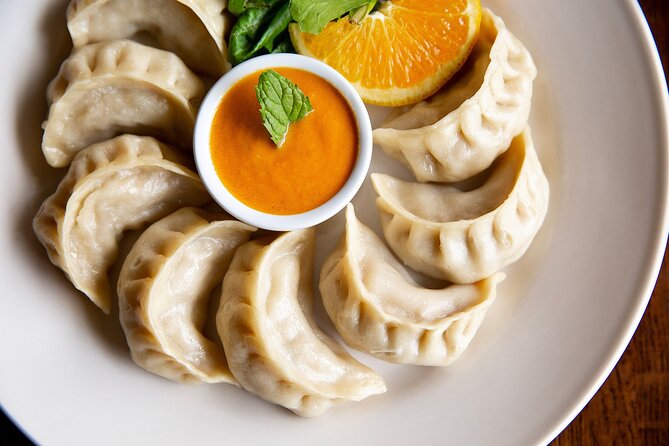
Next comes the filling. You combine ingredients, herbs, and spices to create the mixture that will sit inside each wrapper. This is the stage where your personal taste has the most room to show.
Vegetarian and meat fillings are both introduced. The class description does not list exact ingredients, so you should treat the lesson as an introduction to the method rather than a guarantee of one specific regional recipe. You learn the basic balance of filling and seasoning, then can use the supplied recipes to recreate the dish later.
I like this part because it connects cooking technique with local food culture. The instructor can explain why the ingredients are used and how Nepali households approach the dish. You are not just following a set of measurements in silence. You are preparing food while talking about the traditions behind it.
If you cook at home, pay attention to the texture of the filling as much as the seasoning. The class gives you a chance to see how the mixture behaves before it goes into the wrapper. That sort of visual and hands-on lesson is difficult to gain from a recipe alone.
Folding patterns turn lunch into a skill
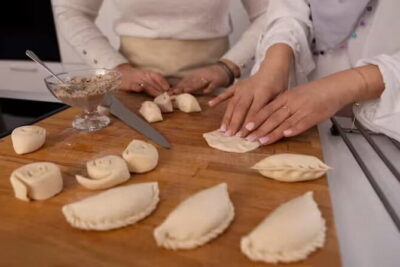
Folding is the most playful part of the class. You shape the momos and learn different folding techniques, with each dumpling becoming a small test of patience and coordination.
There is no need to arrive with artistic confidence. The point is to learn the basic motions and practice them. Some shapes may come together quickly, while others may need several attempts. Your instructor can show you how to seal the edge and keep the filling inside.
The chance to experiment is important. You are encouraged to try different folding patterns and bring some personal creativity to the plate. That makes the experience suitable for children and adults, although the available information does not set a minimum age.
The finished momos may not all match. That is part of the charm. A few uneven dumplings are a useful reminder that this is a real cooking lesson, not a staged photo opportunity. You can take photos during the experience and keep the memory alongside the recipes provided afterward.
Steaming the momos and eating your own lunch
Once the momos are shaped, you see them cooked and steamed. Steaming transforms the raw dough and filling into the plump dumplings you recognize, and it gives you a clear final step to the process.
The class includes lunch, so you eat the momos you prepared. This is more satisfying than receiving a separate meal because you have handled every stage, from dough to filling to folding. You can judge the result for yourself and notice how the wrapper, seasoning, and cooking method work together.
The available details do not specify side dishes, sauces, drinks, or dessert. The reliable expectation is the momo lunch itself. If you have a large appetite or specific dietary needs, ask what the meal includes when arranging your booking.
The lunch also gives you time for further conversation. You can discuss the cooking process, ask about Nepali traditions, and compare the different shapes you made. The strongest praise connected with this class centers on having fun and enjoying good conversation in a friendly family setting, so the social part is not an afterthought.
What the $75 price really covers
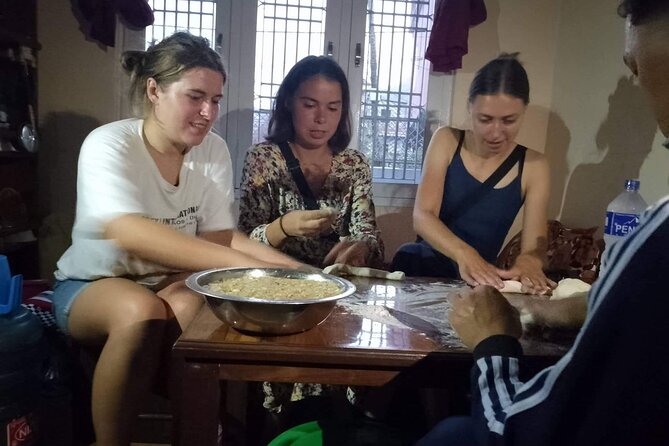
At $75 per person, this is not the cheapest way to eat momos in Pokhara. You can find a plate of momos for much less. The value comes from the full package: hotel pickup and drop-off, a private class, instruction, ingredients, lunch, cultural conversation, recipes, and a certificate of participation.
The private arrangement is the biggest factor in the price. If you are a couple or a small group that wants personal attention, the cost may feel reasonable. Group discounts are offered, so larger parties should ask for the reduced rate before booking.
The certificate is a pleasant extra, though I would not make it the reason to book. Its practical value is limited compared with the cooking lesson and recipes. The real souvenir is the ability to repeat the dish at home and the memory of preparing it in Pokhara.
This experience makes the most financial sense for someone who wants an activity, not just lunch. If you only want to sample local food, spending $75 may feel excessive. If you enjoy cooking and want a private cultural activity with transport included, the package is easier to justify.
Who will enjoy this class most
I would recommend this class to:
- Couples looking for a relaxed shared activity
- Families or small groups that want private instruction
- First-time visitors who want a direct connection with Nepali food
- Home cooks who want a recipe they can repeat
- People who enjoy conversation as much as sightseeing
- Visitors who prefer a planned half-day outing with transport included
You do not need professional cooking experience. The lesson covers each stage from the beginning. It may be less suitable if you dislike hands-on work, have very limited time in Pokhara, or want a large sightseeing program during the same half-day.
The class also works well on a rest day between more active outings. It gives you something to do without requiring a long transfer or strenuous activity. Since the duration is approximate, keep some flexibility around the five-hour-30-minute estimate.
Practical booking advice before you commit
Confirmation is provided at the time of booking, and free cancellation is available if you cancel at least 24 hours before the experience begins. Cancellations within 24 hours are not refunded, and changes during that period are not accepted. The cut-off follows local time in Pokhara.
Pickup and drop-off are included, but make sure the provider has the correct hotel details. Ask about the starting time, exact class venue, available filling choices, and any ingredients that may affect your diet.
A tip is optional. It is not included in the listed price, so you can decide after the class based on the instruction and hospitality you receive.
Only one review is currently recorded for the experience, with a five-star rating. That is encouraging, but it is a small sample. The clearest praise focuses on two things: learning the craft of making attractive momos and having fun with friendly conversation. I would treat those as the best guide to the experience, while keeping expectations realistic about the limited public feedback.
Should you book the Pokhara momo class?
Book it if you want more than a restaurant meal. The private setting, hotel transport, hands-on instruction, and included lunch create a useful cultural activity, especially for couples, families, and small groups. The recipes give the lesson a life beyond your time in Nepal.
Skip it if your main goal is inexpensive food or if you have only a few hours available. At $75, the class needs to deliver personal attention and a pleasant social setting to feel worthwhile. For someone who enjoys cooking, those are exactly the features that make the price easier to accept.
FAQ
How long does the momo cooking class last?
The experience lasts approximately five hours and 30 minutes.
Where does the class take place?
The class takes place at a cooking class venue in Pokhara. Hotel pickup is provided before you go to the venue.
Is hotel transportation included?
Yes. Hotel pickup and drop-off are included in the experience.
Is this a private cooking class?
Yes. Only your group participates in the private tour or activity.
Does the class include lunch?
Yes. Lunch featuring the momos you prepare is included.
Will I learn to make the momo dough?
Yes. The class includes preparing and rolling the dough for the momo wrappers.
Are vegetarian fillings available?
Yes. The class introduces both vegetarian and meat filling options.
Will I learn different ways to fold momos?
Yes. You receive hands-on practice with different shaping and folding techniques.
Do I receive anything after completing the class?
Yes. You receive a certificate of participation and recipes to help you recreate the momos at home.
Can I cancel for a full refund?
Yes, if you cancel at least 24 hours before the experience start time. Cancellations made within 24 hours are not refunded.
New in the Pokhara listings
- Pokhara: Pokhara Highlights Tour by Bus★ 3.6 · 10 reviews
- Discover Pokhara in Style: Private Vehicle Service with Driver★ 5.0 · 5 reviews
- Multi-Day Tour from Pokhara, Poon Hill and Mulde Trek★ 5.0 · 1 review
- Pokhara in 5 Hours: Lake, Museum, Cave, Falls & Pagoda Hill★ 4.5 · 16 reviews
- Private 4 Day Poon Hill Trek from Pokhara★ 5.0 · 16 reviews
- 4 Day Mardi Himal Base Camp Trek from Pokhara★ 5.0 · 18 reviews
- From Pokhara Full Day Entire Pokhara Tour with Guide★ 5.0 · 1 review
- Ultralight Flight: Into The Heart Of The Mountains (90 min)★ 5.0 · 1 review
Cooking Classes, compared.
Nepalese Momos or Dal Bhat Cooking Class (Cook with Delight)
Read our review →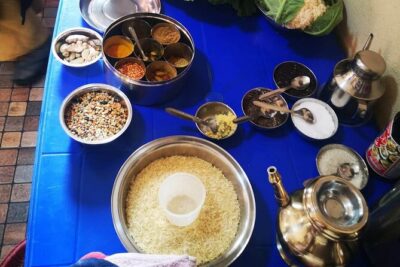
The best Private Nepali Cooking Class in Kathmandu
Read our review →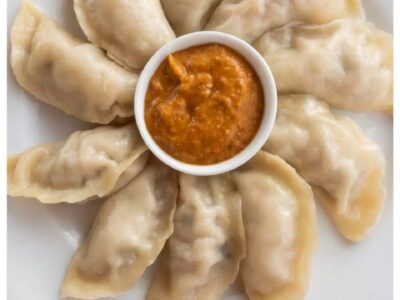
Nepalese Kitchen in Pokhara: Momos or Dal Bhat Cooking Class
Read our review →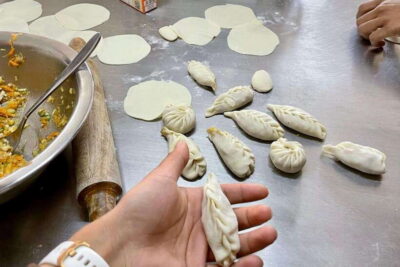
Browse the lists this tour appears in