
REVIEW · COOKING CLASSES
Traditional Nepali Momo Making Classes
Momos make a better lunch than another restaurant meal. At Namaste Cooking School, you spend about 90 minutes learning to prepare one of Nepal’s favorite foods, from dough and filling to shaping and cooking. The class takes place in Thamel, a handy base for visitors, and includes a warm cup of masala chai before the cooking begins.
I like the school’s women-led teaching style and its effort to use ingredients sourced from local farmers. I also like the practical format: you cook with your own hands, eat what you make, and leave with a recipe book. The main consideration is the short duration. You get a focused introduction to momos, not a full survey of Nepali cooking.
In This Review
- Key points at a glance
- Why momos are such a good Kathmandu lesson
- Arriving on Bhagwati Marg at 12:30 pm
- Masala chai and the welcome ritual
- Choosing your momo menu
- Learning Nepali spices before cooking
- Rolling dough, making filling, and shaping momos
- Eating your own lunch
- A recipe book for the journey home
- The setting, group size, and pace
- Is $18 good value?
- Who should book this class?
- Should you book the momo class?
- FAQ
- Where does the momo cooking class take place?
- What time does the class start?
- How long does the experience last?
- What is included in the price?
- Is the class taught in English?
- Can I mention dietary restrictions or allergies?
- How many people can join the class?
- Does the class include transportation?
- Is the experience suitable for children?
- Can I cancel for a full refund?
Key points at a glance
- Masala chai starts the class: The welcome drink gives the session a distinctly Nepali opening instead of feeling like a standard cooking lesson.
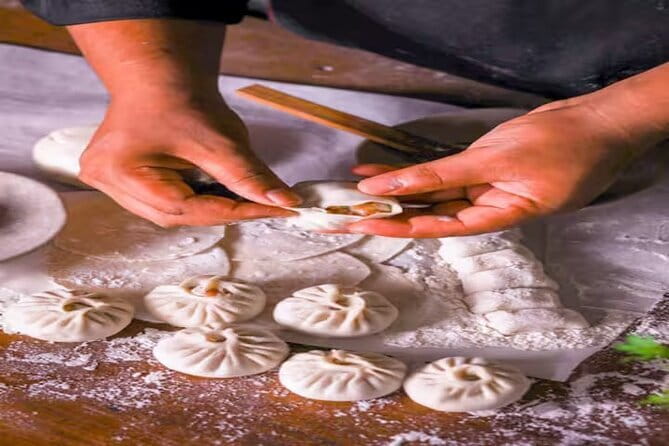
- You make the momos from scratch: The class covers dough, filling, and several ways to shape the dumplings.
- Local ingredients matter: The school works with local farmers and focuses on indigenous Nepali flavors.
- Lunch is included: Your finished momos become the meal, so the $18 price covers both an activity and a generous food stop.
- Friendly, patient instruction: Sushila and Sabita are named as teachers connected with the experience, and their warmth is a major part of the appeal.
- Convenient Thamel location: The meeting point is on Bhagwati Marg, near public transportation, with the activity ending where it begins.
Why momos are such a good Kathmandu lesson
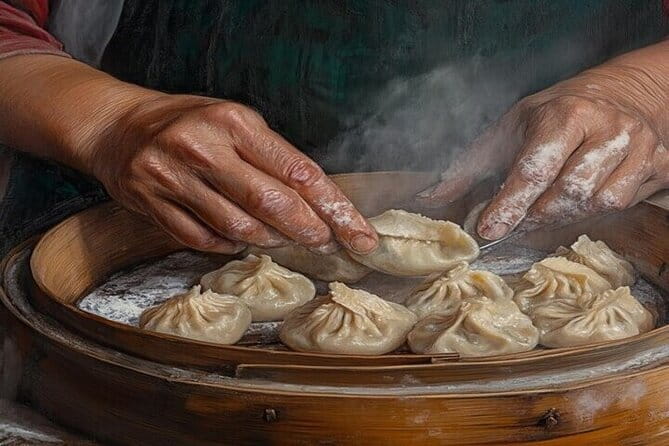
A momo is easy to recognize, but making one shows you the work behind the familiar dish. The dough must be rolled thin enough to fold, yet sturdy enough to hold its filling. The filling needs seasoning and moisture in the right balance. Then comes the shaping, which looks simple until you try to make a neat, sealed dumpling yourself.
That makes this class more useful than simply ordering momos at a café. You learn a small but meaningful part of everyday Nepali food culture. The instructors also explain the regional spices used in momo cooking, giving you a clearer idea of why the finished dish tastes different from dumplings you may know from elsewhere in Asia.
I like that the lesson focuses on one dish rather than racing through several unrelated recipes. In 90 minutes, you have enough time to follow the process and eat the results without giving up a large part of your sightseeing day.
More Cooking Classes in Kathmandu
- Half day cooking class in Thamel kathmandu
★ 5.0 · 607 reviews - Kathmandu: Local Women-Led Nepali Cooking & Momo Class
★ 4.9 · 360 reviews - Kathmandu: Local Lead Nepali Cooking & Momo-Making Class
★ 5.0 · 212 reviews
Arriving on Bhagwati Marg at 12:30 pm
The scheduled start is 12:30 pm, and the meeting point is Bhagwati Marg, Kathmandu 44600. The school is in the heart of Thamel, so it should fit neatly into a day spent shopping, walking, or arranging other activities in the area. Public transportation is nearby, which helps if you are not staying within walking distance.
You receive a mobile ticket, and confirmation is provided when you book. Since the activity is often reserved around eight days ahead, I would not leave it until the last minute if your Kathmandu schedule is tight.
The class can have up to 16 participants. That is small enough to feel social, but it may not provide the same one-to-one attention as a private lesson. Some bookings described the experience as private, so the actual feel may depend on the date and group size. If careful instruction is important to you, ask about the expected group before booking.
Masala chai and the welcome ritual
The first step is a traditional cup of masala chai. This is more than a quick drink while you wait. In Nepal, offering tea is a familiar sign of hospitality, and it sets a relaxed tone before anyone starts handling flour and filling.
The tea has been especially well received, and it gives you a chance to meet the instructors and settle in. If you do not drink masala tea, one account describes receiving ginger and lemon tea instead. That suggests the school can respond to simple preferences, but you should still mention dietary needs or allergies before the session begins.
This opening is also a useful pause after a morning of Kathmandu sightseeing. You are not pushed straight into a work station. Instead, the class begins with conversation and a small taste of local custom.
Choosing your momo menu
After the welcome, you choose from the available momo menus. The instructors also ask about dietary restrictions and allergies at this point. This matters because the filling can determine how suitable the dish is for you, especially if you avoid meat or have a food sensitivity.
The supplied experience details do not list every menu option, so you should not assume a particular filling is always available. A vegetable momo option has been prepared in at least one session, and the class is clearly able to discuss food preferences. Still, tell the school what you need before cooking starts rather than waiting until the meal is served.
This menu step keeps the lesson personal. You are not merely watching someone prepare a fixed demonstration. You have some say in what you will eventually eat, within the choices offered that day.
A completely different way to spend the day:
- Everest Base Camp Trek – 14 Days
★ 5.0 · 1,499 reviews - Private Kathmandu Sightseeing Tour | UNESCO World Heritage sites
★ 5.0 · 756 reviews - Everest Base Camp Helicopter Tour landing at Everest View Hotel
★ 5.0 · 668 reviews - Everest Base Camp Trekking
★ 5.0 · 485 reviews
Learning Nepali spices before cooking
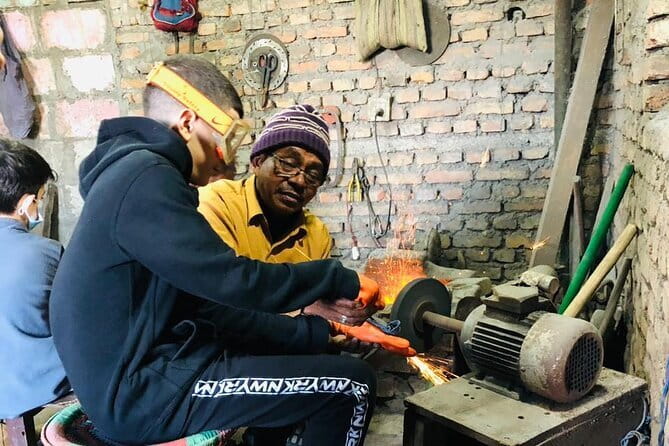
Before the hands-on work begins, the teachers introduce the spices used in Nepali momo cooking. This is one of the more valuable parts of the lesson because spices explain a good deal of the difference between a homemade Nepali momo and a generic dumpling.
The school places emphasis on indigenous ingredients and maintains links with local farmers. That does not mean every ingredient will be unfamiliar, but it does give the meal a stronger connection to Nepal than a class built around supermarket substitutes.
Pay attention here, even if the spice talk seems brief. You are being shown the flavor base before you start mixing. That makes it easier to repeat the recipe at home because you understand not only what goes into the filling, but also the role of the seasonings.
Rolling dough, making filling, and shaping momos
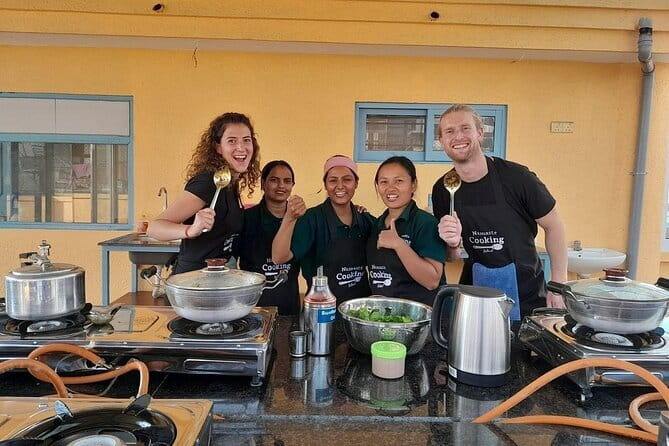
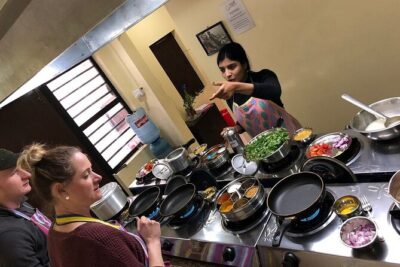
The main part of the experience is hands-on. You make the dough and filling, then learn how to shape the momos. The teachers guide you as you work, so this is not a demonstration where you sit back and take photographs.
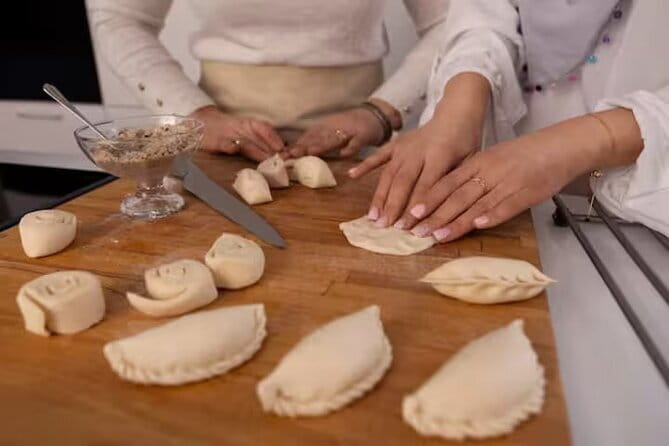
One of the nicest details is the chance to learn several folding styles. The finished dumplings may look alike when they arrive at the table, but the shaping process gives you a clear sense of the craft involved. Beginners should expect a few uneven edges at first. That is part of the fun, and the patient teaching style helps keep the process light.
Sushila and Sabita are praised for being friendly, funny, and encouraging. One account also describes them as talented dancers and singers, adding a lively personal touch to the session. The most important point for a beginner is their patience. You are likely to get help with the technique rather than being left to struggle over every fold.
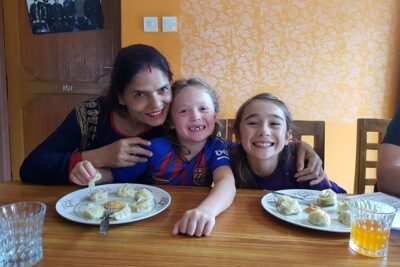
Families should find this section accessible. An eight-year-old reportedly ended up enjoying the class after initially not wanting to take part. That does not guarantee every child will love it, but the short length and practical work make it a reasonable family activity.
Eating your own lunch
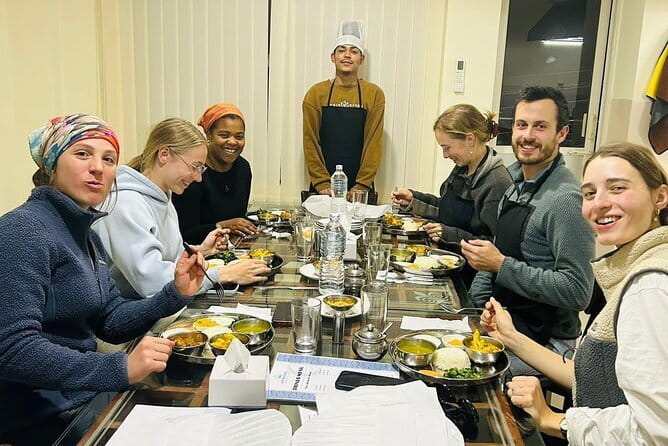
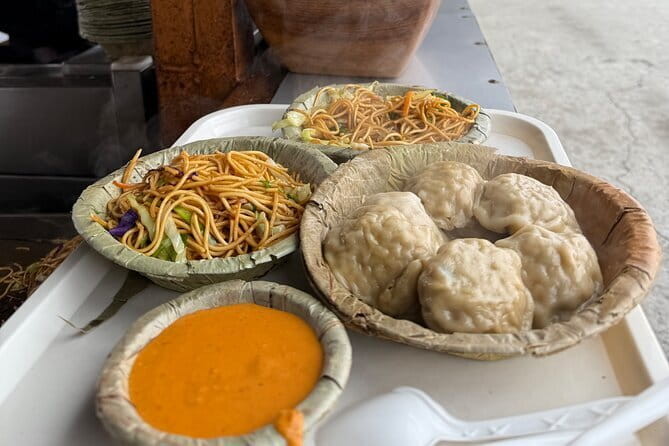
Once the cooking is complete, you eat the momos as lunch. The portions are described as sufficient to fill you, which makes the $18 cost easier to judge. You are paying for instruction, ingredients, a drink, a meal, and a recipe book, rather than paying an activity fee and then buying lunch afterward.
The food is also the best test of the lesson. Homemade momos require more time than many people expect, and eating them immediately helps connect the preparation to the final result. You can see how much effort goes into a dish that is often ordered casually from a menu.
I would schedule this as your main midday meal rather than planning a large lunch elsewhere. The class starts at 12:30 pm and lasts about an hour and a half, so you should finish in the early afternoon. If you have a tightly timed tour afterward, allow extra time for the class to run slightly over.
A recipe book for the journey home
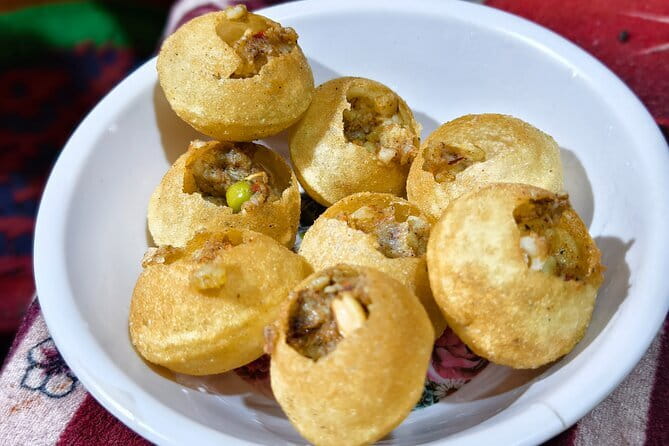
At the end, you receive a Namaste Cooking School recipe book. This is a small but useful keepsake. Food memories are easy to lose once you leave Nepal, while a written recipe gives you a chance to make the dish again.
The book is especially valuable because the class teaches a process rather than just serving a finished plate. You will have handled the dough, mixed the filling, and practiced the folds. Those physical reminders can make the written instructions easier to follow later.
Do not expect the recipe book to replace the teacher. The tricky parts of momo making are often feel and technique: how thin to roll the dough, how much filling to use, and how tightly to seal the edge. Take mental notes during the class and ask questions while the instructors are beside you.
The setting, group size, and pace
Namaste Cooking School is easy to reach in Thamel, which is its biggest practical advantage. You do not need to spend half a day crossing Kathmandu for a short lesson. The activity begins and ends at the same meeting point, and the area has access to public transportation.
One account describes a clean rooftop kitchen with wide views over Kathmandu. That setting may depend on the session, so I would treat it as a pleasant possibility rather than a guaranteed feature. The core experience is the cooking, not the view.
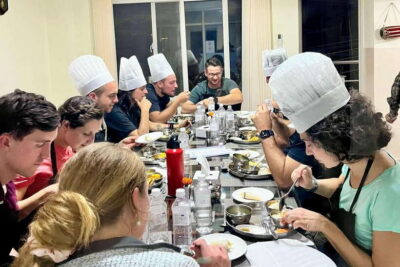
A maximum of 16 people keeps the class manageable, although it is not an intimate one-on-one workshop at full capacity. A larger group can make the session more social and may suit families or solo visitors who enjoy meeting people. If you want quiet, detailed coaching, a smaller date or private booking would be preferable.
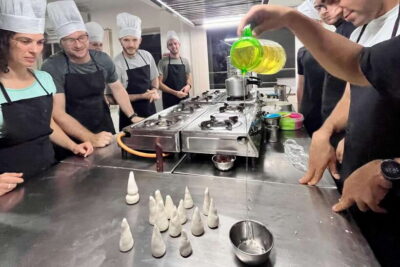
The pace is brisk but sensible. You have a welcome, menu discussion, spice introduction, cooking lesson, meal, and farewell within 90 minutes. That is enough for a satisfying introduction, but not enough for long demonstrations of several Nepali dishes.
Is $18 good value?
Yes, for most people. At $18 per person, the experience combines a cooking lesson and lunch at a modest price. You also receive masala chai, instruction, ingredients, and a recipe book.
The value is strongest if you want an activity that gives you something to do, not just something to see. You leave with a practical skill and a better understanding of a food that is central to daily eating in Nepal. The price is less compelling if you only want a quick plate of momos, since restaurants will be faster and may cost less.
The women-led operation and use of locally sourced ingredients also add meaning to the purchase. Your money supports a small culinary school focused on Nepal’s own food traditions rather than a generic international cooking format.
Who should book this class?
I would recommend it to first-time visitors who want a friendly introduction to Nepali food. It works particularly well for solo visitors, couples, families, and anyone who prefers a short activity between sightseeing plans.
It is also a good choice for people who already enjoy dumplings and want to understand how momos are made. The shaping practice gives the class a clear hands-on purpose, while the spice introduction adds cultural context.
You may want something else if you are looking for a long, advanced cooking course. The information provided does not promise a broad menu, a market visit, hotel transport, or a full-day lesson. This is a compact momo workshop, and its strength is that it stays focused.
The class is offered in English. Since good weather is required, poor conditions can lead to a different date or a full refund. The activity also requires a minimum number of participants, so an undersubscribed session may be rescheduled or refunded.
Should you book the momo class?
Book it if you want a friendly, affordable lunch experience that connects you with a familiar Nepali dish in a more meaningful way. The patient teachers, masala chai, local ingredients, hands-on shaping, and recipe book give the short session plenty of substance.
I would especially choose it during a first stay in Kathmandu, when a simple food lesson can provide a welcome break from temples, traffic, and sightseeing. Just remember that the group may include as many as 16 people and that the class is designed as an introduction, not a professional cooking course. Cancel at least 24 hours ahead for a full refund if your plans change.
FAQ
Where does the momo cooking class take place?
The class takes place at Namaste Cooking School on Bhagwati Marg in Kathmandu, in the heart of Thamel.
What time does the class start?
The scheduled start time is 12:30 pm.
How long does the experience last?
The class lasts approximately 1 hour and 30 minutes.
What is included in the price?
The experience includes the cooking class, lunch, and a Namaste Cooking School recipe book. A traditional masala chai is served at the start.
Is the class taught in English?
Yes. English is the listed language offered for the experience.
Can I mention dietary restrictions or allergies?
Yes. The instructors ask about dietary restrictions and allergies when you choose the momo menu.
How many people can join the class?
The activity has a maximum group size of 16 participants.
Does the class include transportation?
No transport service is listed. The meeting point is near public transportation, and the activity ends back at the same meeting point.
Is the experience suitable for children?
The supplied information includes an account of an eight-year-old enjoying the class. The short format and hands-on cooking make it suitable for families, though children should be considered individually.
Can I cancel for a full refund?
Yes, if you cancel at least 24 hours before the local start time. Cancellations or changes made less than 24 hours ahead are not eligible for a refund. If poor weather or insufficient participation causes the school to cancel, you are offered another date or a full refund.
New in the Kathmandu listings
- Traditional Momo Making Class★ 5.0 · 10 reviews
- Kathmandu: Ancient City Kirtipur & Pharping Monastery Tour★ 5.0 · 2 reviews
- Kathmandu to Pokhara Premium sofa bus ticket★ 4.0 · 17 reviews
- Women Empowerment Project(Nepali cooking class & jewelry workshop★ 5.0 · 15 reviews
- 7-Day Langtang Valley Trek from Kathmandu★ 5.0 · 1 review
- Kathmandu 2 Nights 3 Days Chitwan Jungle Safari Tour★ 5.0 · 9 reviews
- Yoga Experience Day Trip with Private Transfer From Kathmandu★ 4.0 · 2 reviews
- Wildlife Adventure in Chitwan Nepal★ 4.0 · 4 reviews
Cooking Classes, compared.
Nepalese Momos or Dal Bhat Cooking Class (Cook with Delight)
Read our review →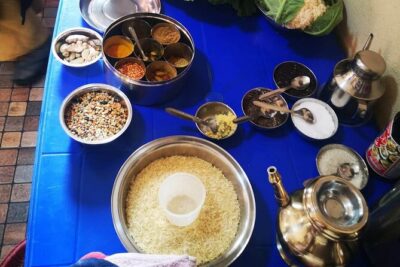
The best Private Nepali Cooking Class in Kathmandu
Read our review →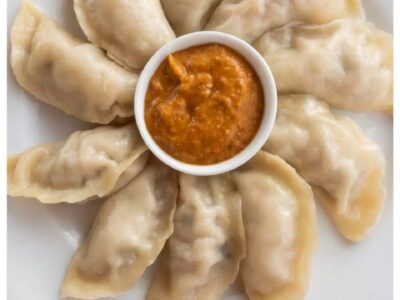
Nepalese Kitchen in Pokhara: Momos or Dal Bhat Cooking Class
Read our review →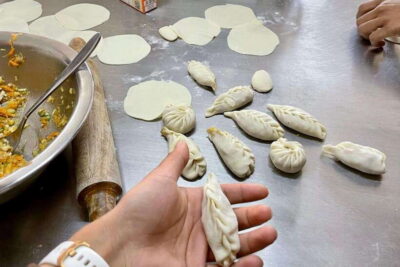
Browse the lists this tour appears in