
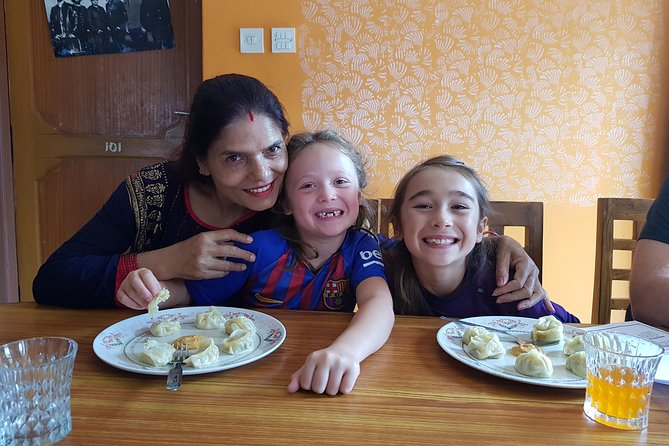
REVIEW · COOKING CLASSES
Nepalese Momos or Dal Bhat Cooking Class (Cook with Delight)
Good food can become your best souvenir. This Pokhara workshop turns two Nepalese staples, momos and dal bhat, into a hands-on lesson with local home cooks. I like the five-person limit, which allows for direct help, and I like that you eat the meal you prepare instead of simply watching a demonstration. The class also includes soft drinks and water.
The main choice is between a lunchtime dal bhat session and an evening momo class. Momos are fun but fiddly, especially when you are learning the folding technique. At $50 for about two hours, the price is not the cheapest meal in Pokhara, so this makes the most sense if you want a practical food skill and personal contact, not just dinner.
In This Review
- Key points at a glance
- Why a cooking class adds something to Pokhara
- Meeting the cooks at Hotel Diplomat
- The evening momo class, step by step
- The lunchtime dal bhat workshop
- The family welcome is part of the meal
- What the $50 price really buys
- Timing, access, and what to plan
- Who will enjoy this most
- Should you book Cook With Delight?
- FAQ
- Where does the cooking class take place?
- How long does the experience last?
- Can I choose between momos and dal bhat?
- How many people can join the class?
- Is a meal included?
- Is the class close to Phewa Lake?
- What is the cancellation policy?
Key points at a glance
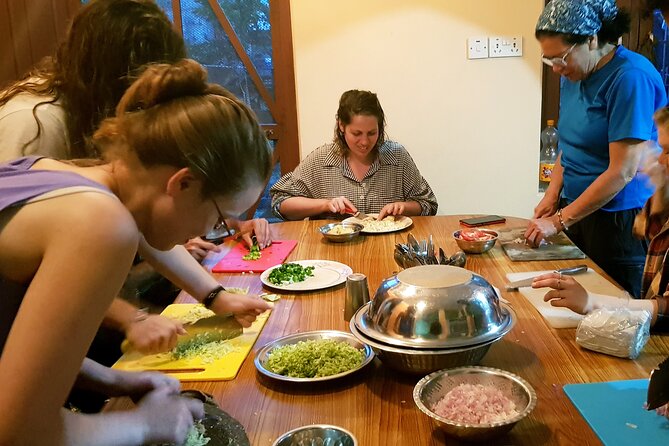
- Make momos from scratch: Learn the finger placement, grip, and pressure needed to shape steamed dumplings.
- Choose dal bhat or momos: The lunch workshop focuses on Nepal’s famous rice and lentil set, while the evening session centers on dumplings.
- Small group instruction: The class accepts no more than five people, giving you room to ask questions and get hands-on help.
- Meet a local cooking family: Sandhya and her family have been praised for their patience, warmth, and willingness to talk about Nepali customs.
- Eat your own cooking: A home-cooked meal, soft drinks, and water are part of the experience.
- Easy Pokhara location: Hotel Diplomat is on Pragati Marga, less than 10 minutes on foot from Phewa Lake.
Why a cooking class adds something to Pokhara
Pokhara is full of scenic distractions, from the lake to mountain views and outdoor activities. A cooking class gives you a different way to spend two hours. You are not simply taking another photograph. You are learning a dish you can try again after you return home.
That practical value matters with momos. These steamed dumplings look simple on the plate, but shaping them neatly takes practice. The instruction covers details such as finger and thumb placement and how firmly to hold the dough. Those small points are hard to pick up from a recipe alone.
Dal bhat offers a different kind of lesson. It is a familiar Nepalese meal built around rice and lentils, and the lunchtime workshop teaches you how to prepare the set yourself. If you want an introduction to everyday home cooking rather than a single snack, this may be the better choice.
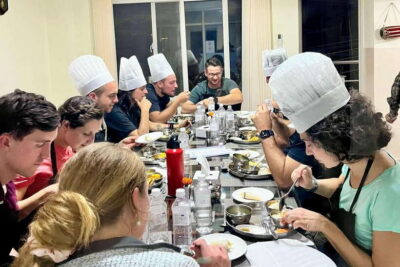
I also like the social scale. With a maximum of five people, the session should feel more like cooking with a family than attending a large demonstration. You can ask why a step is done a certain way, adjust parts of the dish to your taste, and get help before a small mistake becomes a kitchen disaster.
More Cooking Classes in Pokhara
- Nepalese Kitchen in Pokhara: Momos or Dal Bhat Cooking Class
★ 5.0 · 67 reviews - MoMo or Dal Bhat Cooking Class at Aama Kitchen in Pokhara
★ 4.9 · 28 reviews - Pokhara: 3 Hour MoMo cooking class
★ 4.5 · 10 reviews
Meeting the cooks at Hotel Diplomat
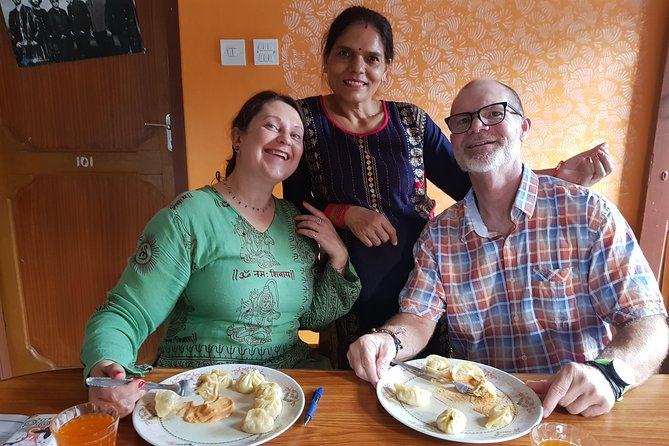
The class begins on the ground floor of Hotel Diplomat on Pragati Marga. The hotel is less than 10 minutes by foot from Phewa Lake, making it easy to fit into a day around the lakeside area.
This is a useful meeting point because you do not need a long transfer from central Pokhara. The activity also ends back at the same location, so you can plan your next stop without arranging a separate ride. Confirmation is provided at booking, and the location is near public transportation.
The setting has a personal feel. The class is run by local family cooks, including Sandhya, and the friendly father-and-son team has been praised for answering questions with patience and enthusiasm. The family connection is a large part of the appeal. You are learning a household dish from people who cook it regularly, not following a polished stage performance.
The hotel itself has also been described as charming, which may add to the atmosphere. Still, keep your expectations sensible. This is a cooking workshop held at a hotel, not a full restaurant meal or a formal culinary school.
The evening momo class, step by step
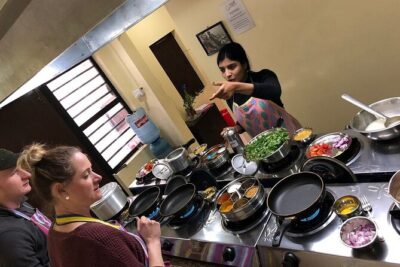
The momo option is the most hands-on choice. You begin with a printed recipe, then the chef leads you through the preparation from the first stage to the finished dumpling.
You will work through the process rather than simply watch someone else do it. The useful part is the shaping. Momo folds can be tricky, and the instructor can show you how to place your fingers and thumb, how much pressure to use, and how to close the dough without tearing it.
Do not worry if your first dumplings look uneven. The point is to learn the method, not to produce identical restaurant pieces on your first try. The charm comes from forming the momos yourself, then seeing how your imperfect shapes cook and taste.
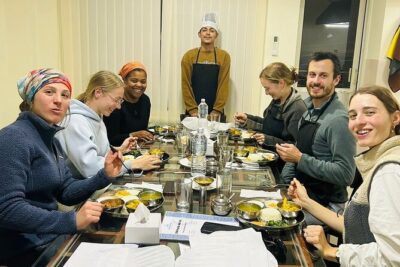
The class includes a meal of the momos you make. That creates a satisfying finish because the dish has a clear connection to your own work. You can sit down, eat, and talk about the cooking rather than rushing away after the lesson.
The recipe is another useful takeaway. You receive it during the class, so you have a written reference when you try the dish at home. One especially practical benefit is the chance to adjust the preparation to your own taste. The class has been praised for allowing people to make the dish in a way that suits them.
The main limitation is time. Two hours is enough for a focused lesson and meal, but it does not allow for a long exploration of many types of momo, fillings, sauces, or advanced techniques. If you already cook Nepalese food regularly, you may find the class basic. For most first-time learners, that narrow focus is a strength.
The lunchtime dal bhat workshop
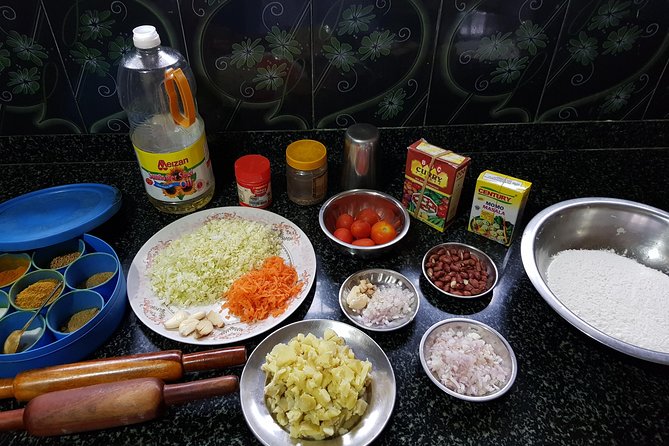
Choose the dal bhat session if you want a fuller Nepalese meal and a better sense of an everyday staple. Dal bhat combines rice and lentils in a set meal, and the class guides you through making it from the beginning.
The printed recipe gives you something concrete to follow while the chef explains each stage. You can ask questions as you work, which is helpful if you want to understand not only what to do, but also how the parts come together on the plate.
Dal bhat is a good choice for someone who wants to take home a dependable meal rather than a party snack. It may also suit people who prefer the daytime schedule. The lunchtime timing leaves your evening free for Pokhara’s restaurants or a walk near Phewa Lake.
The provided details do not spell out every side dish or ingredient in the dal bhat set, so you should not expect a long, fixed menu based on the class description alone. What is clear is that you will prepare a Nepalese dal bhat meal under instruction and eat the result at the same venue.
If you are choosing between the two, use a simple rule. Pick momos for the most tactile and playful lesson. Pick dal bhat for a traditional rice-and-lentil meal and a broader introduction to Nepalese home cooking.
A completely different way to spend the day:
- ZipFlyer Nepal – The World’s Steepest Zip-line
★ 5.0 · 608 reviews - Bungee Pokhara by HighGround Adventures
★ 5.0 · 366 reviews - From Pokhara: Sarangkot Sunrise Himalayas Tour
★ 4.7 · 218 reviews - ATV Adventure Tour in Pokhara, Nepal
★ 5.0 · 194 reviews
The family welcome is part of the meal
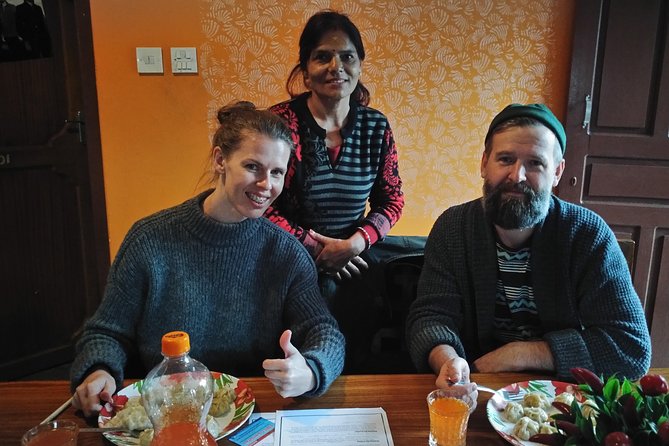
The strongest part of this activity is not just the food. It is the easy conversation that develops while you cook and eat.
The family hosts have been described as friendly, patient, and happy to answer questions. Sandhya, in particular, has been praised for her help with vegetable momos. That kind of patient instruction is important when you are struggling with the folds or trying to get the dough right.
The conversation can also move beyond cooking. People have spent time discussing Nepali habits and customs with the family, making the class feel like a cultural exchange as well as a recipe lesson. You get a window into daily food traditions without the stiffness of a formal presentation.
That personal element also means the experience may vary slightly with the people in your group. A small class can be warm and conversational, but the atmosphere depends partly on how willing everyone is to talk. The maximum of five keeps the setting manageable and gives the host a fair chance to help each person.
You can also ask about having a beer or wine while cooking. The information specifically notes that joining with beer or wine can be fun, but it does not say that alcohol is included. Soft drinks and water are included, so treat any alcoholic drink as a separate matter.
What the $50 price really buys
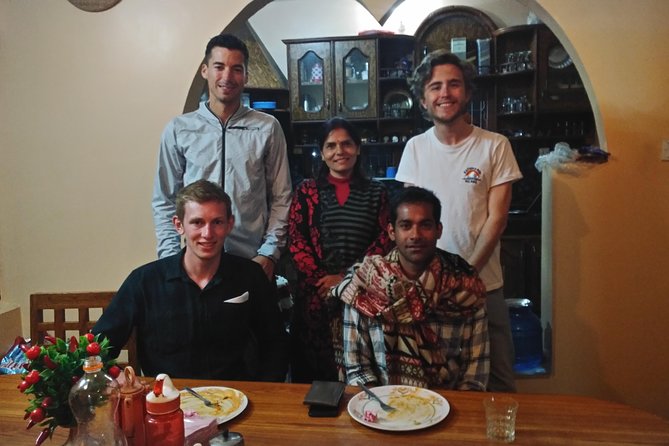
At $50, this is more expensive than ordering momos or dal bhat at a local restaurant. If your only goal is to eat Nepalese food, you can spend less elsewhere.
The value comes from the combination of instruction, ingredients, a printed recipe, a small group, and a prepared meal at the end. You are paying for time with local cooks and for the chance to learn a technique you can repeat at home.
The five-person cap makes the price easier to justify. In a large class, you might stand at the back and copy what the chef does. Here, you can get direct help with dough, shaping, and preparation. That matters most for momos, where a small adjustment to your grip can make the task much easier.
The class is also good value for people who collect food memories in a practical way. You leave with more than a full stomach. You have a recipe, a method, and the confidence that comes from making the dish yourself.
I would not book it solely for a cheap lunch or dinner. I would book it if you want a personal activity near the lake and expect to cook the dish again later.
Timing, access, and what to plan
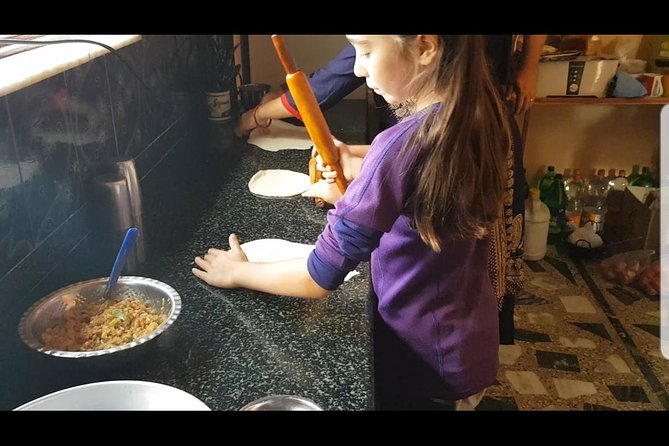
The workshop lasts about two hours. That is long enough to cook and eat, but short enough to fit around sightseeing in Pokhara.
The dal bhat option takes place at lunchtime, while the momo option is scheduled in the evening. Check the exact start time when you book so you can plan around lake walks, transport, and other activities.
Start at the ground floor of Hotel Diplomat, Pragati Marga, Pokhara 33700. The activity ends at the meeting point. Since the venue is within walking distance of Phewa Lake, you can combine it with time around the waterfront.
The class accepts service animals and is near public transportation. No special accessibility details beyond that are provided, so if you have particular mobility or seating needs, ask before booking.
Bring a comfortable attitude toward hands-on work. You will be handling food and shaping dough, and the best part of the class comes from trying the technique yourself. A printed recipe is supplied, but you should still pay close attention during the demonstration because the feel of the dough and the pressure of the folds may be easier to understand in person.
Free cancellation is available if you cancel at least 24 hours before the start time. Changes or cancellations made within 24 hours are not accepted for a refund, and the cut-off follows local time in Nepal.
Who will enjoy this most
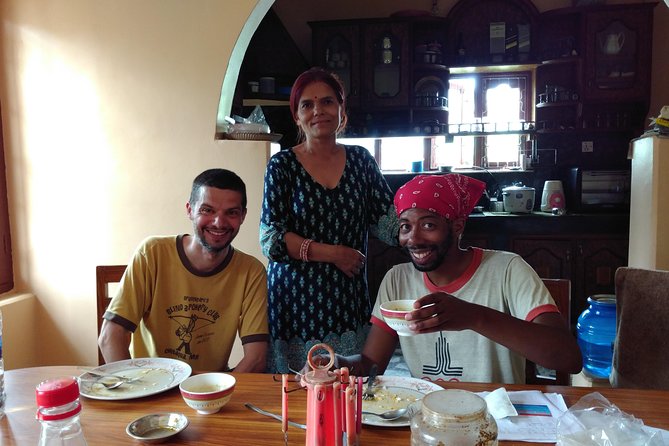
I would recommend the momo class to anyone who loves dumplings and wants a light, social activity. It suits couples, friends, solo participants, and small families, provided everyone is happy to take part in the cooking.
It is also a strong choice for people who want more contact with local life. The family setting and open conversation give the class more character than a standard demonstration.
The dal bhat option suits you better if you want a complete Nepalese meal and a lunchtime activity. It may also be the more useful choice if you are interested in learning a dish that can become part of your regular cooking at home.
This is less suitable if you want a large menu, advanced culinary training, or a long professional course. It is also not the best pick if you only want to eat and do not want to handle ingredients yourself.
Should you book Cook With Delight?
Book it if you want to learn, eat, and talk with local cooks in a small setting. The personal guidance, recipe, and meal make the $50 price reasonable for a hands-on experience, especially if momos or dal bhat are already highlights of your time in Nepal.
Choose momos for the most playful lesson, with plenty of folding practice and a tasty reward. Choose dal bhat for a more substantial Nepalese meal and a useful daytime workshop. If you are willing to accept that your first dumplings may look beautifully imperfect, this is one of the better ways to turn a favorite Pokhara dish into a skill you can take home.
FAQ
Where does the cooking class take place?
The class starts on the ground floor of Hotel Diplomat, Pragati Marga, Pokhara 33700, Nepal.
How long does the experience last?
The cooking class lasts approximately two hours.
Can I choose between momos and dal bhat?
Yes. You can choose an evening momo workshop or a lunchtime dal bhat workshop.
How many people can join the class?
The activity has a maximum of five participants.
Is a meal included?
Yes. You eat the meal you prepare during the workshop. Soft drinks and water are also included.
Is the class close to Phewa Lake?
Yes. Hotel Diplomat is less than 10 minutes on foot from Phewa Lake.
What is the cancellation policy?
You can cancel at least 24 hours before the experience for a full refund. Cancellations or changes made less than 24 hours before the start time are not refunded or accepted.
New in the Pokhara listings
- Pokhara: Pokhara Highlights Tour by Bus★ 3.6 · 10 reviews
- Discover Pokhara in Style: Private Vehicle Service with Driver★ 5.0 · 5 reviews
- Multi-Day Tour from Pokhara, Poon Hill and Mulde Trek★ 5.0 · 1 review
- Pokhara in 5 Hours: Lake, Museum, Cave, Falls & Pagoda Hill★ 4.5 · 16 reviews
- Private 4 Day Poon Hill Trek from Pokhara★ 5.0 · 16 reviews
- 4 Day Mardi Himal Base Camp Trek from Pokhara★ 5.0 · 18 reviews
- From Pokhara Full Day Entire Pokhara Tour with Guide★ 5.0 · 1 review
- Things to do at Pokhara World Peace Stupa tour with Guide★ 5.0 · 2 reviews
Cooking Classes, compared.
The best Private Nepali Cooking Class in Kathmandu
Read our review →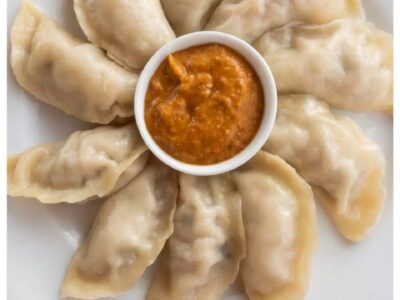
Nepalese Kitchen in Pokhara: Momos or Dal Bhat Cooking Class
Read our review →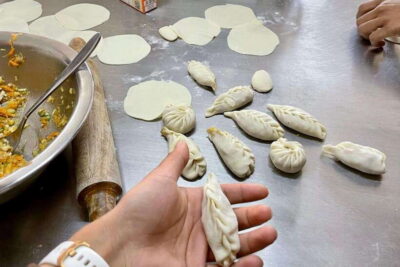
Browse the lists this tour appears in