
REVIEW · COOKING CLASSES
Nepalese Kitchen in Pokhara: Momos or Dal Bhat Cooking Class
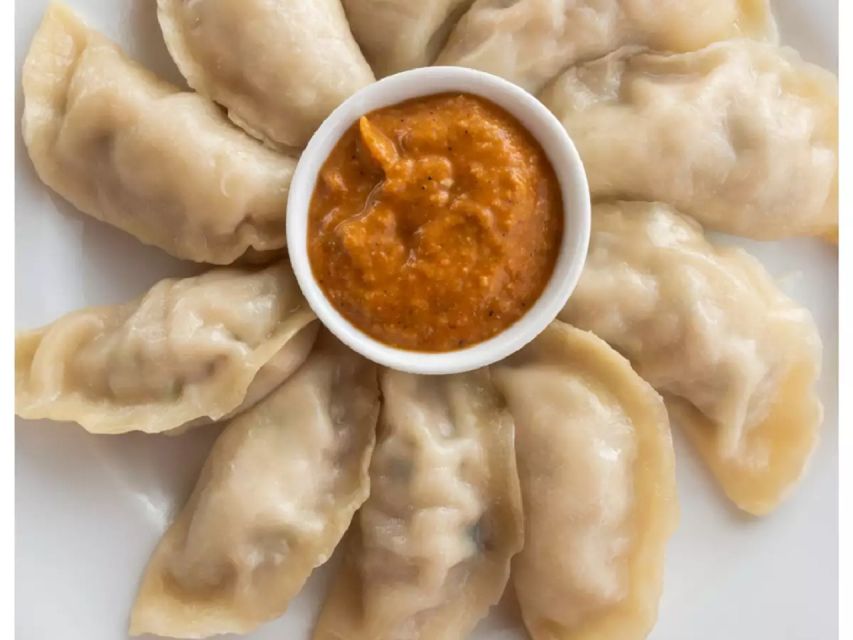
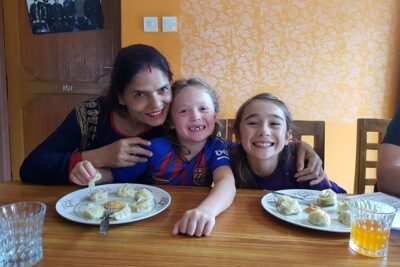
Come hungry for momos and local warmth. This three-hour cooking class brings you into a real Nepalese home kitchen in Pokhara, where Sarita guides you through either handmade momos or a full dal bhat meal. I like the personal setting and the chance to cook with fresh, often homemade ingredients rather than simply watching a chef work.
I also like that you eat what you prepare and take home a recipe, so the class has value beyond one meal. The main consideration is transportation: round-trip pickup from the Lakeside area is included, but one participant reported that a taxi driver tried to press for extra business. If you prefer to arrange your own ride, confirm that option before booking.
The class is private, available in English, Hindi, or Nepali, and costs $28 per person. Sarita’s patient teaching, clean kitchen, and friendly family setting receive the strongest praise. You should expect a relaxed home visit, not a polished restaurant school.
In This Review
- Key points to know before booking
- Why this Pokhara cooking class feels different
- Starting from Lakeside Road in Pokhara
- What happens during the three-hour visit
- Choosing momos: the playful option
- Choosing dal bhat: the fuller Nepali meal
- The home kitchen and family welcome
- What the $28 price really covers
- Who will enjoy this class most
- Small practical details that matter
- Should you book the Nepalese Kitchen class?
- FAQ
- Where does the cooking class take place?
- How long does the class last?
- How much does the experience cost?
- Can I choose between momos and dal bhat?
- Is transportation included?
- What languages are available?
- Is this a private class?
- Are ingredients included?
- Do I get to eat the food I make?
- What should I bring?
Key points to know before booking
- Sarita teaches in her own family kitchen: The class feels personal and informal, with conversation about food, family, and daily life in Nepal.
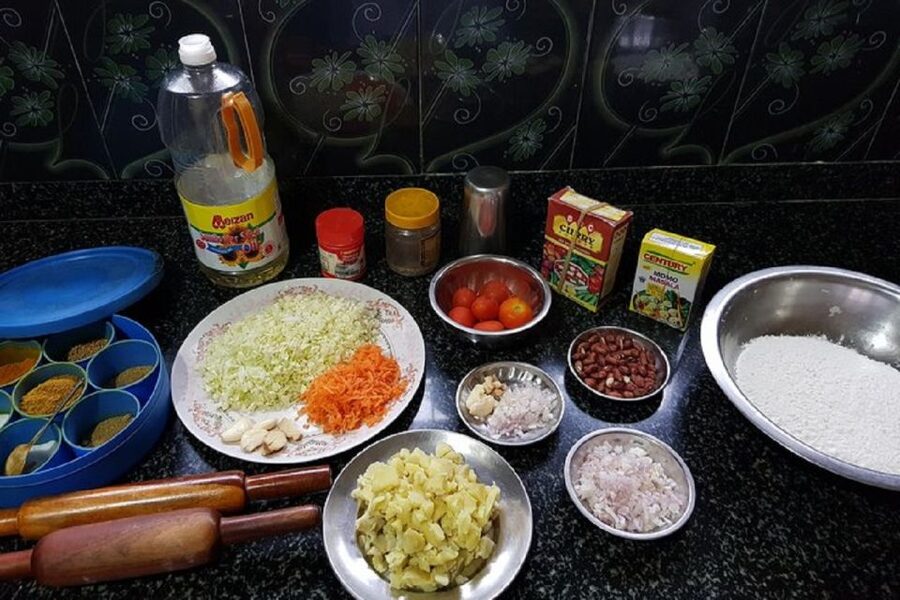
- Choose momos or dal bhat: Momos involve dough, filling, folding, steaming, and dipping sauce. Dal bhat takes more steps and usually produces several dishes.
- You do the real work: You chop, mix, season, shape, and cook instead of standing back for a demonstration.
- Fresh and homemade ingredients matter: Several participants noted fresh vegetables, homemade ingredients, and a clean kitchen.
- The class is excellent value at $28: Transport, ingredients, instruction, drinking water, and the meal you make are included.
- Bring an appetite and an ID: Momo portions can be large, and a passport or ID card, or a copy, is required.
Why this Pokhara cooking class feels different
Pokhara has plenty of places to eat momos and dal bhat. What you do not get in every restaurant is a look at how these dishes are made in a family kitchen, with someone explaining the small choices that shape the final taste.
That is the real appeal here. You are not only learning a recipe. You are seeing how vegetables are prepared, how spices are balanced, and how a familiar Nepali meal comes together at home.
Sarita is the central reason the class works so well. Her teaching style comes across as patient, friendly, and clear. One participant who knew very little Nepali found her English especially helpful, while another appreciated that she slowed down and used simple explanations.
The class also suits beginners. You do not need professional kitchen skills, and imperfect momo shapes are part of the fun. One solo participant jokingly described her first momos as looking like little cooking experiments, but still felt comfortable and well supported.
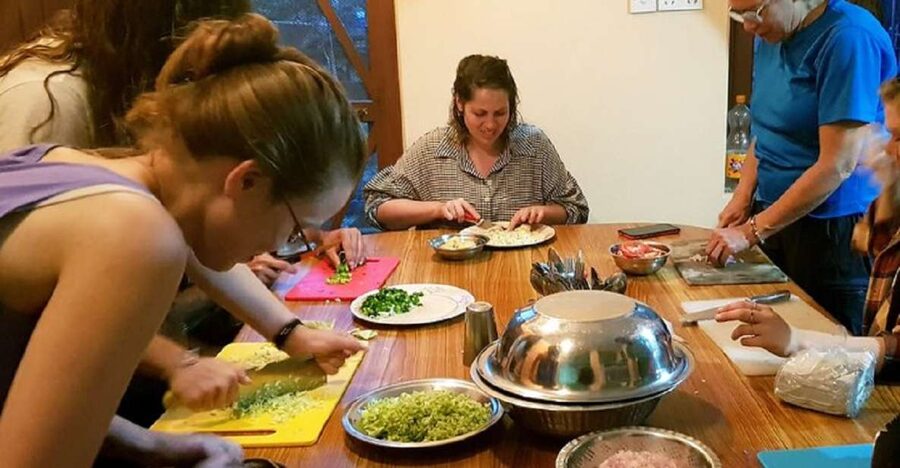
The setting is intimate. This is a private group rather than a large school with several cooking stations and a dozen strangers. You may cook with your partner, family, or a small group, and the home setting gives the visit a more human feel.
More Cooking Classes in Pokhara
- Nepalese Momos or Dal Bhat Cooking Class (Cook with Delight)
★ 5.0 · 99 reviews - MoMo or Dal Bhat Cooking Class at Aama Kitchen in Pokhara
★ 4.9 · 28 reviews - Pokhara: 3 Hour MoMo cooking class
★ 4.5 · 10 reviews
Starting from Lakeside Road in Pokhara
The listed pickup and drop-off point is Lakeside Road, Lakeside-6, Pokhara. Round-trip transfer from the Pokhara Lakeside area is included, which is useful if your accommodation is nearby and you do not want to negotiate a local ride.
The transport arrangement deserves a little care. Most of the comments about pickup are positive, including direct hotel collection by taxi and a car pickup that was described as convenient. One person, however, felt a taxi driver tried to hassle them for additional services.
I would confirm the pickup details when you book and ask exactly where the driver will meet you. If you already know how to reach the home kitchen, ask if independent arrival is possible. That may give you more control, though the supplied details specifically promise round-trip transfer, not a separate self-arrival plan.
You should also carry a passport or ID card. A copy is accepted, so you do not necessarily need to take the original document into the kitchen.
What happens during the three-hour visit
The schedule allows three hours for the visit, guided cooking, free time, and the meal. The exact starting time depends on availability, so check the booking calendar rather than assuming a morning or afternoon class.
The broader itinerary uses phrases such as photo stop, visit, guided tour, and free time, but the clear focus is the cooking class itself. Do not book this expecting a long sightseeing tour of Pokhara. The included transport gets you to the kitchen and back, while the cultural value comes from spending time in the home.
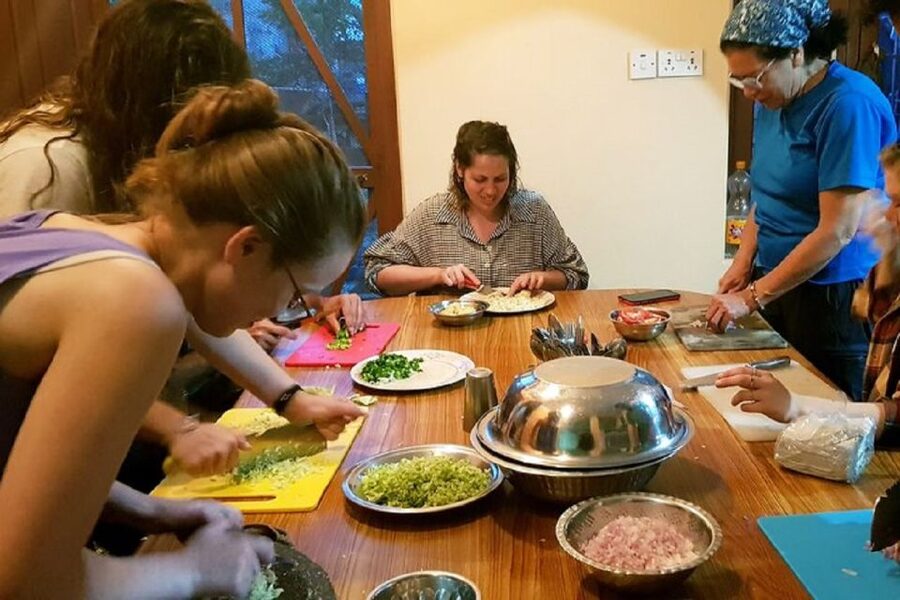
You begin with an introduction to the ingredients, spices, and cooking methods used in Nepali homes. The lesson then moves into preparation. You chop vegetables, mix fillings, season ingredients, and follow Sarita’s instructions as each stage develops.
The order and pace can change according to your chosen dish. That is useful because momos and dal bhat teach different skills. Momos are hands-on and repetitive. Dal bhat is a larger meal with several parts and more cooking steps.
Afterward, you sit down and eat the food you made. Drinking water is included, while extra food or drinks outside the class are not. Plan on the meal being the main refreshment, not a short tasting before heading elsewhere.
Choosing momos: the playful option
Momos are Nepal’s famous filled dumplings, and this class shows why they are more involved than they first appear. You work with the dough, prepare the filling, shape each dumpling, and cook them, usually with a dipping sauce as part of the meal.
The shaping takes practice. At first, your momos may look uneven. That is normal, and Sarita’s patient guidance helps you improve as you go. The hands-on format means you get repeated practice rather than making one dumpling and watching the rest disappear into the steamer.
Be ready for quantity. One class produced more than 70 momos, and another participant warned that you should arrive hungry. A large batch is useful because it gives you time to practice folding, but it can also be more food than two people expect.
If you have a takeaway container, bringing one is a sensible tip. This is not listed as an included item, so you should not assume leftovers will be packed for you, but a container may help if the portion is generous.
Momos also offer useful cooking knowledge beyond this single recipe. The folding method can be adapted to other dumpling styles, and you learn how changes in ingredients or cooking methods affect the result. One person particularly valued being able to use the technique for other dumplings at home.
The class may focus on vegetable or cheese momos, depending on the arrangement. The supplied details do not promise chicken, buff, or fried versions. If you want to learn several fillings or frying as well as steaming, ask ahead of time rather than expecting a full menu of variations.
A completely different way to spend the day:
- ZipFlyer Nepal – The World’s Steepest Zip-line
★ 5.0 · 608 reviews - Bungee Pokhara by HighGround Adventures
★ 5.0 · 366 reviews - From Pokhara: Sarangkot Sunrise Himalayas Tour
★ 4.7 · 218 reviews - ATV Adventure Tour in Pokhara, Nepal
★ 5.0 · 194 reviews
Choosing dal bhat: the fuller Nepali meal
Dal bhat is the better choice if you want to understand everyday Nepali home cooking. It is not one single item, but a meal built around rice and lentils with accompanying vegetables, spices, and other prepared dishes.
That makes it more involved than making a plate of dumplings. You may spend more time moving between tasks, seasoning different parts, and keeping track of several preparations. One participant noted that dal bhat has many steps, but also found the process manageable with Sarita’s help.
The reward is a broader lesson. You learn how a familiar home meal is assembled and how separate dishes work together. For someone who has already eaten dal bhat in Nepal, making it from scratch adds meaning to a dish that can otherwise seem simple on the plate.
Several participants particularly enjoyed using fresh local ingredients and homemade items. The quality of the food matters here, but the method matters more. Sarita explains the reasons behind the steps, so you can understand how to adjust flavors when cooking in your own kitchen.
Dal bhat is a good choice for a group with mixed cooking experience. There are several jobs to share, and the finished meal feels substantial. It may be less immediately playful than folding momos, but it gives you a wider view of Nepali cooking.
One small improvement would be having the complete recipe in hand from the start. A participant felt that a printed recipe would have made it easier to follow the many preparations. Recipes are included for taking home, in printed or digital form, but you can ask whether you may see the full version before cooking begins.
The home kitchen and family welcome
The kitchen is part of the lesson. You may meet Sarita’s family and see how cooking fits into a Nepalese household. That is more revealing than a staged cultural show because the setting is ordinary and personal.
The home has been described as clean, and the ingredients as fresh and well prepared. Vegetables may be ready for chopping, which keeps the class moving while still leaving you plenty to do.
The family welcome is a repeated strength. People describe feeling at ease, being offered tea or snacks, and enjoying conversation alongside the cooking. The warmth seems to come from Sarita’s manner rather than from a formal script.
That intimacy is not for everyone. If you prefer a professional school with a large work surface, printed instructions at every station, and a tightly timed demonstration, this may feel too informal. If you want to see how food and hospitality connect inside a Nepali home, the informality is the point.
The language choice also helps. Instruction is offered in English, Hindi, or Nepali. Sarita’s English has been praised as clear, and she is willing to explain steps slowly when needed.
What the $28 price really covers
At $28 per person, the price is strong for a three-hour private activity. You receive transport from the Lakeside area, the instructor, ingredients, spices, drinking water, the cooking lesson, and the meal.
The value is even better if you treat it as both lunch or dinner and a cultural visit. A restaurant meal would feed you, but it would not teach you how to prepare the dish or provide a recipe for future use.
The included recipe gives the class lasting value. Several people planned to make momos or dal bhat again at home, and one person had already made two more batches of momos after returning home.
There are limits. Extra food and drinks are not included, and the details do not promise a market visit, a full sightseeing circuit, or multiple types of momos. You are paying for a focused home cooking lesson, not an all-day Pokhara tour.
The experience has a five out of five rating from 67 reviews, and transport receives a 98 percent perfect score. Those figures suggest a dependable activity, though I would still confirm the pickup arrangement because transport is the one area where a concern was raised.
Who will enjoy this class most
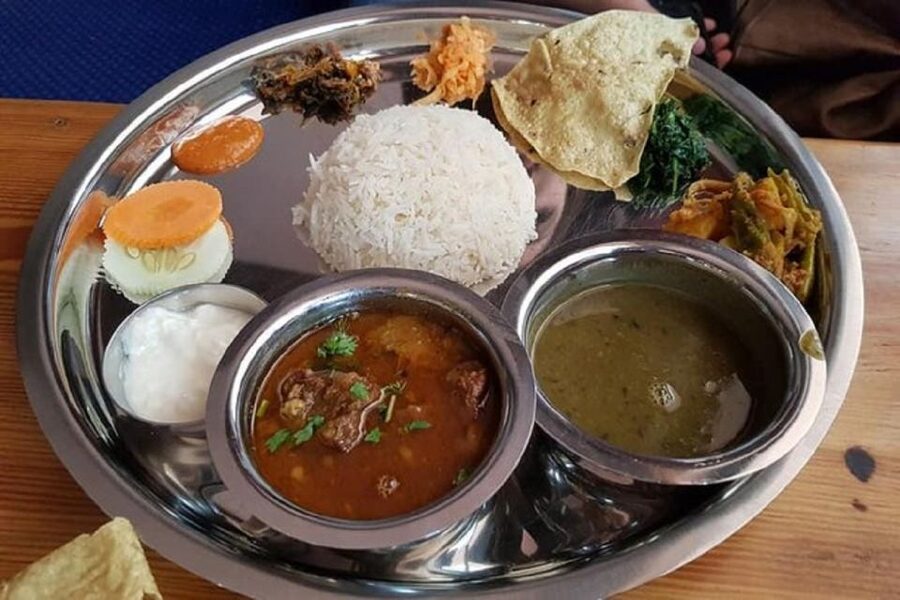
I would recommend the class to couples, solo visitors, small families, and anyone who wants a quieter activity between more active days in Pokhara. It works especially well after time spent hiking or sightseeing, when three hours of chopping, folding, and eating offer a welcome change of pace.
Momo lovers should choose the dumpling lesson if they want a practical skill and plenty of repetition. It is also the more social and playful choice, especially if you enjoy working with your hands.
Choose dal bhat if your interest is Nepali home cooking as a whole. It gives you more ways to understand spices, vegetables, lentils, rice, and the structure of a daily meal.
You do not need to be a serious cook. In fact, the class may be more useful if you are a beginner because Sarita’s careful explanations cover the small steps that recipes often skip.
I would be more cautious if you have strict dietary needs that are not covered in the details. The class offers a choice between momos and dal bhat, but the exact filling, substitutions, and possible meat options are not specified. Ask before booking.
Small practical details that matter
Wear something comfortable for kitchen work. The supplied information does not list a dress code or special equipment, so you should not need to bring cooking tools.
Bring your passport or ID card, with a copy accepted. Drinking water is provided, but extra snacks and drinks are your responsibility.
The activity lasts three hours, though one momo lesson took closer to four hours according to one participant. That longer timing may reflect a large batch or a slower pace. If you have a fixed appointment afterward, leave some breathing room.
The class is private, but the number of people in your group is not specified. A private format should give you more direct attention than a large group, but ask about the maximum size if that matters to you.
You can cancel up to 24 hours before the activity for a full refund, and you can reserve now while paying later. That is useful when your Pokhara schedule depends on weather or trekking plans.
Should you book the Nepalese Kitchen class?
Yes, if you want personal contact, hands-on work, and a meal that teaches you something about Nepal. The combination of Sarita’s patient instruction, a clean family kitchen, fresh ingredients, included transport, and a take-home recipe makes this one of the better-value food activities in Pokhara.
Pick momos for a lively, practical lesson with lots of shaping and plenty to eat. Pick dal bhat for a broader look at Nepalese home cooking and a more complete meal.
Before paying, confirm your pickup point, the exact dish and filling, and whether the class can accommodate your dietary needs. If you do that, the $28 price buys more than lunch. It gives you a skill, a story from a real home, and a way to bring a little Nepali cooking into your own kitchen.
FAQ
Where does the cooking class take place?
The class takes place in a Nepalese home kitchen in Pokhara, in the Pashchimanchal area of Nepal.
How long does the class last?
The scheduled duration is three hours. One momo session took closer to four hours, so leave extra time if your plans afterward are fixed.
How much does the experience cost?
The price is $28 per person.
Can I choose between momos and dal bhat?
Yes. The experience offers a choice between a momo cooking class and a dal bhat cooking class.
Is transportation included?
Yes. Round-trip transfer from the Pokhara Lakeside area is included. The listed pickup and drop-off location is Lakeside Road, Lakeside-6, Pokhara.
What languages are available?
The class is available in English, Hindi, and Nepali.
Is this a private class?
Yes. It is described as a private group experience.
Are ingredients included?
Yes. Fresh ingredients and spices are included, along with hands-on instruction.
Do I get to eat the food I make?
Yes. The meal you prepare during the class is included.
What should I bring?
Bring a passport or ID card. A copy is accepted. You may also want to bring a takeaway container if you choose the momo class and have leftovers, though this is not listed as an included item.
New in the Pokhara listings
- Pokhara: Pokhara Highlights Tour by Bus★ 3.6 · 10 reviews
- Discover Pokhara in Style: Private Vehicle Service with Driver★ 5.0 · 5 reviews
- Multi-Day Tour from Pokhara, Poon Hill and Mulde Trek★ 5.0 · 1 review
- Pokhara in 5 Hours: Lake, Museum, Cave, Falls & Pagoda Hill★ 4.5 · 16 reviews
- Private 4 Day Poon Hill Trek from Pokhara★ 5.0 · 16 reviews
- 4 Day Mardi Himal Base Camp Trek from Pokhara★ 5.0 · 18 reviews
- From Pokhara Full Day Entire Pokhara Tour with Guide★ 5.0 · 1 review
- Ultralight Flight: Into The Heart Of The Mountains (90 min)★ 5.0 · 1 review
Cooking Classes, compared.
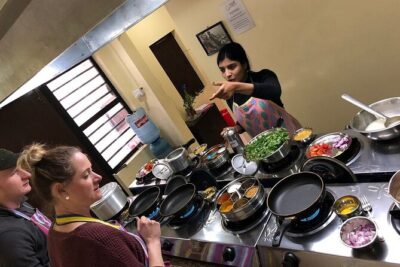
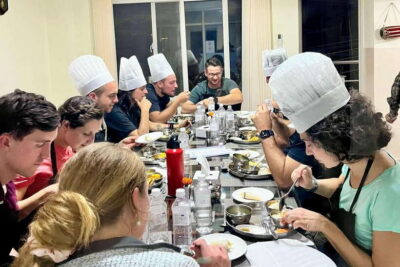
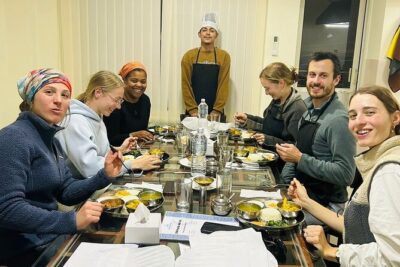
Nepalese Momos or Dal Bhat Cooking Class (Cook with Delight)
Read our review →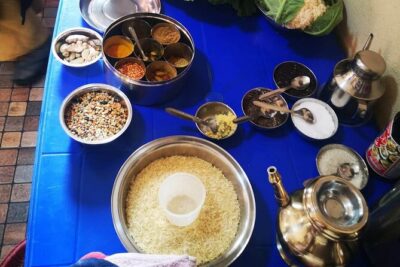
The best Private Nepali Cooking Class in Kathmandu
Read our review →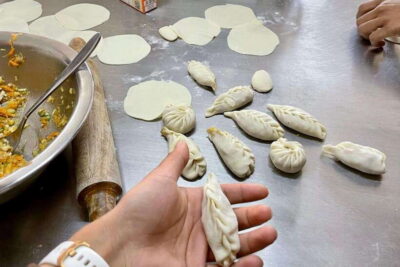
Browse the lists this tour appears in