
REVIEW · COOKING CLASSES
Kathmandu: Traditional Momo Making Class & Pickup
Momos are Nepal’s edible calling card. This two-hour class lets you make them from scratch with a local cook, shop for fresh ingredients, and sit down to eat what you prepared. I like the small group of up to 10, which gives you a fair chance to get help with the tricky folding. I also like the choice of veggie, vegan, or chicken filling, plus regular or soup momo.
The main consideration is timing. The class starts at 1 PM and may last 1.5 to 2 hours, so it uses much of your afternoon. The $4 price is remarkably low for a cooking lesson with food, tea, equipment, and an ingredient market visit, but you should confirm exactly what is included if you hope to prepare dishes beyond momo.
In This Review
- Key Points at a Glance
- Why Momo Makes a Smart First Cooking Class in Kathmandu
- The Walk to Kathmandu Cooking Academy
- Starting at the Market or Local Shop
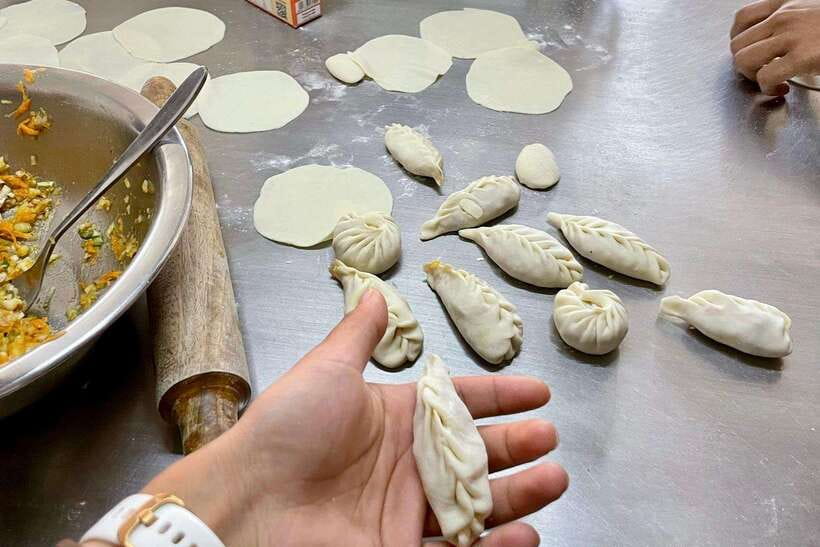
- Preparing Dough, Filling, and Momo Shapes
- Regular Momo or Soup Momo?
- Steaming and the Best Part: Eating
- What the $4 Price Really Buys You
- Who Will Enjoy This Class Most?
- Practical Details That Make the Day Easier
- Should You Book the Kathmandu Momo Class?
- FAQ
- Where does the momo class meet?
- What time does the class start?
- What types of momo can I make?
- Is hotel pickup available?
- Is the class suitable for children?
- What is included in the price?
- Do I need to tell the academy about allergies or dietary needs?
Key Points at a Glance
- Your own hands do the work: You prepare the dough, filling, shapes, and steaming rather than simply watching a demonstration.
- A short ingredient-shopping tour comes first: You visit a local market or shop and select fresh ingredients for veggie or chicken momos.
- You can choose your filling: Veggie, vegan, and chicken options are available, along with regular or soup momo.
- The class stays small: Groups are limited to 10, making it easier to ask questions and fix a stubborn dumpling fold.
- Masala tea is part of the meal: Your finished momos come with a complimentary cup of Nepali masala tea.
- Pickup covers Kathmandu Valley: You can walk from Thamel in about 10 to 15 minutes or arrange optional hotel pickup and drop-off.
Why Momo Makes a Smart First Cooking Class in Kathmandu
Momo is a practical introduction to Nepali food because the finished dish is familiar enough to enjoy, yet the preparation has plenty of local character. You work with dough, filling, seasoning, shaping, and steam cooking in one compact lesson.
The class is also less intimidating than a broad survey of Nepali cooking. You are not expected to master a long menu in one afternoon. Instead, you focus on one beloved dish and learn each stage in order.
I especially like that you do not begin by sitting at a counter with ingredients already measured. The session includes a market or shop visit, so you get a look at the everyday food-buying side of Kathmandu. You select ingredients for the momo filling, then return to the academy and turn those ingredients into lunch or an afternoon meal.
That small step matters. It connects the finished plate to the produce and supplies used to make it. It also gives you something more useful than a recipe alone: a clearer sense of how the dish starts.
More Cooking Classes in Kathmandu
- Half day cooking class in Thamel kathmandu
★ 5.0 · 607 reviews - Kathmandu: Local Women-Led Nepali Cooking & Momo Class
★ 4.9 · 360 reviews - Kathmandu: Local Lead Nepali Cooking & Momo-Making Class
★ 5.0 · 212 reviews
The Walk to Kathmandu Cooking Academy
The meeting point is Kathmandu Cooking Academy, in an area that is about a 10 to 15 minute walk from Thamel. You should look for the signboard outside the building, then check in at the entrance. Staff direct you to the registration area.
For many people staying in Thamel, walking is the simplest option. It avoids arranging a vehicle for a short trip and gives you a little time to get your bearings before the 1 PM start. If you are staying elsewhere in Kathmandu Valley, optional hotel pickup and drop-off can make the class easier to fit into your day.
If you choose pickup, send your hotel details ahead of time. That is a small but useful step, especially if your lodging is in a busy part of Kathmandu or has a name shared by more than one property.
The timing deserves attention. The advertised duration is two hours, while the class is also described as lasting 1.5 to 2 hours. Plan on keeping the afternoon open rather than scheduling a tight appointment immediately afterward.
Starting at the Market or Local Shop
The first part of the class takes you to a market or shop to select fresh ingredients. The available ingredient guidance covers veggie or chicken momo, while vegan requests should be made before booking.
This is not presented as a long food tour. Think of it as a useful shopping stop tied directly to the dish you will make. Your local instructor helps you identify what you need, then brings the focus back to the kitchen.
I like this format because it keeps the food lesson grounded in daily life. You see the basic buying process before handling the dough, and you can ask questions while choosing ingredients. The outing also breaks up the class, so the session does not feel like two straight hours at a work surface.
The limits are clear, too. The information does not promise a detailed lesson about every market product or a large walking route. If you want an extensive Kathmandu food tour, this class is not designed for that. Its market visit is a short, purposeful part of a cooking activity.
Preparing Dough, Filling, and Momo Shapes
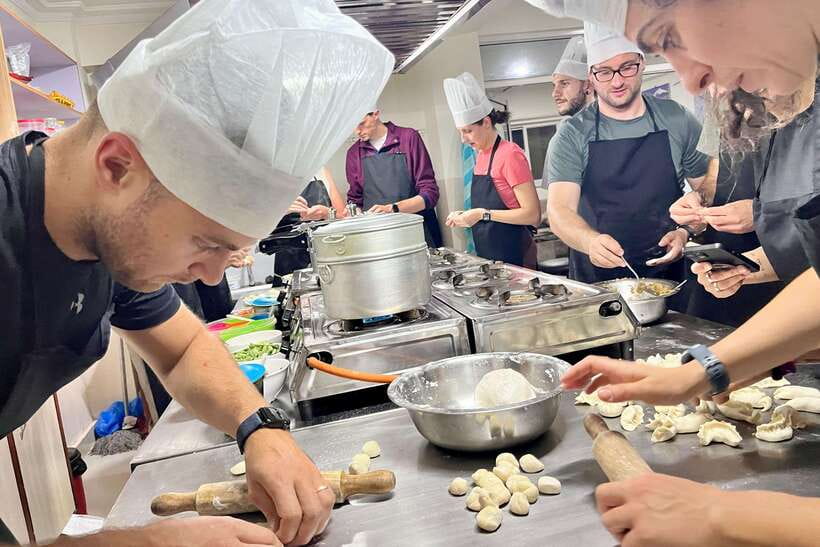
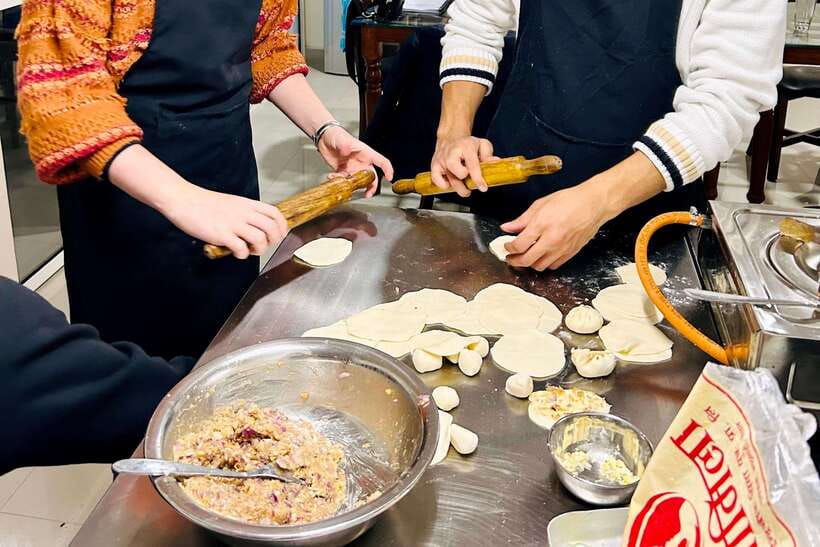
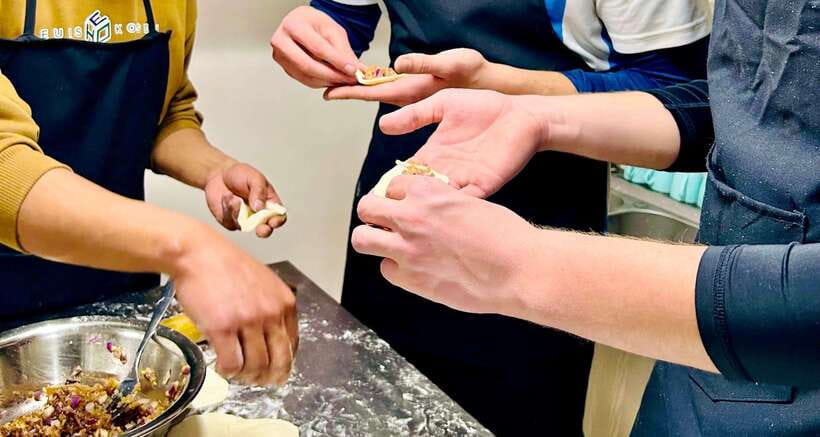
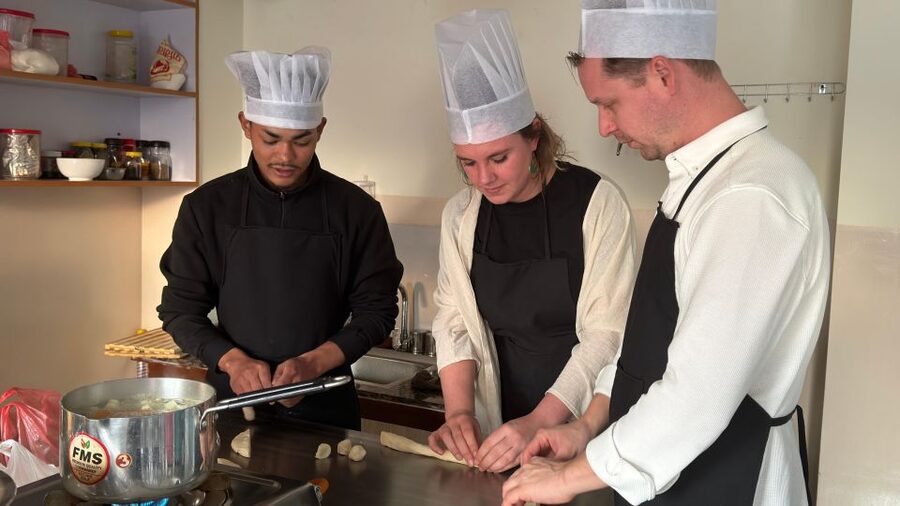
Back at the academy, the instructor guides you through the recipe one step at a time. You prepare the dough, combine the filling, shape the dumplings, and steam them.
The shaping stage is where the class earns its keep. Rolling and filling are fairly direct, but folding a momo neatly can take practice. One participant described needing help with a first attempt, while patient instruction and encouragement made the process easier. That is exactly the sort of assistance you want in a small cooking class.
The teaching style appears to be friendly and hands-on. Cooks including Birfan and Bikram have led sessions, and Bikram was praised for keeping both adults and children involved in a large mixed-age group. The standard group limit is 10, though a private or specially arranged group can differ.
You should not expect every momo to look perfect. That is part of the fun. The point is to learn a repeatable method, not win a dumpling-shaping contest. Your first few may look uneven, but the instructor can show you easier ways to chop, mix, and fold.
One useful tip is to take notes. A participant found that the recipe booklet did not list every ingredient used in class. If you want to recreate the dish at home, write down the full method and ingredients while the instructor is explaining them.
A completely different way to spend the day:
- Everest Base Camp Trek – 14 Days
★ 5.0 · 1,499 reviews - Private Kathmandu Sightseeing Tour | UNESCO World Heritage sites
★ 5.0 · 756 reviews - Everest Base Camp Helicopter Tour landing at Everest View Hotel
★ 5.0 · 668 reviews - Everest Base Camp Trekking
★ 5.0 · 485 reviews
Regular Momo or Soup Momo?
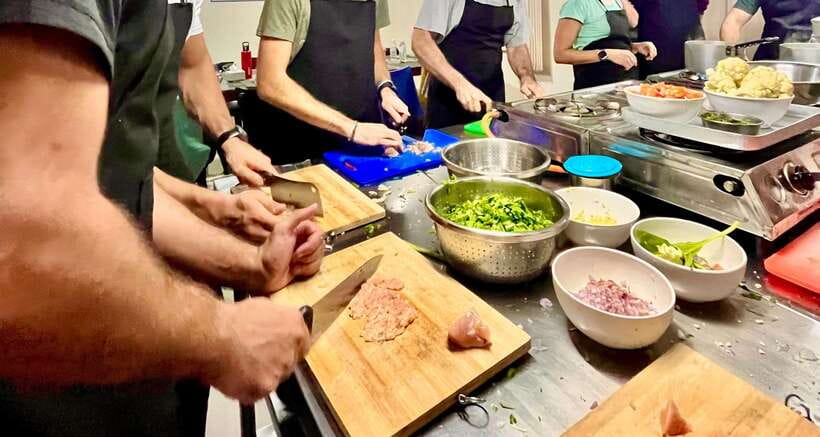
You can choose between regular momo and soup momo. That gives you a chance to try a variation rather than making only one style.
The provided details do not spell out every difference in preparation, so you should ask the instructor to explain how the soup version is assembled and cooked. The choice is still valuable because it lets you match the class to your curiosity and taste.
Filling choices include vegetarian, vegan, and chicken. If you eat vegan or have allergies, tell the academy before booking. Do not wait until you arrive, since the ingredient planning needs to happen in advance.
The class description centers on momo, but some past sessions have included other Nepali dishes such as aloo chop, thukpa soup, and yomari. These extra dishes are not guaranteed as part of the standard two-hour booking, so treat them as possible additions rather than promised features.
Steaming and the Best Part: Eating
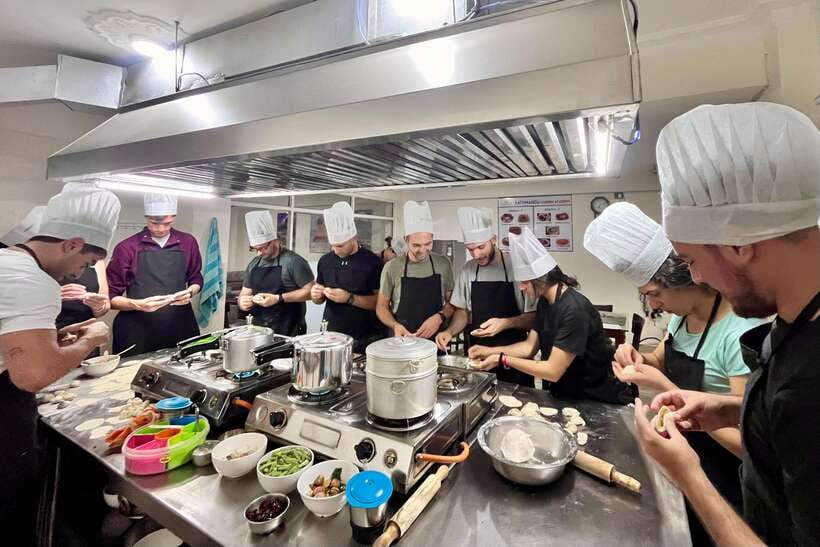
Once the dumplings are shaped, you steam them using the provided kitchen equipment. All necessary cooking equipment and accessories are included, so you do not need to bring supplies.
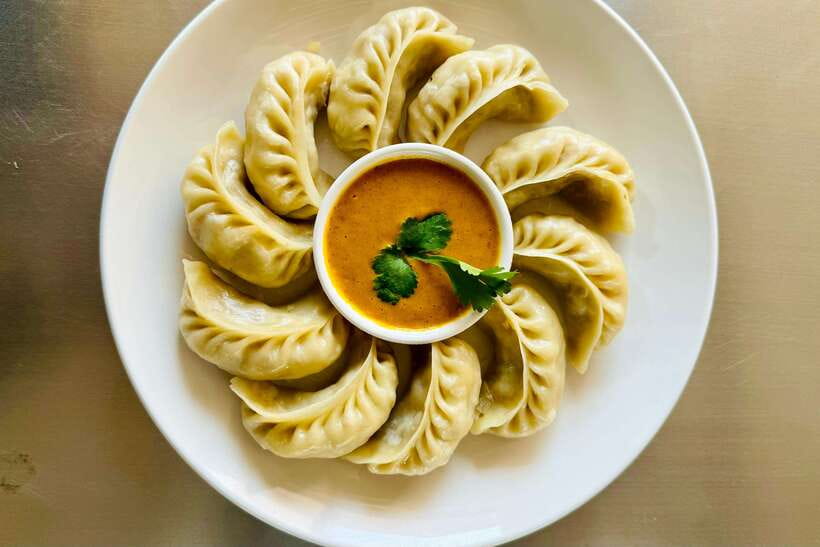
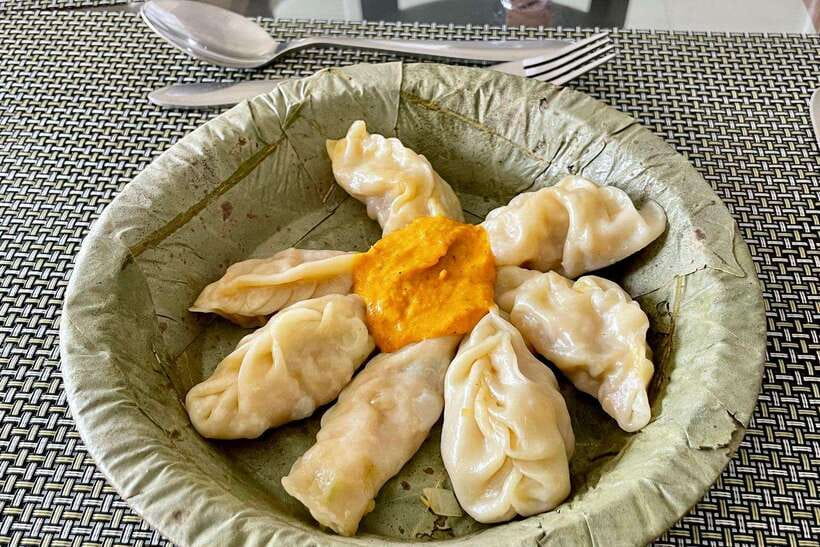
The final tasting is more than a quick sample. You sit down with the momos you prepared and a complimentary cup of Nepali masala tea. Some sessions have also included different momo variations for comparison.
This is where the class feels rewarding. You have handled the ingredients, wrestled with the folds, and watched the dumplings cook. The food tastes better because you understand the work behind it, and you leave with a recipe you can try at home.
Chicken momo received especially strong praise for its flavor, while the general response to the food and tea has been highly positive. The kitchen was also described as clean and well organized, which matters when you are working with dough and raw filling.
Specialty and alcoholic drinks are not included. That is unlikely to matter for a two-hour afternoon class, but you should budget separately if you want anything beyond the included masala tea.
What the $4 Price Really Buys You
At $4 per person, this is unusually inexpensive for a guided cooking class. The price includes local instruction, the market or shop visit, equipment, your prepared food, and masala tea. Optional pickup is also listed as available within Kathmandu Valley.
Even if you value the session only as a meal, the cost is low. The stronger value comes from the practical skill. You are not simply eating momo at a restaurant. You are learning how to make the dough, filling, folds, and steamed finish yourself.
The low price does mean you should keep your expectations sensible. This is a short local cooking lesson, not a private culinary school course. You may not receive a long printed recipe collection or an advanced explanation of Nepali regional food. The value lies in the friendly instruction and direct practice.
For a solo visitor, couple, or small group, the price makes this an easy addition to a Kathmandu stay. It also works well on a day when you want a break from temples, museums, and walking. You get a meal and an activity in one.
Who Will Enjoy This Class Most?
I would recommend it most strongly to people who enjoy eating local food and want a skill to take home. Beginners are welcome, and the step-by-step format means you do not need previous cooking experience.
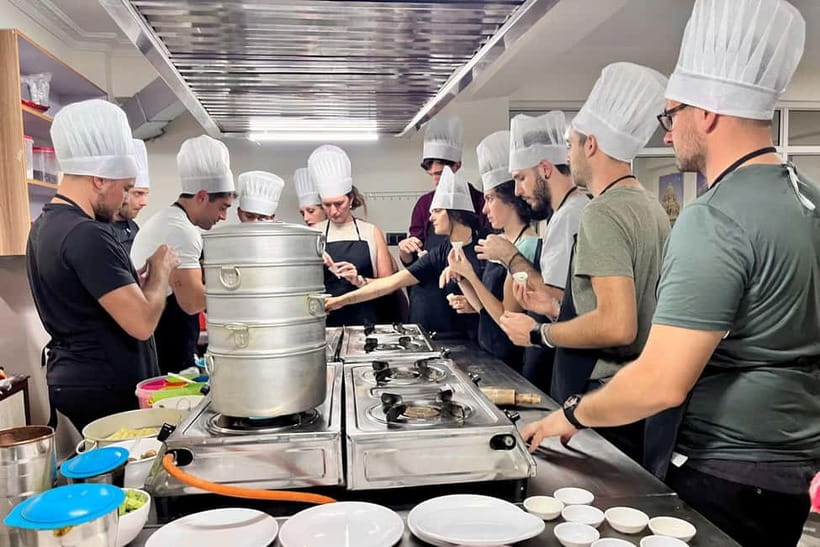
It is also a good choice for families with older children. The stated restriction excludes children under 5, while one large group successfully included children from age 7 and adults up to age 75. The standard group size is limited to 10, which should help keep younger participants involved.
Vegetarians and vegans can take part, but you need to request the correct option ahead of time. Chicken eaters have a clear choice as well. People with allergies should contact the academy before booking and explain their needs.
This may not suit you if you dislike hands-on food preparation or want a long market excursion. It is also not ideal for a packed sightseeing day, since the fixed 1 PM start and afternoon duration require a clear block of time.
Practical Details That Make the Day Easier
The instructor language is English. Bring a camera if you want pictures of the market, kitchen work, or finished momos, but no special equipment is required.
Wear clothes you are comfortable cooking in. The supplied information does not list a dress code or specific footwear requirement, so simple, practical clothing is enough.
You can either arrive directly at the academy or use pickup from any location within Kathmandu Valley. If you use pickup, provide your hotel information in advance. If you are staying in Thamel, the 10 to 15 minute walk may be more convenient than waiting for transport.
The class allows free cancellation up to 24 hours before the start for a full refund. You can also reserve and pay later, which helps if your Kathmandu plans depend on weather, trekking schedules, or transport.
The overall rating is 4.8 from 60 reviews, with repeated praise for the food, patient instruction, clean kitchen, and welcoming staff. The most consistent strength is the teaching. You are helped through the awkward first folds instead of being left to copy a demonstration from across the room.
Should You Book the Kathmandu Momo Class?
Book it if you want an affordable, friendly afternoon with real participation. The class is especially strong for first-time cooks, food lovers, families with children over 5, and anyone who wants to recreate a Nepali dish after returning home.
The $4 price gives you impressive value, and the market stop adds local context without turning the session into a long walking tour. The small group, choice of filling, tasting session, and masala tea all support a simple but satisfying introduction to momo.
Skip it if you need a highly specialized culinary course, a guaranteed multi-dish menu, or a flexible start time. Also contact the academy before booking if you have serious dietary restrictions.
For most visitors with a free afternoon in Kathmandu, I would book it. Just arrive ready to make imperfect dumplings, take notes, and eat your own work.
FAQ
Where does the momo class meet?
The class meets at Kathmandu Cooking Academy in Kathmandu. The academy is about a 10 to 15 minute walk from Thamel. Look for the signboard outside the building and check in with staff at the entrance.
What time does the class start?
The class starts at 1 PM. It lasts between 1.5 and 2 hours, depending on the session.
What types of momo can I make?
You can choose veggie, vegan, or chicken momo. The class also offers a choice between regular momo and soup momo.
Is hotel pickup available?
Yes. Optional pickup and drop-off are available from locations within Kathmandu Valley. Provide your hotel details in advance if you select this option.
Is the class suitable for children?
Children under 5 are not suitable for this activity. Older children may take part, and one previous group included children aged 7 and above.
What is included in the price?
The price includes local instruction, a guided market or shop visit for ingredients, cooking equipment, the tasting session, and Nepali masala tea. Pickup and drop-off are included when you select that option.
Do I need to tell the academy about allergies or dietary needs?
Yes. Inform the academy before booking about allergies, dietary restrictions, vegan requests, or other special requirements.
New in the Kathmandu listings
- Traditional Momo Making Class★ 5.0 · 10 reviews
- Kathmandu: Ancient City Kirtipur & Pharping Monastery Tour★ 5.0 · 2 reviews
- Kathmandu to Pokhara Premium sofa bus ticket★ 4.0 · 17 reviews
- Women Empowerment Project(Nepali cooking class & jewelry workshop★ 5.0 · 15 reviews
- 7-Day Langtang Valley Trek from Kathmandu★ 5.0 · 1 review
- Kathmandu 2 Nights 3 Days Chitwan Jungle Safari Tour★ 5.0 · 9 reviews
- Yoga Experience Day Trip with Private Transfer From Kathmandu★ 4.0 · 2 reviews
- Wildlife Adventure in Chitwan Nepal★ 4.0 · 4 reviews
Cooking Classes, compared.
Nepalese Momos or Dal Bhat Cooking Class (Cook with Delight)
Read our review →
The best Private Nepali Cooking Class in Kathmandu
Read our review →
Nepalese Kitchen in Pokhara: Momos or Dal Bhat Cooking Class
Read our review →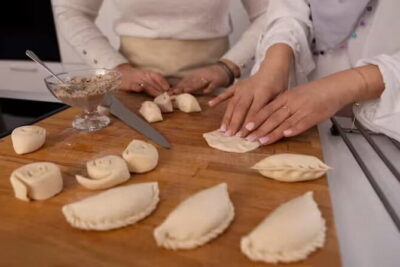
Browse the lists this tour appears in