
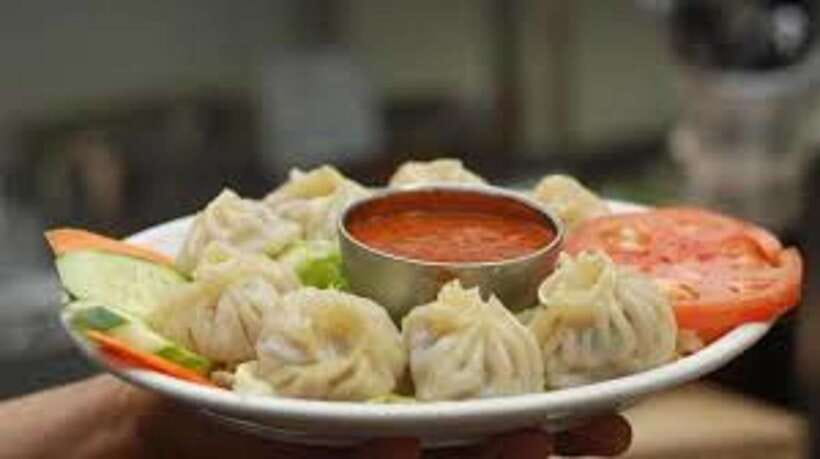
REVIEW · COOKING CLASSES
Pokhara: 3 Hour MoMo cooking class
Momos are Nepal’s tastiest lesson. This three-hour class gives you a hands-on way to learn the country’s favorite dumpling, from mixing dough to shaping several styles and making dipping sauces. I especially like the private-group format and the fact that you prepare the filling, wrappers, sauces, and final meal yourself. The hotel pickup within Pokhara’s Lakeside area also keeps the outing simple.
The main consideration is that this is a practical cooking class, not a broad cultural tour of Pokhara. You will spend most of the time at a local café, and the class is not suitable for people with mobility impairments. Also, one participant noted that repeated requests for a rating became distracting, though that did not affect the cooking itself.
In This Review
- Key points before you book
- Why making momos is a smart Pokhara activity
- The 10-minute welcome and momo introduction
- Preparing the filling in 40 minutes
- Making and resting the dough for 30 minutes
- Rolling wrappers and learning three folding styles
- Steaming, and possibly frying, the finished momos
- Making dipping sauces from scratch
- The final 15-minute tasting
- Is $29 a fair price?
- Who will enjoy this class most?
- Booking details that matter
- Should you book the Pokhara MoMo cooking class?
- FAQ
- How long does the momo cooking class last?
- Where does the class take place?
- Is hotel pickup included?
- Which languages does the instructor speak?
- Can I choose the momo filling?
- Are cooking materials included?
- Is a drink included?
- Can I cancel the booking?
Key points before you book

- Three momo styles to practice: You learn several folding methods, including traditional pleats and a crescent-moon shape.
- Private and hands-on: Small private groups mean you do the work instead of watching a chef cook from across the room.
- Pickup from Lakeside: Hotel pickup and drop-off are included within the Lakeside area of Pokhara.
- Vegetarian, chicken, or meat filling: You can choose the filling style used in your class.
- Sauces are part of the lesson: You prepare dipping sauces, including spicy, mild, and soy-based options.
- A full meal at the end: Your cooking finishes with steamed momos, and some sessions may also include fried momos.
Why making momos is a smart Pokhara activity
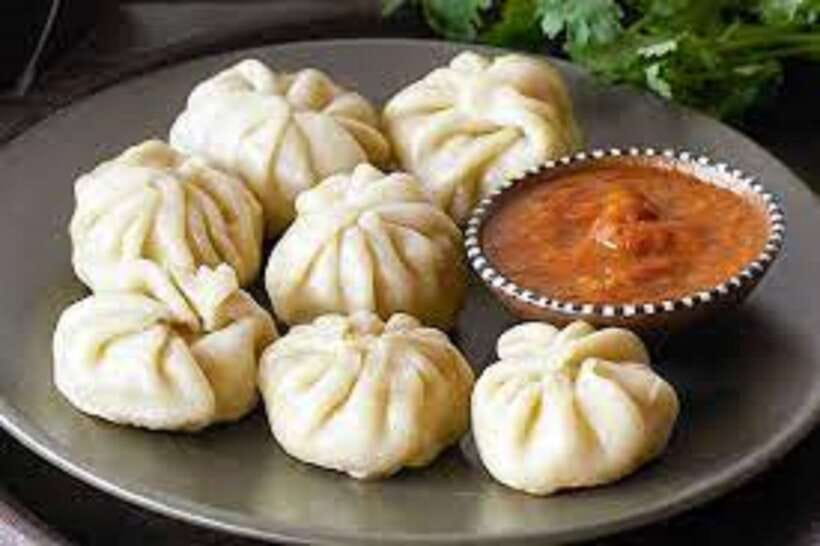
Pokhara is often used as a base for mountain walks and outdoor trips, but a cooking class gives you a slower afternoon activity. It is especially useful on a rainy day, since the class runs rain or shine. You leave with a meal, a basic recipe, and a skill you can try again at home.
Momos are simple in appearance but surprisingly fiddly to make well. The dough needs the right texture, the filling must not be too wet, and the wrapper has to be thin without tearing. Folding is its own small art. Some pieces may look tidy, while others look like they survived a minor kitchen accident. That is part of the fun.
I like that the class does not stop at a demonstration. You make your own filling and dough, roll the wrappers, shape the dumplings, prepare sauces, and cook the final batch. For a food class lasting three hours, that gives you a good amount of active time.
The setting is a local café, identified in the class details as Café Nirvana. Pickup is provided from hotels in the Lakeside area, and the short transfer means you do not need to arrange a taxi just for this activity. You should still bring a passport or other ID and leave large luggage behind.
More Cooking Classes in Pokhara
- Nepalese Momos or Dal Bhat Cooking Class (Cook with Delight)
★ 5.0 · 99 reviews - Nepalese Kitchen in Pokhara: Momos or Dal Bhat Cooking Class
★ 5.0 · 67 reviews - MoMo or Dal Bhat Cooking Class at Aama Kitchen in Pokhara
★ 4.9 · 28 reviews
The 10-minute welcome and momo introduction
The class begins with a short welcome and introduction. The instructor explains what momos are, how they fit into Nepalese food culture, and which ingredients and tools you will use.
This opening is brief, which is a good choice. You get enough context to understand the dish without losing valuable cooking time. If you are new to Nepalese food, this is where you learn the basic difference between the wrapper, the filling, the steam, and the dipping sauce.
The instructors speak English and Hindi. That makes the class accessible to many international visitors, although the provided information does not list other teaching languages. Because the group is private, you can ask questions at a natural pace instead of trying to catch the instructor’s attention in a crowded class.
I would use this time to say what kind of filling you prefer. Vegetarian, chicken, and meat options are available, but you should confirm your choice at the start. If you have food restrictions or strong dislikes, make them clear before ingredients are prepared.
Preparing the filling in 40 minutes
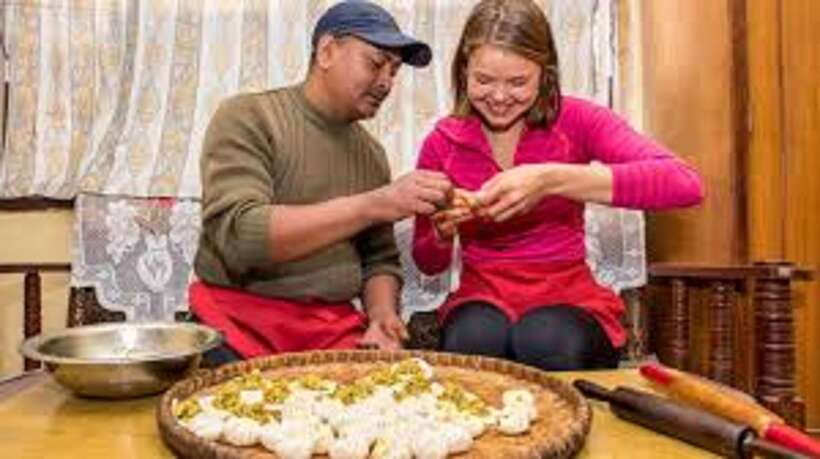
The filling session is one of the most useful parts of the class. You receive an explanation of the available filling choices, then help prepare the ingredients and mix your own filling.
This stage teaches an important lesson: a momo is only as good as what goes inside it. The filling must have enough flavor to carry the dumpling, but it also needs the right moisture level for folding and steaming. Too much liquid can weaken the wrapper. Too little can leave the finished momo dry.
You should expect a demonstration first, followed by hands-on work. The point is not simply to copy a recipe. You learn how the ingredients come together and how to prepare a filling that will sit neatly inside a small wrapper.
The vegetarian option is a particularly good choice if you want to focus on technique rather than a specific meat recipe. The class information also allows chicken or meat, so you can select the version that best suits your eating habits.
One useful advantage of making your own filling is that you can see its texture before it goes into the dough. At home, this helps you adjust the recipe. You may decide that you prefer a finer mixture, a stronger spice level, or a different balance between filling and wrapper.
Making and resting the dough for 30 minutes
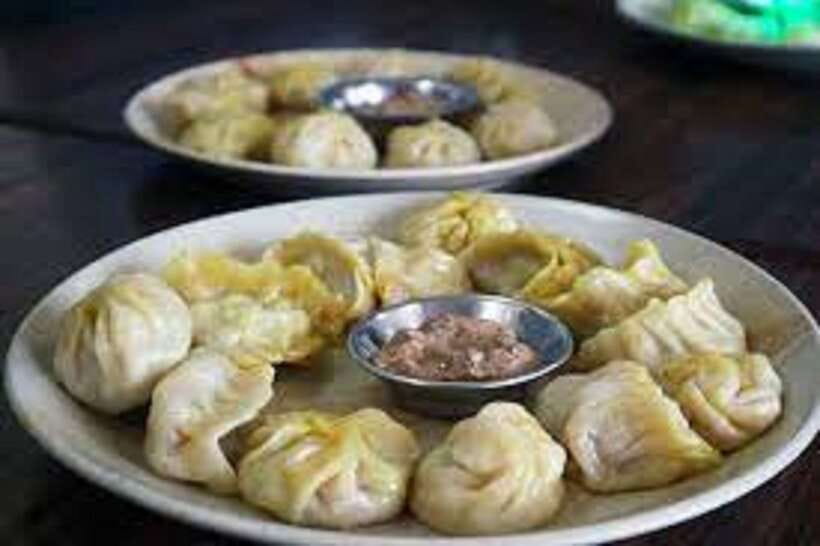
Next comes the wrapper. The instructor explains the dough ingredients and why each one matters, then shows you how to knead it.
This can look easy until you try it. Dough that is too stiff makes rolling difficult. Dough that is too soft may stick or tear. The class gives you time to work through that difference rather than handing you ready-made wrappers.
After kneading, the dough rests for a few minutes. That pause matters because it makes the dough easier to roll. It is also a useful reminder that good cooking often includes waiting. You cannot rush every step just because you are hungry.
The class provides all momo cooking materials, so you do not need to carry special equipment. You should bring only your ID and perhaps a small personal bag. Large bags and luggage are not allowed, which makes sense in a compact café kitchen.
I like this stage because it turns momos from a restaurant dish into something you can repeat at home. You learn the basic structure of the recipe, not just the final appearance. The class does not promise that you will become a master cook in one afternoon, but it gives you a workable method.
A completely different way to spend the day:
- ZipFlyer Nepal – The World’s Steepest Zip-line
★ 5.0 · 608 reviews - Bungee Pokhara by HighGround Adventures
★ 5.0 · 366 reviews - From Pokhara: Sarangkot Sunrise Himalayas Tour
★ 4.7 · 218 reviews - ATV Adventure Tour in Pokhara, Nepal
★ 5.0 · 194 reviews
Rolling wrappers and learning three folding styles
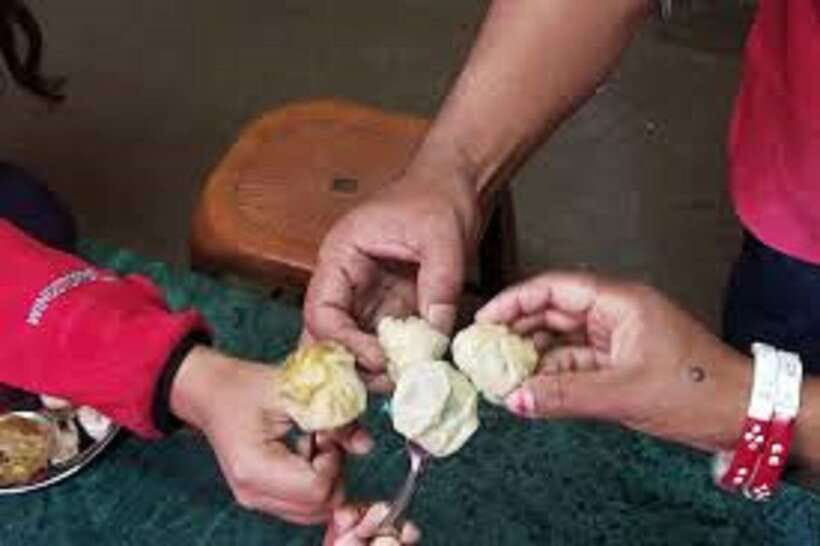
The 40-minute rolling and shaping session is likely to be the most playful part of the class. First, the instructor demonstrates how to roll each wrapper to the right thickness. Then you practice shaping momos in different forms.
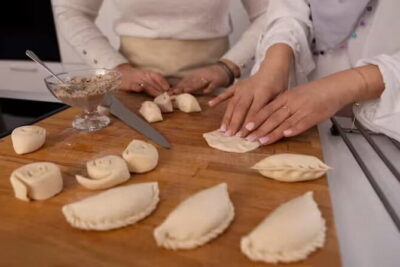
The traditional pleat is the shape most people picture when they think of a momo. It also takes practice. You need to seal the wrapper while keeping the filling inside, and your fingers have to work in a steady rhythm. The crescent-moon shape gives you another option and may feel easier once you understand how the edges join.
One recent class format taught three folding techniques. That variety is valuable because you are not stuck repeating one shape for the entire session. You can compare the methods and decide which one you would use at home.
Do not expect every dumpling to look like the instructor’s. One of the pleasures of this class is seeing your shapes improve from one momo to the next. Even the less tidy pieces can taste excellent once steamed.
This is also where the private-group setup matters most. In a large class, you might spend much of the session waiting for help. A private group allows the instructor to correct your folding technique and answer questions as you work. One couple had a particularly interactive session because they were the only two participants at the time.
Steaming, and possibly frying, the finished momos
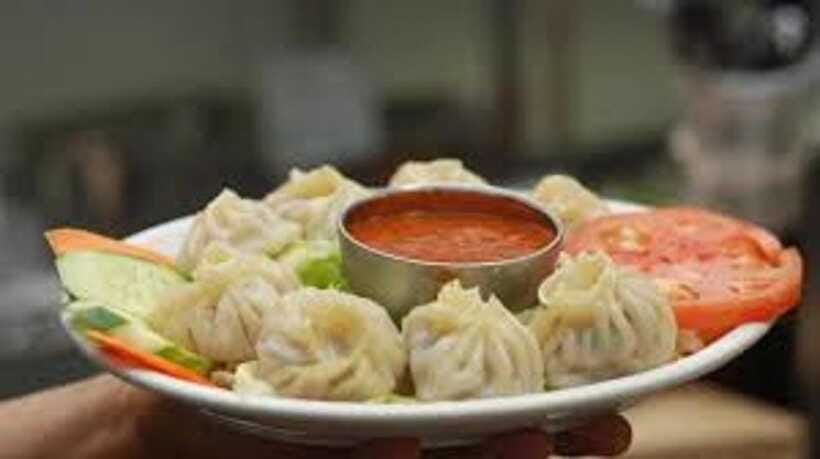
Once your momos are shaped, the instructor explains how steaming cooks the dough and filling together. You learn how to set up the steamer and how to prepare it before the momos go in.
Steaming is central to the class because it produces tender wrappers and keeps the filling moist. The dumplings need enough time to cook fully, so you will wait while they steam rather than eating immediately after folding.
A glass of cold drink is included for each person. Additional food and drinks are available for purchase, but the cooking materials and the momos you make are included in the activity price.
The formal class plan focuses on steaming, but one session also prepared some momos fried as well as steamed. If that option matters to you, ask the instructor at the beginning if fried momos will be part of your class. It may depend on the café’s arrangement and the day’s menu.
Trying both methods is useful. Steamed momos show off the wrapper and filling, while fried momos offer a firmer, crispier finish. You should not assume both methods are guaranteed, but the class has included them.
Making dipping sauces from scratch
The sauce lesson lasts about 15 minutes and adds more value than its short timing suggests. You are introduced to several sauce styles, including spicy, mild, and soy-based options, then prepare your own sauces.
Momos are rarely served alone. The sauce changes the character of each bite, and making it yourself helps you understand how the dumpling is meant to be eaten. You can keep one sauce mild and make another hotter, giving everyone at the table a choice.
This is a good part of the class for anyone who does not eat meat, since the sauces help keep a vegetarian plate interesting. It is also useful if you enjoy adapting recipes. At home, you can adjust the heat and flavor to suit your family instead of relying on one fixed dipping sauce.
The activity includes two different sauces in at least one class format. That gives you something to compare as you taste the finished momos. The sauce preparation also breaks up the dough work, so the three hours do not feel like one long repetition of folding dumplings.
The final 15-minute tasting
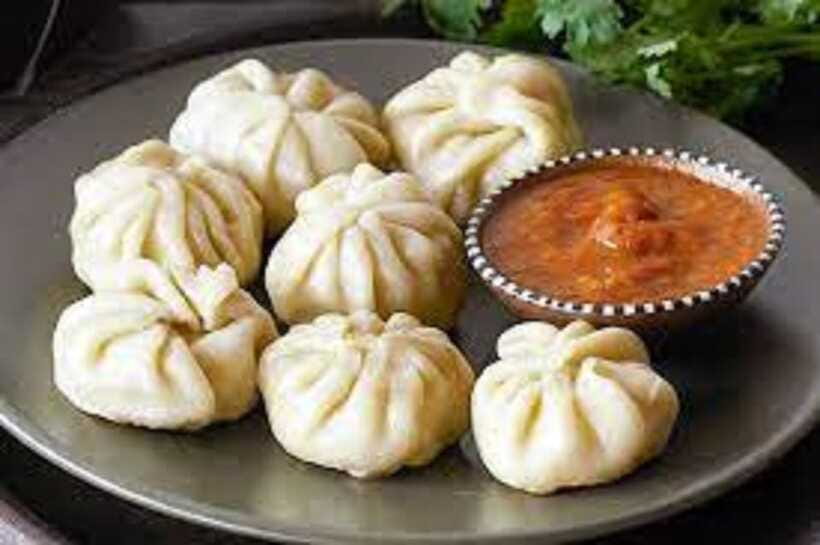
The last food stage is the reward: everyone sits down to eat the momos they prepared. The instructor gives feedback and answers questions while you taste the dumplings with the sauces.
This shared meal is what makes the class feel complete. You do not simply pack up your work and leave. You see how the filling, wrapper, cooking method, and sauce work together.
The tasting also gives you a chance to judge your technique. If a wrapper is too thick, you will notice it. If the filling needs more seasoning, the sauce may show you what is missing. Those small lessons are more useful than a polished restaurant plate because you made the mistakes yourself.
The class ends with a short question-and-answer period and a recap of the main steps. Use it to ask about dough, filling choices, folding, or steaming. If you hope to repeat the recipe at home, this is the best time to clarify anything you found difficult.
Is $29 a fair price?

At $29 per person, the class is reasonably priced for a three-hour private activity with hotel pickup and drop-off within Lakeside. The price includes the cooking materials, the food you prepare, and one cold drink.
The value comes from the amount of participation. You are not paying only for a plate of momos. You receive instruction in dough making, filling preparation, several folding styles, steaming, and sauces. The private-group arrangement also makes the fee more attractive if you are sharing it with a partner, family member, or small group.
You should remember that extra food and drinks are not included. The class details say these are available for purchase, so the $29 price should be viewed as the base cost rather than an all-inclusive café bill.
Compared with a standard restaurant meal, this costs more. Compared with a three-hour private cooking lesson that includes transport and a full meal, it offers solid value. I would book it for the activity and the skill, not simply for the amount of food.
Who will enjoy this class most?
This class suits you if you like hands-on activities, local food, and small-group instruction. It is a good choice for couples, families with older children, and friends who want an easy afternoon in Pokhara rather than another sightseeing stop.
It also works well for a rainy day because it operates in all weather. The class is not suitable for people with mobility impairments, and the cooking work may involve standing and moving around the café. Large luggage is not allowed, so plan to leave your main bags at your hotel.
I would also recommend it if momos are new to you. The instructor explains each stage in order, and the private format gives you space to ask basic questions without feeling rushed.
You may want to skip it if you have little interest in cooking or if you want a tour focused on Pokhara’s sights. This is a food workshop first. The cultural introduction is short, and most of the three hours are devoted to preparing and eating dumplings.
Booking details that matter
Pickup is included from the Lakeside area of Pokhara, with return transportation afterward. If your hotel is outside Lakeside, confirm the pickup area before booking.
The class lasts three hours, but starting times depend on availability. It is led in English or Hindi, and the group is private.
You can cancel up to 24 hours before the activity for a full refund. A reserve-now, pay-later option is also available, which helps if your Pokhara schedule depends on weather or trekking plans. Bring a passport or ID card, and do not bring luggage or large bags.
Should you book the Pokhara MoMo cooking class?
I would book this class if you want a relaxed, practical taste of Nepal rather than another sightseeing excursion. The strongest reasons are the private instruction, the chance to practice three folding styles, and the fact that you make almost every part of the meal yourself.
The class is not perfect for everyone. The cultural introduction is short, extra food and drinks cost more, and people with mobility limitations should choose another activity. Still, at $29, it gives you three hours of cooking, a filling meal, hotel pickup in Lakeside, and a recipe you can try again after Nepal.
If you leave Pokhara craving momos, this is a good way to turn that craving into a useful skill.
FAQ
How long does the momo cooking class last?
The class lasts three hours, including the introduction, preparation, cooking, tasting, and final questions.
Where does the class take place?
The cooking session takes place at a local café in Pokhara. One named venue associated with the experience is Café Nirvana.
Is hotel pickup included?
Yes. Pickup and drop-off are included for hotels within the Lakeside area of Pokhara.
Which languages does the instructor speak?
The class is available in English and Hindi.
Can I choose the momo filling?
Yes. The available filling choices are vegetarian, chicken, or meat.
Are cooking materials included?
Yes. All momo cooking materials are included in the price.
Is a drink included?
Each person receives one glass of cold drink. Additional food and drinks are available for purchase.
Can I cancel the booking?
Yes. You can cancel up to 24 hours in advance for a full refund. A reserve-now, pay-later option is also available.
New in the Pokhara listings
- Pokhara: Pokhara Highlights Tour by Bus★ 3.6 · 10 reviews
- Discover Pokhara in Style: Private Vehicle Service with Driver★ 5.0 · 5 reviews
- Multi-Day Tour from Pokhara, Poon Hill and Mulde Trek★ 5.0 · 1 review
- Pokhara in 5 Hours: Lake, Museum, Cave, Falls & Pagoda Hill★ 4.5 · 16 reviews
- Private 4 Day Poon Hill Trek from Pokhara★ 5.0 · 16 reviews
- 4 Day Mardi Himal Base Camp Trek from Pokhara★ 5.0 · 18 reviews
- From Pokhara Full Day Entire Pokhara Tour with Guide★ 5.0 · 1 review
- Ultralight Flight: Into The Heart Of The Mountains (90 min)★ 5.0 · 1 review
Cooking Classes, compared.
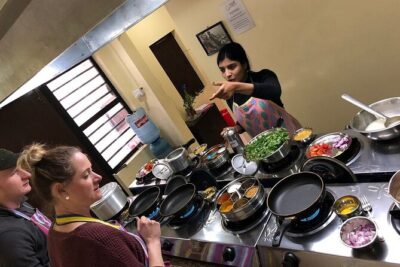

Nepalese Momos or Dal Bhat Cooking Class (Cook with Delight)
Read our review →
The best Private Nepali Cooking Class in Kathmandu
Read our review →
Nepalese Kitchen in Pokhara: Momos or Dal Bhat Cooking Class
Read our review →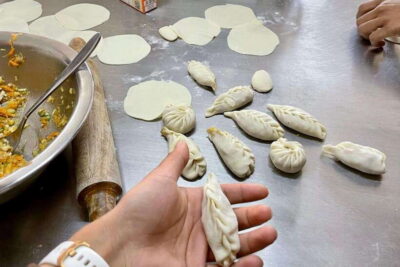
Browse the lists this tour appears in