
REVIEW · COOKING CLASSES
Pokhara: Nepali Cooking Class and Momo Making Workshop
Bring your appetite and your curiosity. This three-hour Pokhara cooking class gives you a friendly way to understand Nepali food from the inside, with a local Aama chef teaching you in a family kitchen. I like the hands-on work with momos and dal bhat, and I especially like that your hotel pickup, ingredients, equipment, tea, and finished meal are included. The main consideration is food safety and allergies: the class is not suitable for people with food allergies, and you should share dietary restrictions before booking.
You can choose between dal bhat, Nepal’s everyday rice and lentil meal, and momo, the beloved filled dumpling. I also like the small-group size, limited to eight people, since cooking is easier when you can see the teacher’s hands and get help with folding, chopping, and seasoning.
In This Review
- Key Points at a Glance
- Why This Pokhara Cooking Class Works So Well
- Hotel Pickup Makes the Start Simple
- A Local Market Visit Adds Context
- Inside the Traditional Kitchen With an Aama
- Making Momo, Nepal’s Favorite Dumpling
- Dal Bhat Shows You How Nepali Meals Fit Together
- Masala Tea and the Meal You Prepare
- The Personal Touches Make It Memorable
- Who Should Book This Activity?
- Price, Flexibility, and Practical Value
- Final Verdict: A Strong Food Experience in Pokhara
- FAQ
- How long does the Pokhara cooking class last?
- What dishes can I learn to cook?
- Is hotel transportation included?
- Is the class suitable for beginners?
- Is the cooking class wheelchair accessible?
- Can people with food allergies join?
Key Points at a Glance
- Choose your main dish: Learn either dal bhat or chicken and vegetarian momo, with other curries and accompaniments included as part of the cooking session.
- Cook in a family setting: The Aama chef teaches inside a traditional home kitchen, with the wider family often helping welcome and guide you.
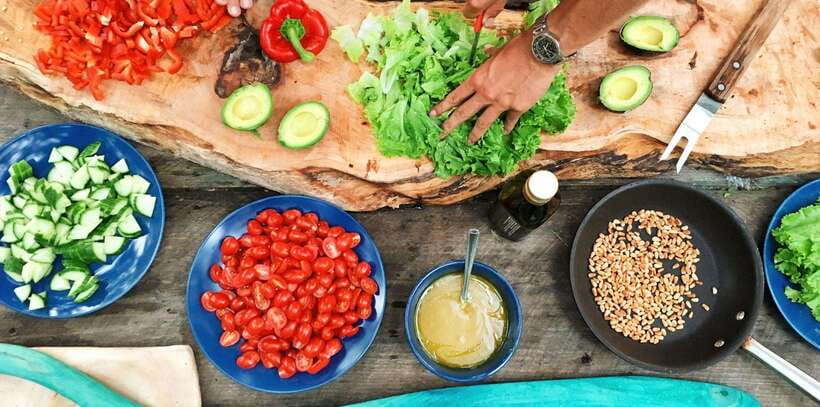
- Shop for fresh ingredients: The experience can include a local market visit to select vegetables, spices, and meat for the meal.
- Enjoy what you make: Your class ends with a full tasting session, Nepali masala tea, and a meal made by your own hands.
- Expect personal touches: Some participants have received a printed certificate, tika on the forehead, or a scarf at the end.
- Keep the group manageable: With no more than eight participants, you get a more direct lesson than in a large demonstration class.
Why This Pokhara Cooking Class Works So Well
Food is one of the quickest ways to get past the tourist surface of a place. In Pokhara, you can eat dal bhat and momos in many restaurants, but a cooking lesson shows you how these foods fit into daily Nepali life.
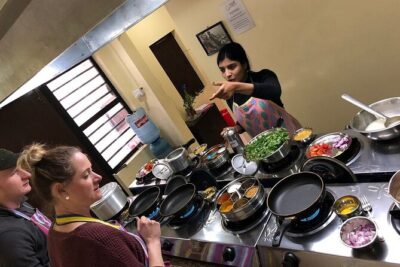
The setting matters. You are not simply watching a chef prepare a plate behind glass. You enter a local home kitchen, meet an Aama, and work through the steps with a family. The word Aama means mother, and here it reflects the warm, practical role of the woman leading the kitchen.
I would choose this activity when you want a break from sightseeing but still want to learn something useful. The three-hour length fits neatly into a morning or afternoon, and the included pickup and drop-off make it easier to fit into a busy Pokhara schedule.
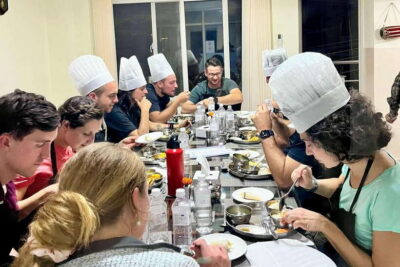
The small group is another real advantage. Eight people is still enough for shared fun, but it is not so large that you lose the teacher’s instructions. If you are new to cooking, you can ask for help without feeling rushed. If you already cook often, you can focus on local techniques, spice combinations, and the finer points of shaping momo.
More Cooking Classes in Pokhara
- Nepalese Momos or Dal Bhat Cooking Class (Cook with Delight)
★ 5.0 · 99 reviews - Nepalese Kitchen in Pokhara: Momos or Dal Bhat Cooking Class
★ 5.0 · 67 reviews - MoMo or Dal Bhat Cooking Class at Aama Kitchen in Pokhara
★ 4.9 · 28 reviews
Hotel Pickup Makes the Start Simple
The class includes pickup from your Pokhara hotel. You should provide the correct accommodation details and look for the driver holding a card with your name.
This is useful in Pokhara, where accommodation can be spread across different parts of town. It also removes one small task from your day. You do not need to find the family kitchen on your own, and drop-off is included at the end.
The exact start time depends on availability, so check the schedule before you commit your afternoon or morning. Wear comfortable clothing and shoes that you do not mind using in a kitchen. Cooking involves movement, handling ingredients, and working near hot surfaces, so this is not the moment for restrictive clothes or delicate footwear.
One practical point: the class is wheelchair accessible, but you should still share any mobility needs when arranging the booking. That gives the host a chance to prepare properly.
A Local Market Visit Adds Context
The experience may begin with a trip to a local market to select ingredients. You can help choose vegetables, spices, and meat before heading to the kitchen.
This is more than a shopping stop. It helps you see what goes into a Nepali meal before the cooking starts. You get a chance to notice the ingredients in their raw form, then understand how they change through chopping, grinding, seasoning, steaming, or simmering.
The market portion is also where you can ask questions about the food you are about to prepare. If you choose momo, you may be selecting ingredients for chicken or vegetarian filling. If you choose dal bhat, you can see the basic building blocks of a meal that many Nepali families eat regularly.
The supplied schedule places the main cooking class at three hours, but it does not give a separate length for the market visit. Keep your plans flexible around the full activity rather than booking a tight appointment immediately afterward.
Inside the Traditional Kitchen With an Aama
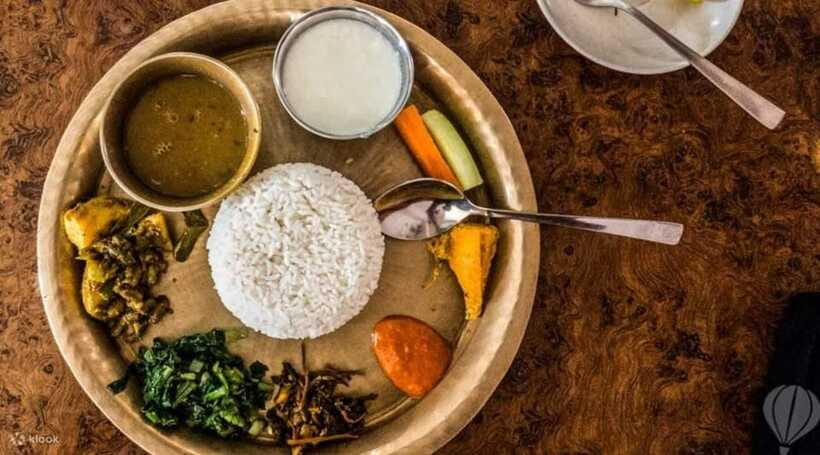
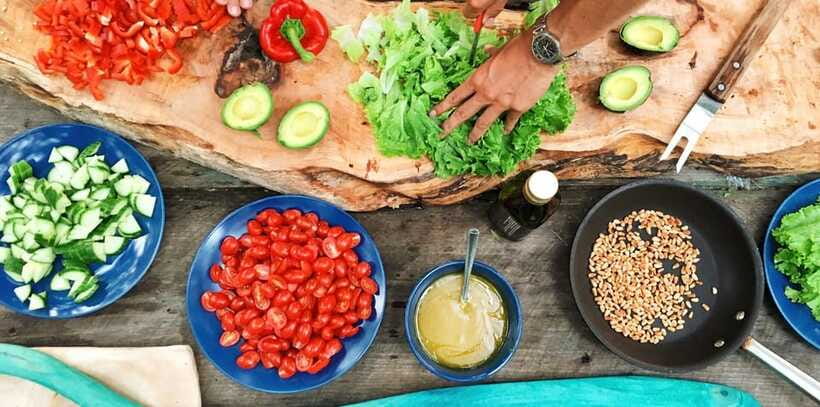
The heart of the activity is the home kitchen. You are greeted with the smell of spices and introduced to the cooking process step by step.
The Aama chef instructor teaches in English. That matters because cooking depends on small details: how finely to chop, how much spice to add, how wet a filling should be, and how to tell when food is ready. Clear instructions make the lesson useful after you leave Nepal.
The family approach is one of the strongest parts of this activity. The teaching family has included the mother, father, and children, creating a setting that feels more personal than a formal culinary school. The mother has been praised for speaking very good English, teaching patiently, and handling the food with confidence.
That warmth can make a difference if you are nervous about cooking in an unfamiliar kitchen. You are not expected to arrive as an expert. The class suits beginners, yet experienced cooks still have room to ask about local methods and ingredients.
You should also understand that a family kitchen is not the same as a polished restaurant kitchen. The appeal is its everyday character, not a showy professional setup. If you want a formal chef demonstration with strict presentation standards, this may feel relaxed. If you want contact with a local household, that informality is exactly the point.
A completely different way to spend the day:
- ZipFlyer Nepal – The World’s Steepest Zip-line
★ 5.0 · 608 reviews - Bungee Pokhara by HighGround Adventures
★ 5.0 · 366 reviews - From Pokhara: Sarangkot Sunrise Himalayas Tour
★ 4.7 · 218 reviews - ATV Adventure Tour in Pokhara, Nepal
★ 5.0 · 194 reviews
Making Momo, Nepal’s Favorite Dumpling
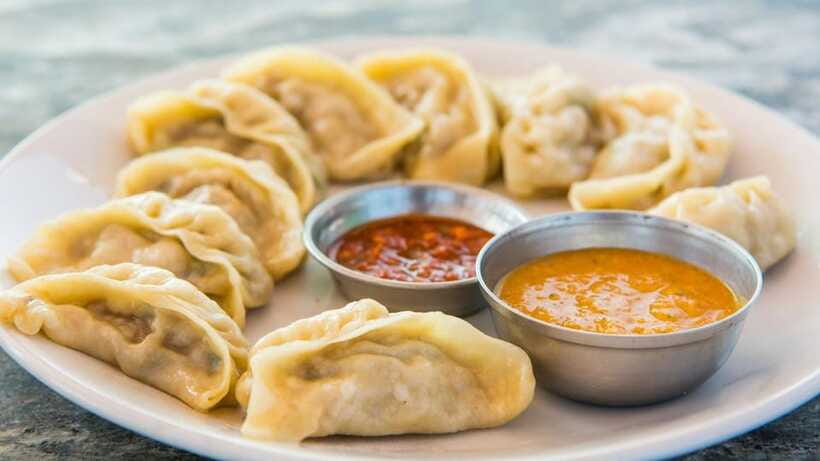
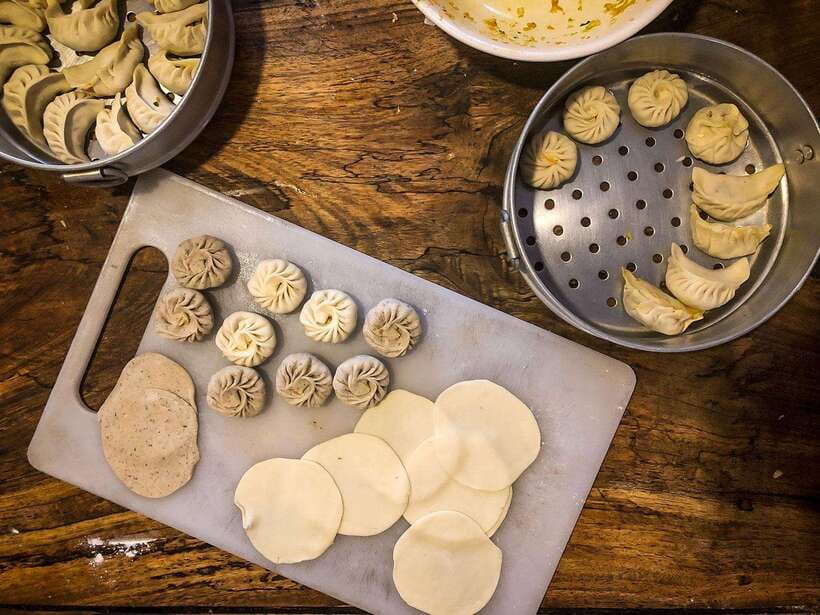
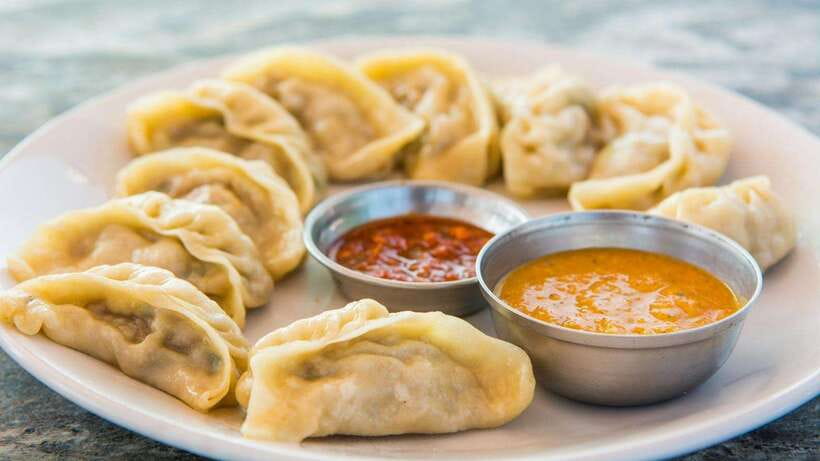
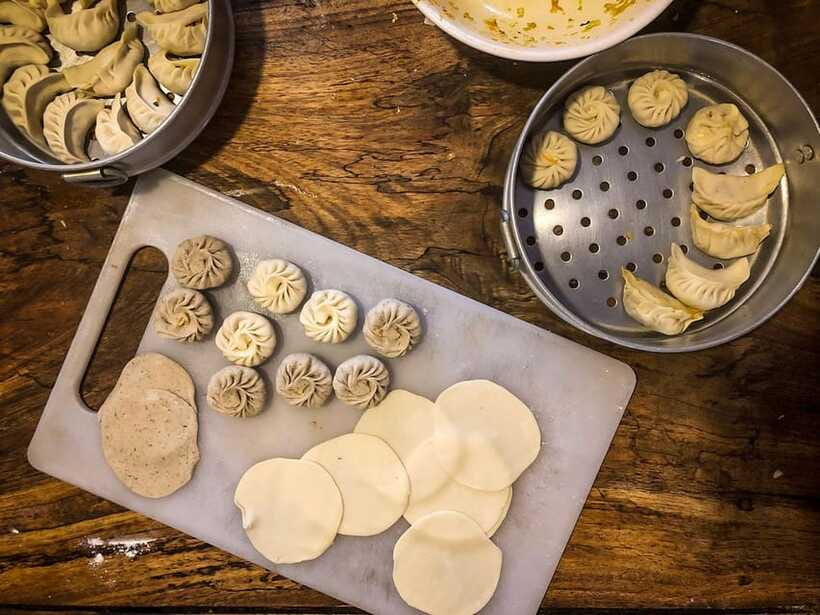
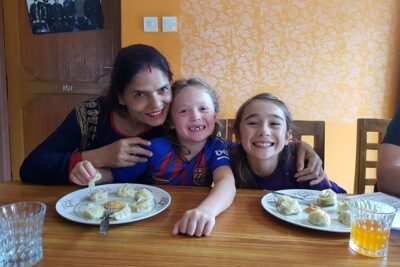
The momo option is likely the most playful choice. You can prepare dumplings with either chicken or vegetarian filling, then learn how to shape them before cooking.
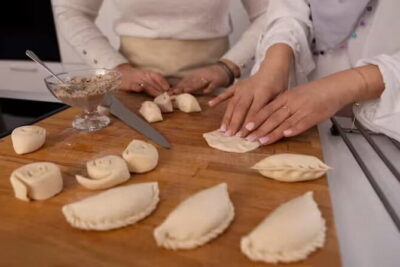
The folding is the part that takes patience. Your first momo may not look like the teacher’s, and that is fine. The family instructor can show you how to seal the wrapper and keep the filling inside. By the end, you should have a better sense of how much filling to use and how to form a dumpling that will hold together.
Momo also gives you a direct connection to a food you will see all over Nepal. Restaurants often make the process look effortless, but doing it yourself reveals the handwork behind each piece.
The class can include a flavorful pickle or achar to serve with the dumplings. That accompaniment matters because momo is not just a plain dumpling. The filling, wrapper, and spicy or tangy side sauce work together.
Choose vegetarian momo if that better suits your diet, but do not assume every restriction can be handled automatically. You must tell the organizer about dietary needs in advance. The activity is specifically not suitable for people with food allergies, so anyone with a serious allergy should avoid booking it.
Dal Bhat Shows You How Nepali Meals Fit Together
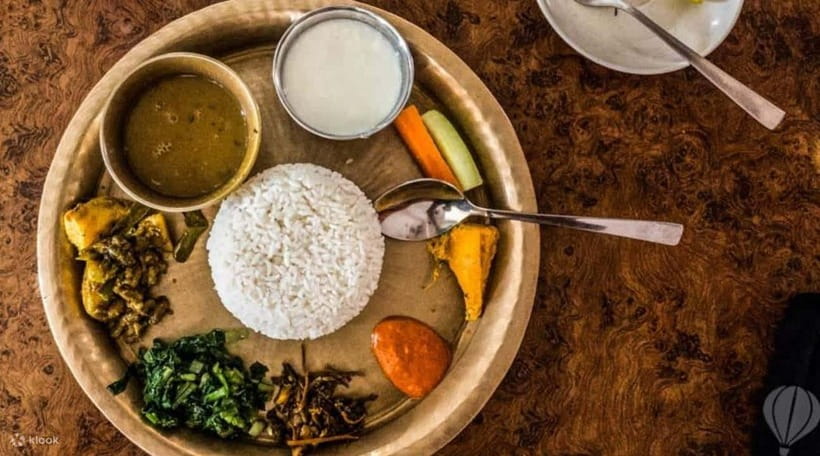
Dal bhat is the other main choice. It combines lentil soup and rice, often with curry and additional sides. It is a simple description for a meal with a lot of everyday importance.
I recommend dal bhat if you want to understand Nepali home cooking rather than focus only on one snack. You learn how separate parts of a meal come together: rice, lentils, vegetables, spices, and curry. The result is filling, balanced, and closely connected to daily dining in Nepal.
One participant changed plans and switched to the dal bhat class at short notice, with the change handled smoothly. That suggests you may have some flexibility, but you should still confirm your preferred dish before the session begins.
The class may also include extra curries and flavorful side dishes. The exact menu can vary, so do not expect a fixed restaurant-style list. The point is to learn the methods and taste the food as it comes together.
Masala Tea and the Meal You Prepare
Nepali masala tea is served during the lesson. It gives you a warm pause between cooking tasks and adds another small piece of local food culture.
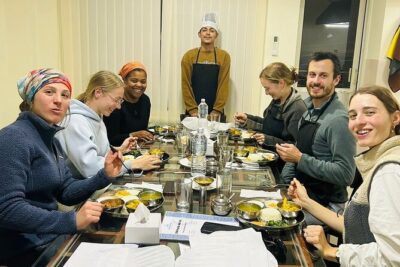
At the end, you sit down to eat the dishes you prepared. This is where the class earns its value. You are not carrying home a recipe sheet after watching someone else cook. You taste the results of your chopping, shaping, seasoning, and teamwork.
The meal is included, along with all cooking ingredients and equipment. That makes the $42 price easier to assess. You are paying for transport, instruction, food, equipment, a cultural exchange, and a prepared meal, not just a single cooking demonstration.
The value is strongest if you enjoy participation. If you only want a quick meal, a local restaurant will cost less and take less time. But if you want a three-hour activity that combines food, conversation, and practical skills, the price is fair for a small group.
Alcoholic drinks are not included. Nepali masala tea is included, and you should plan to purchase any other drinks yourself if needed.
The Personal Touches Make It Memorable
The family running the class has added thoughtful extras for some participants. These have included a printed certificate of completion, tika placed on the forehead, and even a scarf.
These gestures are not the reason to book the class, but they help give the experience a clear ending. A certificate can be a fun reminder of the lesson, especially for children or first-time cooks. Tika adds a cultural touch, though you should feel free to ask questions if you do not know what is happening.
The family has also helped with small comforts, such as providing tea or a soft drink. That kind of care fits the home-based nature of the activity.
The location can also work well for your wider Pokhara plans. One account places the kitchen near an area where you can walk through Lakeside and stop by the lake afterward. If your hotel is farther away, taxi transport back can be arranged according to the information provided.
Do not treat the Lakeside walk as a guaranteed part of the class, though. It is best understood as a useful option if the location and your schedule line up.
Who Should Book This Activity?
I would recommend this class to you if you want a friendly, active introduction to Nepali culture. It works especially well for couples, families, solo visitors who enjoy meeting local people, and anyone who likes to learn by doing.
It is also a good choice for a rainy-day plan in Pokhara. Three hours in a kitchen can feel more worthwhile than waiting out bad weather in a café, and you leave with techniques you can try at home.
Beginners should feel comfortable booking. The instruction is step by step, and the family has shown patience with first-time cooks. Experienced cooks may enjoy comparing methods and learning how local spices and fillings are handled.
I would hesitate if you have a serious food allergy. The activity is not suitable for people with food allergies, and a shared home kitchen may not offer the controls you need. You should also think twice if you dislike hands-on activities or prefer to keep your sightseeing schedule tightly timed.
The class is conducted in English, so you need enough English to follow instructions and ask basic questions. The small group, limited to eight people, helps keep communication manageable.
Price, Flexibility, and Practical Value
At $42 per person, this is not the cheapest way to eat in Pokhara. It is also not simply a restaurant meal. The price includes hotel pickup and drop-off, an English-speaking local instructor, all ingredients, equipment, cooking instruction, tea, and the meal you prepare.
That bundle gives the activity good value for someone who wants both food and cultural contact. You are also paying for the time and attention of a small family operation, not just for ingredients.
The booking terms are helpful for changing mountain and sightseeing plans. You can cancel up to 24 hours ahead for a full refund, and the reserve-now, pay-later option lets you hold a place without paying immediately. Check the available starting times before booking, since the class lasts three hours.
Bring a camera if you want photos of the cooking process or your finished plate. Smoking is not allowed indoors, and you should wear comfortable clothing suitable for kitchen work.
Final Verdict: A Strong Food Experience in Pokhara
Book this class if you want to learn how momos or dal bhat are made while spending time with a welcoming Nepali family. The strongest reasons are the patient English instruction, the small group, the included meal, and the personal setting.
Pick momo for a playful lesson with plenty of hands-on shaping. Pick dal bhat if you want a fuller look at the structure of a Nepali meal. If you have food allergies, skip this activity and choose a dining option that can better control ingredients and cross-contact.
For most people, $42 buys more than lunch. It buys a useful food lesson, a family welcome, and a story you can carry into every momo shop and dal bhat plate you encounter afterward.
FAQ
How long does the Pokhara cooking class last?
The cooking class lasts three hours. Check availability for the specific starting times.
What dishes can I learn to cook?
You can choose between dal bhat and momo. Momo is available with chicken or vegetarian filling. The lesson can also include additional curries and flavorful side dishes.
Is hotel transportation included?
Yes. Hotel pickup and drop-off in Pokhara are included. Pickup is arranged using a card with your name.
Is the class suitable for beginners?
Yes. The instructor provides step-by-step instructions, and the class is suitable for both beginners and experienced cooks.
Is the cooking class wheelchair accessible?
Yes, the activity is listed as wheelchair accessible. Share any specific access needs when booking so the arrangements can be confirmed.
Can people with food allergies join?
No. The activity is not suitable for people with food allergies. You should inform the organizer about dietary restrictions in advance.
New in the Pokhara listings
- Pokhara: Pokhara Highlights Tour by Bus★ 3.6 · 10 reviews
- Discover Pokhara in Style: Private Vehicle Service with Driver★ 5.0 · 5 reviews
- Multi-Day Tour from Pokhara, Poon Hill and Mulde Trek★ 5.0 · 1 review
- Pokhara in 5 Hours: Lake, Museum, Cave, Falls & Pagoda Hill★ 4.5 · 16 reviews
- Private 4 Day Poon Hill Trek from Pokhara★ 5.0 · 16 reviews
- 4 Day Mardi Himal Base Camp Trek from Pokhara★ 5.0 · 18 reviews
- From Pokhara Full Day Entire Pokhara Tour with Guide★ 5.0 · 1 review
- Things to do at Pokhara World Peace Stupa tour with Guide★ 5.0 · 2 reviews
Cooking Classes, compared.
Nepalese Momos or Dal Bhat Cooking Class (Cook with Delight)
Read our review →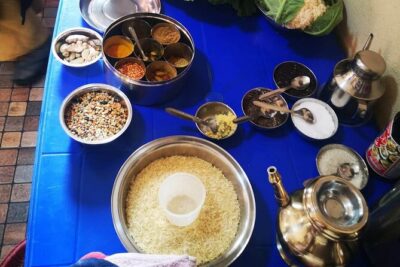
The best Private Nepali Cooking Class in Kathmandu
Read our review →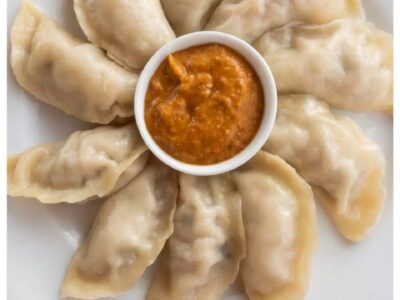
Nepalese Kitchen in Pokhara: Momos or Dal Bhat Cooking Class
Read our review →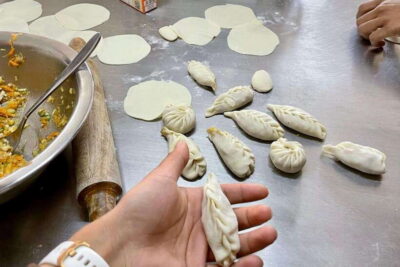
Browse the lists this tour appears in