
REVIEW · ANNAPURNA BASE CAMP TREKS
10 Days Private Guided Annapurna Basecamp Trek via Poon Hill
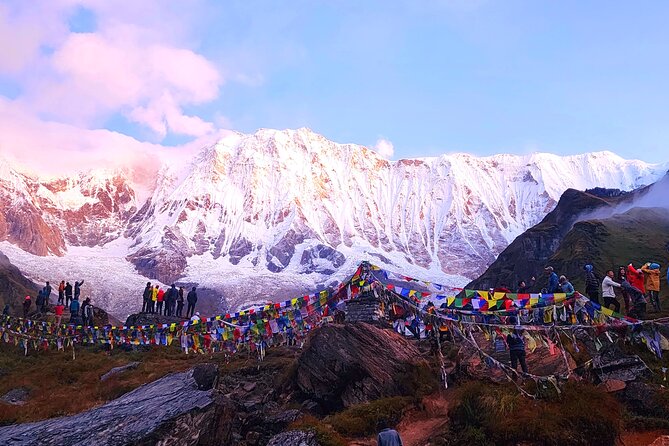
The mountains reward every tired step. This private trek links two of Nepal’s finest walking routes: the sunrise viewpoint at Poon Hill and the high mountain bowl of Annapurna Base Camp. I like the way the route mixes Gurung and Magar villages, stone stairways, bamboo and rhododendron forests, suspension bridges, glaciers, and alpine scenery instead of rushing straight to the destination.
I also like the practical setup. Pickup in Pokhara, trekking poles, meals, and a private guide are included, and the guide can adjust attention to your group rather than following a large crowd. The main caution is physical: the route includes long days, steep stone steps, and an altitude of 4,130 meters at base camp. The price is attractive, but porters, insurance, hot showers, Wi-Fi, hot water, battery charging, and tips cost extra.
In This Review
- Key points at a glance
- Why this route makes sense
- Day 1: Pokhara to Ulleri and the first 3,000 steps
- Day 2: Ulleri to Ghorepani through forest and villages
- Day 3: The early climb to Poon Hill
- Day 4: Toward Chhomrong and the changing trail
- Day 5: Forests, suspension bridges, and Chhomrong Khola
- Day 6: Bamboo forest, Hinku Cave, and Deurali
- Day 7: Reaching Annapurna Base Camp at 4,130 meters
- Day 8: The long descent back to Deurali
- Day 9: Chomrong, Jhinu Danda, and the hot spring
- Day 10: Returning to Pokhara
- What the $800 price really covers
- Who should book this trek?
- Should you book the Annapurna Base Camp trek via Poon Hill?
- FAQ
- How long does the Annapurna Base Camp via Poon Hill trek last?
- What is the price per person?
- What meals are included?
- Are trekking poles provided?
- What fitness level is required?
- Can I cancel for a full refund?
Key points at a glance
- Poon Hill sunrise at 3,210 meters: An early climb brings wide views of the Annapurna range, with tea and coffee available at the viewpoint.
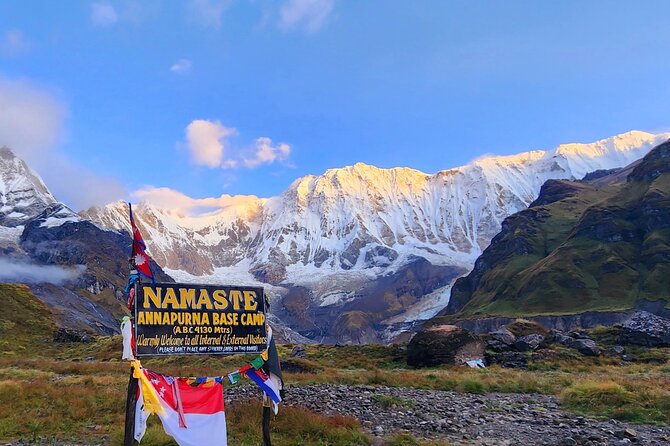
- Annapurna Base Camp at 4,130 meters: The final mountain bowl is surrounded by eight snow-capped peaks, including Annapurna I and Fishtail.
- Private trekking format: Only your group participates, making it easier to walk at your own pace and ask questions along the way.
- Ten days from Pokhara and back: The itinerary includes road transfers, nine breakfasts, ten lunches, and ten dinners.
- Jhinu Danda hot spring: A one-hour visit by the Modi Khola river gives your legs a welcome rest near the end.
- Strong guide service: Past guests have singled out guides including Lalit and Kajidai for care, patience, planning, and help on the trail.
Why this route makes sense
The clever part of this itinerary is the order. You first walk through the lower hills and reach Poon Hill, then continue toward Annapurna Base Camp. Poon Hill gives you a memorable mountain introduction before the route gets higher and more demanding.
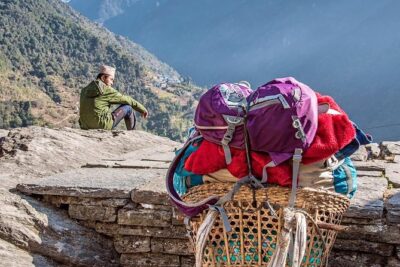
The trek is not only about mountain photographs. You pass through working villages, terraced fields, forest paths, and teahouse settlements. Those details give the route a human scale. You see how the trail connects communities, not just how it leads to a famous viewpoint.
Spring is especially appealing here. Rhododendron forests can add strong color to the route, while clear skies may frame the peaks sharply. Weather in the mountains can still change, so treat the views as a gift rather than a guarantee.
At the same time, do not mistake a private trip for an easy trip. You still face hundreds of stone steps, steep climbs, long downhill sections, and thin air near base camp. A moderate level of fitness is required, and you should be comfortable walking for several hours on uneven mountain paths.
More Annapurna Base Camp treks:
- Kathmandu/Pokhara: 5-Day Annapurna Base Camp (ABC) Trek
★ 4.9 · 72 reviews - Private 7 – Day Annapurna Base Camp Trekking
★ 5.0 · 50 reviews - Annapurna Base Camp Trek (8 days)
★ 5.0 · 45 reviews
Day 1: Pokhara to Ulleri and the first 3,000 steps
The journey begins with a drive from your hotel in Pokhara to Nayapul, taking about two hours. From Nayapul, you start walking toward Ulleri, with the full day taking around six hours.
The challenge arrives quickly: the route includes more than 3,000 stone steps. This is a useful early warning about the trek’s character. The trail is scenic, but it asks for steady effort from the first day.
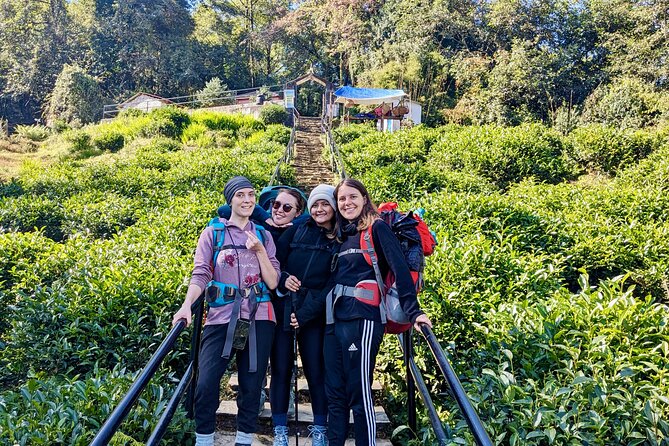
Ulleri is rewarding because the hard climb gives you an immediate sense of progress. You are already moving through traditional villages and hill country rather than spending the day on a road. Use this day to settle into a slow pace, drink regularly, and avoid trying to impress anyone with speed.
The road transfer is included, which keeps the trip practical. You do not have to arrange a separate vehicle from Pokhara or work out the trailhead on your own.
Day 2: Ulleri to Ghorepani through forest and villages
After breakfast, the walk to Ghorepani takes about six to seven hours. You continue up stone steps toward Ulleri, then the path becomes easier to manage as you enter a more relaxed section of trail.
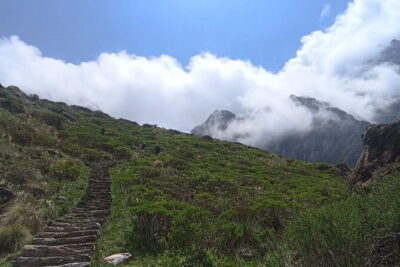
The route passes local villages, forests, and mountain scenery. Bamboo and rhododendron are important features along this part of the walk, especially in spring when the rhododendron woods may be in bloom.
Ghorepani is one of the best-positioned stops on the route because it sets up the next morning’s Poon Hill climb. The drawback is that this is another long walking day after the demanding first day. You may be tired before the main sunrise outing has even begun.
That is where a private guide can help. The strongest praise associated with this trip focuses on care and flexibility. One past guest specifically appreciated a guide who adjusted to a slower pace and a late start. That kind of patience matters more than a fast walking time.
Day 3: The early climb to Poon Hill
The Poon Hill morning starts early. From Ghorepani, the walk to the viewpoint takes about 1.5 hours, with sunrise expected between 5:15 and 6:15 am.
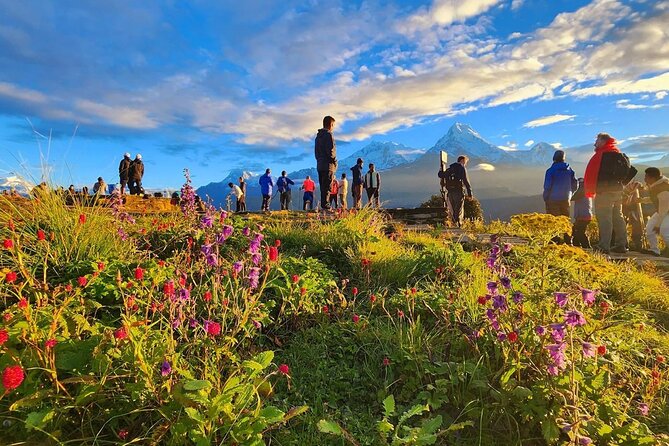
This is the photographic high point of the first half of the trip. From 3,210 meters, you may see the Annapurna range lit by the rising sun. A warm cup of tea or coffee is available at the hill, a small comfort after the pre-dawn climb.
The climb is short compared with the full trekking days, but the early start makes it feel serious. Bring warm layers and keep your expectations sensible. Mountain sunrise times depend on the season and conditions, and clouds can block part of the view.
After Poon Hill, you continue through the Ghorepani area for a total day of about seven hours. This creates a full morning and afternoon, not simply a quick viewpoint visit. You get the famous sunrise, then keep moving toward the main Annapurna Base Camp route.
More Poon Hill treks:
- Poon hill Trek 3 days
★ 5.0 · 176 reviews - Pokhara: 4-Day Ghorepani, Poonhill & Ghandruk Mountain Trek
★ 5.0 · 132 reviews - Ghorepani – Poon Hill Trek 3N-4D
★ 5.0 · 125 reviews - From Pokhara: 3-Day Ghorepani Poon Hill Trek with Guide
★ 4.9 · 68 reviews
Day 4: Toward Chhomrong and the changing trail
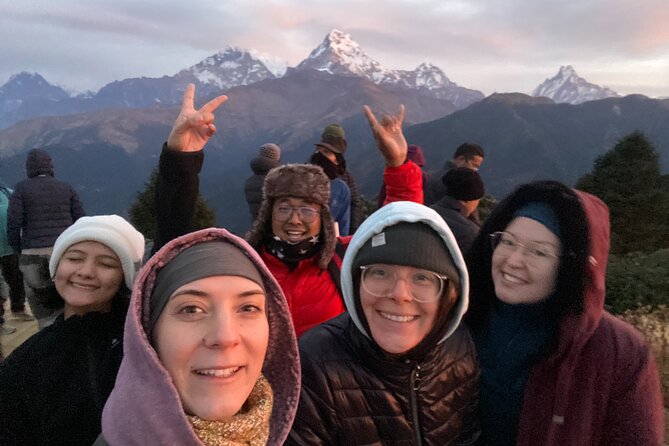
The walk toward Chhomrong takes about five hours and is described as relatively easy-going compared with the longer days. You begin with a light climb, descend toward Kimrong Khola, then climb gently again before reaching more level sections.
This is a good day for noticing the small changes in the trail. The route shifts between village paths, forest, and open views. You may meet local residents and see terraces worked into the hillsides.
Chhomrong is an important point on the route toward Annapurna Base Camp. The village marks a change from the lower Poon Hill section to the deeper Modi Khola valley. The day is shorter, so you have more time to rest before the route becomes steeper again.
The itinerary lists Chhomrong for this day and again for Day 5, with the next day continuing through the Chhomrong area. Exact overnight arrangements can depend on the operator’s running order, so confirm the intended stops when booking.
Day 5: Forests, suspension bridges, and Chhomrong Khola
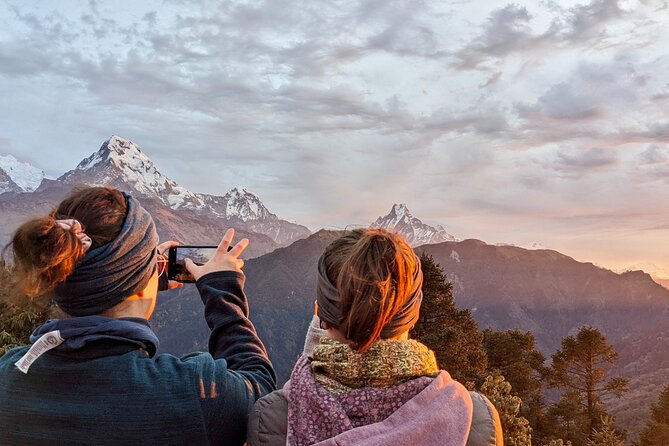
After breakfast, you descend to Chomrong Khola. A suspension bridge leads you onward, followed by forest walking through bamboo, rhododendron, and oak.
The day takes around six hours. It is a pleasant mix of descent and ascent, but Nepal’s stone steps have a way of making even a short distance feel longer. Your knees may notice the downhill sections, while the next climb tests your breathing.
This portion is valuable because it feels less like a sightseeing loop and more like a real mountain route. You move through forest corridors, cross a bridge, and follow the river system deeper into the Annapurna region.
With a private group, you can usually stop for water, photographs, or a breather without worrying about holding up a large party. Still, private does not mean unlimited flexibility. The route has fixed mountain settlements and a set number of days, so ask the guide early if you need to discuss your walking pace.
Day 6: Bamboo forest, Hinku Cave, and Deurali
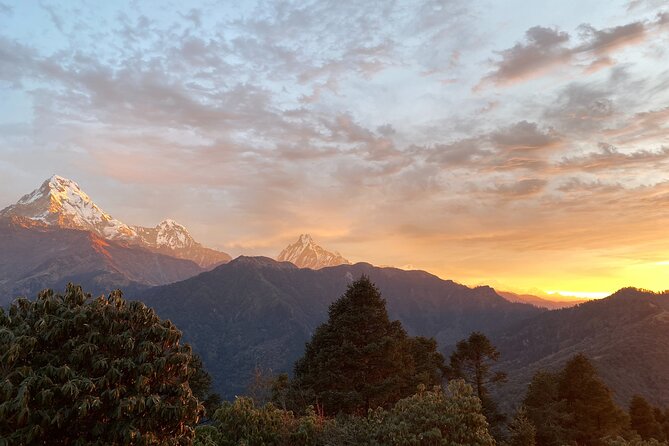
Day 6 is shorter at around four hours, but it includes a steep climb through bamboo forest toward Hinku Cave. Afterward, the trail descends to Deurali.
The mountain views are limited during much of this section. That is not a flaw, exactly. Forest walking gives you shade and a different view of the region, but you should not expect a constant panorama.
Deurali is mainly a cluster of teahouses for trekkers. That means the setting is functional rather than a large village with many services. It is a staging point for the most exciting day ahead.
This is also the point to pay attention to the extras. Basic meals are included, but hot water, hot showers, Wi-Fi, and battery charging are not. If you need a charged phone for photos or navigation, plan for that before reaching the higher teahouse sections.
Day 7: Reaching Annapurna Base Camp at 4,130 meters
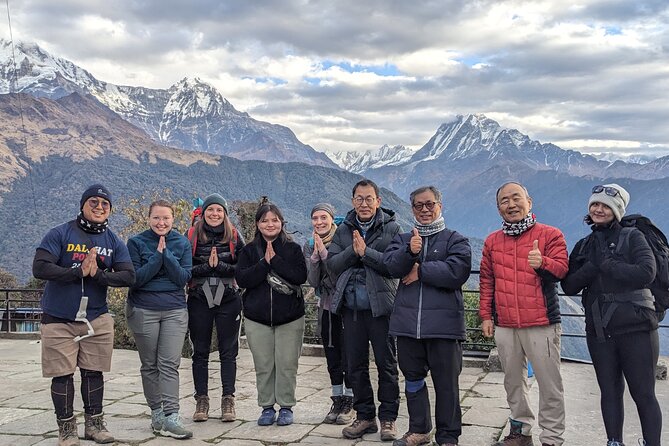
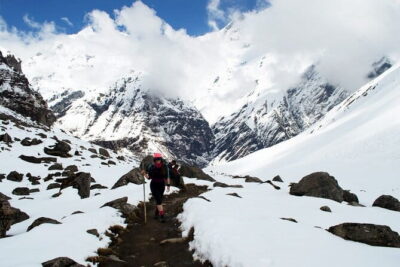
The walk from Deurali to Annapurna Base Camp takes about six hours. The route follows the narrow Modi Khola Valley toward the high basin, with glaciers and major peaks coming into view.
The day combines anticipation with altitude. You are heading to 4,130 meters, or about 13,550 feet, so the walk may feel harder than the distance suggests. Keep your pace controlled and follow your guide’s advice.
The reward is the mountain setting at base camp. The itinerary describes views of eight snow-capped peaks, along with sunset over Fishtail and sunrise over Annapurna I. This enclosed mountain bowl is the defining moment of the trek.
The base camp stop is why the whole route requires ten days rather than a quick excursion. Poon Hill provides the sunrise experience, but Annapurna Base Camp gives you the feeling of being surrounded by the high Himalaya. The two stops offer different kinds of mountain drama.
Day 8: The long descent back to Deurali
Before leaving base camp, take time to enjoy the peaks. Day 8 is mostly downhill and takes around eight hours, making it one of the longest days of the trip.
Downhill walking sounds easy until your legs are tired and the trail is steep or uneven. Trekking poles, included with the trip, are useful here. They can help with balance and reduce some strain on your knees.
Returning to Deurali the same day keeps the itinerary moving, but it also creates a demanding schedule. If you prefer short walking days, ask about possible adjustments before booking. The listed plan is designed for active walkers who can manage a sustained descent.
Day 9: Chomrong, Jhinu Danda, and the hot spring
Day 9 takes about six hours and begins with an uphill climb to Kuldighar. You then descend toward Chomrong River, climb stone steps back to Chomrong village, and continue down to Jhinu Danda.
The repeated climbs and descents are typical of this route. Even when you are heading toward the end, Nepal does not hand out an easy final stage. The reward comes at Jhinu Danda Hot Spring.
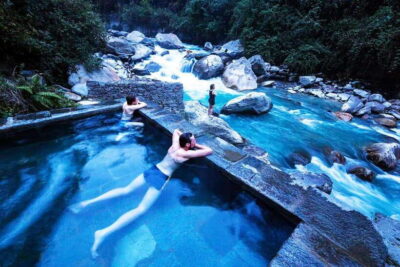
The hot spring visit lasts about one hour and sits in a scenic spot along the Modi Khola river. After the high-altitude push and long downhill day, this is a sensible place to rest sore muscles.
I consider the hot spring one of the best details in the itinerary because it gives the trek a gentle ending before the final return. It is not just another viewpoint. It is a chance to slow down and enjoy the river setting.
Day 10: Returning to Pokhara
The final day includes about five hours of trekking back to Nayapul. From there, a vehicle takes you to Pokhara and drops you at your preferred location.
This arrangement is convenient. You finish the walking portion, then leave the road transfer to the operator instead of arranging transport at the trailhead. After nine days of mountain paths, a direct return to Pokhara is welcome.
The trip ends with a clear sense of completion: Poon Hill, Annapurna Base Camp, Jhinu Danda, and the village route between them. It is a full trekking circuit in experience, even though the trail itself is part of a larger regional network.
What the $800 price really covers
At $800 per person, the trip offers solid value for a private ten-day mountain itinerary. The included package covers pickup, trekking poles, ten lunches, ten dinners, and nine breakfasts. It also includes the Jhinu Danda Hot Spring admission and the return transfer to Pokhara.
The private format adds value for solo trekkers, couples, and small groups. Past guests have praised the company’s organization, permit arrangements, pickup, accommodation coordination, and guide support. One solo participant said the operator even lent trekking poles when needed.
You should budget beyond the headline price. Porter service is not included, and neither are trekking insurance, hot water, hot showers, Wi-Fi, battery charging, or tips. The tour also offers group discounts, so the per-person value may improve if you are traveling with several companions.
Meals are included, but the available information does not specify menus or dietary arrangements. If you have food restrictions, ask before departure rather than assuming the teahouses can accommodate them.
Who should book this trek?
I would recommend it to you if you want a guided Himalayan trek with a private schedule, strong scenery, and two major goals: Poon Hill and Annapurna Base Camp. It suits people with moderate fitness who are willing to walk for four to eight hours and handle repeated stone stairways.
It is also a good choice for solo visitors who want support without joining a large group. The praise for guides such as Lalit and Kajidai points to a service style built around care, advice, and practical help.
I would hesitate if you want luxury, reliable internet, hot showers, or a short and gentle holiday. Those comforts are specifically excluded, and the route includes a demanding high-altitude section. The 10-day plan is active, not a casual sightseeing tour.
The cancellation terms are simple: cancel at least three full days before the local start time for a full refund. Cancellations or changes made inside that period are not refunded or accepted.
Should you book the Annapurna Base Camp trek via Poon Hill?
Book this trek if you want a carefully structured mountain adventure with a private guide, included meals, road transfers, and a strong mix of villages, forests, sunrise views, glaciers, and high peaks. The most valuable features are the patient guide service, the Poon Hill warm-up, and the chance to reach Annapurna Base Camp without arranging each part yourself.
Before paying, confirm porter costs, insurance requirements, food needs, and how the overnight stops are arranged around Chhomrong. If you accept basic teahouse comforts and prepare for steep steps, this is a very appealing way to experience the Annapurna region in one concentrated trip.
FAQ
How long does the Annapurna Base Camp via Poon Hill trek last?
The experience lasts approximately 10 days, beginning and ending in Pokhara. Daily trekking times range from about four to eight hours, with road transfers at the start and finish.
What is the price per person?
The listed price is $800 per person. Group discounts are available.
What meals are included?
The package includes 10 dinners, 10 lunches, and nine breakfasts.
Are trekking poles provided?
Yes. Trekking poles are included. Porter service is not included.
What fitness level is required?
A moderate level of physical fitness is required. The route includes long walking days, steep climbs, more than 3,000 stone steps, and an altitude of 4,130 meters at Annapurna Base Camp.
Can I cancel for a full refund?
Yes, if you cancel at least three full days before the experience start time. Cancellations or changes made less than three full days in advance are not refunded or accepted.
New in the Pokhara listings
- Pokhara: Pokhara Highlights Tour by Bus★ 3.6 · 10 reviews
- Discover Pokhara in Style: Private Vehicle Service with Driver★ 5.0 · 5 reviews
- Multi-Day Tour from Pokhara, Poon Hill and Mulde Trek★ 5.0 · 1 review
- Pokhara in 5 Hours: Lake, Museum, Cave, Falls & Pagoda Hill★ 4.5 · 16 reviews
- Private 4 Day Poon Hill Trek from Pokhara★ 5.0 · 16 reviews
- From Pokhara Full Day Entire Pokhara Tour with Guide★ 5.0 · 1 review
- 4 Day Mardi Himal Base Camp Trek from Pokhara★ 5.0 · 18 reviews
- Ultralight Flight: Into The Heart Of The Mountains (90 min)★ 5.0 · 1 review
Annapurna Base Camp Treks, compared.
Kathmandu to Annapurna Base Camp (ABC) 5-Day Trek
Read our review →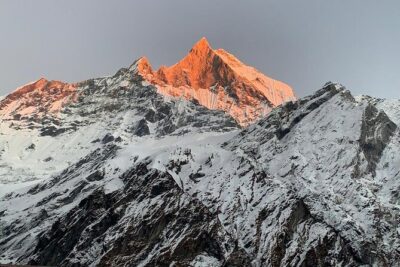
Kathmandu/Pokhara: 5-Day Annapurna Base Camp (ABC) Trek
Read our review →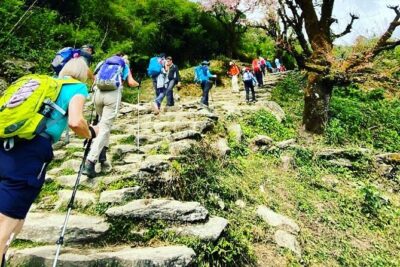
11-Day Hike Tour to Annapurna Base Camp Bliss in Kathmandu
Read our review →Browse the lists this tour appears in