
REVIEW · ANNAPURNA BASE CAMP TREKS
Annapurna Base Camp Trek
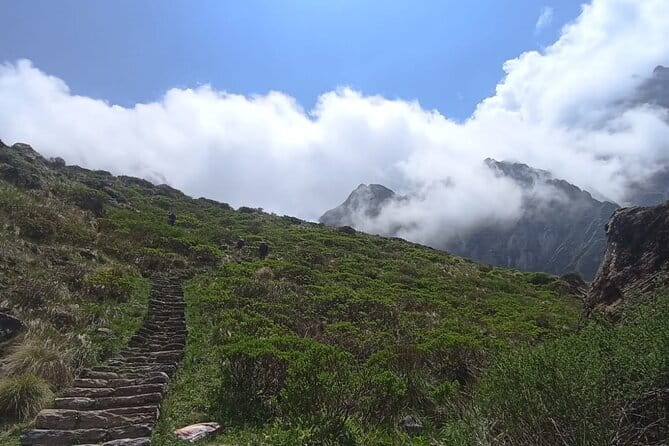
The mountains are the main event. This seven-day Annapurna Base Camp Trek takes you from Pokhara through Gurung villages, terraced farmland, rhododendron forests, and the Annapurna sanctuary. I like the way the route builds toward a dramatic finish at base camp, where Annapurna South, Machhapuchhre, Hiunchuli, and nearby glaciers close in around you.
I also like the full-service pricing. At about $699.67 per person, the trip includes a licensed mountain guide, permits, transport, seven nights of accommodation, meals, and seasonal fruit. Guides such as Suraj, Laku, Anos, and Anjan receive especially warm praise for their care, flexibility, and communication.
The catch is physical: this is not a gentle sightseeing tour. You need a moderate level of fitness, and some daily route descriptions involve steep climbs, long downhill sections, and early starts. The itinerary also contains unusually long listed stop times, so I would ask the company to confirm the exact walking hours before you pay.
In This Review
- Five Details That Shape the Experience
- What You Are Really Paying For at $699.67
- Day One: Pokhara to Ghandruk and the First Mountain Views
- Day Two: Kimrong Danda, River Trails, and Chhomrong
- Day Three: Sinuwa, Bamboo, and the Modi River Gorge
- Day Four: Himalaya Hotel and Annapurna Base Camp
- Day Five: The Long Return Through Bamboo
- Day Six: Chomrong and the Jhinu Danda Hot Spring
- Day Seven: Siwai to Pokhara
- Food, Lodging, and What Is Included
- Guides Who Add Value to the Walking Days
- Who Should Book This Trek?
- Should You Book the Annapurna Base Camp Trek?
- FAQ
- Where does the Annapurna Base Camp Trek start?
- How long does the trek last?
- What meals are included?
- Are permits included?
- Is transportation included?
- What fitness level is required?
- What is not included in the price?
Five Details That Shape the Experience
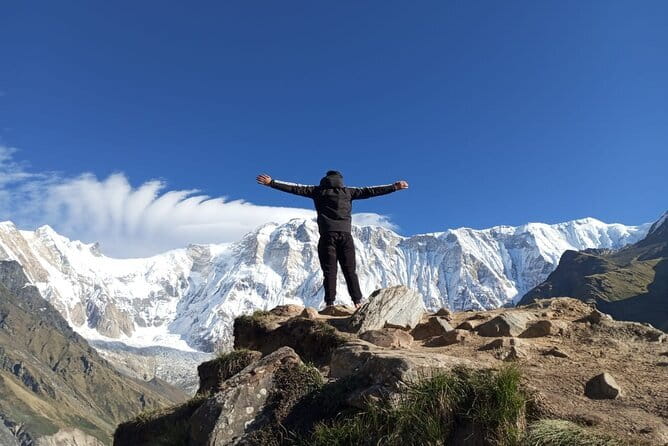
- Base camp sunrise views: The trek reaches Annapurna Base Camp for the trip’s biggest mountain moment, with peaks and glaciers surrounding the sanctuary.
- A village-to-forest route: You move from Ghandruk and Chhomrong through farmland, Gurung settlements, bridges, and cool forest trails.
- A guide-led private trip: Only your group participates, with a government-licensed mountain guide leading the way.
- Jhinu Danda hot spring stop: The return route includes a visit to Jhinu Danda, known here for its hot spring.
- Meals and permits included: Breakfast, lunch, dinner, Annapurna Conservation Area permits, and a TIMS card are covered.
- Strong guide support: Suraj, Laku, Anos, and Anjan are named in the feedback, with particular praise for their kindness, planning, and attention to comfort.
What You Are Really Paying For at $699.67
The price makes more sense when you separate the mountain experience from the paperwork and support around it. You are not simply paying for a walking route. The package includes the Annapurna permit, TIMS card, road transfers, seven nights of lodging, all main meals, seasonal fruit, and a licensed guide.
That is useful in Nepal, where transport, permits, and mountain accommodation can be awkward to arrange from a distance. I especially value the guide support. A good guide does more than point toward the next village. The strongest feedback describes guides checking meals, rooms, pacing, and day-to-day comfort, while also adjusting the route when a group’s needs change.
The trip is private, but that does not necessarily mean it is a solo trek with one guide. A small group can travel together, and the company may combine your party with another small group by arrangement. One party of four, for example, included two people who booked together and two others. Ask about the expected group size if that matters to you.
The price does not include travel or rescue insurance, drinks, phone calls, laundry, battery charging, bottled water, hot water, showers, or guide tips. Those extras can add up, so you should carry a little spending money and arrange insurance before leaving home.
More Annapurna Base Camp treks:
- Annapurna base camp trek 5 Days
★ 5.0 · 252 reviews - Annapurna Base Camp Trek
★ 5.0 · 111 reviews - Kathmandu to Annapurna Base Camp (ABC) 5-Day Trek
★ 5.0 · 102 reviews
Day One: Pokhara to Ghandruk and the First Mountain Views
The route begins after breakfast in Pokhara, with a drive beyond the city toward the trailhead near Nayapul and Syauli Bazar. The day’s destination is Ghandruk, a well-known mountain village with Gurung character and broad views toward the Annapurna range.
This opening section gives you a useful change of pace. The road carries you away from Pokhara, then your feet take over among terraced fields and village paths. The listed walking time is about four hours and ten minutes, which makes this the most approachable day on paper.
Ghandruk is a good first night because it introduces the human side of the trek before the route becomes more enclosed by forest. You may see farm terraces and homes set against the high peaks, though cloud can affect mountain views.
The included road transfer matters here. Mountain roads can be slow, and having the company arrange the vehicle removes one major piece of planning. The meeting time is 4:45 a.m., so expect an early start and keep your first-day bag organized the night before.
Day Two: Kimrong Danda, River Trails, and Chhomrong
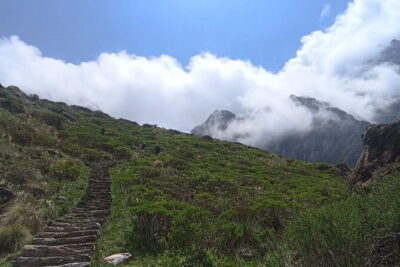
From Ghandruk, the trail begins gradually before climbing to Kimrong Danda, a ridge with changing views and a natural place for a short rest. You then descend through cool forest toward the Kimrong River and continue past a farming village.
This is a classic Annapurna day: up to a ridge, down toward water, then up again. That rhythm can be harder than a steady climb because your legs keep changing gears. I would use trekking poles if you have them, and I would keep snacks accessible rather than burying them in your main bag.
The destination is Chhomrong, one of the key settlements on the route to base camp. It is perched among steep hills, and the setting gives you a clear sense that the route is becoming more serious.
The itinerary lists 15 hours for this stop, which is almost certainly a timing error or a combined activity figure rather than a normal walking schedule. Do not treat that number as a promise of a fifteen-hour hike. Confirm the daily walking time with Nepal High Trek and Expedition before booking, especially if you are concerned about stamina.
Day Three: Sinuwa, Bamboo, and the Modi River Gorge
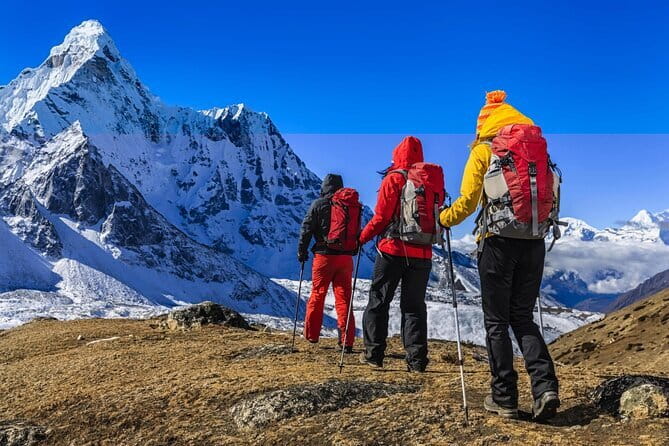
The route leaves Chhomrong by descending to a bridge, followed by a climb toward Sinuwa Danda. From there, the path enters thick forest and follows a series of winding ups and downs toward Bamboo in the Modi River gorge.
This day changes the mood. Villages and open farmland give way to trees, shade, damp paths, and the sound of the river below. The forest is not just scenery. It also offers relief from direct sun, which can make a big difference on a long walking day.
Bamboo is a practical overnight point along the route. The setting is more enclosed than Ghandruk or Chhomrong, and the path can feel more demanding because you are gaining height through repeated bends rather than one clean ascent.
The listed duration is 14 hours, again an unusually high figure. The stop is marked as including admission, but this is not a separate attraction with a formal entrance experience. It is part of the trekking route and the overnight plan. Ask the operator how many walking hours are expected and where the night’s accommodation will be located.
More walking in the hills of Kathmandu:
- Everest Base Camp Trek – 14 Days
★ 5.0 · 1,499 reviews - Everest Base Camp Trekking
★ 5.0 · 485 reviews - Nagarkot Sunrise View and Day Hiking from Kathmandu
★ 5.0 · 471 reviews - Annapurna Circuit Trek with Tilicho Lake
★ 5.0 · 368 reviews
Day Four: Himalaya Hotel and Annapurna Base Camp
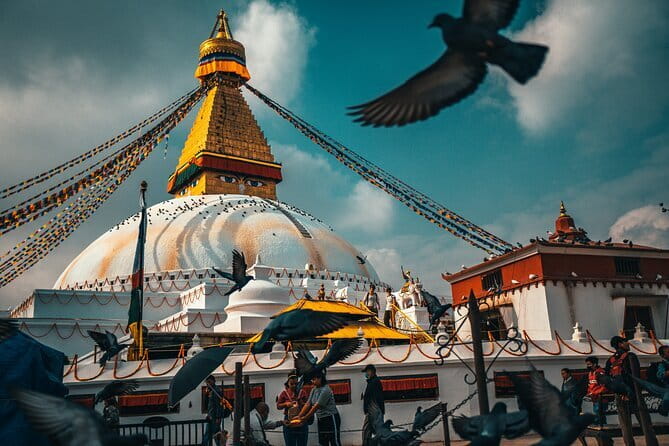
This is the approach to the trip’s main prize. The trail continues through forest past Himalaya Hotel, near the large Hinko Cave, then climbs closer to the high mountain zone beneath Annapurna South and Hiunchuli.
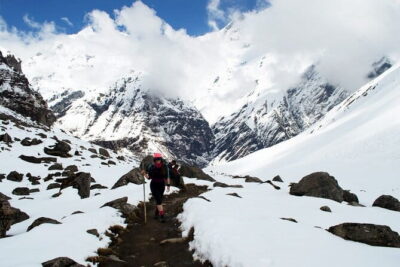
From there, the route moves toward the upper sanctuary. The trees gradually give way to open views, rock, snow, and high peaks. The exact feel of the day depends on weather, pace, and trail conditions, but this is where the route becomes visually grand.
Reaching Annapurna Base Camp is the moment the whole trek has been building toward. You are surrounded by towering peaks and glaciers rather than looking at them from a distant viewpoint. Machhapuchhre, also called Fish Tail, is one of the signature mountains associated with the region, while Annapurna South and Hiunchuli help frame the sanctuary.
The itinerary places this section on Day Four, with a listed duration of 13 hours. That number needs clarification. A high-altitude approach can be tiring even when the walking time is reasonable, and you should not assume the schedule is suitable without asking for the actual elevation plan, walking hours, and overnight location.
Day Five: The Long Return Through Bamboo

After time at base camp, you begin the return journey. The trail heads downhill with some short uphill sections before reaching Bamboo and returning to taller trees and greener vegetation.
The return can be just as demanding as the ascent. Downhill walking is easier on your breathing, but it can be rough on knees and ankles. I would take the descents slowly and avoid racing the group. Your guide can help manage the pace, and this is one area where the praised guide service has real value.
The listed duration for this day is only two hours, despite the description referring to a walk of nearly six hours to Bamboo. Trust the written route description more than the two-hour figure, but confirm the plan directly. This mismatch is important for anyone arranging flights, other tours, or a strict recovery schedule in Pokhara.
Day Six: Chomrong and the Jhinu Danda Hot Spring
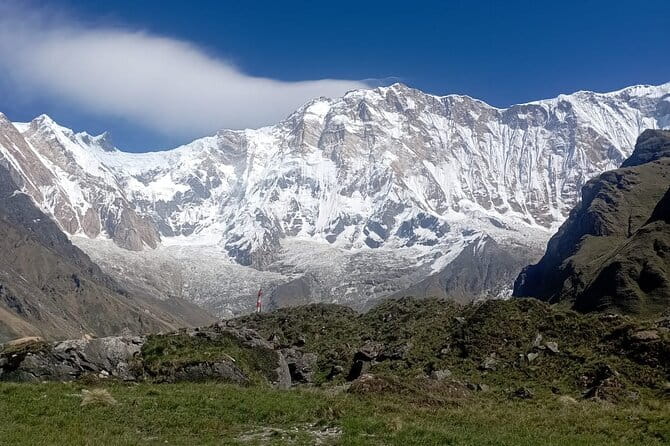
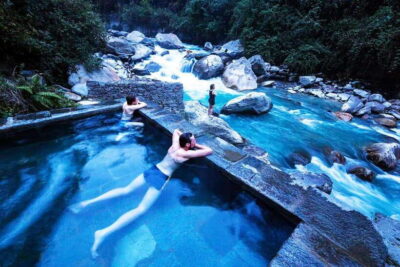
The trail returns toward Chomrong by a mix of uphill and downhill walking. From the Chomrong hilltop, the route takes a different trail toward Jhinu Danda, a pleasant ridge village with wide mountain views and a hot spring stop.
This change of route keeps the return from feeling like a simple replay of the ascent. Jhinu Danda is also a welcome reward after several hard walking days. The hot spring gives you a chance to rest, though you should remember that towels, hot water, showers, and similar personal extras are not included in the package.
The listed stop time is two hours, which may refer to the hot spring visit rather than the complete walking day. Make sure you understand how much walking is planned before and after Chomrong. The trail’s repeated climbs and descents make this a day when a flexible guide is especially useful.
Day Seven: Siwai to Pokhara
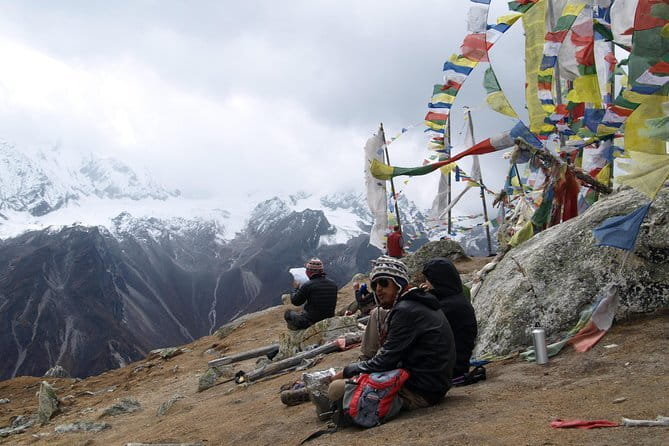
The final walking section leads downhill through lower, warmer farm country to Siwai. From there, a drive of about two hours returns you to Pokhara, with the itinerary placing the day’s museum stop at Pokhara Museum.
The contrast is striking. After cold, high mountain surroundings, the lower hills feel warmer and more agricultural. The final descent is not merely a formality. Your legs may be tired, and loose or uneven trail can require attention even when you are losing altitude.
The total listed stop time is only 30 minutes, while the description gives roughly four hours of walking plus a two-hour drive. Again, confirm the exact schedule. You may return to Pokhara earlier or later depending on road conditions and the group’s pace.
Food, Lodging, and What Is Included
The package includes breakfast, lunch, and dinner during the trek, with seven breakfasts, seven lunches, and six dinners specifically listed. Seasonal fruit is also included.
That arrangement simplifies the trek. You do not need to plan every meal or carry a full food supply. Still, drinks, bottled water, hot water, showers, and battery charging cost extra, so budget for those separately.
Seven nights of accommodation are included, though the supplied itinerary names the main overnight places rather than giving room standards or exact properties. You should ask whether rooms are private or shared, what bedding is supplied, and where charging is available.
The company also arranges transport from Pokhara to Syauli Bazar and from Samrung Khola back to Pokhara. Those transfers are a major practical benefit because the route begins and ends outside central Pokhara.
Guides Who Add Value to the Walking Days
The strongest part of this experience is the human support. Suraj is repeatedly described as cheerful, attentive, and good at managing meals, accommodation, and daily plans. Laku is praised for being friendly and helpful, while Anos receives credit for professionalism, care, and making the journey enjoyable.
Anjan handles pre-trip communication, with WhatsApp used to make planning easier. That is a useful detail if you want quick answers about arrival time, equipment, or route changes.
One particularly helpful point is to request your preferred guide and porters ahead of time during the busy hiking season. Availability may change, but asking early gives you a better chance of getting the people you want.
The company also adjusted a route for one group after listening to its needs. I would not assume every change is possible, but this suggests you should explain your priorities before departure. Tell the operator if you care most about scenery, a slower pace, hot springs, or a shorter walking day.
Who Should Book This Trek?
I would recommend this trip to you if you want a compact route to Annapurna Base Camp with much of the planning handled for you. It suits people who prefer a guide, included meals, arranged transport, and local support rather than organizing every detail independently.
You should have moderate physical fitness and be comfortable walking through forest, farmland, ridges, bridges, and repeated uphill and downhill sections. The route is not presented as an extreme mountaineering trip, but reaching base camp still requires sustained effort.
This may not suit you if you want luxury rooms, a relaxed walking schedule, or complete control over meals and transport. The extra charges for water, hot showers, laundry, charging, and drinks also mean the headline price is not your total spend.
The best booking approach is simple: ask for the confirmed walking hours, overnight towns, room arrangements, group size, and guide assignment. Also arrange travel and rescue insurance, since it is not included.
Should You Book the Annapurna Base Camp Trek?
I would book this trek if your priority is the full Annapurna Base Camp route in a short seven-day package, supported by a local guide and backed by strong practical organization. The combination of permits, meals, lodging, transfers, and guide service gives the price solid value.
I would pause if the uncertain timing bothers you. The listed hours contain several clear inconsistencies, and a seven-day high-altitude trek leaves little room for delays. Confirm the schedule in writing before booking.
Free cancellation is available up to 24 hours before the start time. Poor weather or failure to meet the minimum number of participants can lead to a new date, another experience, or a full refund. For a private trip with impressive mountain scenery and trusted guide support, this is a compelling choice, provided you understand the physical demands and clarify the timetable first.
FAQ
Where does the Annapurna Base Camp Trek start?
The trip is based in Kathmandu, but the trekking route begins after an overnight stay in Pokhara and a drive beyond Pokhara toward Syauli Bazar and the trail area near Nayapul.
How long does the trek last?
The experience is advertised as approximately seven days. The included accommodation lists seven nights on the trek.
What meals are included?
Breakfast, lunch, and dinner are included during the trek. The package specifically lists seven breakfasts, seven lunches, and six dinners, along with seasonal fruit.
Are permits included?
Yes. The Annapurna Conservation Area Permit, also called ACAP, and the TIMS card are included.
Is transportation included?
Yes. Ground transportation from Pokhara to Syauli Bazar and from Samrung Khola to Pokhara is included.
What fitness level is required?
You should have a moderate level of physical fitness. The route includes uphill and downhill walking through forests, villages, farmland, ridges, and river areas.
What is not included in the price?
Travel and rescue insurance, bar bills, phone calls, laundry, battery charging, bottled water, hot water, showers, and guide tips are not included.
New in the Kathmandu listings
- Kathmandu: Ancient City Kirtipur & Pharping Monastery Tour★ 5.0 · 2 reviews
- Traditional Momo Making Class★ 5.0 · 10 reviews
- Kathmandu to Pokhara Premium sofa bus ticket★ 4.0 · 17 reviews
- Women Empowerment Project(Nepali cooking class & jewelry workshop★ 5.0 · 15 reviews
- 7-Day Langtang Valley Trek from Kathmandu★ 5.0 · 1 review
- Kathmandu 2 Nights 3 Days Chitwan Jungle Safari Tour★ 5.0 · 9 reviews
- Yoga Experience Day Trip with Private Transfer From Kathmandu★ 4.0 · 2 reviews
- Wildlife Adventure in Chitwan Nepal★ 4.0 · 4 reviews
Annapurna Base Camp Treks, compared.
Kathmandu to Annapurna Base Camp (ABC) 5-Day Trek
Read our review →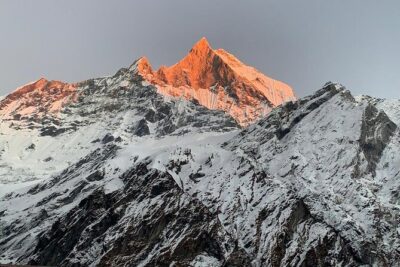
Kathmandu/Pokhara: 5-Day Annapurna Base Camp (ABC) Trek
Read our review →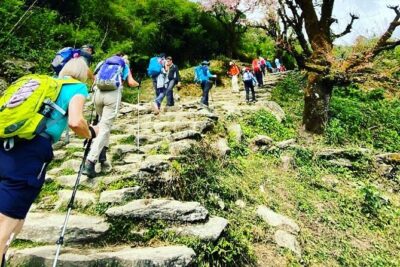
11-Day Hike Tour to Annapurna Base Camp Bliss in Kathmandu
Read our review →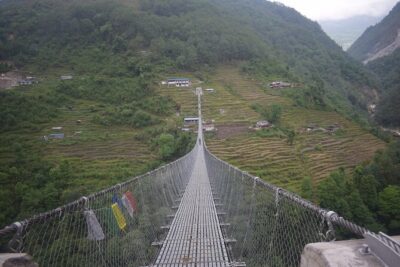
Browse the lists this tour appears in