
REVIEW · ANNAPURNA BASE CAMP TREKS
Annapurna Base Camp Trek
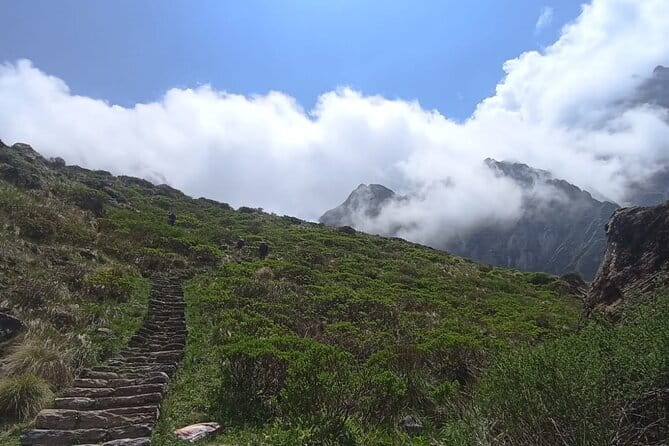
Mountain days, village nights, unforgettable views. The Annapurna Base Camp Trek takes you from Kathmandu to the foot of Annapurna and Machapuchare, passing through terraced farmland, rhododendron forests, alpine country, and Gurung and Magar villages. I especially like the combination of Poon Hill sunrise views and the final arrival at Annapurna Base Camp, plus the fact that meals, teahouse lodging, permits, guides, and porters are included. The main concern is that the published schedule has some unclear or repeated days around Annapurna Base Camp, so you should confirm the exact walking plan before paying.
At $935 per person, the package covers a great deal: airport transfers, tourist bus transport between Kathmandu and Pokhara, hotel nights, all trekking meals, permits, and a licensed guide with a local porter. I also like the private-tour format, since your group can set its own pace within the planned route. Still, the price does not cover travel insurance, evacuation insurance, drinks, Wi-Fi, tips, or some Kathmandu meals and accommodation.
In This Review
- Five Things to Know Before You Book
- What the Annapurna Base Camp Route Gives You
- Day 1: Pashupatinath Before the Mountains
- Day 2: Pokhara Lake and the Move West
- Day 3: Birethanti and the Annapurna Conservation Area
- Day 4: Ghorepani and the Poon Hill Viewpoint
- Day 5: Five Hours from Ghorepani to Tadapani
- Day 6: The Walk to Chhomrong
- Day 7: Moderate Walking to Bamboo
- Days 8 to 10: Annapurna Base Camp and the High Mountain Payoff
- Days 11 and 12: Returning to Kathmandu
- What the $935 Price Really Covers
- Guides, Porters, and the Private-Tour Advantage
- Who Should Choose This Trek?
- Should You Book the Annapurna Base Camp Trek?
- FAQ
- Where does the Annapurna Base Camp Trek start?
- How long is the trek?
- What is the highest altitude reached?
- Is this a private tour?
- Is a guide included?
- Is a porter included?
- Are trekking meals included?
- Is accommodation included?
- Is transport between Kathmandu and Pokhara included?
- What is not included in the price?
- Can I cancel for a full refund?
Five Things to Know Before You Book
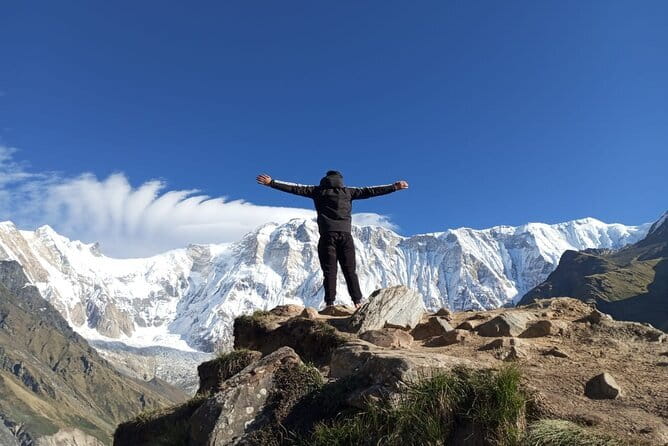
- The highest point is 4,130 meters: Annapurna Base Camp brings a real altitude challenge, so a moderate level of fitness is important.
- Poon Hill adds a classic viewpoint: The Ghorepani and Poon Hill section gives you a shorter scenic climb before the longer route toward base camp.
- Meals and teahouses are included: Breakfast, lunch, dinner, and tea or coffee are covered during the trek, along with teahouse lodging.
- The tour is private: Only your own group participates, with a professional guide and local porter.
- The schedule needs clarification: Days 8, 9, and 10 all refer to Annapurna Base Camp or viewpoints, so ask for the precise walking distances and overnight locations.
- The Kathmandu to Pokhara bus is part of the deal: This keeps the package simple, but you should be comfortable with tourist-bus travel rather than a private vehicle or flight.
What the Annapurna Base Camp Route Gives You
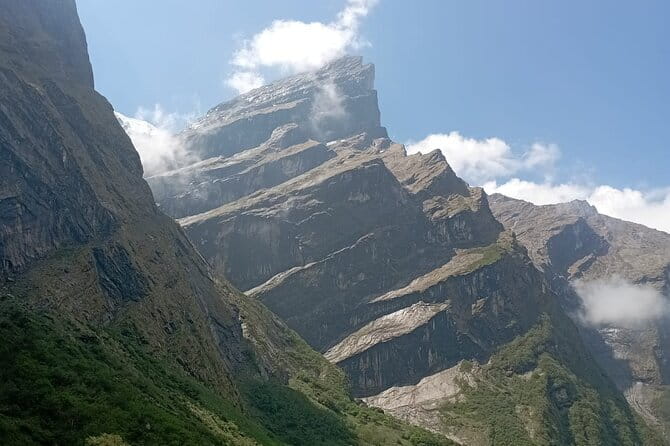
This is a good choice if you want several sides of Nepal in one trip. The route begins with major cultural sights and a lakeside stop, then moves through farmland and forest before reaching high mountain country. You are not simply walking toward one viewpoint. The scenery changes steadily as you gain height.
The trek reaches 4,130 meters, making it a serious mountain outing even though it is not described as an extreme expedition. The route includes moderate walking, long walking days, and a gradual move from lowland villages to alpine meadows. You should arrive ready for hills, uneven paths, and several hours on your feet.
The cultural side matters too. Gurung and Magar communities are part of the route, and the teahouse stays give you a closer look at village life than a sightseeing bus tour could provide. The accommodation is practical rather than luxurious. You are paying for access, meals, local support, and a well-known Himalayan route, not resort comfort.
More Annapurna Base Camp treks:
- Annapurna base camp trek 5 Days
★ 5.0 · 252 reviews - Kathmandu to Annapurna Base Camp (ABC) 5-Day Trek
★ 5.0 · 102 reviews - Annapurna Base Camp Trek 12 Days
★ 5.0 · 85 reviews
Day 1: Pashupatinath Before the Mountains
The opening day features Pashupatinath Temple in Kathmandu, one of the city’s major religious sites. It gives the trip a strong cultural beginning before the walking starts.
The temple visit is valuable because it adds context to the rest of the journey. Nepal is not only about snow peaks, and beginning in Kathmandu helps you see the country beyond the trekking trail. The published description is brief, so confirm how much time is planned at the temple and whether the day also includes a trek briefing or equipment check.
The listed start time is 1:15 am, which is unusually early. Ask the operator exactly what that time refers to. It may be connected to an airport transfer or another part of the departure plan, but the supplied information does not explain it.
Day 2: Pokhara Lake and the Move West
The second day takes you to Pokhara, with a stop at Pokhara Lake. The lake is one of the city’s best-known visitor areas and offers a gentler contrast to Kathmandu.
This is a useful pause before the trek proper. Pokhara is often treated as the gateway to the Annapurna region, and the lakeside setting gives you time to settle into the rhythm of the trip. Two nights at a Pokhara hotel with breakfast are included, which is helpful for rest and preparation.
Transport between Kathmandu and Pokhara is by tourist bus. That keeps the cost under control and avoids arranging separate transfers, but it also means you should not expect the flexibility of a private car. The package includes return bus travel, so check when the return journey occurs and how much free time you will have in Pokhara.
Day 3: Birethanti and the Annapurna Conservation Area
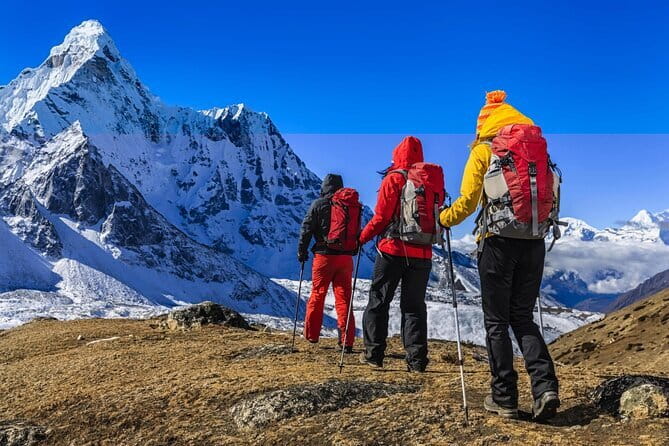
Birethanti marks the entry into the Annapurna Conservation Area. This is the point where the trip shifts from sightseeing to trekking.
The value of this stop is practical as well as symbolic. It marks the start of the protected mountain region and places you on the route toward Ghorepani. Your permits are included, specifically the TIMS Card and ACAP Permit, so you do not need to arrange those separately.
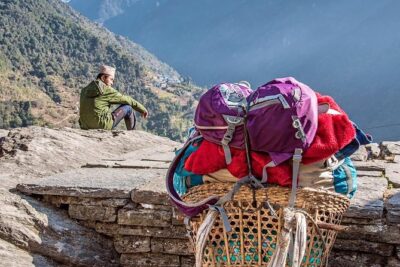
The package also includes a licensed professional guide and an expert local porter. That support is important on a multi-day route. Your guide should help with the day’s pace and local arrangements, while the porter reduces the amount you need to carry. If you are traveling alone or as a solo trekker, ask about the extra porter charge before booking.
More walking in the hills of Kathmandu:
- Everest Base Camp Trek – 14 Days
★ 5.0 · 1,499 reviews - Everest Base Camp Trekking
★ 5.0 · 485 reviews - Nagarkot Sunrise View and Day Hiking from Kathmandu
★ 5.0 · 471 reviews - Annapurna Circuit Trek with Tilicho Lake
★ 5.0 · 368 reviews
Day 4: Ghorepani and the Poon Hill Viewpoint
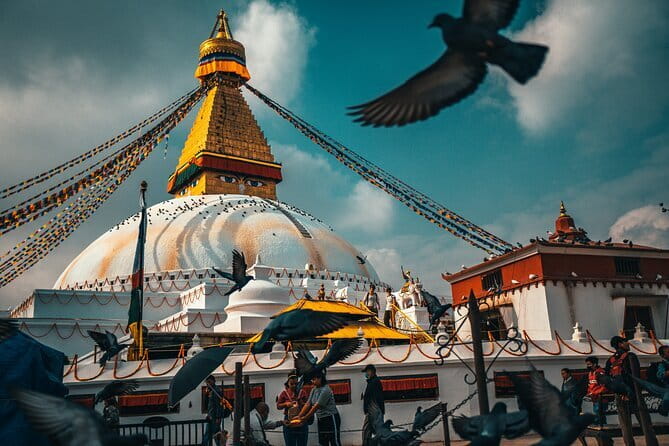
Ghorepani and Poon Hill are among the most appealing parts of this itinerary. Poon Hill is famous as a short hiking route and viewpoint in the Annapurna region, and it gives you a major mountain panorama without waiting until the end of the trek.
I like this section because it offers an early reward. You get a memorable high viewpoint before continuing through the longer route to base camp. The rhododendron forests and terraced scenery also show how quickly the surroundings change as you walk.
The schedule does not specify the exact timing of the Poon Hill visit, nor does it state the overnight arrangement in detail. Ask if the viewpoint is included as a dedicated walk and whether the route involves an early start. Also ask what happens if weather limits visibility, since mountain viewpoints depend heavily on conditions.
Day 5: Five Hours from Ghorepani to Tadapani

The walk from Ghorepani to Tadapani is listed as about five hours. That makes it one of the itinerary’s clearer days, and it gives you a better sense of the daily effort required.
Tadapani is reached after a forested mountain walk, with the route continuing through the Annapurna scenery that makes this region so popular. The day is long enough to feel like a proper trek, but not presented as the most demanding section.
You should still take the time seriously. Five hours of mountain walking is different from five hours on a flat road, especially after a viewpoint walk or an early start. Comfortable footwear, a light day pack, and sensible water planning will matter. Drinks are not included, so budget for anything you buy along the way.
Day 6: The Walk to Chhomrong
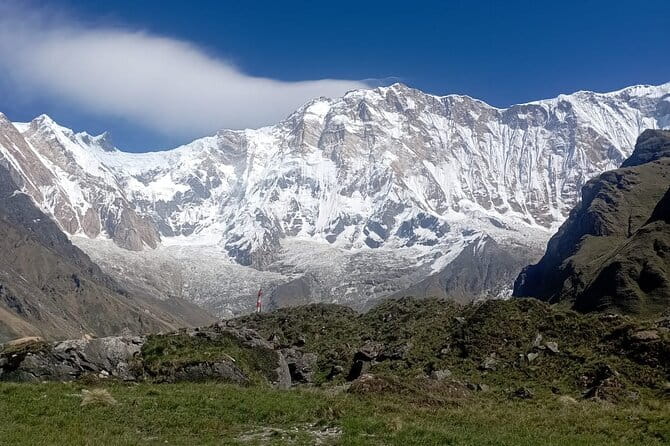
The route continues to Chhomrong, one of the important villages on the approach to Annapurna Base Camp. This is a useful transition point because the trek moves farther into the mountain route and away from the initial viewpoint section.
The description calls it a beautiful walk, but gives no distance or walking time. That is a gap worth addressing before departure. Ask for the estimated hours, elevation changes, and overnight location.
Chhomrong is also the kind of place where your guide’s local experience becomes especially useful. The company has received strong praise for guide and porter support, including guides named Sushil Gurung and Cecil, and organizers such as Rabin. Those names come from past customer accounts and may not be the people assigned to your group, so ask who will lead your trek and how many people will be in your party.
Day 7: Moderate Walking to Bamboo
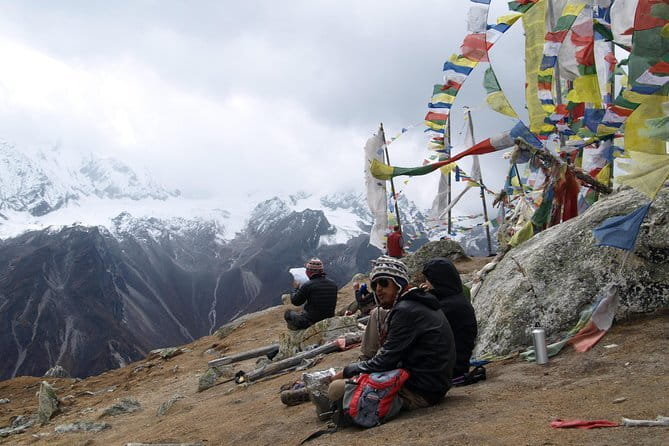
Day 7 takes you toward Bamboo, described as a moderate walk. The name suggests a more enclosed section of the route, with forest and mountain paths rather than open high-altitude views all day.
This is an important day because the trek is now moving toward the base camp approach. Do not judge the whole trip by the most dramatic scenery. Some sections are about steady progress, forest shade, streams, and changing terrain.
The package includes all meals during the trek, with breakfast, lunch, dinner, and a cup of tea or coffee. That is a strong inclusion on a route where arranging food independently would be inconvenient. Hot and cold drinks beyond the included tea or coffee are extra, as is Wi-Fi during the trek.
Days 8 to 10: Annapurna Base Camp and the High Mountain Payoff
The published plan places Annapurna Base Camp across several days. Day 8 is described as the trek to base camp, Day 9 as a hike to Annapurna Base Camp, and Day 10 as another reference to the viewpoint route. This may represent an approach day, a base camp day, and a return or viewpoint day, but the wording is not precise enough to know.
That uncertainty is the biggest planning issue in the package. Before booking, ask for a day-by-day version showing the walking hours, overnight villages, elevation gain, and whether Day 9 is a full day at base camp or a repeated description.
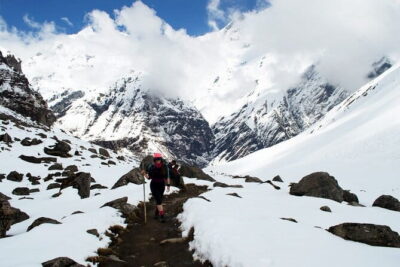
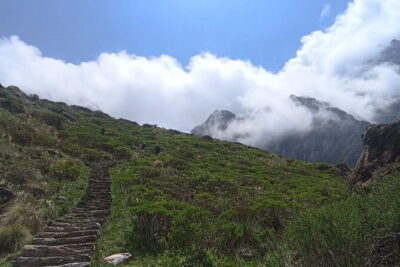
The reward is substantial. Annapurna Base Camp places you at the foot of major Himalayan peaks, including Annapurna and Machapuchare, at 4,130 meters. The route is known for moving through terraced fields, forest, waterfalls, rushing streams, alpine meadows, and snow-covered mountain scenery. That range of settings is one reason the trek feels more varied than a simple out-and-back walk.
You should also treat these days as the physical high point of the trip. The supplied information asks for moderate fitness, but altitude can make moderate walking feel harder. The operator does not state a detailed acclimatization or emergency plan, so ask how the guide handles altitude problems and what evacuation support is available. Travel and evacuation insurance are not included, and they are worth arranging independently.
Days 11 and 12: Returning to Kathmandu
Day 11 is listed as the return to Kathmandu by tourist bus. After the mountain portion, this is a practical travel day rather than a scenic trek.
The return bus is included, which makes the package easier to manage. Still, the itinerary does not specify how long the ride takes or whether there is time for extra sightseeing. Keep your expectations flexible and confirm the planned departure point.
Day 12 is the final departure home. Airport pickup and drop-off by private car, van, or bus are included, along with the Kathmandu hotel stay listed in the package. The inclusion of two Kathmandu hotel nights with breakfast at Kathmandu Suite Home is useful, although the schedule does not make completely clear which nights are covered in relation to your arrival and departure.
What the $935 Price Really Covers
At $935 per person, this is a broad package rather than a bare trekking permit. The value comes from combining several costly and complicated parts:
- Airport, hotel, and airport transfers
- Tourist-bus transport between Kathmandu and Pokhara
- Two hotel nights in Pokhara with breakfast
- Two hotel nights in Kathmandu with breakfast
- Teahouse accommodation during the trek
- Breakfast, lunch, dinner, tea, and coffee during trekking days
- TIMS and ACAP permits
- A licensed guide and local porter
- Government taxes and fees
That list makes the price look reasonable for someone who wants one booking to cover the basic structure of the trip. You are not separately arranging permits, mountain lodging, meals, and the main ground transfers.
The exclusions can still affect your final budget. Kathmandu meals and extra accommodation are not included, and neither are drinks, trekking Wi-Fi, personal purchases, insurance, evacuation coverage, or tips. Solo trekkers may also pay extra for a porter. Ask for the exact solo supplement and recommended tipping range.
Guides, Porters, and the Private-Tour Advantage
The strongest theme in the customer feedback is the quality of the local team. Specific praise goes to guides named Sushil Gurung and Cecil, porters including Samu Gurung, Sujan Gurung, and Bishal, and organizer Rabin. The descriptions focus on safety, helpfulness, planning, communication, and making the walking enjoyable.
That is exactly what you want from a mountain operator. A good guide is not simply someone who points at peaks. You need clear pacing, sensible decisions, help with teahouse arrangements, and calm support when the route becomes tiring.
The tour is private, so only your group participates. That is a useful advantage if your party wants a more personal experience, but it also means you should discuss your group’s fitness levels in advance. A mixed-ability group needs an agreed pace and clear expectations about walking hours.
Who Should Choose This Trek?
I would consider this trek a good fit for you if you want:
- A classic Annapurna route with a clear base camp goal
- A mix of Nepalese culture, villages, forests, farmland, and high mountain scenery
- Meals and teahouse lodging arranged in advance
- A guide and porter rather than a fully independent trek
- A private group instead of a large shared departure
- A 10 to 14-day Himalayan trip, with this package organized around about 12 days
It is less suitable if you want luxury accommodation, private road transport throughout, included drinks, reliable trekking Wi-Fi, or a tightly detailed schedule with no ambiguity. It also may not suit you if you have little experience with sustained hill walking or if you are unwilling to arrange your own insurance.
The cancellation terms are friendly: you can receive a full refund if you cancel at least 24 hours before the local start time. Changes made within 24 hours are not accepted, and the operator may offer another date or a refund if minimum numbers are not met.
Should You Book the Annapurna Base Camp Trek?
Book it if you want a well-supported Annapurna experience with the main practical pieces bundled into one price. The combination of Poon Hill, traditional villages, teahouse stays, included meals, permits, local staff, and Annapurna Base Camp gives you a satisfying range of experiences.
Before you commit, get the final itinerary in writing. Ask specifically about the 1:15 am start, the repeated Days 8 to 10 descriptions, walking hours, overnight villages, guide assignment, solo porter costs, and the emergency plan. If those points are clear and your fitness is suitable, the package offers strong value for a demanding but highly rewarding Himalayan trek.
FAQ
Where does the Annapurna Base Camp Trek start?
The listed starting point is Everest Trekking Routes Pvt. Ltd. on Timila Marg in Kathmandu. Pickup is offered, including airport and hotel transfers.
How long is the trek?
The experience is listed as approximately 12 days. The general description gives a possible duration of 10 to 14 days.
What is the highest altitude reached?
Annapurna Base Camp is at approximately 4,130 meters.
Is this a private tour?
Yes. Only your own group participates in the activity.
Is a guide included?
Yes. The package includes a licensed professional trekking guide.
Is a porter included?
Yes. An expert local porter is included, although solo or single trekkers may need to pay an additional porter charge.
Are trekking meals included?
Yes. Breakfast, lunch, dinner, and a cup of tea or coffee are included during the trek.
Is accommodation included?
Yes. Teahouse accommodation during the trek is included, along with two hotel nights in Pokhara and two hotel nights in Kathmandu with breakfast.
Is transport between Kathmandu and Pokhara included?
Yes. The package includes tourist-bus transport from Kathmandu to Pokhara and the return trip to Kathmandu.
What is not included in the price?
Drinks, trekking Wi-Fi, personal expenses, travel insurance, evacuation insurance, tips, extra Kathmandu accommodation and meals, and possible extra porter charges for solo trekkers are not included.
Can I cancel for a full refund?
Yes, if you cancel at least 24 hours before the experience start time. Cancellations or changes made less than 24 hours before the start are not accepted for a refund.
New in the Kathmandu listings
- Traditional Momo Making Class★ 5.0 · 10 reviews
- Kathmandu: Ancient City Kirtipur & Pharping Monastery Tour★ 5.0 · 2 reviews
- Kathmandu to Pokhara Premium sofa bus ticket★ 4.0 · 17 reviews
- Women Empowerment Project(Nepali cooking class & jewelry workshop★ 5.0 · 15 reviews
- 7-Day Langtang Valley Trek from Kathmandu★ 5.0 · 1 review
- Kathmandu 2 Nights 3 Days Chitwan Jungle Safari Tour★ 5.0 · 9 reviews
- Yoga Experience Day Trip with Private Transfer From Kathmandu★ 4.0 · 2 reviews
- Wildlife Adventure in Chitwan Nepal★ 4.0 · 4 reviews
Annapurna Base Camp Treks, compared.
Kathmandu to Annapurna Base Camp (ABC) 5-Day Trek
Read our review →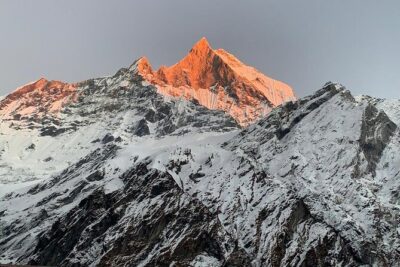
Kathmandu/Pokhara: 5-Day Annapurna Base Camp (ABC) Trek
Read our review →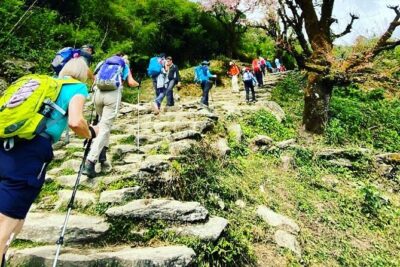
11-Day Hike Tour to Annapurna Base Camp Bliss in Kathmandu
Read our review →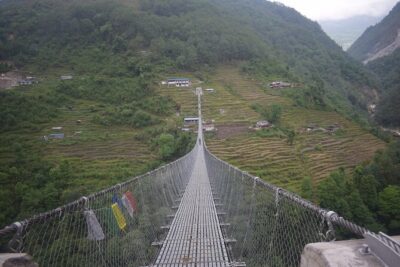
Browse the lists this tour appears in