REVIEW · 3-DAY EXPERIENCES
3 Days (15 hrs) Basic Course Sound Healing Training residential
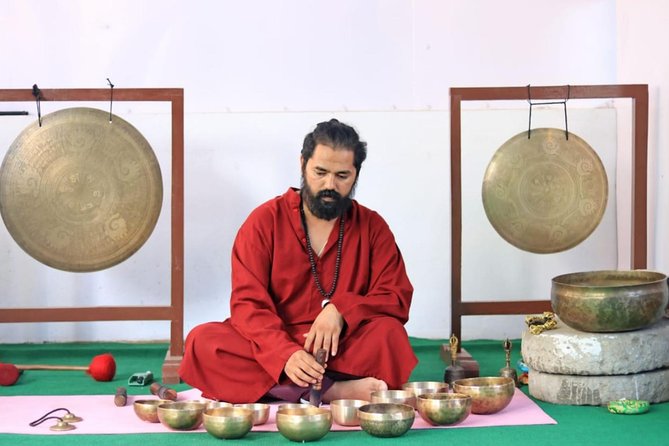
Sound can become a travel experience. This three-day course in Lalitpur offers a focused introduction to singing bowls, sound meditation, chakras, and self-healing at the Golden Temple Singing Bowls and Healing Center. I like the mix of practical bowl work and wider Nepali traditions, especially the inclusion of bells, bajra, tingsa, mantras, mudras, and water therapy. I also like that the course is private for your group, which should make questions and hands-on practice easier.
The main thing to check before paying is the schedule. The course is advertised as 15 hours, but the daily timetable runs from 11 a.m. to 4 p.m. with a one-hour lunch break, giving you 12 hours of listed teaching time if lunch is not part of the instruction. The residential price is $500 per person, so confirm exactly what residence includes and how the 15 hours are counted.
In This Review
- Key points at a glance
- A three-day course in Lalitpur, not a quick sound bath
- Day one: meeting the bowls and their history
- Day two: self-healing, chakras, and energy work
- Day three: sound meditation and the final sound bath
- What the certificate does and does not mean
- The daily rhythm: 11 a.m. to 4 p.m.
- Is $500 a fair price?
- Who will get the most from this course?
- Getting there and planning your visit
- Should you book the Golden Temple course?
- FAQ
- Where does the sound healing course take place?
- How long is the course?
- What are the daily class hours?
- Is accommodation included?
- How much does the course cost?
- Is this a private course?
- What does the course cover?
- Do participants receive a certificate?
- Can I cancel for a full refund?
Key points at a glance
- Three days in Lalitpur: The course takes place at Golden Temple Singing Bowls and Healing Center, near Kathmandu.
- A practical beginner course: You learn how to play and choose singing bowls, not just sit through demonstrations.
- Traditional tools and methods: Bells, bajra, tingsa, mantras, mudras, yantra, chakras, and Vedic sound healing are included.
- A private activity: Only your group participates, which can suit anyone who wants a quieter learning setting.
- Daily timing: Classes are scheduled from 11 a.m. to 4 p.m., with lunch from 1 p.m. to 2 p.m.
- Flexible cancellation: You can receive a full refund if you cancel at least 24 hours before the start time.
A three-day course in Lalitpur, not a quick sound bath
This is more than a one-hour wellness stop. The program is designed as a basic training course, with 15 hours spread across three days. That gives you time to repeat techniques, ask questions, and move from simple bowl handling toward a basic healing session for yourself or another person.
The center is in Lalitpur, Kathmandu Valley’s historic city of courtyards, temples, and traditional metalwork. The listed meeting point is Golden Temple Singing Bowls and Healing Center, Lalitpur 44600. The activity begins and ends there, so you do not need to manage several meeting points during the course.
The private format matters. A large class can make sound work feel rushed, especially when several people need to practice striking, circling, or positioning a bowl. Here, only your group takes part. The size of the group is not stated, but the private arrangement should give you a better chance to work directly with the instructor.
You should also know what this course is not. It is not presented as a medical qualification, and the material focuses on traditional and spiritual approaches to sound healing. Treat claims about stress, depression, positive energy, chakras, and aura work as part of the course’s belief system rather than a replacement for medical or mental health care.
A short list of alternatives around Kathmandu
- Everest Base Camp Trek – 14 Days
★ 5.0 · 1,499 reviews - Private Kathmandu Sightseeing Tour | UNESCO World Heritage sites
★ 5.0 · 756 reviews - Everest Base Camp Helicopter Tour landing at Everest View Hotel
★ 5.0 · 668 reviews
Day one: meeting the bowls and their history
The opening session sets the tone. You are introduced to singing bowls, their history, and the wider history of sound healing and therapy. This context is useful because a bowl is not simply a decorative metal object that makes a pleasant ringing sound. The course presents it as a tool used in meditation, energy work, and healing practice.
The first practical skill is learning to play singing bowls. That sounds easy until you try to produce a steady, clear tone. The course should help you understand the basic action and listen for changes in sound, rather than simply tapping the bowl once and moving on.
You also learn how to choose singing bowls. This is one of the most useful parts for a beginner, since people often buy bowls based on appearance alone. The course gives you a framework for thinking about sound and use. The supplied details do not state how many bowls are available or whether a bowl is included in the price, so ask before booking if you hope to take one home.
The opening day also introduces chakras and mantras. These subjects shift the course from instrument instruction into a spiritual practice. If you already work with meditation or yoga, you may find the connection easy to follow. If you prefer a strictly scientific explanation of sound, you may find some of the teaching less familiar.
Day two: self-healing, chakras, and energy work
The middle section moves toward self-healing and the use of bowls in a healing session. You are introduced to aura and chakra checking, cleansing, energy work, and balance techniques. These practices are central to the course, so you should be comfortable with spiritual language before signing up.
The value of a three-day format becomes clearer here. You are not just hearing a list of terms. You have time to connect the ideas with the sound of the bowls and with guided practice. The available information does not give a minute-by-minute itinerary, so the exact order of these activities may vary.
Vedic sound healing and therapy are also part of the program. This adds a South Asian frame to the course rather than presenting singing bowls as a generic modern wellness product. That cultural context is a good reason to take the class in Nepal, where sound, ritual objects, temples, and meditation traditions are part of the setting around you.
The course also covers bells, bajra, and tingsa. These objects add different tones and functions to a session. A bajra, also known as a vajra, is a ritual object associated with Buddhist and Hindu practice in Nepal, while tingsa are small cymbals used for clear, high tones. The course listing does not spell out how each tool is used, so expect an introduction rather than a specialist qualification in every instrument.
Day three: sound meditation and the final sound bath
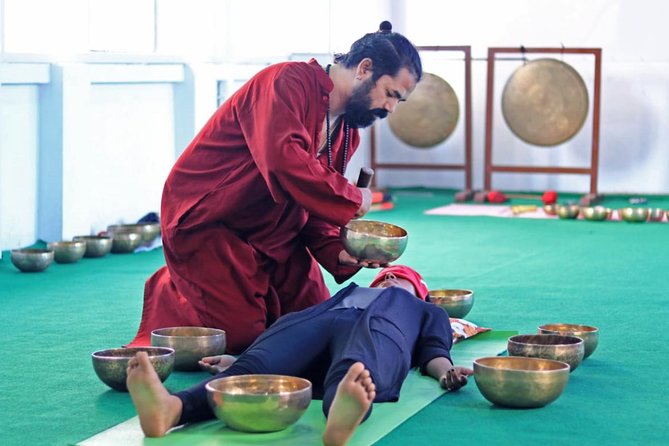
The last day brings together the main ideas through sound meditation, a sound bath, water therapy, gratitude, and a closing session. The meditation section includes mantra, mudra, and yantra, linking sound with words, hand gestures, and symbolic forms.
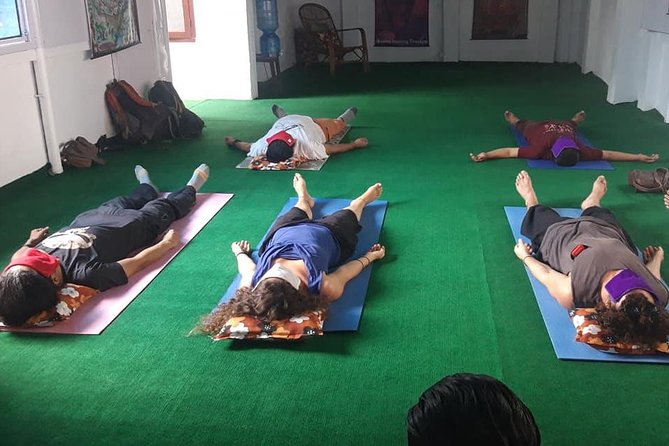
A sound bath is likely to be the most immediately enjoyable part for many people. You lie or sit while sound surrounds you, rather than actively playing a bowl the whole time. One participant described the experience as reaching every chakra and leaving negative feelings behind. That is personal language, not a clinical result, but it gives you a fair idea of the intended mood: relaxation, release, and renewed energy.
Another direct account described feeling totally refreshed after the session and praised the hospitality at the center. Those are the strongest themes connected with this experience: the calming effect of the sound bath and the friendly welcome. If your main goal is to relax during a visit to Patan, the final session may be the part you remember most.
Water therapy is included, though no detailed procedure is provided. Ask the instructor what it involves, particularly if you have health concerns or want to know whether you will be working with water directly. The course ends with gratitude and a closing session, followed by a certificate.
A completely different way to spend the day:
- Half day cooking class in Thamel kathmandu
★ 5.0 · 607 reviews - Everest Base Camp Trekking
★ 5.0 · 485 reviews - Nagarkot Sunrise View and Day Hiking from Kathmandu
★ 5.0 · 471 reviews - Kathmandu: Full Day 7 UNESCO Tour with Lunch – Private/Group
★ 5.0 · 415 reviews
What the certificate does and does not mean
You receive a certificate at the end of the course. That is useful as a record that you completed the basic training, especially if you are building a personal wellness practice or want a reminder of the topics covered.
Still, do not assume the certificate is a government license, medical credential, or advanced professional qualification. The course is described as basic training for beginners. It may help you start personal practice or offer simple sound sessions to others, but you should ask the provider what the certificate formally represents before using it in a professional setting.
This point is especially important because the course includes self-healing and healing sessions for others. A responsible practitioner needs more than a certificate. You should also understand consent, personal boundaries, health limits, and when someone needs a qualified medical or mental health professional instead.
The daily rhythm: 11 a.m. to 4 p.m.
The scheduled hours are simple. Each day runs from 11 a.m. to 4 p.m., with a lunch break from 1 p.m. to 2 p.m. This is a comfortable start time if you are staying in Kathmandu and do not want an early morning class.
The one-hour break gives you space to eat and reset before more concentration. Sound work can feel quiet and gentle, but a five-hour block still asks for attention. You should plan your day around the class rather than trying to squeeze in major sightseeing between sessions.
There is a small but important timing question. Three days at five hours per day equals 15 clock hours. With the one-hour lunch break removed each day, the teaching portion appears to total 12 hours. Since the description calls the course 15 hours, ask whether lunch is counted as part of the course or whether additional instruction is included elsewhere.
The center’s stated opening hours are 9:15 a.m. to 5:15 p.m., every day. That gives you a little time before and after class, but the course itself begins later. The activity returns to the same meeting point each day.
Is $500 a fair price?
At $500 per person, this is not a casual drop-in activity. The price is for the residential option, but the available details do not explain the lodging, meals, room type, or whether transport is included. You should ask for those details before comparing it with a standard three-day workshop.
The cost can make sense if residence is comfortable and included for all three days, and if you want a private, structured course with an instructor rather than a single sound bath. It is less compelling if you only want relaxation, since a shorter sound meditation may meet that need at a lower price.
The course also offers value through its range. You cover bowls, chakras, mantras, self-healing, aura and chakra checking, Vedic sound work, bells, bajra, tingsa, sound meditation, sound baths, and water therapy. That is a lot for a beginner course, though it also means some subjects may receive only a basic introduction.
The provider is Golden Temple Singing Bowls Sound Healing Center, and the instructor is identified in the course material as Swami Chaitanya Krishna, also referred to as Sound Healer Nepal. The supplied information does not provide a detailed biography or formal qualifications, so ask about his training and experience if that matters to your decision.
Who will get the most from this course?
I would consider this course if you want a structured introduction and plan to keep working with sound after you leave Nepal. It suits beginners who want to learn how to play bowls, understand their possible uses, and take part in meditation and sound bath practice.
It may also suit someone who has already experienced sound healing and wants to learn the basic techniques behind a session. The course is not limited to first-time participants, though its level is clearly introductory.
You may be less satisfied if you want academic research, clinical evidence, or a tightly defined professional curriculum. The focus is traditional, spiritual, and experiential. Go in with an open mind, but keep your own judgment about health claims.
The residential format may appeal if you want your days organized around the course. On the other hand, if you prefer choosing your own hotel and meals, the $500 package may feel less flexible. Since accommodation details are not supplied, clarify them in writing.
Getting there and planning your visit
The center is near public transportation, which helps if you are staying elsewhere in Kathmandu Valley. The exact route is not provided, so you should confirm the easiest way to reach Golden Temple Singing Bowls and Healing Center before your first class.
The course runs in repeating blocks each month: dates 1 to 7, 8 to 14, 15 to 21, and 22 to 28. The wording suggests the training is offered every week within those date ranges, but you should confirm the precise three-day start date when booking.
A mobile ticket is provided, and confirmation is received at the time of booking. The activity is listed as suitable for most participants. No special accessibility information is given, so ask about seating, floors, walking requirements, and any physical demands if those points affect you.
Cancellation is fairly forgiving if your plans change early. You can receive a full refund when you cancel at least 24 hours before the local start time. Inside 24 hours, refunds are not available, and changes are not accepted.
Should you book the Golden Temple course?
Book it if you want three days of focused practice in singing bowls, meditation, chakras, and traditional sound work, and if the private format appeals to you. The strongest reasons are the hands-on syllabus, the sound bath, the range of ritual instruments, and the chance to study in Lalitpur with Swami Chaitanya Krishna.
Pause before booking if you are mainly seeking a relaxing afternoon, need a medically grounded therapy, or expect a clearly regulated professional qualification. I would also confirm the residence arrangements, the meaning of the certificate, the exact 15-hour calculation, and the precise course dates.
For the right student, this can be a thoughtful addition to a Kathmandu visit: less sightseeing, more listening. Just make sure the practical details match the spiritual promise before you commit $500.
FAQ
Where does the sound healing course take place?
The course takes place at Golden Temple Singing Bowls and Healing Center in Lalitpur 44600, Nepal.
How long is the course?
The course lasts three days and is advertised as a 15-hour basic sound healing training program.
What are the daily class hours?
Classes are scheduled from 11 a.m. to 4 p.m. each day, with a lunch break from 1 p.m. to 2 p.m.
Is accommodation included?
The course is listed with a residential price of $500 per person. The available information does not specify the accommodation details, so you should confirm what the residence includes before booking.
How much does the course cost?
The residential course costs $500 per person.
Is this a private course?
Yes. Only your group participates in this private activity.
What does the course cover?
Topics include singing bowls, their history, sound healing, playing and choosing bowls, chakras, mantras, self-healing, aura and chakra checking, cleansing, energy balance techniques, Vedic sound healing, bells, bajra, tingsa, sound meditation, sound baths, and water therapy.
Do participants receive a certificate?
Yes. A certificate is included at the end of the course.
Can I cancel for a full refund?
Yes. You can cancel at least 24 hours before the experience start time for a full refund. Cancellations or changes made within 24 hours are not accepted and are not refunded.
New in the Kathmandu listings
- Traditional Momo Making Class★ 5.0 · 10 reviews
- Kathmandu: Ancient City Kirtipur & Pharping Monastery Tour★ 5.0 · 2 reviews
- Kathmandu to Pokhara Premium sofa bus ticket★ 4.0 · 17 reviews
- Women Empowerment Project(Nepali cooking class & jewelry workshop★ 5.0 · 15 reviews
- 7-Day Langtang Valley Trek from Kathmandu★ 5.0 · 1 review
- Kathmandu 2 Nights 3 Days Chitwan Jungle Safari Tour★ 5.0 · 9 reviews
- Yoga Experience Day Trip with Private Transfer From Kathmandu★ 4.0 · 2 reviews
- Wildlife Adventure in Chitwan Nepal★ 4.0 · 4 reviews
3-Day Experiences, compared.
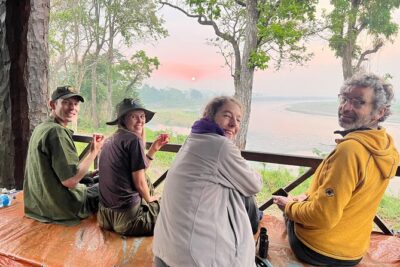
Jungle Towernight Stay In Chitwan National Park ,nepal-2 Nights 3 Days Package
Read our review →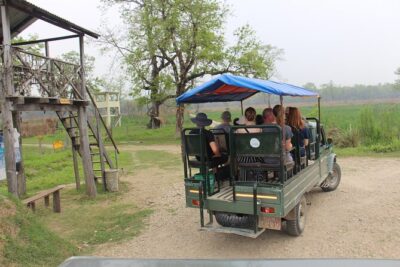
3-Day Chitwan National Park Jungle Safari Tour Package with Pick Up
Read our review →

From Kathmandu/Pokhara: 3-Day All-Inclusive Chitwan Safari
Read our review →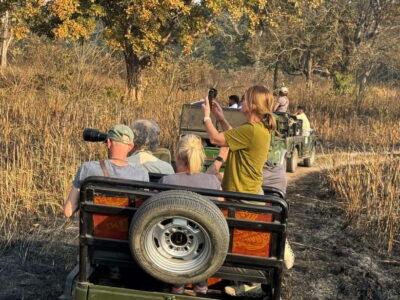
3-Day Chitwan Safari Tour with Hotel Transfers
Read our review →
Kathmandu/Pokhara: 3 Day Chitwan Jungle Safari Tour
Read our review →