REVIEW · 3-DAY EXPERIENCES
3 Days Pokhara Tour from Kathmandu
Pokhara rewards an early start. This three-day trip gives you two things I especially like: a scenic road journey through Nepal and a well-packed sightseeing day covering Sarangkot, David’s Fall, Gupteswor Cave, the International Mountain Museum, and Fewa Lake. The $115 price can also be good value when your chosen package includes transport, breakfast, lodging, entrance fees, and a guide.
The main catch is time. The road trip takes about eight hours each way, so the middle day is your only full day for activities. Accommodation can be quite basic, and the Sarangkot sunrise may cost about $25 extra, depending on the arrangement you choose. This is a useful short introduction to Pokhara, but not a slow, leisurely stay.
In This Review
- Five things to know before booking
- Is three days enough for Pokhara?
- Day One: The road from Kathmandu to Lakeside
- Sarangkot sunrise: the early highlight
- David’s Fall and Gupteswor Cave
- The International Mountain Museum
- One hour on Fewa Lake
- The guide and vehicle arrangements
- What the $115 price really gives you
- The drawbacks you should weigh
- Who should choose this Pokhara tour?
- Booking advice and final verdict
- FAQ
- How long does the Pokhara tour from Kathmandu last?
- What is the listed price per person?
- Is Sarangkot sunrise included in the $115 price?
- What attractions are visited in Pokhara?
- Is boating included?
- Are meals included?
- Is transportation included?
- What should I bring?
- Can solo visitors book this tour?
Five things to know before booking
- Sarangkot sunrise is the headline moment: An early drive brings you to a mountain viewpoint for sunrise over the Annapurna range.
- The road takes most of two days: Plan on roughly eight hours from Kathmandu to Pokhara and another eight hours back.
- The central day is tightly planned: You visit the waterfall, cave, museum, and lake in one full day.
- The package has different inclusion options: Bus transport, private-car sightseeing, entrance fees, and accommodation may depend on the option selected.
- The price favors practical visitors: At $115 per person, the tour can save planning time, but you should confirm exactly what is included before paying.
- The guide service receives strong praise: The English-speaking guide is described as attentive, friendly, and helpful when problems arise.
Is three days enough for Pokhara?
Three days is enough to see the main sights, but the schedule is really closer to one sightseeing day plus two long transfers. That distinction matters. You are not getting two or three relaxed days around the lake. You are getting a compact introduction with the major stops arranged for you.
The route begins in Kathmandu with a hotel pickup by car. You are taken to the tourist bus park, then continue toward Pokhara by road. The trip is described as scenic, with changing views along the way, but it is also long. An eight-hour journey can feel tiring, especially if you hoped to start sightseeing as soon as you arrived.
You should treat the first day as a travel day. The plan is to reach Pokhara at about 4 PM, settle into the hotel, and spend time around Lakeside. That evening is useful for getting your bearings, walking near Fewa Lake, and enjoying a change from Kathmandu’s crowded streets.
The return follows the same basic pattern. On the third morning, your hotel pickup begins the journey back to Kathmandu, with arrival expected around 4 PM. A car transfer then takes you from the bus arrival point to your hotel.
A short list of alternatives around Kathmandu
- Everest Base Camp Trek – 14 Days
★ 5.0 · 1,499 reviews - Private Kathmandu Sightseeing Tour | UNESCO World Heritage sites
★ 5.0 · 756 reviews - Everest Base Camp Helicopter Tour landing at Everest View Hotel
★ 5.0 · 668 reviews
Day One: The road from Kathmandu to Lakeside
The opening hotel pickup makes the start simple. A car takes you to the tourist bus park, so you do not have to arrange that first connection yourself. From there, the road journey begins.
The scenery is one of the better reasons to choose overland travel. You get a long look at Nepal outside the capital, rather than flying over it. The trip gives you changing views and a sense of the distance between Kathmandu and Pokhara, though the tradeoff is a full day in transit.
The timing matters. Arrival is expected by about 4 PM, leaving part of the late afternoon and evening for Pokhara Lakeside. This area is the tour’s easiest place to slow down. You can sit beside the lake, take in the surrounding hills, and recover from the road before the early start the next morning.
The accommodation is described as very good in one account and quite basic in another. That difference suggests you should not assume a fixed hotel standard without checking your selected package. Breakfast is included when accommodation is selected, while lunch and dinner are not.
I would budget separately for meals and personal spending. The $115 rate should be judged against the exact option you select, not just the headline price. A lower-priced selection may not include every feature listed in the full package.
Sarangkot sunrise: the early highlight
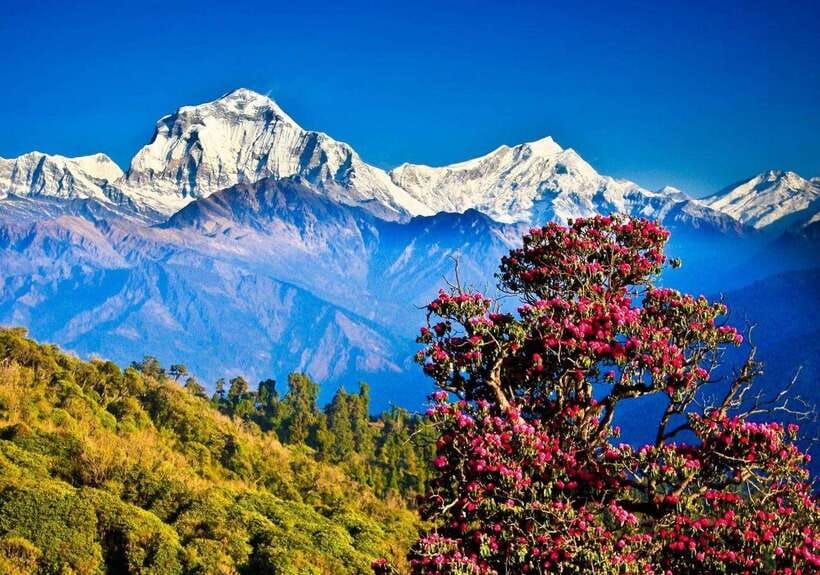
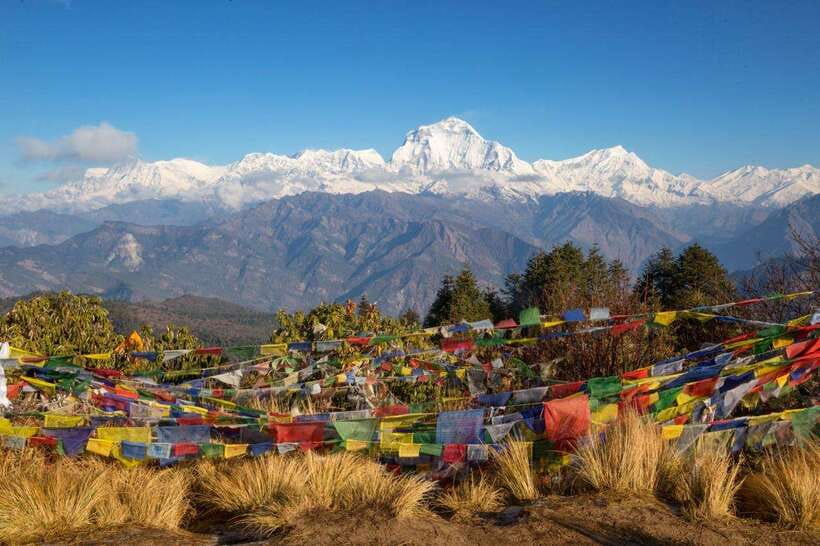
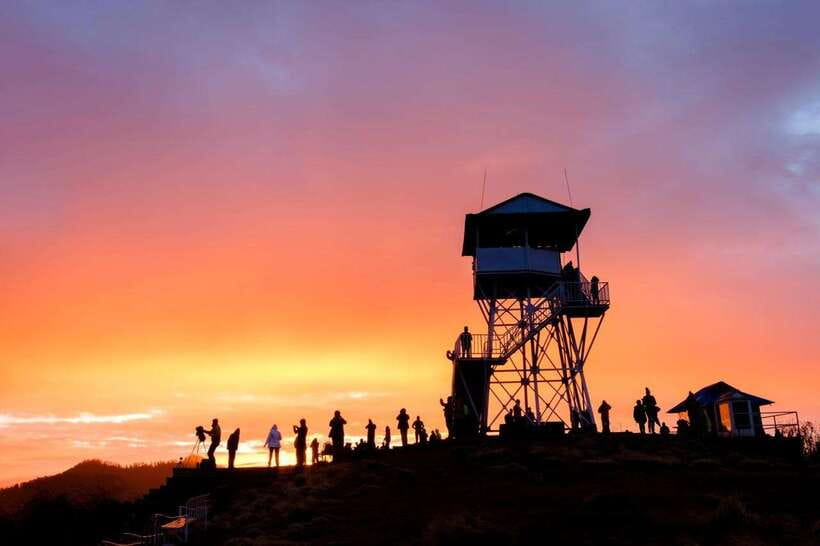
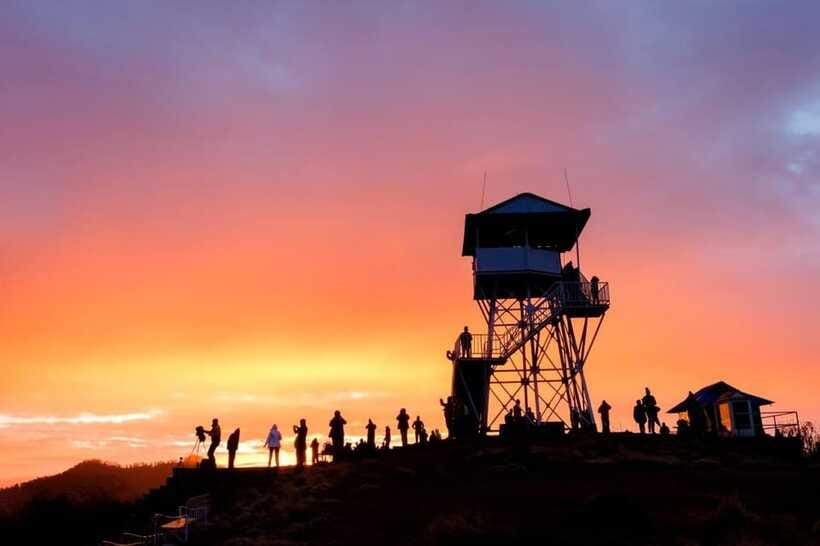
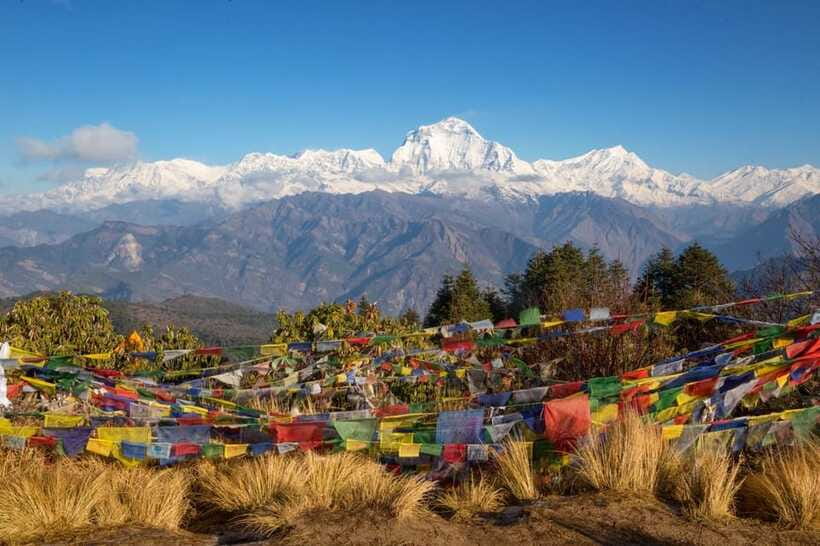
Sarangkot is the most memorable part of the schedule for many people who want mountain views. The drive begins early, taking you up to a viewpoint as the day starts. From there, you may see sunrise lighting the Annapurna mountain range.
The appeal is simple. You arrive before the day gets busy, stand above Pokhara, and watch the mountains change color in the morning light. This is the kind of stop that can make the long road journey feel worthwhile.
The early start is also the price you pay. You will need to leave before breakfast, then return for a meal afterward. If you do not enjoy dawn departures, this may be the one part of the tour that feels demanding. Still, Sarangkot is an important reason to choose this itinerary over a basic Pokhara city visit.
Pay close attention to the booking details. The sunrise visit may be offered as an additional option costing about $25. It is not safe to assume that the headline $115 price includes it. Confirm this before booking, along with transport, entrance fees, and the type of vehicle used.
David’s Fall and Gupteswor Cave
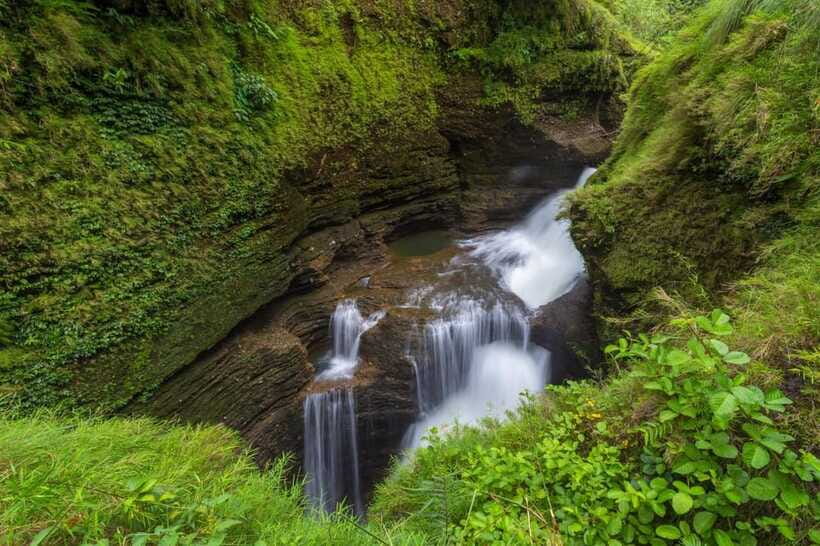
After breakfast, the private-car sightseeing circuit takes you to two of Pokhara’s best-known natural attractions: David’s Fall and Gupteswor Cave.
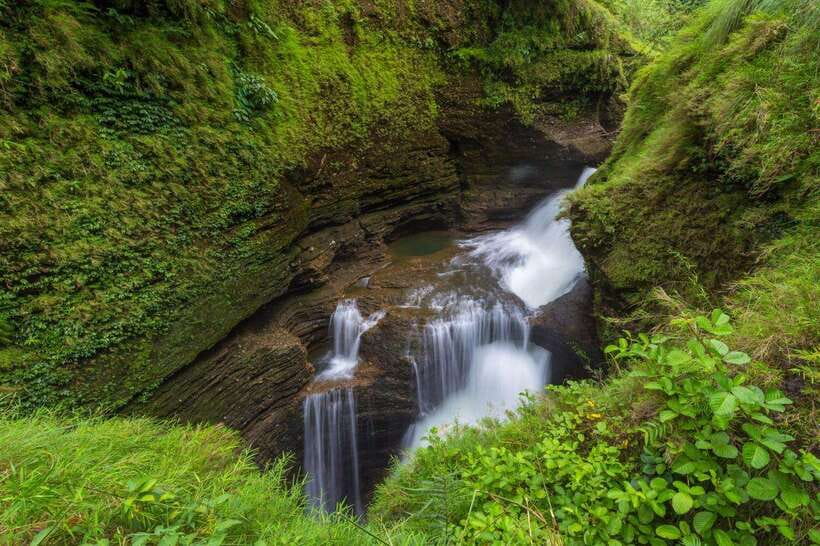
David’s Fall is known for water dropping through a narrow natural setting. The stop is short but visually striking, especially when water levels are strong. You should expect a sightseeing visit rather than a long outdoor walk or a full-day nature excursion.
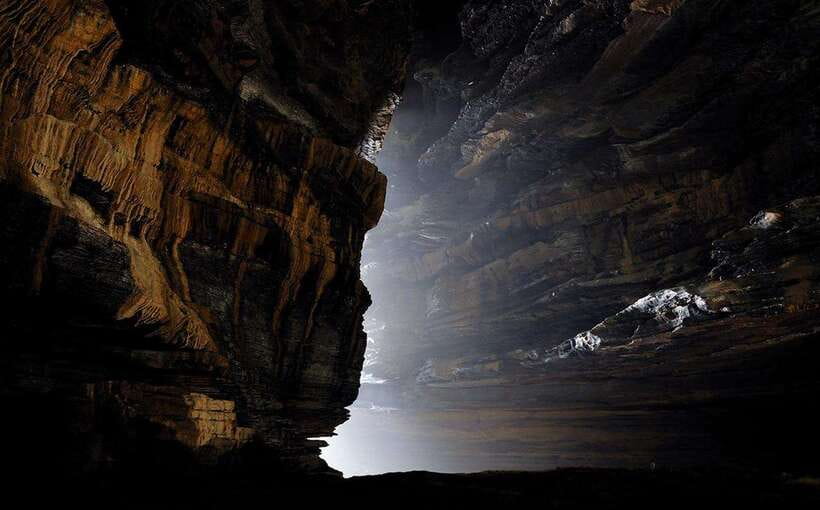
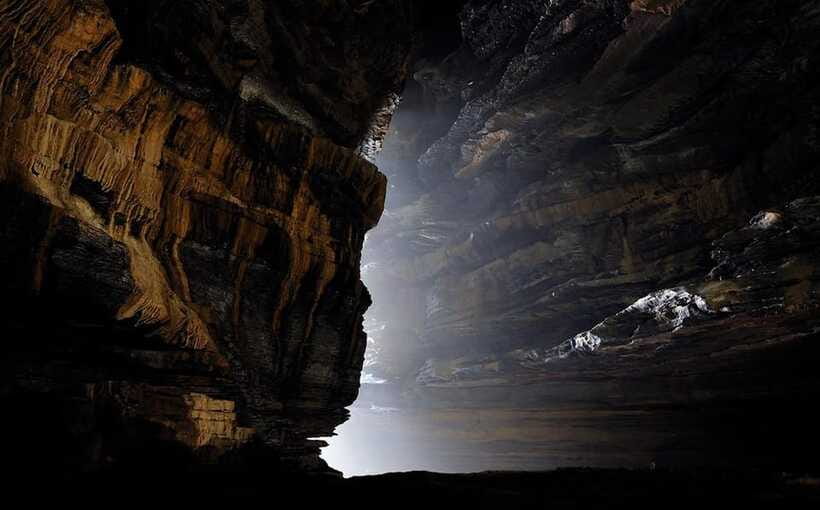
Gupteswor Cave adds a different mood. After the open views at the waterfall, you move into a darker underground setting. The cave gives the day some variety and makes the route feel more than a simple collection of viewpoints.
These two stops work well together because they are close in theme but different in feel. One is about moving water and open air. The other is about rock, shadow, and a confined passage. If you like compact attractions with a clear visual payoff, you will probably enjoy this section.
The exact entrance fees depend on the package selection. Since entrance fees may or may not be included, check the details before you leave. It is better to know your costs in advance than to discover that the advertised price covers only some admissions.
A completely different way to spend the day:
- Half day cooking class in Thamel kathmandu
★ 5.0 · 607 reviews - Everest Base Camp Trekking
★ 5.0 · 485 reviews - Nagarkot Sunrise View and Day Hiking from Kathmandu
★ 5.0 · 471 reviews - Kathmandu: Full Day 7 UNESCO Tour with Lunch – Private/Group
★ 5.0 · 415 reviews
The International Mountain Museum
The International Mountain Museum gives the itinerary a useful change of pace. Instead of looking at Pokhara only as a pretty lakeside town, the museum places the region within Nepal’s larger mountain story.
The attraction is especially relevant after Sarangkot. You have already seen the Annapurna range from a viewpoint, and the museum provides a more organized setting for learning about mountain exploration and Nepal’s high peaks. This pairing gives the day more substance than a simple drive from one photo stop to another.
You should not expect the museum to be the same kind of attraction as the waterfall or lake. It is indoors and educational, so its appeal depends on your interest in mountains, climbing, and Nepal’s geography. For many visitors, it is a welcome break from the road and a chance to understand the setting they have been seeing.
The private car is helpful here because it keeps the sightseeing route together. You are not left arranging separate rides between each site. The English-speaking guide can also help explain the stops, and the service has been praised for being attentive and good-natured.
One hour on Fewa Lake
The day ends with a one-hour boating experience on Fewa Lake. This is the most restful activity in the plan and a good counterweight to the early start and several sightseeing stops.
From the water, you get a different view of Pokhara and the surrounding hills. The pace is slower, with no museum rooms, cave passages, or roadside stops to manage. I like that the boat ride is scheduled after the main circuit rather than at the start of the day. It gives you a calm finish.
One hour is enough for a taste of the lake, but not a long paddle or extended water outing. Think of it as a relaxed closing activity. Afterward, you can return to Lakeside and spend the evening at your own pace.
Because lunch and dinner are excluded, you should plan your meals around the sightseeing schedule. The tour provides a framework, not a full meal plan. That gives you flexibility, but you will need to pay for food separately.
The guide and vehicle arrangements
The guide is listed as an experienced, licensed English-speaking local guide, and the driver also speaks English. The strongest praise in the available feedback focuses on the guide’s attitude. The service is described as friendly, attentive, and willing to help when local problems arise.
That kind of support matters on a short trip. With only one main day for sightseeing, delays can quickly affect the schedule. A guide who responds well to changes can make the trip less stressful, especially if you are not familiar with Nepal’s transport system.
The transfer arrangement uses a car for hotel pickup and drop-off, a tourist bus for the main Kathmandu to Pokhara journey when selected, and a private car for sightseeing when selected. These are not necessarily all included in every price option, so read the package details carefully.
The private car is one of the more useful upgrades. It avoids trying to coordinate four separate stops by yourself and gives the schedule a clear order. If you are comparing package options, this is one inclusion worth prioritizing.
What the $115 price really gives you
At $115 per person, the tour offers a reasonable starting price for a short organized trip, but the value depends on what you select. The listed inclusions can cover accommodation in Pokhara, daily breakfast, transportation by bus, private-car sightseeing, entrance fees, guide service, government tax, and office charges.
The wording matters because several items are marked as included only if selected. Do not assume that every feature appears in the base price. Before booking, confirm these points:
- Is the Kathmandu to Pokhara bus included?
- Is the private sightseeing car included?
- Are hotel nights and breakfast included?
- Are entrance fees included?
- Is the Sarangkot sunrise visit included, or is it an extra charge?
- What standard of hotel is provided?
The price does not include lunch, dinner, or personal expenses. You should also allow for the possible extra charge for the sunrise visit. The total cost remains reasonable if you value having the route, transfers, guide, and sightseeing arranged in advance.
For independent visitors, the main benefit is convenience. You do not need to organize the bus park transfer, Pokhara hotel, private sightseeing vehicle, or return hotel transfer separately. For visitors who prefer to choose their own hotels and transport, the fixed schedule may feel less attractive.
The drawbacks you should weigh
The long road journey is the clearest drawback. Eight hours to Pokhara and eight hours back leaves little room for flexibility. If you dislike long bus rides, you should think carefully before choosing this plan.
The itinerary also concentrates almost everything into Day Two. Sarangkot, breakfast, David’s Fall, Gupteswor Cave, the museum, and boating make for a full program. You will see a lot, but you will not have much spare time for unplanned wandering.
Hotel quality may vary by package. One account describes the hotel as very good, while another calls the two-night accommodation very basic. That is a significant difference, so ask for the hotel name or stated standard if sleeping comfort matters to you.
The sunrise may require an additional payment. This is not necessarily poor value, but it changes the true cost of the trip. I would confirm the amount and availability before you commit.
Finally, solo visitors are asked to contact the operator by email before booking. That does not mean a solo booking is impossible, only that the arrangements need to be checked first.
Who should choose this Pokhara tour?
I would recommend this trip to someone visiting Nepal for the first time who wants Pokhara’s key sights without arranging each transfer alone. It suits people who value a guide, fixed transport, hotel pickup, and a clear plan.
It is also a good fit if your schedule is tight. You can see Sarangkot, the main waterfall and cave, the mountain museum, Lakeside, and Fewa Lake in three calendar days.
This is less suitable for anyone who wants a slow Pokhara holiday. The road takes up most of Days One and Three, and the central sightseeing day starts early and stays busy. For a relaxed stay, you would need more time in town.
Families and older visitors should consider the long transfers and early Sarangkot departure. The supplied details do not specify accessibility conditions, so ask the operator about the cave, vehicle, and walking required before booking.
Booking advice and final verdict
I like this tour because it focuses on Pokhara’s most recognizable sights and removes much of the planning work. The guide service receives especially strong praise for being friendly and helpful, and the private-car circuit makes the middle day practical.
I would book it if I had only three days and wanted a structured introduction. I would first confirm the bus, hotel, entrance fees, private car, and Sarangkot supplement. I would also accept that the road journey is part of the deal, not an unfortunate surprise.
Choose another arrangement if you want long mornings, slow meals, or several free days beside Fewa Lake. Choose this one if you want the main sights, a mountain sunrise, and organized transfers at a moderate price. For the right schedule, it is a useful and fairly priced snapshot of Pokhara.
FAQ
How long does the Pokhara tour from Kathmandu last?
The tour lasts three days. The journey to Pokhara takes about eight hours, and the return journey also takes about eight hours.
What is the listed price per person?
The listed price is $115 per person. The final inclusions depend on the option selected.
Is Sarangkot sunrise included in the $115 price?
The sunrise visit may be available for an additional charge of about $25. Confirm this before booking because it may not be included in the listed price.
What attractions are visited in Pokhara?
The itinerary includes Sarangkot, David’s Fall, Gupteswor Cave, the International Mountain Museum, Pokhara Lakeside, and Fewa Lake.
Is boating included?
The program includes a one-hour boating experience on Fewa Lake.
Are meals included?
Daily breakfast is included when accommodation is selected. Lunch and dinner are not included.
Is transportation included?
Transportation by tourist bus and sightseeing by private car are included when those options are selected. Hotel pickups and transfers are also part of the planned arrangements.
What should I bring?
You should bring a passport or an accepted copy of your passport or ID card.
Can solo visitors book this tour?
Solo visitors are asked to email the operator before booking so the arrangements can be confirmed.
New in the Kathmandu listings
- Traditional Momo Making Class★ 5.0 · 10 reviews
- Kathmandu: Ancient City Kirtipur & Pharping Monastery Tour★ 5.0 · 2 reviews
- Kathmandu to Pokhara Premium sofa bus ticket★ 4.0 · 17 reviews
- Women Empowerment Project(Nepali cooking class & jewelry workshop★ 5.0 · 15 reviews
- 7-Day Langtang Valley Trek from Kathmandu★ 5.0 · 1 review
- Kathmandu 2 Nights 3 Days Chitwan Jungle Safari Tour★ 5.0 · 9 reviews
- Yoga Experience Day Trip with Private Transfer From Kathmandu★ 4.0 · 2 reviews
- Wildlife Adventure in Chitwan Nepal★ 4.0 · 4 reviews
3-Day Experiences, compared.
Jungle Towernight Stay In Chitwan National Park ,nepal-2 Nights 3 Days Package
Read our review →
3-Day Chitwan National Park Jungle Safari Tour Package with Pick Up
Read our review →
From Kathmandu/Pokhara: 3-Day All-Inclusive Chitwan Safari
Read our review →
3-Day Chitwan Safari Tour with Hotel Transfers
Read our review →
Kathmandu/Pokhara: 3 Day Chitwan Jungle Safari Tour
Read our review →