REVIEW · 4-DAY EXPERIENCES
4 Days Pikey Peak Trek : The Best View of Mt Everest
Sunrise makes the long drive worthwhile. This four-day Pikey Peak trek gives you wide Himalayan views and a quieter route through Sherpa villages, rhododendron woods, and alpine meadows. I like the modest altitude compared with longer Everest treks, and I like the chance to see daily mountain life without spending two weeks on the trail.
The main catch is the road time. You may spend seven to nine hours in a private jeep reaching Dhap, then face a similar drive back from the trailhead. Still, the summit views, peaceful paths, and small group size make this a sensible short Himalayan adventure, especially with guides such as Pemba, Sukbir Tamang, or Ngima Chhechi Sherpa.
In This Review
- Pikey Peak Trek at a Glance
- Why Pikey Peak Works for a Short Nepal Trip
- Day One: Kathmandu to Dhap, Then Jhapre
- Day Two: Jhapre to Pikey Base Camp at 3,640 Meters
- Day Three: The Pikey Peak Sunrise and the Long Return
- Day Four: Back to Dhap and Kathmandu
- The Views, Forests, and Sherpa Culture
- Lodges, Meals, and What to Pack
- Is $350 a Fair Price?
- Altitude, Fitness, and Comfort
- Who Should Book This Trek?
- Should You Book the Pikey Peak Trek?
- FAQ
- How long is the Pikey Peak Trek?
- How high is Pikey Peak?
- How long is the drive from Kathmandu to Dhap?
- Is food included in the price?
- What type of accommodation is provided?
- Can I get internet or phone service on the trek?
- What is the best season for this trek?
Pikey Peak Trek at a Glance
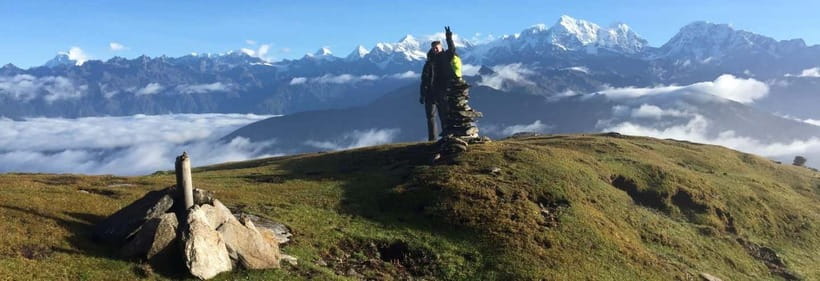
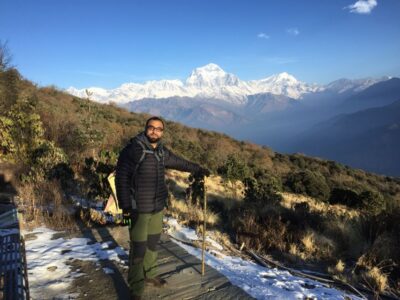
- A 4,065-meter sunrise summit: The early climb rewards you with views reaching from Dhaulagiri in the west to Kanchenjunga in the east, with Everest in the middle.
- A quieter alternative near Kathmandu: You get a taste of the Lower Khumbu without the crowds and long approach used by major Everest routes.
- Real Sherpa village life: Jhapre, Kerung, monasteries, stupas, and local lodges give the walk a cultural side, not just mountain scenery.
- A demanding first and last day by road: The Kathmandu to Dhap transfer can take seven to nine hours, so the trek is short, but the transport is not.
- A small, guided experience: Groups are limited to eight people, with an English-speaking guide, permits, lodging, breakfast, and private transport included.
- A good value at $350: The price covers several important costs, but meals, drinks, a porter, and personal expenses are extra.
Why Pikey Peak Works for a Short Nepal Trip
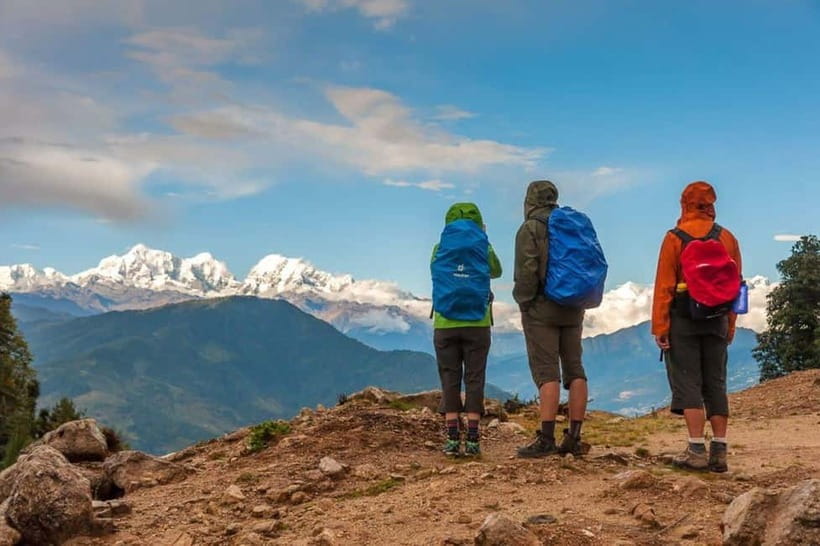
Pikey Peak is a useful choice when you want Himalayan scenery but cannot give up two or three weeks. The route reaches 4,065 meters, high enough for snowy summits and thin mountain air, but the walking schedule is compact.
You will not get the full scale of a classic Everest Base Camp journey. There is no long approach through the Khumbu, no high pass crossing, and no extended stay at altitude. What you do get is a focused mountain trip with forest, pasture, Buddhist culture, and a summit morning.
I especially like the route for first-time trekkers who are reasonably fit and comfortable with long walking days. Families may also appreciate the short duration, though children need to be ready for six to seven hours of hiking and basic lodge conditions. Bird watchers and photographers have a good reason to consider it too, thanks to the forests, open ridges, and changing mountain views.
The small group limit matters. With no more than eight people, the guide can usually keep a closer eye on pace, water intake, and how everyone is handling the altitude. Pemba, Sukbir Tamang, and Ngima Chhechi Sherpa are named guides connected with particularly well-regarded trips, and a good guide is valuable here because the route combines road travel, village trails, and a high summit day.
More walking in the hills of Kathmandu:
- Everest Base Camp Trek – 14 Days
★ 5.0 · 1,499 reviews - Everest Base Camp Trekking
★ 5.0 · 485 reviews - Nagarkot Sunrise View and Day Hiking from Kathmandu
★ 5.0 · 471 reviews
Day One: Kathmandu to Dhap, Then Jhapre
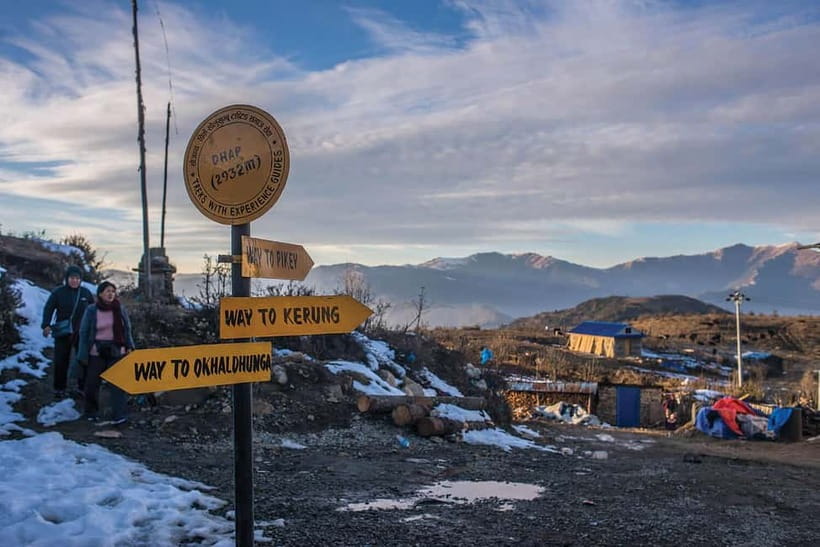
Your journey begins with hotel pickup in Thamel. The drive to Dhap generally takes seven to nine hours, following roads and countryside near the Sunkoshi River. This is not a quick shuttle. It is a full travel day, and road conditions can affect the exact timing.
The scenery changes as Kathmandu gives way to terraced rice fields, forest, rivers, and hill villages. You get a useful look at rural Nepal before reaching the walking section. At Dhap Bazaar, you take a short break and then begin the roughly two-hour walk to Jhapre.
The route passes Kerung, a village with Tibetan influence, along with Buddhist monasteries and traditional buildings. Wild orchids and forest surroundings add interest, particularly in spring. Jhapre is your first overnight stop, usually in a simple local lodge.
This day is best understood as a transfer day with a gentle introduction to trekking. The walking is not the hard part. The road is. Bring water, snacks, and something to occupy you during the drive, but do not treat the first day as wasted time. The countryside provides a useful contrast to Kathmandu, and reaching Jhapre by foot helps you leave the road behind.
Day Two: Jhapre to Pikey Base Camp at 3,640 Meters
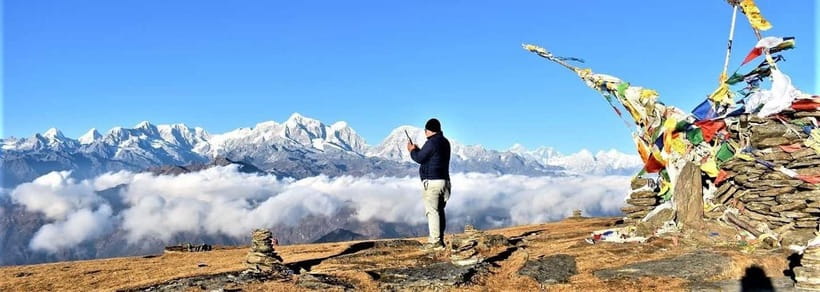
The second day takes you toward Pikey Base Camp, at 3,640 meters. The hike lasts about six hours, with trails passing stone walls, old stupas, and Buddhist monasteries.
This is where the character of the trek changes. You move from settled countryside into higher country, with more open views and a stronger sense of distance. Rhododendron forests and alpine meadows replace much of the cultivated land. In spring, flowering rhododendrons can add color to the walk, while autumn usually offers the clearest conditions for mountain views.
Pikey Base Camp is the second-highest sleeping point on the trip. That makes it an important night for pacing yourself. You may feel fine during the afternoon and notice a headache or fatigue later. Drink plenty of water, walk steadily, and avoid alcohol. The instructions specifically recommend sleeping lower after the summit, which is why the next day returns to Jhapre rather than adding another high-altitude night.
Lodges are basic but comfortable enough for a short trek. Expect twin-sharing rooms with blankets. Food generally includes dal bhat, noodles, soup, eggs, potatoes, Tibetan bread, tea, and coffee. Hot showers may be available at some lodges for an additional fee, but you should not count on the same comfort you would find in Kathmandu.
Day Three: The Pikey Peak Sunrise and the Long Return
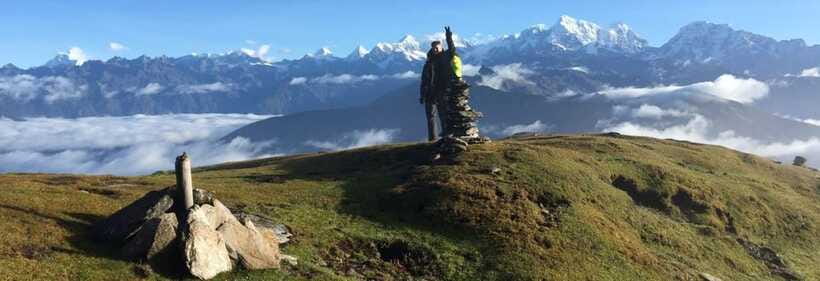
The summit day begins early, with about one and a half hours of hiking to Pikey Peak. The early start is worthwhile because sunrise is one of the main reasons to choose this trek.
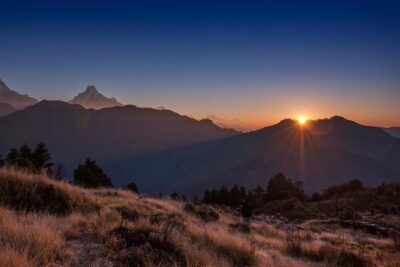
At 4,065 meters, Pikey Peak gives you a broad view across the Himalayan range. On a clear day, you can see Dhaulagiri to the west, Kanchenjunga to the east, and Mt. Everest among the central peaks. The view is not limited to one famous mountain. That wide sweep is the real reward.
Conditions matter greatly. A July or August departure may still be pleasant for walking, but clouds can reduce the mountain views. Spring, from March through May, brings rhododendron flowers. Autumn, from September through November, is generally the strongest choice for clear visibility and stable weather. Winter can offer crisp skies, but you need to be prepared for cold.
After the summit, you descend to Pikey Base Camp and continue to Jhapre. The full hiking time is about six hours after the early summit walk, so this is the hardest day despite the short summit approach. Your knees may notice the descent, and the return can feel long after the excitement of the top has faded.
Plan your clothing carefully. You will want a warm layer at the summit, sunglasses and sunscreen during the day, and a waterproof shell in case conditions change. Gloves, a hat, and a buff or scarf are sensible. A headlamp is important for the pre-sunrise start.
A short list of alternatives around Kathmandu
- Private Kathmandu Sightseeing Tour | UNESCO World Heritage sites
★ 5.0 · 756 reviews - Everest Base Camp Helicopter Tour landing at Everest View Hotel
★ 5.0 · 668 reviews - Half day cooking class in Thamel kathmandu
★ 5.0 · 607 reviews - Kathmandu: Full Day 7 UNESCO Tour with Lunch – Private/Group
★ 5.0 · 415 reviews
Day Four: Back to Dhap and Kathmandu
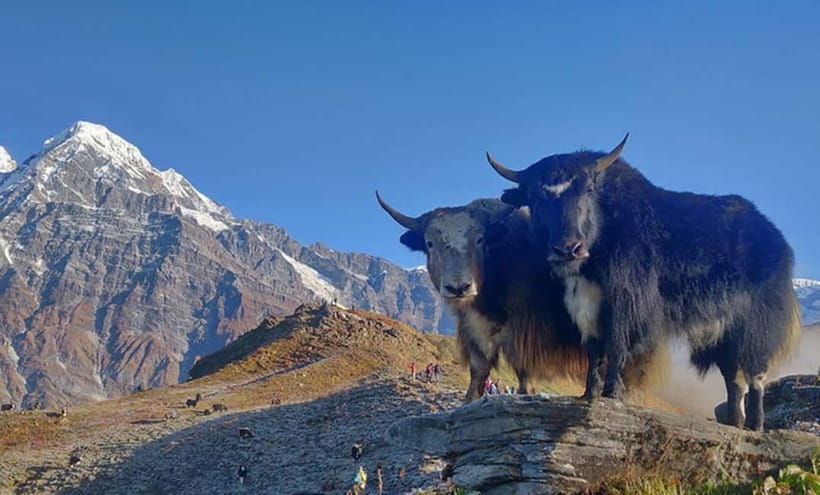
After breakfast, you walk for about two hours back to Dhap. From there, the private jeep or van returns you to Kathmandu, with hotel drop-off in Thamel.
Again, the road can take seven to nine hours. That makes the final day less restful than the phrase drive back to Kathmandu might suggest. If you have an evening flight, leave plenty of room for delays and do not schedule anything important too tightly.
The return drive does offer time to look back at the trip. In four days, you have moved from city streets to Buddhist villages, forests, high meadows, and a 4,065-meter summit. That compact contrast is the best argument for choosing Pikey Peak.
The Views, Forests, and Sherpa Culture
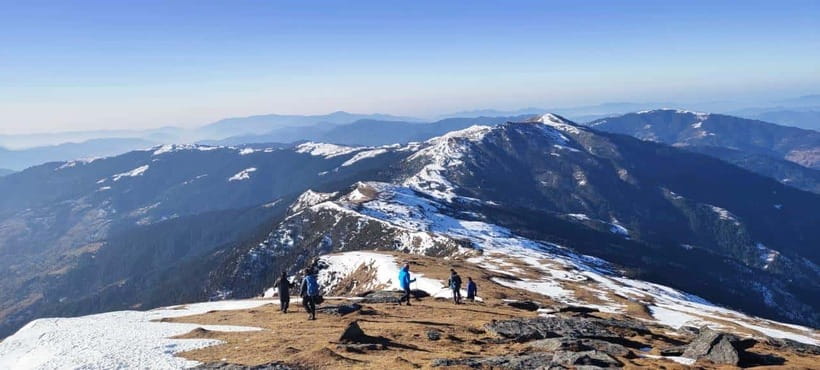
Pikey Peak is not only a summit walk. The cultural stops give the route more depth.
Kerung and Jhapre offer contact with Tibetan-influenced Buddhist traditions. You pass monasteries, stupas, stone walls, and villages where the lodge is part of local life. This is not a staged cultural show. The experience is simple, and that is its value.
The natural scenery changes steadily. Lower sections include rivers, terraces, and forest. Higher trails bring rhododendron woods, open pasture, and ridgelines. For photographers, the route provides several kinds of subjects: mountain panoramas, monasteries, village details, wild orchids, and the changing light around sunrise.
You should keep expectations sensible. Mountain views depend on weather, and no guide can guarantee a clear summit. The good news is that the route remains worthwhile in partial cloud because the forest, villages, and Buddhist landmarks do not disappear when Everest does.
Lodges, Meals, and What to Pack
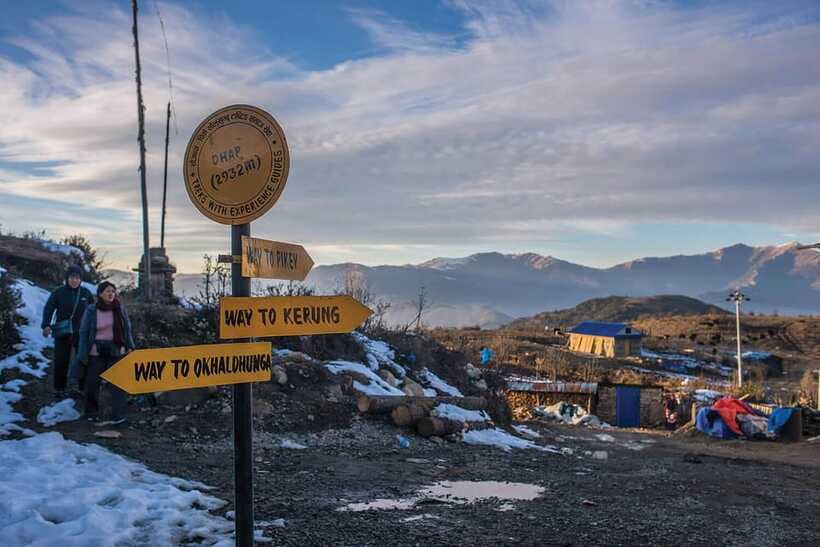
The $350 price includes lodge accommodation and breakfast, but not lunch, dinner, snacks, or drinks. You should budget for meals and carry enough Nepali rupees because there are no ATMs along the trail.
Electricity may be solar or limited. Bring a power bank and charge your devices whenever power is available. Network coverage from NTC and Ncell works in most villages but can be patchy, so tell family or friends not to expect constant contact.
Pack light, but do not pack too little. Your core list should include:
- Broken-in trekking boots
- Base layers, fleece, down jacket, and waterproof shell
- Warm gloves, hat, and buff or scarf
- Sunglasses and sunscreen
- Headlamp
- Water purification tablets or a filter
- Energy bars or nuts
- Small first-aid kit
- Personal altitude and stomach medicine
- Toiletries
- Sleeping bag if you prefer your own
- Camera and power bank
Lodges provide blankets, but a sleeping bag can make the high night more comfortable. You should also carry your passport or ID card, since it is listed as essential for the trip.
A porter is not included. That keeps the headline cost down, but you will need to carry your own daypack unless you arrange and pay for porter service separately. For four days, many people can manage with a small pack, though warm clothing and a sleeping bag add weight.
Is $350 a Fair Price?
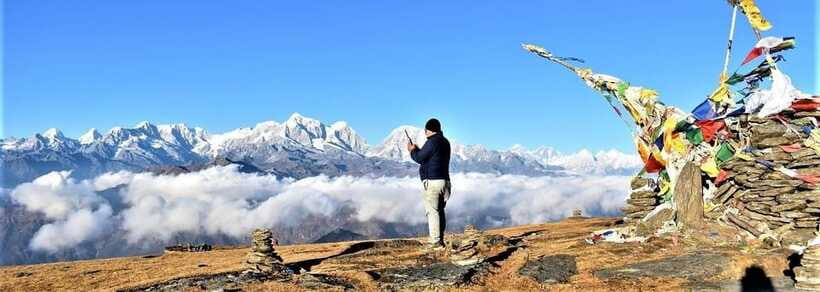
At $350 per person, the trip offers solid value for a guided Himalayan outing. The cost includes an English-speaking guide, necessary permits, government taxes, private transport from Kathmandu to Dhap and back, hotel pickup and drop-off, lodge accommodation, and breakfast.
The private vehicle is important. Public transport might reduce costs, but it would likely make the Dhap connection less simple and less comfortable. A private jeep or van also suits a group of up to eight people.
The price is not all-inclusive. You pay separately for meals beyond breakfast, drinks, a porter, hot showers, and personal purchases. You should also carry cash for the trail. Once those costs are added, your final budget will be higher than $350.
Even so, I think the price makes sense if you value a guide and private transport. The route is short enough to fit into a Nepal holiday, while the summit views can feel far bigger than the number of days suggests.
Altitude, Fitness, and Comfort
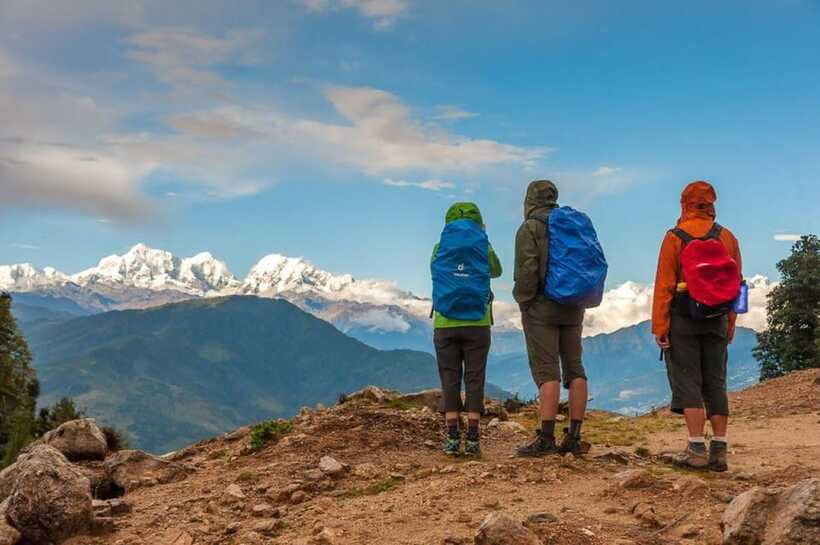
Pikey Peak is described as a moderate-altitude trek, but 4,065 meters is high enough to cause mild acute mountain sickness. Headache, nausea, and unusual fatigue are possible.
Your best tools are a slow pace, plenty of water, and sensible rest. Avoid alcohol, tell your guide if you feel unwell, and do not treat the summit as more important than your health. The return to Jhapre after the summit is helpful because you sleep lower that night.
You should be comfortable walking for six to seven hours on mountain trails. The trek is not suitable for pregnant women. Beginners can manage it if they prepare for the long days, but the word moderate should not be confused with effortless.
The biggest physical nuisance may be the road rather than the altitude. Eight hours in a vehicle at the start and again at the end can be tiring, especially if you have just arrived in Nepal. A small cushion, water bottle, snacks, and patience will help.
Who Should Book This Trek?
I would recommend Pikey Peak to you if you want:
- A short Himalayan trip from Kathmandu
- Everest views without a long Everest Base Camp route
- A small group and English-speaking guide
- A mix of nature, Buddhist culture, and village life
- Moderate altitude, with proper preparation
- A compact itinerary for a larger Nepal holiday
I would choose another trek if you dislike long road transfers, want luxury lodges, need guaranteed mountain views, or prefer a slow schedule with plenty of rest. The summit day is also not ideal if you want a very gentle family walk.
The experience has earned a 4.2 rating from four verified bookings, with strong praise for the guides and the summit scenery. Pemba was singled out for making the trip enjoyable, Sukbir Tamang for taking good care of the group, and Ngima Chhechi Sherpa for friendly service. The consistent practical warning is simple: expect a long drive out and back.
Free cancellation up to 24 hours before departure and reserve-now, pay-later terms give you some flexibility. Starting times depend on availability, so confirm the schedule before you commit to flights or other tours.
Should You Book the Pikey Peak Trek?
Book it if you want a short, sincere taste of the Himalayas and can accept that the road consumes much of the first and last days. The payoff is a quiet trail, real Sherpa villages, a manageable four-day schedule, and one excellent summit morning.
I would pick autumn for the best chance of clear views, spring for rhododendrons, and winter only if you are ready for cold. Pack for changing weather, budget for meals and drinks, and choose this trek for its whole mix of mountains and culture, not Everest alone.
FAQ
How long is the Pikey Peak Trek?
The experience lasts four days, beginning and ending in Thamel, Kathmandu.
How high is Pikey Peak?
Pikey Peak reaches 4,065 meters. Pikey Base Camp is at 3,640 meters.
How long is the drive from Kathmandu to Dhap?
The drive generally takes seven to nine hours by jeep or bus. The return drive takes a similar amount of time.
Is food included in the price?
Breakfast at the lodges is included. Lunch, dinner, beverages, snacks, and personal food expenses are not included.
What type of accommodation is provided?
You stay in basic but cozy teahouses or lodges, generally in twin-sharing rooms with blankets.
Can I get internet or phone service on the trek?
NTC and Ncell networks work in most villages, although coverage is patchy. Electricity is limited or solar-powered in some places.
What is the best season for this trek?
Spring, from March through May, offers rhododendrons and clear views. Autumn, from September through November, generally offers the best visibility and weather. Winter is cold but can have clear skies.
New in the Kathmandu listings
- Traditional Momo Making Class★ 5.0 · 10 reviews
- Kathmandu: Ancient City Kirtipur & Pharping Monastery Tour★ 5.0 · 2 reviews
- Kathmandu to Pokhara Premium sofa bus ticket★ 4.0 · 17 reviews
- Women Empowerment Project(Nepali cooking class & jewelry workshop★ 5.0 · 15 reviews
- 7-Day Langtang Valley Trek from Kathmandu★ 5.0 · 1 review
- Kathmandu 2 Nights 3 Days Chitwan Jungle Safari Tour★ 5.0 · 9 reviews
- Yoga Experience Day Trip with Private Transfer From Kathmandu★ 4.0 · 2 reviews
- Wildlife Adventure in Chitwan Nepal★ 4.0 · 4 reviews
4-Day Experiences, compared.
4-Day Ghorepani, Poonhill & Ghandruk Mountain Trek
Read our review →
3 Nights 4 Days Chitwan National Park with Tower Night Stay
Read our review →