
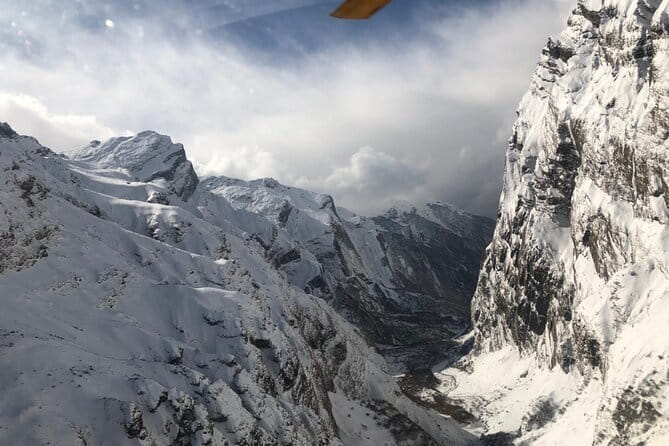
REVIEW · ANNAPURNA BASE CAMP TREKS
Annapurna Base Camp Trek from Pokhara 7 Days
Seven days, one legendary Himalayan goal. This trek combines Annapurna Base Camp views with village life, forest trails, hot springs, and traditional guesthouse stays. I like that the $395 price includes hotel transfers, a guide, permits, TIMS card, accommodation, and shared jeep transport. I also like the private-trip format, which lets your group move at its own pace instead of following a large crowd.
The main consideration is physical effort. You will trek for about six to nine hours a day, climb and descend steep stone paths, and sleep in simple guesthouses. The schedule also includes a sharp descent from Annapurna Base Camp to Bamboo, so your knees may remember the trip longer than your camera does.
In This Review
- Key points to know before you book
- What this seven-day Annapurna trek is really like
- Day 1: Pokhara to Jhinu Danda and the Modi Khola valley
- Day 2: The climb toward Chhomrong
- Day 3: Forest paths and the walk to Deurali
- Day 4: Machhapuchhare Base Camp to Annapurna Base Camp
- Day 5: The long descent from Base Camp to Bamboo
- Day 6: Chhomrong, Jhinu Danda, and hot spring recovery
- Day 7: Farmland, Nayapul, and the return to Pokhara
- What the $395 price includes
- Guides, guesthouses, and the human side of the trek
- Who should book this trek
- Should you book the Annapurna Base Camp Trek from Pokhara?
- FAQ
- How long is the Annapurna Base Camp Trek from Pokhara?
- What is the price per person?
- Is hotel pickup included?
- Is transportation included?
- Is the trek private?
- Is a guide included?
- Are permits included?
- Where do you stay during the trek?
- What level of fitness is required?
- Can you cancel for a full refund?
Key points to know before you book
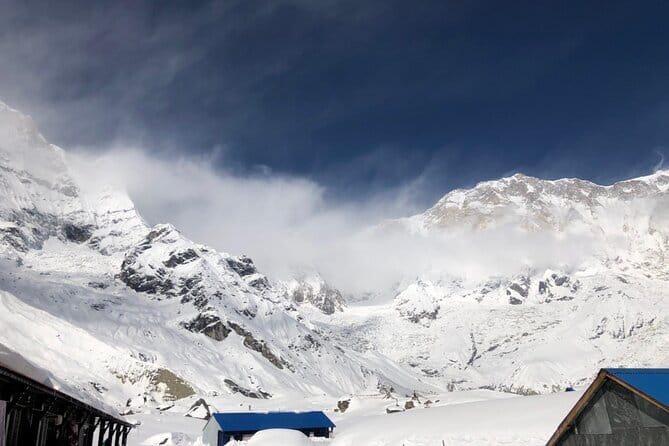
- Annapurna Base Camp is reached on Day 4, after streams, forest trails, and the Machhapuchhare Base Camp area.
- The trek includes cultural contact, with nights in mountain villages and meals at local guesthouses.
- The $395 package covers the major basics, including permits, a guide, accommodation, and round-trip shared jeep transport.
- The hardest physical feature is the elevation change, especially the descent from Base Camp to Bamboo, about 1,600 meters lower.
- Guide quality is a major strength, with Biru, Dadi, Bikram, Prakash, and Krishna named in positive feedback.
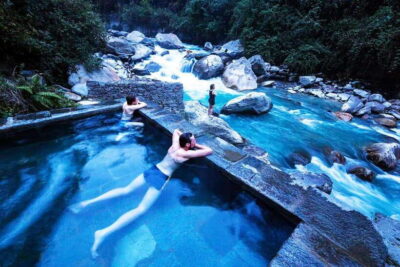
- The final reward is Jhinu’s hot springs, a welcome soak after several days on the trail.
What this seven-day Annapurna trek is really like
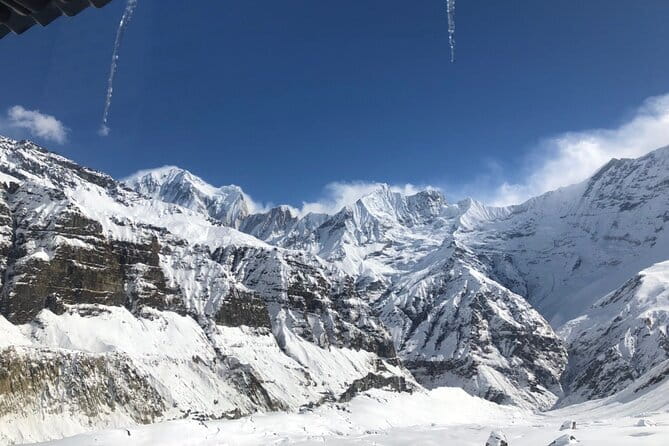
The Annapurna Base Camp Trek from Pokhara is a compact mountain journey with a clear focus: reach the base camp, spend time in the mountain villages, and return to Pokhara within a week. You are not simply driving to a viewpoint. You are walking through changing terrain, from river valleys and farmland to rhododendron forest, alpine surroundings, and high mountain corridors.
The route gives you several kinds of Nepal in one trip. You see local communities, hear about regional customs from your guide, eat at simple lodges, and watch the scenery change as you gain height. The mountain views are the headline, but the village stays and ordinary trail life are what give the trek its character.
The package is listed as a private activity, so only your group takes part in the trekking portion. Transport is by shared jeep, however, so private does not mean every vehicle is reserved only for your party. That is a useful distinction when you are comparing prices.
More Annapurna Base Camp treks:
- Kathmandu/Pokhara: 5-Day Annapurna Base Camp (ABC) Trek
★ 4.9 · 72 reviews - Private 7 – Day Annapurna Base Camp Trekking
★ 5.0 · 50 reviews - Annapurna Base Camp Trek (8 days)
★ 5.0 · 45 reviews
Day 1: Pokhara to Jhinu Danda and the Modi Khola valley
The first day begins with hotel pickup in Pokhara and a transfer to the trailhead. Before walking, you will sort out your gear and have your trekking permits checked. Those early practical steps matter. A misplaced item or missing document is much easier to fix before you are deep in the valley.
The route follows the Modi Khola River and passes through small villages. At about nine hours, this is the longest day listed, and the combination of transport, preparation, and trekking can make it feel full. I would keep your first morning simple and avoid planning anything important in Pokhara after returning from the trek.
Jhinu Danda is best known here as a mountain settlement and later as the place with hot spring baths. The river valley gives you a gentler introduction than an immediate high-altitude climb, while the villages offer your first close look at daily life along the route.
One point deserves attention: the published sequence places Jhinu Danda on Day 1, then sends you uphill toward Chhomrong on Day 2. Exact road and trail arrangements can vary, so confirm the meeting point and starting trail with MDA before departure.
Day 2: The climb toward Chhomrong
Day 2 is listed as a six-hour trek with an uphill walk to Chhomrong, one of the larger villages on the route. After the long opening day, this is still demanding, but the shorter walking time gives you more space to settle into the rhythm of trekking.
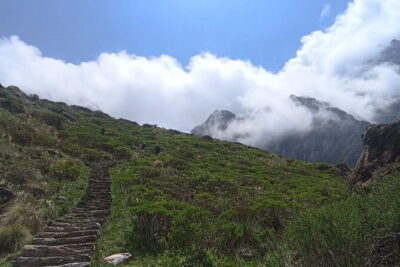
Chhomrong is an important stop because it feels like a real mountain community rather than just a sleeping point. The village setting helps you understand how the trail connects local settlements with the wider Annapurna route. You will continue through dense forest, where the trees provide shade and a welcome change from exposed paths.
The forest section is one of the trip’s quieter pleasures. The mountain views can come and go as the trees close around the trail, but that variety keeps the walk from becoming a long series of identical viewpoints. You might find the forest more comfortable in the middle of the day than an open, sun-exposed section.
Your accommodation is in a guesthouse. This means practical comfort rather than resort service. The emphasis is on a bed, food, and a place to recover for the next morning.
Day 3: Forest paths and the walk to Deurali
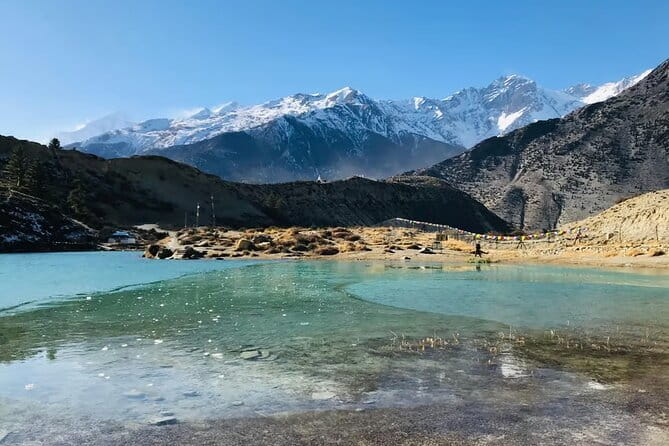
The third day takes you toward Deurali in about six hours. The route continues through forest and offers views of the Annapurna mountain range. Lunch is described as a scenic stop, so this is a good day to slow down and take in the surroundings rather than race ahead.
Deurali marks a more remote feel on the route. As you move farther into the Annapurna area, the mountains become a larger part of your day, not just distant shapes above the villages. The trail also passes dense woodland and clear streams, giving you a good mix of natural features.
This is where a strong guide can make a real difference. A guide can help you judge a sensible pace, point out mountain names, explain local customs, and keep the day organized. Past guests have singled out guides including Biru, Dadi, Bikram, Prakash, and Krishna for kindness, patience, good arrangements, and help with photographs. Guide assignment can change, but the repeated praise for personal care is a good reason to ask MDA who will lead your group.
More walking in the hills of Pokhara:
- Poon hill Trek 3 days
★ 5.0 · 176 reviews - Trekking in Annapurna/Langtang/Everest/Upper Mustang regions
★ 5.0 · 161 reviews - Pokhara: 4-Day Ghorepani, Poonhill & Ghandruk Mountain Trek
★ 5.0 · 132 reviews - Ghorepani – Poon Hill Trek 3N-4D
★ 5.0 · 125 reviews
Day 4: Machhapuchhare Base Camp to Annapurna Base Camp
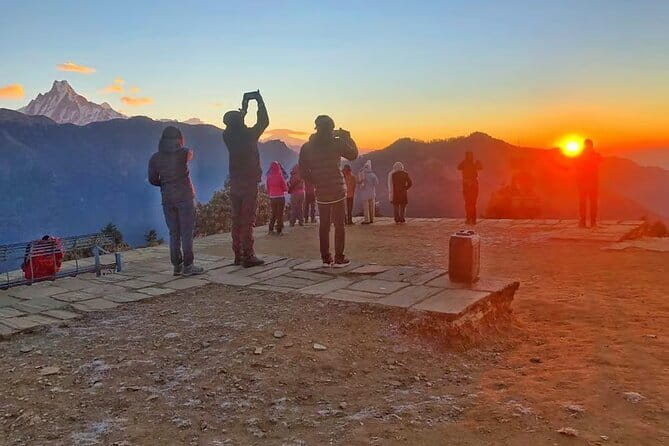
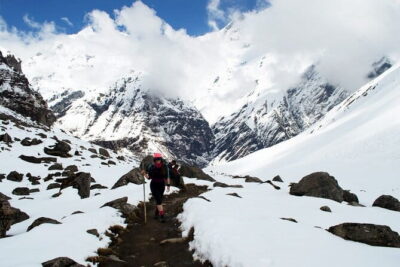
Day 4 is the central day of the trek. You follow the trail across streams toward Machhapuchhare Base Camp, then continue toward Annapurna Base Camp. The walking time is about seven hours, and this section brings the most dramatic mountain setting of the trip.
The route enters what is described as Ablation Valley, a hollow corridor between the glacier and the mountain. That detail gives you a sense of the terrain: this is no longer just a forest walk. You are moving through a high, open mountain environment shaped by ice, rock, and steep peaks.
From there, you cross over the hills toward Annapurna Base Camp. The goal is not a museum or a single structure. It is a high mountain basin surrounded by some of the most impressive peaks in the region. Annapurna, Machhapuchhre, and the surrounding range create the backdrop you came for, but weather will influence how much you actually see.
The package lists an admission ticket included for Annapurna Base Camp, while the other stops have no admission charge listed. Permits and the TIMS card are also included, which saves you from arranging those items separately.
This is the day when fitness and patience matter most. Your body has already completed several days of walking, and the air is thinner at higher elevations. The supplied information calls for moderate physical fitness, so you should not treat this as a casual sightseeing outing. A steady pace is more useful than speed, and your guide’s judgment is important here.
Day 5: The long descent from Base Camp to Bamboo
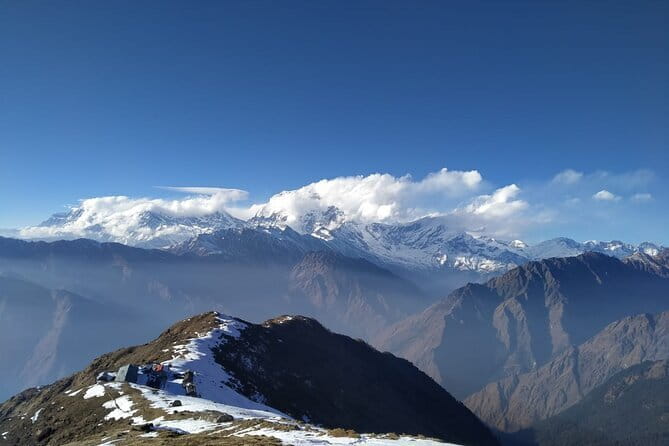
Day 5 reverses the direction and heads downhill from Annapurna Base Camp to Bamboo. The listed elevation difference is about 1,600 meters, making this one of the most physically demanding parts of the trek even though you are losing height.
Downhill walking sounds easier than climbing, but it can be harder on your knees and thighs. Stone steps and uneven paths require attention. Trekking poles can be useful, although the package does not state that they are supplied, so ask before you arrive.
The six-hour estimate is manageable for a fit walker, but your pace may be slower after the previous day. Bamboo provides an important recovery stop and another guesthouse night. Expect the simple pleasure of getting your boots off, eating, and resting.
I would not try to judge this day by the scenery alone. The route gives you another view of the valley from the opposite direction, and the changing forest helps break up the descent. Still, the main story is physical: protect your knees, take short steps, and do not spend all your energy trying to keep up with the fastest person in the group.
Day 6: Chhomrong, Jhinu Danda, and hot spring recovery
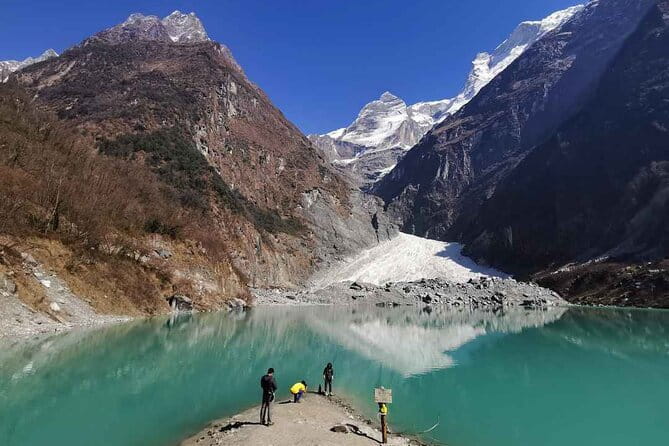
On Day 6, you continue down the valley, pass through Chhomrong, and reach Jhinu Danda. The walk takes about six hours and offers broad views as you lose height.
The hot springs are the reward. After several days of climbing and descending, a warm bath is more than a pleasant extra. It gives your legs a chance to relax before the final day and adds a memorable local touch to the route.
You should still treat the hot springs as part of a trekking day, not a full rest day. The walk comes first, and your arrival time may depend on trail conditions and the group’s pace. Pack swimwear where you can reach it easily rather than burying it at the bottom of your bag.
Jhinu also provides a useful contrast with Base Camp. At high altitude, the mountains dominate every thought. In Jhinu, the focus shifts back toward the river valley, vegetation, settlement, and ordinary village life.
Day 7: Farmland, Nayapul, and the return to Pokhara
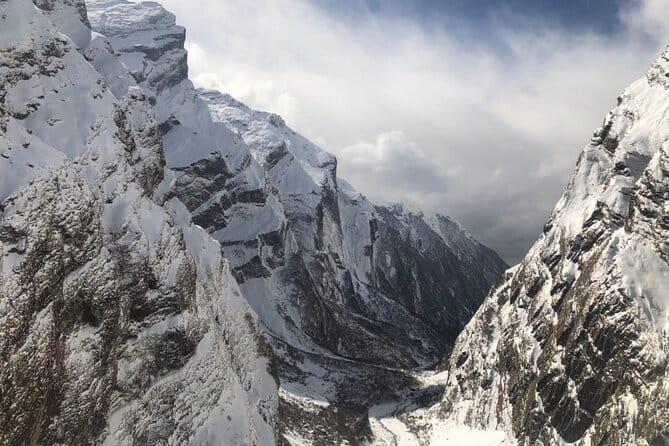
The final day includes a short morning walk through farmland along the river before reaching Nayapul. From there, you return to Pokhara for hotel drop-off. The full day is listed at about seven hours, so the transfer and road conditions form a meaningful part of the schedule.
This last morning is not just a box to tick. Farmland and river paths give you a softer ending than another steep mountain push. You can look back on the change in scenery, from low valleys and villages to the high basin around Annapurna Base Camp.
The return to Pokhara is by vehicle, and the package specifies round-trip shared jeep transfer. Sharing helps keep the price down, but it may also mean less control over departure timing than a fully private car. If you have a fixed flight or another booking in Pokhara, allow plenty of time.
What the $395 price includes
At $395 per person, this trip offers good value if you want the major arrangements handled in one package. Included are:
- Hotel pickup and drop-off
- Round-trip shared jeep transport
- An English-speaking trekking guide
- Trekking permit and TIMS card
- Guesthouse accommodation
- A private trekking activity for your group
That list covers the expensive and confusing basics. Permits can be a nuisance to arrange, transport from Pokhara requires planning, and having a guide gives you support with the route and daily schedule.
The price does not include personal expenses or gratuity. Food is not clearly listed among the inclusions, so ask MDA exactly how meals are handled before paying. The package also does not list a porter. If you want help carrying your main bag, confirm whether that can be arranged and at what extra cost.
The shared jeep is another value choice. You get round-trip road transport without paying for a fully private vehicle, but you should understand the tradeoff. This is a budget-conscious setup, not a luxury trek.
Guides, guesthouses, and the human side of the trek
The guide can shape your entire week. The names connected with this trek include Biru, Dadi, Bikram, Prakash, and Krishna. Their strongest qualities are described as kindness, patience, professionalism, help with photographs, and attention to new trekkers.
That matters if this is your first Himalayan trek. A patient guide can make a steep climb feel manageable, help a couple or small group stay together, and explain what you are seeing instead of simply leading from front to back. Solo participants may especially value help with photos and company on long walking days.
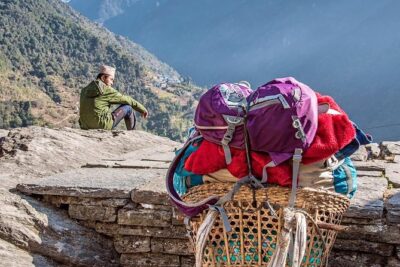
Guesthouse accommodation gives you direct contact with mountain communities. You should expect basic rooms and simple facilities rather than hotel-style extras. The tradeoff is worthwhile if you care more about being part of the route than having polished comfort every night.
Traditional food and local hospitality are part of the appeal. The exact menu is not specified, so ask what is included in the meal plan. Personal expenses are excluded, and that may cover snacks, drinks, or other purchases along the way.
Who should book this trek
I would recommend this trip to you if you want a short but serious Himalayan walk from Pokhara. It suits people with moderate fitness who can handle six to nine hours of trekking, steep uphill sections, long descents, and several nights in basic guesthouses.
It also suits first-time trekkers who prefer support rather than arranging every permit, vehicle, and lodge themselves. The private format is useful for couples, friends, or a family group that wants a shared guide and a more personal pace.
I would be cautious if you dislike steep steps, simple accommodation, or long days on foot. The itinerary is active from the first day, and the descent from Base Camp to Bamboo can be especially tiring. Anyone with a tight onward schedule should also confirm the vehicle timing and leave a buffer after the return to Pokhara.
MDA has a perfect five-star rating from 19 listed reviews and a 100 percent recommendation rate. That is a small sample, but the praise is consistent around guide support and trip arrangements. I would still ask direct questions about meals, porter service, gear, and the exact trailhead before booking.
Should you book the Annapurna Base Camp Trek from Pokhara?
Book it if you want a guided seven-day route with strong mountain scenery, village contact, permits, accommodation, and transport bundled together at a reasonable price. The best parts are the approach through forest and villages, the high setting at Annapurna Base Camp, and the hot springs at Jhinu Danda.
I would not book it without clarification if you need luxury accommodation, private road transport, a porter, or a tightly fixed timetable. Ask MDA to confirm the day-by-day route, meals, gear, and vehicle arrangements. If those details match your needs, this is a practical way to reach Annapurna Base Camp without handling the whole trip alone.
FAQ
How long is the Annapurna Base Camp Trek from Pokhara?
The trek lasts approximately seven days.
What is the price per person?
The listed price is $395 per person.
Is hotel pickup included?
Yes. Hotel pickup and drop-off are included.
Is transportation included?
Yes. Round-trip transfer by shared jeep is included.
Is the trek private?
Yes. The activity is private, and only your group participates in the trek. Road transportation is by shared jeep.
Is a guide included?
Yes. An English-speaking trekking guide is included.
Are permits included?
Yes. The trekking permit and TIMS card are included.
Where do you stay during the trek?
Accommodation is provided in guesthouses along the route.
What level of fitness is required?
A moderate level of physical fitness is recommended. Walking days last about six to nine hours and include uphill and downhill trekking.
Can you cancel for a full refund?
Yes, if you cancel at least 24 hours before the experience start time. Cancellations made less than 24 hours before the start time are not refunded, and late changes are not accepted.
New in the Pokhara listings
- Pokhara: Pokhara Highlights Tour by Bus★ 3.6 · 10 reviews
- Discover Pokhara in Style: Private Vehicle Service with Driver★ 5.0 · 5 reviews
- Multi-Day Tour from Pokhara, Poon Hill and Mulde Trek★ 5.0 · 1 review
- Pokhara in 5 Hours: Lake, Museum, Cave, Falls & Pagoda Hill★ 4.5 · 16 reviews
- Private 4 Day Poon Hill Trek from Pokhara★ 5.0 · 16 reviews
- 4 Day Mardi Himal Base Camp Trek from Pokhara★ 5.0 · 18 reviews
- From Pokhara Full Day Entire Pokhara Tour with Guide★ 5.0 · 1 review
- 7-Day Trek to Annapurna Base Camp from Pokhara★ 5.0 · 12 reviews
Annapurna Base Camp Treks, compared.
Kathmandu to Annapurna Base Camp (ABC) 5-Day Trek
Read our review →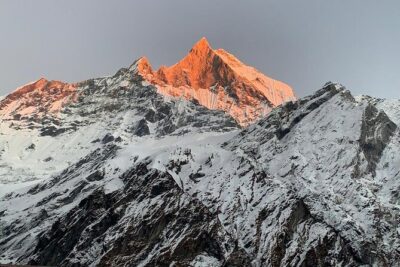
Kathmandu/Pokhara: 5-Day Annapurna Base Camp (ABC) Trek
Read our review →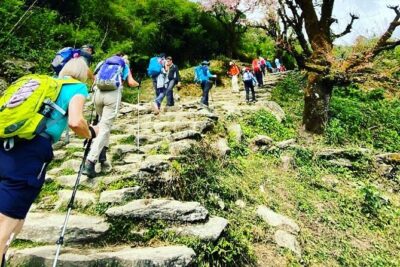
11-Day Hike Tour to Annapurna Base Camp Bliss in Kathmandu
Read our review →Browse the lists this tour appears in