REVIEW · KATHMANDU TOURS
Experiential Career Break trip to Nepal for Gap year and Sabbatical travelers
Nepal rewards curious, patient visitors. This nine-day private trip moves from Kathmandu’s famous shrines to lesser-known temples, hill villages, monasteries, and old Newari towns, giving you more than a checklist of major sights. I like the mix of cultural landmarks and local encounters, especially the time spent in Ghimire Village and around Namo Buddha. I also like that private transport and most meals are included. The main consideration is pace: several days combine long walks, village visits, and hill routes, so this is not a restful hotel-based break.
The $980 price makes sense if you value a planned route, private transportation, and included meals. You receive seven breakfasts, six lunches, and six dinners, along with entrance fees and taxes, but personal costs and travel insurance remain your responsibility. One important detail is the guide service. A past complaint raised concerns about English communication, while other accounts praised the coordination, drivers, guides, and local arrangements, so I would confirm your preferred language before paying.
In This Review
- Key things to know before booking
- What this Nepal career break is really designed to do
- Day 1: Swayambhunath, old Kathmandu, and Asan market
- Day 2: Boudhha, Bajrayogini, and the hill viewpoint
- Day 3: Nagarkot’s hills and an evening in Ghimire Village
- Day 4: Tukucha Nala and the route toward Dhulikhel
- Day 5: From Dhulikhel to Namo Buddha
- Day 6: Morning walking and meditation with monks
- Day 7: Panauti’s old temples and local craft
- Day 8: Bhaktapur and the five-story Nyatapola Temple
- Day 9: Free time in Kathmandu
- What the $980 price includes
- Pace, communication, and practical concerns
- Who should book this experience?
- Should you book this Nepal career break tour?
- FAQ
- How long is the Nepal career break tour?
- Where does the tour take place?
- Is this a private tour?
- Is pickup available?
- Are meals included?
- Is transportation included?
- Are entrance fees included?
- Is travel insurance included?
- Can I cancel for a full refund?
Key things to know before booking
- A private nine-day route: Only your own group participates, which gives the schedule more flexibility than a large coach tour.
- Kathmandu’s famous and lesser-known sides: Swayambhunath, Kathmandu Durbar Square, and Boudhha share the itinerary with Bajrayogini, Nardevi, and neighborhood markets.
- Several active walking days: The route includes Nagarkot, Dhulikhel, Namo Buddha, village trails, and a descent with monks.
- Real village contact: Ghimire Village includes a three-hour local stay, while Panauti offers old temples, houses, streets, and a museum.
- A strong spiritual thread: Buddhist stupas, Hindu shrines, monasteries, meditation, and time with monks are central to the trip.
- Meals are partly covered: Breakfast is included on seven days, lunch and dinner on six days, but the exact restaurants and lodging arrangements should be confirmed.
What this Nepal career break is really designed to do
This is not a simple sightseeing loop. It is built for someone taking time away from work, study, or ordinary routine and wanting a structured introduction to Nepal without spending every day in a vehicle.
The route links several kinds of places. You get major UNESCO sites, crowded market streets, quiet hill villages, religious centers, and mountain viewpoints. That variety is the best reason to consider it. Nepal can feel very different from one neighborhood to the next, and this trip makes that contrast part of the plan.
The spiritual side is just as important. You visit Hindu shrines, Buddhist stupas, Tibetan monasteries, and Namo Buddha, where the schedule includes meditation and time with monks. If you want only mountain scenery, this may feel too temple-heavy. If you are interested in how religion shapes daily life, it gives the journey a clear purpose.
The phrase career break matters here. The schedule is not aimed only at quick holiday sightseeing. It gives you time in village communities and monasteries, with chances to listen, walk, eat, and observe rather than simply take photographs and leave.
A short list of alternatives around Kathmandu
- Everest Base Camp Trek – 14 Days
★ 5.0 · 1,499 reviews - Private Kathmandu Sightseeing Tour | UNESCO World Heritage sites
★ 5.0 · 756 reviews - Everest Base Camp Helicopter Tour landing at Everest View Hotel
★ 5.0 · 668 reviews
Day 1: Swayambhunath, old Kathmandu, and Asan market
The opening day begins at Swayambhunath, commonly called the Monkey Temple. The stupa sits on a hill above Kathmandu Valley and has been consecrated and restored across many centuries. You have about 45 minutes here, enough to see the shrine, take in the hilltop setting, and begin understanding Nepal’s mix of religious traditions.
The day then shifts toward smaller stops. At Shobha Bhagawati, a pagoda-style Hindu shrine, you spend about ten minutes. Bijayashwari adds another less-visited local site before the route enters the streets leading toward Kathmandu Durbar Square.
Nardevi is a particularly interesting walking stop. The street is lined with Ayurvedic medicine shops, and the smell of herbs and natural remedies gives the area a character that a standard monument tour often misses. You can look around a shop or ask questions, although any purchases are personal expenses.
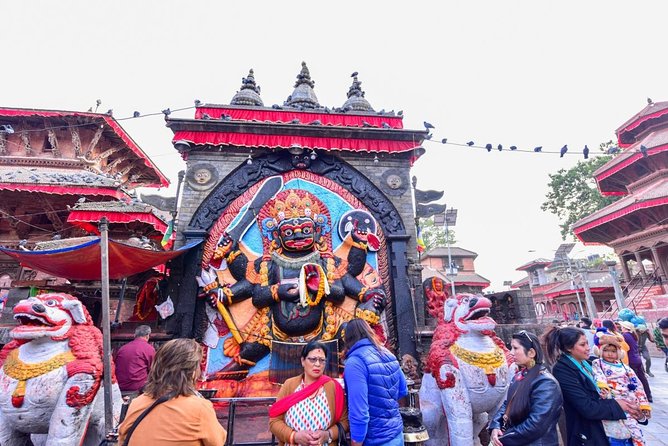
Kathmandu Durbar Square brings you back to the grand scale. It was the palace center of the old Kathmandu Kingdom and is filled with temples and shrines. The listed visit is about 30 minutes, and the admission charge is not included, so carry money for that fee.
You then visit Kumari Chowk, home of the Kumari, Nepal’s living goddess. Meeting her depends on arriving at the right time, and even if you do, she does not speak with visitors. That short visit is best understood as a glimpse into a continuing religious tradition, not a personal audience.
Hanuman Dhoka, the historic palace museum, receives about 45 minutes, with admission included. The day finishes at Asan, one of Kathmandu’s practical local markets. You can see fruits, vegetables, dried produce, meat, fish, pickles, clothing, and household goods sold in close quarters.
This is a full first day. The stops are short, and the market streets can be crowded. I would wear comfortable shoes and keep the first morning flexible. The reward is range: sacred hilltop, palace square, medicine street, palace museum, and ordinary commerce, all in one day.
Day 2: Boudhha, Bajrayogini, and the hill viewpoint
Boudhha offers a calmer kind of spectacle. The great Tibetan Buddhist stupa is surrounded by monasteries and thangka painting schools. The plan allows about 30 minutes, during which you can walk around the stupa and see prayer flags and the devotional rhythm of the site.
The visit to Bajrayogini is one of the trip’s more unusual choices. The name joins Bajra, meaning strong, with Yogini, meaning female yogi. Local stories connected with the temple are part of the visit, and the local guide is expected to explain the traditions and evidence found around the site.
You spend about an hour at Bajrayogini before hiking toward Jarsing Pauwa, also called Jaharsingh Pauwa. The viewpoint provides mountain and valley views when conditions are clear. The hike is not described as a major trek, but it does add a physical element to a day that began with religious sites.
This day shows how the trip tries to move past Nepal’s most familiar sights. Boudhha is a major stop, while Bajrayogini and Jarsing Pauwa offer a less predictable route. The tradeoff is transport and walking time between places, which can make the day feel less polished than a simple city tour.
Day 3: Nagarkot’s hills and an evening in Ghimire Village
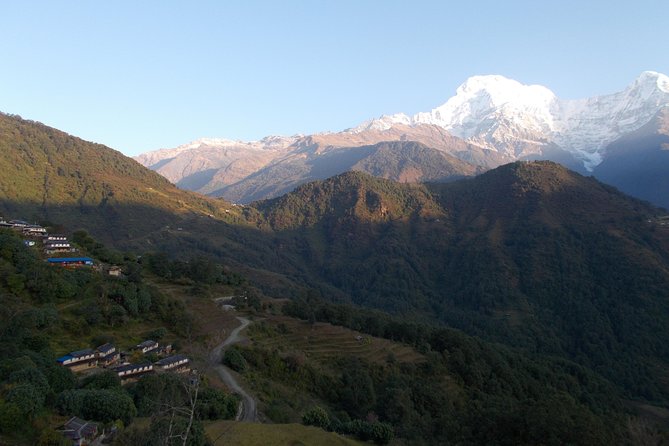
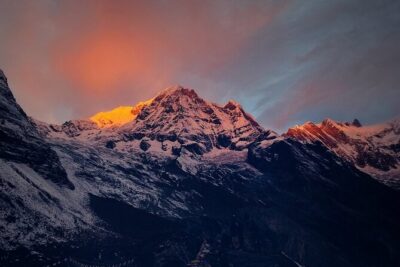
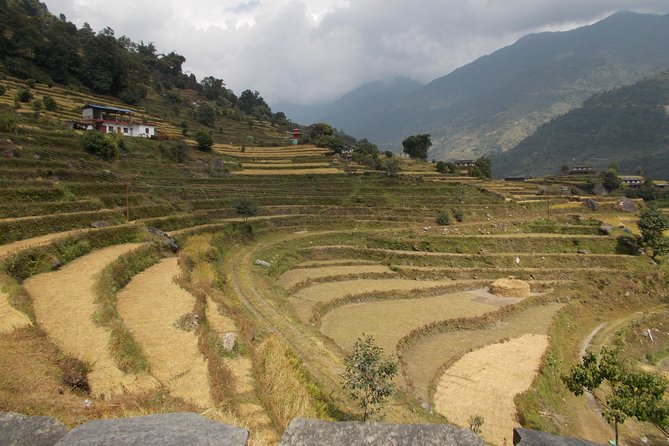
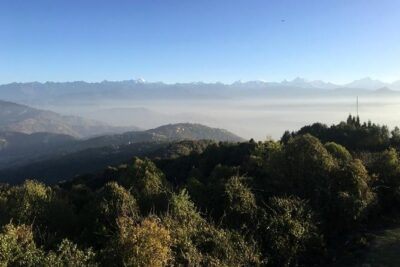
The Nagarkot Panoramic Hiking Trail takes you through villages, terraced fields, wooded areas, and hill routes. The listed walking time is about one hour, followed by time in Nagarkot, a popular hill station with mountain views.
Clear weather matters. The Himalayas may appear dramatically, or clouds may keep them out of sight. The walk still has value because it passes through working rural areas rather than placing you at a single viewpoint.
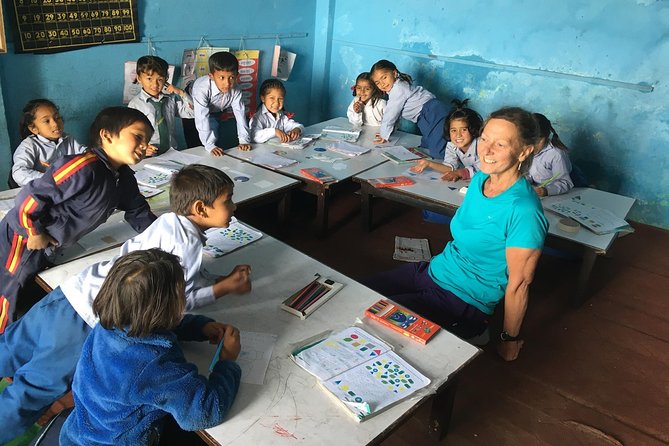
After sunset at Nagarkot, you hike to Ghimire Village and spend about three hours there. The plan is to receive a local welcome and take part in village life. This is one of the strongest parts of the itinerary for anyone taking a sabbatical or gap year. You are given time to slow down and relate to a community instead of moving immediately to the next attraction.
The itinerary does not give precise details about the village accommodation or activities, so ask what the community stay includes. It is also wise to clarify how much walking is involved after sunset and what transport support is available.
A completely different way to spend the day:
- Half day cooking class in Thamel kathmandu
★ 5.0 · 607 reviews - Everest Base Camp Trekking
★ 5.0 · 485 reviews - Nagarkot Sunrise View and Day Hiking from Kathmandu
★ 5.0 · 471 reviews - Kathmandu: Full Day 7 UNESCO Tour with Lunch – Private/Group
★ 5.0 · 415 reviews
Day 4: Tukucha Nala and the route toward Dhulikhel
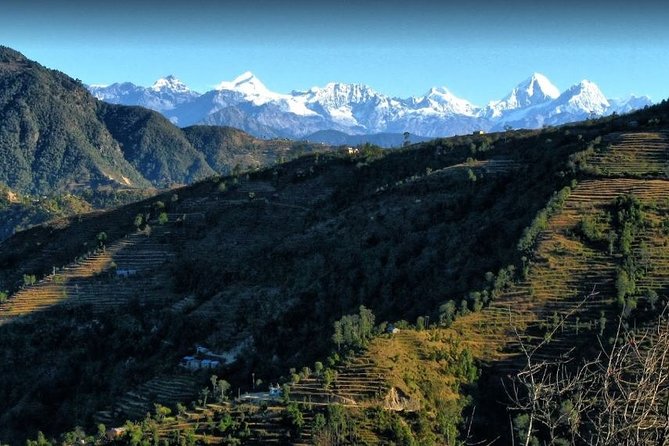
Day four is one of the most active days. You begin around Tukucha Nala with a monastery, local temples, and guidance from people in the area. The visit lasts about five hours and includes walks through quieter places near the village.
That local guiding is valuable because the appeal here is not a single famous monument. It is the chance to hear how religious places and village spaces connect. The route is described as less developed and less visited, so you should expect a simple outing rather than a polished attraction.
Later, you hike from Nagarkot toward Dhulikhel through villages and green valley areas. The walking time is about three hours, with mountain views possible on a clear day. This is a substantial amount of movement after the morning visit.
I would treat day four as a fitness test for the rest of the trip. You do not need a serious trekking background based on the information provided, but you should be comfortable walking for several hours on hill routes. Good shoes matter more here than fancy luggage.
Day 5: From Dhulikhel to Namo Buddha
The route continues from Dhulikhel to Namo Buddha, with about four hours devoted to hiking and monastery time. Namo Buddha is home to Thrangu Tashi Yangtse Monastery, and the schedule focuses on learning about monastic life.
This is where the trip’s reflective mood becomes strongest. Instead of racing through a temple courtyard, you spend time in a monastery setting and learn how monks organize their days. The experience suits you if you want religious context and quiet time, not simply another photograph of a shrine.
The plan does not state the exact sleeping arrangements, monastery rules, or meal arrangements at Namo Buddha. Confirm these details in advance, especially if you have dietary needs or expect a private room. The included meal count tells you that food is provided on most days, but not every meal is covered.
Day 6: Morning walking and meditation with monks
The second Namo Buddha day adds about six hours of activity. You descend to a nearby village for a morning walk with monks, then return to the monastery to learn more about their daily routine, including meditation.
This extra day is a smart choice. A short monastery visit can feel abstract, while a full morning and afternoon give you time to notice the rhythm of the place. You are not just looking at religious architecture. You are being introduced to practice, routine, and silence.
Still, the schedule should be understood as an arranged cultural experience, not a promise that you will participate in every part of monastic life. Ask what meditation sessions involve and what level of participation is expected. Respectful clothing and quiet behavior are essential at religious sites, even though specific dress rules are not provided.
Day 7: Panauti’s old temples and local craft
Panauti is a historic town with temples dating to the fifteenth century. The route allows about three hours to explore its streets, houses, and religious buildings. Around 40 temples are associated with the town, giving you plenty to look at beyond one central square.
The town is a good counterpoint to Kathmandu. Kathmandu gives you dense streets and major monuments. Panauti offers a slower look at old Newari town life, where architectural details and everyday streets are part of the visit.
You also spend about two hours at Panauti Museum, located inside Indreshwor Temple. The gallery focuses on stone and woodwork developed within the community. Admission is included.
This is a good day for anyone interested in architecture and local arts. It may be less exciting if you prefer dramatic mountain views or active hiking every day. The itinerary does not specify transport between Namo Buddha and Panauti, but private transportation is included overall.
Day 8: Bhaktapur and the five-story Nyatapola Temple
Bhaktapur, known as the City of Devotees, provides the final major heritage stop. You have about three hours to explore the wider town, with its food, customs, traditional buildings, and old streets.
Bhaktapur Durbar Square receives another two hours. The square is a UNESCO site, and Nyatapola, the five-story temple, is its most prominent feature. The included admission makes this easier to budget than Kathmandu Durbar Square, where the fee is not included.
The two-part visit matters. A quick stop at the square gives you monuments. Time in the surrounding town gives you a better sense of how the historic center fits into ordinary life. You should expect walking on old streets and plenty of visual detail, from carved wood to temple roofs.
Day 9: Free time in Kathmandu
The final day is intentionally open. You have about two hours listed for personal exploration, local shopping, or another place of your choice.
That flexibility is useful after eight structured days. You can buy souvenirs, revisit a neighborhood, or simply keep the morning easy. Because no specific final-day attraction is promised, ask how airport transfer or departure timing fits with the free schedule if you are leaving Nepal that day.
What the $980 price includes
At $980, this trip is priced as a bundled private experience rather than a basic sightseeing ticket. Private transportation, taxes, and listed fees are included, as are seven breakfasts, six lunches, and six dinners.
The meal coverage adds real value, especially on days spent in villages or near monasteries. It also reduces the need to plan every meal yourself. However, the exact standard of accommodation is not stated in the supplied details. One broader account connected with Nepal and Bhutan arrangements praised first-class hotels, but you should not assume that this specific trip includes that hotel standard without written confirmation.
The price does not include travel insurance or personal expenses. Souvenirs, optional purchases, and any meal outside the included schedule are yours to pay for.
Pace, communication, and practical concerns
This is a private tour, so only your group participates. That is helpful if you want a more personal pace, but the itinerary is still packed. You move from city streets to hill routes, village walks, and monastery visits with little idle time.
Pickup is offered, which makes arrival easier, but the pickup point and timing are not given. Confirmation is received at booking, and most people can participate according to the supplied information.
Guide communication deserves attention. One negative account described poor English communication and a mismatch between the requested guide service and what was provided. Other accounts praised punctual coordination, drivers, guides, and the overall handling of longer Nepal and Bhutan journeys. Since the evidence is mixed, request confirmation of the guide’s English level and ask who will accompany you on each day.
Free cancellation is available when you cancel at least 24 hours before the start time. Changes or cancellations inside that window are not accepted for a refund.
Who should book this experience?
I would recommend this trip to you if you want:
- A private introduction to Kathmandu Valley and nearby hill towns
- Religious and cultural encounters, not only famous monuments
- Several moderate walking and hiking days
- Time with village communities and monks
- Meals and transport arranged in advance
- A structured reset during a gap year, sabbatical, or career break
I would be more cautious if you want a slow resort holiday, a serious Himalayan trek, or a trip focused mainly on Everest views. The route includes mountain panoramas, but its main subject is Nepalese culture and daily life.
Should you book this Nepal career break tour?
Book it if the combination of temples, markets, village time, hill walking, and Buddhist practice sounds more appealing than a standard city tour. The strongest elements are the three-hour Ghimire Village visit, the two-day Namo Buddha stay, the unusual Bajrayogini stop, and the old towns of Panauti and Bhaktapur.
Before booking, confirm four things: the accommodation standard, guide language, exact pickup arrangements, and how the longer hikes are handled. If those details suit you, $980 offers a useful amount of structure and local contact for nine days. If you prefer maximum free time or need a very gentle pace, choose a shorter and less active itinerary instead.
FAQ
How long is the Nepal career break tour?
The tour lasts approximately nine days. The itinerary includes scheduled activities from day one through day eight, with day nine left mostly for personal time in Kathmandu.
Where does the tour take place?
The tour is based in and around Kathmandu, Nepal. Stops include Swayambhunath, Kathmandu Durbar Square, Boudhha, Bajrayogini, Nagarkot, Dhulikhel, Namo Buddha, Panauti, and Bhaktapur.
Is this a private tour?
Yes. Only your own group participates in the private tour or activity.
Is pickup available?
Yes, pickup is offered. The supplied details do not state the exact pickup location or time.
Are meals included?
Yes. The package includes seven breakfasts, six lunches, and six dinners.
Is transportation included?
Yes. Private transportation is included.
Are entrance fees included?
All fees and taxes are included overall, but the itinerary specifically states that the admission fee for Kathmandu Durbar Square is not included. Admission for Hanuman Dhoka, Jarsing Pauwa, Panauti Museum, and Bhaktapur Durbar Square is listed as included.
Is travel insurance included?
No. Travel insurance is not included, and personal expenses are also excluded.
Can I cancel for a full refund?
Yes, if you cancel at least 24 hours before the experience start time. Cancellations or changes made less than 24 hours before the start time are not accepted for a refund.
New in the Kathmandu listings
- Traditional Momo Making Class★ 5.0 · 10 reviews
- Kathmandu: Ancient City Kirtipur & Pharping Monastery Tour★ 5.0 · 2 reviews
- Kathmandu to Pokhara Premium sofa bus ticket★ 4.0 · 17 reviews
- Women Empowerment Project(Nepali cooking class & jewelry workshop★ 5.0 · 15 reviews
- 7-Day Langtang Valley Trek from Kathmandu★ 5.0 · 1 review
- Kathmandu 2 Nights 3 Days Chitwan Jungle Safari Tour★ 5.0 · 9 reviews
- Yoga Experience Day Trip with Private Transfer From Kathmandu★ 4.0 · 2 reviews
- Wildlife Adventure in Chitwan Nepal★ 4.0 · 4 reviews
Kathmandu Tours, compared.
Private Kathmandu Sightseeing Tour | UNESCO World Heritage sites
Read our review →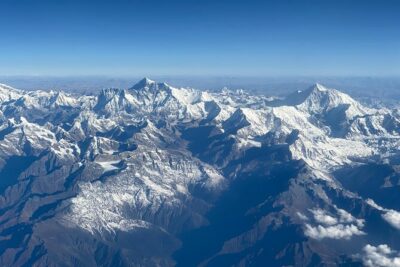
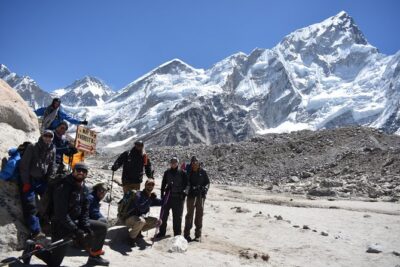
Everest Base Camp Helicopter Tour landing at Everest View Hotel
Read our review →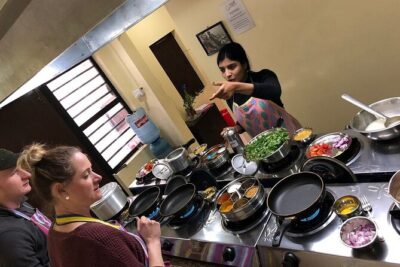
Nagarkot Sunrise View and Day Hiking from Kathmandu
Read our review →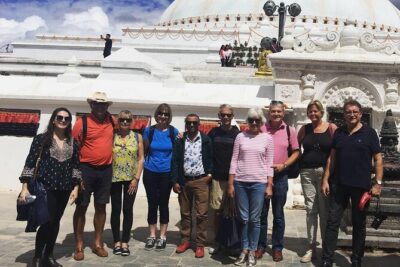
Full Day 7 UNESCO Tour with Lunch – Private/Group
Read our review →