
REVIEW · ANNAPURNA BASE CAMP TREKS
From Pokhara: 7 Days Backpackers On a Budget Trek T0 ABC
Seven days can reach the heart of the Himalayas. This Annapurna Base Camp trek takes you from Pokhara through Gurung villages, rhododendron woods, waterfalls, and high mountain valleys to Annapurna Base Camp at 4,130 meters. I like the small private-group format and the practical gear package, which includes a sleeping bag, down jacket, duffel bag, map, and oxygen meter. I also like that the route includes both Machhapuchhre Base Camp and the hot springs at Jhinu Danda.
The main consideration is the pace. You walk for roughly five to seven hours each day, with a rapid climb from low valleys to high altitude. The $176 price is attractive, but check the booking option carefully because food, mountain lodging, porter service, and transport choices vary by package. This is a budget trek, not a luxury mountain holiday.
In This Review
- Key points at a glance
- Why this seven-day route works
- Day 1: Pokhara to Nayapul, then uphill to Ghandruk
- Day 2: Ghandruk to Chhomrong at 2,170 meters
- Day 3: Chhomrong to Himalayan, 2,920 meters
- Day 4: Machhapuchhre Base Camp to Annapurna Base Camp
- Day 5: Descending from the sanctuary to Bamboo
- Day 6: Bamboo to Jhinu Danda and its hot springs
- Day 7: Return to Nayapul and Pokhara
- What the $176 price really covers
- Guide support, private groups, and practical comfort
- What to bring and how to prepare
- Who should choose this ABC trek?
- Should you book the seven-day ABC trek?
- FAQ
- How long is the Annapurna Base Camp trek from Pokhara?
- What is the highest point on the trek?
- Which mountains can I see?
- Is a guide included?
- Are permits included?
- Is food included in the $176 price?
- Is transport included?
- What happens if I am traveling alone?
Key points at a glance
- Annapurna Base Camp at 4,130 meters: Reach the famous mountain bowl after passing Machhapuchhre Base Camp.
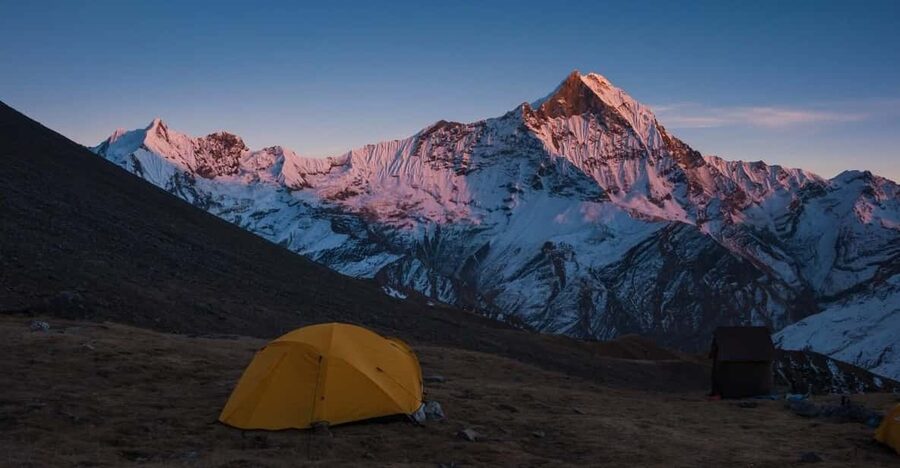
- Four major Himalayan peaks: Look for Annapurna I, Annapurna III, Gangapurna, Hiunchuli, and the distinctive Machhapuchhare.
- Gurung and Magar villages: Walk through communities known for warm hospitality and long-standing mountain traditions.
- Rhododendron forests and waterfalls: The lower route is green, shaded, and full of flowing water before the valley turns alpine.
- Jhinu Danda hot springs: End the high-country section with a natural soak near the village.
- Useful trekking equipment included: A licensed English-speaking guide, permits, sleeping bag, down jacket, duffel bag, first-aid kit, map, and oxygen meter are part of the listed package.
Why this seven-day route works
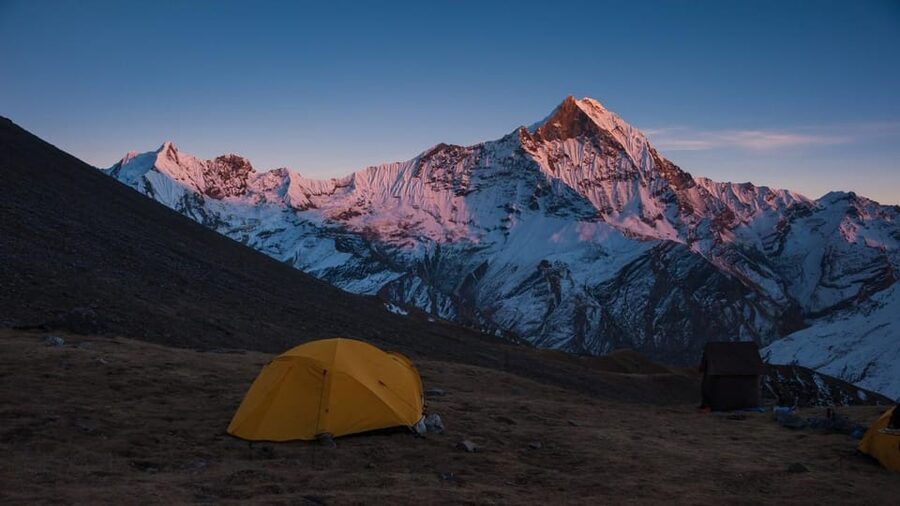
The Annapurna Base Camp trek is popular for a good reason. You do not need weeks to reach a serious Himalayan destination, yet the route gives you a clear change of scenery every day. It begins near Pokhara at about 1,050 meters and finishes at a mountain sanctuary surrounded by snow peaks.
I like the route’s variety. The first days pass terraced farmland and village paths. Then the trail enters thick rhododendron forest, follows steep-sided valleys, and eventually reaches high alpine ground with little cover from the weather. The route feels like a gradual story rather than a long walk through one repeating view.
This is still a demanding trip. The highest point is 4,130 meters, and the daily walking time is usually five to six hours, with seven hours on the final day. You need enough fitness for repeated climbs and descents, not simply the ability to walk on flat ground.
The itinerary is also compact. It takes you up quickly, then returns to lower country over three days. That saves time and money, but it leaves less room for adjusting the schedule if weather, illness, landslides, or trail conditions cause delays. Listen to your guide, use the included oxygen meter as a monitoring tool, and treat altitude symptoms seriously.
More Annapurna Base Camp treks:
- Kathmandu/Pokhara: 5-Day Annapurna Base Camp (ABC) Trek
★ 4.9 · 72 reviews - Private 7 – Day Annapurna Base Camp Trekking
★ 5.0 · 50 reviews - Annapurna Base Camp Trek (8 days)
★ 5.0 · 45 reviews
Day 1: Pokhara to Nayapul, then uphill to Ghandruk
The trek begins with a drive from Pokhara to Nayapul, listed at 1,050 meters. From there, you walk toward Ghandruk, at about 1,940 meters, in a day expected to take five to six hours.
Ghandruk is an excellent first overnight stop because it introduces the village culture that gives this route much of its character. The Gurung people have strong connections with the hills, and the village setting offers a more personal start than going directly into a high mountain valley.
The trail is not a gentle warm-up for everyone. You gain considerable height on the first day, so keep your first morning steady. I would avoid racing ahead simply because the air still feels comfortable near Pokhara. Drink regularly, keep your daypack light, and let the guide set a sensible rhythm.
The drive is by local bus if that option is selected, or by private jeep if included in your chosen package. That distinction matters. A private jeep usually gives you more control over the start, while local transport keeps the price lower. Confirm this before paying, since the $176 headline price does not automatically mean every transport choice is included.
Day 2: Ghandruk to Chhomrong at 2,170 meters
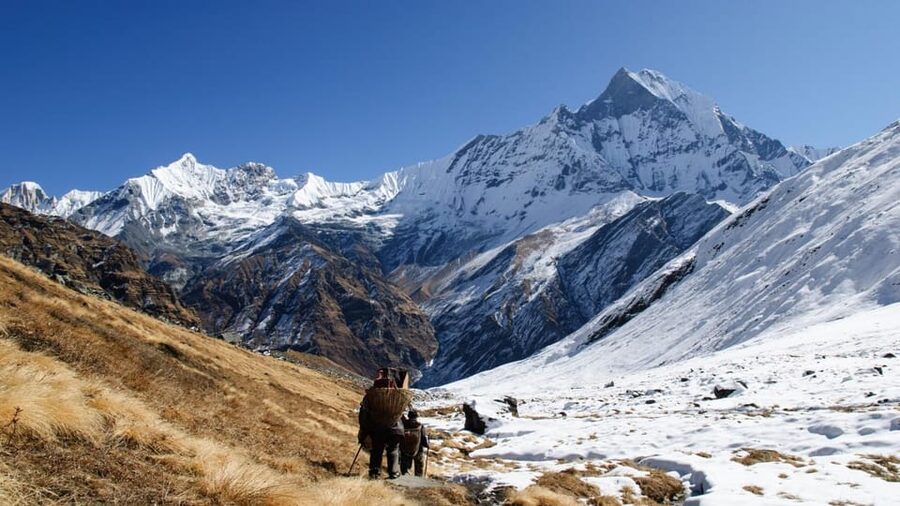
Day two takes you to Chhomrong, at 2,170 meters, in another five to six hours. This section continues through village country and forest, with the trail rising and falling rather than climbing in one straight line.
Chhomrong is an important point on the route because the valley begins to feel more enclosed and more alpine beyond it. You are moving toward the Annapurna Sanctuary, a natural mountain amphitheater where the surrounding peaks gradually take over the view.
The scenery here changes with the season. Rhododendron forests are one of the route’s signature features, and the lower sections can feel cool and shaded beneath the trees. When the forest opens, you may catch clearer views of the mountains, including Hiunchuli and Machhapuchhare.
The short itinerary makes this a useful day for pacing yourself. You may feel strong at 2,170 meters, but the next two days take you much higher. I would use Chhomrong as a checkpoint: eat well if food is part of your package, organize your sleeping bag and warm layers, and make sure your feet are ready for the steeper country ahead.
Day 3: Chhomrong to Himalayan, 2,920 meters
The third day leads to Himalayan, at about 2,920 meters. The walking time is again five to six hours, and the valley becomes narrower as you head toward the sanctuary.
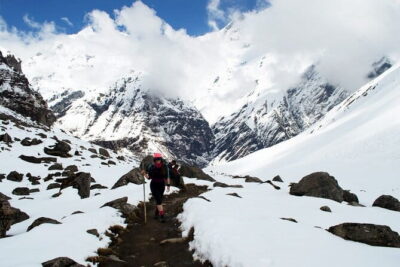
This is one of the most scenic parts of the walk. Expect waterfalls, suspension bridges, forest paths, and steep rock walls. The trail can feel enclosed in places, but that is part of the appeal. You are moving through a powerful river valley, with water dropping from the cliffs and the mountains appearing through gaps in the trees.
Himalayan is also where altitude begins to matter more. You are close to 3,000 meters, and the next day takes you above 4,000 meters. Walk slowly, tell the guide if you feel unwell, and do not dismiss a headache or unusual tiredness as something you simply have to push through.
The package includes an oxygen meter for checking pulse, heart rate, and oxygen saturation on the way to and from Annapurna Base Camp. This is useful information, but it is not a substitute for good judgment or emergency care. Helicopter rescue is excluded, as is personal travel insurance, so you should arrange suitable insurance before the trek.
More walking in the hills of Pokhara:
- Poon hill Trek 3 days
★ 5.0 · 176 reviews - Trekking in Annapurna/Langtang/Everest/Upper Mustang regions
★ 5.0 · 161 reviews - Pokhara: 4-Day Ghorepani, Poonhill & Ghandruk Mountain Trek
★ 5.0 · 132 reviews - Ghorepani – Poon Hill Trek 3N-4D
★ 5.0 · 125 reviews
Day 4: Machhapuchhre Base Camp to Annapurna Base Camp
Day four is the high point of the trip, both literally and visually. You walk from Himalayan to Annapurna Base Camp via Machhapuchhre Base Camp, with the day expected to take five to six hours.
Machhapuchhre Base Camp sits at about 3,720 meters. The name refers to the famous fishtail-shaped Machhapuchhare, one of Nepal’s most recognizable peaks. From here, the valley feels more open and dramatic, with the high ridges closing around you.
The final approach to Annapurna Base Camp reaches 4,130 meters. This is the moment the route has been building toward. You enter a huge natural bowl surrounded by peaks, including Annapurna I, Annapurna III, Hiunchuli, Gangapurna, and Machhapuchhare.
The early morning view is especially important. At sunrise, the light can spread across the snow and turn the mountain walls gold, though actual conditions depend on weather and visibility. Even without perfect skies, reaching the base camp is a major achievement and gives you a rare sense of scale. Human buildings seem very small here, and the mountains take over every direction.
This day deserves patience. The altitude is high, the air is thinner, and the route may feel harder than the distance suggests. Keep warm, follow the guide’s instructions, and remember that reaching the base camp is more important than arriving first.
Day 5: Descending from the sanctuary to Bamboo
After the high point, day five takes you down to Bamboo at about 2,350 meters. The walk takes five to six hours and generally follows the same route back through the valley.
A return walk can sound repetitive, but it offers a different experience. The views change when you face downhill, and you may notice details missed on the ascent, such as waterfalls, bridges, forest layers, and distant peaks. The descent also brings thicker air and warmer conditions.
Do not underestimate the strain of going downhill. Long descents can be hard on knees and ankles, especially after a demanding high-altitude day. Trekking poles are useful personal equipment, though they are not listed among the included items. Bring or hire what you need before setting out.
Bamboo is a practical overnight stop because it places you well below Annapurna Base Camp while keeping the route moving. The trip is designed to return to Pokhara on day seven, so this is not a spare rest day. If you need a slower schedule, ask the operator before booking rather than assuming the itinerary can be changed at no extra cost.
Day 6: Bamboo to Jhinu Danda and its hot springs
Day six continues to Jhinu Danda, at roughly 1,780 meters, with five to six hours of walking. You are now back in warmer, greener country, and the trail again feels more connected to village life.
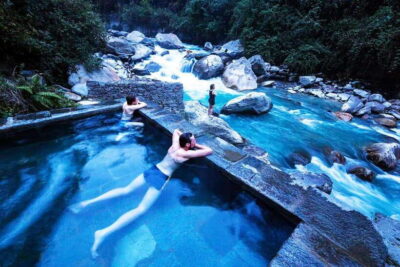
Jhinu Danda is the reward at the end of the day. The area is known for natural hot springs, giving you a chance to soak after several days of climbing and descending. The water is a welcome contrast to the cold conditions around base camp, though the practical details of changing facilities and access are not specified in the package information.
This stop also gives the trek a better rhythm than a simple up-and-down mountain route. You have the high-altitude goal, then a lower village setting where you can relax before the final walk and drive. I like that balance. It adds a human, restorative note to the itinerary.
The hot springs are not a reason to skip proper recovery. Eat, drink, and sleep well, especially if meals are included in your selected option. Keep personal valuables secure, and remember that beverages and personal purchases are not included.
Day 7: Return to Nayapul and Pokhara
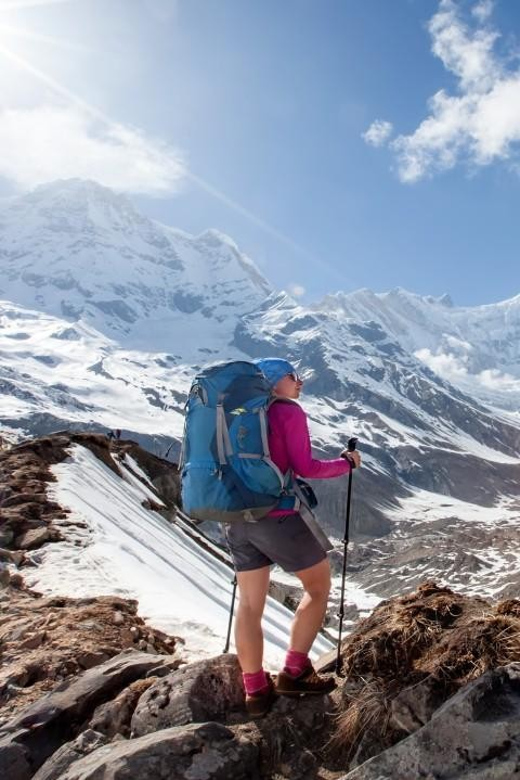
The final day takes six to seven hours, including the walk to Nayapul and the drive back to Pokhara. The itinerary lists Nayapul at 1,050 meters and Pokhara at about 850 meters.
This is a full day, not a quick transfer. Your legs may be tired, and the combination of trail time and road transport can make the return feel longer than expected. Keep a small bag accessible with water, snacks, and a clean shirt rather than burying everything in the duffel.
Arriving back in Pokhara gives you a clear sense of how far you have come. In one week, you move from subtropical foothills to the base of some of the world’s highest mountains and then back down again. That range of scenery is the main reason this short route offers such good value.
What the $176 price really covers
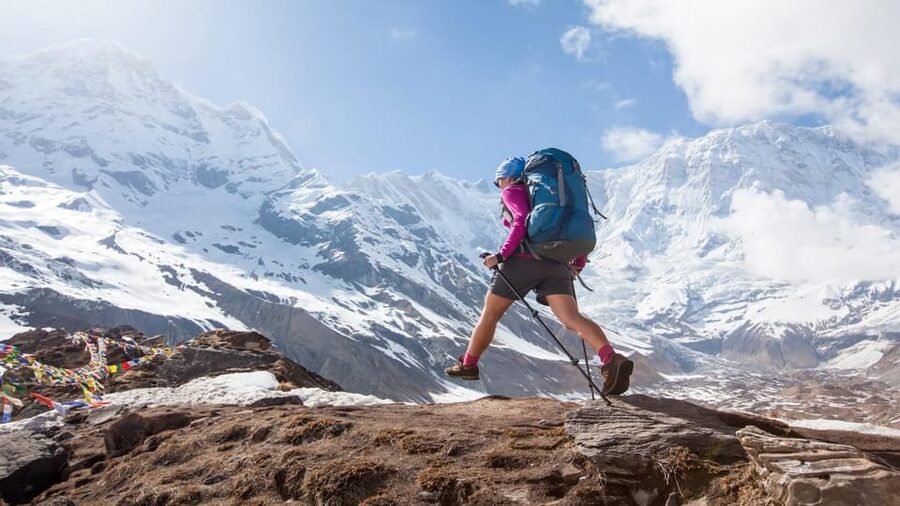
At $176 per person, this is an inexpensive way to arrange a guided Annapurna Base Camp trek. The listed inclusions cover several costs that can otherwise add up: a government-licensed English-speaking guide, guide salary and insurance, permits, local government entry paperwork, ACAP, TIMS, staff allowances, first-aid equipment, and government taxes.
The equipment package is another strong point. You receive a duffel bag, sleeping bag with liner, and down jacket, but these items must be returned after the trek. You also receive a trekking map, trek completion certificate, mineral water during the tour, an attractive Marvel T-shirt, and an oxygen meter.
Read the options carefully. Mountain food, mountain hotel accommodation, porter service, local bus transport, and private jeep transport are listed as available depending on the option selected. Do not assume the base price includes all of them.
Personal equipment remains your responsibility. Personal insurance, emergency helicopter evacuation, drinks, personal expenses, international flights, Kathmandu hotels and meals, Nepal visa fees, and airport transfers are excluded. This is where a low advertised price can grow, so budget for the items that matter to you before you book.
Guide support, private groups, and practical comfort
The trek includes an English-speaking guide licensed by the Nepal government and familiar with the area. That matters on a route where altitude, weather, trail conditions, and transport can affect the day’s plan.
The group type is private. That can make the experience more flexible and personal than a large mixed group, though the exact group size is not provided. Solo visitors are asked to email the company, so a solo booking should be discussed before purchase rather than handled as a standard reservation.
The guide also helps connect the scenery with the local communities. You pass through Gurung and Magar areas, and the welcome in these villages is part of the trek, not a side attraction. Keep an open attitude, respect local customs, and remember that the route passes through working communities rather than a theme park built for visitors.
What to bring and how to prepare
The formal requirement is a passport or ID card, with a copy accepted. In practical terms, you also need personal trekking clothing and equipment because the included down jacket and sleeping bag do not cover every need.
Pack for both warm lower valleys and cold high altitude. The route includes forest, wet areas around waterfalls, open alpine ground, and a night at 4,130 meters. Comfortable walking shoes, warm layers, rain protection, personal toiletries, and any required medication are sensible choices, but personal equipment is not included in the price.
You should also arrange individual travel insurance that covers trekking and emergency evacuation. Helicopter rescue is specifically excluded, and costs caused by illness, weather, landslides, strikes, government changes, or safety-related itinerary changes are not covered by the operator.
The package offers free cancellation up to 24 hours in advance and allows you to reserve now and pay later. That flexibility is useful, but it does not remove the need to check the selected inclusions. Contact Marvel Treks and Expedition before booking if you are unsure about food, lodging, porter service, or the transfer type.
Who should choose this ABC trek?
I would recommend it to you if you want a short, guided Himalayan trek with strong scenery and a clear goal. It suits people who have seven days available from Pokhara, enjoy five to seven hours of walking, and prefer having permits, guide support, and basic cold-weather gear arranged in advance.
It also works well for hikers who want more than mountain photographs. The Gurung and Magar villages, forest sections, suspension bridges, waterfalls, and Jhinu Danda hot springs give the trip a good cultural and natural mix.
I would be more cautious if you want a slow acclimatization schedule, high-end accommodation, or a completely fixed plan protected from weather and road delays. The rapid rise to 4,130 meters is the central challenge, and the listed exclusions mean you need to take responsibility for insurance and personal gear.
Should you book the seven-day ABC trek?
Book it if the price, private-group format, and compact schedule fit your needs. The strongest value comes from the combination of a licensed guide, permits, basic equipment, and a route that reaches both Machhapuchhre Base Camp and Annapurna Base Camp.
Before committing, confirm which option includes food, lodging, porter service, and transport. If you are prepared for long walking days and understand that weather or safety concerns can alter plans, this is a practical and scenic way to reach the Annapurna Sanctuary from Pokhara.
FAQ
How long is the Annapurna Base Camp trek from Pokhara?
The trek lasts seven days. Walking days range from about five to six hours, while the final day takes approximately six to seven hours including the return to Nayapul and the drive to Pokhara.
What is the highest point on the trek?
Annapurna Base Camp is the highest point, at 4,130 meters. The route also passes Machhapuchhre Base Camp at approximately 3,720 meters.
Which mountains can I see?
The listed mountain views include Hiunchuli, Annapurna I, Gangapurna, Annapurna III, and Machhapuchhare.
Is a guide included?
Yes. The package includes an English-speaking trekking guide who is licensed by the government and familiar with the area.
Are permits included?
Yes. The listed paperwork includes a Local Government Entry Permit, the Annapurna Conservation Area Permit, and TIMS.
Is food included in the $176 price?
Food in the mountains is listed as included only if that option is selected. Check the exact package before booking.
Is transport included?
Transfer by local bus is available if that option is selected. Private jeep transport is also listed as an option, so confirm which transfer type is part of your booking.
What happens if I am traveling alone?
Solo visitors are asked to email Marvel Treks and Expedition before booking. The group type is private, but the exact group size is not specified.
New in the Pokhara listings
- Pokhara: Pokhara Highlights Tour by Bus★ 3.6 · 10 reviews
- Discover Pokhara in Style: Private Vehicle Service with Driver★ 5.0 · 5 reviews
- Multi-Day Tour from Pokhara, Poon Hill and Mulde Trek★ 5.0 · 1 review
- Pokhara in 5 Hours: Lake, Museum, Cave, Falls & Pagoda Hill★ 4.5 · 16 reviews
- Private 4 Day Poon Hill Trek from Pokhara★ 5.0 · 16 reviews
- 4 Day Mardi Himal Base Camp Trek from Pokhara★ 5.0 · 18 reviews
- From Pokhara Full Day Entire Pokhara Tour with Guide★ 5.0 · 1 review
- 7-Day Trek to Annapurna Base Camp from Pokhara★ 5.0 · 12 reviews
Annapurna Base Camp Treks, compared.
Kathmandu to Annapurna Base Camp (ABC) 5-Day Trek
Read our review →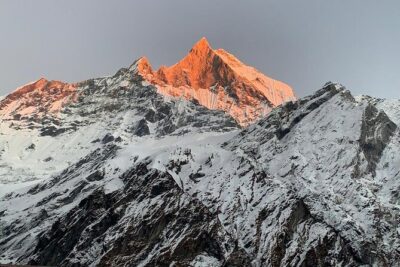
Kathmandu/Pokhara: 5-Day Annapurna Base Camp (ABC) Trek
Read our review →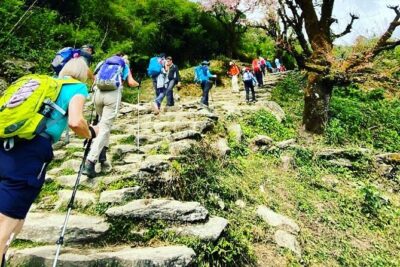
11-Day Hike Tour to Annapurna Base Camp Bliss in Kathmandu
Read our review →Browse the lists this tour appears in