REVIEW · KATHMANDU TOURS
Island Peak Climbing | Summit 6,189m with Expert Guides
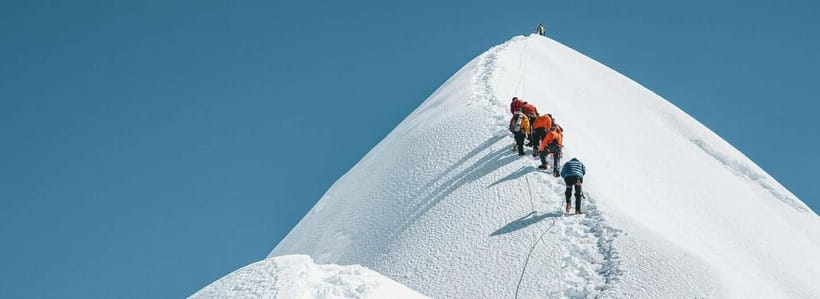
Big mountains demand careful planning. This 14-day Island Peak program combines a classic Everest-region trek with a real Himalayan summit attempt at 6,189 meters, giving you Sherpa villages, suspension bridges, high passes of cloud and rock, and close views of Everest, Lhotse, Ama Dablam, and Makalu. It is not a sightseeing walk with a little climbing added at the end. You need stamina, proper insurance, and the ability to function at extreme altitude.
I like the built-in acclimatization plan and the fact that you receive glacier and climbing training at base camp before summit day. I also like the practical support: private-group travel, a guide with at least 20 Island Peak summits, one porter for every two clients, and help with airport transfers and Lukla complications. The main caution is simple: the $1,699 price does not include Lukla flights or the climbing permit, so your final cost will be higher.
The strongest praise goes to the local staff. Sam described the Sherpas and porters as friendly, professional, and safety-minded. Grzegorz also highlighted the company’s quick help with airport problems, its Kathmandu hotel and transfers, and porter Mijan, who gave support well beyond the basic job. Those details matter in Nepal, where weather and flight delays can change a day quickly.
In This Review
- Key Points Before You Book
- Kathmandu at 1,338 Meters: A Useful First Landing
- Lukla to Phakding: The Trek Begins Quickly
- Namche Bazaar at 3,438 Meters: Your First Big Acclimatization Test
- Tengboche at 3,870 Meters: Monastery and Mountain Views
- Dingboche at 4,360 Meters: The Air Gets Thin
- Chhukung at 4,730 Meters: Island Peak Comes Into View
- Base Camp at 5,200 Meters: Training Before the Climb
- Summit Day at 6,189 Meters: The Hardest 8 to 10 Hours
- The Contingency Day: A Smart Safety Margin
- Descending to Namche and Lukla
- What the $1,699 Price Really Covers
- Who Should Book This Island Peak Program?
- Should You Book It?
- FAQ
- How high is Island Peak?
- How long does the full trip take?
- Is the Island Peak climbing permit included?
- Are flights from Kathmandu to Lukla included?
- Does the trip include climbing equipment?
- Is climbing training provided?
- What meals are included?
- Is travel insurance required?
- Can I cancel the booking?
Key Points Before You Book
- Island Peak reaches 6,189 meters: The summit is high enough to demand serious preparation, but the trip gives you a structured route and a spare summit day.
- Training happens at 5,200 meters: You practice glacier travel and climbing skills at base camp before attempting the peak.
- The Everest region supplies the scenery: You walk through Namche, Tengboche, Dingboche, and Chhukung with views of Everest, Lhotse, Ama Dablam, Island Peak, and Makalu.
- Sherpa and porter support is a major strength: The package includes one porter for every two clients, with staff costs, equipment, food, accommodation, and insurance covered.
- The advertised price is not the full price: Add about $440 for return Kathmandu to Lukla flights, plus the Island Peak permit and other personal costs.
- This is a private English-language trip: You get a private group and 24-hour company support rather than a large fixed group.
Kathmandu at 1,338 Meters: A Useful First Landing
Your first day is based in Kathmandu, at 1,338 meters. The schedule allows time to arrive, meet the team, handle transfers, and get settled before the trek begins.
Two nights in a deluxe Kathmandu Suite Home or a similar hotel are included. That is useful rather than glamorous: you have a proper base before heading into the mountains and again after returning from Lukla. The package also includes airport and hotel transfers by private vehicle, which removes one layer of arrival-day fuss.
You can obtain a Nepal tourist visa on arrival at Tribhuwan International Airport. Keep your passport and cash handy. The trip instructions also ask you to bring a flashlight, personal climbing gear, and enough cash for costs such as Wi-Fi, charging, hot water, laundry, drinks, and tips.
A short list of alternatives around Kathmandu
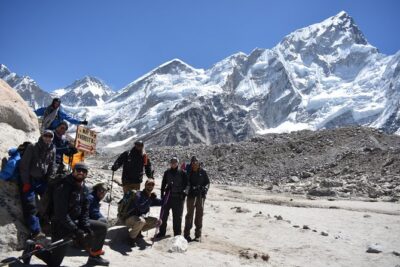
- Everest Base Camp Trek – 14 Days
★ 5.0 · 1,499 reviews - Private Kathmandu Sightseeing Tour | UNESCO World Heritage sites
★ 5.0 · 756 reviews - Everest Base Camp Helicopter Tour landing at Everest View Hotel
★ 5.0 · 668 reviews
Lukla to Phakding: The Trek Begins Quickly
On day two, a 35-minute flight takes you to Lukla, followed by a 3 to 4-hour walk to Phakding. The route covers about 8 kilometers and ends around 2,800 meters.
The flight is short but important. Peak-season services may operate from Ramechhap Airport instead of Kathmandu, so you should ask for clear transport details before departure. Lukla weather can affect the plan, and the team’s experience with airport changes is one reason local support is valuable.
The first walk is a gentle introduction to the trail. You are already in a mountain setting, but the day is not designed to drain you. Take it easy. The point is to begin moving at altitude, not to prove anything before the real climbing starts.
Namche Bazaar at 3,438 Meters: Your First Big Acclimatization Test
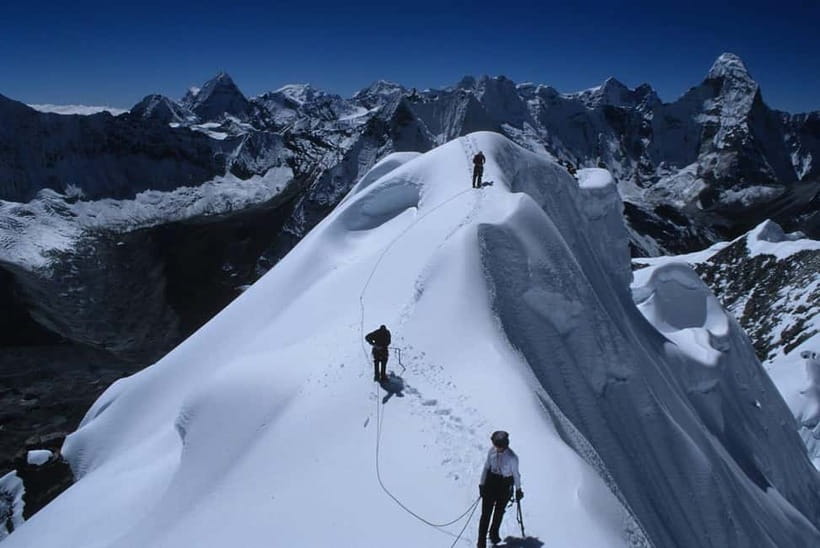
Day three brings a 5 to 6-hour trek to Namche Bazaar, about 10 kilometers with a gain of roughly 600 meters. Suspension bridges add a little drama, and the views open toward Thamserku and Everest.
Namche is one of the most important stops in the whole program. You spend day four here for acclimatization, with an optional 2 to 3-hour hike and panoramic views toward Everest and Ama Dablam. The planned elevation change is modest, about 100 meters up and down, which is exactly the point. You gain altitude slowly while giving your body time to adjust.
I like this pause because rushed itineraries often create avoidable problems above 4,000 meters. You should use the Namche day sensibly. Walk, drink fluids, check your gear, and rest. This is also a good place to spend any available cash carefully, since costs rise as you get higher and services become less frequent.
Tengboche at 3,870 Meters: Monastery and Mountain Views
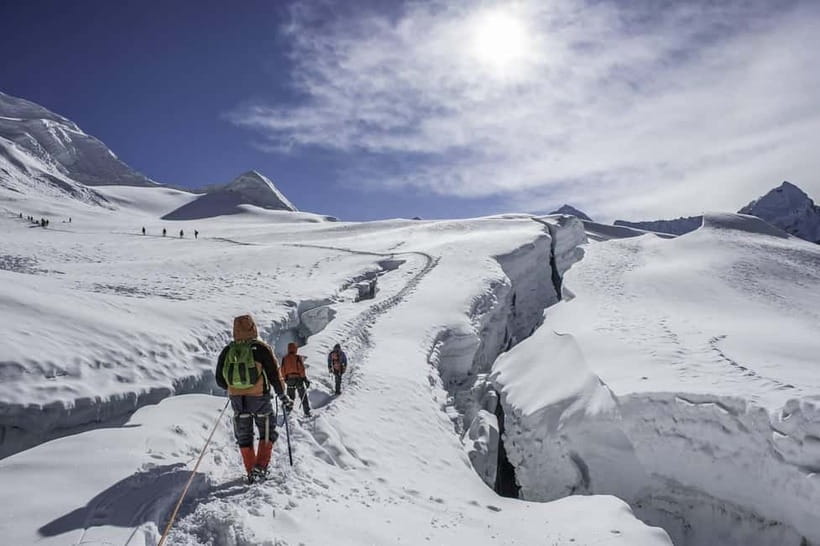
The trail to Tengboche takes 5 to 6 hours and rises about 430 meters to 3,870 meters. The main cultural stop is Tengboche Monastery, while the mountain views include Everest, Lhotse, and Ama Dablam.
This day gives the program more than a summit objective. The route passes through villages shaped by Sherpa culture, and Tengboche provides a meaningful pause in the climb toward the high country. You are not simply marching from one elevation figure to another.
At the same time, the altitude begins to feel more serious. A 5 to 6-hour walk at nearly 4,000 meters is tiring even when the distance looks manageable on paper. Keep your pace steady and listen to your guide if your body is struggling.
A completely different way to spend the day:
- Half day cooking class in Thamel kathmandu
★ 5.0 · 607 reviews - Everest Base Camp Trekking
★ 5.0 · 485 reviews - Nagarkot Sunrise View and Day Hiking from Kathmandu
★ 5.0 · 471 reviews - Kathmandu: Full Day 7 UNESCO Tour with Lunch – Private/Group
★ 5.0 · 415 reviews
Dingboche at 4,360 Meters: The Air Gets Thin
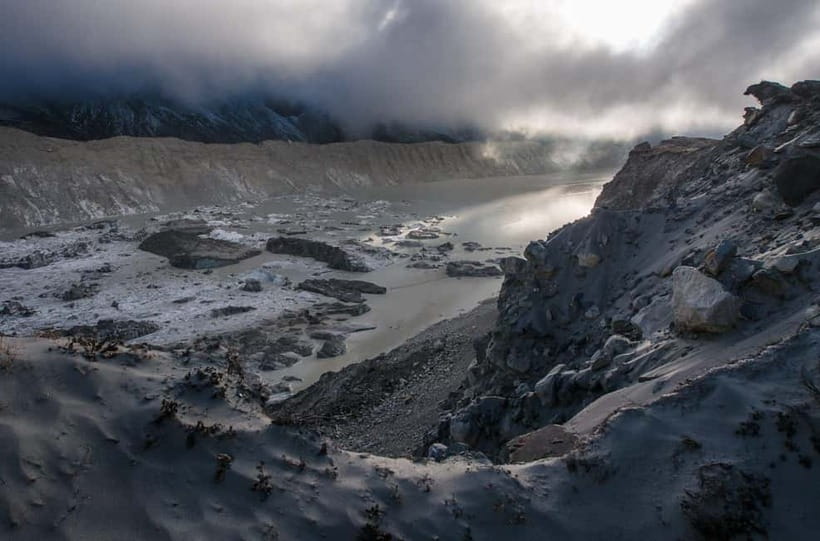
Day six leads to Dingboche after another 5 to 6 hours and about 10 kilometers of walking. The route gains approximately 490 meters, ending at 4,360 meters, with Lhotse and Ama Dablam in view.
Dingboche is where the climb shifts from a high-altitude trek to a mountaineering approach. The valleys are open and impressive, but the thin air changes the rhythm. You will walk more slowly, need more rest, and find that small tasks take longer.
The package includes three meals a day during the trek. That is a real convenience at this stage. You do not need to arrange food town by town, although hot water, drinks, showers, and personal extras cost more.
Chhukung at 4,730 Meters: Island Peak Comes Into View
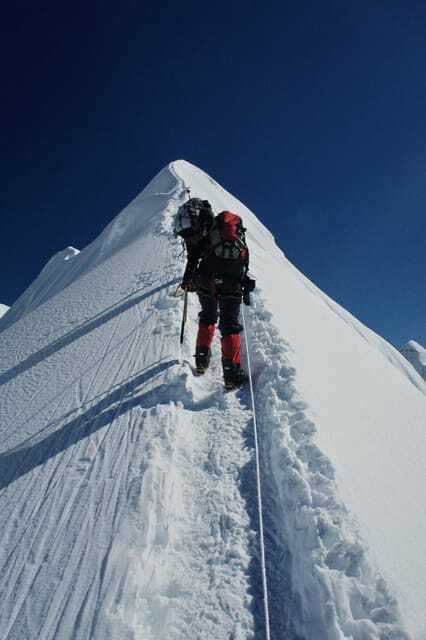
The walk from Dingboche to Chhukung takes 3 to 4 hours and covers around 6 kilometers. You gain about 370 meters, reaching 4,730 meters. Lhotse and Island Peak provide the main mountain views.
Chhukung is a short walking day, but altitude makes it useful. You are moving closer to the peak without spending another full day on the trail. The alpine pastures give way to a harsher setting, and Island Peak becomes a direct physical objective rather than a distant shape.
This is a good point to check your personal equipment. The company provides a free duffle bag, sleeping bag, and down jacket, according to the trip information, but you are still expected to bring your own trekking and climbing gear. Ask exactly what technical equipment is supplied and what you must carry before leaving home.
Base Camp at 5,200 Meters: Training Before the Climb
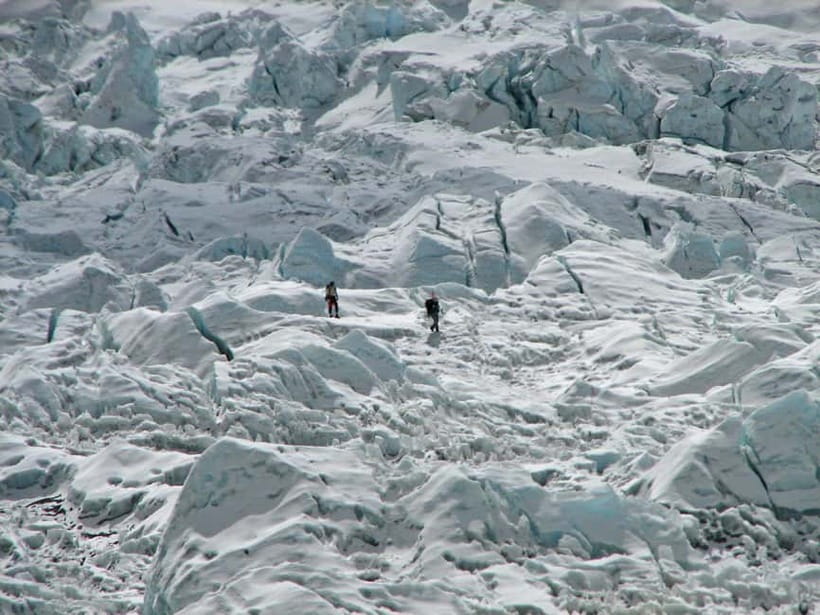
Day eight is a 3 to 4-hour walk of about 5 kilometers to Island Peak Base Camp. The route gains around 470 meters, finishing at 5,200 meters.
This is one of the most valuable parts of the program. You receive pre-climb training and practice glacier walking, with group equipment such as ropes, ice screws, snow bars, ice hammers, tents, and kitchen equipment included. The goal is to make the summit attempt less unfamiliar and to let the guide assess how you handle the technical section.
The package includes a climbing guide with at least 20 Island Peak summits. It also includes NMA service charges, the royalty fee, the Sagarmatha Pollution Control Committee fee, the garbage deposit, national park entry, and the Khumbu Pasang Lhamu Rural Municipality fee. Those permits and environmental charges can be confusing to arrange independently, so having them handled is part of the value.
You sleep in local lodges along the trek and tented accommodation where required. Base camp is not a hotel stop. Expect basic conditions, cold temperatures, and limited comforts. Hot showers, hot water, Wi-Fi, charging, phone calls, and drinks are extra when available.
Summit Day at 6,189 Meters: The Hardest 8 to 10 Hours
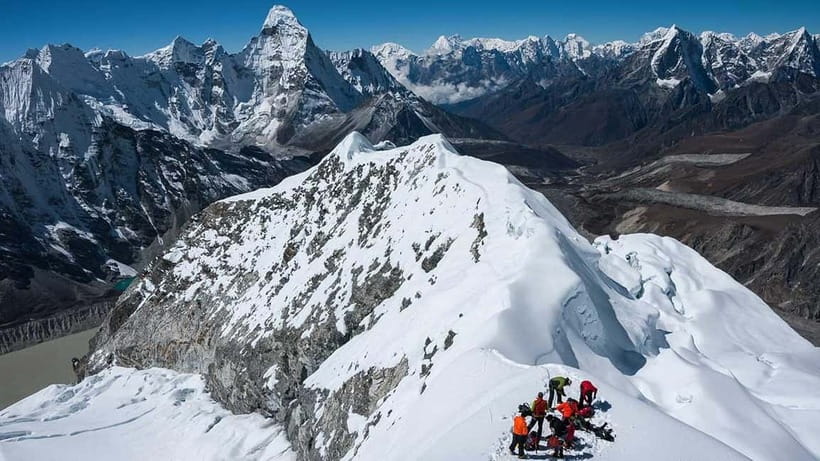
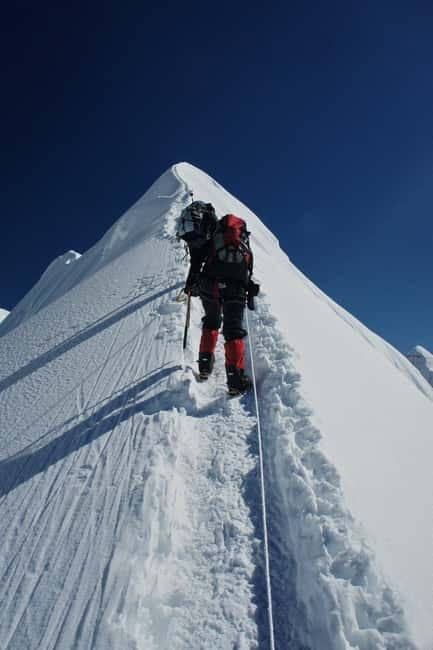
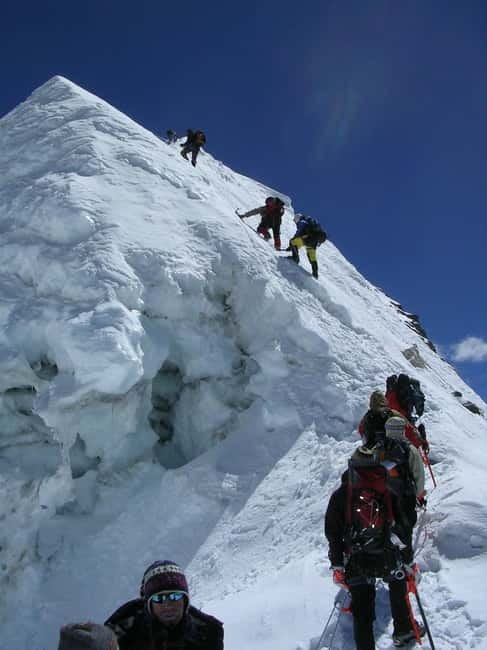
Day nine is the main event. The summit attempt reaches 6,189 meters, with 8 to 10 hours of walking and climbing and a stated elevation gain and loss of about 989 meters.
You need to treat this as a demanding mountaineering day. The schedule includes a return to base camp, so the effort is not finished when you reach the top. The views listed for the summit include Everest and Makalu, along with the close presence of Island Peak itself.
The technical training at base camp matters here. You should follow the guide’s instructions on ropes, glacier movement, and climbing equipment. Your physical fitness matters, but so do patience, cold management, and the ability to keep going when progress is slow.
The company includes helicopter rescue assistance to contact your insurance provider, but this is not a substitute for insurance. Your policy must specifically cover high-altitude trekking and climbing. Standard travel insurance may not cover a 6,189-meter summit attempt.
The Contingency Day: A Smart Safety Margin
Day 10 is reserved as a contingency day for another summit attempt. This is a strong feature because Himalayan weather does not follow a tidy holiday schedule.
If the summit works on day nine, the spare day gives the plan some breathing room. If weather or conditions prevent the climb, the day may provide another opportunity. It cannot guarantee a summit, but an itinerary without a buffer is more fragile.
You should keep your return schedule flexible enough to handle changes. The program includes return flights from Lukla to Kathmandu on day 13, but mountain flights can be affected by conditions.
Descending to Namche and Lukla
After the high point, the route returns from Chhukung to Namche Bazaar in 5 to 6 hours, with about 1,292 meters of descent and an 18-kilometer distance listed. The figures suggest a long day, even though you are going downhill. Your knees may disagree with the word easy.
The descent brings back views of Ama Dablam and Everest and returns you to the more settled part of the route. From Namche, day 12 continues to Lukla in 6 to 7 hours over about 19 kilometers, ending at 2,800 meters.
These are useful but demanding final trekking days. You may feel tired after the summit, and the long distances leave little room for a slow morning. The reward is a final walk through the Everest region before the flight back.
Day 13 includes the 35-minute flight to Kathmandu, followed by the final departure on day 14. If your schedule allows, the extra Kathmandu night after the mountain section can be valuable, but the listed plan has you flying back before departure day.
What the $1,699 Price Really Covers
At $1,699 per person, the package offers a fair amount of infrastructure for a peak climb. Included are two Kathmandu hotel nights, private transfers, three meals a day on the trek, local lodge and tent accommodation, a government-licensed English-speaking guide, porters, climbing equipment, permits and fees listed above, training, a duffle bag, and 24-hour company support.
The porter ratio is one porter for every two clients. Their food, lodging, salary, equipment, and insurance are included. A solo climber needs to clarify the porter surcharge, since a separate porter fee is listed for solo travelers.
The biggest extra costs are clear:
- Return Kathmandu to Lukla flights: about $440 per person
- Island Peak climbing permit: listed as $350, with $175 also shown, so confirm the current amount
- Climbing guide insurance: $100
- Personal expenses and drinks
- Hot water, hot showers, Wi-Fi, charging, laundry, and phone calls
- Tips for guides, porters, and drivers
That permit discrepancy deserves a direct question before you pay. The final budget should also include insurance and a cash reserve for mountain services. The advertised price is attractive, but it is not an all-in total.
Who Should Book This Island Peak Program?
This trip suits a fit adult who wants a first serious Himalayan peak with a guided support system. It is for someone comfortable with long trekking days, cold conditions, basic accommodation, and the uncertainty of mountain flights.
You should not book it as a casual add-on to a Nepal holiday. Children under 14, pregnant women, wheelchair users, and people over 95 are listed as unsuitable. More broadly, anyone without high-altitude climbing insurance or a good level of physical fitness should choose a lower route.
The private-group format is useful if you want more direct attention than a large group can provide. English is the working language. The staff’s strongest qualities appear to be organization, local problem-solving, and personal care, with Mijan the porter and a climbing guide experienced on demanding peaks such as Ama Dablam receiving especially warm praise.
Free cancellation up to 24 hours before the activity and reserve-now, pay-later terms also reduce the risk of committing too early. Still, you should confirm flight arrangements, permit pricing, gear requirements, and solo porter costs in writing.
Should You Book It?
Book this Island Peak climb if you want a genuine summit attempt, not just Everest-region scenery, and you value local staff who can handle the practical headaches of Nepal. The planned acclimatization, base-camp training, contingency day, porter support, and experienced climbing leadership give the program a sensible foundation.
Do not book it if you need fixed flight times, hotel-level comfort throughout, or a low final price. Add the flights, permit, insurance, tips, and mountain extras before deciding.
For a fit climber who accepts the effort and the uncertainty, this is a strong package. The best reason to choose it is not simply the summit number. It is the combination of Sherpa culture, classic Everest-region trekking, technical preparation, and a support team built around getting you home safely.
FAQ
How high is Island Peak?
Island Peak reaches 6,189 meters, or 20,306 feet.
How long does the full trip take?
The program lasts 14 days, beginning with arrival in Kathmandu and ending with departure after the return from the mountains.
Is the Island Peak climbing permit included?
No. The climbing permit is listed separately, with prices of $350 and $175 shown in the supplied details. Confirm the correct current amount before booking.
Are flights from Kathmandu to Lukla included?
No. Return flights are listed as an additional cost of about $440 per person.
Does the trip include climbing equipment?
Group equipment is included, including ropes, ice screws, snow bars, ice hammers, tents, and kitchen equipment. You must still bring your personal trekking and climbing gear.
Is climbing training provided?
Yes. Pre-climb training and glacier walking practice take place at Island Peak Base Camp.
What meals are included?
Breakfast, lunch, and dinner are included during the trek.
Is travel insurance required?
Yes. You need valid insurance covering high-altitude trekking and climbing. The package also lists helicopter rescue assistance to contact your insurer.
Can I cancel the booking?
You can cancel up to 24 hours in advance for a full refund. The trip also offers a reserve-now, pay-later option.
New in the Kathmandu listings
- Traditional Momo Making Class★ 5.0 · 10 reviews
- Kathmandu: Ancient City Kirtipur & Pharping Monastery Tour★ 5.0 · 2 reviews
- Kathmandu to Pokhara Premium sofa bus ticket★ 4.0 · 17 reviews
- Women Empowerment Project(Nepali cooking class & jewelry workshop★ 5.0 · 15 reviews
- 7-Day Langtang Valley Trek from Kathmandu★ 5.0 · 1 review
- Kathmandu 2 Nights 3 Days Chitwan Jungle Safari Tour★ 5.0 · 9 reviews
- Yoga Experience Day Trip with Private Transfer From Kathmandu★ 4.0 · 2 reviews
- Wildlife Adventure in Chitwan Nepal★ 4.0 · 4 reviews
Kathmandu Tours, compared.
Private Kathmandu Sightseeing Tour | UNESCO World Heritage sites
Read our review →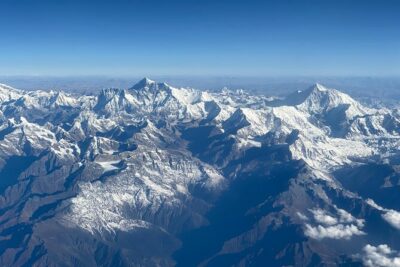
Everest Base Camp Helicopter Tour landing at Everest View Hotel
Read our review →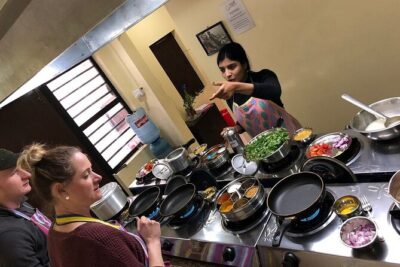
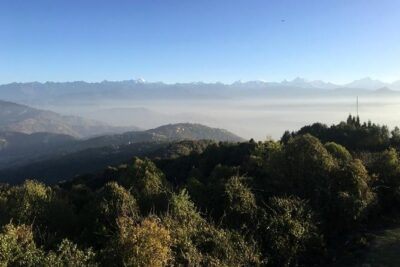
Nagarkot Sunrise View and Day Hiking from Kathmandu
Read our review →
Full Day 7 UNESCO Tour with Lunch – Private/Group
Read our review →