
REVIEW · LANGTANG VALLEY TREKS
Kathmandu: 6-Day Limitless Langtang Trek
Six days can deliver a real Himalayan reset. I like the Tamang villages and monasteries, and I like that the route reaches Kyanjin Gompa without the crowds found on Nepal’s most famous trails. The main catch is pace: some days can run close to eight hours on steep paths, so this is moderate trekking only if you are reasonably fit.
The $181 price is strong value if you choose the full package. Permits, guide, five nights of private accommodation, transport, staff costs, and meals are included in that option, though porter service, drinks, bottled or boiled water, showers, battery charging, insurance, and personal spending cost extra.
Guide quality is a major strength. Past trips have been led by Niraj, Mahesh Aryal, Bipin, Dipesh, and Ghanshyam, with praise for careful pacing, route knowledge, food arrangements, and regular safety checks. Mahesh even helped carry a larger pack when the trail became tough, while Niraj helped one group reach about 4,700 meters.
In This Review
- Key points to know before booking
- Why Langtang works for a short Nepal trek
- Day 1: Kathmandu to Syabrubesi, then Pahiro
- Day 2: Pahiro to Ghoda Tabela at 2,900 meters
- Day 3: Ghoda Tabela to Kyanjin Gompa
- Day 4: Kyanjin Ri and the return toward Thangsyap
- Day 5: Thangsyap back to Syabrubesi
- Day 6: The road back to Kathmandu
- Guides, porters, and the human side of the trek
- What the $181 price really includes
- What to pack for six days in Langtang
- Who should book this trek?
- FAQ
- How long does the Langtang trek take?
- How much does the trek cost?
- Is a guide included?
- Is a porter included?
- Are meals included?
- What is the highest point on the route?
- Is the trek suitable for beginners?
- Can I cancel or pay later?
- Should you book the 6-day Langtang trek?
Key points to know before booking
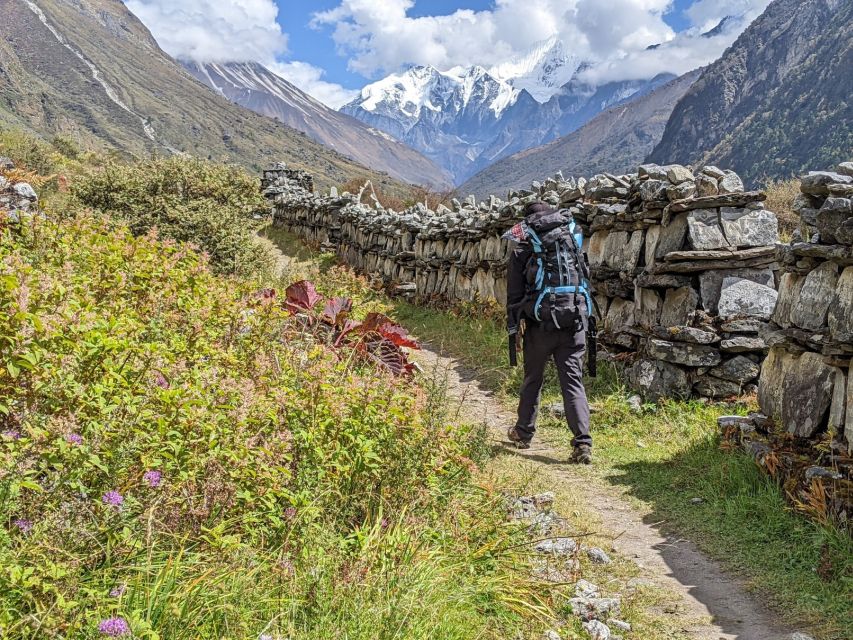
- Kyanjin Ri adds the big mountain moment: The optional climb reaches 4,770 meters and gives wide views over the snow-covered peaks and glacial valley.
- The route begins with a long road journey: Expect about six hours by shared bus from Kathmandu to Syabrubesi before walking.
- Tamang culture is part of the trek: Villages, local lodges, monasteries, and the cheese factory at Kyanjin Gompa give the walk a human side.
- The return route is fast but repetitive: After reaching the high valley, you retrace much of the same trail back to Syabrubesi.
- Porters cost extra: A guide is included, but porter service is not part of the basic price.
- This is a private group experience: You can trek with your own party, with English, Hindi, or Nepali guiding available.
Why Langtang works for a short Nepal trek
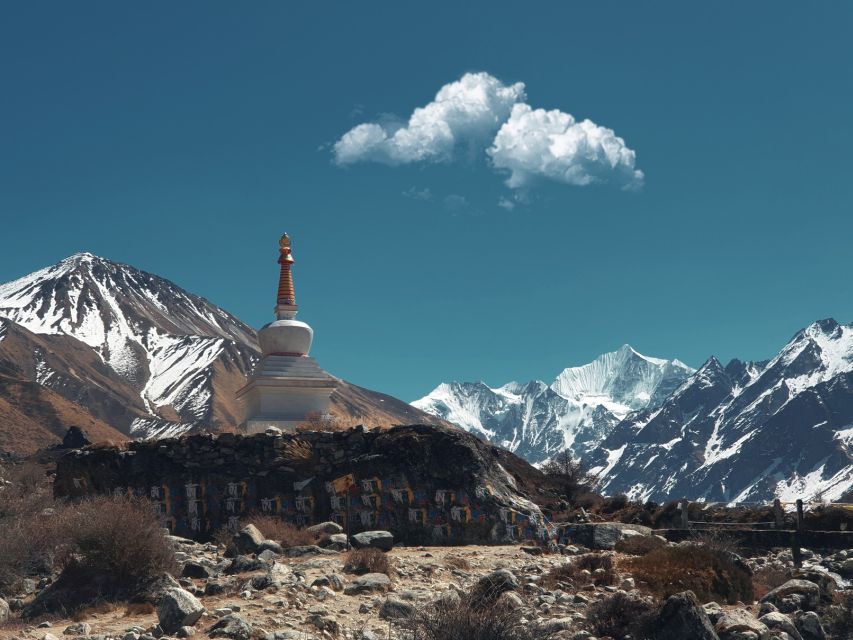
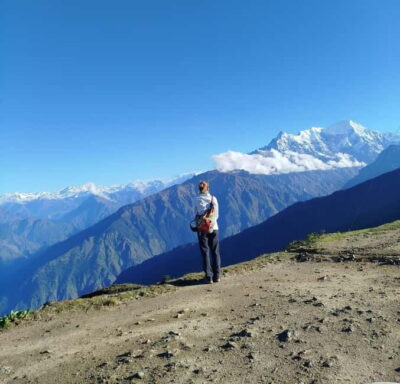
Langtang is a good choice when you want real Himalayan scenery but have only six days. The route moves from Kathmandu’s busy streets into mountain roads, forest, river valleys, stone villages, and high pasture. You get a clear sense of changing altitude without committing to a much longer expedition.
I especially like the mix of scenery and daily life. The trail is not just a parade of peaks. You pass through Tamang communities, stay in mountain lodges, visit monasteries, and see how the valley’s residents support life in a high and remote setting.
The route is described as suitable for first-time trekkers, couples, families, and solo walkers. That is fair with one qualification: you still need to prepare for long uphill days. One account describes roughly eight hours of walking on steep ground, so beginners should not confuse accessible with easy.
The private group format helps. Your guide can check your pace, explain the next day, and make adjustments more easily than on a large fixed group departure. The itinerary can also be customized around your pace and preferences, although changes may affect the number of days and costs.
More Langtang treks:
- Langtang Valley Trek
★ 5.0 · 140 reviews - Private 8 – Day Langtang Trekking
★ 5.0 · 29 reviews - Langtang Valley Trek
★ 5.0 · 20 reviews
Day 1: Kathmandu to Syabrubesi, then Pahiro
The first day combines a long drive with a short walk. From Kathmandu, you travel for about six hours by shared bus over winding mountain roads to Syabrubesi, the trailhead for Langtang Valley.
This road journey is part of the experience, but it is also the day’s least comfortable section. The route passes through mountain scenery and rural settlements, yet the road itself can make for a tiring start. You should keep essentials close rather than burying them in your main luggage.
From Syabrubesi, the trek takes about two hours to Pahiro. The trail enters forest and follows the Langtang River, giving you a gentle introduction to walking at altitude. Pahiro sits at about 1,550 meters, so the first night is relatively low compared with the settlements ahead.
The short walking day is useful after the long drive. You can get your legs moving without spending your first afternoon on a hard climb. Accommodation is included, and the package provides a private room for the night, subject to the available lodge arrangement.
Day 2: Pahiro to Ghoda Tabela at 2,900 meters
Day two is where the trek begins to feel serious. The route climbs through green forest, villages, and past waterfalls before reaching Ghoda Tabela at approximately 2,900 meters.
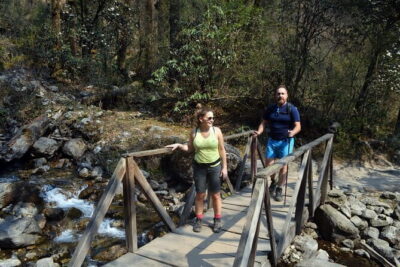
This section gives you the classic Langtang rhythm: walk, climb, stop, eat, and keep going. The river remains a companion, while the forest provides shade on parts of the route. Waterfalls add interest, but the trail is not flat, and the steady gain in height will be noticeable.
Ghoda Tabela is valued for its quiet setting. It is a natural pause before the higher valley, and staying here breaks up the climb toward Kyanjin Gompa. The elevation also makes this a day to pay attention to your body. Walk slowly, drink enough water, and tell your guide if you develop a headache or feel unwell.
The package includes meals for those booking the full package. Soft drinks, hard drinks, bottled or boiled water, and snacks are not included, so carry extra money for these items. Personal expenses can add up in mountain villages, especially if you want hot drinks, showers, laundry, or battery charging.
Day 3: Ghoda Tabela to Kyanjin Gompa
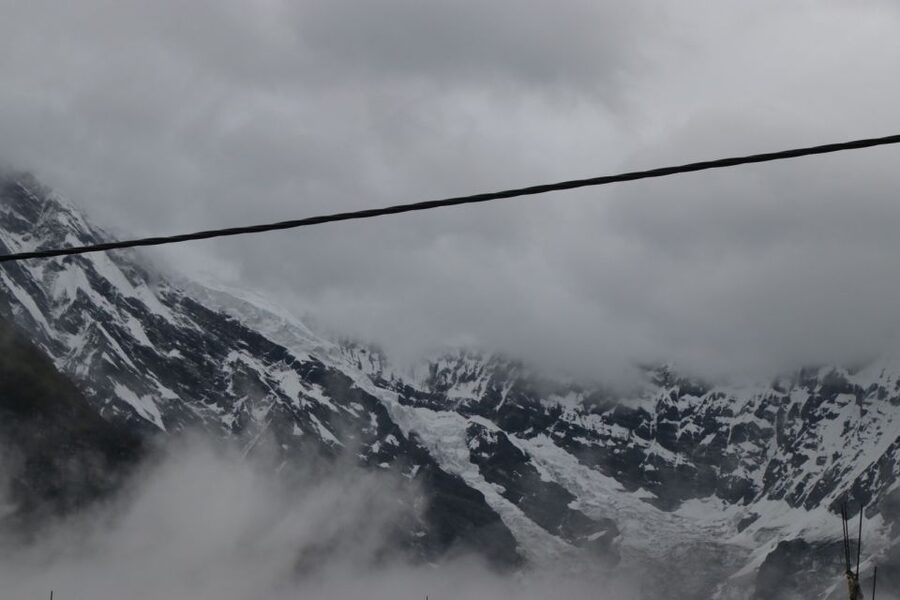
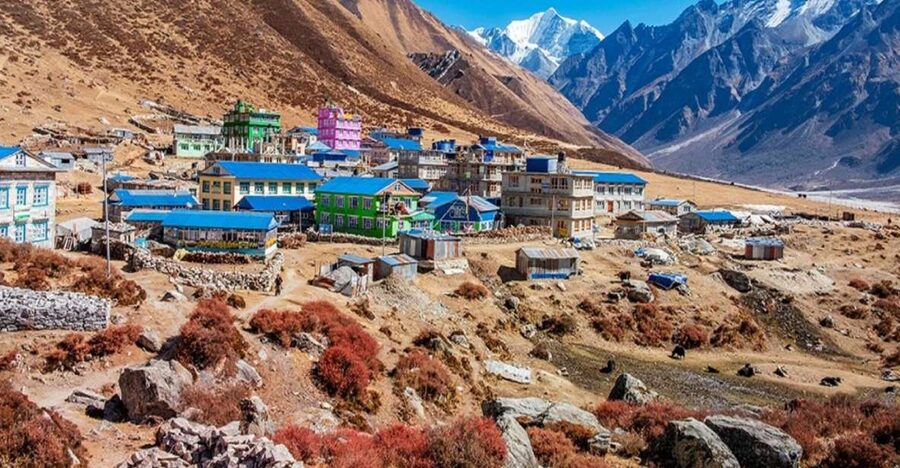
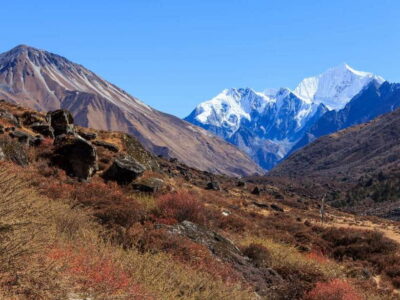
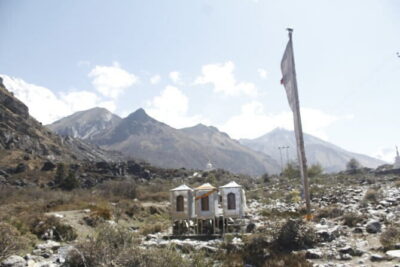
The third day takes you to the trek’s high point of overnight accommodation, Kyanjin Gompa, at about 3,870 meters. The route opens to wider mountain views as you move beyond the forest and into the high valley.
Kyanjin Gompa is more than a place to sleep. It is a small mountain settlement with monasteries, local homes, a cheese factory, and views of the surrounding peaks. The Tamang culture becomes especially clear here through the buildings, hospitality, and conversations you can have with local residents.
I would ask your guide to explain how the village uses the high pastures and how the cheese factory fits into local life. The guides praised on this trip are not simply there to point out the trail. Mahesh Aryal, for example, was valued for explaining local nature, animals, other trekking routes, and everyday subjects such as yak keeping and Nepal’s national sports.
The altitude makes this an important day. You may arrive tired even if the distance does not look extreme on paper. Your guide should explain the following day’s plan, and several strong guide reports describe regular check-ins, end-of-day briefings, and careful attention to comfort.
Kyanjin Gompa is also where the optional Kyanjin Ri climb begins. If your body feels good and your guide agrees, this is the place to aim higher. If not, the village and valley views still provide a rewarding high point without forcing a difficult ascent.
More walking in the hills of Kathmandu:
- Everest Base Camp Trek – 14 Days
★ 5.0 · 1,499 reviews - Everest Base Camp Trekking
★ 5.0 · 485 reviews - Nagarkot Sunrise View and Day Hiking from Kathmandu
★ 5.0 · 471 reviews - Annapurna Circuit Trek with Tilicho Lake
★ 5.0 · 368 reviews
Day 4: Kyanjin Ri and the return toward Thangsyap
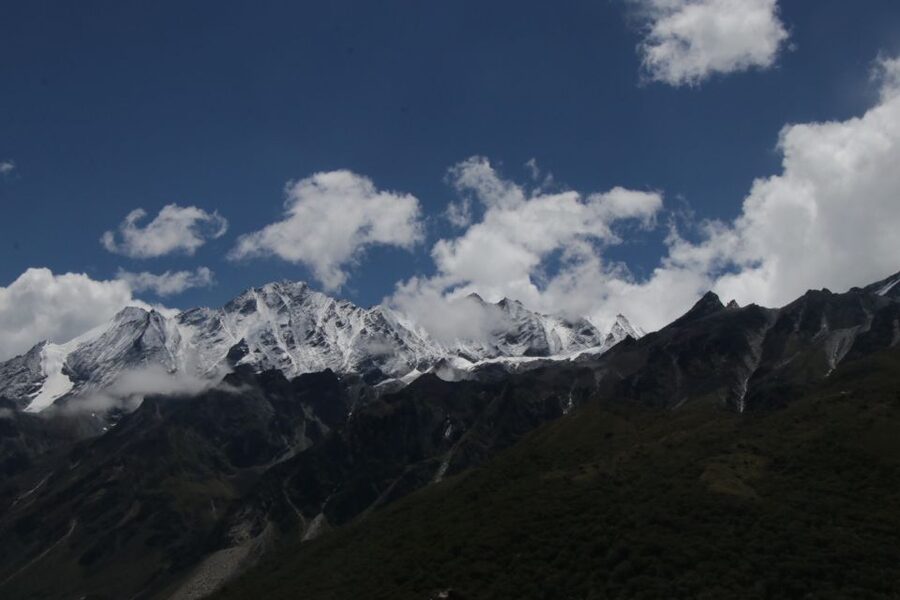
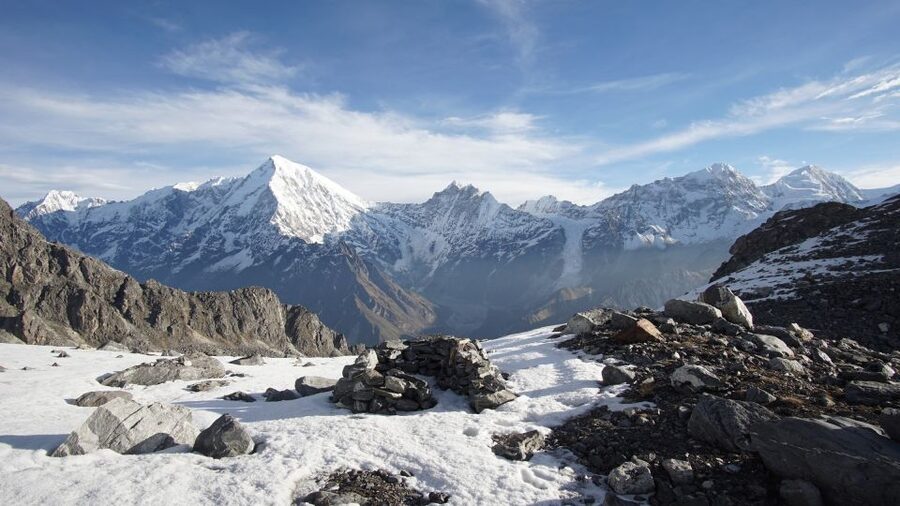
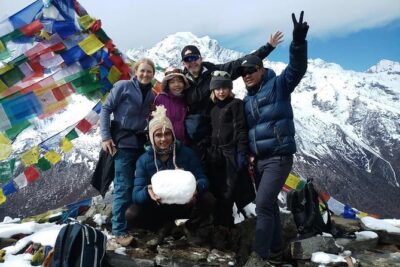
Day four is the trip’s most demanding and most memorable section. The optional climb to Kyanjin Ri reaches about 4,770 meters, with steep uphill walking and broad views of snow-covered mountains and the glacial valley.
This is not a casual viewpoint stroll. The ascent can be hard, especially after three days of walking and at nearly 4,800 meters. The supplied schedule describes it as optional for good reason. You should only attempt it if you feel well and your guide considers it sensible.
An early start may be arranged for the climb, but a specific sunrise departure is not guaranteed by the stated itinerary. One January trekker did reach the peak for sunrise and called it the highlight of the trip, so the possibility is there, but you should confirm timing with the operator before you set your expectations.
After the high point, you retrace the route toward Thangsyap, staying at about 3,200 meters. The return gives you a different view of familiar ground, and the descent usually feels easier than the ascent, though steep downhill paths can be hard on knees.
The day’s appeal is the contrast between effort and reward. You work for the views, then return to a quieter settlement and a lower sleeping altitude. If the peak is beyond your comfort level, skipping it is not a failure. The main Langtang experience remains intact.
Day 5: Thangsyap back to Syabrubesi
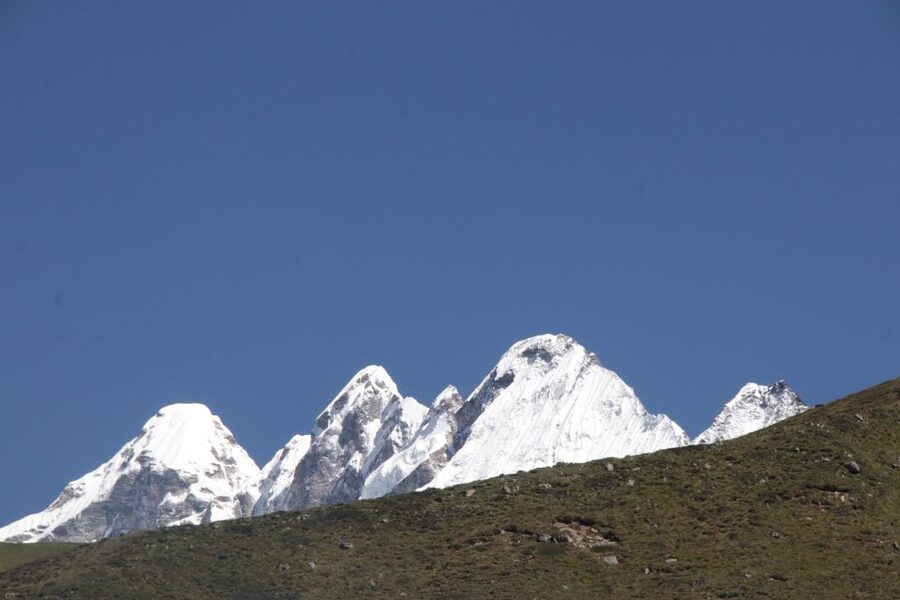
Day five descends from Thangsyap to Syabrubesi at about 1,550 meters. You follow the Langtang River and retrace the scenic trail through the valley.
The lower altitude should feel welcome after the high nights. You can enjoy the forests, villages, and river with less concern about acclimatization, although the long descent still requires care. Trekking poles would be useful, but they are not listed among the included equipment, so plan your own gear.
This is also a good time to look back at the route. You have moved from riverbank forest to high Himalayan settlement and back again in only a few days. The return route is not new, so anyone seeking a different trail every day may find it repetitive. For a six-day schedule, though, retracing the path is what makes the compact itinerary possible.
You spend the fifth night in Syabrubesi. This gives you a proper break before the road journey back to Kathmandu and avoids trying to combine a long descent with the full drive on the same day.
Day 6: The road back to Kathmandu
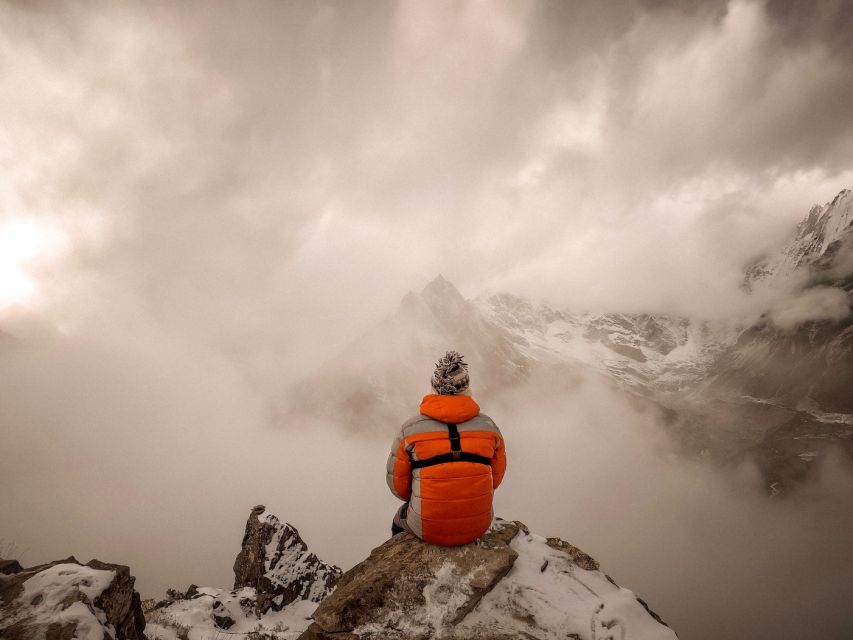
The final day uses shared transportation from Syabrubesi to Kathmandu. You leave the Langtang region by road and return to the capital after completing the trek.
The transport is listed according to the number of people in the booking, with shared bus arrangements used as part of the itinerary. Transport received a perfect score from all recorded ratings, which is useful reassurance, though mountain roads can still make the journey feel long.
Keep your day flexible. The schedule gives the return drive, but it does not promise a precise arrival time. Road conditions and the winding route can affect the journey, so avoid booking a tight onward connection for the same day.
Guides, porters, and the human side of the trek
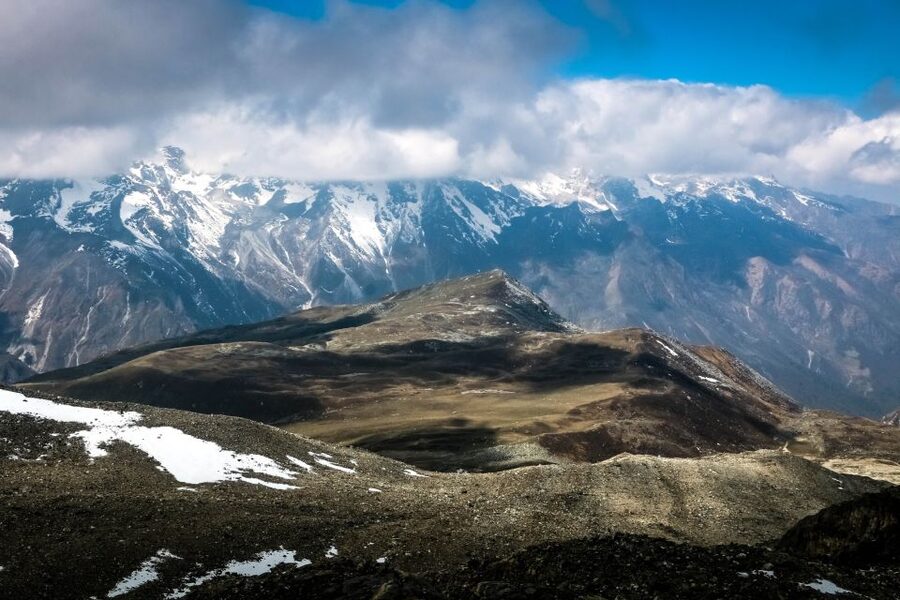
The strongest praise centers on the guides. Niraj is described as supportive and friendly, and one group credited him with helping them reach around 4,700 meters after extending their trip from six to eight days. Mahesh Aryal received praise for knowing each route, stop, and lodge, while also explaining the natural and cultural setting.
Bipin was especially valued for handling practical details. He ordered food, explained lodge arrangements, reviewed the next day’s plan, and answered questions about Nepal and the Himalayas. Dipesh was remembered as patient and reassuring for first-time trekkers.
For a solo woman, the account involving Ghanshyam is worth noting. His patience and professional manner helped create a sense of safety throughout the walk. That does not remove the need for your own judgment, but it shows why guide choice matters on a private trek.
A porter is not included in the $181 base price. If you do not want to carry a full pack, ask for the current porter charge before booking. One trekker specifically appreciated porter help with a larger backpack, and that support can make the steep sections much more manageable.
What the $181 price really includes
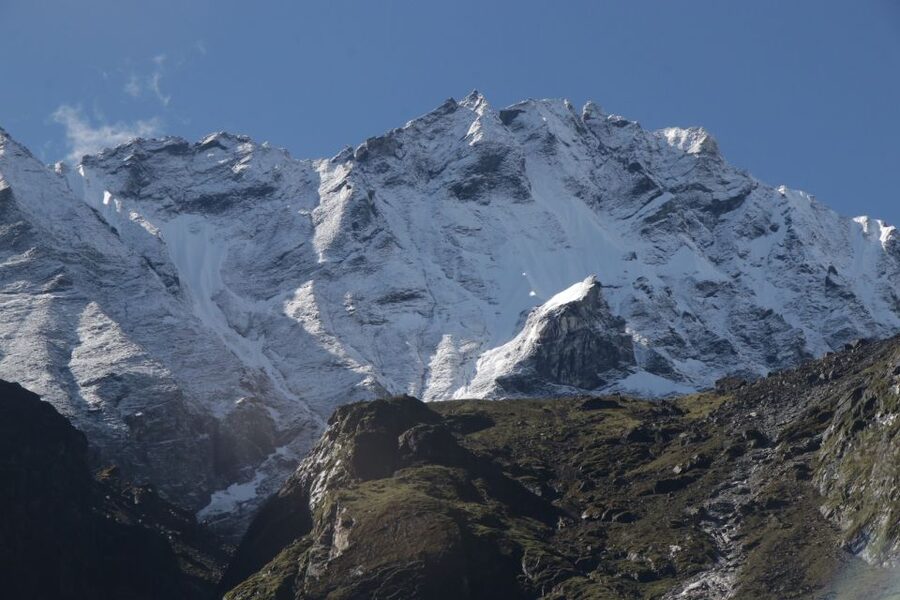
At $181 per person, the trip is priced attractively for a six-day guided trek. The value comes from the items bundled into the full package:
- Hotel pickup and drop-off
- English-speaking guide, with Hindi and Nepali also available
- Trekking permits and required paperwork
- Trekkers’ Information Management System fees
- Five nights of private accommodation during the trek
- Transportation listed in the schedule
- Breakfast, lunch, and dinner with the full package
- Staff wages, food, lodging, equipment, insurance, and transport
- Luggage storage
- Government taxes
The phrase full package matters. The supplied details specifically connect all trek meals to that option, so confirm exactly what your selected booking includes. The base price does not cover drinks, insurance, visa costs, international flights, personal expenses, extra porters, showers, laundry, phone use, or battery charging.
You also need travel and rescue insurance. This is especially important for a high-altitude route with an optional 4,770-meter climb. The tour price is not a substitute for cover that handles mountain emergencies.
The booking terms are flexible: you can cancel up to 24 hours before departure for a full refund, and you can reserve now and pay later. Those terms are helpful if your Nepal plans are still moving, but you should still confirm the final inclusions and departure time before committing.
What to pack for six days in Langtang
The required list is practical, but it deserves a closer look. Bring your passport or ID card, hiking shoes, a jacket, gloves, a hat, sunglasses, sunscreen, a towel, a flashlight, a sleeping bag, and suitable trekking gear.
Warm clothing matters most at night. A January trek was described as colder, although the accommodation remained comfortable and dining rooms sometimes had a fire. The advice is simple: pack for cold evenings, not just sunny walking hours.
A sleeping bag is specifically requested, so do not assume lodge bedding will be enough. Your flashlight is also important, especially because battery charging is a personal expense and not part of the package.
You should carry enough cash for drinks, water, showers, charging, snacks, and other personal costs. The tour provides luggage storage, which is useful if you want to leave nonessential bags in Kathmandu while taking only what you need into the valley.
Who should book this trek?
I would recommend it to you if you want a genuine Himalayan walk with culture, monasteries, mountain views, and a manageable time commitment. It suits a fit first-time trekker who is comfortable with long uphill days and a basic mountain routine.
It also works well for couples, private groups, and solo adventurers who want a guide focused on their own pace. The repeated praise for safety checks and clear briefings is particularly useful if this is your first time at altitude.
I would think twice if you want a leisurely holiday or dislike retracing trails. The route includes a long first-day drive, steep sections, cold nights, and an optional climb that reaches nearly 4,800 meters. Pregnant women should not book this activity.
FAQ
How long does the Langtang trek take?
The scheduled experience lasts six days, including transportation from Kathmandu to Syabrubesi on day one and the return drive on day six.
How much does the trek cost?
The listed price is $181 per person. Meal inclusion applies to the full package, so check the selected package before booking.
Is a guide included?
Yes. An authorized English-speaking guide is included. Guiding is also available in Hindi and Nepali.
Is a porter included?
No. Porter service costs extra. Extra porter charges are listed among the personal expenses.
Are meals included?
Breakfast, lunch, and dinner are included during the trek with the full package. Drinks and personal snacks are not included.
What is the highest point on the route?
The optional Kyanjin Ri climb reaches about 4,770 meters, or 15,649 feet. Kyanjin Gompa, where you stay, is about 3,870 meters.
Is the trek suitable for beginners?
It can suit first-time trekkers, families, couples, and solo adventurers, but you should be ready for steep paths and some days of up to roughly eight hours of walking.
Can I cancel or pay later?
You can cancel up to 24 hours in advance for a full refund. The reserve-now, pay-later option lets you book without paying immediately.
Should you book the 6-day Langtang trek?
Book it if you want a compact route with serious mountain scenery, Tamang culture, local lodges, and the option to climb Kyanjin Ri. The price is appealing because it covers the guide, permits, transport, accommodation, staff costs, and meals in the full package.
Before you pay, confirm three points: the exact meal package, the extra porter cost, and how the guide will handle the Kyanjin Ri option. If you prepare for cold nights and long uphill walking, this is a strong-value introduction to Langtang, with the personal attention that can make a demanding trek feel safe and rewarding.
New in the Kathmandu listings
- Traditional Momo Making Class★ 5.0 · 10 reviews
- Kathmandu: Ancient City Kirtipur & Pharping Monastery Tour★ 5.0 · 2 reviews
- Kathmandu to Pokhara Premium sofa bus ticket★ 4.0 · 17 reviews
- Women Empowerment Project(Nepali cooking class & jewelry workshop★ 5.0 · 15 reviews
- 7-Day Langtang Valley Trek from Kathmandu★ 5.0 · 1 review
- Kathmandu 2 Nights 3 Days Chitwan Jungle Safari Tour★ 5.0 · 9 reviews
- Yoga Experience Day Trip with Private Transfer From Kathmandu★ 4.0 · 2 reviews
- Wildlife Adventure in Chitwan Nepal★ 4.0 · 4 reviews
Langtang Valley Treks, compared.
Trekking in Annapurna/Langtang/Everest/Upper Mustang regions
Read our review →
Browse the lists this tour appears in