
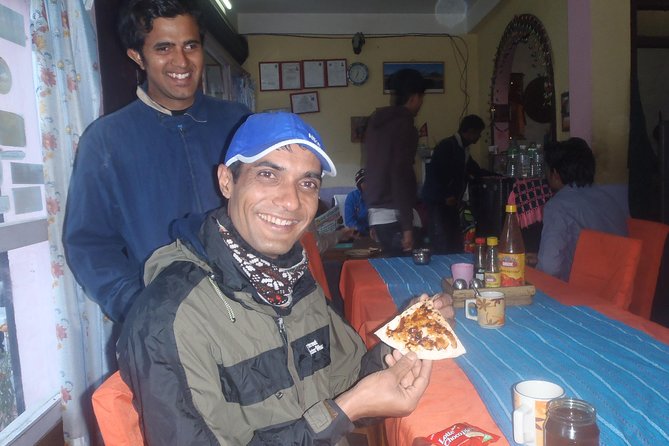
REVIEW · LANGTANG VALLEY TREKS
Langtang Valley Trek
The mountains arrive sooner than you expect. This eight-day Langtang Valley Trek takes you from Kathmandu to a quiet Himalayan valley with pine and rhododendron forests, traditional villages, high mountain views, and Kyanjin Gompa at 3,870 meters. I like the direct route from the capital and the choice between the shorter Kyanjin Ri climb and the tougher Tsergo Ri day. The main drawback is simple: long bus rides, basic teahouses, and several demanding walking days require patience.
I also like the small-group format, capped at 12 people, plus a porter shared between every two participants. The price of $560 includes transport, meals, lodging, taxes, and a porter, which makes the package appealing. Still, you need moderate fitness, and altitude can affect even strong hikers. A 13-year-old participant became sick at altitude, requiring significant help from guide Madan, so take the high days seriously.
In This Review
- Key points before you book
- What the Langtang Valley route offers
- Day 1: Kathmandu to Syabrubesi by local bus
- Day 2: River trails and forest to Lama Hotel
- Day 3: Climbing toward Langtang Village at 3,430 meters
- Day 4: Reaching Kyanjin Gompa
- Day 5: Kyanjin Ri or Tsergo Ri
- Day 6: Returning to Lama Hotel
- Day 7: Descending to Syabrubesi
- Day 8: Bus back to Kathmandu
- What the $560 price really covers
- Guides, group size, and preparation
- The main tradeoffs to consider
- Who should book this trek?
- FAQ
- How long is the Langtang Valley Trek?
- What time does the tour start?
- How long is the bus ride to Syabrubesi?
- What is the highest point on the trek?
- Is a porter included?
- Are meals included?
- How many people can join the group?
- Should you book the Langtang Valley Trek?
Key points before you book
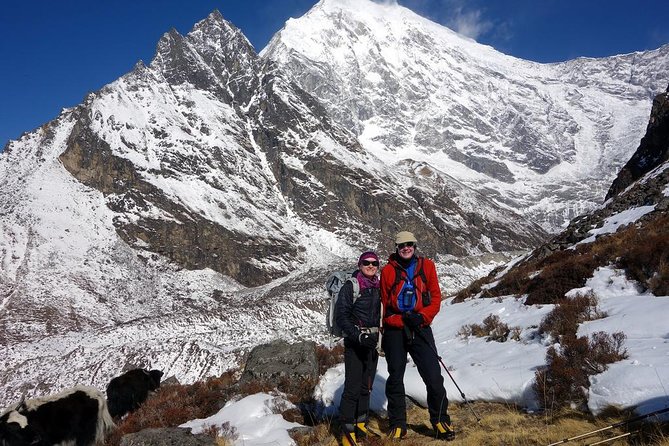
- Kyanjin Gompa is the high point: Reach this famous monastery area after four days of walking, then use it as your base for a mountain-view day.
- Choose your summit carefully: Kyanjin Ri takes about three hours round trip and reaches 4,773 meters. Tsergo Ri takes seven to eight hours and reaches 4,984 meters.
- The journey begins by local bus: The ride from Kathmandu to Syabrubesi takes about seven hours, depending on traffic, and the return follows the same route.
- Your porter carries shared luggage: One porter is provided for every two participants, while a guide leads the group.
- Expect basic mountain lodging: Teahouse accommodation is included, but comfort is practical rather than luxurious.
- This is a small-group trek: A maximum of 12 people allows for a more personal pace and easier communication with the guide.
What the Langtang Valley route offers
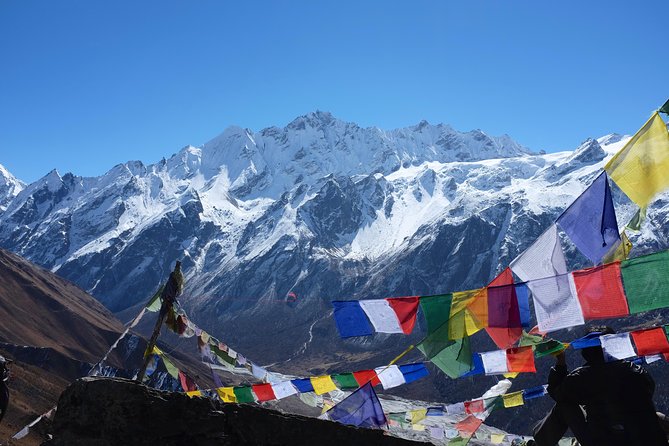
Langtang gives you a taste of high Himalayan trekking without the longer approach needed for some of Nepal’s better-known routes. From Kathmandu, you travel north toward the Tibetan border, then walk through Langtang National Park toward the upper valley.
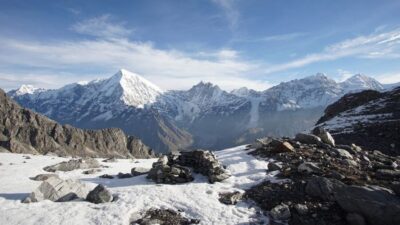
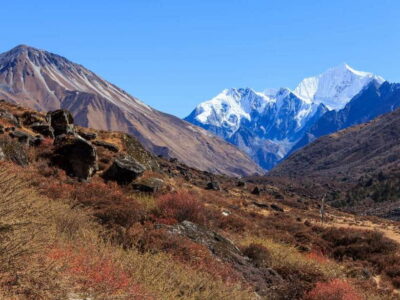
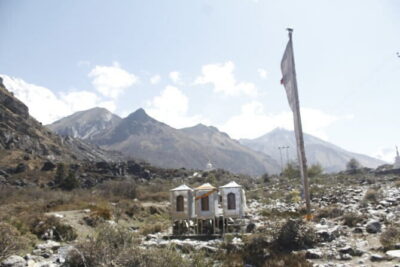
The setting changes day by day. At first, you follow river corridors and forest paths. Higher up, the trees thin, farmland and open meadows appear, and snow-covered peaks begin to dominate the view. Langtang Lirung, rising to 7,246 meters, is the main mountain presence, with Langshisha and other peaks adding to the scene.
I like this route because it offers more than mountain scenery. You pass traditional villages, bridges, cultivated land, deep gorges, and forest tracks. The park is also home to wildlife such as wild boar, Himalayan black bears, ghoral, grey langur monkeys, leopards, musk deer, and the endangered red panda. Seeing any of these animals is not guaranteed, but the variety adds interest to the walking.
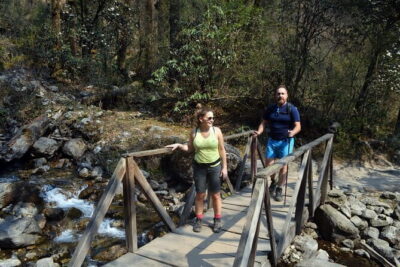
The trail is not a technical climbing route. The paths are described as well defined, with riverbank sections, forest tracks, suspension bridges, gradual slopes, and some steeper descents. The challenge comes from repeated walking days and increasing altitude, not from rock climbing or specialized mountaineering.
More Langtang treks:
- Langtang Valley Trek
★ 5.0 · 140 reviews - Private 8 – Day Langtang Trekking
★ 5.0 · 29 reviews - Kathmandu: 6-Day Limitless Langtang Trek
★ 5.0 · 21 reviews
Day 1: Kathmandu to Syabrubesi by local bus
The first day is mostly a transport day. You leave Kathmandu at about 6:45 am and ride a local bus to Syabrubesi, a journey of roughly seven hours depending on traffic.
This is not the polished comfort of a private tourist vehicle. A local bus places you closer to everyday Nepal, but the ride may feel long, crowded, and tiring. Bring patience, water, and something to occupy you during slow sections. The reward is the countryside scenery along the way, which gives you an early look at the rural setting beyond Kathmandu.
Syabrubesi is the starting point for the walk. Since the next day begins on foot, use the evening to organize your daypack and make sure your walking shoes, warm layers, and personal essentials are easy to reach.
Day 2: River trails and forest to Lama Hotel
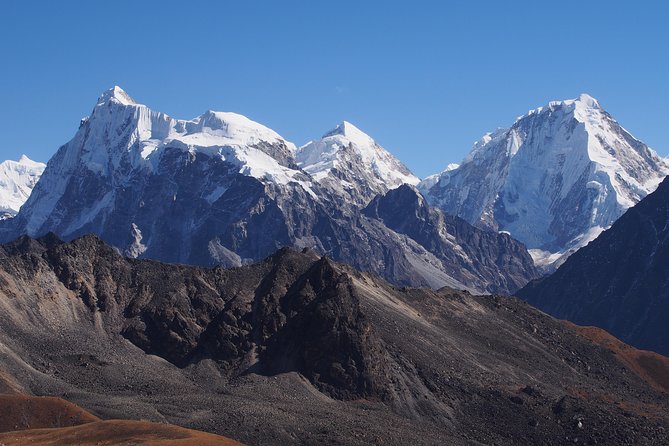
The trek begins with an easy to moderate walk toward Lama Hotel at about 2,500 meters. The trail includes gentle inclines, riverbank paths, forest tracks, suspension bridges, and clearly marked walking sections.
This day introduces the rhythm of the route. You are not yet at the dramatic high valley, but the forest is a major part of the experience. Pine, oak, maple, alder, and rhododendron trees create shade and bring color to the walk, especially when the rhododendrons are flowering.
The river remains an important companion, and the sound of moving water helps break up the longer walking stretches. You might also notice giant beehives in the trees. The route is manageable for someone with moderate fitness, but the first day on foot can still feel demanding after the bus journey.
Lama Hotel is a useful first overnight stop because it marks the beginning of the gradual climb. The accommodation is in a teahouse, so expect a simple place to eat and sleep rather than hotel-style facilities.
Day 3: Climbing toward Langtang Village at 3,430 meters
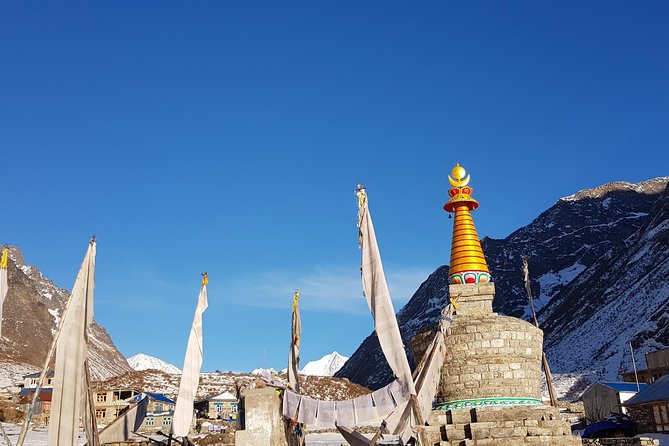
Day three takes about six and a half hours and reaches Langtang Village at roughly 3,430 meters. The route continues through forest and along riverbanks, with gentle inclines, grassy meadows, pine trees, and views toward Langtang Lirung.
This is an important day for altitude. You gain nearly 1,000 meters from Lama Hotel, so a steady pace matters more than speed. I would stay close to the guide, drink regularly, and tell the guide early if you develop a headache, unusual tiredness, nausea, or dizziness.
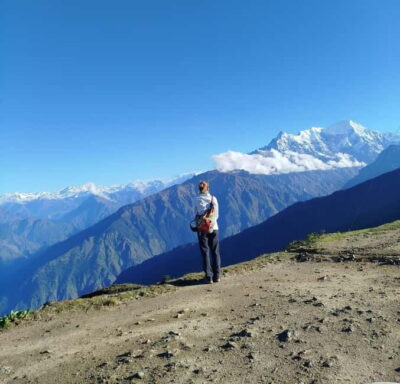
The scenery starts to open as you climb. Forest remains part of the walk, but meadows and mountain views give the valley a wider feel. Langtang Lirung becomes a stronger presence, and the change from enclosed woodland to open mountain country makes the effort worthwhile.
The village itself is a key cultural and scenic point on the route. You will spend the night in a teahouse and have time to recover before the next day’s walk to Kyanjin Gompa.
More walking in the hills of Kathmandu:
- Everest Base Camp Trek – 14 Days
★ 5.0 · 1,499 reviews - Everest Base Camp Trekking
★ 5.0 · 485 reviews - Nagarkot Sunrise View and Day Hiking from Kathmandu
★ 5.0 · 471 reviews - Annapurna Circuit Trek with Tilicho Lake
★ 5.0 · 368 reviews
Day 4: Reaching Kyanjin Gompa
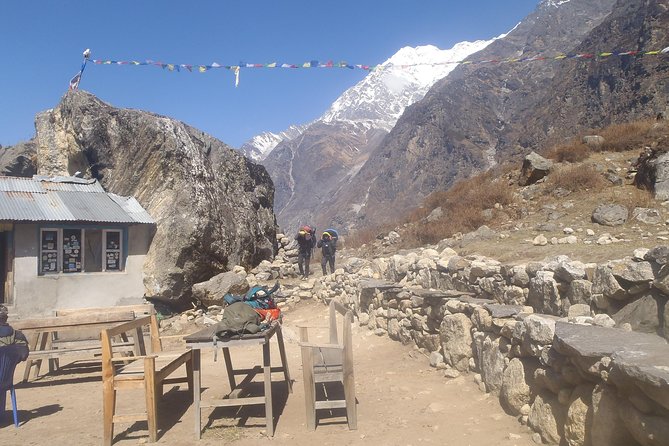
The walk to Kyanjin Gompa takes about five hours and includes farmland, bridges, and gradual ascents. Along the way, you get views toward Langshisha and Langtang Lirung.
This is one of the most rewarding days because the destination feels distinct from the lower settlements. The route leaves much of the thicker forest behind and moves through a more open high-altitude setting. Farmland and bridges keep the walk varied, while the surrounding mountains grow larger and more immediate.
Kyanjin Gompa is famous in the Langtang area and serves as the base for the following day’s optional climb. You are not simply arriving at a place to sleep. You are positioning yourself for the best mountain views of the trek.
At this altitude, the five-hour estimate may feel longer than it sounds. Walk gently, avoid racing ahead, and give yourself time to adjust. The package includes teahouse accommodation, meals, and a porter, but facilities remain basic. One person who enjoyed the route specifically noted that the accommodation was not of high quality, though the scenery and walking made that a minor concern. That is a fair way to approach it: the rooms are practical shelters, not the reason you come.
Day 5: Kyanjin Ri or Tsergo Ri
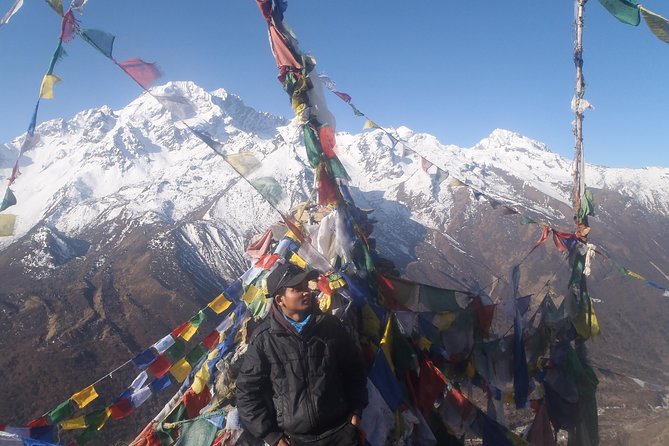
Day five gives you the trek’s biggest choice. Kyanjin Ri is about a three-hour round trip and reaches 4,773 meters. Tsergo Ri reaches approximately 4,984 meters and takes about seven to eight hours.
Kyanjin Ri is the sensible option if you want a shorter mountain walk, need more recovery time, or feel the altitude. It still gives you a serious high-altitude outing without taking up the entire day. Tsergo Ri is the stronger challenge, with a much longer return walk and a higher summit.
The group decides which option to take. That flexibility is useful, but it also means you should be honest about your condition. Picking the higher point simply because it sounds impressive can turn a good trek into a miserable day.
The summit day is likely to be the most physically demanding part of the trip. You should expect steep walking and thinner air, even though the route is a trekking ascent rather than a technical climb. Conditions can also affect the quality of the views, so the effort is not a promise of perfect weather.
This is where an attentive guide matters. The company has received especially strong praise for guides including Purna, Pralhad, Madan, and Ram. Specific strengths associated with the guiding team include pacing, flexibility, answering questions, and helping with difficult sections. Madan was credited with physically assisting a young participant who suffered from altitude sickness. That story also gives you a practical warning: good support helps, but altitude remains a real risk.
Day 6: Returning to Lama Hotel
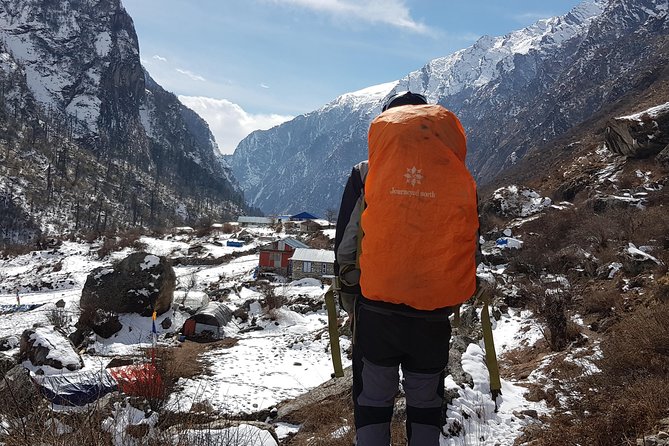
After the high point, you retrace the route to Lama Hotel in about six hours. The walk follows riverbank and forest trails, with pine woods and possible wildlife sightings along the way.
Retracing a trail can sound repetitive, but the return often feels different. You are walking downhill, your body has adjusted to the route, and familiar villages and forest sections may reveal details you missed while climbing. Keep an eye out for the giant beehives mentioned along the trail.
Downhill walking is not automatically easy. Long descents can be hard on knees and ankles, especially after the effort at Kyanjin Ri or Tsergo Ri. Trekking poles, if you use them, would be useful here, though equipment rental is not listed as part of the package.
The return to Lama Hotel also brings you back to a lower elevation. That can make the evening feel easier, but you still need proper food, rest, and hydration.
Day 7: Descending to Syabrubesi
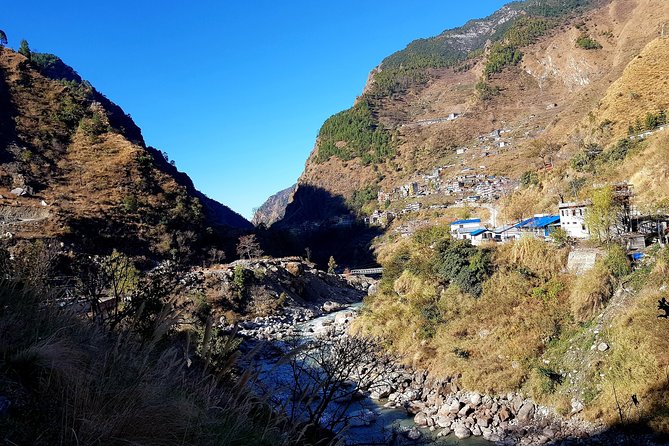
The final walking day takes you back to Syabrubesi, where the trek began. You follow well-defined paths with gentle and some steep descents.
This day is less about new scenery and more about finishing well. The trail passes through the same forests and river corridors, but reaching Syabrubesi marks the end of the walking section. Since the bus to Kathmandu comes the next day, you have a chance to rest before the long return journey.
The descent can be deceptively tiring. I would not schedule an important flight or time-sensitive connection immediately after this trip. The package returns you to Kathmandu on day eight, and bus travel depends on traffic.
Day 8: Bus back to Kathmandu
The final day repeats the transport pattern, with a local bus from Syabrubesi to Kathmandu. After the long ride, you can take a hot shower and spend the evening around Thamel, a popular area for food, shopping, and massages.
That final evening is a pleasant part of the plan because it gives you time to shift from mountain pace back to city life. You are not forced to rush straight into another activity. Your legs will likely appreciate the slower evening.
The return bus is also the clearest logistical drawback. Seven hours on the road is a long finish after several days of walking. Still, including the transport in the package removes the need to arrange it yourself.
What the $560 price really covers
At $560 per person, the trek offers solid value if you want a guided, organized route rather than arranging each part independently. The price includes:
- Bus transport to and from Syabrubesi
- Teahouse accommodation
- A porter shared between two participants
- Eight lunches
- Seven dinners
- Seven breakfasts
- All fees and taxes
The included meals cover the main trekking period, while beverages such as tea, coffee, and bottled water cost extra. Tipping is also not included, so set aside money for that separately.
The porter arrangement is worth understanding. One porter serves two participants, so you should pack with a shared carrying system in mind rather than assuming every person gets an individual porter. A lighter personal daypack will make the daily walking easier.
The price does not mean luxury. Teahouses are basic, and the included transport uses a local bus. But the package covers the costly and complicated essentials: getting to the trail, sleeping along the route, eating each day, and carrying shared luggage.
Guides, group size, and preparation
The maximum group size is 12 people. That is small enough for the guide to monitor the group more closely, while still giving you the social feel of a group trek.
The guiding team has earned strong praise for being responsive, professional, positive, and flexible. Purna and Ram were singled out for being helpful with questions, while Pralhad was described as energetic and reliable. Office manager Madhav was also credited with prompt communication and careful preparation.
Preparation appears to be one of the company’s strengths. Useful support can include a pre-trip meeting, a packing list, and the chance to select borrowed equipment before departure. The exact equipment available is not specified, so confirm what can be borrowed before relying on it.
You should arrive with moderate physical fitness. The route includes walking days of roughly five to six and a half hours, a seven to eight-hour Tsergo Ri option, steep sections, suspension bridges, and altitude up to nearly 5,000 meters. You do not need to be an elite athlete, but you should be comfortable walking for several hours on consecutive days.
The main tradeoffs to consider
The biggest advantage is the combination of access and scenery. Langtang is close enough to Kathmandu for an eight-day trip, yet the route reaches a remote valley with high peaks, forests, villages, and a famous monastery.
The main compromise is comfort. You use local buses, stay in basic teahouses, and pay extra for drinks. The walking schedule is also not casual sightseeing. It asks you to climb steadily, sleep at altitude, and complete a demanding summit day if you choose Tsergo Ri.
The itinerary includes a return over the same trail rather than a loop. Some people will find that less exciting, but it also means you get to see the route under different conditions and avoid adding complicated transport or unfamiliar trail sections.
The cancellation terms are strict close to departure. Cancel at least six full days before the start for a full refund. Cancellation two to six full days ahead brings a 50 percent refund, while cancellation less than two full days ahead receives no refund. Changes are not accepted inside those same cutoff periods.
Who should book this trek?
I would recommend it to you if you want a compact Himalayan trek from Kathmandu, enjoy simple mountain lodging, and prefer having transport, meals, a guide, and porter support arranged together.
It suits people who want scenery and village life as much as summit views. It is also a good fit for families with active older children, provided everyone understands the altitude and the guide can respond to changing conditions.
I would think twice if you want private vehicles, comfortable hotels, short walking days, or a flexible luxury schedule. I would also avoid booking it without preparation if you have little experience with long walks or high altitude.
FAQ
How long is the Langtang Valley Trek?
The trek lasts approximately eight days, including bus travel between Kathmandu and Syabrubesi.
What time does the tour start?
The stated start time is 6:45 am.
How long is the bus ride to Syabrubesi?
The local bus ride takes about seven hours, depending on traffic.
What is the highest point on the trek?
The optional Tsergo Ri hike reaches about 4,984 meters. Kyanjin Ri reaches about 4,773 meters.
Is a porter included?
Yes. One porter is included for every two participants.
Are meals included?
Yes. The package includes eight lunches, seven dinners, and seven breakfasts. Beverages such as tea, coffee, and bottled water are not included.
How many people can join the group?
The maximum group size is 12 participants.
Should you book the Langtang Valley Trek?
Book it if you want a well-supported route to Kyanjin Gompa at a reasonable $560, and you are comfortable trading hotel comfort for teahouses and local bus travel. The package has strong practical value, and the choice between Kyanjin Ri and Tsergo Ri lets you match the final climb to your fitness and altitude response.
Before paying, confirm what equipment is available, ask how the porter load is shared, and prepare for the possibility of altitude symptoms. If you accept those conditions, this trek offers a memorable route through forests, villages, river valleys, and high mountain country without requiring a long expedition from Kathmandu.
New in the Kathmandu listings
- Traditional Momo Making Class★ 5.0 · 10 reviews
- Kathmandu: Ancient City Kirtipur & Pharping Monastery Tour★ 5.0 · 2 reviews
- Kathmandu to Pokhara Premium sofa bus ticket★ 4.0 · 17 reviews
- Women Empowerment Project(Nepali cooking class & jewelry workshop★ 5.0 · 15 reviews
- Yoga Experience Day Trip with Private Transfer From Kathmandu★ 4.0 · 2 reviews
- 7-Day Langtang Valley Trek from Kathmandu★ 5.0 · 1 review
- Kathmandu 2 Nights 3 Days Chitwan Jungle Safari Tour★ 5.0 · 9 reviews
- Wildlife Adventure in Chitwan Nepal★ 4.0 · 4 reviews
Langtang Valley Treks, compared.
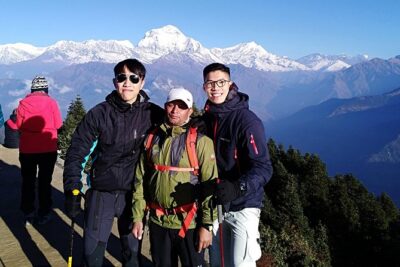
Trekking in Annapurna/Langtang/Everest/Upper Mustang regions
Read our review →
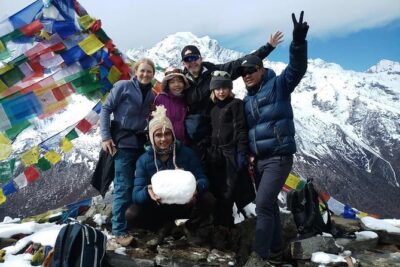
Browse the lists this tour appears in