
REVIEW · LANGTANG VALLEY TREKS
Kathmandu: 6 Days Langtang Valley Trek with Kyanjin Ri
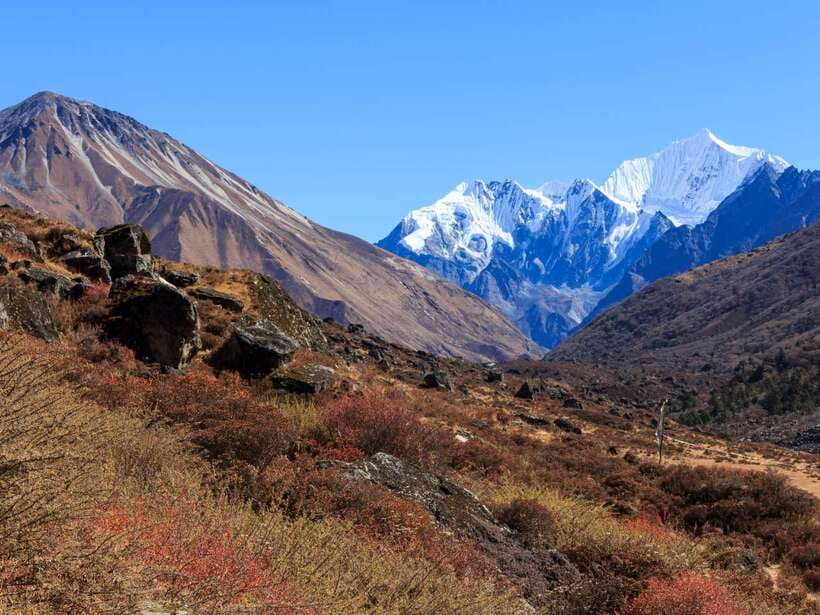
Six days, one valley, and a serious mountain payoff. This trek pairs Tamang villages and warm local hospitality with the chance to hike to Kyanjin Ri for sunrise above the Himalayas. I especially like the visit to Kyanjin Gompa and the local cheese factory, plus the attentive guiding reported from Ghanshyam and Sudarshan. The main caution is altitude: Kyanjin Gompa sits at 3,870 meters, and the optional Kyanjin Ri climb reaches 4,770 meters.
At $179 per person, the trip offers strong value if you want permits, five nights of lodging, a guide, meals on the full package, and transport arranged in one booking. You should still budget for a porter, drinks, bottled or boiled water, showers, battery charging, and personal expenses. The drive from Kathmandu is part of the package, but mountain roads can make the first and last days long.
In This Review
- Key things to know before you book
- Why Langtang works for a six-day Nepal trek
- Day 1: Kathmandu to Syabrubesi and the walk to Pahiro
- Day 2: Forest paths, waterfalls, and Ghoda Tabela
- Day 3: Reaching Kyanjin Gompa at 3,870 meters
- Day 4: The optional Kyanjin Ri climb and descent to Thangsyap
- Day 5: Returning through the valley to Syabrubesi
- Day 6: The road back to Kathmandu
- What the $179 price really includes
- Guides, communication, and the private-group advantage
- Best months, weather, and what to pack
- Who should choose this trek?
- Should you book the Langtang Valley trek?
- FAQ
- How long is the Langtang Valley trek?
- What is the highest point on the trip?
- Is the Kyanjin Ri hike required?
- Is a guide included?
- Are meals included?
- How many nights of accommodation are included?
- Is transportation from Kathmandu included?
- What should I bring?
- What are the best months for this trek?
- What expenses are not included?
Key things to know before you book
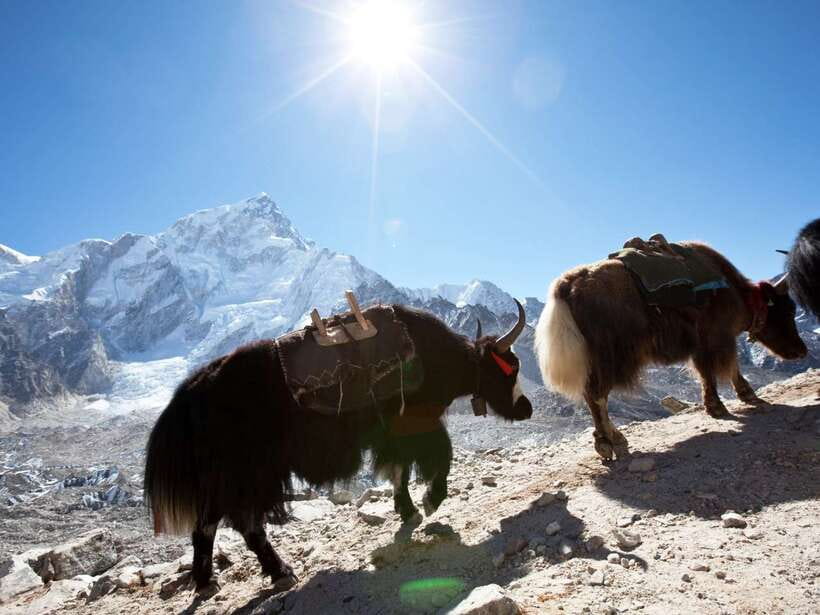
- Kyanjin Ri is the big reward: The optional 4,770-meter climb offers wide views of snowy peaks and glacial valleys, especially when started early.
- Tamang culture shapes the trek: You pass through mountain villages, meet local residents, and visit the historic Kyanjin Gompa monastery.
- The pace can be adjusted: Guides such as Ghanshyam and Sudarshan have been praised for matching walking speed, adding breaks, and checking on health.
- The price covers the essentials: Permits, paperwork, guide, five nights of accommodation, transport, and meals on the full package are included.
- A porter costs extra: You can carry your own bag, but one Japanese participant said hiring a porter was the right choice for a first long trek.
- Season matters: Mid-March through April and October through mid-November generally bring the best conditions, with rhododendron blooms in spring.
Why Langtang works for a six-day Nepal trek
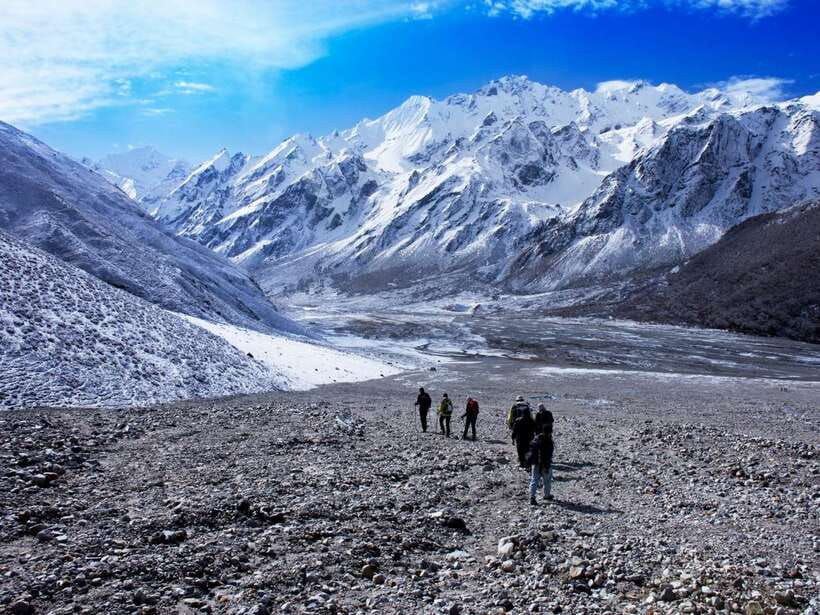
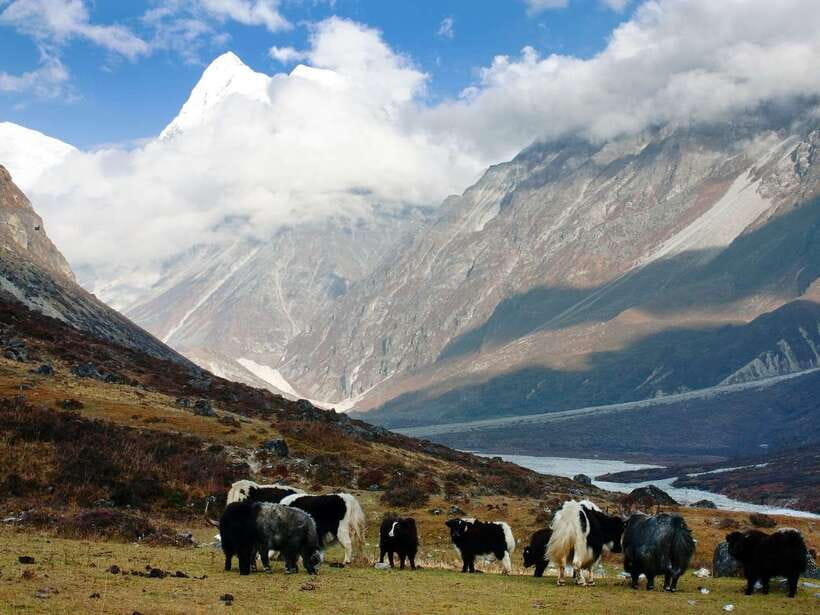
Langtang gives you a real Himalayan trek without requiring the longer schedule of the Everest Base Camp route. In six days, you reach a high mountain village, visit an old monastery, walk beside the Langtang River, and return to Kathmandu by road.
I like the balance here. The route is not only about summits and photographs. You pass through Tamang communities, walk under rhododendron forests, see waterfalls, and spend time in villages where daily life is closely tied to the mountains. That cultural side gives the trek more meaning than a simple uphill march.
The route also has a clear high point. Kyanjin Gompa is the destination village, but Kyanjin Ri provides the real visual payoff. The climb is optional, which is useful. You can rest in the village if your body needs a quieter day, or make the early ascent if you are feeling strong.
This is still a serious high-altitude trip. The distance is only part of the challenge. The route rises from 1,550 meters at Syabrubesi and Pahiro to 3,870 meters at Kyanjin Gompa. At Kyanjin Ri, you reach 4,770 meters. Headache, nausea, fatigue, and loss of appetite can occur if your body does not adjust well, even if you felt fine at a lower stop.
More Langtang treks:
- Langtang Valley Trek
★ 5.0 · 140 reviews - Private 8 – Day Langtang Trekking
★ 5.0 · 29 reviews - Kathmandu: 6-Day Limitless Langtang Trek
★ 5.0 · 21 reviews
Day 1: Kathmandu to Syabrubesi and the walk to Pahiro
The first day combines a mountain road journey with a short opening walk. Pickup is included, and you are asked to wait in your hotel lobby about 10 minutes before the scheduled time. The driver carries a sign with your last name.
From Kathmandu, the road heads toward Syabrubesi through villages and green hills. The drive is described as scenic, but you should not expect a quick transfer. Road conditions and weather can affect the timing, so keep your plans flexible on this day.
Syabrubesi is the gateway to the Langtang Valley. From there, you begin walking beside the Langtang River and through forest paths toward Pahiro at about 1,550 meters. This is a sensible first walking stage because it lets you begin gradually rather than rushing high into the mountains.
Pahiro is an overnight stop, not the star of the trek. Its value is practical: you have started walking, your body begins adjusting to the route, and you are already away from the traffic and noise of Kathmandu. Pack your flashlight where you can reach it, since power and lighting can be basic in mountain lodging.
Day 2: Forest paths, waterfalls, and Ghoda Tabela
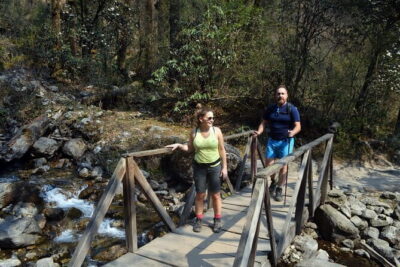
The trail from Pahiro to Ghoda Tabela rises through green forest and passes small settlements and waterfalls. This is one of the days when the walking itself matters more than a single famous sight.
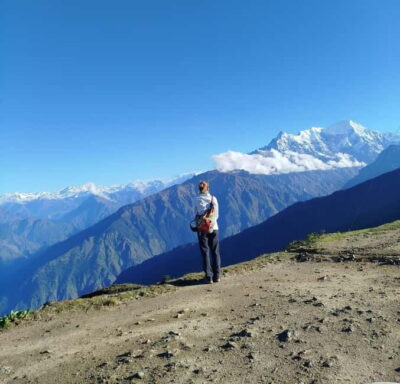
You will likely notice the valley becoming quieter and more open as you gain height. Snow-covered peaks appear between the trees and along the route, while the river remains a steady companion. The trail can feel peaceful, but the upward gain makes a comfortable pace important.
Ghoda Tabela sits at about 2,900 meters. That elevation is high enough for you to start paying close attention to hydration, appetite, sleep, and headaches. Do not treat the absence of symptoms as permission to race ahead. A careful guide can make the difference here, and the strongest praise for this trip has centered on guides who slowed down, added breaks, and checked how people were feeling.
The overnight stay also breaks up the ascent before Kyanjin Gompa. That is an important design choice. You may be eager to reach the high village, but your body benefits from a measured climb.
Day 3: Reaching Kyanjin Gompa at 3,870 meters
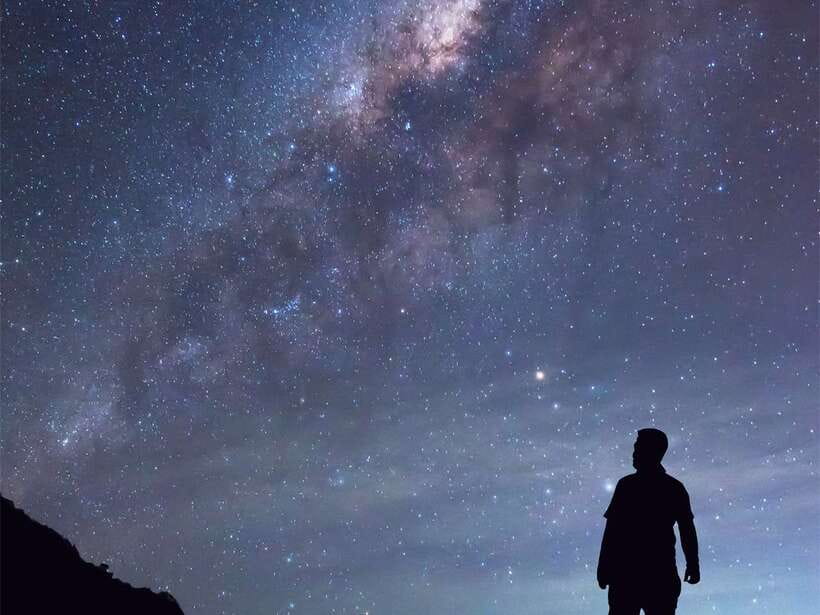
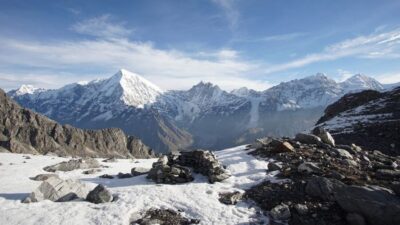
The walk from Ghoda Tabela to Kyanjin Gompa is the emotional center of the route. You continue through the upper valley, with bigger Himalayan views and more dramatic mountain surroundings as the trees thin.
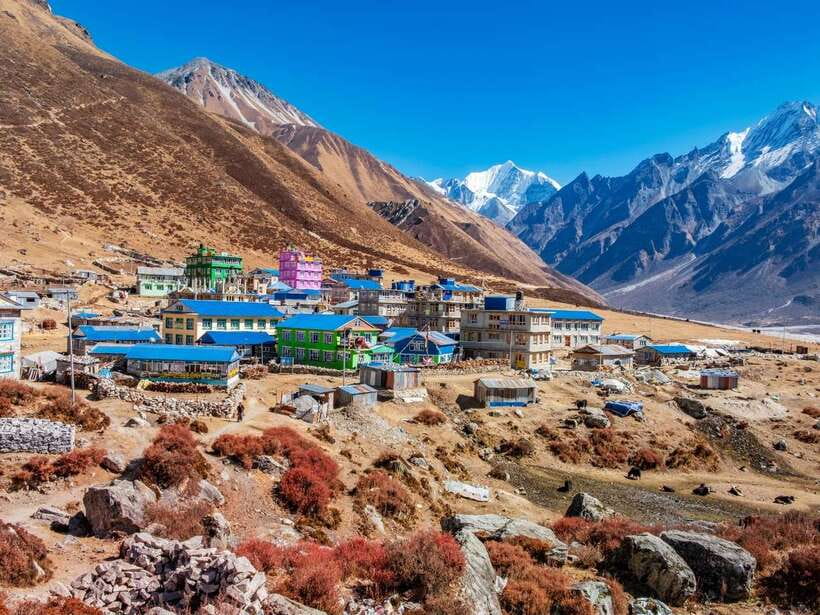
Kyanjin Gompa is more than a sleeping stop. It is a traditional Himalayan settlement and the base for the optional Kyanjin Ri hike. You can explore the historic monastery, visit the local cheese factory, and spend time meeting members of the Tamang community.
The cheese tasting is a small detail, but it helps break up the usual mountain routine of tea, soup, and rice. It also connects the visit to local food production rather than turning the village into a quick photo stop. The monastery adds another layer, giving you a chance to see how religion and mountain life meet in the valley.
This is also the most important day for altitude awareness. At 3,870 meters, you may feel tired simply from walking and adjusting. Headaches, nausea, fatigue, and reduced appetite should be taken seriously. Tell your guide clearly how you feel. The route can change because of weather or seasonal conditions, and safety is more important than forcing every planned stop.
More walking in the hills of Kathmandu:
- Everest Base Camp Trek – 14 Days
★ 5.0 · 1,499 reviews - Everest Base Camp Trekking
★ 5.0 · 485 reviews - Nagarkot Sunrise View and Day Hiking from Kathmandu
★ 5.0 · 471 reviews - Annapurna Circuit Trek with Tilicho Lake
★ 5.0 · 368 reviews
Day 4: The optional Kyanjin Ri climb and descent to Thangsyap
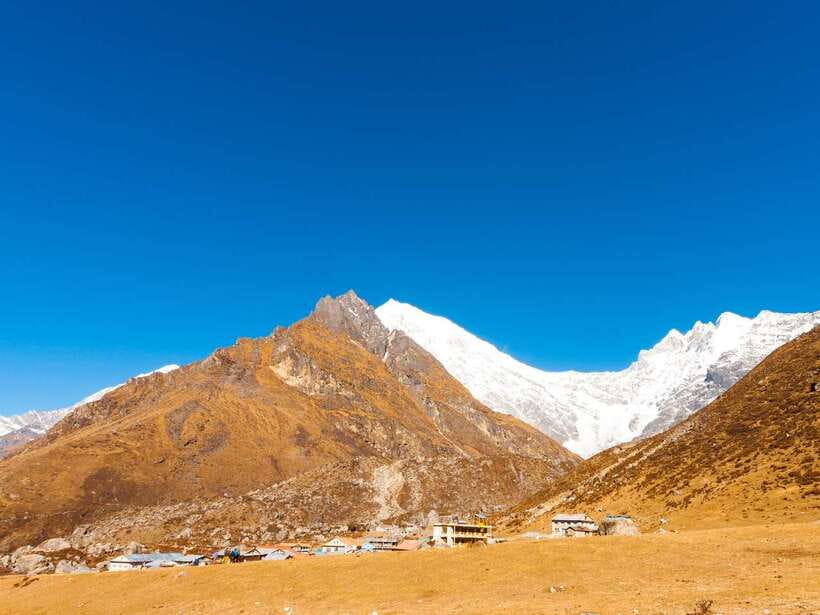
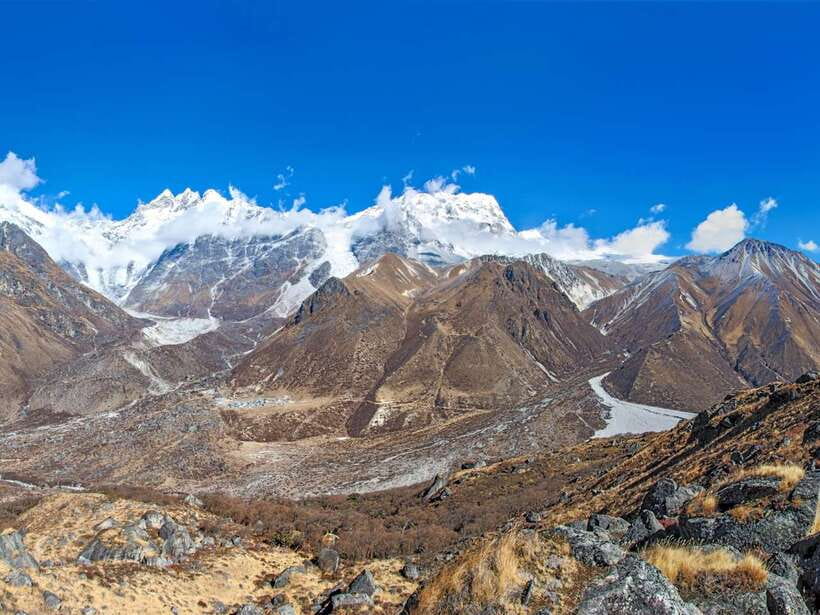
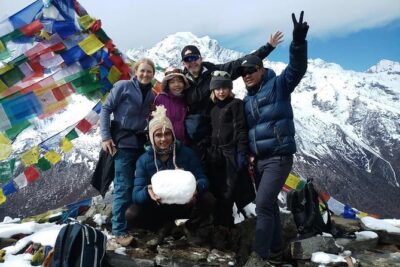
Kyanjin Ri is the reason many people choose this particular version of the Langtang trek. The summit reaches about 4,770 meters, and the climb gives you broad views of snowy mountains and glacial valleys.
The early start matters. One French participant particularly enjoyed reaching the top around sunrise, and another person described sunrise views with clear mountain scenery and wildlife sightings along the way. Those details point to the best use of this day: begin early, take your time, and allow enough energy for the return.
Do not underestimate the climb because it is optional. The altitude is substantial, and the ascent can feel demanding even if the distance does not look extreme on paper. You need hiking shoes, warm layers, gloves, water, sunglasses, and sunscreen. A jacket is also essential because mornings at this height can be cold.
After the viewpoint, you retrace your steps and descend to Thangsyap at about 3,200 meters. The descent is welcome after the high point, but it is still a full walking day. If your body is not cooperating, skipping Kyanjin Ri is a sensible choice, not a failure. Kyanjin Gompa itself already offers an impressive mountain setting.
Day 5: Returning through the valley to Syabrubesi
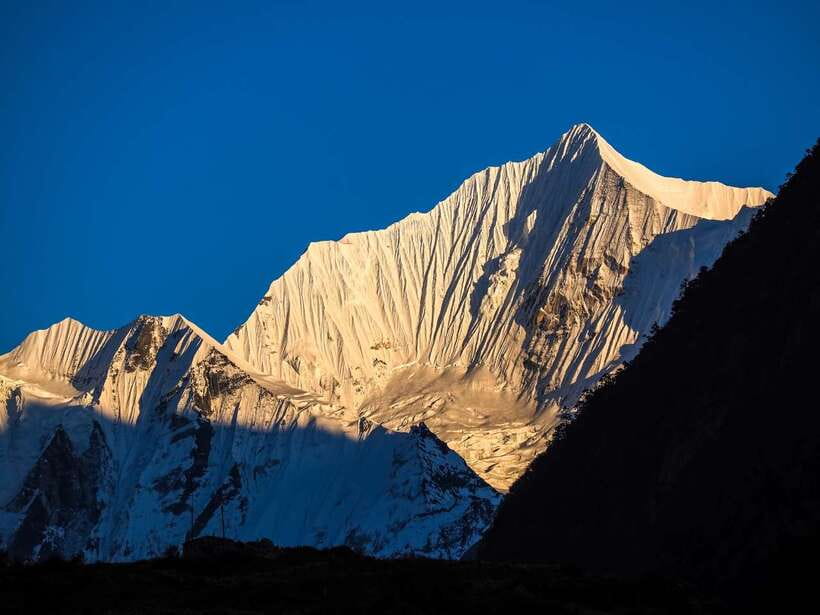
The route drops back toward Syabrubesi through forests and along the Langtang River. You will recognize parts of the trail, but the direction changes the views. Descending also gives your legs a different kind of work, with more pressure on knees and feet.
This is a good day to slow down and notice details missed during the climb. You may see village life, forest changes, waterfalls, and mountain views from a new angle. After several days at altitude, the lower elevation around Syabrubesi should feel easier.
The night in Syabrubesi creates a useful buffer before the road journey to Kathmandu. It also means you do not have to combine a long descent on foot with an immediate return drive from a higher village.
Day 6: The road back to Kathmandu
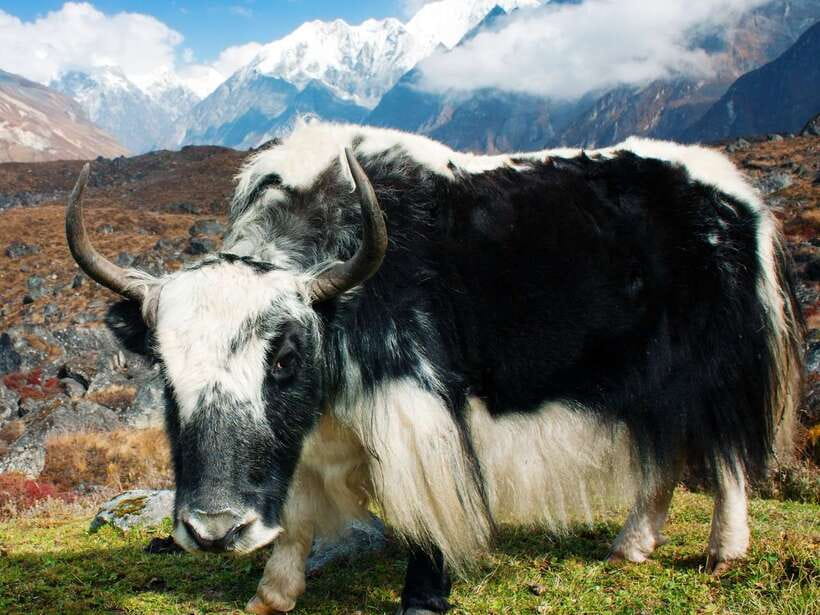
The final morning is a drive from Syabrubesi to Kathmandu. There is no major walking stage listed for this day, so you can use the time to rest and think back over the valley.
The return road is part of the practical tradeoff of Langtang. You gain access to a quieter trekking area, but reaching it and leaving it requires a mountain drive. Weather and road conditions may affect timing, so avoid scheduling an important flight too close to the expected arrival unless you have a backup plan.
What the $179 price really includes
At $179 per person, this is an appealing package for someone who wants the main arrangements handled in advance. The price includes hotel pickup and drop-off, transport according to the schedule, permits, required paperwork, the Trekkers Information Management System fees, government tax, and five nights of accommodation.
An authorized English-speaking guide is included, and Hindi-speaking support is also available. The group is private, which matters if you want the walking pace and breaks to suit your own group rather than a large mixed party.
The full package includes breakfast, lunch, and dinner during the trek. Check the exact package selection when booking, since the meal inclusion is specified for the full package. Staff costs, including meals, accommodation, salary, equipment, insurance, and transport, are also covered.
There are extra costs. Porter service is charged separately, and personal spending is not included. You pay for soft and hard drinks, phone calls, laundry, bar bills, battery charging, showers, and bottled or boiled water. Travel and rescue insurance are also your responsibility, as are international flights and the Nepalese visa fee.
The luggage storage facility is helpful if you are carrying more than you need on the trail. Leave your city clothes and nonessential items in storage and walk with a lighter load. If this is your first long trek, I would seriously consider paying for a porter. You will enjoy the views more when your shoulders are not doing half the work.
Guides, communication, and the private-group advantage
The human side of this trek receives especially strong praise. Ghanshyam is repeatedly described as kind, attentive, flexible, and funny, with a habit of checking health and adjusting the pace. Sudarshan is also praised for matching walking speed, adding breaks, and making sure the route felt manageable. Projol is identified as a professional and polite porter.
That matters in Langtang because a guide does more than point toward the next village. You need clear advice about altitude, breaks, food, and the condition of the trail. You also benefit from explanations about Tamang culture, monasteries, wildlife, and the valley.
Communication should be workable in English or Hindi. One participant with limited English found that the guide spoke at a comfortable pace and asked questions repeatedly. That is useful if you are not confident speaking English on a demanding trek.
A private group also gives you more control. You can stop for photographs, walk more slowly, or discuss how you feel without trying to keep up with a large party. The tradeoff is that a private trip does not automatically mean every extra service is included, so confirm porter arrangements and meal coverage before paying.
Best months, weather, and what to pack
The strongest seasons are mid-March through April and October through mid-November. Autumn generally brings less wind and warmer temperatures, while late March and April can bring rhododendron blooms at lower elevations.
Weather in the mountains can change, and the route may be adjusted for seasonal or weather conditions. You should pack for cold mornings, sun at high altitude, and changing conditions rather than relying on one forecast.
Bring:
- Passport or ID card
- Hiking shoes
- Warm jacket and gloves
- Sleeping bag
- Flashlight
- Sunscreen and sunglasses
- Water
- Suitable trekking gear
Alcohol and drugs are not allowed. You should also plan for the cost of water, showers, and battery charging, since these are listed as personal expenses.
Who should choose this trek?
I would recommend it to you if you want a shorter Himalayan route with real village contact, cultural stops, and one strong optional viewpoint. It suits first-time trekkers who are reasonably fit and willing to walk several days at altitude, especially with a guide who can adjust the pace.
It is also a good choice if you prefer a private group and want transport, permits, lodging, and meals organized together. The six-day length works well for people who cannot commit to a two-week trek.
I would be more cautious if you dislike long mountain drives, have little time for weather delays, or want a completely low-effort holiday. The climb to Kyanjin Ri is demanding, and even the main route requires preparation. You should have travel and rescue insurance, and you should be ready to turn back from a high point if your health changes.
Free cancellation up to 24 hours before departure and reserve-now, pay-later terms add useful flexibility. Still, those policies do not remove the need to plan your flights, insurance, clothing, and extra expenses carefully.
Should you book the Langtang Valley trek?
Yes, if you want a compact Nepal trek with a strong mix of mountains and culture. The best reasons to book are the Tamang villages, Kyanjin Gompa, the cheese factory visit, and the optional sunrise climb to Kyanjin Ri. The attentive guiding, especially from Ghanshyam and Sudarshan, is another major advantage.
Before booking, confirm that you are choosing the full package if you want meals included, ask about the separate porter charge, and leave room in your schedule for road or weather delays. If you prepare for the altitude and carry the right gear, this six-day route offers a lot for the price without reducing the experience to a quick mountain checklist.
FAQ
How long is the Langtang Valley trek?
The trek lasts six days, including the road journey from Kathmandu to Syabrubesi and the return drive to Kathmandu.
What is the highest point on the trip?
The optional Kyanjin Ri hike reaches about 4,770 meters. Kyanjin Gompa, where you spend the third night, sits at about 3,870 meters.
Is the Kyanjin Ri hike required?
No. The hike is optional. You can remain around Kyanjin Gompa if you do not feel ready for the high-altitude climb.
Is a guide included?
Yes. An authorized English-speaking guide is included, and Hindi language service is available. Porter service costs extra.
Are meals included?
Breakfast, lunch, and dinner during the trek are included with the full package. Drinks and personal food purchases are not included.
How many nights of accommodation are included?
Five nights of private accommodation during the trek are included.
Is transportation from Kathmandu included?
Yes. Hotel pickup, transport to Syabrubesi, and the return trip to Kathmandu are included according to the schedule and group arrangements. Transportation may be shared.
What should I bring?
Bring your passport or ID card, sleeping bag, flashlight, sunscreen, hiking shoes, gloves, water, jacket, trekking gear, and sunglasses.
What are the best months for this trek?
The main trekking seasons are mid-March through April and October through mid-November. Spring may offer rhododendron blooms at lower elevations.
What expenses are not included?
Travel and rescue insurance, international flights, the Nepalese visa fee, drinks, phone calls, laundry, bar bills, battery charging, showers, bottled or boiled water, extra porters, and additional city nights are not included.
New in the Kathmandu listings
- Traditional Momo Making Class★ 5.0 · 10 reviews
- Kathmandu: Ancient City Kirtipur & Pharping Monastery Tour★ 5.0 · 2 reviews
- Kathmandu to Pokhara Premium sofa bus ticket★ 4.0 · 17 reviews
- Women Empowerment Project(Nepali cooking class & jewelry workshop★ 5.0 · 15 reviews
- 7-Day Langtang Valley Trek from Kathmandu★ 5.0 · 1 review
- Kathmandu 2 Nights 3 Days Chitwan Jungle Safari Tour★ 5.0 · 9 reviews
- Yoga Experience Day Trip with Private Transfer From Kathmandu★ 4.0 · 2 reviews
- Wildlife Adventure in Chitwan Nepal★ 4.0 · 4 reviews
Langtang Valley Treks, compared.
Trekking in Annapurna/Langtang/Everest/Upper Mustang regions
Read our review →
Browse the lists this tour appears in