
REVIEW · LANGTANG VALLEY TREKS
Kathmandu: 7 Day Langtang Valley Trek
Snow peaks come closer each day. This 7-day Langtang Valley trek trades Nepal’s busy capital for forest paths, suspension bridges, Buddhist villages, and high Himalayan views. I especially like the private guide format, which lets the pace match your ability, and the overnight stay at Kyanjin Gompa, where the valley reaches its most dramatic point. The main catch is that meals are not included, and the walking can be much tougher than the simple day-by-day outline suggests.
You will also need to accept basic teahouse lodging and a long road journey to Syabrubesi. One participant described days of about 15 kilometers, eight hours, and as much as 1,200 meters of climbing. That level of effort may not apply to every departure, but it gives you a useful warning: this is a real mountain trek, not a gentle sightseeing walk.
In This Review
- Key points to know before you book
- Why the Langtang Valley feels different
- Day 1: Kathmandu to Syabrubesi at 1,550 meters
- Day 2: Syabrubesi to Lama Hotel
- Day 3: Lama Hotel to Langtang Village at 3,430 meters
- Day 4: Langtang Village to Kyanjin Gompa at 3,870 meters
- Day 5: Acclimatization around Kyanjin Gompa
- Day 6: Kyanjin Gompa to Lama Hotel
- Day 7: Lama Hotel to Syabrubesi, then Kathmandu
- What the $450 price really covers
- The guide and private group format
- Fitness, steps, and what to pack
- Who should book this trek?
- Should you book the Langtang Valley trek?
- FAQ
- How long is the Langtang Valley trek?
- What altitude does the trek reach?
- Are meals included in the price?
- Is a guide included?
- What documents should I bring?
- Are there activities on the acclimatization day?
Key points to know before you book
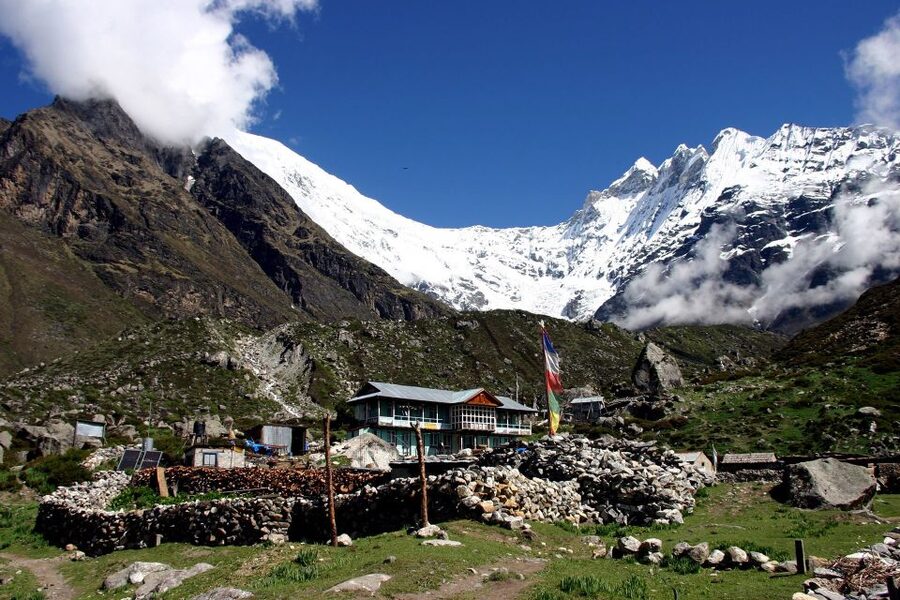
- Kyanjin Gompa is the trip’s high point: At 3,870 meters, it offers views toward Langtang Lirung and access to optional hikes at Kyanjin Ri or Tserko Ri.
- The private format is practical: You walk with an English-speaking guide rather than trying to match the pace of a large mixed group.
- Tamang and Sherpa culture adds meaning: Villages, Buddhist customs, yak pastures, and a local cheese factory give the route more character than mountain views alone.
- The route climbs steadily: Expect forests and river crossings first, then thinner air, glacial streams, stone paths, and many steps.
- Meals cost extra: Budget about NPR 2,500 per person per day for food, in addition to the $450 tour price.
- The return schedule needs care: Day seven includes both hiking to Syabrubesi and driving back to Kathmandu, so do not plan a tight onward flight without confirming timing.
Why the Langtang Valley feels different
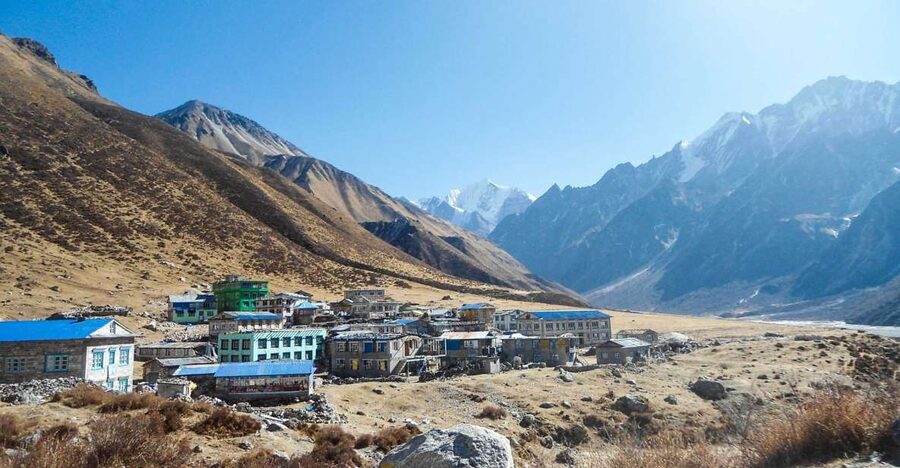
Langtang is a good choice if you want a Himalayan trek without committing to a much longer route. The trip begins in Kathmandu but quickly leaves the city behind, heading north toward Syabrubesi in the Bagmati Zone. From there, you walk into a valley shaped by forests, rivers, yak pasture, Buddhist settlements, and high peaks.
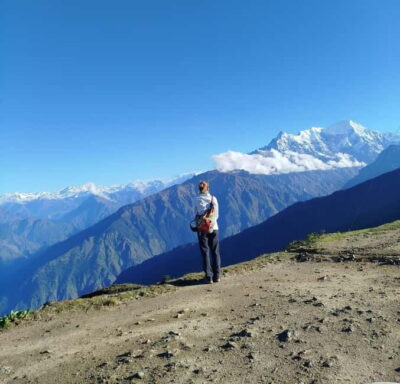
I like the way the route changes gradually. On the first walking day, you are under trees and crossing bridges beside the Langtang River. By the time you reach Kyanjin Gompa, the surroundings are more open and severe, with glacial streams, high pasture, and snowy summits filling the view.
The cultural side matters too. You pass through Tamang communities and encounter Sherpa influence farther up the valley. The accommodation is in local teahouses, so you get a more direct sense of mountain life than you would from a fully serviced hotel-based trip. Comfort will be simple, but that is part of the setting.
The tour costs $450 per person. That price covers permits, transport, a guide, teahouse accommodation, hotel pickup and drop-off, and usually one or two nights in Kathmandu before and after the trek. It does not cover meals, which are estimated at about NPR 2,500 per person per day. You should also clarify exactly how porter service is arranged, since it is described as an available option rather than a clearly automatic part of every booking.
More Langtang treks:
- Trekking in Annapurna/Langtang/Everest/Upper Mustang regions
★ 5.0 · 161 reviews - Langtang Valley Trek
★ 5.0 · 140 reviews - Private 8 – Day Langtang Trekking
★ 5.0 · 29 reviews
Day 1: Kathmandu to Syabrubesi at 1,550 meters
The first day is spent on the road. You are picked up in Kathmandu and driven toward Syabrubesi, passing villages and changing scenery along the way. The drive is described as scenic, but it is still a major transfer day, so do not expect a short hop before lunch.
Syabrubesi is the gateway to the Langtang Valley. At 1,550 meters, it gives you a lower starting point before the trek begins in earnest. You spend the night here, which is useful because it separates the road journey from the first long walking day.
I would use this evening to organize your pack, confirm the next morning’s plan, and ask the guide how meals and porter arrangements will work. You must bring a passport or identity card, and a passport-sized photo is required for the permits. A copy of your passport is accepted according to the tour information.
Day 2: Syabrubesi to Lama Hotel
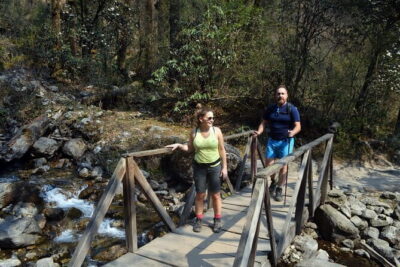
Your first trek day follows the Langtang River through lush forest. You cross suspension bridges and climb gradually toward Lama Hotel at 2,380 meters. The combination of trees, water, and quiet paths makes this a pleasant introduction to the route, although the ascent begins to test your legs.
The forest includes rhododendron and oak, two plants closely linked with the middle elevations of Nepal. You will not yet have the broadest mountain views, but the river and forest provide a strong sense of movement into the valley.
Lama Hotel is a stopover surrounded by greenery. The name can make it sound like a single formal property, but the accommodation is in teahouse lodges during the trek. Expect basic rooms and a simple mountain setting rather than resort comfort.
This is where pacing starts to matter. I would rather arrive with energy left than push too hard on the first walking day. Your guide can help set the rhythm, and the private group arrangement should make it easier to pause when needed.
Day 3: Lama Hotel to Langtang Village at 3,430 meters
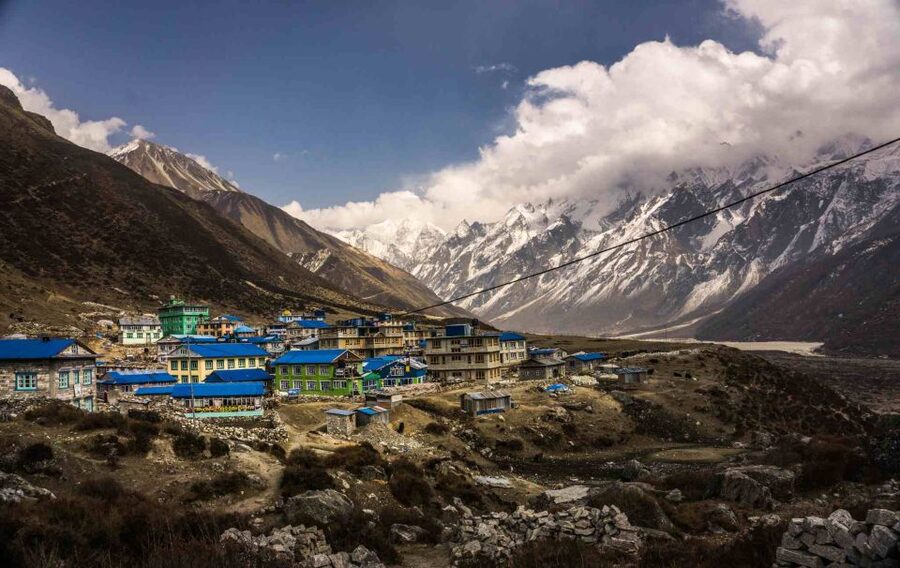
The third day brings a larger gain in altitude. You continue through rhododendron and oak forest, climbing toward Langtang Village at 3,430 meters. The change in elevation is significant, so you should watch for headache, unusual fatigue, or trouble sleeping.
The route gradually opens to mountain views as you climb. The forest no longer feels like a complete enclosure, and the high peaks begin to shape the day. This is also an important cultural section, as Langtang Village gives you a closer look at Tamang life in the valley.
I like that the trek does not treat local communities as scenery. You stay in village lodges, walk through settled areas, and encounter the customs and daily life of the Tamang people. That makes the route feel more grounded than a hike where every night is simply a stop on a map.
At this altitude, the simple advice is useful: walk slowly, drink regularly, and tell your guide if you feel unwell. You are not trying to win a race. The guide’s role is particularly valuable here because altitude problems can begin with symptoms that are easy to dismiss.
More walking in the hills of Nepal:
- Everest Base Camp Trek – 14 Days
★ 5.0 · 1,499 reviews - Everest Base Camp Trekking
★ 5.0 · 485 reviews - Nagarkot Sunrise View and Day Hiking from Kathmandu
★ 5.0 · 471 reviews - Annapurna Circuit Trek with Tilicho Lake
★ 5.0 · 368 reviews
Day 4: Langtang Village to Kyanjin Gompa at 3,870 meters
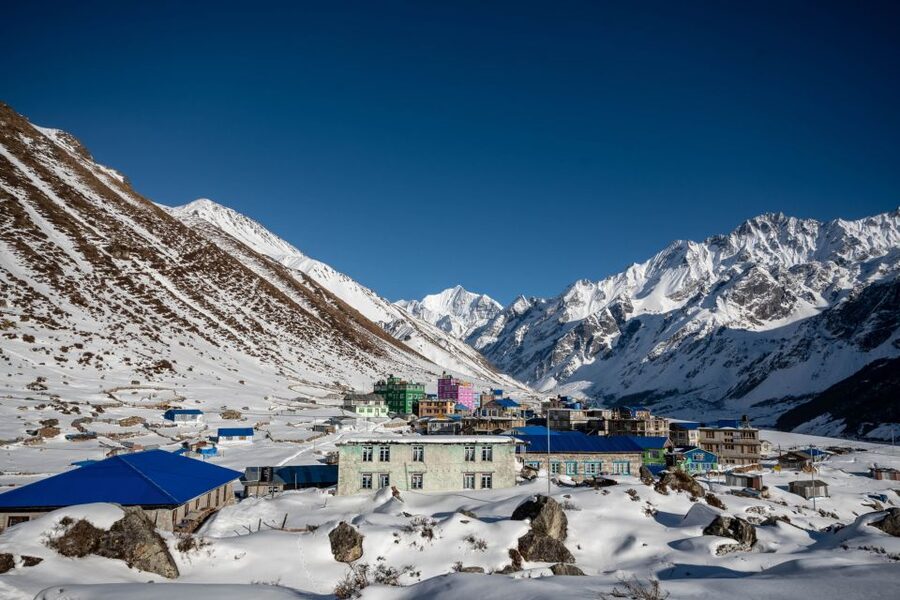
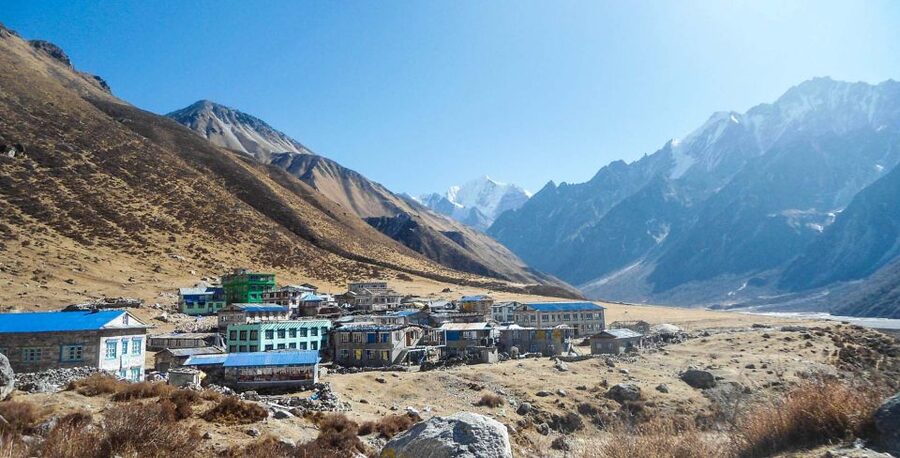
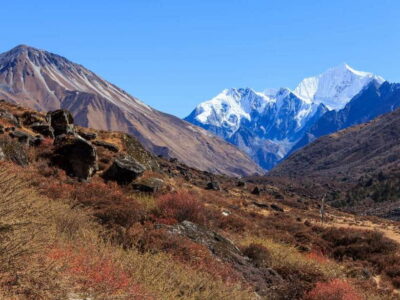
This is one of the most memorable days of the trek. You leave Langtang Village and continue toward Kyanjin Gompa, passing yak pastures and glacial streams. The valley feels wider and more exposed, and the mountain walls become the main event.
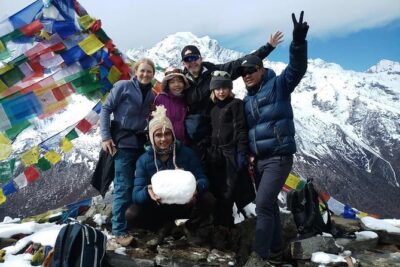
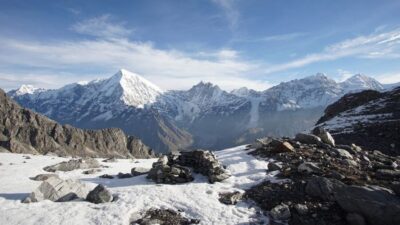
Kyanjin Gompa sits at 3,870 meters and is the highest overnight base on this route. You can explore the Buddhist monastery and take in views toward Langtang Lirung and other snow-covered peaks. The appeal is not only the height. It is the feeling of reaching the end of the inhabited valley, where the trail points toward the high mountains.
The walking distance may not sound extreme on paper, but altitude changes the effort. A path that would be easy at home can feel slow here. You may find yourself stopping often to look at the peaks, catch your breath, or simply let the setting sink in.
The teahouse stay at Kyanjin Gompa is basic, and you should be prepared for that. The reward is location. You are sleeping close to the mountain views rather than returning to a lower village each evening.
Day 5: Acclimatization around Kyanjin Gompa
The fifth day is set aside for acclimatization. This is not wasted time. Spending another night at 3,870 meters gives your body a chance to adjust before you descend.
You can take a shorter hike to Kyanjin Ri or attempt the more demanding Tserko Ri, depending on conditions, fitness, and the guide’s advice. The tour information does not promise a particular summit attempt, so treat these as optional outings rather than guaranteed inclusions.
The views from the higher points can be spectacular, with the valley and snowy peaks spread out below. If you prefer a quieter day, you can explore the monastery area or visit the local cheese factory. That factory is a small but worthwhile detail because it connects the high-altitude setting with local food production.
I would not pressure yourself to choose the hardest hike. Kyanjin Ri and Tserko Ri both require more climbing, and the air is thin. A shorter outing followed by rest may be the smarter choice if you have a headache or feel unusually tired.
This day also gives you time to ask questions, check your feet, and repack before the descent. A good private guide should help you make that decision without turning the day into a contest.
Day 6: Kyanjin Gompa to Lama Hotel
Now you retrace your route to Lama Hotel. The descent takes you back through the high valley, past glacial streams and yak pasture, then into the forested section below. The scenery changes in reverse, and you may notice details you missed while climbing.
Descending is often easier on the lungs but harder on the knees. Uneven stone paths and steps can punish tired legs, so trekking poles may be useful, though they are not listed as an included item. You should also use shoes with good grip and keep your day pack light.
Lama Hotel provides a welcome rest after the high point of the route. The evening should be peaceful, but this is not a night to assume you can stay up late. You still have a final walk and a long drive the next day.
Day 7: Lama Hotel to Syabrubesi, then Kathmandu
The final walking section takes you from Lama Hotel back to Syabrubesi. You retrace the forest trail, cross suspension bridges, and follow the river toward the roadhead.
From Syabrubesi, you board a vehicle for the return drive to Kathmandu. This makes day seven a full travel day, not simply a short farewell walk. If you have an international flight, build in plenty of extra time and confirm the expected arrival schedule before booking.
A useful point from the trip design is that the guide and vehicle arrangements are meant to carry you from hotel pickup through the return to Kathmandu. That convenience has real value, especially after several demanding days on foot. You do not have to arrange separate permits, find a local guide, or negotiate transport at the trailhead.
Still, you should confirm that all seven days will be delivered as planned. One booking was shortened by a day because of a flight schedule, with the participant reporting that this came at their expense. That is a serious warning to clarify the return plan, hotel nights, and what happens if your transport timetable changes.
What the $450 price really covers
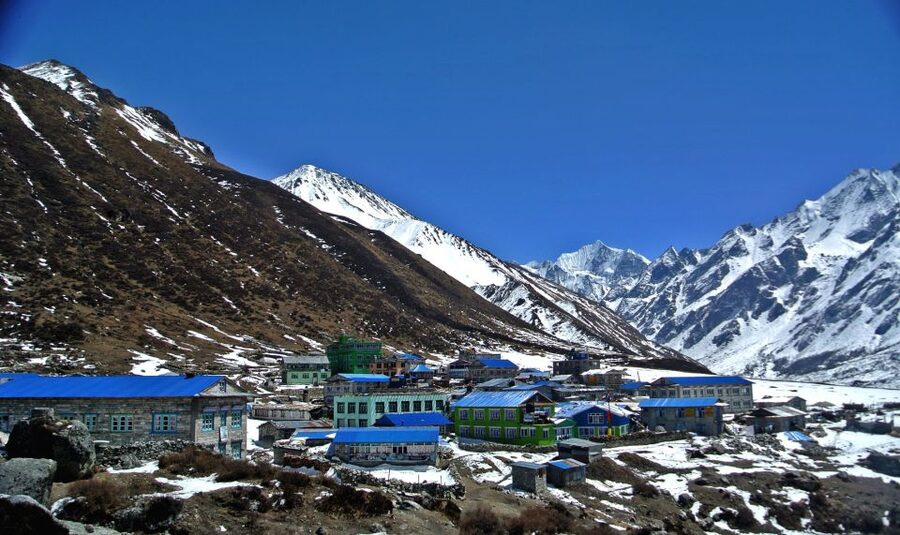
At $450, this is not a bare trail permit. You are paying for a private English-speaking guide, transportation from Kathmandu to Syabrubesi and back, Langtang National Park and TIMS permits, teahouse accommodation, hotel pickup and drop-off, a basic first aid kit, and usually one or two Kathmandu hotel nights.
That bundle can be good value if you want a straightforward arrangement. The permits alone would not provide route support, transport, or help when you are tired at altitude. The guide is the most important part of the package because route knowledge and pacing can affect the whole week.
Your extra spending is mainly food. At the stated estimate of NPR 2,500 per person per day, seven days would come to about NPR 17,500 per person if you purchased meals throughout the trek. Add any personal snacks, drinks, tips, equipment rental, and possible porter costs.
The accommodation quality deserves careful attention. The package promises teahouse lodges, but teahouses vary. One person reported being directed to lodgings that felt dirty and run-down, while another described the guide as exceptionally helpful and attentive. That gap suggests you should ask in advance which lodges are planned and what happens if the first choice is full.
The guide and private group format
The private group setup is one of the strongest features for this route. Mountain walking speeds differ widely, especially when one person is adjusting well to altitude and another is not. A private guide can stop, shorten a side hike, or change the rhythm without holding up a large group.
One participant described the guide as more like a friend or brother after a week together and said the guide handled the practical details. That is exactly the kind of support you want in a remote mountain valley. The provider does not give the guide’s name, so you cannot request a particular person from the information available.
The English-speaking guide is licensed and experienced according to the tour details. Even so, I would ask specific questions before departure: How many hours of walking should I expect each day? Is a porter included or optional? Which hotel nights in Kathmandu are covered? What is the plan if I need to stop early?
Those questions are not fussing over small print. They help prevent the sort of mismatch that can turn a good mountain route into a frustrating week.
Fitness, steps, and what to pack
The tour warns that you will climb hundreds of steps and lists the trek as unsuitable for pregnant women, wheelchair users, people with mobility impairments, and people with back problems. Those limits make sense given the forest paths, bridges, climbs, and uneven high-altitude trail.
You should be comfortable walking for several hours a day and climbing repeatedly. One account described about eight hours of walking per day, 15 kilometers, and up to 1,200 meters of ascent. Treat that as a demanding example rather than a fixed promise, but prepare for strenuous days.
Pack light because oversize luggage is not allowed. Bring your passport or ID, a copy if needed, and a passport-sized photo. You should also carry layered clothing, sturdy walking shoes, sun protection, water, personal medication, and a small day pack, though only the identification items are specifically required by the tour information.
Drones are not allowed. Leave yours at home and give your attention to the valley instead. A basic first aid kit is included, but that does not replace your own essential medication.
Who should book this trek?
I would recommend this trip to you if you want a compact Himalayan route with strong scenery, local village stays, and a private guide. It suits people who value a planned package but still want to walk rather than travel from viewpoint to viewpoint by vehicle.
It is also a good fit if you want a rest day at the highest base. The Kyanjin Gompa acclimatization day gives you options, from a short local walk to a more ambitious climb, without forcing the same plan on everyone.
I would be more cautious if you are new to mountain walking, have back or mobility problems, or need fixed transport timing. The trip can be manageable for a fit person, but the altitude and long days are not minor details.
Should you book the Langtang Valley trek?
Book it if the thought of walking toward snow peaks, sleeping in simple teahouses, and meeting Tamang and Sherpa communities appeals to you more than polished comfort. The route offers a strong mix of forest, river, Buddhist culture, yak pasture, glacial streams, and high mountain views in only seven days.
Before paying, get written confirmation about meals, porter service, Kathmandu hotel nights, lodge standards, and the exact return schedule. The private guide and included permits make the $450 price reasonable, but the trip’s value depends heavily on good organization.
My call: this is a promising trek for a fit and flexible walker, with Kyanjin Gompa and the guide support as its biggest strengths. I would book only after confirming the practical details that matter most at altitude.
FAQ
How long is the Langtang Valley trek?
The scheduled duration is seven days, including transport from Kathmandu to Syabrubesi, the trek to Kyanjin Gompa, the return to Syabrubesi, and the drive back to Kathmandu.
What altitude does the trek reach?
The highest overnight point is Kyanjin Gompa at 3,870 meters. The route also passes through Langtang Village at 3,430 meters and Lama Hotel at 2,380 meters.
Are meals included in the price?
No. Meals are available for purchase and cost approximately NPR 2,500 per person per day.
Is a guide included?
Yes. The tour includes a licensed, experienced English-speaking guide, and the booking is arranged as a private group.
What documents should I bring?
Bring a passport-sized photo and your passport or identity card. A copy of the passport or ID is accepted.
Are there activities on the acclimatization day?
You can take short hikes toward Kyanjin Ri or Tserko Ri, or explore the local cheese factory. You can also spend time around Kyanjin Gompa and adjust to the altitude.
New in the Nepal listings
- Traditional Momo Making Class★ 5.0 · 10 reviews
- Kathmandu: Ancient City Kirtipur & Pharping Monastery Tour★ 5.0 · 2 reviews
- Pokhara: Pokhara Highlights Tour by Bus★ 3.6 · 10 reviews
- Day Walk(8-10h.) inside Chitwan National Park.★ 5.0 · 1 review
- One Day Tour inside Chitwan National Park★ 5.0 · 2 reviews
- Private Jeep Safari (8-10 hrs.)inside Chitwan National Park.★ 5.0 · 3 reviews
- Jungle Towernight Stay: 4-Day Tour in Chitwan National Park★ 5.0 · 4 reviews
- Night Stay in Chitwan National Park, 2 Nights 3 Days Package★ 5.0 · 1 review
Langtang Valley Treks, compared.
Trekking in Annapurna/Langtang/Everest/Upper Mustang regions
Read our review →
Browse the lists this tour appears in