
REVIEW · PASHUPATINATH TEMPLE TOURS
Kathmandu by Night Explore Pashupatinath & Dinner at Boudhanath
Kathmandu comes alive after sunset. This four-to-five-hour private tour links two of the city’s most important religious sites, Pashupatinath Temple and Boudhanath Stupa, at a useful time of day. You begin around 5:00 PM with hotel pickup, visit the cremation ghats and nearby shrines, then finish with dinner overlooking the illuminated stupa.
I like the evening aarti at Pashupatinath, where lamps, prayers, and gathering devotees create a memorable introduction to Hindu worship. I also like the simple flow of the tour: private transport, a guide, hotel pickup and drop-off, and dinner are all included.
The main consideration is cost. At $100 per person, this is not the cheapest way to see Kathmandu, especially because entry fees and personal donations are extra. You are paying for a private evening, transport, guiding, and a convenient meal rather than just admission to two monuments.
In This Review
- Key points to know before booking
- Why this Kathmandu evening works well
- Pashupatinath Temple around 5:00 PM
- The cremation ghats beside the Bagmati River
- Slesmantak Jungle and Guhyeshwari Temple
- Boudhanath Stupa after sunset
- Rooftop dinner with a view of the stupa
- What the $100 price really covers
- Timing, transport, and practical limits
- Who should book this evening?
- Final verdict: a strong cultural introduction with a premium price
- FAQ
- How long is the Kathmandu by Night tour?
- What sites does the tour visit?
- Is hotel pickup included?
- Is transportation private?
- Is dinner included?
- Can non-Hindus enter Pashupatinath Temple?
- Is the entry fee included in the $100 price?
- Are tips and personal donations included?
- Is the tour available for groups?
- What happens if bad weather cancels the tour?
Key points to know before booking
- Pashupatinath after dark: See the temple complex, Bagmati River cremation area, and evening aarti when the site takes on a solemn, candlelit mood.
- Non-Hindu access limits: The main Pashupatinath temple is restricted to non-Hindus, so much of your visit takes place around the complex rather than inside its central shrine.
- Five connected stops: The route includes Pashupatinath, the crematoria, Slesmantak Jungle, Guhyeshwari Temple, and Boudhanath Stupa.
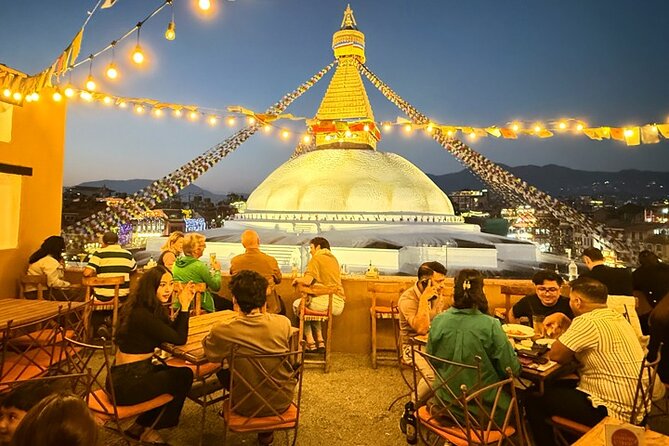
- Dinner above Boudhanath: The meal is served at a rooftop restaurant with views of the lit stupa.
- Private and practical: Your group travels by private vehicle, with hotel pickup around 5:00 PM and return near 9:30 PM.
- Ananta may be your guide: Ananta is praised for clear English, strong cultural insight, and genuine enthusiasm.
Why this Kathmandu evening works well
Kathmandu has plenty of important sights, but they are spread across a crowded valley. Seeing Pashupatinath and Boudhanath in one evening can save you from arranging separate taxis, guides, and meals. The private vehicle also matters after dark, when navigating unfamiliar streets can be tiring.
The timing is one of the tour’s best features. Pashupatinath is visited first, when the evening prayer ritual may be taking place. Boudhanath comes later, when the large white dome and surrounding buildings are lit. You get two different religious settings in a single outing: a Hindu temple complex beside the Bagmati River, followed by a Tibetan Buddhist center built around a great stupa.
This is not a tour designed for long, quiet study at every site. The schedule gives you roughly one hour at Pashupatinath, short visits to several nearby locations, and about two hours at Boudhanath. I would choose it if you have limited time in Kathmandu and want cultural context with a guide, rather than if you prefer to set your own pace.
The tour is private, so only your group participates. That gives you room to ask questions and adjust your attention within the planned route. Group discounts are also offered, which may improve the value if you are traveling with several people.
More visits to Pashupatinath:
- Kathmandu Spiritual Sites: Bodhnath & Pashupatinath Tour
★ 5.0 · 185 reviews - Kathmandu: Pashupatinath Temple Evening Aarati Tour
★ 5.0 · 36 reviews - Kathmandu: Pashupatinath Temple Aarti Night Tour
★ 4.8 · 29 reviews
Pashupatinath Temple around 5:00 PM
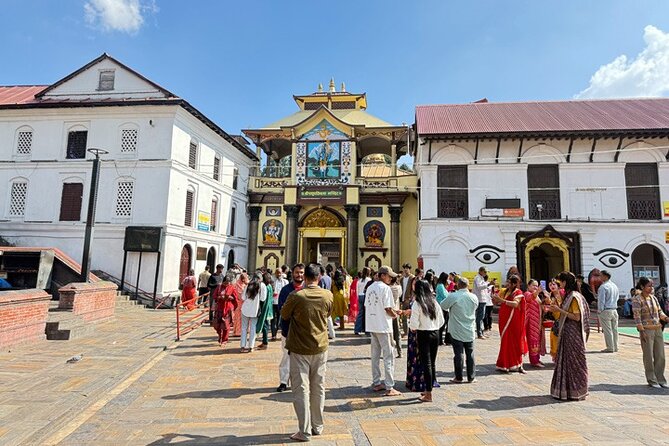
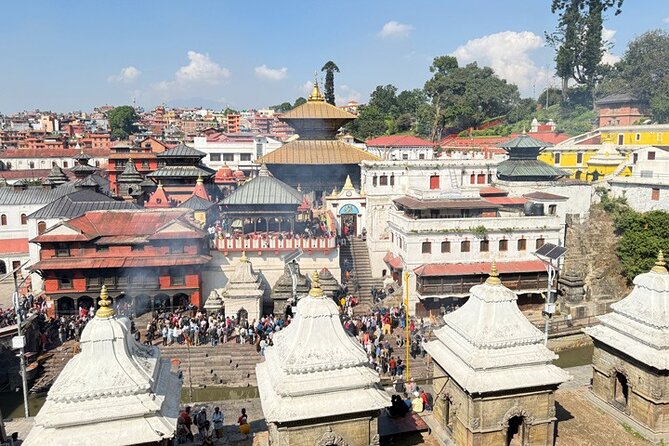
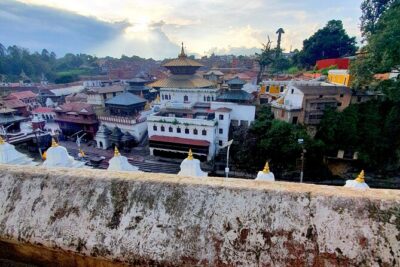
Pashupatinath is one of Nepal’s most important Hindu sites and a UNESCO World Heritage Site. The temple complex is dedicated to Lord Shiva, one of the central deities in Hinduism. Its main temple has a golden roof and silver doors, but non-Hindus cannot enter the principal shrine.
That restriction is important to understand before you book. You are not buying access to every part of the temple. The value comes from seeing the wider complex, the surrounding shrines, the Bagmati River, and the religious activity that continues around the main building.
Your guide can help explain what you are seeing, which matters here. Pashupatinath is not a single monument with one simple story. It is a working place of worship, and the meaning of the buildings, rituals, and riverfront is easier to grasp with context.
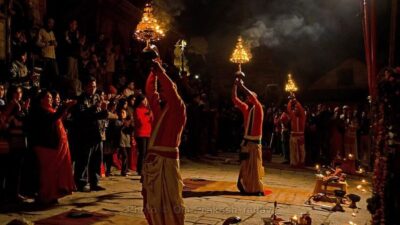
The evening aarti is likely to be the emotional center of this first stop. Devotees gather for prayer, and lamps, or diyas, are lit as part of the ritual. The timing is not guaranteed in the same way as a theater performance, but the tour is arranged around the evening period when this ceremony may be visible.
I like this part of the experience because it puts religion first. You are not simply looking at old architecture. You are watching a living practice, and that calls for a quiet, respectful approach.
Your time at the main temple area is about one hour. That is enough to get a clear sense of the site, but not enough for every corner. The listed admission fee is not included, with an estimated additional cost of about $10 to $15 per person. Confirm the exact charge when booking, since the supplied details do not specify which stop or stops require payment.
The cremation ghats beside the Bagmati River
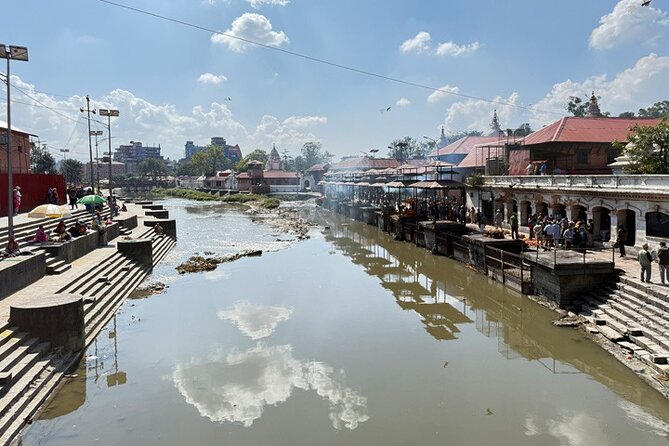
The cremation area is a short, powerful stop of about 20 minutes. Open-air cremation ceremonies take place on the banks of the Bagmati River, making this one of the most serious parts of the route.
You should come prepared for an encounter with death, grief, and Hindu funeral customs. This is not a staged cultural show. Families use this sacred riverfront for final rites, and your presence should be discreet and respectful.
A guide is especially useful here because the setting can be difficult to understand without cultural background. Ananta is praised for his English and enthusiasm, and a guide with those qualities can explain the significance without turning a private ceremony into a sightseeing display.
Twenty minutes may sound brief, but that is probably appropriate. The stop gives you time to observe the area and understand its role without making the visit feel intrusive. Do not expect a long lecture or a wide tour of the riverfront.
The crematoria are also a reminder that this evening is not a light entertainment package. The dinner and illuminated stupa later bring a softer mood, but Pashupatinath begins with serious religious and human themes.
Slesmantak Jungle and Guhyeshwari Temple
The route then moves through Slesmantak Jungle, a forested area connected with the Pashupatinath complex. You have about 20 minutes here to walk among old trees, small shrines, and quieter paths.
This brief stop breaks up the temple and riverfront visits. Instead of moving directly from one major monument to another, you get a short look at a less formal part of the sacred area. It can feel calmer than the main complex, though the time is limited.
Next comes Guhyeshwari Temple, another important Hindu site near Pashupatinath. It is dedicated to Guhyeshwari, a form of the goddess Parvati, and is recognized as a Shakti Peeth. Hindu tradition holds that part of Sati Devi’s body fell here.
The temple adds another layer to the religious setting. Pashupatinath is associated with Shiva, while Guhyeshwari connects the route with goddess worship. If you are interested in how several sacred traditions and shrines gather in one area, this stop is worthwhile.
The practical drawback is that both Slesmantak Jungle and Guhyeshwari receive only about 20 minutes. You will get an introduction rather than an extensive visit. I would treat them as meaningful supporting stops, not as the main reason to book the tour.
More visits to Boudhanath:
- Sacred Pashupatinath: Aarati,Cremation Rites & Boudha Stupa
★ 5.0 · 18 reviews - PashupatiNath and BoudhaNath – Private/Small Group
★ 5.0 · 18 reviews - Kathmandu City in One Day with Bodhnath Stupa
★ 5.0 · 10 reviews - Private Half-Day Tour of Boudhanath and Pashupatinath Temples in Kathmandu
★ 4.5 · 9 reviews
Boudhanath Stupa after sunset
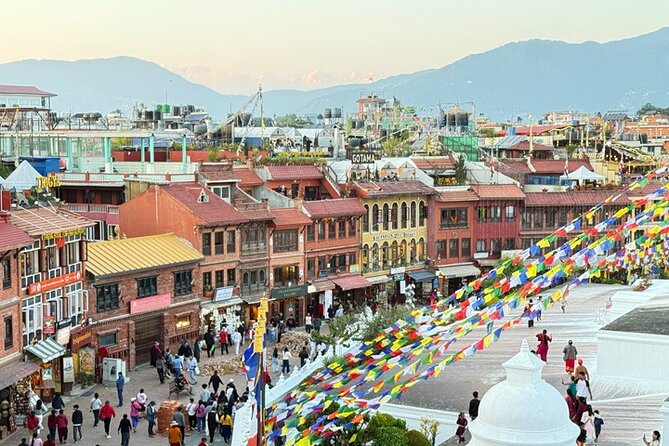
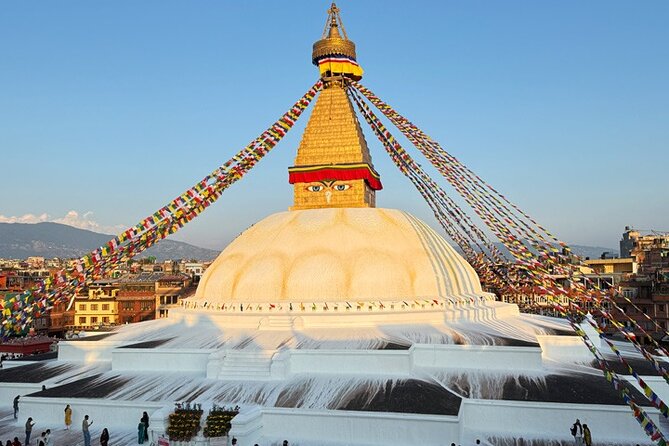
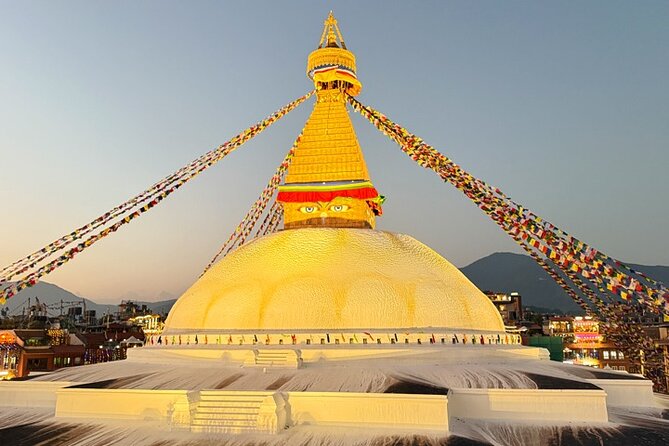
The final major visit is Boudhanath Stupa, one of the largest spherical stupas in the world and another UNESCO World Heritage Site. It is a center of Tibetan Buddhist culture in Kathmandu, with a broad circular area around the great white dome.
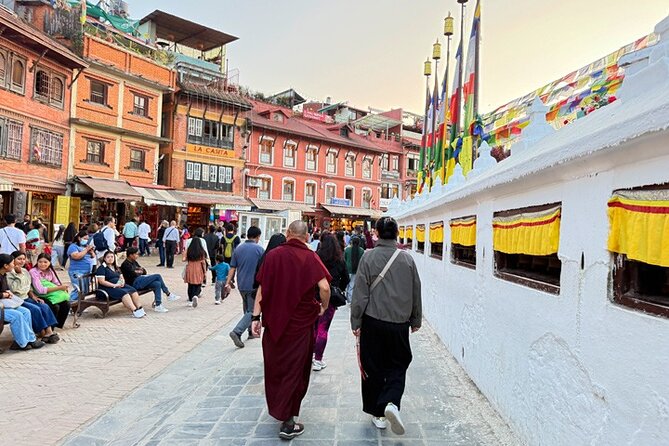
Here, you can walk around the stupa with pilgrims and observe prayer flags, monasteries, shops, and monks going about their routines. The traditional act of walking around a Buddhist shrine is called circumambulation. The route gives you about two hours, which is much more generous than the time at the smaller stops.
Boudhanath is compact in layout, but there is plenty to notice. Look up at the stupa’s painted eyes, watch the movement around the circular path, and take time to see how daily life continues around a sacred center. The architecture is impressive, but the human rhythm is just as important.
The evening lighting changes the mood. At Pashupatinath, lamps and prayer create a solemn atmosphere. At Boudhanath, the illuminated dome gives the final part of the tour a calmer, more open feeling.
I would not rush this stop. Two hours gives you time to walk around the stupa, look at the architecture, and have dinner without treating the meal as an afterthought. If you want to spend more time at Boudhanath than at Pashupatinath, tell your guide early, although the overall timing still needs to fit the return to your hotel.
Rooftop dinner with a view of the stupa
Dinner is included and takes place at a rooftop restaurant in Boudhanath. The key feature is the view: you eat while looking across at the illuminated stupa.
This arrangement adds real value to the evening. A meal in the same area would be useful on its own, but a rooftop setting turns it into part of the sightseeing. You can pause after the temple visits, talk with your guide, and watch the stupa from above instead of viewing it only from the ground.
The supplied information does not give a menu, restaurant name, or details about dietary choices. If you have specific food needs, ask before departure rather than assuming the meal can be changed. Dinner is included, but drinks and any personal extras are not described.
The meal also helps the schedule make sense. Starting around 5:00 PM and returning at about 9:30 PM leaves a natural place for dinner near the end. You are not sent back to the hotel hungry after a long evening of walking and sightseeing.
What the $100 price really covers
The price is $100 per person. That includes a professional guide, private transportation, hotel pickup and drop-off, and dinner. Entry fees, personal donations, and tips for the crew are not included. The estimated entry cost is about $10 to $15 per person.
I see the price as reasonable for a private half-day evening if you value convenience. You are not only paying for two major sights. You are also paying for a vehicle, a guide who can explain religious customs, a coordinated route through five stops, and a meal with a view.
The value is weaker if you are comfortable arranging your own taxis and visiting Boudhanath and Pashupatinath independently. It is also less attractive for a solo visitor on a tight budget, since private transport and guiding cost more when one person carries the full price.
For couples, families, and small groups, the calculation improves. Group discounts may reduce the per-person cost, so ask about them if several people are joining. Since the activity is private, you also avoid being placed with an unrelated group.
Tips are recommended but not included. I would budget for that separately, especially if the guide provides clear explanations and handles the evening transport well.
Timing, transport, and practical limits
Pickup begins around 5:00 PM from your hotel in Kathmandu, with return near 9:30 PM. The stated duration is approximately four to five hours, so allow a little flexibility around traffic and the pace of the stops.
Private transportation is included, which is useful because the route crosses several parts of the city and ends after dark. Hotel pickup and drop-off remove much of the planning work. You should provide a clear hotel location at booking so the pickup can be arranged properly.
The tour is described as suitable for most people and near public transportation, though it remains a walking-focused evening around religious sites. You will move through temple grounds, riverfront areas, forest paths, and the circular route around Boudhanath. The supplied information does not give detailed accessibility specifications, so ask the provider about mobility needs before booking.
Good weather is required. If poor weather cancels the tour, you are offered another date or a full refund. For a full refund after changing your plans, cancel at least 24 hours before the start time. Changes or cancellations inside 24 hours are not accepted and are not refunded.
Confirmation is received at booking. The tour is offered by Himalayan Planet Adventures.
Who should book this evening?
I would recommend this tour if you want an efficient introduction to Kathmandu’s Hindu and Buddhist traditions. It suits first-time visitors who prefer a guide, hotel transport, and a planned route instead of figuring out evening logistics on their own.
It is also a good match for anyone who wants to see Pashupatinath during prayer time and Boudhanath after dark. The combination gives you two very different religious settings, and the dinner helps make the schedule feel complete.
You may want to skip it if you dislike visiting cremation sites, prefer independent sightseeing, or need long stretches of quiet time at each monument. The stop at the ghats is brief but serious, and the main Pashupatinath temple is not open to non-Hindus.
Ananta is the guide name associated with the strongest praise for English ability, cultural insight, and enthusiasm. If you are able to request a guide, asking whether Ananta is available could be worthwhile, though availability is not guaranteed.
Final verdict: a strong cultural introduction with a premium price
I would book this tour if I had one free evening in Kathmandu and wanted the major religious sights explained in a clear, organized way. The evening aarti, the cremation ghats, the forest shrines, Boudhanath’s lit dome, and the rooftop dinner create a well-shaped experience rather than a simple two-stop taxi ride.
The price deserves a careful look, and the extra admission fees and recommended tip should be added to your budget. Still, private transport, a guide, hotel service, and dinner make the cost easier to justify for two or more people.
Book it for convenience, cultural explanation, and atmosphere. Choose another plan if low cost or independent pacing matters more than an organized evening.
FAQ
How long is the Kathmandu by Night tour?
The experience lasts approximately four to five hours, beginning with hotel pickup around 5:00 PM and ending with hotel drop-off around 9:30 PM.
What sites does the tour visit?
The route includes Pashupatinath Temple, the cremation area beside the Bagmati River, Slesmantak Jungle, Guhyeshwari Temple, and Boudhanath Stupa.
Is hotel pickup included?
Yes. Pickup and drop-off at your hotel in Kathmandu are included.
Is transportation private?
Yes. Private transportation is included, and only your group participates in the activity.
Is dinner included?
Yes. Dinner is included and is served at a rooftop restaurant in Boudhanath with views of the illuminated stupa.
Can non-Hindus enter Pashupatinath Temple?
Non-Hindus cannot enter the main temple, which has a golden roof and silver doors. You can still visit the surrounding temple complex and nearby sacred areas.
Is the entry fee included in the $100 price?
No. An estimated entry fee of about $10 to $15 per person is listed as an extra cost.
Are tips and personal donations included?
No. Personal donations are not included, and tips for the crew are recommended but extra.
Is the tour available for groups?
Yes. This is a private activity, and group discounts are offered.
What happens if bad weather cancels the tour?
If poor weather causes cancellation, you are offered a different date or a full refund. For your own full refund, you must cancel at least 24 hours before the experience begins.
More Dinners out in Kathmandu
- Kathmandu: Cultural Dinner Show with Traditional Dance
★ 4.2 · 27 reviews - Dinner with Cultural Show Kathmandu
★ 5.0 · 8 reviews - Kathmandu: Nepalese Cuisine dinner with traditional dance
★ 4.6 · 5 reviews - Nepali Dinner with Cultural Show in Kathmandu
★ 3.0 · 5 reviews
New in the Kathmandu listings
- Traditional Momo Making Class★ 5.0 · 10 reviews
- Kathmandu: Ancient City Kirtipur & Pharping Monastery Tour★ 5.0 · 2 reviews
- Kathmandu to Pokhara Premium sofa bus ticket★ 4.0 · 17 reviews
- Women Empowerment Project(Nepali cooking class & jewelry workshop★ 5.0 · 15 reviews
- Yoga Experience Day Trip with Private Transfer From Kathmandu★ 4.0 · 2 reviews
- 7-Day Langtang Valley Trek from Kathmandu★ 5.0 · 1 review
- Kathmandu 2 Nights 3 Days Chitwan Jungle Safari Tour★ 5.0 · 9 reviews
- Wildlife Adventure in Chitwan Nepal★ 4.0 · 4 reviews
Pashupatinath Temple Tours, compared.
Kathmandu Spiritual Sites: Bodhnath & Pashupatinath Tour
Read our review →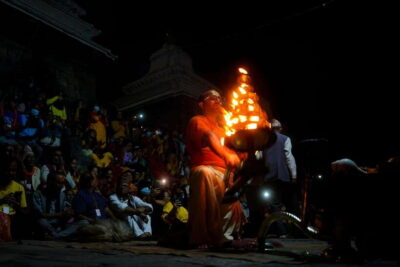
Pashupatinath Temple, Hindu Crematorium and Aarati in-depth Tour
Read our review →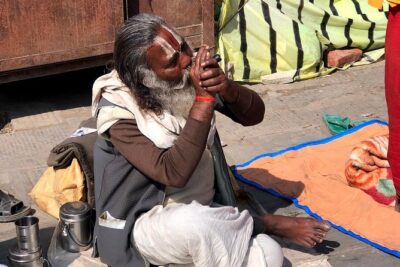
Pashupatinath Evening Aarati: Few Divinely Hours in Kathmandu
Read our review →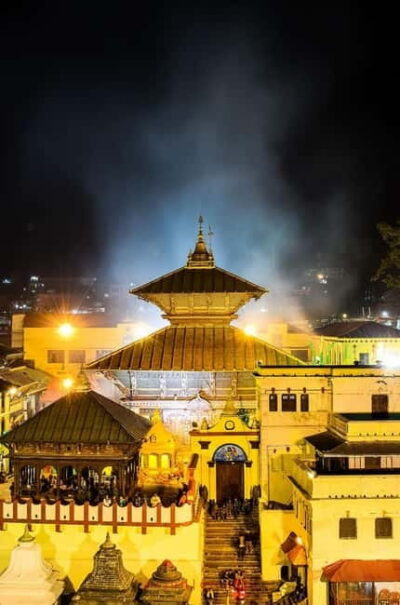
Sacred Pashupatinath: Aarati,Cremation Rites & Boudha Stupa
Read our review →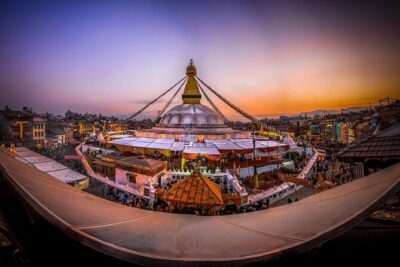
PashupatiNath and BoudhaNath – Private/Small Group
Read our review →Browse the lists this tour appears in