
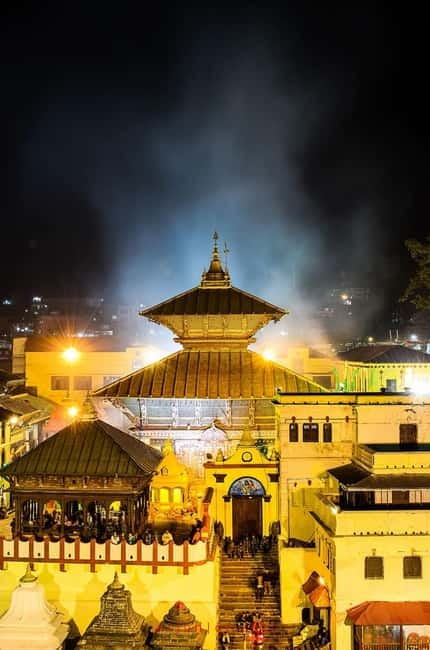
REVIEW · PASHUPATINATH TEMPLE TOURS
Sacred Pashupatinath: Aarati,Cremation Rites & Boudha Stupa
Kathmandu shows its soul in public. This guided visit brings you to Boudhanath Stupa and Pashupatinath Temple, two sacred places where prayer, family life, ritual, art, death, and daily commerce share the same streets. I like the contrast between Boudhanath’s calm circular kora and Pashupatinath’s intense riverside ceremonies. I also like having a local guide explain customs that would otherwise be easy to misunderstand.
The main consideration is emotional: the cremation ghats and Aarati ceremony can be difficult to watch. You should also budget separately for the two entry fees and confirm whether hotel pickup is included in your selected option.
In This Review
- Key points at a glance
- Why these two holy sites belong on the same day
- Boudhanath Stupa, prayer wheels and the daily kora
- Pashupatinath Temple and the Bagmati River
- The Aarati ceremony after sunset
- What the guides add to the experience
- Price, entry fees and what you receive
- Timing, meeting point and practical preparation
- Who will appreciate this visit most
- Should you book Sacred Pashupatinath and Boudhanath?
- FAQ
- How long does the tour last?
- What sites are included?
- Can non-Hindus enter Pashupatinath Temple?
- Will I see Hindu cremation rituals?
- Is the Aarati ceremony included?
- Are entry fees included in the $11 price?
- Is hotel pickup available?
- What languages do the guides speak?
- Can children join the tour?
Key points at a glance
- Walk the kora at Boudhanath: Circle the enormous white stupa with local pilgrims, turning prayer wheels and watching the colored prayer flags move above you.
- See Pashupatinath’s cremation ghats: The open-air rites beside the Bagmati River offer a direct look at Hindu beliefs about death, ritual, and release.
- Stay for the evening Aarati: Chants, bells, conch shells, lamps, and fire create the most moving part of the visit for many people.
- Use the guide for cultural context: Guides such as Razz, Pranav, Karma, Anish, and Sudhir have been praised for clear explanations and strong English.
- Allow for shopping and local life: Boudhanath has spiritual shops, monasteries, singing bowls, Thangka paintings, and rooftop cafés, though sellers may approach you.
- Plan for extra costs: The stated price is $11 per person, but entry fees are listed separately at NPR 400 for Boudha and NPR 1,000 for Pashupatinath.
Why these two holy sites belong on the same day
Boudhanath and Pashupatinath show two major religious traditions in Kathmandu Valley. Boudhanath is a major center of Tibetan Buddhism, while Pashupatinath is Nepal’s most important Hindu shrine dedicated to Lord Shiva in his form as Pashupati, the protector of animals.
The pairing works because the mood changes sharply between the two sites. At Boudhanath, you walk in a slow circle around the stupa, surrounded by prayer wheels, monasteries, shops, and pilgrims. At Pashupatinath, the Bagmati River, temple courtyards, holy men, funeral fires, and evening worship create a more intense setting.
I like this kind of tour because it gives you a way into Kathmandu beyond monuments and photographs. You are not simply looking at old buildings. You are watching religious practice continue in public, with local people using these sites for prayer, mourning, meditation, and family duties.
The tour is listed as lasting from two to five hours. That is a wide range, and the actual length may depend on your starting point, transport, guide arrangement, time spent at each site, and whether you remain for Aarati. The basic schedule allows about one hour at Boudhanath and one hour at Pashupatinath, but the full experience may take longer.
More visits to Pashupatinath:
- Kathmandu Spiritual Sites: Bodhnath & Pashupatinath Tour
★ 5.0 · 185 reviews - Kathmandu: Pashupatinath Temple Evening Aarati Tour
★ 5.0 · 36 reviews - Kathmandu: Pashupatinath Temple Aarti Night Tour
★ 4.8 · 29 reviews
Boudhanath Stupa, prayer wheels and the daily kora
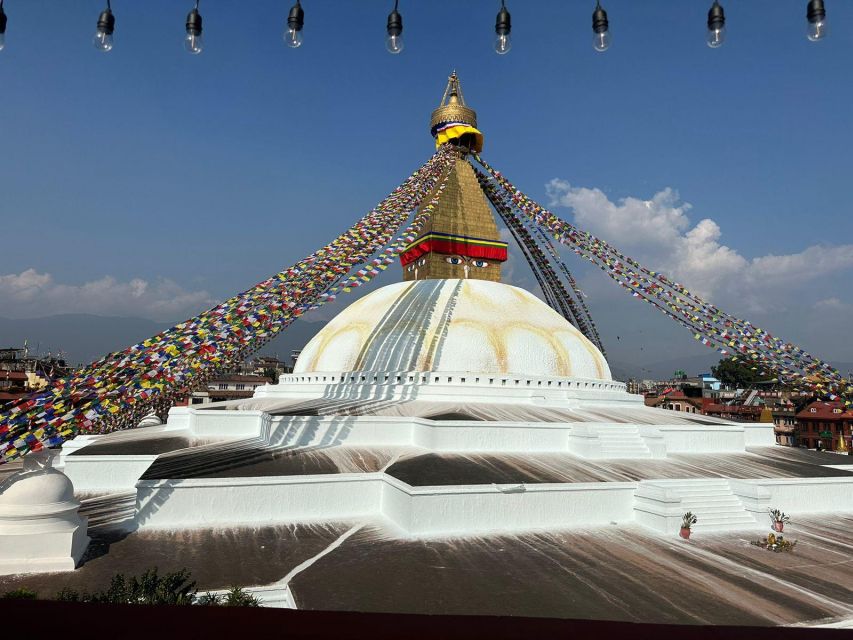
Your first stop is Boudhanath Stupa, one of the largest stupas in the world and a major Tibetan Buddhist center in Nepal. The white dome and golden spire are easy to spot, but the real pleasure comes from walking around the base and watching how people use the space.
The traditional walk around the stupa is called a kora. You move clockwise, following pilgrims and worshippers as they turn prayer wheels and pass beneath lines of colorful flags. Your guide can explain the symbols around the stupa and help you understand why the circular walk matters.
This is a good place to slow down. I would not rush through the kora just to collect a photograph. Give yourself time to notice the sound of the wheels, the movement of people, the painted details, and the way the stupa changes under different light.
Boudhanath is also a working neighborhood, not only a religious monument. Monastery courtyards surround the main area, and nearby shops sell spiritual objects, singing bowls, paintings, and other crafts. You might find a rooftop café where you can sit with tea and look down at the stupa.
That commercial side is useful and distracting at the same time. It gives you a look at local business connected to pilgrimage, but shop owners may try to sell you something. A firm and polite no is usually enough. One visitor particularly enjoyed seeing artists work on Dalai Lama Thangka paintings and taking part in a short singing bowl meditation and massage.
The guided portion matters here. Without explanation, Boudhanath can seem like a striking white monument surrounded by shops. With a good guide, the symbols, prayer wheels, monasteries, and ritual movements begin to make sense.
Pashupatinath Temple and the Bagmati River
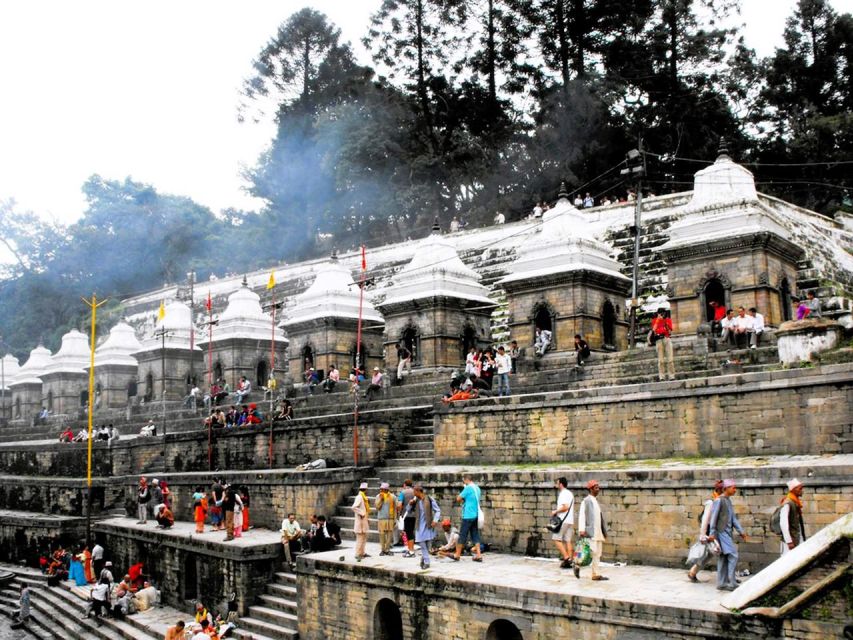
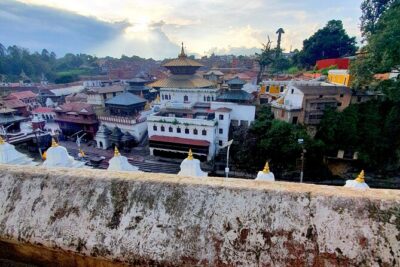
From Boudhanath, the tour continues to Pashupatinath Temple. This large temple complex sits beside the sacred Bagmati River and is one of the most important Hindu religious sites in the region.
Non-Hindus cannot enter the main sanctum, so you should set your expectations correctly. You will explore the outer complex, see the architecture and smaller shrines, and learn about the temple’s role from your guide. This is not a visit where you walk into every building or inspect the central shrine from inside.
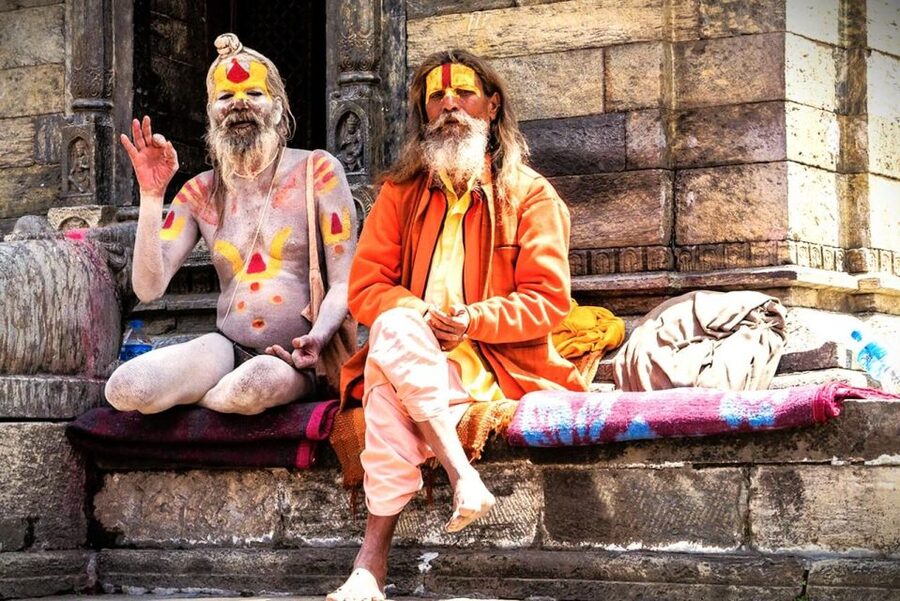
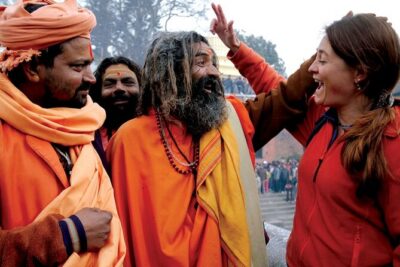
The outer area contains statues, shrines, temple structures, holy men, and spaces used for worship. Several people praised guides such as Pranav and Razz for explaining the site with patience and answering questions clearly. That is especially helpful at Pashupatinath, where a guide can explain what is happening without turning a private religious setting into a sightseeing show.
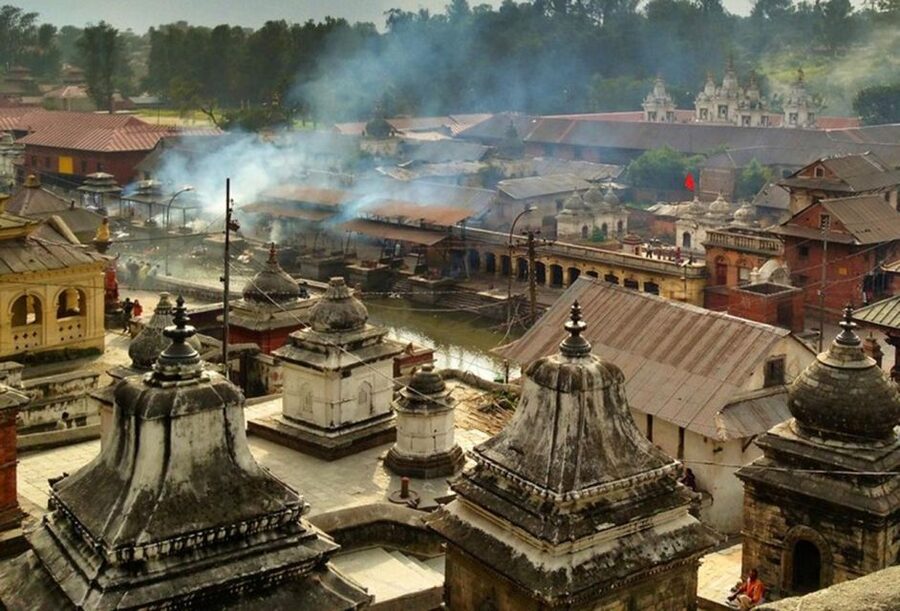
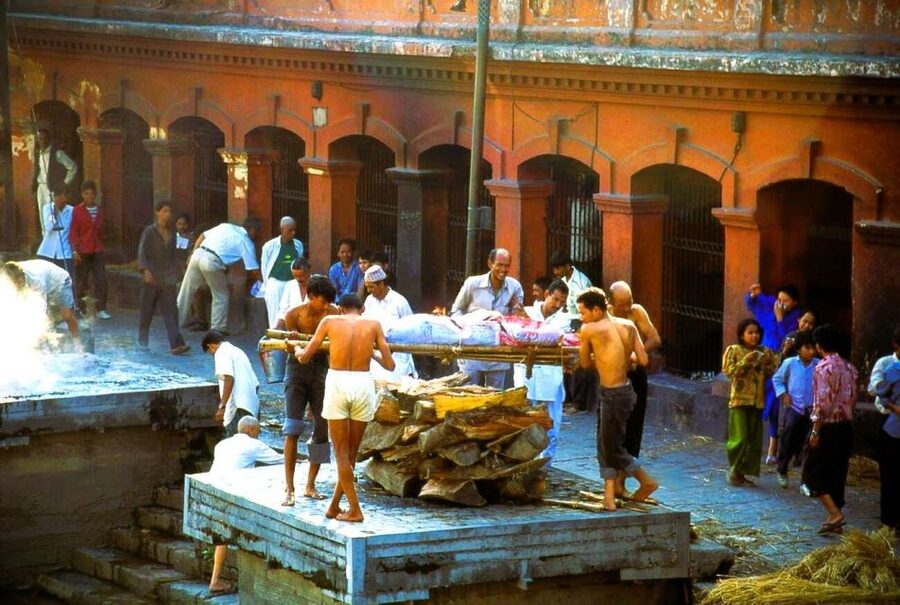
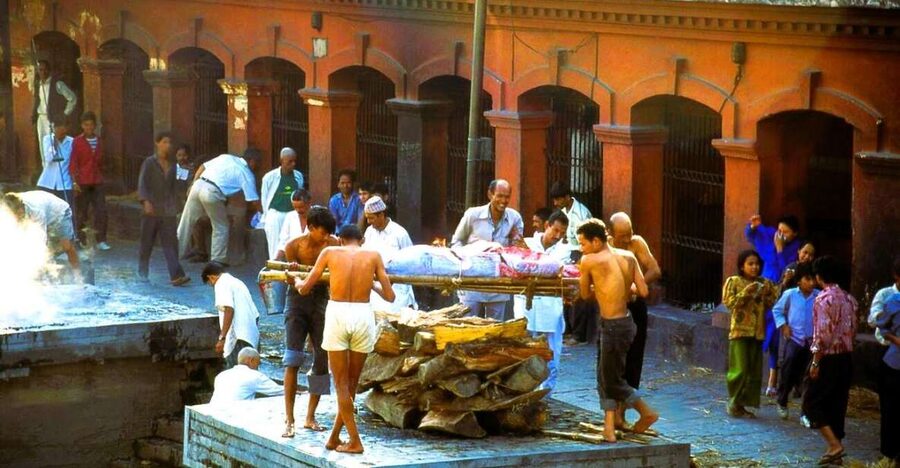
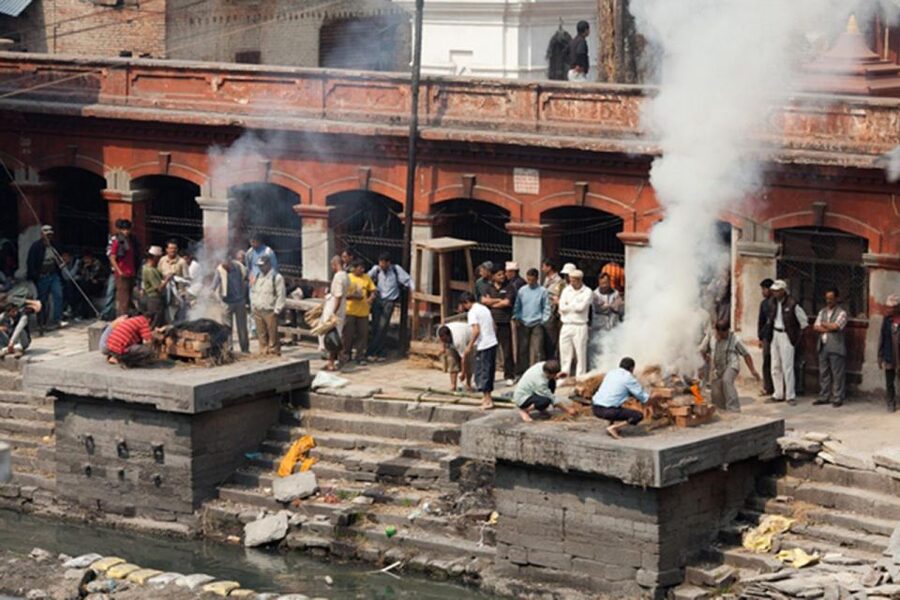
The Bagmati River is central to the visit. Its ghats are used for Hindu cremation ceremonies, which take place in the open air along the river. You may see families carrying out funeral rites while other people pray, watch, or continue their daily activities nearby.
This can feel confronting. It is not staged, and it is not presented as entertainment. The value of seeing it comes from understanding that death remains visible here as part of religious and family life. Your guide explains the sacred fire, the role of the river, and the belief that ritual helps the soul move toward release.
You should watch quietly and keep your distance. Follow your guide’s instructions about where to stand and when photography is appropriate. The description of the activity uses the phrase up close and personal, but that should not be taken as permission to intrude. Respect matters more than getting a close photograph.
Some people will find this part of the visit moving. Others may decide it is not right for them. If you have respiratory issues, this experience is specifically listed as unsuitable, and the smoke and intensity of the cremation area are important factors to consider.
The Aarati ceremony after sunset
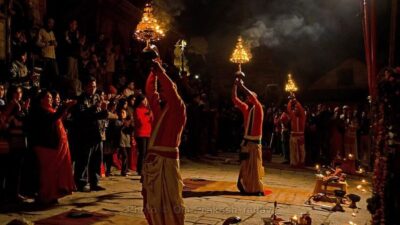
The Aarati is often the emotional center of the visit. As daylight fades, Pashupatinath becomes filled with chants, bells, conch shells, lamps, and the movements of the ceremony beside the river.
Your guide helps you understand the order and meaning of the ritual. Pranav was praised for finding a good viewing place and explaining each step, while other guides were noted for their calm and respectful approach. That assistance can make a major difference because the ceremony may be crowded and unfamiliar.
The mood is not simply peaceful. The Aarati takes place in the same wider setting as the cremation ghats, so joy, devotion, grief, and solemnity exist close together. One person described the ceremony as beautiful but also dark and emotional. That is a fair warning.
I would treat the Aarati as a time to observe rather than comment. Avoid loud conversation, and do not frame the ceremony as a performance. The fire and music are visually powerful, but the ritual has religious meaning for the people taking part.
If you want only a quick temple visit, this may feel like too much. If you want to understand how Hindu worship and funeral practice share the same sacred river, it is an unusually direct experience.
More visits to Boudhanath:
- PashupatiNath and BoudhaNath – Private/Small Group
★ 5.0 · 18 reviews - Kathmandu City in One Day with Bodhnath Stupa
★ 5.0 · 10 reviews - Private Half-Day Tour of Boudhanath and Pashupatinath Temples in Kathmandu
★ 4.5 · 9 reviews - Bhaktapur Durbar Square and Boudhanath Stupa
★ 5.0 · 7 reviews
What the guides add to the experience
The strongest part of this tour is the guide service. Names that appear in the activity information include Razz, Pranav, Karma, Anish, and Sudhir. Several were praised for their clear English, friendliness, cultural knowledge, and ability to answer questions.
Razz received particular praise for explaining the temple and cremation rituals in an accessible way. Pranav was noted for his polite manner and for helping visitors find a good place to see the Aarati. Karma was described as friendly and informative, while Anish was praised for explaining both Pashupatinath and Boudhanath with care.
Guide quality can vary from person to person, so you cannot assume you will receive a particular guide unless the company confirms it. Still, the repeated praise for the guiding makes this a better choice than visiting both sites without help.
A good guide also sets the right tone. At Pashupatinath, the goal is not to rush from one photo point to another. At Boudhanath, the guide can point out details you might miss while walking around the stupa. Ask questions, especially about symbols, ritual objects, and the differences between Buddhist and Hindu practice.
Price, entry fees and what you receive
The tour price is listed at $11 per person, which is low for a guided cultural visit. At that price, the value depends on exactly what your selected option includes.
The stated inclusions may cover hotel pickup and drop-off, a guided Boudhanath visit, a guide at Pashupatinath, market exploration, and return to a central location. However, the information also says pickup is optional and that the meeting point may be the Pashupatinath ticket counter. Read the selected option carefully before paying.
You must also pay the entry fees separately:
- Boudhanath Stupa: NPR 400
- Pashupatinath Temple: NPR 1,000
- Total listed site fees: NPR 1,400
Food, drinks, personal purchases, and optional items from Boudhanath shops are not included. Transportation may also need to be arranged separately if you do not choose a pickup option. The company says transport can be purchased at a reasonable rate, but confirm the amount in advance.
For value, the tour makes the most sense if you want a guide for cultural explanation and help with the Aarati. If you already know both sites well and only need transport, the guided fee may be less important to you. If this is your first visit to Kathmandu, the cost is modest compared with the context and convenience it can provide.
Timing, meeting point and practical preparation
The starting point depends on the option you select. In one arrangement, the guide meets you at the Pashupatinath Temple ticket counter and takes you through the temple visit and Aarati. In another, hotel pickup and return may be available from a central Kathmandu location, including Thamel.
Do not assume that transport is included. Confirm the pickup details, meeting time, and drop-off point before the day of the tour. The listed return locations are Kathmandu and Thamel.
Bring a passport or identification card. A copy is accepted. Large bags and luggage are not allowed, and drones, alcohol, drugs, and nudity are prohibited.
The activity is not suitable for children under 12 or people with respiratory issues. The restriction makes sense given the cremation area and the serious nature of the visit. Wear practical clothing that allows you to walk and remain quietly at the sites, though specific clothing rules are not provided in the activity information.
The tour is available as a private or small-group experience. A private visit should give you more room for questions and a quieter pace, while a small group may cost less or feel more social. The available guide languages are English, Chinese, Hindi, and Russian.
Free cancellation is available up to 24 hours before the activity for a full refund. You can also reserve now and pay later, which helps if your Kathmandu plans are still shifting.
Who will appreciate this visit most
I would recommend this experience to you if you want more than a quick photograph at two famous sites. It suits people interested in religion, living culture, ritual, architecture, and the difficult but important subject of death.
It is also a good fit if you prefer a local guide to explain etiquette and symbolism. First-time visitors to Nepal may get the most from it because the guide connects what you see with the beliefs behind it.
You may want a different activity if you dislike cremation rituals, smoke, crowds, or emotionally serious settings. It is also not a good choice for young children under 12 or people with respiratory problems.
The Boudhanath portion may appeal to you if you enjoy slow walking, prayer wheels, monasteries, art, and people-watching. Pashupatinath will appeal more if you want direct contact with Hindu ritual and a powerful evening ceremony. Together, the two sites create a fuller picture of Kathmandu’s spiritual life.
Should you book Sacred Pashupatinath and Boudhanath?
Book it if you want a short, affordable introduction to Kathmandu’s living religious traditions, especially if you can approach the cremation ghats and Aarati with respect. The strongest reason to choose it is the guide, not simply the transport or the two monuments.
Before booking, confirm three things: your exact meeting point, whether pickup is included, and the additional NPR 1,400 in entry fees. If you are comfortable with the solemn nature of the cremation rites, this tour offers unusually direct cultural insight for a low base price.
If you prefer light sightseeing, family-friendly stops, or a quiet temple visit without funeral ceremonies, skip it. For the right visitor, though, Boudhanath’s steady kora followed by Pashupatinath’s firelit Aarati can become one of the most memorable evenings in Kathmandu.
FAQ
How long does the tour last?
The stated duration is between two and five hours. The exact length depends on the starting time, selected option, transportation, time at each site, and whether you stay for the Aarati ceremony.
What sites are included?
The experience includes Boudhanath Stupa and Pashupatinath Temple. It also includes time for local markets near Boudhanath and the Pashupatinath Aarati ceremony.
Can non-Hindus enter Pashupatinath Temple?
Non-Hindus cannot enter the main sanctum. You can explore the outer temple complex, see surrounding shrines and architecture, and receive explanations from the guide.
Will I see Hindu cremation rituals?
Yes. The experience includes witnessing open-air Hindu cremation rites beside the Bagmati River, with the guide explaining their religious meaning.
Is the Aarati ceremony included?
The guide accompanies you to the Aarati ceremony at Pashupatinath. The timing and duration depend on the selected tour option and starting time.
Are entry fees included in the $11 price?
No. The listed fees are NPR 400 for Boudhanath Stupa and NPR 1,000 for Pashupatinath Temple. Food, drinks, and personal purchases are also excluded.
Is hotel pickup available?
Hotel pickup is available only with selected options. In another arrangement, the guide meets you at the Pashupatinath Temple ticket counter, so you should confirm the meeting details when booking.
What languages do the guides speak?
Guided tours are available in English, Chinese, Hindi, and Russian. Private and small-group options are available.
Can children join the tour?
The experience is not suitable for children under 12. It is also not suitable for people with respiratory issues.
New in the Kathmandu listings
- Traditional Momo Making Class★ 5.0 · 10 reviews
- Kathmandu: Ancient City Kirtipur & Pharping Monastery Tour★ 5.0 · 2 reviews
- Kathmandu to Pokhara Premium sofa bus ticket★ 4.0 · 17 reviews
- Women Empowerment Project(Nepali cooking class & jewelry workshop★ 5.0 · 15 reviews
- 7-Day Langtang Valley Trek from Kathmandu★ 5.0 · 1 review
- Kathmandu 2 Nights 3 Days Chitwan Jungle Safari Tour★ 5.0 · 9 reviews
- Yoga Experience Day Trip with Private Transfer From Kathmandu★ 4.0 · 2 reviews
- Walking tour of real Kathmandu through back streets.★ 5.0 · 3 reviews
Pashupatinath Temple Tours, compared.
Kathmandu Spiritual Sites: Bodhnath & Pashupatinath Tour
Read our review →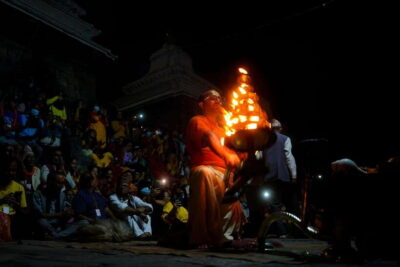
Pashupatinath Temple, Hindu Crematorium and Aarati in-depth Tour
Read our review →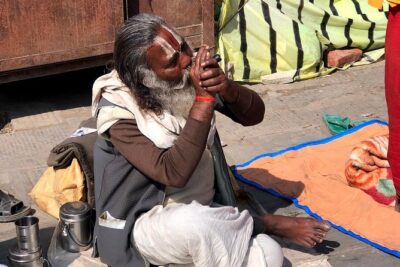
Pashupatinath Evening Aarati: Few Divinely Hours in Kathmandu
Read our review →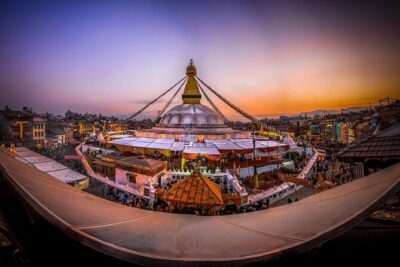
PashupatiNath and BoudhaNath – Private/Small Group
Read our review →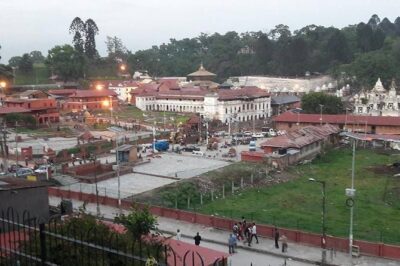
Private Half-Day Tour of Boudhanath and Pashupatinath Temples in Kathmandu
Read our review →Browse the lists this tour appears in