
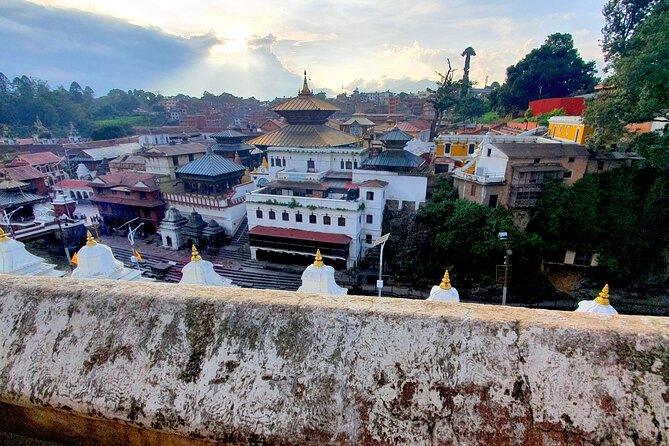
REVIEW · PASHUPATINATH TEMPLE TOURS
Pashupatinath Temple, Hindu Crematorium and Aarati in-depth Tour
Death and devotion share the same riverbank here. This four to five hour Kathmandu tour brings you through Pashupatinath Temple, the cremation ghats, and the evening Bagmati River aarati with guidance from specialists in the site’s tangible and intangible heritage. I like the serious cultural context, and I like that a private format lets you ask questions at your own pace. The main consideration is the subject matter: cremation is presented as a real religious practice, not a staged cultural show.
I also like the timing. Starting at 2:00 pm gives you time to explore the temple area before settling beside the river for the Sandhya Aarati, an offering of lamps and incense watched by hundreds of local people. Five hours may sound long, but the route has several distinct parts, and the ceremony gives the afternoon a clear finish.
In This Review
- Six things to know before you book
- Starting at Pashupatinath at 2:00 pm
- Seeing the cremation ghats beside the Bagmati
- Waiting for the Sandhya Aarati
- What the $90 price includes
- The guides make the difference
- Who will enjoy this afternoon most
- Timing, transport, and practical details
- A respectful way to take the tour
- Should you book the Pashupatinath tour?
- FAQ
- How long does the Pashupatinath tour last?
- What time does the tour start?
- What places are included?
- Is the crematorium visit part of the guided experience?
- Is the Sandhya Aarati included?
- Is this a private tour?
- What does the $90 price include?
- Are tips and temple offerings included?
- Can I cancel for a full refund?
Six things to know before you book
- The tour moves from temple worship to cremation rites: You see how devotion, death, and daily religious life meet in one sacred area.
- Guides bring specialist training: The experience is led by an expert with a Ph.D. in the tangible and intangible heritage of Pashupatinath, with other guides working under that supervision.
- Nabin and Nirajan receive especially strong praise: Both are described as patient, attentive, and able to explain Hindu beliefs and local customs clearly.
- The crematorium visit is educational but emotionally serious: You may witness an active cremation setting, so this is not suitable if you want a light sightseeing stop.
- The aarati is the natural finale: Lamps, incense, priests, bells, and a large local audience create the most public and energetic part of the tour.
- The $90 price buys a private half-day experience: Transportation, admissions, taxes, bottled water, and expert guiding are included, which makes the cost easier to justify for a small group.
Starting at Pashupatinath at 2:00 pm
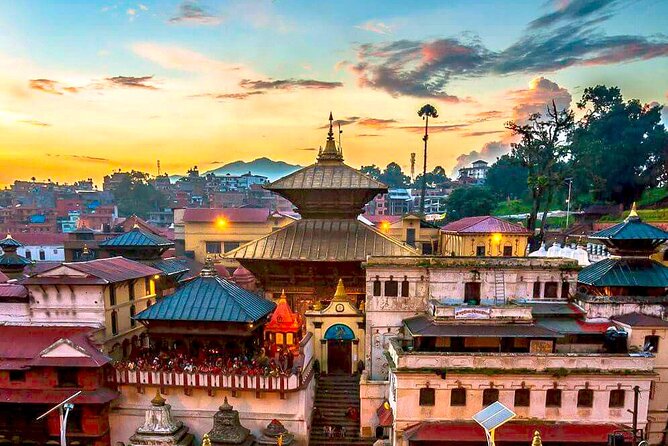
Pashupatinath is one of the oldest and most sacred Hindu temple areas in the world. It is not simply a single building to photograph, but a religious complex where worship, ritual, holy men, animals, river life, and death all appear in close quarters.
Your guide begins by taking you around the main attractions and explaining how the temple area functions. The focus is not just on dates and architectural labels. You are given a framework for understanding Hindu practices, the mythological importance of Pashupatinath, and the way those beliefs continue in modern Kathmandu.
That approach matters here. Without guidance, you can easily notice incense, bells, shrines, priests, and crowds without understanding how they connect. A good explanation turns a busy sacred site into a place with meaning rather than a collection of striking images.
The first temple visit lasts about two hours. That is enough time for a measured walk rather than a quick circuit. The route may include less familiar paths and corners of the temple area. Nirajan, in particular, is praised for patiently navigating lesser-known routes and answering questions along the way. Nabin is also repeatedly described as attentive and clear when explaining Hindu culture and local life.
The experience is private, meaning only your group takes part. That is useful at a place where questions can be personal or complex. You can ask for more explanation about a ritual, pause when something interests you, or request a slower pace without trying to keep up with a large bus group.
The phrase in-depth is justified here, but it also tells you what kind of afternoon this is. You are not paying for a quick photo stop. You are paying for interpretation, time, and access to a guide who can connect religious ideas with what you are seeing.
More visits to Pashupatinath:
- Kathmandu Spiritual Sites: Bodhnath & Pashupatinath Tour
★ 5.0 · 185 reviews - Kathmandu: Pashupatinath Temple Evening Aarati Tour
★ 5.0 · 36 reviews - Kathmandu: Pashupatinath Temple Aarti Night Tour
★ 4.8 · 29 reviews
Seeing the cremation ghats beside the Bagmati
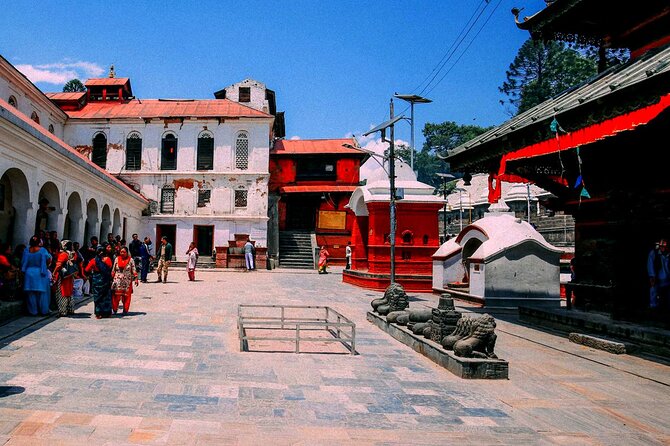
The crematorium section lasts about one hour and is the most important part to consider before booking. Guides connected with the Pashupati Area Development Trust explain the Hindu process of cremating the dead, using the setting and current activity to show how the ritual works.
This can be a powerful lesson in Hindu views of death and the body. It can also be difficult. You may see an active cremation, and the setting is a working religious and funeral area, not a museum exhibit. You should approach it quietly and respectfully, follow your guide’s instructions, and avoid treating the scene as ordinary sightseeing.
The tour description places the cremation ghats within the larger life of Pashupatinath. You pass from the celebratory and devotional areas toward the river and crematoria, seeing how the same sacred complex serves both worship and final rites. That contrast gives the visit its strongest meaning.
You may also find the area visually and acoustically intense. Incense, bells, chanting, people moving through the temple grounds, and the riverbank all form part of the setting. The point is not to collect dramatic images. The point is to understand a religious practice that remains part of everyday life in Kathmandu.
Photography deserves care even though specific camera rules are not provided here. Ask your guide before taking any picture, especially near a funeral ceremony. If you are traveling with children or anyone sensitive to death rituals, decide in advance how much of this section you want to see.
This hour is valuable because the guide can explain the cultural process rather than leaving you to guess. It is also the point where the tour asks for maturity. If you want only architecture and festival color, choose another temple visit. If you want to understand how Hindu religious life treats death, this section is central.
Waiting for the Sandhya Aarati
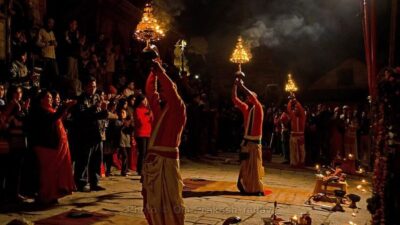
The final portion returns to Pashupatinath for the Sandhya Aarati, the evening offering of lamps and incense. Dedicated priests perform the ceremony according to precise rituals, and hundreds of local people gather along the Bagmati River to watch.
This is the most public part of the experience. After the quieter explanations and solemn cremation setting, the aarati brings movement, sound, light, and a shared crowd response. It is energetic without being a performance arranged for tourists. The local audience is there for its own religious reasons, and that makes the atmosphere feel grounded in daily Kathmandu life.
The ceremony lasts about two hours as part of the final stop. That may include time around the temple and riverbank before, during, and after the main offering. Your guide can help explain what the priests are doing and how the ritual fits with worship at Pashupatinath.
The sequence also gives the afternoon a thoughtful shape. You begin with the temple’s sacred identity, move to the crematorium and Hindu views of death, then end with an evening act of communal devotion. The order makes the site easier to understand than a random walk through the grounds.
Bring patience to this section. Religious ceremonies do not always move at a pace designed for sightseeing. You may spend time standing or waiting, and the area can fill with local worshippers. That is part of the experience, not a flaw, but it means comfortable shoes and a willingness to remain present will help.
What the $90 price includes
At $90 per person, this is not the cheapest way to see Pashupatinath. The value depends on how much explanation and convenience you want.
The price includes private transportation, bottled water, all fees and taxes, admission tickets, and an expert guide. Since the activity is private, your group does not share the guide with strangers. For a couple, family, or small group that wants a serious cultural explanation, those inclusions make the rate more reasonable.
A standard visit to a sacred site can be inexpensive if you enter on your own. The difference here is the four to five hours of guiding and the access to specific context about temple customs, Hindu cremation, and the aarati. You are paying for someone to interpret what is happening, not simply drive you to the gate.
Group discounts are offered, though the exact discount is not stated. Ask for the current group rate if you are booking for several people. Tips for the guide and driver are not included, and donations or offerings to sadhus or temples are also your responsibility. You do not need to assume those extras are part of the $90.
The tour has a 100 percent recommendation rate from 25 published ratings, with a five out of five average. That is a small sample, so I would not treat it as proof that every departure will be perfect. Still, the repeated praise is quite consistent: the guides are patient, explanations are extensive, and the ceremony is the lasting highlight.
A short list of alternatives around Kathmandu
- Everest Base Camp Trek – 14 Days
★ 5.0 · 1,499 reviews - Private Kathmandu Sightseeing Tour | UNESCO World Heritage sites
★ 5.0 · 756 reviews - Everest Base Camp Helicopter Tour landing at Everest View Hotel
★ 5.0 · 668 reviews - Half day cooking class in Thamel kathmandu
★ 5.0 · 607 reviews
The guides make the difference
The strongest reason to choose this experience is the quality of its guiding. The lead expert has a Ph.D. in the tangible and intangible heritage of Pashupatinath, and other experts work under that supervision. Some guiding is also provided by experts from the Pashupati Area Development Trust.
The names Nabin and Nirajan appear in the strongest personal praise. Nabin is described as attentive and able to respond patiently to many questions. Nirajan is singled out for careful navigation through less familiar paths and for explaining Hinduism and temple life in a clear way.
That does not mean you can guarantee a particular guide unless the operator confirms it. It does tell you what to request when booking: ask who will lead your departure and whether a specific guide is available.
The guiding style is described as logical and scientific as well as connected to mythology and belief. That balance is useful. You can learn what a tradition means to worshippers without being asked to accept every religious claim as historical fact.
The experience also appears flexible within the private format. One account describes a guide adapting the visit to the person’s interests and wishes. If you have a particular interest in Hindu practice, architecture, local life, cremation customs, or the aarati, mention it before the walk begins.
Who will enjoy this afternoon most
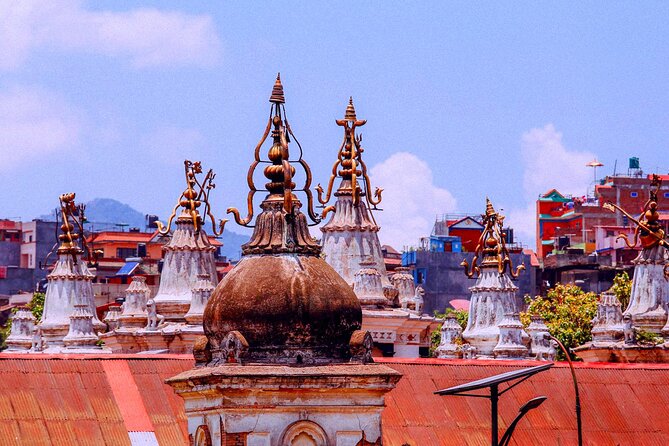
I would recommend this tour to you if you want more than a quick visit to one of Kathmandu’s famous religious sites. It suits people who enjoy asking questions, listening to explanations, and taking time with difficult cultural subjects.
It is especially useful for:
- First-time visitors to Kathmandu who want context for Hindu customs
- People interested in religion, ritual, and local daily life
- Small private groups who prefer a flexible pace
- Visitors who want to attend the Bagmati River aarati with guidance
- Anyone who would struggle to understand the temple complex without interpretation
You should think twice if you want a short, relaxed sightseeing stop. The tour can last five hours, and the crematorium section may be emotionally demanding. The subject is handled as a serious cultural lesson, but no guide can remove the reality of what you may see.
It may also be less suitable if you do not want to participate in or observe religious activity. The temple, cremation ghats, and aarati are all active sacred places. You are entering a living religious setting, not a recreated attraction.
Timing, transport, and practical details
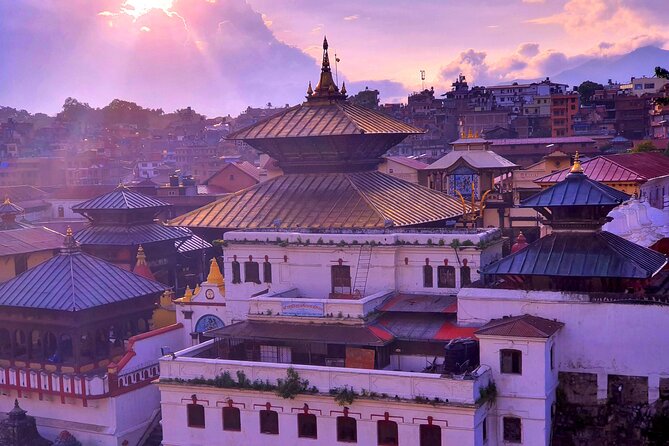
The listed start time is 2:00 pm, with a total duration of about four to five hours. That timing is well chosen for an afternoon that ends with the evening aarati.
Pickup is offered, and private transportation is included. The exact pickup area is not given, so confirm the meeting arrangement when you book. The experience is also near public transportation, though the included private vehicle should make the start simpler.
A mobile ticket is available, and confirmation is sent at the time of booking. Public toilets are available in the area. Service animals are allowed, and most people can participate, although the tour involves several hours around a temple complex and riverbank.
Wear practical footwear. The exact surface conditions and walking distance are not specified, but the experience involves moving between several parts of Pashupatinath over a long afternoon. Bring water if you want more than the included bottle, and keep your clothing respectful for a sacred site.
You can cancel for a full refund if you do so at least 24 hours before the 2:00 pm start. Cancellations made within 24 hours are not refunded, and late changes are not accepted. Cutoff times use local time in Nepal.
A respectful way to take the tour
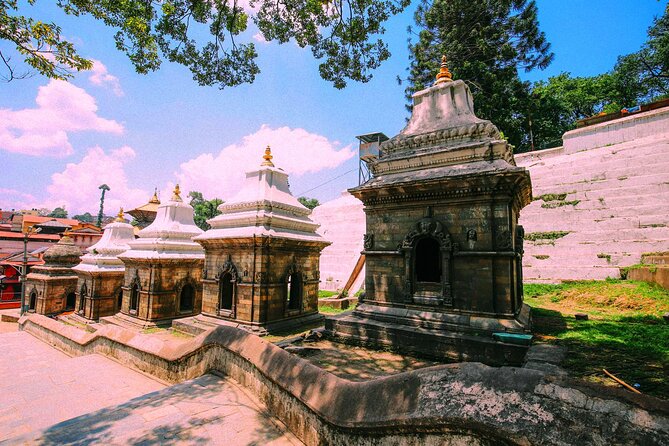
The best preparation is mental, not technical. Come ready to observe without turning every ritual into a photo opportunity.
Listen before you judge. Hindu practices around worship and cremation may differ sharply from customs familiar to you. Your guide can explain the beliefs and procedures, but you should still allow the site to remain a place of worship for local people.
Ask before photographing people, priests, funeral activity, or religious offerings. If you are unsure, keep your camera away and follow your guide’s advice. A respectful attitude will improve the experience for you and for the people who come to Pashupatinath for personal religious reasons.
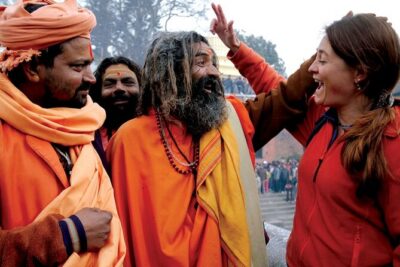
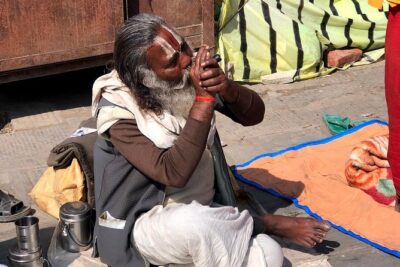
You may receive blessings from holy men or encounter sadhus during the visit. Donations and offerings are not included in the price, so do not feel that you must give money simply because someone asks. If you choose to make an offering, handle it directly and knowingly.
Should you book the Pashupatinath tour?
Book it if you want a serious, carefully explained look at one of Kathmandu’s most important religious places. The combination of temple customs, cremation practice, and the Bagmati River aarati offers far more context than a short independent visit.
The $90 price is easiest to justify for a private group that values expert interpretation, transport, admissions, and several hours of guidance. Nabin and Nirajan are good names to request, though availability should be confirmed.
Skip it if you want only architecture, quick photographs, or a light afternoon activity. The crematorium is real, the subject is solemn, and the tour asks you to pay attention. For the right person, that seriousness is exactly what makes the afternoon memorable.
FAQ
How long does the Pashupatinath tour last?
The experience lasts approximately four to five hours.
What time does the tour start?
The listed start time is 2:00 pm.
What places are included?
The tour includes Pashupatinath Temple, the crematoria, and the Bagmati River Sandhya Aarati.
Is the crematorium visit part of the guided experience?
Yes. The crematorium section lasts about one hour, with explanations of Hindu cremation practices and the cultural process involved.
Is the Sandhya Aarati included?
Yes. The tour ends with the Sandhya Aarati, an offering of lamps and incense performed by dedicated priests beside the Bagmati River.
Is this a private tour?
Yes. Only your group participates in the private activity.
What does the $90 price include?
The price includes bottled water, private transportation, admission fees, taxes, and expert guides.
Are tips and temple offerings included?
No. Tips for the guide and driver, along with donations or offerings to sadhus or temples, are not included.
Can I cancel for a full refund?
Yes, if you cancel at least 24 hours before the local start time. Cancellations or changes made within 24 hours are not accepted for a refund.
New in the Kathmandu listings
- Traditional Momo Making Class★ 5.0 · 10 reviews
- Kathmandu: Ancient City Kirtipur & Pharping Monastery Tour★ 5.0 · 2 reviews
- Kathmandu to Pokhara Premium sofa bus ticket★ 4.0 · 17 reviews
- Women Empowerment Project(Nepali cooking class & jewelry workshop★ 5.0 · 15 reviews
- 7-Day Langtang Valley Trek from Kathmandu★ 5.0 · 1 review
- Kathmandu 2 Nights 3 Days Chitwan Jungle Safari Tour★ 5.0 · 9 reviews
- Yoga Experience Day Trip with Private Transfer From Kathmandu★ 4.0 · 2 reviews
- Wildlife Adventure in Chitwan Nepal★ 4.0 · 4 reviews
Pashupatinath Temple Tours, compared.
Kathmandu Spiritual Sites: Bodhnath & Pashupatinath Tour
Read our review →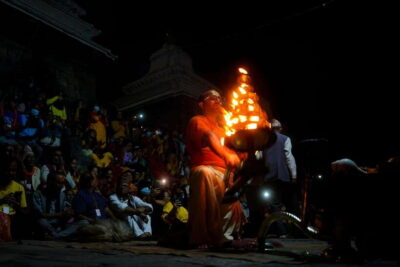
Pashupatinath Evening Aarati: Few Divinely Hours in Kathmandu
Read our review →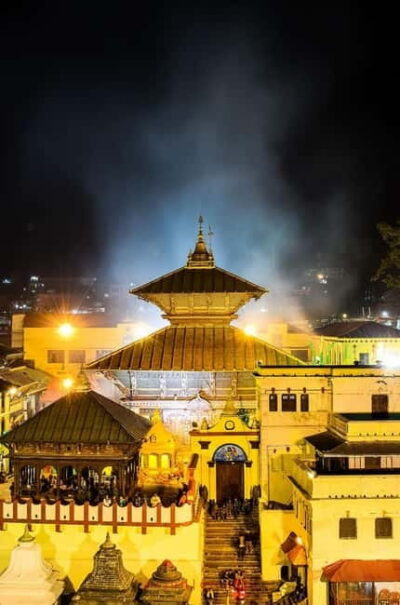
Sacred Pashupatinath: Aarati,Cremation Rites & Boudha Stupa
Read our review →
PashupatiNath and BoudhaNath – Private/Small Group
Read our review →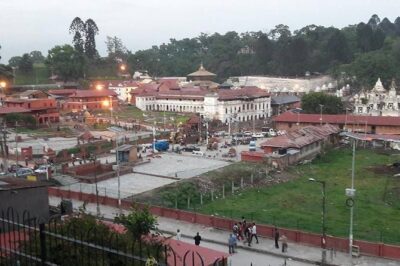
Private Half-Day Tour of Boudhanath and Pashupatinath Temples in Kathmandu
Read our review →Browse the lists this tour appears in