
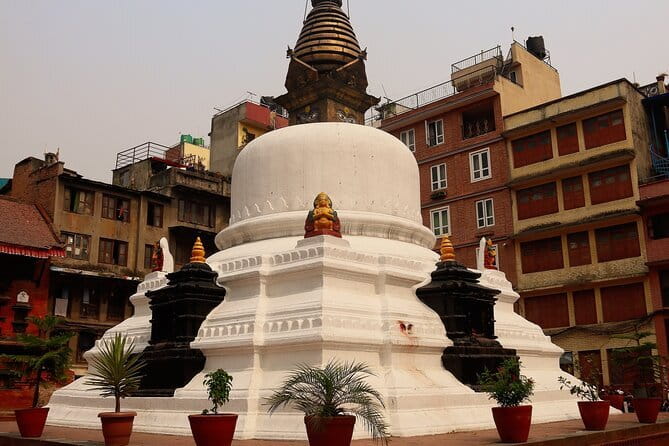
REVIEW · HISTORICAL TOURS
Kathmandu From Queer Eye Cultural Heritage Tour
Look closely at Kathmandu’s temples. This private tour offers two things I especially like: a focused look at queer and gender-fluid traditions often missed on standard sightseeing routes, plus the flexibility of a guide-led outing for your own group. The main consideration is that the subject matter can be explicit, with sexual carvings and references to homosexuality, self-pleasure, polygamy, and zoophilia.
The route links Thamel, Kathmandu Durbar Square, and Kirtipur in roughly four to six hours. I like the way it connects art, religion, and LGBTQ+ history rather than treating them as separate topics, though the long list of stops means some parts may receive a brisk explanation.
In This Review
- Key points at a glance
- Why this Kathmandu tour takes a different route
- Starting at Garden of Dreams and entering Thamel
- Annapurna Temple and the tantric symbols of Asan
- Kathmandu Durbar Square and stories beyond the monuments
- Kirtipur and the 17th-century Uma Maheshwor Temple
- What $110 means for the value
- Timing, meeting point, and practical details
- Who will get the most from this experience
- Should you book the Queer Eye Cultural Heritage Tour?
- FAQ
- How much does the Queer Eye Cultural Heritage Tour cost?
- How long does the tour last?
- What time does the tour begin?
- Where does the tour meet?
- Where does the tour end?
- Is this a private tour?
- Which places are included?
- Is admission included?
- Is hotel pickup available?
- Can I cancel for a full refund?
Key points at a glance
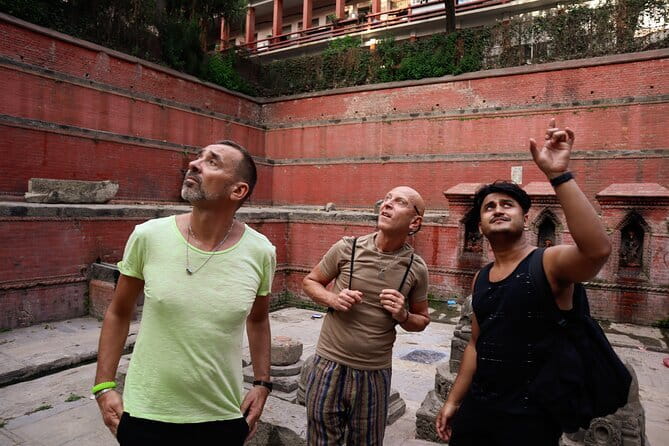
- Queer temple art in central Kathmandu: See sexual carvings at Tridevi Temple in Thamel and learn how they fit into local religious traditions.
- Transgender icons near Annapurna Temple: The Asan area adds tantric imagery and a different view of gender in sacred art.
- Kamasutra carvings in Kirtipur: The 17th-century Uma Maheshwor Temple presents a broad range of sexual themes.
- Private touring: Only your group participates, making it easier to ask direct questions about identity, religion, and cultural meaning.
- A guide named Aayam: A previous participant specifically praised Aayam for explaining the spiritual side of Kathmandu’s LGBTQ+ community.
- Optional Newari food: Time in Kirtipur may include local Newari cuisine if you want to add a meal or tasting to the outing.
Why this Kathmandu tour takes a different route
Most first-time sightseeing in Kathmandu centers on famous shrines, royal courtyards, Buddhist stupas, and mountain views. This tour asks you to read the city through another set of clues: erotic carvings, transgender figures, same-sex imagery, and stories of gender-bending religious figures.
That approach matters because temple art does not always fit modern categories. A carving may be sexual, symbolic, comic, devotional, or all of these at once. The guide’s job is to explain how the images relate to the temple and its traditions, rather than simply pointing out something unusual and moving on.
I appreciate that this is not presented as a modern LGBTQ+ attraction added to an old city. The focus is on how older religious spaces can reveal ideas about gender and sexuality that are more varied than a simple modern-versus-traditional story.
The tour is private, so you are not sharing the conversation with a large group. That is useful here. You may have personal questions about language, interpretation, or the difference between transgender religious icons and modern LGBTQ+ identities. A private setting gives you room to ask without turning the discussion into a public performance.
The available feedback highlights Aayam by name. One participant described learning about the spiritual side of the LGBTQ+ community, including transgender goddesses and same-sex love in traditional carvings. That is the strongest praise connected with the tour: the guide helped connect visual details to living spiritual and cultural ideas.
More history tours in Kathmandu:
- Private Kathmandu Sightseeing Tour | UNESCO World Heritage sites
★ 5.0 · 756 reviews - UNESCO Seven World Heritage Tour in Kathmandu
★ 5.0 · 253 reviews - Kathmandu Private Sightseeing Tour | UNESCO World Heritage Sites
★ 5.0 · 109 reviews
Starting at Garden of Dreams and entering Thamel
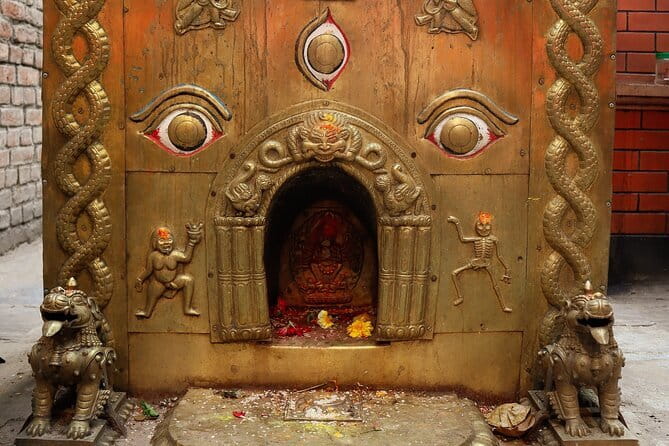
The tour begins at 9:30 a.m. at Garden of Dreams on Tridevi Sadak. That is a practical meeting point for the first section in Thamel, and the tour ends back at the same meeting point.
Thamel is often associated with restaurants, shops, nightlife, and tourist traffic. This walk takes a different angle. Within that busy district are temples with queer imagery, including Tridevi Temple, which is noted for carvings depicting gay sexual activity.
The important point is not simply that the carvings exist. It is how easy they are to miss. You might pass through Thamel thinking you have seen the area, yet overlook the religious sites tucked among commercial streets. A guide who knows what to look for can place those images in context.
The Thamel portion lasts about two hours, with no admission charge listed. That is enough time for a measured introduction to the subject, though the exact number of temples visited is not specified. You should expect the guide to spend time explaining the imagery and its connection to the surrounding religious setting rather than rushing through a checklist of buildings.
This part may be the most accessible section for someone staying in central Kathmandu. You begin among familiar city streets, then move toward a less familiar reading of the neighborhood. It is also a good place to ask questions early in the day, before the tour moves farther from the center.
Keep an open mind about the carvings. The term queer is useful for describing the tour’s focus, but historical temple art was not created with present-day identity labels in mind. A careful explanation should help you avoid forcing modern definitions onto older images.
Annapurna Temple and the tantric symbols of Asan
The tour also covers the area around the 19th-century Annapurna Temple in Asan. This section adds transgender icons found among nearby tantric temples.
That detail broadens the experience. The tour is not only about erotic carvings between men or women. It also looks at figures that challenge a fixed division between male and female. In a city where religion, myth, and daily life overlap, such imagery can offer another way to think about identity.
The Annapurna area is part of the wider Kathmandu setting rather than an isolated museum display. That gives the discussion a useful connection to ordinary city life. You are looking at sacred buildings still located within an active urban neighborhood, not viewing objects removed from their original setting.
I would pay close attention to the guide’s wording here. Transgender icons in a religious context should not be treated as proof that ancient Nepal used exactly the same social categories used today. The value lies in seeing that local religious traditions made room for forms of gender expression and divine identity that do not fit a strict binary.
The tour description places the Asan section alongside tantric temples. That is important context, since tantric traditions often use imagery that can be symbolic, bodily, and deliberately challenging. If you prefer sightseeing that avoids sexual or religious subjects, this may not be the right outing for you. If you want a more honest look at how sacred art can address the body and identity, this is one of the most distinctive parts.
Kathmandu Durbar Square and stories beyond the monuments
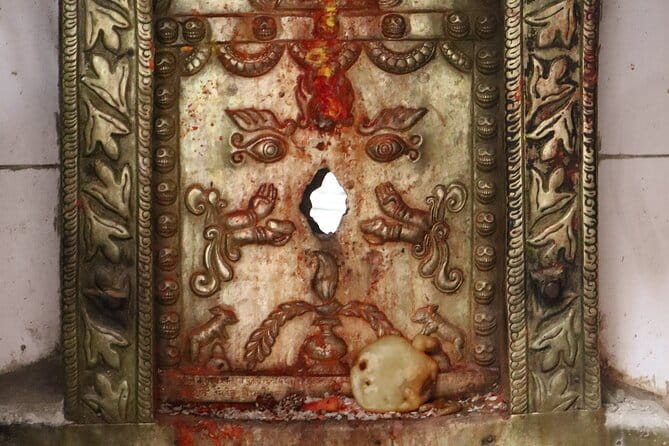
The next major stop is Kathmandu Durbar Square, with about one hour set aside for the visit. Admission is included for this stop.
Durbar Square is one of the city’s best-known historic areas, but this tour changes the questions you ask there. Instead of focusing only on royal architecture or major monuments, you hear about Nepal’s gender-fluid past, queer figures, and stories that are often left out of standard city tours.
The one-hour timing is worth noting. Kathmandu Durbar Square contains a lot to see, and this is not designed as a full architectural tour. You are there for a specific theme. I would treat the hour as a focused interpretive visit, not as enough time to examine every courtyard, shrine, and building.
The guide-led format is especially helpful here. Famous sites can become a blur of names and dates. A queer heritage focus gives the square a clear thread, helping you notice how stories of gender and sexuality can sit beside royal and religious narratives.
The tour’s tone is energetic and informal, but the subject remains serious. You may hear stories that are frank or provocative. That can be useful when historical education avoids anything sexual, yet it also means the tour will not suit someone looking for a quiet, conventional introduction to Kathmandu’s monuments.
There is also a practical advantage to visiting Durbar Square as part of a private tour. You can ask for more explanation if an image or story is unclear, or move on if a topic does not interest you. The data does not promise a set amount of free time, so do not book this expecting an independent exploration of the entire square.
A short list of alternatives around Kathmandu
- Everest Base Camp Trek – 14 Days
★ 5.0 · 1,499 reviews - Everest Base Camp Helicopter Tour landing at Everest View Hotel
★ 5.0 · 668 reviews - Half day cooking class in Thamel kathmandu
★ 5.0 · 607 reviews - Everest Base Camp Trekking
★ 5.0 · 485 reviews
Kirtipur and the 17th-century Uma Maheshwor Temple
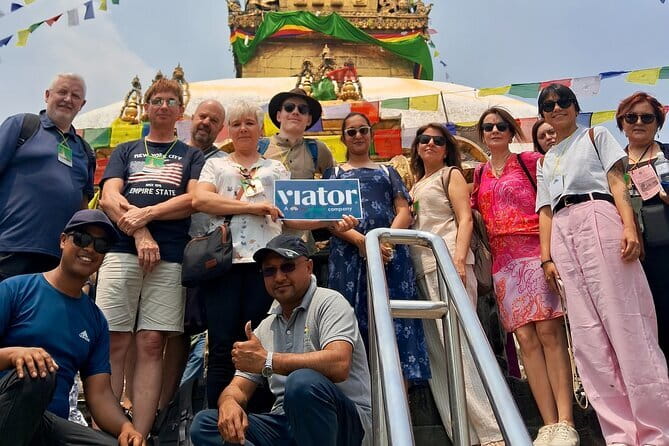
The final major area is Kirtipur, a short distance from central Kathmandu according to the tour description. The visit lasts about two hours and has no admission charge listed.
Kirtipur brings Newari culture into the picture. Its temples and old urban setting provide a different backdrop from central Thamel and Durbar Square. Here, the key site is the 17th-century Uma Maheshwor Temple, known for a range of Kamasutra carvings.
The carvings are described as including polygamy, homosexuality, zoophilia, and self-pleasure. Those subjects are not presented as a modern entertainment display. They form part of a broader visual tradition in which sexual activity can appear in religious art and architectural decoration.
This is where the tour’s mature-content warning matters most. If you are uncomfortable with explicit imagery or direct discussion of sex, you should think carefully before booking. The tour may be a poor match for young children, although the supplied information does not set a minimum age.
For the right audience, the Kirtipur section may be the most rewarding. It shows that sexual imagery was not limited to one isolated carving or one modern interpretation. The tour connects several forms of art and religious symbolism across different parts of the Kathmandu Valley.
The Kirtipur visit may also include Newari cuisine if you are interested. The food is optional, and no meal inclusion or specific restaurant is given, so you should not assume that eating is part of the $110 price. Still, adding local food can make sense if you want the outing to include culture beyond temples and carvings.
Because the total tour lasts four to six hours, the length of the Kirtipur visit may depend on transport, walking pace, questions, and whether food is added. The exact travel arrangements between the sites are not specified. Ask the operator how the group moves between locations before you book, especially if you prefer to know how much time will be spent walking or in a vehicle.
What $110 means for the value
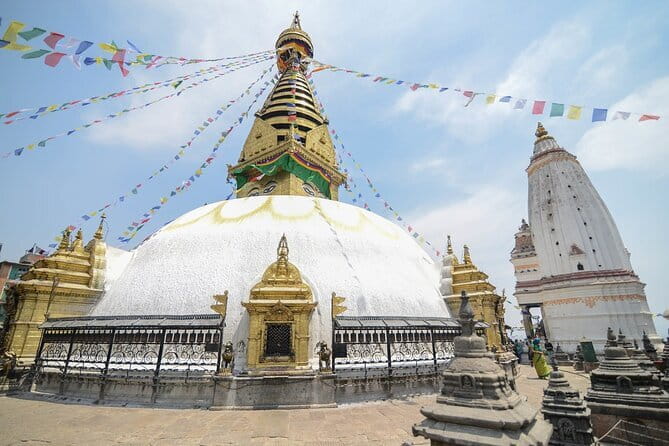
The price is $110 per person. That is not a bargain basement walking tour, but price alone does not tell you much here.
You are paying for a private activity with a narrow subject and a licensed guide-led format. A standard Kathmandu sightseeing tour may cost less while covering more famous monuments, but it is unlikely to spend several hours connecting queer imagery, transgender religious figures, tantric traditions, and Kamasutra carvings.
I see the best value for someone who would otherwise struggle to find this information independently. The tour’s subject is specialized, and the significance of an image is not always obvious from a quick internet search or an unaccompanied walk past a temple.
The value is weaker if you want a broad first-day introduction to Kathmandu. You will not get a complete tour of the city’s major landmarks in four to six hours. The route is focused, and that focus is the reason to pay for it.
The private format also affects the calculation. If you are traveling with friends or family, the total cost may feel more reasonable when divided among a group, though the listed price is per person. If you are alone, the price is higher than a group outing, but the private setting gives you direct access to the guide and control over the conversation.
Timing, meeting point, and practical details
The start time is 9:30 a.m. at Garden of Dreams, Tridevi Sadak, Kathmandu 44600. The activity ends back at the same meeting point.
Pickup is offered, but the supplied details do not explain the pickup area, extra conditions, or whether pickup changes the meeting instructions. Confirm this before booking rather than assuming a hotel pickup is automatic.
The tour lasts approximately four to six hours. That flexible range likely reflects the number of questions, time spent at each site, movement between neighborhoods, and the optional food stop in Kirtipur. Give yourself room in your schedule after the tour instead of booking a tight afternoon appointment.
Mobile tickets are available, and confirmation is received at booking. Service animals are allowed, and the activity is near public transportation. Most people can participate, but the information does not provide a detailed accessibility description for every temple or walking section.
Cancellation is free up to 24 hours before the start time. Cancel at least 24 hours in advance for a full refund. Changes or cancellations made inside that window are not accepted for a refund, and the cut-off uses local time in Kathmandu.
Who will get the most from this experience
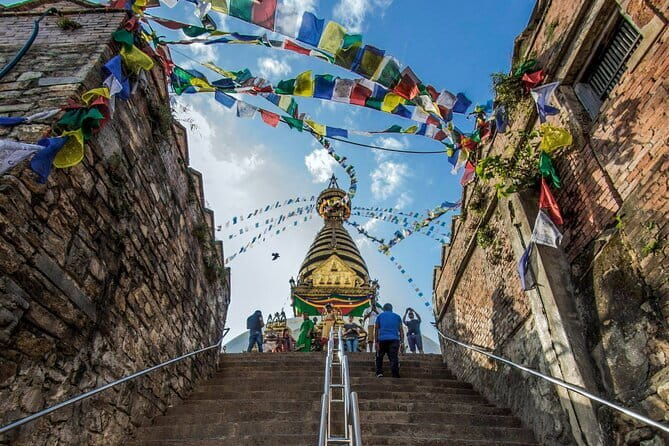
I would recommend this tour to you if you want history told from outside the usual royal and religious storyline. It is a strong choice for LGBTQ+ visitors, allies, students of religion, and anyone interested in how South Asian sacred art handles gender and sexuality.
It may also suit you if you have already seen Kathmandu’s headline sights and want a more focused second look. The route revisits well-known areas such as Thamel and Durbar Square, but the guide gives you a different set of things to notice.
You should be comfortable with mature themes. The tour includes explicit sexual carvings and discussion of topics that many conventional city tours avoid. That is part of its value, but it is also the clearest reason some people may prefer another activity.
I would not choose it as a general family sightseeing tour unless every member of your group is comfortable with the subject. The available information says most people can participate, but it does not promise that the content will be suitable for children.
Should you book the Queer Eye Cultural Heritage Tour?
Book it if you want a private, specialized look at Kathmandu through queer heritage, religious art, and gender-fluid traditions. The strongest reason to go is not simply to see unusual carvings. It is to understand how those images relate to temples, tantric practice, Newari culture, and the spiritual life of the Kathmandu Valley.
The tour is also worth considering because of its guide-led setting and the specific praise for Aayam’s explanations of transgender goddesses and same-sex imagery. At $110 per person, it is best value for someone who wants interpretation that would be difficult to assemble alone.
Skip it if you want a broad sightseeing tour, dislike explicit material, or need a tightly timed itinerary. For the right audience, though, this is an unusually focused way to see Kathmandu, and the four to six hours can add a meaningful layer to your understanding of the city.
FAQ
How much does the Queer Eye Cultural Heritage Tour cost?
The tour costs $110 per person.
How long does the tour last?
The approximate duration is four to six hours.
What time does the tour begin?
The tour starts at 9:30 a.m.
Where does the tour meet?
The meeting point is Garden of Dreams on Tridevi Sadak in Kathmandu.
Where does the tour end?
The activity ends back at the meeting point at Garden of Dreams.
Is this a private tour?
Yes. Only your group participates in the activity.
Which places are included?
The route includes Thamel, Kathmandu Durbar Square, and Kirtipur. It discusses Tridevi Temple, the Annapurna Temple area, tantric temples, and the Uma Maheshwor Temple.
Is admission included?
Admission is included for Kathmandu Durbar Square. No admission charge is listed for the Thamel or Kirtipur stops.
Is hotel pickup available?
Pickup is offered, but the supplied details do not specify the pickup area or conditions. Confirm the arrangement when booking.
Can I cancel for a full refund?
Yes. You can cancel up to 24 hours before the start time for a full refund. Cancellations or changes made less than 24 hours before the start time are not refunded or accepted.
New in the Kathmandu listings
- Traditional Momo Making Class★ 5.0 · 10 reviews
- Kathmandu: Ancient City Kirtipur & Pharping Monastery Tour★ 5.0 · 2 reviews
- Kathmandu to Pokhara Premium sofa bus ticket★ 4.0 · 17 reviews
- Women Empowerment Project(Nepali cooking class & jewelry workshop★ 5.0 · 15 reviews
- Yoga Experience Day Trip with Private Transfer From Kathmandu★ 4.0 · 2 reviews
- 7-Day Langtang Valley Trek from Kathmandu★ 5.0 · 1 review
- Kathmandu 2 Nights 3 Days Chitwan Jungle Safari Tour★ 5.0 · 9 reviews
- Wildlife Adventure in Chitwan Nepal★ 4.0 · 4 reviews
Historical Tours, compared.
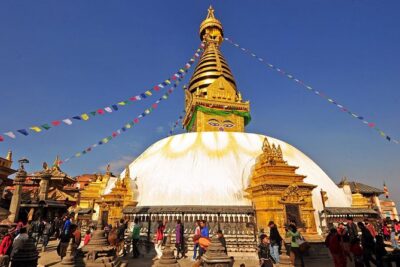
Private Kathmandu Sightseeing Tour | UNESCO World Heritage sites
Read our review →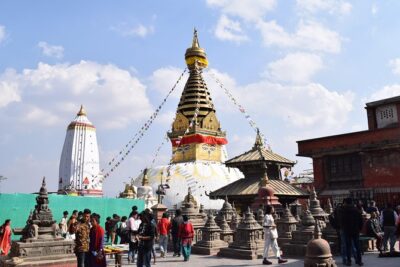
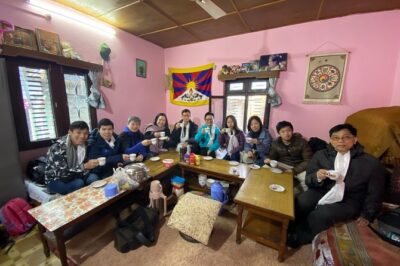
Full-Day Tibetan Cultural Tour to Tibetan Settlements Pokhara
Read our review →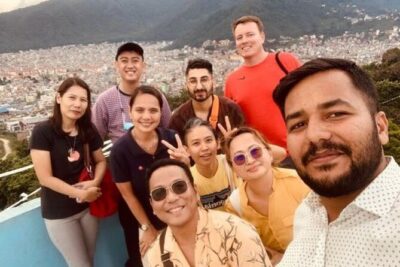
Kathmandu Private Sightseeing Tour | UNESCO World Heritage Sites
Read our review →
Afternoon Tibetan Cultural Tour to Tibetan Settlements Pokhara
Read our review →
Full Day Private Top 4 UNESCO Heritage Tour W/Lunch.
Read our review →
Nagarkot Sunrise & Bhaktapur UNESCO Heritage Private Tour
Read our review →Browse the lists this tour appears in