
REVIEW · HISTORICAL TOURS
Kathmandu Heritage Tour
Kathmandu’s past is carved into every courtyard. This private seven-hour tour links four of the valley’s most important religious and historic places, giving you a useful first look at Kathmandu without asking you to arrange separate taxis, guides, and entrance stops. I like the efficient route and the chance to visit both Hindu and Buddhist sites in one day. I also like the private format, since a group of up to three can ask questions and adjust the pace more easily.
The main consideration is physical effort. You will walk at several sites, and Swayambhunath requires a steep stair climb that can feel tough in hot weather. You should also expect entrance fees and taxes to be paid separately, so the $90 price per group is not the complete cost of the day.
In This Review
- Key Points Before You Book
- Four Important Places in Seven Hours
- Swayambhunath and the Monkey Temple
- Boudhanath’s Prayer Wheels and Mandala Design
- Pashupatinath, Kathmandu’s Great Hindu Temple
- Patan Durbar Square and Newari Craft
- What the Private Format Adds
- Walking, Weather, and What to Carry
- Cultural Respect Makes the Day Better
- Who Will Get the Most From This Tour
- Booking, Cancellation, and Final Value
- FAQ
- How long does the Kathmandu Heritage Tour last?
- How much does the tour cost?
- Is the tour private?
- Is pickup offered?
- What transportation is included?
- Is a guide included?
- Which sites does the tour visit?
- Are entrance fees and taxes included?
- How physically demanding is the tour?
- Can I cancel for a full refund?
Key Points Before You Book
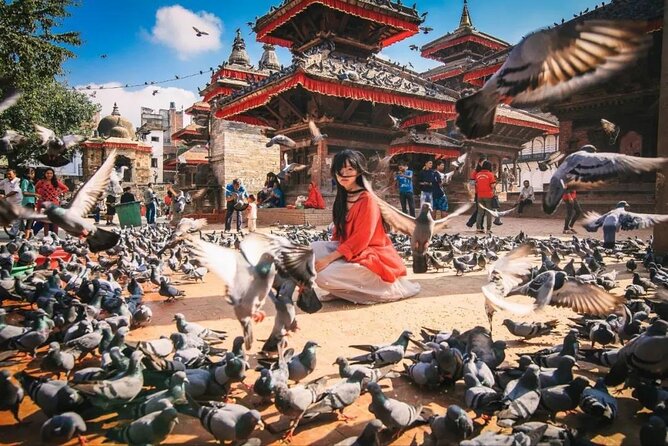
- Four major Kathmandu Valley sites in about seven hours: Swayambhunath, Boudhanath, Pashupatinath, and Patan are all included.
- A private group for up to three people: You are not sharing the vehicle or guide with a large tour party.
- Chinese language support may be available: David and the guides can speak Chinese, and the schedule can be discussed before the visit.
- Swayambhunath includes a steep climb: Bring water and be ready for moderate physical activity.
- The $90 rate covers the group, not each person: Private transportation and a travel guide are included, while fees and taxes are not.
- Cultural manners matter: Dress modestly at sacred places and do not touch or climb on old structures.
Four Important Places in Seven Hours
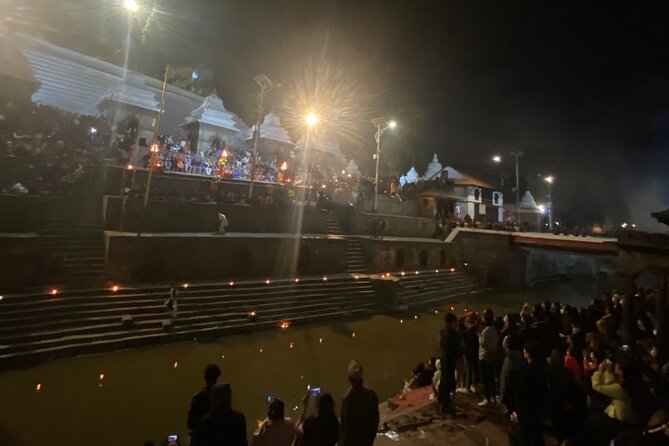
This is not a slow, single-site walking tour. It is a full day of moving between four major landmarks, with time for sightseeing and transport built into the schedule. That makes it useful if you have limited time in Kathmandu and want a broad introduction rather than a close study of one square or temple.
The four stops also give the day a good balance. Swayambhunath and Boudhanath show major Buddhist traditions. Pashupatinath is one of the most important Hindu temples in the world. Patan adds Newari art, architecture, and medieval-era monuments.
Because the tour is private, you can ask for explanations that match your interests. If you care about religious practice, ask more at Boudhanath and Pashupatinath. If architecture is your priority, save questions for Patan and Kathmandu Valley design.
More history tours in Kathmandu:
- Private Kathmandu Sightseeing Tour | UNESCO World Heritage sites
★ 5.0 · 756 reviews - UNESCO Seven World Heritage Tour in Kathmandu
★ 5.0 · 253 reviews - Kathmandu Private Sightseeing Tour | UNESCO World Heritage Sites
★ 5.0 · 109 reviews
Swayambhunath and the Monkey Temple
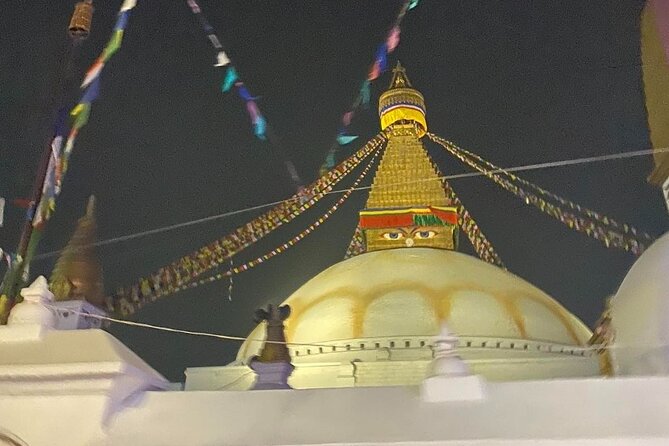
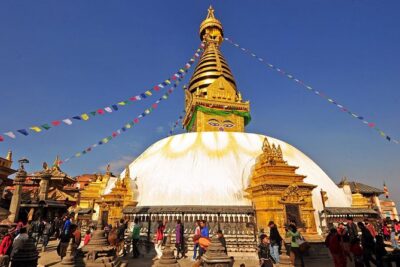
Swayambhunath is often called the Monkey Temple, and the name gives you a fair warning: monkeys are part of the setting. The main appeal is not only the animals, but also the hilltop religious complex, its golden spire, and the Buddha’s all-seeing eyes.
The climb is the first practical test of the day. The staircase is steep, and heat can make it harder. I recommend carrying a full water bottle from the start, walking at a steady pace, and allowing yourself time to pause. The tour calls for moderate physical fitness, so this is not the best choice if stairs are a serious problem.
At the top, listen carefully to the guide’s explanation of the site’s spiritual meaning. The eyes painted on the stupa are one of Kathmandu’s most recognizable images, but a good explanation gives the symbol more weight than a quick photograph can. You are visiting a sacred place, not just a viewpoint.
Dress modestly and behave with care. Do not touch or climb on old structures, even if other people appear to be doing so. The best approach is simple: walk quietly, observe the rituals around you, and ask before taking part in anything.
Boudhanath’s Prayer Wheels and Mandala Design
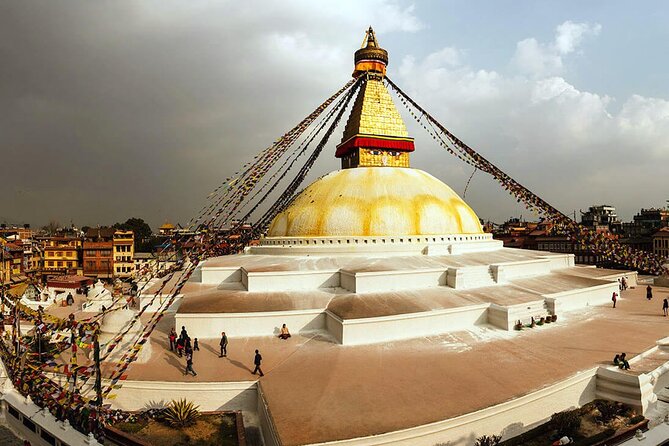
Boudhanath Stupa offers a different mood and visual style. Its large circular form, mandala design, prayer wheels, prayer flags, and Buddha’s eyes create a strong sense of order. You can spend time looking at the repeated patterns and the way the site directs attention around the central structure.
This stop is especially useful after Swayambhunath because it lets you compare two major Buddhist places rather than treating them as interchangeable. Your guide can explain the religious meaning behind the stupa and the role of its design.
I would pay attention to the prayer wheels here. They are not just decorative objects, and visitors should treat them with respect. Listen to the guide before handling anything, and follow the local practice being shown.
Boudhanath is also a good place to ask questions. The tour is private, so you do not have to wait for a large group to move on before getting an answer. That small advantage can make a difference when the symbols are unfamiliar.
Pashupatinath, Kathmandu’s Great Hindu Temple
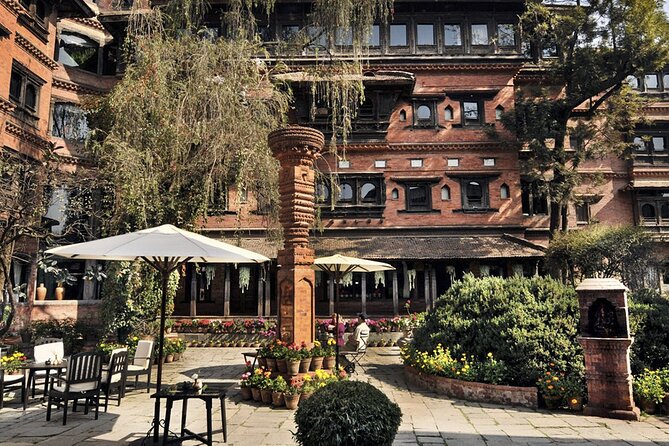
Pashupatinath is dedicated to Lord Shiva, one of Hinduism’s principal deities. The temple is known for its ancient origins and distinctive pagoda-style architecture, making it an important stop even if you have little background in Hindu religious traditions.
This is a place where your conduct matters. Treat the temple grounds as a living religious setting, not as a museum arranged for tourists. Dress modestly, listen to the guide, and avoid treating ceremonies or worshippers as spectacles.
The guide’s role is especially useful here because the significance of the site may not be obvious from the buildings alone. Ask questions about the temple’s purpose, the symbolism of its architecture, and the traditions connected with Lord Shiva.
Pashupatinath also gives the tour a useful religious contrast. After two Buddhist sites, you are seeing a major Hindu center with its own architectural language and customs. That comparison is one of the strongest reasons to choose this tour instead of visiting only Kathmandu Durbar Square.
A short list of alternatives around Kathmandu
- Everest Base Camp Trek – 14 Days
★ 5.0 · 1,499 reviews - Everest Base Camp Helicopter Tour landing at Everest View Hotel
★ 5.0 · 668 reviews - Half day cooking class in Thamel kathmandu
★ 5.0 · 607 reviews - Everest Base Camp Trekking
★ 5.0 · 485 reviews
Patan Durbar Square and Newari Craft
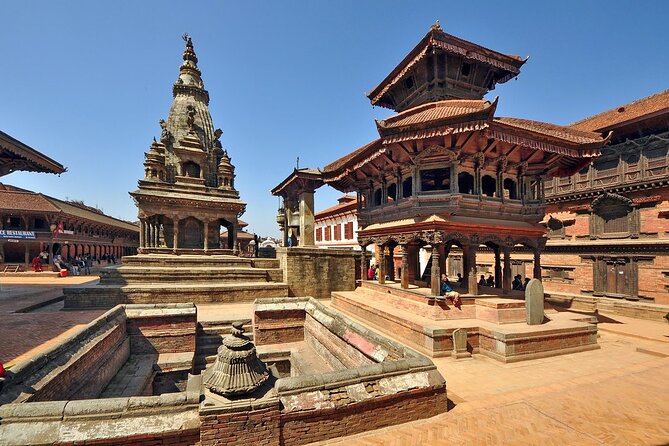
The final major stop is Patan Durbar Square, an area closely tied to Newari culture, art, and architecture. Many of its buildings date from the medieval era, and the square includes several important landmarks.
The Patan Museum is among the named highlights. You will also find Hiranya Varna Mahavihar, Mahabouddha Temple, and Krishna Temple within the wider visit. Each adds something different, from museum displays to religious buildings and finely detailed architectural work.
Patan is the stop where a guide can help you notice details you might otherwise walk past. Newari buildings can look impressive at first glance, but the value grows when you understand the local artistic and architectural traditions behind them.
I like that Patan comes after the religious sites. It broadens the day beyond temples and stupas, showing how culture, art, and daily life connect in Kathmandu Valley. At the same time, four major stops in seven hours means you should not expect a slow, exhaustive study of every monument.
What the Private Format Adds
The tour costs $90 per group of up to three people. That is not $90 per person, so the value improves considerably when two or three people share the booking. Private transportation and a travel guide are included, which removes the need to coordinate separate rides between distant parts of Kathmandu.
The private setup also gives you more control than a large group outing. You can ask for clarification, spend more time on a site that interests you, and discuss the schedule before the day begins. The available information indicates that David can speak Chinese and that Chinese-speaking guides can be arranged. David also helps discuss the itinerary in advance, suggests options, and allows enough time for transportation and sightseeing.
That planning support is worth noting. Kathmandu’s sites are not all clustered in one compact square, and the day works best when travel time is handled sensibly. The reported approach of building in enough time for both transport and visits is a strong point.
Still, $90 does not cover all fees and taxes. You should confirm the expected extra charges before setting your budget. Even with those additions, the private vehicle and guide can make the rate reasonable for a small group that values convenience.
Walking, Weather, and What to Carry
You should treat this as an active sightseeing day, not a vehicle tour with brief photo stops. Swayambhunath includes a steep staircase, and the other heritage areas require walking. A moderate level of fitness is recommended.
Water is the most important item. Bring a bottle and keep drinking throughout the day, especially if the weather is hot. Comfortable walking shoes are also sensible, although the tour information does not specify a required type of footwear.
Weather can affect the experience. The tour requires good weather, and if poor conditions lead to cancellation, you are offered another date or a full refund. That is useful protection, but remember that changes or cancellations made less than 24 hours before the start time are not accepted for a refund.
You should also dress with the religious sites in mind. Modest clothing is the safest choice for Swayambhunath, Boudhanath, and Pashupatinath. It shows respect and avoids an awkward clothing problem at the entrance.
Cultural Respect Makes the Day Better
Kathmandu’s monuments are not empty stage sets. People pray, turn wheels, light offerings, and maintain traditions in the same places you are visiting. Your experience will be better if you observe first and follow the guide’s advice.
At Kathmandu Durbar Square and other historic areas, do not climb on ancient structures or touch fragile carvings. Even when a building looks sturdy, repeated contact can damage it. Take photographs from a respectful distance and listen when the guide explains why a landmark matters.
Try not to rush from one photograph to the next. Notice the sounds, smells, religious activity, and local community around the monuments. You do not need to understand every custom immediately. Curiosity and good manners are enough.
The tour’s strongest quality is its ability to connect major sights with explanation. Without a guide, you might recognize the eyes on the stupas or the pagoda roofs but miss their meaning. With a private guide, you can ask direct questions and make the day more personal.
Who Will Get the Most From This Tour
I would recommend this experience to a first-time visitor with one free day in Kathmandu. It covers a lot of ground and includes the city’s major Buddhist and Hindu landmarks, along with Patan’s Newari architecture.
It also suits a small family or group of friends. The price is per group of up to three, and private transportation is included. Chinese-speaking support may be especially helpful if you prefer to discuss the itinerary and ask questions in Chinese.
This is less suitable if you want a quiet, unhurried day at one monument. Four major areas require movement, and the seven-hour schedule has to balance sightseeing with transportation. It may also be a poor fit if steep stairs or moderate walking are difficult for you.
The tour is a good choice for people who want context, not just transportation. The guide can explain the landmarks and adapt suggestions to what you want to learn. That personal planning is one of the most praised parts of the service.
Booking, Cancellation, and Final Value
You receive confirmation at booking, and pickup is offered. The tour is also near public transportation, although private transportation is already included. The mobile ticket is convenient for keeping the booking details on your phone.
Free cancellation is available if you cancel at least 24 hours before the local start time. A cancellation inside that window is not refunded, and late changes are not accepted. If poor weather cancels the experience, you can choose a different date or receive a full refund.
Should you book it? I would, if you have one day, want the main heritage sites, and can manage a steep stair climb. The private rate is fair for up to three people, and the mix of transport, guide service, religious sites, and Patan architecture gives you a strong first look at Kathmandu.
I would skip it if you prefer deep exploration of one neighborhood or need a low-effort sightseeing day. For most small groups, though, this is a practical way to connect the city’s most important sacred and historic places without wasting the day arranging transport.
FAQ
How long does the Kathmandu Heritage Tour last?
The tour lasts approximately seven hours.
How much does the tour cost?
The price is $90 per group of up to three people.
Is the tour private?
Yes. Only your group participates in this private tour or activity.
Is pickup offered?
Yes, pickup is offered.
What transportation is included?
Private transportation is included in the tour.
Is a guide included?
Yes, a travel guide is included.
Which sites does the tour visit?
The tour visits Swayambhunath Temple, Boudhanath Stupa, Pashupatinath Temple, and Patan Durbar Square.
Are entrance fees and taxes included?
No. All fees and taxes are not included in the stated price.
How physically demanding is the tour?
A moderate level of physical fitness is recommended. Swayambhunath includes a steep staircase that can be challenging, especially in hot weather.
Can I cancel for a full refund?
Yes, if you cancel at least 24 hours before the experience start time. Poor weather cancellations offer a different date or a full refund.
New in the Kathmandu listings
- Traditional Momo Making Class★ 5.0 · 10 reviews
- Kathmandu: Ancient City Kirtipur & Pharping Monastery Tour★ 5.0 · 2 reviews
- Kathmandu to Pokhara Premium sofa bus ticket★ 4.0 · 17 reviews
- Women Empowerment Project(Nepali cooking class & jewelry workshop★ 5.0 · 15 reviews
- 7-Day Langtang Valley Trek from Kathmandu★ 5.0 · 1 review
- Kathmandu 2 Nights 3 Days Chitwan Jungle Safari Tour★ 5.0 · 9 reviews
- Yoga Experience Day Trip with Private Transfer From Kathmandu★ 4.0 · 2 reviews
- Wildlife Adventure in Chitwan Nepal★ 4.0 · 4 reviews
Historical Tours, compared.
Private Kathmandu Sightseeing Tour | UNESCO World Heritage sites
Read our review →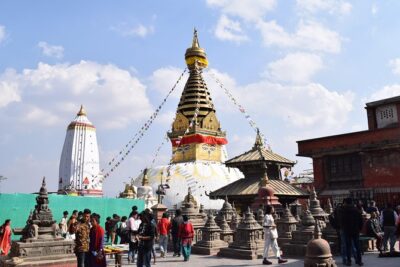
Full-Day Tibetan Cultural Tour to Tibetan Settlements Pokhara
Read our review →
Kathmandu Private Sightseeing Tour | UNESCO World Heritage Sites
Read our review →
Afternoon Tibetan Cultural Tour to Tibetan Settlements Pokhara
Read our review →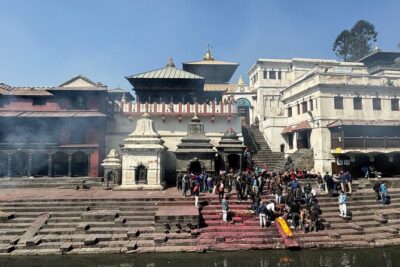
Full Day Private Top 4 UNESCO Heritage Tour W/Lunch.
Read our review →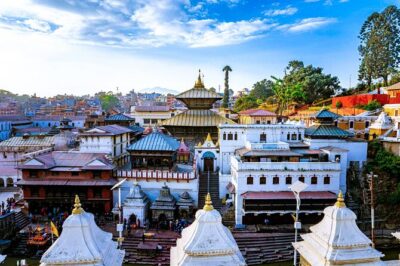
Nagarkot Sunrise & Bhaktapur UNESCO Heritage Private Tour
Read our review →Browse the lists this tour appears in