
REVIEW · WALKING TOURS
Kathmandu: Hidden Pilgrimage Sites Guided Walking Tour
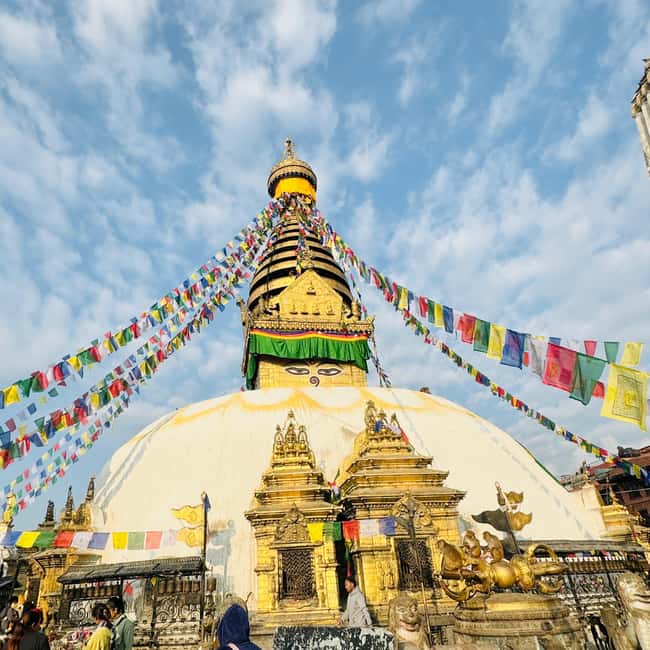
Kathmandu reveals itself one shrine at a time. This private walking tour takes you from Thamel through Ason, Indrachok, Seto Machhindranath, Shankata, and Mahankal, showing you how prayer, trade, and daily life share the same narrow streets. I like the focus on lesser-visited pilgrimage sites, and I like that an English-speaking local guide can explain the meaning behind places you might otherwise pass without noticing.
The $42 price is fair for a four-and-a-half-hour private tour with hotel pickup, temple visits where fees apply, and time in the local market. The main consideration is physical: narrow alleys and crowded streets make this a poor choice for anyone with mobility impairments, and modest clothing is required.
In This Review
- Key points to know before you book
- Why this walk offers a different Kathmandu
- From Thamel to Ason in 30 minutes
- Seto Machhindranath and the shared sacred tradition
- Indrachok, where commerce and ceremony meet
- Shankata Temple and prayers for protection
- Mahankal Temple, the final major shrine
- Historical context beyond the temples
- What the $42 price includes
- Walking conditions and what to wear
- Who will enjoy this experience most
- Should you book the Kathmandu pilgrimage walk?
- FAQ
- How long does the walking tour last?
- Where does the tour begin and end?
- Is the tour private?
- What language does the guide speak?
- What should I wear?
- Are temple entrance fees included?
- Is the tour suitable for people with mobility impairments?
Key points to know before you book
- Ason is the real starting point: You walk into Kathmandu’s oldest and busiest market area, where buying, selling, and worship happen side by side.
- Seto Machhindranath serves two faiths: The temple is sacred to both Hindus and Buddhists and is linked with compassion and good fortune.
- Three major shrine stops shape the walk: Shankata is connected with protection from misfortune, while Mahankal honors a fierce form of Shiva said to guard the city.
- The route lasts 4.5 hours: About 30 minutes is spent walking from Thamel to Ason, 3.5 hours in Kathmandu’s historic core, and another 30 minutes returning.
- You get a private English-language guide: That gives you room to ask questions, pause at a shrine, or spend more time shopping in the market.
- Guide Ram has provided strong historical context: One account especially praised his explanation of Nepal’s monarchy and an old imperial palace included along the way.
Why this walk offers a different Kathmandu
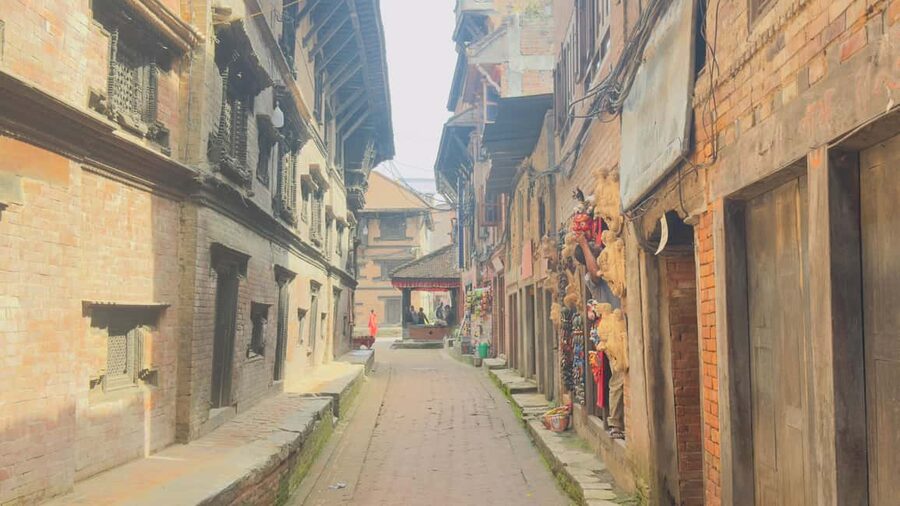
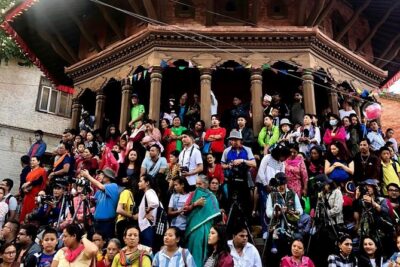
Many Kathmandu tours concentrate on the city’s best-known monuments. This one takes a more local route through old streets where sacred buildings are woven into ordinary city life. You are not simply moving from one grand courtyard to another. You are watching worshippers pray, merchants work, and residents pass through spaces that still serve their original purpose.
That distinction matters. A large temple complex can be impressive, but small shrines often make you slow down and look carefully. You might see a devotional image in a recessed corner, a shrine beside a shop, or a temple courtyard reached through an alley that looks unremarkable from the street.
The tour also gives you a useful introduction to Kathmandu’s religious mix. Seto Machhindranath is important to both Hindus and Buddhists, while Shankata and Mahankal have their own protective roles. A guide helps connect those sites instead of leaving you with a series of names and photographs.
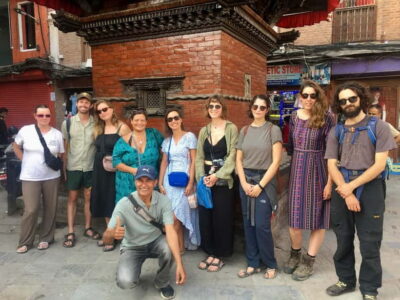
Because the group is private, the experience should feel more adaptable than a large scheduled walk. You can ask why a shrine matters, request clarification about a ritual, or spend time browsing the market without worrying about holding up a busload of people.
More Walking Tours in Kathmandu
- Kathmandu Food and Drink Walking Tour
★ 5.0 · 266 reviews - Kathmandu: Food and Drink Walking Tour
★ 4.9 · 119 reviews - Walking Street Food Tour in Kathmandu
★ 5.0 · 111 reviews
From Thamel to Ason in 30 minutes
The tour begins with hotel pickup, then takes you on foot from Thamel Marg toward Ason. The walk takes about 30 minutes, so your first task is simply getting your bearings and settling into Kathmandu’s street rhythm.
Ason is described as the city’s oldest and busiest market square. That makes it an excellent first major stop, although it also means you should expect noise, movement, and tight passageways. This is not a calm plaza designed for sightseeing. It is a working part of the city.
The appeal is precisely that combination. Spiritual life is not separated from commerce here. You may find yourself moving past market activity on the way to a shrine, then turning into a quieter lane where a temple has occupied the same space for generations.
I would treat Ason as a place to watch rather than rush through. Look at how people use the square, notice the contrast between shopfronts and sacred spaces, and stay close to the guide in crowded sections. If you want to buy local goods, this is also one of the tour’s designated shopping areas.
Seto Machhindranath and the shared sacred tradition
From Ason, the route continues toward Seto Machhindranath Temple. This is one of the most meaningful stops because the temple is revered by both Hindus and Buddhists.
The shrine is associated with compassion and good fortune, giving the visit a human focus beyond architecture. Your guide can help explain why different religious traditions honor the same sacred place and how that shared reverence fits into Kathmandu’s religious life.
You should dress modestly before arriving. Shorts are not allowed, and the general requirement is clothing suitable for entering sacred temples. Comfortable shoes matter too, since the route includes old lanes rather than smooth, open walkways.
Temple access can depend on local conditions, customs, or fees, but entrance fees are included where applicable. That removes one small worry during the walk. Still, you should approach each shrine respectfully, follow your guide’s instructions, and avoid treating active places of worship like photo sets.
Indrachok, where commerce and ceremony meet
The walk then heads into Indrachok, a lively market square with long-standing ties to trade and religious celebrations. Like Ason, Indrachok works best when you view it as a living city space rather than a museum stop.
This part of the tour gives you time for sightseeing and shopping. You may find local goods and daily necessities sold close to historic religious sites, but the available items are not specified, so keep your expectations open. The point is less about a guaranteed purchase and more about seeing how Kathmandu’s old commercial quarters still function.
I like this section because it breaks up the temple visits. Four and a half hours of shrines could feel repetitive, but Indrachok adds sound, movement, and ordinary city business to the route. It also helps you understand why these squares mattered in the first place: they were places where traders gathered and religious events drew people together.
A private guide is especially useful here. The streets can be busy, and you may want help locating the right temple entrance or understanding why a particular lane matters. You should also keep valuables secure and stay aware of your footing, since the tour description specifically warns of busy streets and narrow alleys.
A completely different way to spend the day:
- Everest Base Camp Trek – 14 Days
★ 5.0 · 1,499 reviews - Private Kathmandu Sightseeing Tour | UNESCO World Heritage sites
★ 5.0 · 756 reviews - Everest Base Camp Helicopter Tour landing at Everest View Hotel
★ 5.0 · 668 reviews - Half day cooking class in Thamel kathmandu
★ 5.0 · 607 reviews
Shankata Temple and prayers for protection
Shankata Temple is associated with protection from misfortune and obstacles. Devotees come with sincere prayers, so the atmosphere may feel more personal than ceremonial. The value of this stop lies in seeing how a temple functions for people today, not just learning when it was built.
This is where a good guide can make a real difference. A name on a map tells you very little. An explanation of the temple’s protective role helps you understand why people make the effort to visit and what they hope to receive from the act of prayer.
Because this is a working religious site, your visit may involve standing aside while worshippers continue their routines. That is a positive feature, but it requires patience. You are entering someone else’s sacred space, so modest dress and quiet behavior are part of the experience.
The tour is not presented as a formal religious pilgrimage for participants. It is a guided cultural and historical walk that follows a pilgrimage route through the city. If you are interested in religion, architecture, and everyday life, this combination offers more than a standard monument checklist.
Mahankal Temple, the final major shrine
The final named temple is Mahankal, dedicated to a fierce form of Lord Shiva. It is believed to protect Kathmandu and its people, giving the stop a strong connection with the city itself.
Mahankal provides a fitting close to the temple portion of the tour. Seto Machhindranath emphasizes compassion and good fortune. Shankata focuses on protection from misfortune and obstacles. Mahankal presents protection in a more powerful, forceful form. Together, the shrines show different ways people seek help, safety, and blessing.
You may find this section particularly interesting if you want religious context rather than only pretty courtyards. The tour’s central idea is that Kathmandu’s spiritual identity survives in its lanes, markets, and local shrines. Mahankal helps bring that idea into focus.
The supplied details do not give a precise visit time at each temple, so you should not expect a rigid minute-by-minute schedule. The main Kathmandu portion lasts about 3.5 hours, and the guide may balance temple visits, walking, free time, and shopping according to the day’s conditions.
Historical context beyond the temples
The route can include more than the four main pilgrimage sites. A description of the experience highlights a visit to an old imperial palace, where guide Ram explained the complicated history of Nepal’s monarchy.
That detail is worth noting because it adds political history to a tour otherwise centered on faith and markets. If Ram is your guide, you may get a stronger story about how Nepal’s royal past connects with the city’s older religious quarters. Guide availability is not guaranteed, but the named example shows the sort of historical explanation this experience can provide.
I would ask your guide early in the walk how the route will be handled that day. The stated plan includes Ason, Kathmandu’s central heritage areas, the temples, free time, shopping, and a return to Thamel. Extra historical stops may depend on timing and local access.
This flexibility is useful, but it also means the tour may feel less like a fixed attraction and more like a guided city walk. That is a benefit if you prefer conversation and local detail. It may frustrate you if you want every listed stop handled to a strict timetable.
What the $42 price includes
At $42 per person, this is not the cheapest way to wander Kathmandu. You are paying for four and a half hours of a private guided experience, hotel pickup, an English-speaking professional guide, temple entrance fees where applicable, market time, taxes, and service charges.
The value depends on how much context you want. You can walk through Ason or Indrachok on your own for no tour fee, but it is harder to understand the religious importance of the smaller shrines or know what you are seeing in a side lane. The private format also gives you personal attention that a large group cannot provide.
Meals and drinks are not included, and personal purchases are your responsibility. Since the walk lasts half a day, bring water or plan to buy a drink along the route. The exact meal arrangements are not provided, so do not book this expecting lunch to be part of the price.
For a first visit to Kathmandu, I consider the price reasonable if you value explanation and a focused route. If you already know the old city well and prefer wandering alone, the cost may feel less worthwhile.
Walking conditions and what to wear
This is a genuine walking tour, not a sightseeing drive with short stops. You spend about 30 minutes reaching Ason, several hours moving through the old city, and another 30 minutes returning to Thamel.
Wear comfortable shoes. The route includes narrow alleys and busy streets, and the tour is not suitable for people with mobility impairments. The information does not specify the surface conditions in detail, so practical footwear is the safest choice.
Modest clothing is required inside the temples, and shorts are not allowed. Loose, comfortable clothes that cover your shoulders and knees are the sensible choice. Dress appropriately from the start, since changing clothes during a market and temple walk would be inconvenient.
The walk may be demanding in a small way, even if you are generally active. Crowds, stops, uneven movement, and the length of the outing can make four and a half hours feel longer than the number suggests. If you need frequent rest breaks, discuss that with your private guide at the beginning.
Who will enjoy this experience most
I would recommend this walk to you if you want to understand Kathmandu through local religious places rather than only its major tourist sights. It suits first-time visitors who want an introduction to Ason, Indrachok, and the old lanes, as well as returning visitors looking for a different side of the city.
It is also a good fit if you enjoy asking questions. The private group format is made for conversation, and a guide such as Ram can add useful background on Nepal’s monarchy as well as religious customs.
You may want to skip it if you dislike walking in crowded urban areas, need step-free access, or want a relaxed tour with plenty of sitting. You should also reconsider if you are unwilling to follow temple dress rules. Sacred sites come first here, and that means adapting to local customs.
The tour works especially well early in a Kathmandu stay. It can help you understand the old city before you return on your own, and you may recognize the connections between markets, shrines, and historic lanes later in your trip.
Should you book the Kathmandu pilgrimage walk?
Book it if you want a private, guide-led look at Kathmandu’s religious life, and if four and a half hours on foot sounds manageable. The combination of Ason, Seto Machhindranath, Indrachok, Shankata, and Mahankal gives you a broad picture of how worship and commerce share the old city.
The strongest reasons to book are the private format, the local English-speaking guide, and the focus on sites that can be easy to miss. The main cautions are the walking demands, crowded lanes, modest dress rules, and the fact that food and drinks are extra.
At $42, I see solid value for a half-day private introduction, particularly if your guide provides the kind of historical explanation associated with Ram, including the old imperial palace and Nepal’s monarchy. Choose this tour for context and local texture, not for polished access or a leisurely pace.
FAQ
How long does the walking tour last?
The tour lasts 4.5 hours. The plan includes about 30 minutes walking from Thamel Marg to Ason, 3.5 hours visiting Kathmandu’s historic areas, and about 30 minutes walking back to Thamel Marg.
Where does the tour begin and end?
The stated starting and return point is Thamel Marg. Hotel pickup is provided.
Is the tour private?
Yes. The activity is offered for a private group rather than a shared group.
What language does the guide speak?
The live guide speaks English.
What should I wear?
Wear comfortable clothes and shoes. Modest dress is required when entering sacred temples, and shorts are not allowed.
Are temple entrance fees included?
Entrance fees are included where applicable.
Is the tour suitable for people with mobility impairments?
No. The tour includes narrow alleys and busy streets and is not suitable for people with mobility impairments.
New in the Kathmandu listings
- Traditional Momo Making Class★ 5.0 · 10 reviews
- Kathmandu: Ancient City Kirtipur & Pharping Monastery Tour★ 5.0 · 2 reviews
- Kathmandu to Pokhara Premium sofa bus ticket★ 4.0 · 17 reviews
- Women Empowerment Project(Nepali cooking class & jewelry workshop★ 5.0 · 15 reviews
- Yoga Experience Day Trip with Private Transfer From Kathmandu★ 4.0 · 2 reviews
- 7-Day Langtang Valley Trek from Kathmandu★ 5.0 · 1 review
- Kathmandu 2 Nights 3 Days Chitwan Jungle Safari Tour★ 5.0 · 9 reviews
- Wildlife Adventure in Chitwan Nepal★ 4.0 · 4 reviews
Walking Tours, compared.


Walking Food Tour in Hidden Local Eateries of Kathmandu
Read our review →
Old Kathmandu Walking Tour, Historic World Heritage Durbar Square
Read our review →
Browse the lists this tour appears in