
REVIEW · WALKING TOURS
Kathmandu Walking Tour
Kathmandu reveals itself on foot. This four-hour walk takes you from the city’s old market lanes to Kathmandu Durbar Square and up to Swayambhunath, giving you a useful first look at daily life, religion, and the city’s past. I especially like the route’s mix of ordinary streets and major sights, plus the chance to see Kathmandu from a hilltop rather than only from street level. The small group, limited to 10 people, also gives the guide room to answer questions.
I like the visit to Ason, where the city feels practical and lived-in rather than arranged for sightseeing. I also like the guides’ strong reputation for explaining local customs, shrines, religion, and history in clear English. Guides named in past feedback include Shankar Bhattarai and Madan Sakota. The main drawback is that four hours is a brisk stretch for so many stops, and the walk may feel demanding if you dislike hills, uneven streets, or crowded urban routes.
In This Review
- Key Points to Know Before You Book
- Why This Four-Hour Walk Works Well in Kathmandu
- Ason Market: Start With Kathmandu’s Daily Rhythm
- Kathmandu Durbar Square: Temples, Palaces, and Sacred Spaces
- Freak Street and the Hippy-Era Connection
- Swayambhunath: The Hilltop Finish
- What the Guide Adds to the Experience
- Practical Details That Affect the Value
- Who Should Book This Kathmandu Walk?
- Should You Book the Kathmandu Walking Tour?
- FAQ
- How long does the Kathmandu Walking Tour last?
- What sites does the tour visit?
- Does the tour visit UNESCO World Heritage Sites?
- Is hotel pickup included?
- Are entrance fees included in the price?
- Is transportation included after Swayambhunath?
- What language is the tour offered in?
Key Points to Know Before You Book
- Ason is the opening scene: You begin at Kathmandu’s oldest market area, passing shops, squares, temples, and local activity.
- Two UNESCO World Heritage Sites are included: The route visits Kathmandu Durbar Square and Swayambhunath.
- Swayambhunath supplies the big view: The hilltop site offers a panoramic look across the Kathmandu Valley.
- Freak Street adds recent cultural history: This famous junction was linked with Kathmandu’s hippy era.
- The group stays small: No more than 10 participants join the English-language tour.
- The $30 price covers guidance and water: Monument entrance fees and taxis are extra, so carry cash.
Why This Four-Hour Walk Works Well in Kathmandu
Kathmandu can feel confusing at first. Streets narrow without warning, old courtyards appear behind shopfronts, and temples turn up in places you might otherwise hurry past. A walking tour gives these details some order without reducing the city to a list of famous buildings.
This route is useful because it connects several parts of Kathmandu that are easy to visit separately but more meaningful together. You begin in an active market, move into the historic core, pause at Freak Street, then finish at a hilltop religious site. You see the city as a place where shopping, worship, history, and ordinary errands happen side by side.
The tour is priced at $30 per person. That is a fair amount if you want a guide to explain what you are seeing and help you move through the city’s busy central areas. Mineral water is included, and the small group helps keep the outing personal. Still, the price does not include monument entrance fees or any taxi ride, so your final cost will be higher if you use transport after Swayambhunath or pay admission at the historic sites.
The walk lasts four hours, with a hotel pickup included for hotels in the Thamel area. That makes it a handy first or second activity in Kathmandu. You should not treat it as a relaxed stroll, though. The schedule covers markets, squares, temples, two major heritage sites, and a hilltop viewpoint in one morning or afternoon.
More Walking Tours in Kathmandu
- Kathmandu Food and Drink Walking Tour
★ 5.0 · 266 reviews - Kathmandu: Food and Drink Walking Tour
★ 4.9 · 119 reviews - Walking Street Food Tour in Kathmandu
★ 5.0 · 111 reviews
Ason Market: Start With Kathmandu’s Daily Rhythm
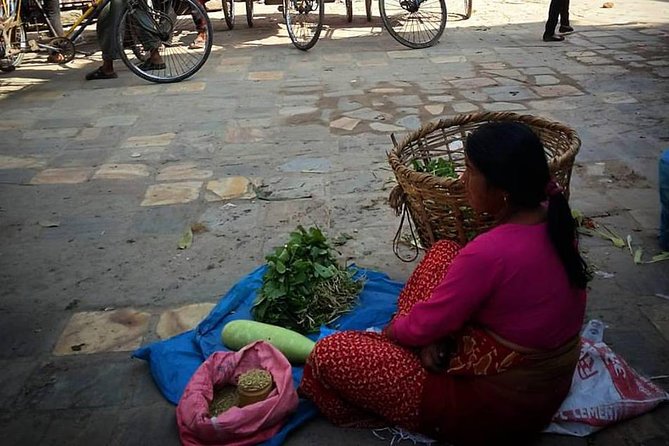
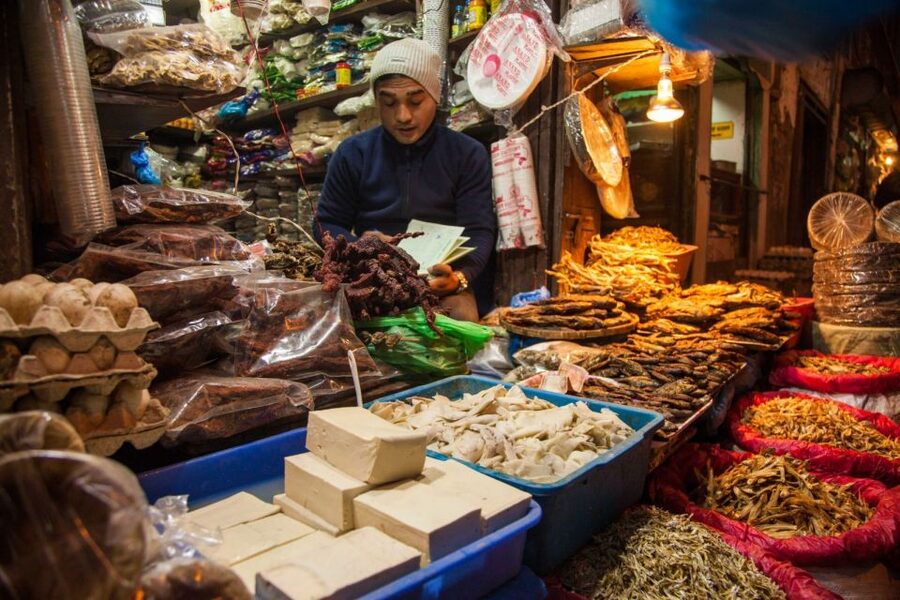
The tour begins on foot from your Thamel-area hotel and heads toward Ason, described as the oldest market place in Kathmandu. This is a strong opening because it puts you among the city’s daily routines before moving on to grand monuments.
You will pass busy streets, shops, squares, and old temples. The point is not simply to reach Ason and leave. The walk gives you a chance to notice how religious spaces fit into commercial streets and how old buildings share room with modern businesses.
Ason is especially valuable if you want more than a postcard view of Kathmandu. Here, the city is presented through movement and activity. Your guide can help explain what you are seeing, answer questions, and point out details you might otherwise miss while trying to navigate.
This part may be the least comfortable for anyone who prefers quiet paths. The streets are busy, and you will need to stay alert around other pedestrians and traffic. Wear comfortable shoes, keep your belongings secure, and do not expect the tidy spacing of a sightseeing district.
The strongest comments about this tour focus on the guides’ explanations. One guide was praised for giving clear information about Kathmandu, Nepal’s religions, and everyday life. Another, Madan Sakota, was remembered for explaining the city’s history, cultures, and shrines in a way that helped make Kathmandu easier to understand. That kind of interpretation is most useful here, where the details are plentiful but not always obvious.
Kathmandu Durbar Square: Temples, Palaces, and Sacred Spaces
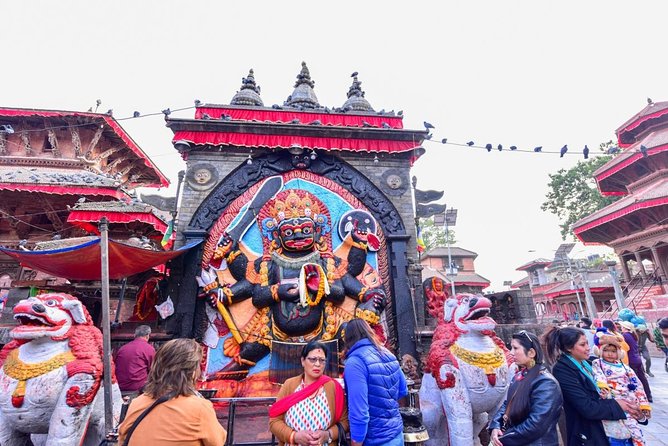
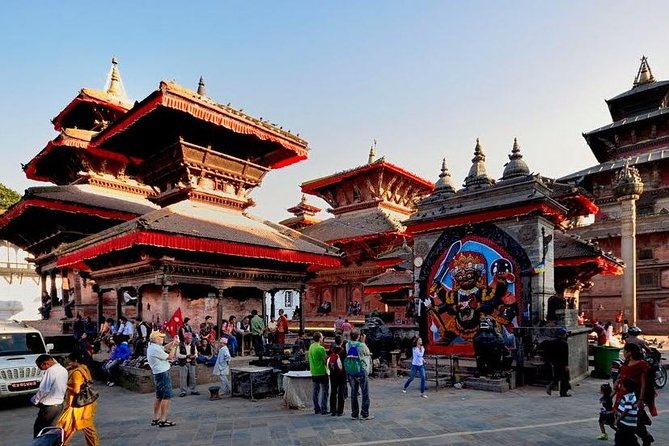
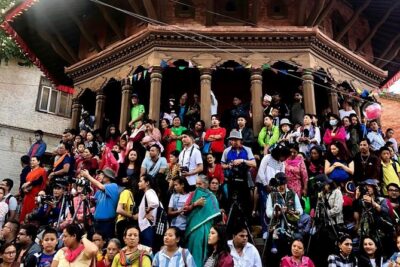
From Ason, the route continues to Kathmandu Durbar Square, one of the city’s two UNESCO World Heritage Sites on this tour. This was an important historical and religious center, with temples, palaces, and shrines gathered around its public spaces.
The square gives you the clearest look at Kathmandu’s royal and religious past. Rather than seeing one isolated monument, you move through a group of connected buildings and sacred places. Your guide’s role matters here because the square can otherwise become a fast circuit of impressive facades with little sense of how the spaces relate to one another.
Expect time to walk, pause, and listen rather than simply take photographs. The guide can provide context for the buildings and religious sites, while you get a chance to ask about customs and local traditions. Past comments repeatedly praise the English-language guides for being friendly, clear, and generous with information.
The tour includes access to the site in the sense that it takes you there, but monument entrance fees are not included in the $30 price. Carry cash for this and other possible expenses. The exact admission amount is not provided, so you should check locally or at booking time if you need to plan every rupee.
Kathmandu Durbar Square also requires realistic expectations. It is a working part of the city, not a silent museum. You may find street activity, people moving through the area, and distractions around the historic buildings. That is part of its appeal, but it can make a guide-led visit more valuable than wandering alone.
Freak Street and the Hippy-Era Connection
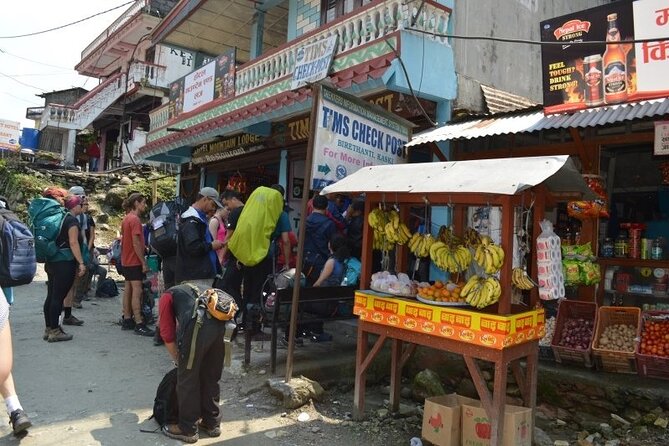
After the square, the walk continues to nearby Freak Street, described as the most popular junction during Kathmandu’s hippy era. This adds a different layer to the route.
The old market and Durbar Square show Kathmandu’s long religious and royal traditions. Freak Street brings in a more recent chapter, when the area became associated with international hippy culture. It is a short stop in the larger itinerary, but it helps show that Kathmandu’s identity was shaped by more than ancient temples.
I like this part because it breaks up the monument-heavy middle of the tour. You are not only moving from one sacred building to another. You are also seeing how the city became part of a wider cultural route in the twentieth century.
Do not expect a full museum-style presentation on the hippy era. The supplied details describe Freak Street as a junction and historical point within the route, not as a separate attraction with a long visit. Its value comes from the guide’s explanation and from seeing it in relation to Durbar Square and the surrounding streets.
A completely different way to spend the day:
- Everest Base Camp Trek – 14 Days
★ 5.0 · 1,499 reviews - Private Kathmandu Sightseeing Tour | UNESCO World Heritage sites
★ 5.0 · 756 reviews - Everest Base Camp Helicopter Tour landing at Everest View Hotel
★ 5.0 · 668 reviews - Half day cooking class in Thamel kathmandu
★ 5.0 · 607 reviews
Swayambhunath: The Hilltop Finish
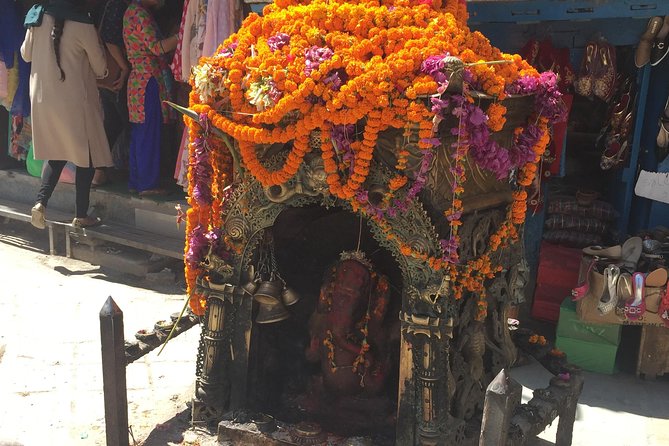
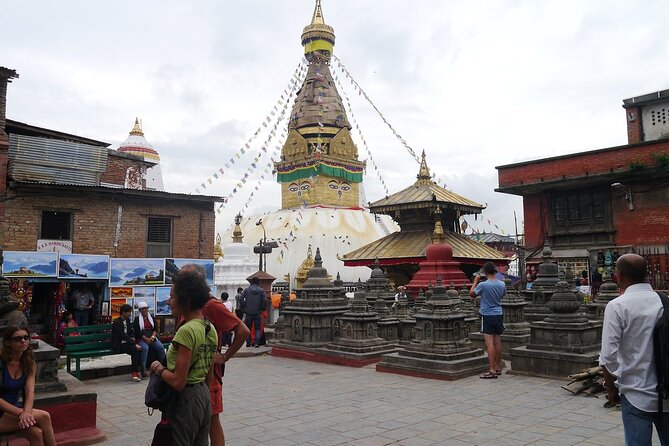
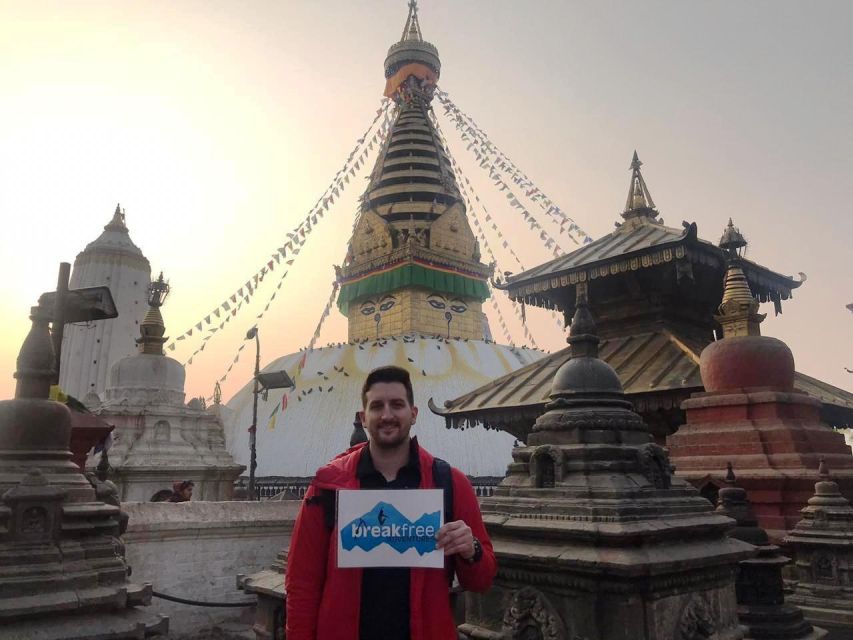
The final major stop is Swayambhunath, also known as the Monkey Temple, another UNESCO World Heritage Site. It sits on a hill above Kathmandu and provides the tour’s most dramatic change in setting.
The main reward is the panoramic view of the Kathmandu Valley. After walking through market lanes and dense historic streets, you reach a place where the city opens out below you. This viewpoint helps you understand Kathmandu’s size and setting in a way that street-level sightseeing cannot.
Swayambhunath is also a religious site with temples and shrines, so the stop is not only about photography. Your guide can explain the religious importance of the place and help you understand the symbols and practices you encounter. That context was one of the most praised elements of the experience, with high ratings often tied to clear explanations of Nepal’s religions and local life.
The hill is the tour’s biggest physical challenge. The experience is not suitable for wheelchair users, and pregnant women are advised not to join. Even if you are generally fit, comfortable shoes are important. You should also bring cash and a passport or ID card, both listed among the recommended items.
After Swayambhunath, you can walk back to Thamel or take a taxi. The taxi is not included, so you pay for it yourself. This choice matters when planning your day. A walk back extends the physical effort beyond the stated four-hour route, while a taxi gives you a quicker finish but adds to the cost.
What the Guide Adds to the Experience
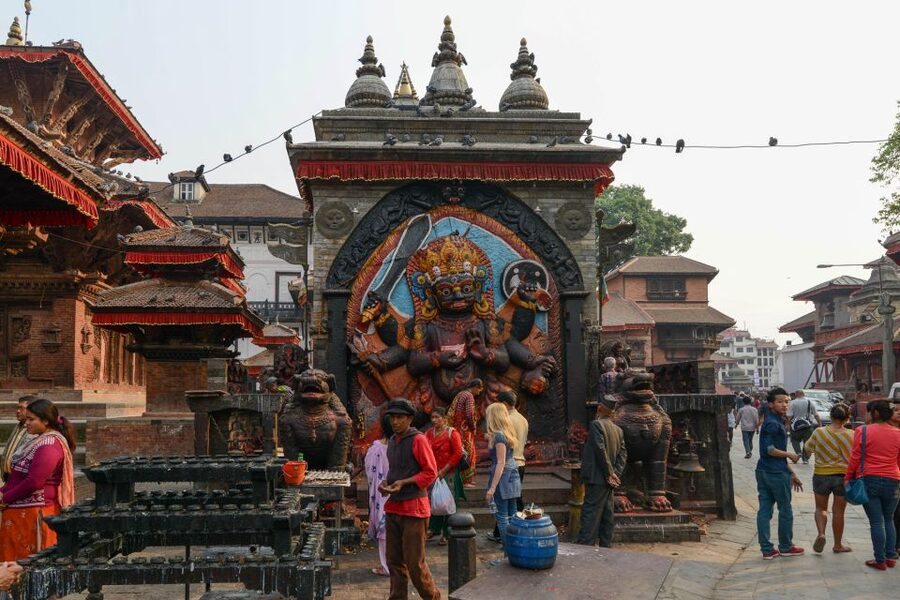
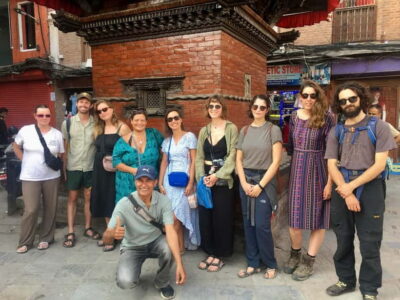
The route is good, but the guide is what turns it into a useful introduction to Kathmandu. The group is limited to 10 participants, and the tour is offered in English with a live guide. That size should make it easier to hear explanations and ask questions than on a large coach excursion.
Past ratings are strong overall at 4.3 out of 5 from 15 reviews, though the experience is not universally loved. Several five-star comments praise guides for being friendly, punctual, and well informed. Shankar Bhattarai was specifically praised for his storytelling and broad understanding, while Madan Sakota was praised for answering questions and explaining the city’s culture and shrines.
One guide was also reported to collect a participant on time and return that person to the hotel. Hotel pickup is part of the stated arrangement for hotels in the Thamel area, but you should provide the hotel name when booking so the meeting point is clear.
There is one sharply negative rating among the available feedback, saying the visit had little interest. That is worth taking seriously. If you already know Kathmandu’s main monuments, dislike guided explanations, or prefer to set your own pace, the fixed route may feel ordinary. The tour works best when you want orientation and context, not when you want an obscure or highly specialized walk.
Practical Details That Affect the Value
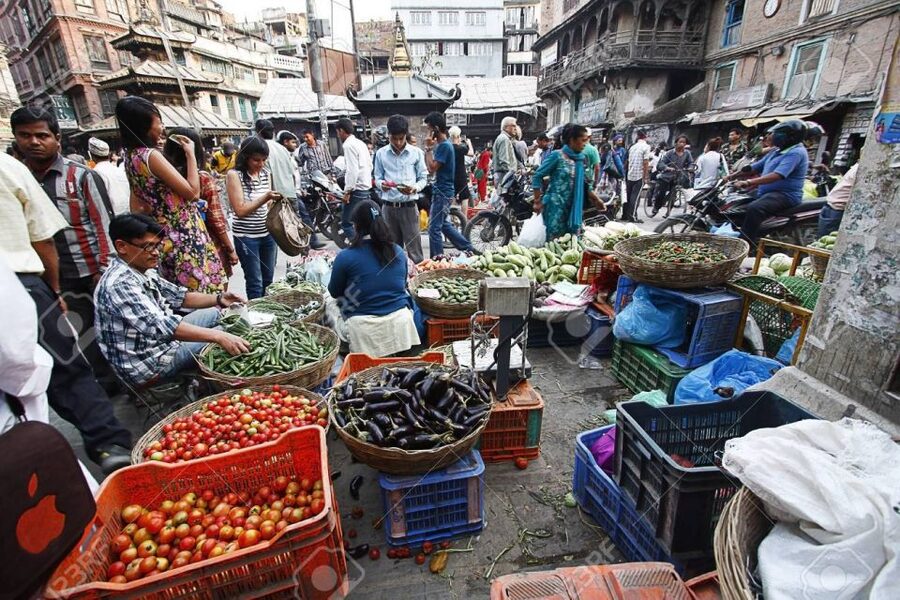
The experience includes an English-speaking guide and mineral water. It does not include monument fees, taxi transfers, or other personal costs. Pickup is included only from hotels in the Thamel area, so you should not assume transport from elsewhere in Kathmandu.
You can reserve now and pay later, which helps if you are still arranging your Nepal itinerary. Free cancellation is available up to 24 hours before the start time for a full refund. Starting times vary, so you need to check availability for your chosen date.
Bring:
- A passport or ID card
- Comfortable shoes
- Cash
- The name of your Thamel-area hotel
The tour is not suitable for wheelchair users or pregnant women. The route includes busy streets and a hilltop site, so the physical demands are not just a technical footnote. If you want an easier introduction, you may prefer visiting fewer sites at your own pace.
Who Should Book This Kathmandu Walk?
I would recommend this tour to first-time visitors who want a structured introduction to Kathmandu. It is especially useful if you want local explanations of religion, shrines, history, and daily routines rather than simply a driver dropping you at major sights.
It also suits solo visitors and couples who like small groups. A maximum of 10 people gives you a better chance to ask questions, and the hotel pickup removes some of the stress of finding the starting point.
You should think twice if you want a slow day. Four hours is not long for Ason, Kathmandu Durbar Square, Freak Street, and Swayambhunath. You will get a broad introduction, but not unlimited time at each place.
Should You Book the Kathmandu Walking Tour?
Book it if you want to understand Kathmandu quickly, see two UNESCO World Heritage Sites, and hear practical explanations from an English-speaking local guide. The best reasons are the route’s variety, the hilltop view from Swayambhunath, and the strong record of guides such as Shankar Bhattarai and Madan Sakota.
Skip it if you already know the city, dislike busy walking routes, or want entrance fees and transport bundled into one price. At $30, it is good value for a guided four-hour orientation, but you should budget extra for monuments and possibly a taxi back from Swayambhunath.
FAQ
How long does the Kathmandu Walking Tour last?
The tour lasts four hours.
What sites does the tour visit?
The route includes Ason market, Kathmandu Durbar Square, Freak Street, and Swayambhunath, also called the Monkey Temple.
Does the tour visit UNESCO World Heritage Sites?
Yes. It visits Kathmandu Durbar Square and Swayambhunath, both UNESCO World Heritage Sites.
Is hotel pickup included?
Pickup is included from hotels in the Thamel area. You need to provide your hotel name when booking.
Are entrance fees included in the price?
No. Monument entrance fees are not included.
Is transportation included after Swayambhunath?
No. You can walk back to Thamel or take a taxi, but any taxi cost is your responsibility.
What language is the tour offered in?
The tour is offered in English with a live tour guide.
New in the Kathmandu listings
- Traditional Momo Making Class★ 5.0 · 10 reviews
- Kathmandu: Ancient City Kirtipur & Pharping Monastery Tour★ 5.0 · 2 reviews
- Kathmandu to Pokhara Premium sofa bus ticket★ 4.0 · 17 reviews
- Women Empowerment Project(Nepali cooking class & jewelry workshop★ 5.0 · 15 reviews
- 7-Day Langtang Valley Trek from Kathmandu★ 5.0 · 1 review
- Kathmandu 2 Nights 3 Days Chitwan Jungle Safari Tour★ 5.0 · 9 reviews
- Yoga Experience Day Trip with Private Transfer From Kathmandu★ 4.0 · 2 reviews
- Wildlife Adventure in Chitwan Nepal★ 4.0 · 4 reviews
Walking Tours, compared.


Walking Food Tour in Hidden Local Eateries of Kathmandu
Read our review →
Old Kathmandu Walking Tour, Historic World Heritage Durbar Square
Read our review →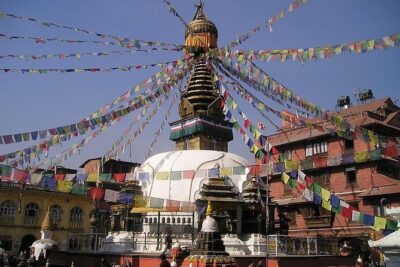
Browse the lists this tour appears in