REVIEW · KATHMANDU TOURS
Mera Peak Climbing
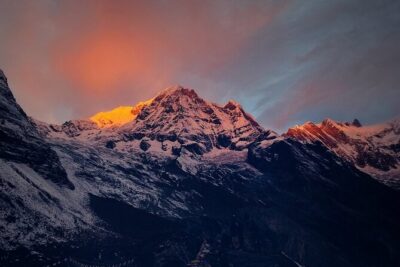
The summit is only half the story. Mera Peak climbing combines a long Himalayan trek, remote Hinku and Hongu valley scenery, highland Sherpa culture, and a summit attempt on Nepal’s highest permitted trekking peak south of Everest. At about $3,000 per person, the 18-day program offers a substantial package for a demanding high-altitude trip.
I like the wide mountain views, including Everest, Lhotse, Makalu, Cho Oyu, and Kanchenjunga. I also like the practical support: permits, experienced climbing staff, food, accommodation, and necessary climbing gear are included. The main caution is simple: this is not a casual walk. You need strong physical fitness, patience with weather delays, and a serious attitude toward altitude sickness.
The operation has received a 5 rating from 33 published ratings, with 100 percent recommending it. Past climbs have involved guides and Sherpa staff such as Dandee, Dende, Sonam Sherpa, Samdu, Ming-ma, and Gelchen Sherpa. Names can vary by departure, but the repeated praise centers on communication, safety decisions, and help when weather or health problems disrupt the plan.
In This Review
- Six things to know before booking Mera Peak
- Why Mera Peak is a major step up from trekking
- The 18-day format gives your body time
- Kathmandu is more than an airport transfer
- Hinku and Hongu valleys bring the remote feeling
- Sherpa culture adds meaning to the route
- The summit day demands patience and judgment
- What the $3,000 price really covers
- Who should book this climb
- Booking details and cancellation terms
- Should you book Mera Peak Climbing?
- FAQ
- Where does Mera Peak Climbing begin?
- How long does the experience last?
- What is the price?
- What accommodation is included?
- Are Mera Peak permits included?
- Is climbing equipment provided?
- What fitness level is required?
- Can I cancel for a full refund?
Six things to know before booking Mera Peak
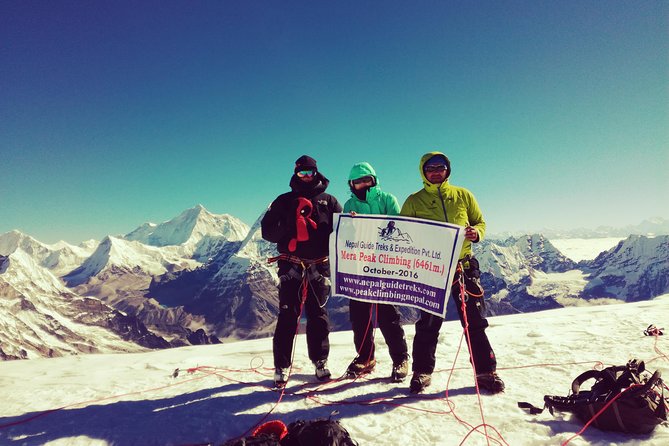
- Mera Peak reaches roughly 6,000 meters, making this a real Himalayan climbing trip rather than an ordinary trekking holiday.
- The summit views include several 8,000-meter peaks, among them Everest, Lhotse, Makalu, Cho Oyu, and Kanchenjunga.
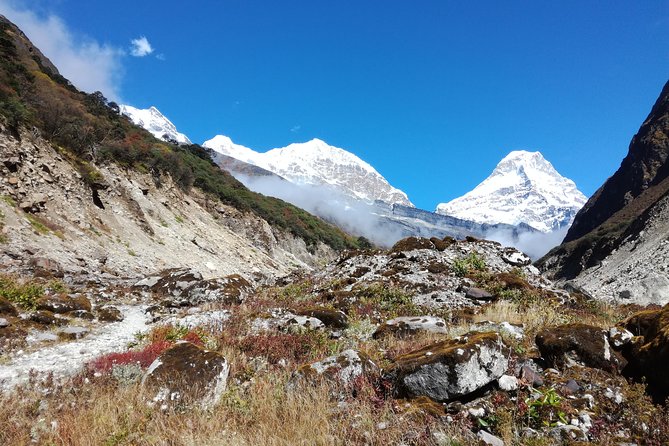
- The route explores the remote Hinku and Hongu valleys, areas described as wild, beautiful, and uninhabited.
- Tea-house and camping accommodation are combined, so you should expect a mix of simple facilities and more basic mountain living.
- Climbing permits and necessary climbing gear are included, but personal climbing equipment and personal expenses are not.
- The group limit is 15 people, a useful size for a technical trip where guide attention matters.
Why Mera Peak is a major step up from trekking
Mera Peak is officially Nepal’s highest permitted trekking peak south of Mount Everest. That label can sound reassuring, but it should not fool you into thinking the climb is easy. The itinerary lasts about 18 days, and the altitude, cold, long walking days, and summit work demand far more than a standard trek.
You need strong physical fitness before arrival. The supplied advice also takes altitude seriously: drink 2 to 3 liters of lukewarm water each day, avoid alcohol and smoking, eat light food that is high in calories, and add ginger and garlic to meals. These are practical habits, not decoration for a brochure.
You are also told to speak with your guide about your condition, consult a doctor if one is available, and descend if symptoms do not improve after acclimatization. Severe sickness calls for immediate descent. Diamox pills and a Gamow bag are mentioned as possible altitude tools, but you should not treat either as a substitute for medical advice or a safe descent plan.
The strongest point here is that the trip does not treat the summit as the only goal. Several accounts describe guides making difficult calls when snowstorms, closed passes, stomach illness, and poor weather changed the plan. One planned Mera Peak and Amphu Laptsa Pass combination could not continue because heavy snow closed the pass. The route was adjusted instead of forcing the original schedule.
A short list of alternatives around Kathmandu
- Everest Base Camp Trek – 14 Days
★ 5.0 · 1,499 reviews - Private Kathmandu Sightseeing Tour | UNESCO World Heritage sites
★ 5.0 · 756 reviews - Everest Base Camp Helicopter Tour landing at Everest View Hotel
★ 5.0 · 668 reviews
The 18-day format gives your body time
The program is listed as approximately 18 days, 2 hours, and 5 minutes. That unusually exact duration is probably a booking-system estimate, but the important point is the length: you are not being rushed from Kathmandu to the summit in a few days.
Four nights in Kathmandu are included on a bed-and-breakfast plan. This gives you time at the start and end of the trip for arrival, preparation, and recovery. It also reduces the pressure created by international flight delays, though international airfare and departure taxes remain your responsibility.
The rest of the schedule combines trekking and climbing. The available itinerary information identifies Nepal Guide Treks and Expedition as the central stop, with the trip beginning at Tribhuvan International Airport in Kathmandu. It does not provide a full day-by-day list of villages, camps, walking hours, or summit dates. I would ask for that detailed schedule before paying, especially if you need to plan flights, insurance, or extra time in Nepal.
An 18-day structure is useful because altitude cannot be negotiated with optimism. Your body needs time to adjust, and weather can delay flights, trekking days, or summit attempts. Several accounts describe delays and route changes being handled with new solutions, which is valuable on a trip where a rigid timetable can become a safety problem.
Kathmandu is more than an airport transfer
Your trip begins at Tribhuvan Airport, and pickup is offered. That small convenience matters after a long international flight, especially if this is your first visit to Nepal and you are arriving with climbing bags.
The four included Kathmandu nights use a bed-and-breakfast plan. The information does not name the hotel, so you should confirm its location and standard if those details matter to you. Breakfast gives you a simple base, while lunches, dinners, drinks, and personal spending may need separate budgeting unless your operator confirms otherwise.
Kathmandu is also your practical preparation point. Use this time to check clothing, personal climbing equipment, medication, insurance, and any missing items. The company supplies necessary climbing gear, but personal climbing gear is excluded. Ask exactly what belongs in each category before departure. A vague understanding here can create an expensive scramble before the mountain section begins.
Hinku and Hongu valleys bring the remote feeling
The appeal of this route is not just the summit. The trip moves through the Hinku and Hongu valleys, described as wild, beautiful, and uninhabited. That setting gives the climb a more remote character than a straightforward approach through heavily used trekking corridors.
You should expect simple conditions and fewer comforts as the route moves higher. Tea-house and camping accommodation are combined, which means your nights may alternate between basic lodges and tented camps. The arrangement offers practical flexibility, but it is not a luxury trek.
I like this combination because it fits the character of the journey. Tea houses can provide a roof and a local meeting point, while camping allows the route to reach more isolated areas. The tradeoff is that you should be comfortable with limited facilities, basic meals, and a less predictable daily rhythm.
Food is included during the trek and climb, but the information does not provide menus. You are advised to eat light, calorie-rich food and keep drinking water. If you have dietary restrictions, discuss them before arrival rather than assuming the mountain team can meet every request.
A completely different way to spend the day:
- Half day cooking class in Thamel kathmandu
★ 5.0 · 607 reviews - Everest Base Camp Trekking
★ 5.0 · 485 reviews - Nagarkot Sunrise View and Day Hiking from Kathmandu
★ 5.0 · 471 reviews - Kathmandu: Full Day 7 UNESCO Tour with Lunch – Private/Group
★ 5.0 · 415 reviews
Sherpa culture adds meaning to the route
The experience includes contact with highland Sherpa communities and their traditions. This is an important part of the trip because the people who live and work in these valleys are not simply background scenery for a summit attempt.
Your guide and porters shape much of the experience. Names connected with past departures include Dandee, Dende, Sonam Sherpa, Samdu, Ming-ma, and Gelchen Sherpa. Accounts describe them as supportive companions who helped with logistics, health concerns, weather problems, and route changes.
The praise is especially strong for communication before and during the trip. Prakash Devkota, the company owner, is repeatedly described as responsive and reachable, including through WhatsApp before departure. That kind of contact is useful when you need clear answers about equipment, flight problems, or changes to your plans.
Still, guide quality can vary by departure. Ask who will lead your group, how much climbing experience that person has on Mera Peak, and how many climbers each guide will supervise. The maximum group size is 15, but that does not tell you the exact guide-to-client ratio.
The summit day demands patience and judgment
The high point of the trip is the Mera Peak summit attempt. The supplied information does not provide the exact summit-day start time, route condition, rope setup, or climbing grade. Those are important details to request directly.
You can expect the summit section to require more than strong legs. Cold, thin air, changing weather, and the need to use climbing equipment all affect the day. Your guide’s judgment matters as much as your own ambition.
Several experiences underline this point. One group succeeded despite very poor weather, while another had to change plans because a pass was closed by heavy snow. A separate account describes a climber in the group becoming ill and the guide making a decision based on the person’s condition and ability. These examples show why you should value a safe, flexible plan more than a guaranteed summit promise.
A successful summit is never certain in the Himalayas. Weather can turn, snow can close routes, and altitude can affect a fit person without warning. The right operator should be willing to turn around, and this company’s strongest praise comes from making those hard decisions while still working to preserve the wider trip.
What the $3,000 price really covers
At $3,000 per person, the cost is not small, but it covers several items that would otherwise add up quickly:
- Four nights in Kathmandu with bed and breakfast
- Mera Peak climbing permits
- Tea-house and camping food and accommodation during the trek
- An experienced trekking and climbing guide
- Necessary climbing gear
- Pickup from the airport
The value is strongest if you need an organized package. Permits, mountain food, accommodation, guides, and gear are not minor details, and managing them independently would require time and local contacts.
The price does not include international flights, departure tax, personal climbing gear, personal expenses, or tips for guides and porters. You should also ask about drinks, extra nights caused by delays, insurance, emergency evacuation, and any domestic transportation not clearly listed. Those costs are not specified here, so do not assume they are covered.
For an 18-day high-altitude program with climbing support, the package appears reasonably structured. Its value depends on what the phrase necessary climbing gear means in practice. Request a written equipment list. You may still need personal boots, clothing, gloves, headwear, and other items even when technical group equipment is supplied.
Who should book this climb
I would consider this trip if you already have strong fitness, want a serious Himalayan goal, and prefer having permits, food, accommodation, and guides arranged in one package. It also suits you if you want a remote valley experience and Sherpa cultural contact rather than a quick summit project.
It is a good match for solo visitors who want logistical support. One solo female climber described choosing the company because she wanted to feel safe and avoid handling every detail alone. The group limit of 15 also keeps the operation from becoming a giant expedition.
You should think twice if you dislike basic accommodation, cannot handle long days at altitude, or need a fixed schedule with no room for weather changes. The tour is for adults only, with a minimum age of 18, and a strong physical fitness level is required.
You should also be honest about health. Drinking water, rest, and medication may help with mild symptoms, but the instructions clearly say to descend if a condition worsens or fails to improve. A summit attempt is never worth hiding symptoms.
Booking details and cancellation terms
Confirmation is provided at booking. Pickup is offered from Tribhuvan Airport, and the stated operating hours are Monday through Sunday from 9:45 AM to 6:15 PM, for the period listed from November 21, 2022, through December 9, 2026.
The activity accepts a maximum of 15 people and is near public transportation. Free cancellation is available if you cancel at least 24 hours before the local start time. A cancellation made less than 24 hours ahead, or changes made inside that window, are not accepted for a refund.
The mobile ticket is useful for keeping confirmation details accessible, but it does not replace careful preparation. Save the company contact information, confirm the meeting arrangement, and get the full equipment and itinerary details before you fly.
Should you book Mera Peak Climbing?
Book it if you want an organized, high-altitude challenge with a long approach, remote valleys, Sherpa cultural contact, and some of the finest mountain views in Nepal. The strongest reasons to choose it are the included permits and support, the flexible response to bad weather, and the repeated praise for communication from Prakash Devkota and the mountain staff.
Do not book it simply because Mera Peak is described as a trekking peak. At roughly 6,000 meters, it is a serious climb. Confirm the guide assignment, equipment list, detailed day-by-day plan, emergency arrangements, and all excluded costs before committing.
If you are fit, prepared, and willing to accept that the summit may depend on conditions, this trip offers strong value. Its real success is not just reaching the top. It is having a team that knows when to push, when to adapt, and when to descend.
FAQ
Where does Mera Peak Climbing begin?
The trip begins at Tribhuvan Airport in Kathmandu, Nepal. Pickup is offered.
How long does the experience last?
The stated duration is approximately 18 days, 2 hours, and 5 minutes.
What is the price?
The listed price is $3,000 per person.
What accommodation is included?
The package includes four nights in Kathmandu with a bed-and-breakfast plan. During the trek and climb, it includes a combination of tea-house and camping accommodation.
Are Mera Peak permits included?
Yes. Climbing permits for Mera Peak are included.
Is climbing equipment provided?
The package includes necessary climbing gear. Personal climbing gear is not included, so you should request a detailed equipment list before departure.
What fitness level is required?
You need a strong physical fitness level. The minimum age is 18.
Can I cancel for a full refund?
Yes, if you cancel at least 24 hours before the experience start time. Cancellations or changes made less than 24 hours before the local start time are not eligible for a refund.
New in the Kathmandu listings
- Traditional Momo Making Class★ 5.0 · 10 reviews
- Kathmandu: Ancient City Kirtipur & Pharping Monastery Tour★ 5.0 · 2 reviews
- Kathmandu to Pokhara Premium sofa bus ticket★ 4.0 · 17 reviews
- Women Empowerment Project(Nepali cooking class & jewelry workshop★ 5.0 · 15 reviews
- 7-Day Langtang Valley Trek from Kathmandu★ 5.0 · 1 review
- Kathmandu 2 Nights 3 Days Chitwan Jungle Safari Tour★ 5.0 · 9 reviews
- Yoga Experience Day Trip with Private Transfer From Kathmandu★ 4.0 · 2 reviews
- Wildlife Adventure in Chitwan Nepal★ 4.0 · 4 reviews
Kathmandu Tours, compared.
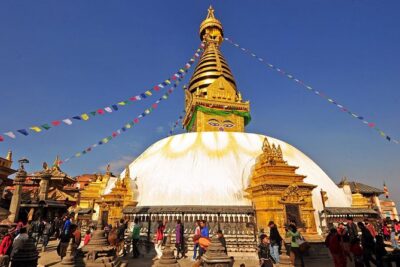
Private Kathmandu Sightseeing Tour | UNESCO World Heritage sites
Read our review →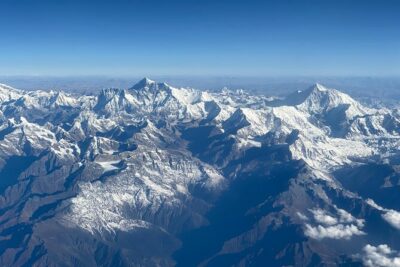
Everest Base Camp Helicopter Tour landing at Everest View Hotel
Read our review →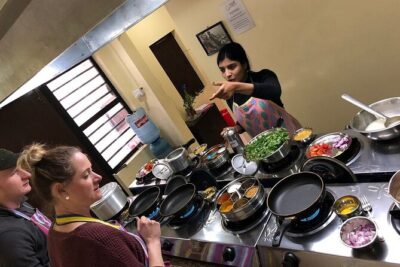
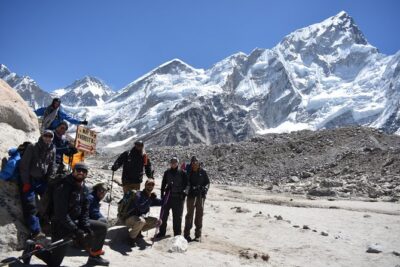
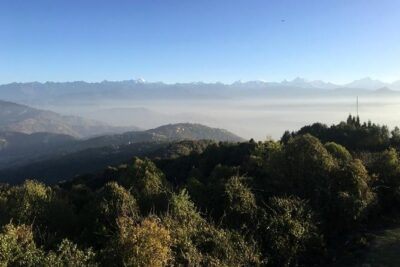
Nagarkot Sunrise View and Day Hiking from Kathmandu
Read our review →
Full Day 7 UNESCO Tour with Lunch – Private/Group
Read our review →