
REVIEW · COOKING CLASSES
Kathmandu: Local Women-Lead Nepali Cooking & Momo Class
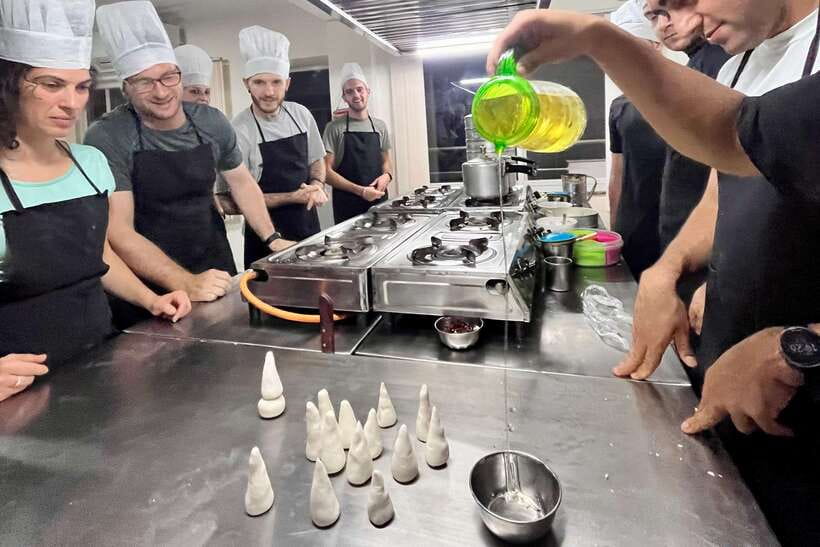
Momos are better when you make them. This Kathmandu class takes you from a nearby market to a working kitchen, where a local chef guides you through momo and dal bhat before you sit down to eat what you prepared. I like the market stop, which gives the meal a real connection to daily life, and the small groups, limited to 10 people, which allow for useful hands-on help. One thing to confirm before booking is the exact menu, since the group may choose the dishes together rather than automatically making every advertised option.
The class is also unusually good value at $5 per person, especially with equipment, ingredients, food tasting, and masala tea included. I also like that vegetarian preferences and spice levels can be adjusted when you mention them ahead of time. The main practical caution is transport: Kathmandu traffic can delay pickup and drop-off, so leave extra time if you have another appointment afterward.
In This Review
- Key points to know before you book
- A Kathmandu food class that starts at the market
- Choosing your dishes before the cooking begins
- Learning momo from dough to folding
- Dal bhat and the logic of a Nepali meal
- Starters, desserts, and extra Nepali dishes
- Masala tea and the social side of the class
- How the $5 price holds up
- What you take home besides a full stomach
- Timing, cancellations, and minimum numbers
- Who should book this cooking class?
- Should you book the Kathmandu cooking class?
- FAQ
- Where does the cooking class take place?
- How long does the experience last?
- What dishes will I cook?
- Is momo guaranteed?
- Is hotel pickup included?
- Is the class taught in English?
- Can I request vegetarian food or a different spice level?
- Can children join the class?
Key points to know before you book
- You shop for ingredients first: The nearby market visit turns a cooking lesson into a short look at how Nepali meals begin.
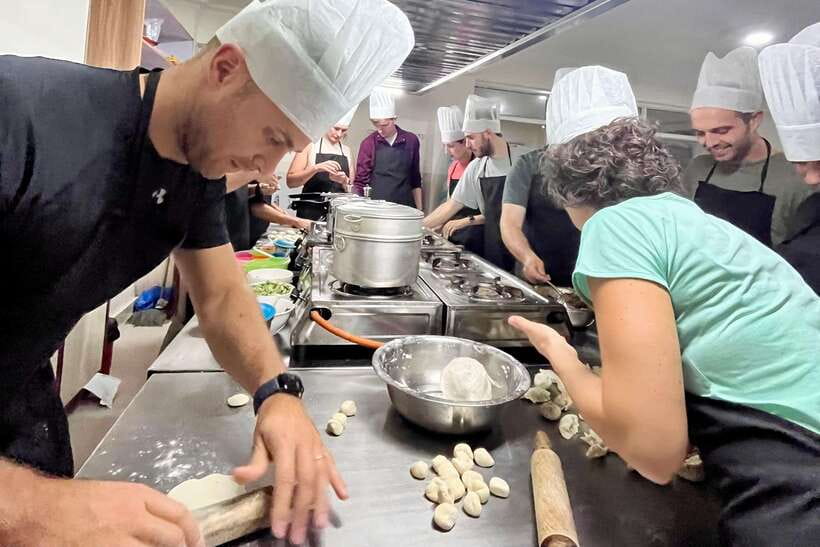
- Momo making is hands-on: You learn to prepare and shape the dumplings, not just watch a chef do it.
- The menu is group-led: Depending on the class, you may choose a starter, main course, and dessert from several options.
- Nishma and Nish receive special praise: Both instructors are described as patient, friendly, clear, and strong English speakers.
- The portions are generous: Come hungry, because the food you cook is also your meal.
- Hotel transport is optional: Pickup and drop-off are available within Kathmandu Valley only when selected during booking.
A Kathmandu food class that starts at the market
The class takes place at Kathmandu Cooking Academy in Thamel, a convenient location for many people staying in Kathmandu. If you arrange your own way there, use the academy’s Google Maps pin and arrive at least 15 minutes early. That small buffer matters in Thamel, where finding the right entrance can take longer than expected.
The first step is a short market or shop visit for fresh ingredients. This is more useful than a quick photo stop. You get to see the raw materials behind the dishes, learn what the chef selects, and understand how familiar Nepali foods are built from everyday produce, spices, herbs, and staples.
The market portion also helps set the tone for the class. Instead of treating Nepali food as a list of restaurant dishes, you see how shopping and cooking connect. The visit is close to the school, so it does not take up the whole afternoon, but it adds a welcome local touch.
Do not expect a major sightseeing tour of Kathmandu. This is a practical ingredient run, not a guided city walk. That is a strength if you want time in the kitchen, though anyone hoping for a long market tour should keep expectations modest.
More Cooking Classes in Kathmandu
- Half day cooking class in Thamel kathmandu
★ 5.0 · 607 reviews - Kathmandu: Local Women-Led Nepali Cooking & Momo Class
★ 4.9 · 360 reviews - Kathmandu: Local Lead Nepali Cooking & Momo-Making Class
★ 5.0 · 212 reviews
Choosing your dishes before the cooking begins
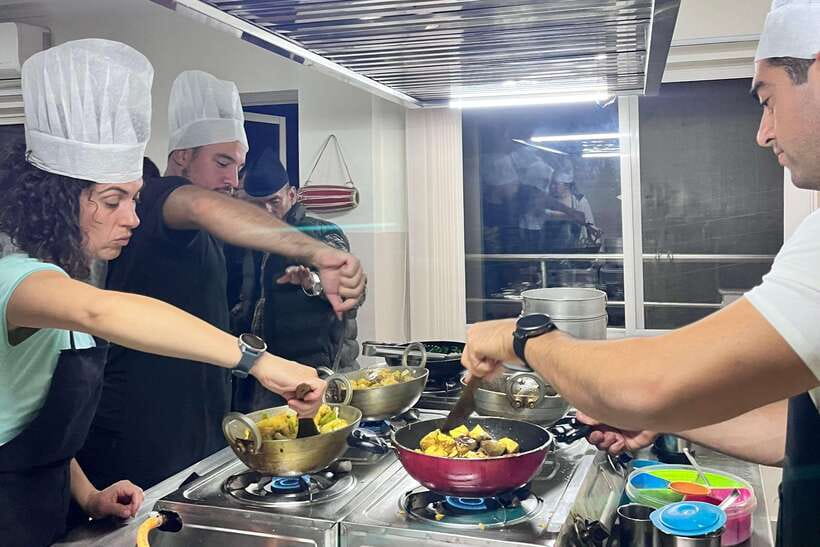
The menu appears to work best when the class agrees on a selection together. Several people have been offered a choice of starter, main course, and dessert, with momo among the main options. Dal bhat is also central to the class description, and some sessions include additional Nepali dishes such as barra, aloo chop, mushroom choila, or other local favorites.
This flexibility is helpful for mixed groups. You might choose vegetarian food, a particular spice level, or dishes you have already eaten in Nepal and want to understand better. One participant had vegetarian preferences and a lower spice level accommodated without trouble.
There is one important catch. If momo is your main reason for booking, say so at the start. In a group setting, the menu can be a shared decision. One person arrived expecting momo and had to persuade the rest of the group to include it. Fortunately, the small class made that possible.
The safest approach is to tell the operator in advance that momo is a priority. Also mention allergies, dietary restrictions, and spice preferences before the class begins. The school says it can accommodate these needs, but advance notice gives the instructor a fair chance to plan.
Learning momo from dough to folding
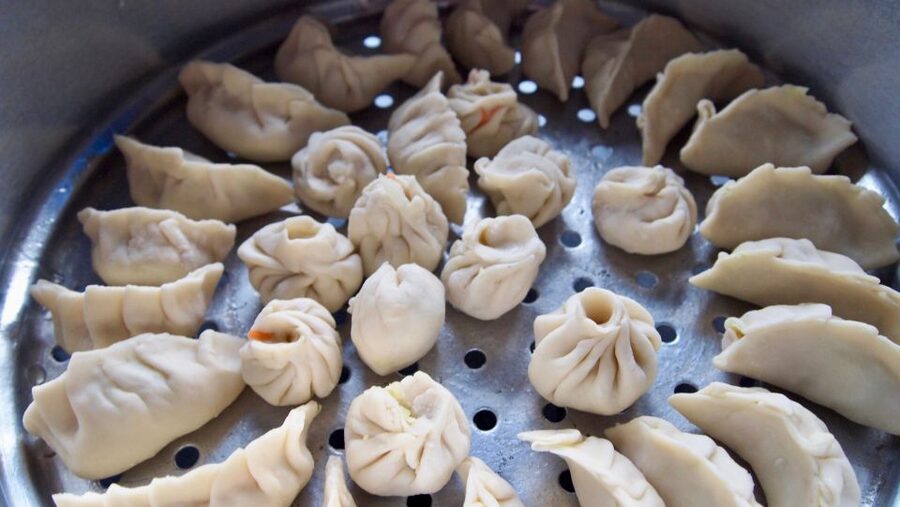
Momo is the star attraction for many people, and the class gives you a proper hands-on introduction. You work through the preparation step by step, with the chef showing you how to handle the filling and fold the dough.
That folding stage is where the class earns its keep. Watching someone make a neat momo is easy. Producing one yourself is another matter. A patient instructor can show you how to bring the edges together, adjust the filling, and avoid making a dumpling that bursts or refuses to close.
The teaching style seems friendly rather than formal. Nish was praised for being thorough and informative, while Nishma was singled out for patience, clear English, and a warm manner. One solo participant received what felt like a private lesson when the class was otherwise empty.
The group size helps here. With no more than 10 participants, you should have a reasonable chance to ask questions and work directly with the ingredients. Very small groups may feel more personal, though they can also feel slightly less social if you are alone. One person enjoyed the class solo but felt a little separate from the staff during the meal.
The exact momo filling can vary with the group’s menu choice. Chicken momo has been prepared, and vegetarian adjustments are possible. Ask what is planned if you have a firm preference.
Dal bhat and the logic of a Nepali meal
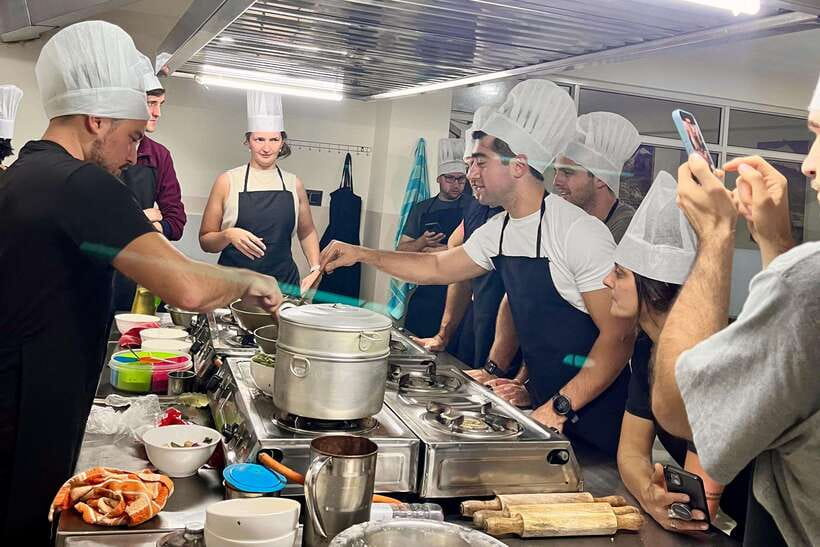
Dal bhat is Nepal’s everyday staple, usually understood as lentils served with rice and accompanying sides. In this class, it gives you a useful counterpoint to momo. Dumplings are the fun project, but dal bhat explains the structure of a meal you are likely to encounter again and again during your time in Nepal.
The cooking process covers preparation from scratch, with the chef explaining the ingredients and steps as you go. Since the class includes a tasting session of what you make, you are not simply practicing one small recipe. You finish with a substantial meal.
That amount of food is worth noting. The class lasts around three hours, sometimes stretching toward four depending on the market visit, menu, and pace of the group. Several people found the meal filling, and one participant specifically advised arriving hungry. Do not schedule this immediately before a large dinner.
The food also gives you a chance to compare home-style preparation with what you have eaten in restaurants. You can ask about spice, cooking methods, and the role of each dish while everything is still in front of you. That context makes the recipes easier to remember later.
A completely different way to spend the day:
- Everest Base Camp Trek – 14 Days
★ 5.0 · 1,499 reviews - Private Kathmandu Sightseeing Tour | UNESCO World Heritage sites
★ 5.0 · 756 reviews - Everest Base Camp Helicopter Tour landing at Everest View Hotel
★ 5.0 · 668 reviews - Everest Base Camp Trekking
★ 5.0 · 485 reviews
Starters, desserts, and extra Nepali dishes
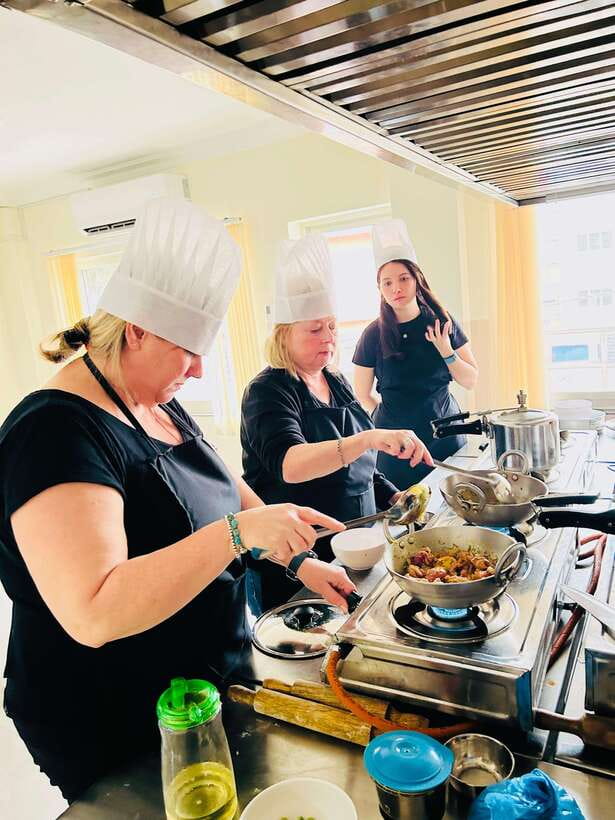
The class is not limited to one plate of momo and dal bhat. Depending on the session, you may choose a starter and dessert as well. That makes the experience feel more like building a meal than completing a single recipe.
Aloo chop, spiced mashed-potato patties, has been part of one menu. Mushroom choila has also been prepared, giving participants a chance to try a dish with a different texture and seasoning from momo. Barra, another local savory dish, has appeared in a family booking.
This menu variety is one of the strongest reasons to take the class with someone who wants more than a standard cooking demonstration. You may leave knowing how to prepare several dishes instead of just one.
Still, menu choice is not completely fixed. The available dishes can depend on the group, and the wording of the experience places particular emphasis on momo and dal bhat. Ask the academy what options are running on your date if you want a specific starter or dessert.
Masala tea and the social side of the class
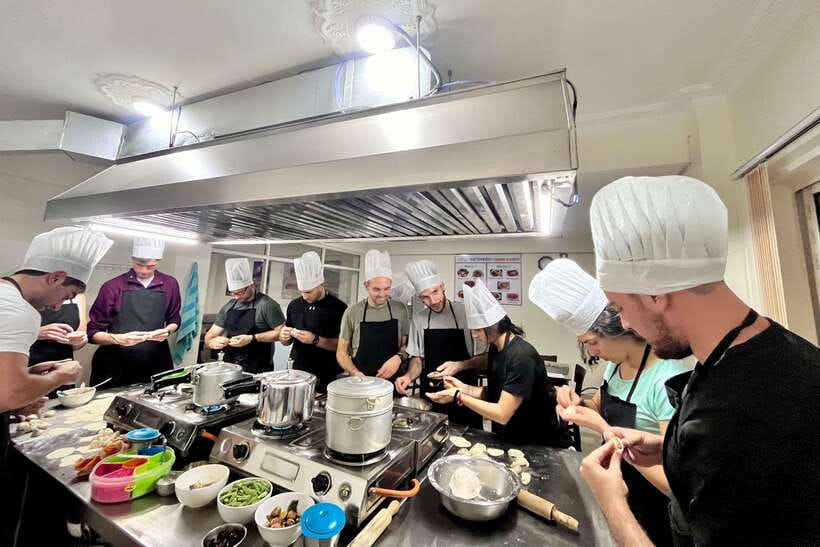
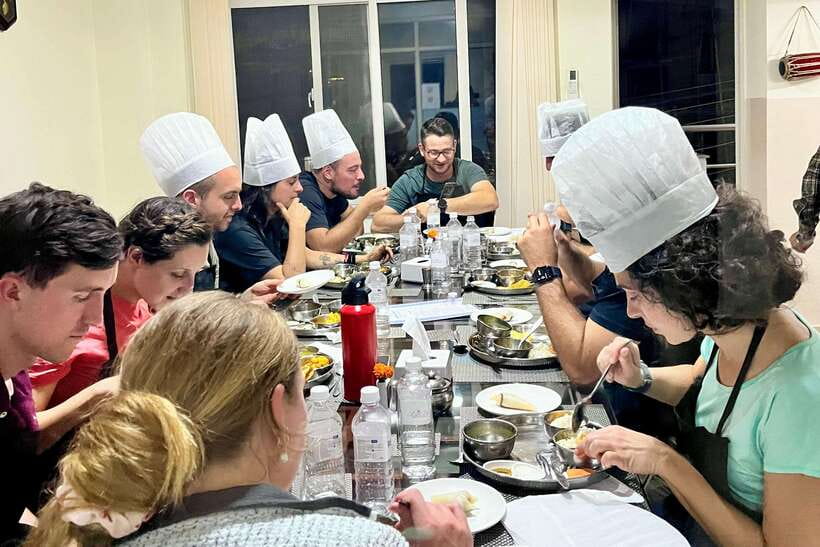
Nepali masala tea is served during the lesson. It is a small inclusion, but a useful one. The warm drink gives you a pause between preparation tasks and adds another taste of local food culture without extra cost.
The class works well for families, friends, solo participants, and couples. Children over age seven can take part with adult supervision, but the activity involves kitchen work, so it is not designed for very young children. Children under five are not considered suitable, and the activity also excludes people over 95.
Solo participation is possible. You may be grouped with others, or the lesson may become very small if bookings are light. A small group can mean more direct instruction, though eating separately from the staff may feel less social in a one-person session.
The instructors’ humor and patience are a major part of the appeal. This is not just a recipe exchange. The class also includes conversation about Nepali food and some background about Kathmandu, which helps the cooking feel connected to place.
How the $5 price holds up
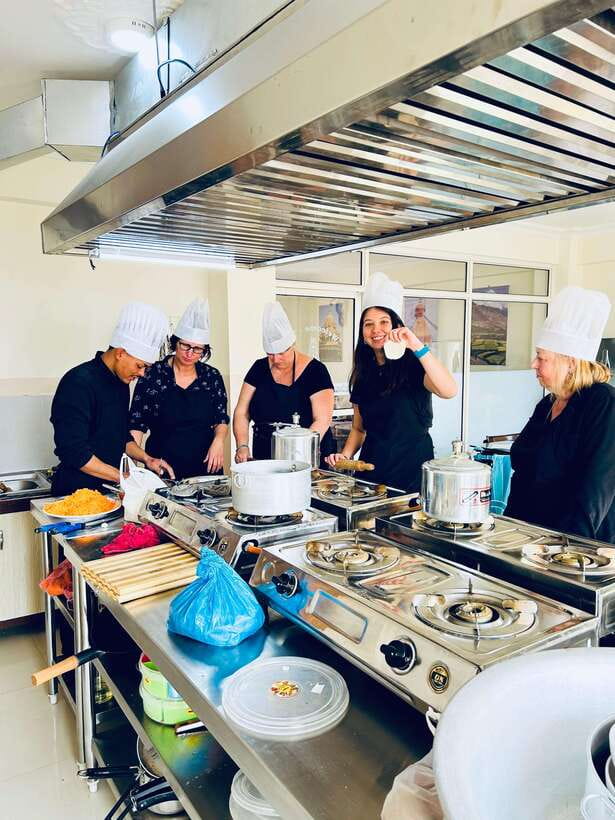
At $5 per person, this is one of the stronger bargains among food activities in Kathmandu. The price includes the class, chef instruction, ingredients purchased during the market visit, cooking equipment, the food you prepare, and masala tea.
The value is especially clear if you want both a meal and an activity. You are not paying only to watch someone cook, then buying lunch afterward. You spend three to four hours learning, preparing, and eating.
Pickup and drop-off are available as an added booking option. That can make sense if you are unfamiliar with Kathmandu or carrying luggage, but check that transport is selected when you reserve. If it is not selected, you must make your own way to the academy.
Transport may take longer than planned. Kathmandu traffic caused late pickups and drop-offs for one participant, and that is a fair warning for anyone with a flight, bus, or timed sightseeing plan. I would use the optional transport for convenience, but I would not place an important connection immediately afterward.
The school has also been associated with support for a local charity, which may add meaning for you if that arrangement remains part of the operator’s current work. The supplied information does not give further details, so ask directly if this matters to your booking decision.
What you take home besides a full stomach
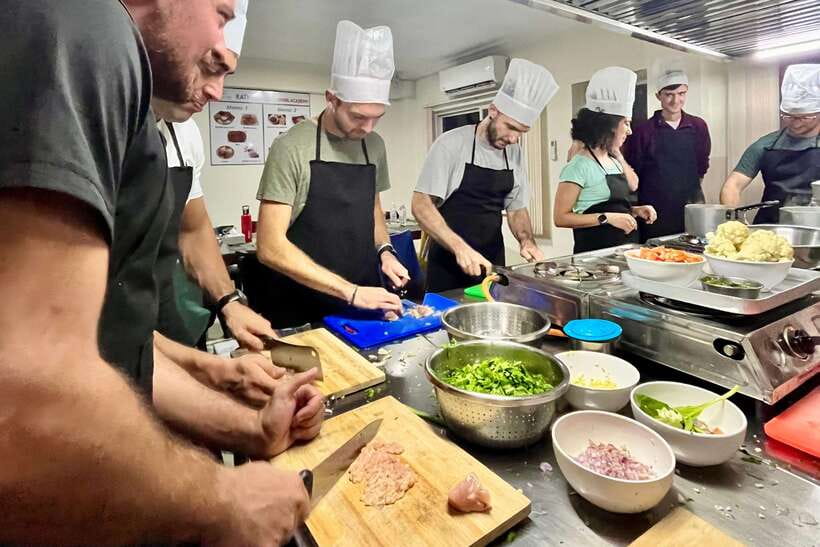
The obvious souvenir is the meal itself, but the useful souvenir is the method. You learn how to prepare several Nepali dishes in a setting where you can ask questions at the moment they arise.
A PDF of the dishes made in class may be sent afterward. One participant also purchased a cookbook for 400 NPR, allowing the recipes to be repeated at home. Ask about the PDF and cookbook before you leave if you want a reliable record of the recipes.
Bring a camera if you like taking food photos, but wear comfortable clothing. You will be actively cooking rather than sitting through a demonstration, and loose, practical clothes are better suited to several hours in a kitchen.
English is the listed teaching language. The instructors have been praised for clear English, especially Nishma, so the class should suit English-speaking visitors who want explanations rather than silent instruction.
The experience is wheelchair accessible according to the supplied information. If you have specific mobility needs, it is still sensible to contact the provider before booking and explain what assistance you require.
Timing, cancellations, and minimum numbers
The class usually takes about three hours, with some sessions lasting closer to four. That includes the market visit, preparation, cooking, and eating. Starting times vary, so check the date and time options before paying.
You can cancel up to 24 hours in advance for a full refund. A reserve-now, pay-later option is also available, which helps if your Kathmandu plans are still changing.
A minimum of two participants may be required. If that number is not reached, the provider says you will be offered another date or a full refund. This rule is worth remembering if you are booking alone and your schedule is tight.
The booking options may list different starting or pickup arrangements. Read the selected option carefully, especially if hotel transport matters to you. Pickup is offered from locations within Kathmandu Valley, but it is not automatic.
Who should book this cooking class?
I would recommend it most strongly to food lovers who want to understand Nepali cooking rather than simply order another meal. It is also a smart choice for a rainy afternoon, a first or last day in Kathmandu, or a break from temple visits and long drives.
Families with older children can enjoy the practical work, provided an adult supervises anyone over age seven. Couples and friends should have an easy time choosing dishes together, while solo participants should not hesitate to book, since the school has run very small sessions successfully.
This is less suitable if you need a tightly timed activity, dislike group decisions, or want a guaranteed menu without checking first. It is also not the right pick for someone seeking a long cultural tour across Kathmandu. The focus stays on food, the market, and the kitchen.
Should you book the Kathmandu cooking class?
Yes, if you want a low-cost, hands-on introduction to Nepali food. The strongest parts are the nearby ingredient market, patient English-speaking instruction, small groups, generous food, and the chance to cook more than one dish.
Before booking, confirm that momo will be included if it is your priority, give advance notice of allergies or dietary needs, and allow extra time for Kathmandu traffic if using pickup. At $5, even a few small uncertainties are easy to accept, and the class offers far more value than a standard restaurant meal.
FAQ
Where does the cooking class take place?
The class takes place at Kathmandu Cooking Academy in Thamel. You can find the meeting point through the academy’s Google Maps location.
How long does the experience last?
The class lasts about three hours and may take three to four hours in total. This includes the market visit, preparation, cooking, and meal.
What dishes will I cook?
The class focuses on momo and dal bhat. Depending on the group and available menu, you may also choose a starter, main course, and dessert, with dishes such as aloo chop, mushroom choila, or barra possible.
Is momo guaranteed?
The information describes momo as a main focus, but the group may choose dishes together. If momo is essential for you, mention it when booking or at the start of the class.
Is hotel pickup included?
Hotel pickup and drop-off are available only if you select that option when booking. Pickup is offered from locations within Kathmandu Valley.
Is the class taught in English?
Yes. English is the listed language for the instructor and class.
Can I request vegetarian food or a different spice level?
Yes. You should inform the provider in advance about dietary restrictions, allergies, vegetarian preferences, or spice requirements so adjustments can be arranged.
Can children join the class?
Children over seven may participate with adult supervision. Children under five are not suitable for this activity, and people over 95 are also excluded.
New in the Kathmandu listings
- Traditional Momo Making Class★ 5.0 · 10 reviews
- Kathmandu: Ancient City Kirtipur & Pharping Monastery Tour★ 5.0 · 2 reviews
- Kathmandu to Pokhara Premium sofa bus ticket★ 4.0 · 17 reviews
- Women Empowerment Project(Nepali cooking class & jewelry workshop★ 5.0 · 15 reviews
- 7-Day Langtang Valley Trek from Kathmandu★ 5.0 · 1 review
- Kathmandu 2 Nights 3 Days Chitwan Jungle Safari Tour★ 5.0 · 9 reviews
- Yoga Experience Day Trip with Private Transfer From Kathmandu★ 4.0 · 2 reviews
- Wildlife Adventure in Chitwan Nepal★ 4.0 · 4 reviews
Cooking Classes, compared.
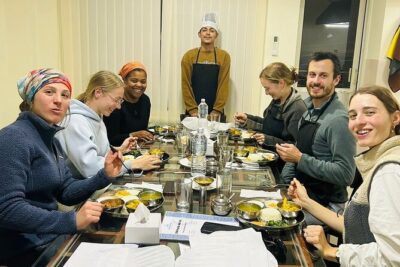
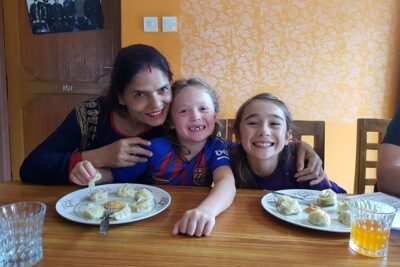
Nepalese Momos or Dal Bhat Cooking Class (Cook with Delight)
Read our review →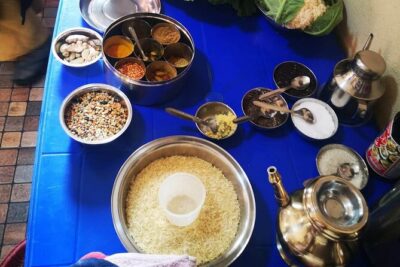
The best Private Nepali Cooking Class in Kathmandu
Read our review →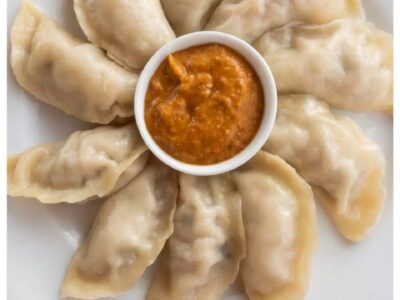
Nepalese Kitchen in Pokhara: Momos or Dal Bhat Cooking Class
Read our review →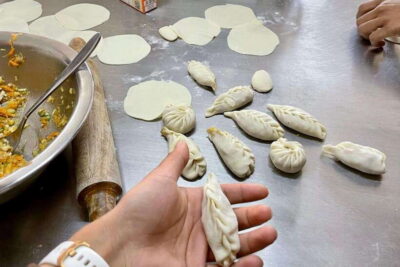
Browse the lists this tour appears in