
REVIEW · ANNAPURNA BASE CAMP TREKS
Pokhara: 9-Day Annapurna Base Camp Trek with Poon Hill
The sunrise is worth the early alarm. This nine-day route combines Poon Hill at 3,210 meters with Annapurna Base Camp at 4,130 meters, giving you two very different mountain moments. I like the changing scenery, from river valleys and rhododendron woods to snowy peaks, and I like that village lodges, local meals, and time with guides keep the trek connected to daily life in Nepal. The main drawback is the stair-heavy walking, especially the more than 3,000 steps up to Ulleri, followed by several six-hour trekking days.
I also like the practical setup. MTA Trekking arranges permits, transport, accommodation, and staff support, while guides such as Lalit and Pratiksha have helped make the route feel calm and manageable. The $487 price is strong value if you choose the full package with meals, but you still need to budget for drinks, showers, charging, bottled or boiled water, personal costs, and equipment rental or purchase.
In This Review
- Five Details That Shape the Trek
- Why the Poon Hill and Base Camp Combination Works
- Day 1: Pokhara to Tikhedhunga by Nayapul
- Day 2: The Long Stairway to Ghorepani
- Day 3: Poon Hill Sunrise, Tadapani, and Chuile
- Day 4: Chuile to Sinuwa Through River Country
- Day 5: Sinuwa to Deurali and the Higher Forest
- Day 6: Deurali to Annapurna Base Camp
- Day 7: The Long Descent to Bamboo
- Day 8: Bamboo to Jhinu Danda Hot Spring
- Day 9: Jhinu Danda Back to Lakeside Pokhara
- What the $487 Price Really Covers
- Guides, Group Size, and Daily Comfort
- The Best Time and What to Pack
- Should You Book This Annapurna Trek?
- FAQ
- How long is the Annapurna Base Camp trek with Poon Hill?
- What languages does the guide speak?
- Is this a private group?
- What is the highest point on the route?
- Is food included in the price?
- Is transportation included?
- Can I cancel for a full refund?
Five Details That Shape the Trek
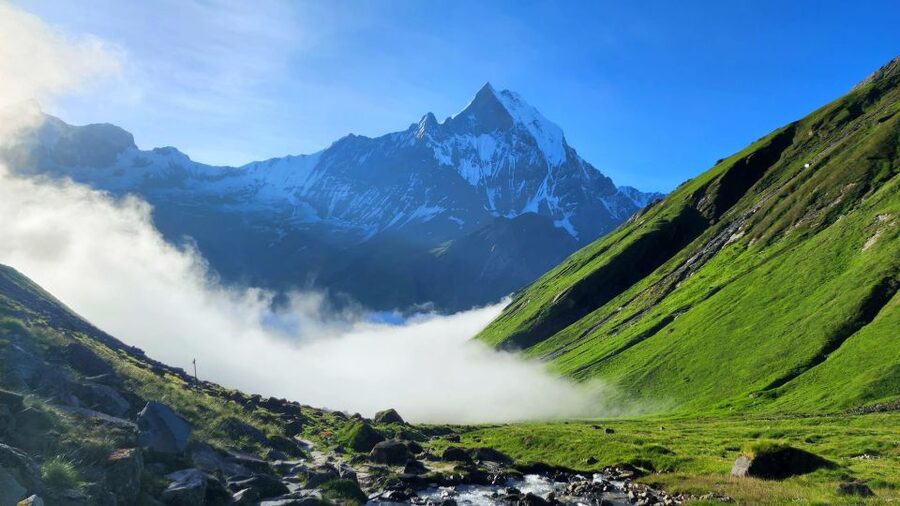
- Poon Hill sunrise at 3,210 meters: The orange light on Annapurna South, Hiunchuli, and Machhapuchhre is the trip’s finest morning view.
- Ulleri’s 3,000-plus stone steps: This is the first serious test, so prepare your knees and keep your pace steady.
- Annapurna Base Camp at 4,130 meters: You reach a high mountain bowl surrounded by snowy peaks and glaciers.
- Jhinu Danda hot springs: A warm soak gives your legs a welcome break after the long descent.
- Private guiding in English or Hindi: You get a personal group rather than a large shared departure, with pickup from your Pokhara hotel.
- Tea-house nights and local contact: Simple accommodation, village stops, and shared dining rooms make the route feel grounded rather than packaged.
Why the Poon Hill and Base Camp Combination Works
Many Himalayan walks offer either a scenic viewpoint or a major base camp. This one gives you both. Poon Hill arrives early, before you have reached the highest part of the trek, so you get a spectacular sunrise without waiting until the end of the route.
Annapurna Base Camp is the bigger physical goal. At 4,130 meters, it requires more careful pacing and attention to how you feel. Between the two, the route passes through forest, river crossings, hillside villages, and high mountain country. That variety keeps the nine days from becoming a repetitive march uphill.
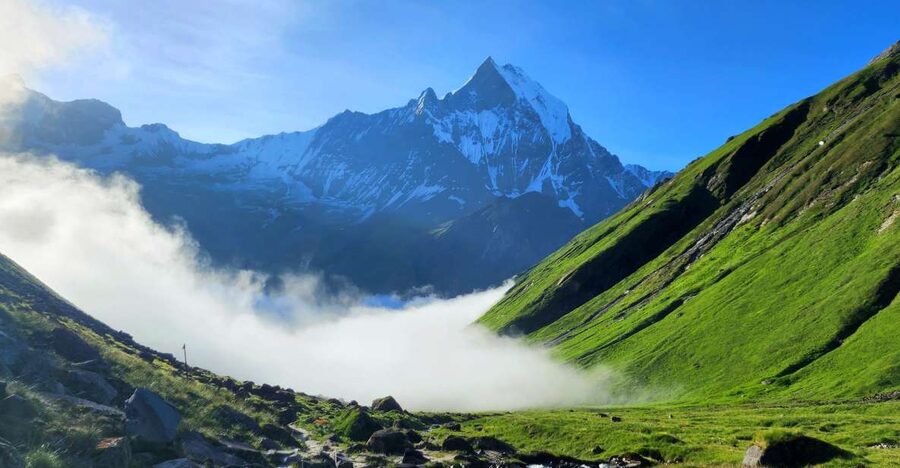
The mountain views include Annapurna South, Hiunchuli, and Machhapuchhre, also called Fishtail. The scenery changes with altitude, which is one of the route’s best features. Lower sections feel green and sheltered, while the upper approach to base camp becomes more open, rocky, and dominated by snow and ice.
You should not expect a gentle walking holiday. The schedule includes several five- to six-hour trekking days, and the trail rises and falls constantly. One useful point from the experience is that people carrying their own bags have found the route manageable, though the stairs and repeated descents still demand good fitness.
More Annapurna Base Camp treks:
- Kathmandu/Pokhara: 5-Day Annapurna Base Camp (ABC) Trek
★ 4.9 · 72 reviews - Private 7 – Day Annapurna Base Camp Trekking
★ 5.0 · 50 reviews - Annapurna Base Camp Trek (8 days)
★ 5.0 · 45 reviews
Day 1: Pokhara to Tikhedhunga by Nayapul
Your morning begins with hotel pickup in Pokhara. The drive to Nayapul takes about two hours, followed by roughly three hours of walking to Tikhedhunga.
This first day eases you into the route. You follow the Modi Khola River and pass village communities and rhododendron forest. It is a scenic start, but do not mistake the shorter walking time for a free pass. Your body is still adjusting to the pack, the uneven trail, and the rhythm of mountain walking.
Tikhedhunga provides a tea-house night. Accommodation is simple, and that is part of the appeal. You are not coming back to a resort each evening. You are sleeping in the communities that support the route, with a chance to sit down, eat, and prepare for the next morning.
The included transport matters here. Without it, reaching the trailhead from Pokhara would take more time and add another layer of planning. The private pickup also keeps the start straightforward, especially if you are unfamiliar with Nepal’s roads and trail access points.
Day 2: The Long Stairway to Ghorepani
The walk from Tikhedhunga to Ghorepani takes around six hours and includes the famous climb to Ulleri. More than 3,000 steps turn this into one of the route’s hardest sections, even though the altitude is not yet at its highest.
The best tactic is simple: go slowly. You do not gain anything by racing uphill early in the trek. Short, regular pauses are better than one long stop after you have exhausted yourself. Comfortable shoes are essential, and trekking poles are useful, though poles are not included.
Rhododendron woods surround much of the route. During the right season, the flowers add color to the climb, but the forest is valuable even without blooms. It gives you shade and makes the steep section feel less exposed.
Ghorepani is a larger and more familiar stopping point than Tikhedhunga. You stay in a tea house and prepare for the early morning walk to Poon Hill. The elevation, 2,840 meters, is enough that you should begin paying attention to hydration, sleep, headache, nausea, and unusual fatigue.
Day 3: Poon Hill Sunrise, Tadapani, and Chuile
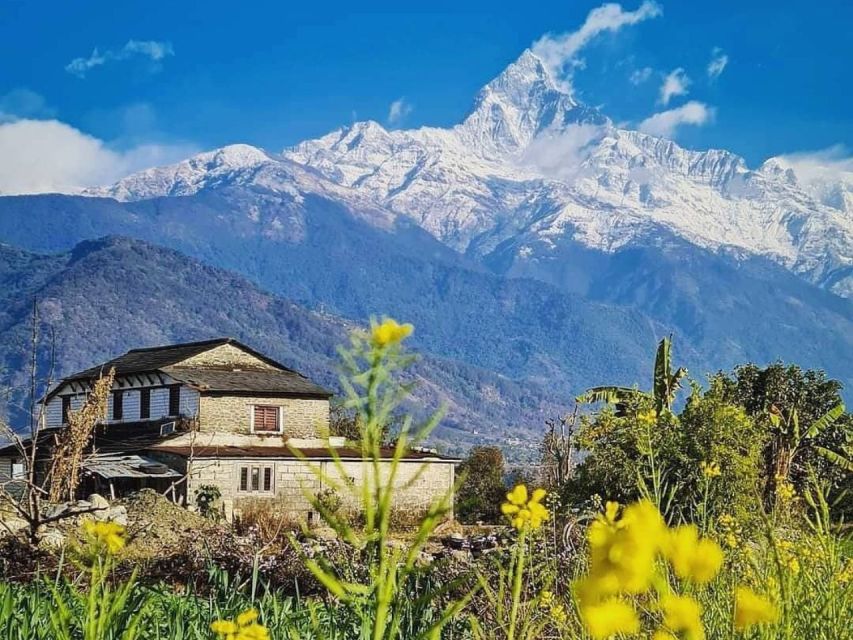
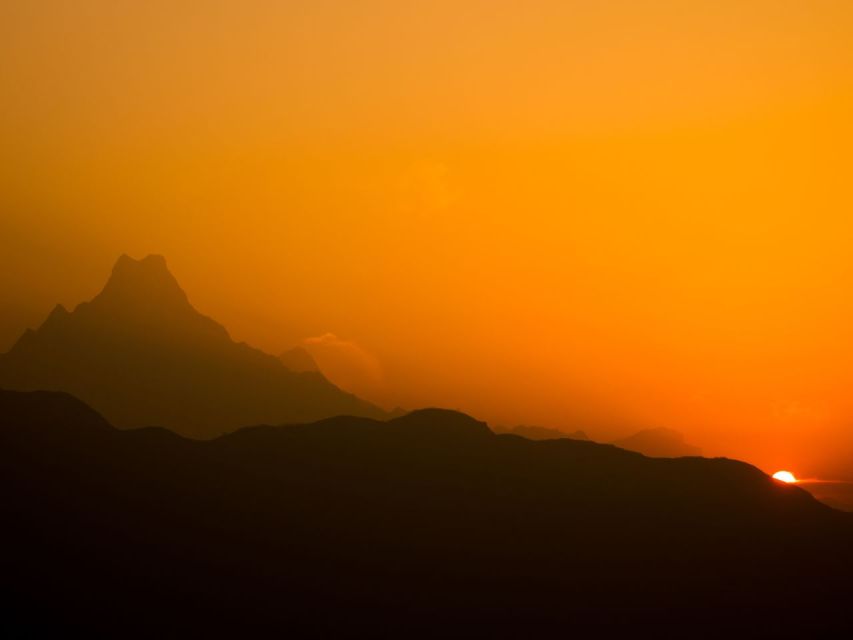
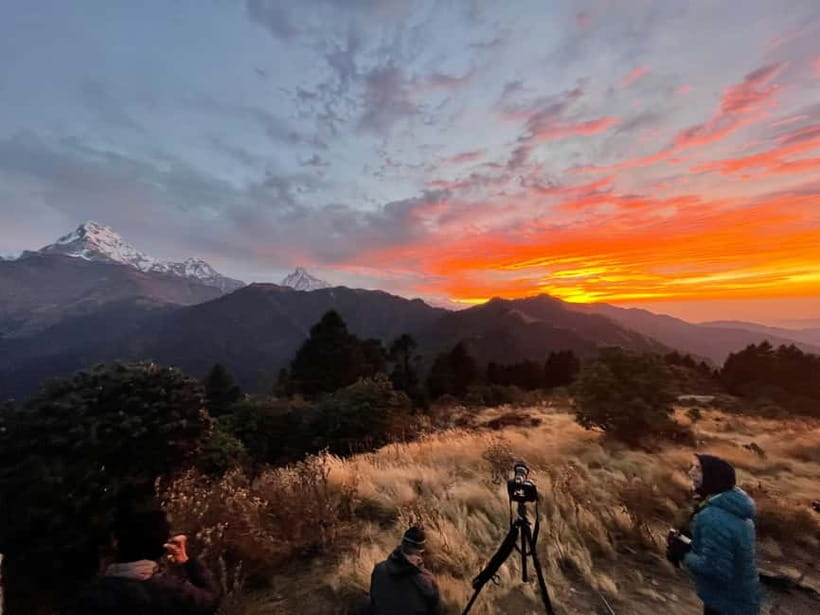
The Poon Hill sunrise is scheduled as a one-hour visit, but the view can become the emotional center of the entire trek. At 3,210 meters, the viewpoint opens toward the Annapurna range, with morning light catching the snowy summits and ridges.
One of the most memorable details associated with this morning is a cup of milk tea while looking over the trees, rivers, and mountains. That small comfort matters. Cold air, an early wake-up, and a steep walk make a hot drink feel like part of the scenery.
After Poon Hill, you continue through forest toward Tadapani or Chuile. This is a full walking day of about six hours, so do not treat the sunrise as the main effort. You still have a substantial trek ahead.
The route through this section feels quieter and more wooded. You stay in a local hotel or tea house surrounded by trees. If you have a guide like Pratiksha or Lalit, this is a good place to ask about the villages and the traditions you are seeing rather than simply walking through them with a camera.
More Poon Hill treks:
- Poon hill Trek 3 days
★ 5.0 · 176 reviews - Pokhara: 4-Day Ghorepani, Poonhill & Ghandruk Mountain Trek
★ 5.0 · 132 reviews - Ghorepani – Poon Hill Trek 3N-4D
★ 5.0 · 125 reviews - From Pokhara: 3-Day Ghorepani Poon Hill Trek with Guide
★ 4.9 · 68 reviews
Day 4: Chuile to Sinuwa Through River Country
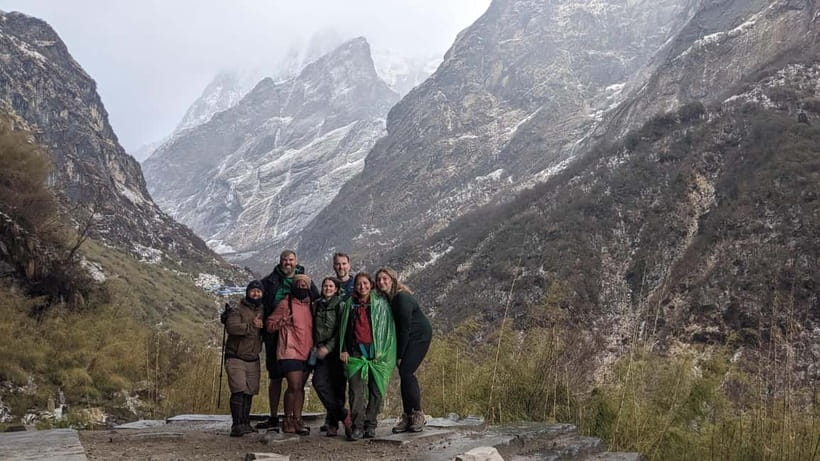
The walk from Chuile to Sinuwa takes about five hours. The route continues toward Annapurna Base Camp and crosses the meeting area of the Kumrung and Modi Rivers.
This day offers a useful change of pace. You are still gaining and losing elevation, but the main focus is the river valley and the peaceful surroundings. The walk helps break up the more demanding high-altitude days that follow.
Sinuwa sits at about 2,170 meters. It is a practical overnight stop because you are still below the highest part of the route, yet close enough to the upper valley to feel that the major climb is beginning.
Village accommodation also gives you a chance to settle into tea-house routines. Meals are included only with the full package, so check which package you are booking. If meals are not included, you will need to pay for food along the way, and you should also allow money for drinks, hot showers, laundry, charging, and phone use.
Day 5: Sinuwa to Deurali and the Higher Forest
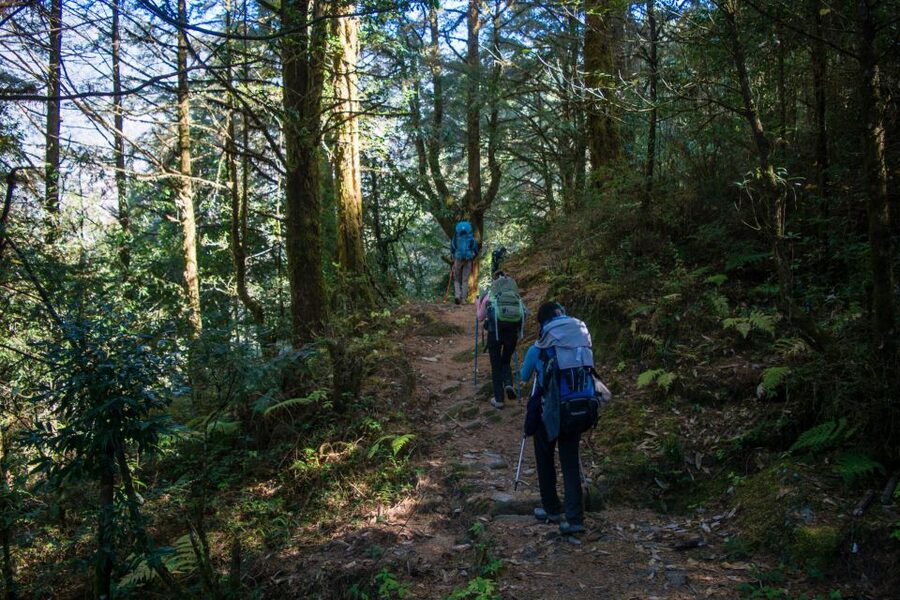
The six-hour walk from Sinuwa to Deurali takes you through lush forest with Annapurna and Machhapuchhre appearing as mountain companions. This is a beautiful section, but the altitude now deserves more attention.
Deurali sits at 3,200 meters. You should keep your walking speed comfortable and tell your guide if you feel unwell. The point is not to prove toughness. It is to arrive able to eat, sleep, and continue safely.
The guide’s role becomes more important here. A good guide watches the group, keeps the day moving without rushing, and helps you make sensible choices when the altitude or weather changes. Lalit has been praised for being calm, kind, funny, and attentive at lodges and restaurants, qualities that matter more after several days on foot than a rehearsed speech about the mountains.
The forest and peaks create a strong contrast. You may walk beneath trees for part of the day, then catch clear views toward snowy summits. Weather can change quickly, especially during the monsoon months of June through August, when heavy rain can affect the trail.
Day 6: Deurali to Annapurna Base Camp
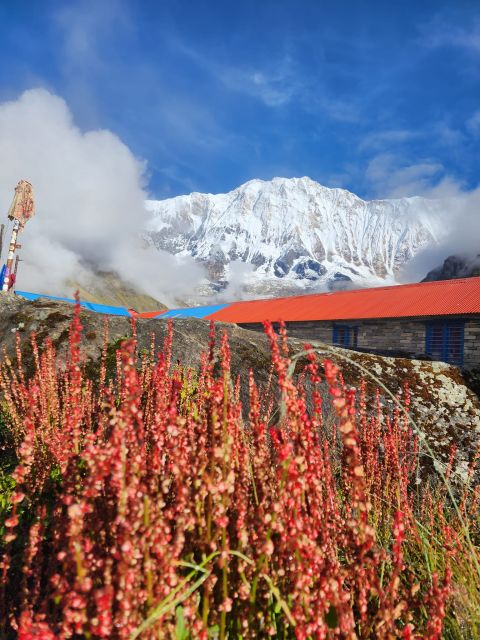
This is the main day of the trek. From Deurali, you walk for about six hours to Annapurna Base Camp, reaching 4,130 meters.
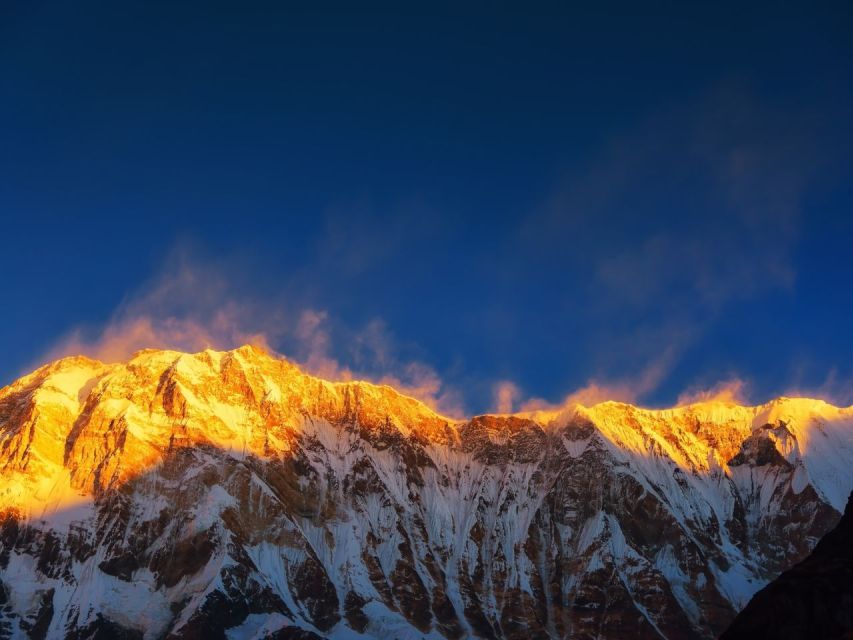
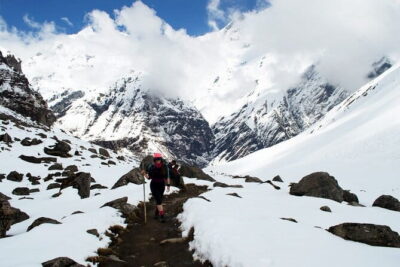
The scenery becomes more severe and impressive as the forest gives way to high mountain terrain. Snow-capped peaks and glaciers surround the base camp area. You are not simply looking at Annapurna from a distant viewpoint. You are entering a high mountain setting enclosed by the range.
The effort is real. The elevation can make each hour feel longer, and the trail may be tiring after several days of walking. Keep your pack light, drink regularly, and let your guide know if you develop symptoms of altitude sickness.
The booking information refers in one place to Mardi Himal Base Camp and an altitude of 4,000 meters, but this route is described elsewhere as Annapurna Base Camp at 4,130 meters. That wording appears inconsistent, so I would confirm the exact route and altitude details with MTA Trekking before paying. Either way, the highest night is above 4,000 meters and should be treated seriously.
At base camp, the reward is not luxury. It is the setting. The simple overnight stay places you close to the snowy peaks and glaciers that have framed the trek for days.
Day 7: The Long Descent to Bamboo
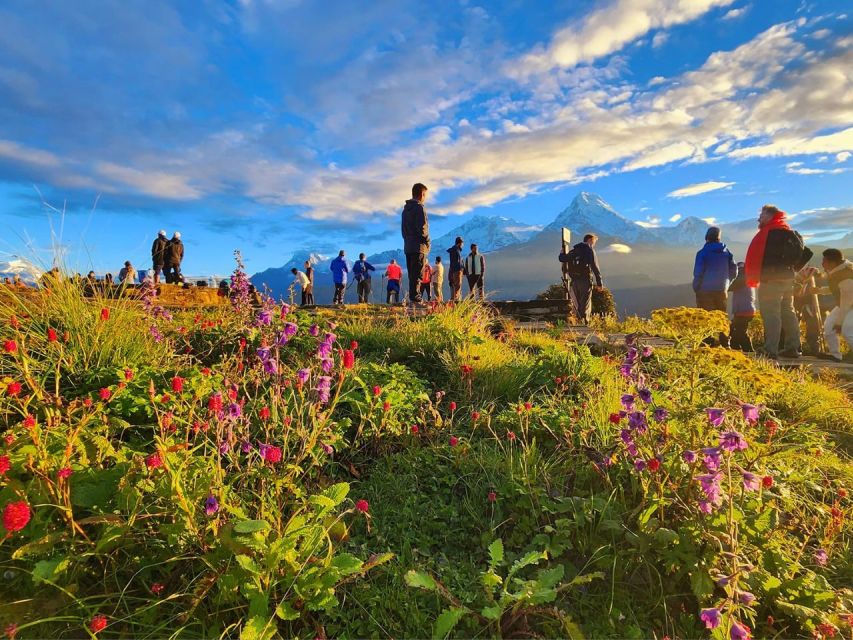
You leave Annapurna Base Camp and descend to Bamboo, at about 2,300 meters. The walk takes around six hours.
Descending is easier on the lungs but often harder on the knees. Stone steps and uneven ground can punish tired legs, so use poles if you have them and avoid rushing. This is also a good day to appreciate how much the scenery has changed since the ascent.
The route back through the forest brings more shade and a warmer feel. Bamboo is a quiet place for the night and a useful recovery stop before the final walk to Jhinu Danda.
You may feel tired here, even if the hardest climb is behind you. Eat properly, refill your water, and check your feet. Small problems become big ones when you still have walking ahead.
Day 8: Bamboo to Jhinu Danda Hot Spring
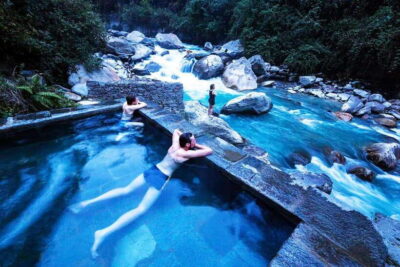
The five-hour descent to Jhinu Danda ends with one of the most practical rewards on the route: a natural hot spring.
At about 1,600 meters, Jhinu Danda is much lower than base camp. The warmer air and hot water make a clear difference after the long descent. Soaking your legs can be a fine way to mark the end of the high mountain section, though you should still follow your guide’s advice and take care around wet, uneven paths.
This stop also gives the trek a better balance. Without it, the final days would be mostly about descending. With the hot spring, you get a simple bit of comfort that feels earned rather than added for show.
The trail has lower-elevation problems too. During the monsoon, leeches can be common on wet sections. Long pants tucked into gaiters and insect repellent are sensible precautions.
Day 9: Jhinu Danda Back to Lakeside Pokhara
The final day includes about two hours of walking, followed by a comfortable ride back to Lakeside Pokhara. The exact transport details are described as a jeep or SUV taking about four hours, so you should expect a road journey rather than a quick transfer.
This return can feel long after nine days on foot, but it is useful to finish in Pokhara rather than add another overnight stop. You have time to look back on the route: the early morning at Poon Hill, the stairs at Ulleri, the snowy amphitheater at base camp, and the hot spring at Jhinu Danda.
The private format helps here. You are not waiting for a large group to move at one pace, and your guide can help manage the transition from trail to vehicle.
What the $487 Price Really Covers
At $487 per person, the trek offers good value for a nine-day private guided route if you select the full package. Permits, government taxes, accommodation, transportation during the trek, and staff expenses are included. Meals are included only with the full package, so this point deserves attention before booking.
The price does not cover everything. Plan separately for:
- Soft and alcoholic drinks
- Travel and rescue insurance
- Phone calls and laundry
- Bar bills and battery charging
- Bottled or boiled water
- Hot showers
- Porters, if you want one
- Trekking poles, sleeping bags, crampons, and similar gear
The strongest value comes from saving you the work of arranging permits, lodges, route timing, and transport. You are paying for coordination as well as walking. The price is less attractive if you assume every meal, drink, shower, and piece of equipment is automatically covered.
Guides, Group Size, and Daily Comfort
This is a private group with live guiding in English or Hindi. That suits you if you want direct attention and do not want to match the pace of strangers.
The human side of the trek receives especially strong praise. Lalit is described as patient, caring, humorous, and safety-minded. Pratiksha also helped make the trek more enjoyable for a mid-October group. A porter named Rickson, aged 19 at the time of one trek, was praised for carrying bags with dedication and a cheerful attitude.
You can carry your own bags, but that changes the physical challenge. If you want to enjoy the views more freely, ask about porter support and its cost. The provided information lists porters as an extra expense, so do not assume one is included.
Tea-house accommodation is part of the route’s character. Rooms are basic, but the stops provide rest, food, and contact with mountain communities. Menus can offer several choices, though availability may vary by place and season.
The Best Time and What to Pack
Mid-October and November are especially appealing for mountain views, and the strongest comments about the trek come from autumn departures. June through August brings heavier rain and less predictable weather.
Pack for changing conditions:
- Comfortable, broken-in shoes
- Weather-appropriate layers
- Sunscreen
- Sunglasses
- Long pants and gaiters for monsoon leeches
- Insect repellent during wet months
- Trekking poles if you prefer extra balance
Sleeping bags, crampons, and poles are not included. Ask what you can rent locally before arriving at the trail, especially if you do not want to buy equipment for one trek.
The route is not suitable for pregnant women, people with altitude sickness, or people over 70 years old. The information also says altitude sickness is rare, but the highest point is above 4,000 meters, so you should still take symptoms seriously.
Should You Book This Annapurna Trek?
I would recommend this trek if you want a serious but well-supported introduction to the Annapurna region, with both an iconic sunrise and a high base camp finish. It suits hikers who can manage repeated stairs, five- to six-hour walking days, and a high-altitude overnight.
I would hesitate if you want soft beds, short walks, or a fixed all-inclusive price with no extra spending. Confirm the meal package, porter arrangements, equipment needs, and the Annapurna versus Mardi Himal wording before booking.
For the right person, $487 is a fair price for the permits, accommodation, transport, staff support, and private guiding. The biggest reason to choose it is the complete progression: village paths, rhododendron forest, Poon Hill at dawn, the high mountain bowl of Annapurna Base Camp, and a hot spring before returning to Pokhara.
FAQ
How long is the Annapurna Base Camp trek with Poon Hill?
The experience lasts nine days, beginning and ending in Pokhara.
What languages does the guide speak?
Live guiding is available in English and Hindi.
Is this a private group?
Yes. The trek is operated as a private group.
What is the highest point on the route?
Annapurna Base Camp is listed at 4,130 meters.
Is food included in the price?
Meals are included only with the full package. Confirm which package you are choosing before booking.
Is transportation included?
Transportation during the trek is included. The route begins with pickup in Pokhara and ends with transport back to Lakeside Pokhara.
Can I cancel for a full refund?
You can cancel up to 24 hours in advance for a full refund. You can also reserve now and pay later.
New in the Pokhara listings
- Pokhara: Pokhara Highlights Tour by Bus★ 3.6 · 10 reviews
- Discover Pokhara in Style: Private Vehicle Service with Driver★ 5.0 · 5 reviews
- Multi-Day Tour from Pokhara, Poon Hill and Mulde Trek★ 5.0 · 1 review
- Pokhara in 5 Hours: Lake, Museum, Cave, Falls & Pagoda Hill★ 4.5 · 16 reviews
- Private 4 Day Poon Hill Trek from Pokhara★ 5.0 · 16 reviews
- 4 Day Mardi Himal Base Camp Trek from Pokhara★ 5.0 · 18 reviews
- From Pokhara Full Day Entire Pokhara Tour with Guide★ 5.0 · 1 review
- Ultralight Flight: Into The Heart Of The Mountains (90 min)★ 5.0 · 1 review
Annapurna Base Camp Treks, compared.
Kathmandu to Annapurna Base Camp (ABC) 5-Day Trek
Read our review →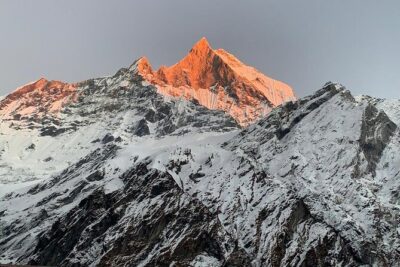
Kathmandu/Pokhara: 5-Day Annapurna Base Camp (ABC) Trek
Read our review →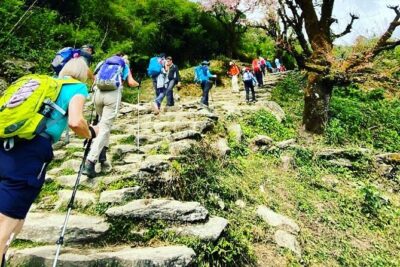
11-Day Hike Tour to Annapurna Base Camp Bliss in Kathmandu
Read our review →Browse the lists this tour appears in