
REVIEW · LANGTANG VALLEY TREKS
10 Days Langtang Valley and Gosaikunda Trek from Kathmandu
The Himalaya rewards steady feet. This 10-day trek links the forested Langtang Valley with sacred Gosaikunda Lake, giving you snow peaks, yak pastures, Buddhist villages, and a real taste of trekking life beyond Kathmandu. I like the dramatic views of Langtang Lirung and Ganesh Himal, and I like that an experienced English-speaking guide, permits, guesthouses, transport, and a first-aid kit are included.
The route also has real variety: bamboo forest one day, high alpine lake the next. The main concern is the pace, especially the climb toward Tserkori at 5,184 meters and the steep ascent to Gosaikunda. You need moderate fitness, a sensible attitude toward altitude, and patience for long road journeys.
In This Review
- Key points to know before you book
- Why this Langtang and Gosaikunda route works
- Day 1: The long road from Kathmandu to Syabrubesi
- Day 2: Forest, waterfalls, and Lama Hotel
- Day 3: From Lama Hotel to Langtang Village
- Day 4: The high valley and Kyanjin Gompa
- Day 5: Tserkori and the hardest climb
- Day 6: Returning through the forest to Thulo Syabru
- Day 7: Forested climbs to Sing Gompa
- Day 8: The steep trail to sacred Gosaikunda
- Day 9: Back to Sing Gompa
- Day 10: Walking to Dhunche and driving to Kathmandu
- What is included, and what you still pay for
- Who should book this trek?
- Should you book the Langtang and Gosaikunda trek?
- FAQ
- How long is the Langtang Valley and Gosaikunda trek?
- What is the price per person?
- Are meals included in the tour price?
- What accommodation is provided?
- Is this a private tour?
- What level of fitness is required?
Key points to know before you book
- Langtang Valley and Gosaikunda in one trip: You see two distinct parts of Nepal’s northern mountains rather than repeating one trail.
- Strong guide support: The guide handles official documents, offers local insight, and carries a normal emergency first-aid kit.
- A demanding high point: The climb toward Tserkori reaches about 5,184 meters, making Day 5 the toughest day on paper.
- Cultural encounters: Tamang and Sherpa communities, prayer wheels, monasteries, yak pastures, and traditional villages shape the route.
- Good value at $550: Transport, permits, lodging, guide service, trekking poles, and hotel transfers are included, while food costs extra.
- Private departure: Only your own group takes part, which gives you more privacy than a standard shared group trek.
Why this Langtang and Gosaikunda route works
This trek is built around contrast. Langtang Valley begins with rivers, cultivated terraces, and thick forest. Higher up, the trees thin out and the valley opens into yak grazing country beneath snow-covered peaks. After returning through Langtang, you head toward Thulo Syabru, Sing Gompa, and Gosaikunda.
That route gives you more than a single mountain viewpoint. You get village life, Hindu and Buddhist traditions, changing vegetation, long suspension bridges, waterfalls, and the quiet drama of a high Himalayan lake.
The trip costs $550 per person. For that price, you receive hotel pickup and drop-off, trekking permits and official documents, a private English-speaking guide, guesthouse accommodation, round-trip transport by shared bus or jeep, a trekking pole, and a basic emergency first-aid kit. Food and drinks are not included. Allow about $25 per day for meals and drinks, which adds roughly $250 across ten days.
That makes the full base cost closer to $800 before any optional gratuity. Even so, the package offers useful value because transport and permits can be awkward to arrange on your own, and the guide is the person who keeps the trek moving when the trail, weather, or altitude becomes uncomfortable.
The private format is another plus. You are not placed with a large mixed group, so your walking speed and rest needs may be easier to discuss. Still, private does not mean easy. The schedule remains active, and some days involve six to eight hours of travel or walking.
More Langtang treks:
- Langtang Valley Trek
★ 5.0 · 140 reviews - Private 8 – Day Langtang Trekking
★ 5.0 · 29 reviews - Kathmandu: 6-Day Limitless Langtang Trek
★ 5.0 · 21 reviews
Day 1: The long road from Kathmandu to Syabrubesi
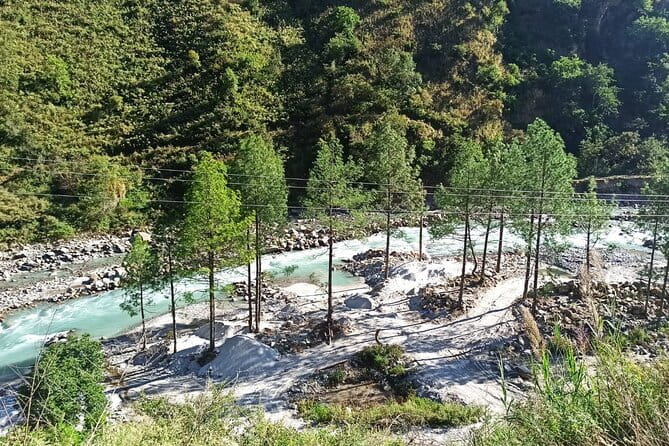
Your first day is mostly transport. The drive to Syabrubesi takes about seven to eight hours, passing through Trishuli and Dhunche at about 1,950 meters before reaching the trailhead town.
This road transfer is part of the adventure, but it can be tiring. You are trading airport-style convenience for a slower route into the mountains. The reward is a gradual change from Kathmandu’s urban setting to river valleys, terraced slopes, and Himalayan foothills.
Daily buses operate toward Syabrubesi, while this package provides round-trip transfer by shared bus or jeep. Because the stated meeting time is 9:15 pm, confirm the exact pickup hour before departure. That time does not clearly match the listed daytime drive, so it is worth checking with CAN Travels rather than guessing.
Day 2: Forest, waterfalls, and Lama Hotel
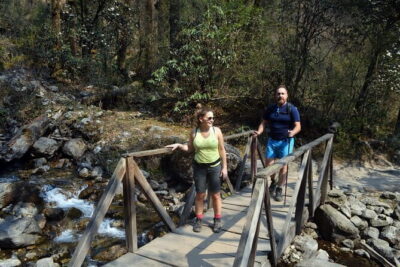
The walk begins around Syabrubesi and follows the Ghopcha Khola through terraced fields and forest. Oaks, maple, alder, and bamboo line the route, giving this first trekking day a cool, shaded feel.
You cross a stream and a steel suspension bridge, then continue along the Langtang Khola. Waterfalls add sound to the route, and the forest opens at points for glimpses of the surrounding hills. The day ends at Lama Hotel, at about 2,470 meters, after roughly six hours of walking.
The wildlife list includes yellow-throated martins, wild boar, langur monkeys, red pandas, and Himalayan black bears. Treat these as possible sightings, not promises. The forest is the attraction even when animals stay out of sight.
This is a good first walking day because the route builds upward rather than placing you immediately beside a high pass. You will still feel the climb, especially on steeper sections, so keep your first-day pace conservative.
Day 3: From Lama Hotel to Langtang Village
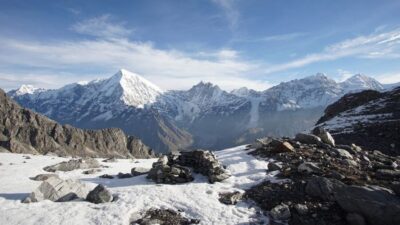
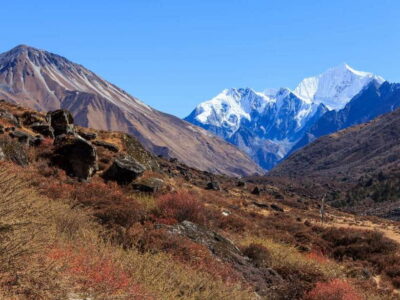
The trail follows the river and rises through increasingly open country. Langtang Lirung, reaching about 7,227 meters, begins to dominate the views as you climb.
After a steeper section, you reach the meadows of Ghora Tabela at roughly 2,992 meters. Lodges and a police check post mark this important stop. Beyond it, the valley widens into yak pastures and scattered Tamang settlements.
This is one of the most rewarding days for cultural detail. You may see water-driven mills, prayer wheels, and villages shaped by Tibetan Buddhist traditions. The trail crosses a stream before reaching Langtang Village at about 3,430 meters.
The seven-hour duration matters here. You gain more than 1,000 meters from Lama Hotel, so tired legs and a mild headache are possible. Walk slowly, drink regularly, and tell your guide if you feel unwell. Langtang Village is not just an overnight stop. It is where the route begins to feel properly alpine.
More walking in the hills of Kathmandu:
- Everest Base Camp Trek – 14 Days
★ 5.0 · 1,499 reviews - Everest Base Camp Trekking
★ 5.0 · 485 reviews - Nagarkot Sunrise View and Day Hiking from Kathmandu
★ 5.0 · 471 reviews - Annapurna Circuit Trek with Tilicho Lake
★ 5.0 · 368 reviews
Day 4: The high valley and Kyanjin Gompa
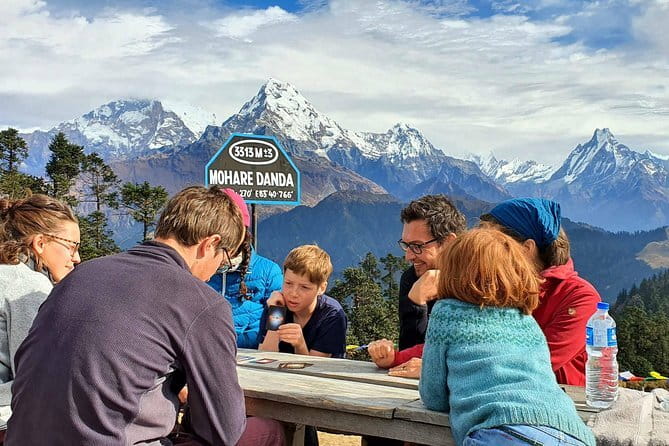
From Langtang Village, the trail passes through yak pasture and traditional settlements, including Muna and Singdun. A wooden cantilever bridge and a moraine climb lead you into the broad upper valley.
Kyanjin Gompa is the destination, reached after about six hours. Here you find a small monastery and a government-operated cheese factory. The setting is open and dramatic, with high peaks surrounding the valley and fewer trees than on the lower trail.
This day is shorter than the previous one, which is helpful at altitude. Kyanjin Gompa is also the base for the next morning’s high climb. Try to use the afternoon for rest rather than treating the arrival as a race to see everything.
The cultural appeal is as important as the scenery. The gompa, prayer traditions, and yak-based economy help explain how people live in a place where farming options are limited and weather controls much of daily life.
Day 5: Tserkori and the hardest climb
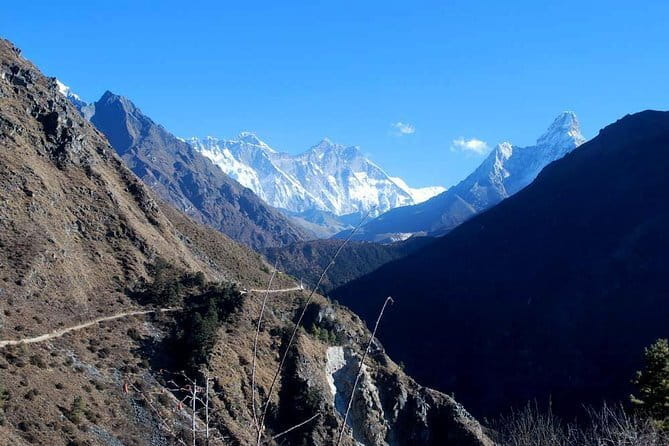
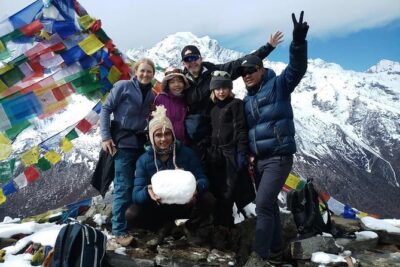
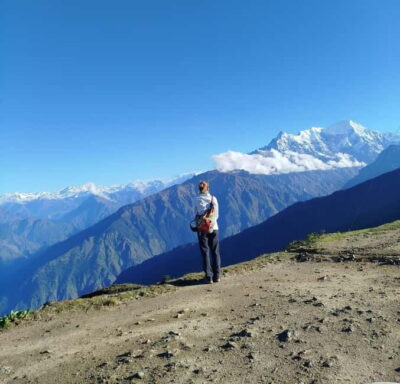
Day 5 is the physical test. The guide takes you higher toward Tserkori, listed at about 5,184 meters, or to a nearby hillside for broad mountain views. You then return to Kyanjin Gompa and continue back to Lama Hotel.
The schedule says about six hours, but the altitude makes this day feel harder than the number suggests. A climb above 5,000 meters can bring headache, poor appetite, or unusual fatigue. The plan wisely includes a return to lower Lama Hotel, but you should not treat the summit point as compulsory.
Your guide’s judgment matters here. The published plan allows Tserkori or a hillside viewpoint, so the exact high point may depend on conditions and how you feel. Ask before setting out how the group will handle altitude symptoms and what happens if you turn back early.
The guide service received especially warm praise for the mountain views, local culture, and support along the route. That matters most on a day like this, when local trail experience is more useful than a printed schedule.
Day 6: Returning through the forest to Thulo Syabru
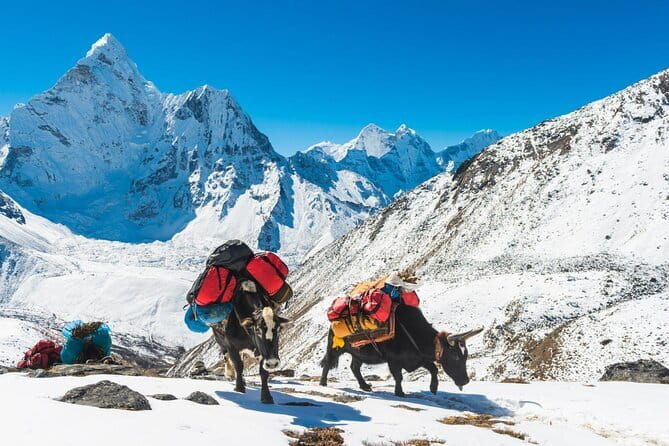
You descend from Lama Hotel, then climb again near Pahare Lodge. At Bamboo, the trail divides, with one route leading toward Syabrubesi and another toward Thulo Syabru.
This seven-hour day has the classic Himalayan rhythm: down, up, down, then up again. Do not assume that leaving the high valley means the work is over. Descending can be hard on knees, while the later uphill section brings back the strain.
Thulo Syabru gives the route a change of mood. You are moving away from the Langtang Valley corridor and toward the Gosaikunda trail. The village is an important transition point, linking the two major parts of the trek.
Day 7: Forested climbs to Sing Gompa
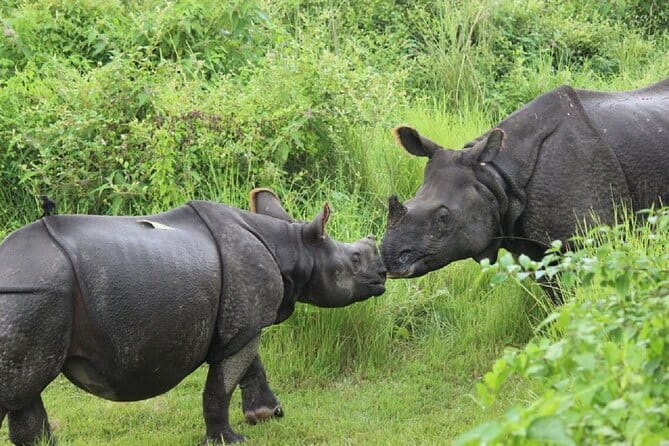
The walk to Sing Gompa is mostly uphill, with the usual Himalayan dips and rises. Forest remains the main feature, but open sections let you look back toward the route you have already covered.
After about seven hours, you reach Sing Gompa in Chandanbari. You can visit the old monastery, making this another day when culture and scenery work together.
The climb is steady rather than technically described as difficult, but fatigue may be building by now. Your legs have already handled the Langtang Valley, the high outing near Tserkori, and the return to lower ground. Set a calm pace and keep your walking breaks short enough that you do not cool down completely.
Day 8: The steep trail to sacred Gosaikunda
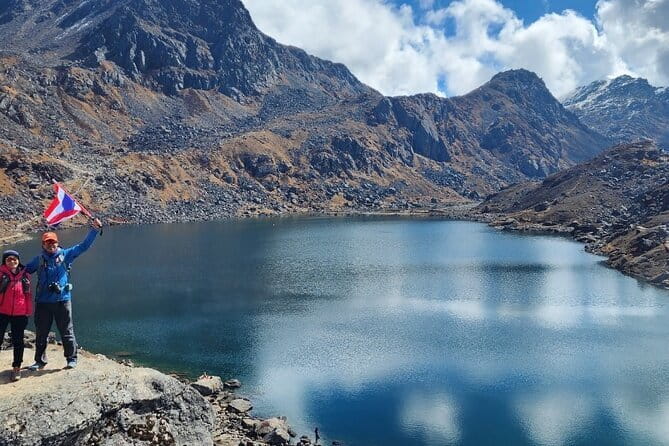
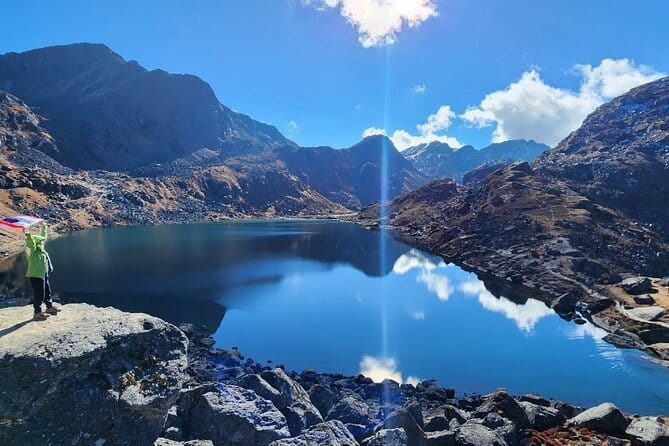
The route to Gosaikunda uses a less-traveled trail and climbs steeply. The effort pays off with a high mountain lake surrounded by Himalayan peaks.
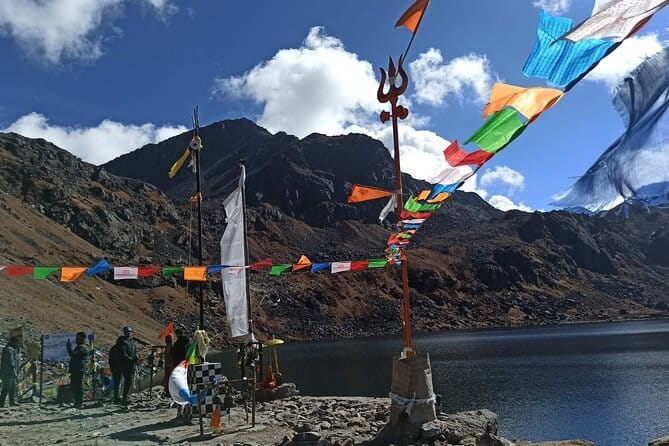
Gosaikunda is sacred to Hindu pilgrims, who connect the lake with Shiva. The spiritual importance is easy to understand once you see the lake’s isolated setting. This is not simply a photo stop. It is a place tied to pilgrimage and local belief.
At this height, mild altitude symptoms can occur. Loss of appetite and headache are specifically noted possibilities. Tell the guide immediately if symptoms appear, and do not push onward simply to keep the timetable.
The day takes about six hours, but steepness and altitude are the key measures, not distance. Keep water and snacks accessible. Food is purchased separately throughout the trek, so plan ahead each morning rather than assuming a meal will be available at the exact moment you want it.
Day 9: Back to Sing Gompa
You retrace the route from Gosaikunda to Sing Gompa, where you spend the night in a lodge. The six-hour return is easier in one sense because you know the destination, but downhill walking can be tiring after the high-lake day.
This night also gives you a final pause in the mountains before the long return. Use it to check your belongings, settle any remaining food expenses, and confirm the next day’s road transfer details with your guide.
Day 10: Walking to Dhunche and driving to Kathmandu
The final day combines a trek back to Dhunche with a drive to Kathmandu. The total time is listed at about eight hours, so this is not a relaxed morning followed by a short transfer.
The road journey can feel long after ten active days. Still, it completes the loop efficiently and avoids adding another overnight stop. Your hotel pickup and drop-off are included, which is useful when you arrive back in Kathmandu tired and carrying dusty gear.
What is included, and what you still pay for
The inclusions cover the practical foundation of the trek:
- Hotel pickup and drop-off
- Trekking permits and official documents
- An English-speaking trekking guide
- Guesthouse accommodation
- Shared bus or jeep transport
- A trekking pole
- A normal emergency first-aid kit
- Private participation for your group
Meals and drinks are extra at about $25 per day. Optional gratuity is also excluded. Since accommodation is in guesthouses rather than high-end hotels, the price is aimed at practical trekking value, not luxury.
The basic first-aid kit is reassuring, but it is not a substitute for personal medication or proper preparation. Bring any medicine you normally need, and ask the operator what emergency arrangements apply if someone cannot continue.
Who should book this trek?
I would recommend this route to someone who wants a serious mountain walk with cultural contact, not just a short scenic excursion. You should be comfortable walking six to eight hours and handling steep climbs and descents.
It suits you especially well if you want:
- A private trip rather than a large group
- A guide who can explain local culture and mountain conditions
- Both Langtang Valley and Gosaikunda
- Guesthouse accommodation instead of a luxury format
- A package that handles permits and ground transport
I would be cautious if you dislike long road transfers, have no experience with sustained uphill walking, or want a flexible holiday with little physical effort. The high points are rewarding, but they demand respect.
The cancellation terms are simple but strict. You receive a full refund if you cancel at least three full days before the local start time. Within three days, no refund is provided, and changes are not accepted.
Should you book the Langtang and Gosaikunda trek?
Book it if you want a compact Himalayan route with excellent variety and a strong cultural thread. The combination of Langtang Lirung views, Tamang villages, Kyanjin Gompa, a 5,184-meter high outing, and sacred Gosaikunda gives you plenty for ten days.
Before paying, confirm the 9:15 pm start time, the exact high-point plan on Day 5, and the transport arrangement for the return. If those details suit you and you are ready for steep walking at altitude, $550 is a fair starting price for the services included. Add food costs and optional gratuity, pack patiently, and let the guide set the pace.
FAQ
How long is the Langtang Valley and Gosaikunda trek?
The experience lasts approximately 10 days, including the road journey from Kathmandu to Syabrubesi and the return from Dhunche to Kathmandu.
What is the price per person?
The listed price is $550 per person. Food, drinks, and optional gratuity are not included.
Are meals included in the tour price?
No. Food and drinks are available for purchase during the trek, with an estimated cost of about $25 per day.
What accommodation is provided?
Accommodation is provided in guesthouses during the trek.
Is this a private tour?
Yes. Only your own group participates in the activity.
What level of fitness is required?
A moderate level of physical fitness is required. The route includes six to eight hours of walking on several days, steep climbs, and high-altitude sections near Tserkori and Gosaikunda.
New in the Kathmandu listings
- Traditional Momo Making Class★ 5.0 · 10 reviews
- Kathmandu: Ancient City Kirtipur & Pharping Monastery Tour★ 5.0 · 2 reviews
- Kathmandu to Pokhara Premium sofa bus ticket★ 4.0 · 17 reviews
- Women Empowerment Project(Nepali cooking class & jewelry workshop★ 5.0 · 15 reviews
- 7-Day Langtang Valley Trek from Kathmandu★ 5.0 · 1 review
- Kathmandu 2 Nights 3 Days Chitwan Jungle Safari Tour★ 5.0 · 9 reviews
- Yoga Experience Day Trip with Private Transfer From Kathmandu★ 4.0 · 2 reviews
- Wildlife Adventure in Chitwan Nepal★ 4.0 · 4 reviews
Langtang Valley Treks, compared.
Trekking in Annapurna/Langtang/Everest/Upper Mustang regions
Read our review →
Browse the lists this tour appears in