
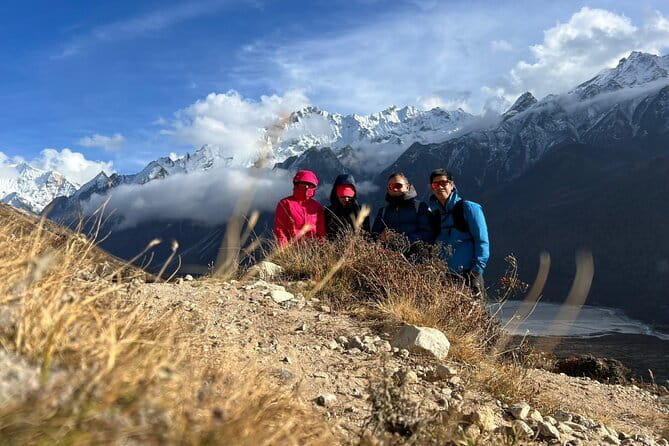
REVIEW · LANGTANG VALLEY TREKS
12 days Langtang Valley Homestay Trek
Mountain views meet village life here. This 12-day trip pairs the Langtang Valley’s forests, glaciers, and high viewpoints with time among Tamang families. I especially like the chance to share local food and daily customs, and the itinerary leaves room for village walks and cultural activities instead of rushing from lodge to lodge. The main point to check before booking is the accommodation: the tour describes Tamang homestays, while the inclusions also refer to guesthouses during the trek.
The route is private for your group, with airport transfers, a guided Kathmandu tour, permits, transport, and an English-speaking guide included. I also like the careful planning praised for Sham and the steady support associated with guide Bishnu. The drawback is that this is still a mountain trek with long walking days, a high viewpoint hike, and basic accommodation, so moderate fitness is needed.
In This Review
- Key points at a glance
- Why the homestay idea changes the trek
- Kathmandu begins with temples and preparation
- The long road to Syabrubesi on day three
- Forest trails and the climb to Lama Hotel
- From Ghoda Tabela to Langtang Village
- The high valley around Kyanjin Gompa
- Kyanjin Ri makes the rest day worthwhile
- Descending through forests and waterfalls
- Syabrubesi and the optional Rimche detour
- Returning to Kathmandu and using the spare day
- What $1,050 really covers
- Who should book this Langtang route?
- Should you book it?
- FAQ
- How long is the Langtang Valley homestay trek?
- What is included in the price?
- Are meals included during the trek?
- Is airport pickup provided?
- Does the tour include a Kathmandu city tour?
- Where do you stay during the trek?
- Is the trip private?
- How fit do you need to be?
- Is the Kyanjin Ri hike included?
- What is the cancellation policy?
Key points at a glance
- Tamang family contact: The homestay format aims to bring you into local homes, food, customs, and everyday life.
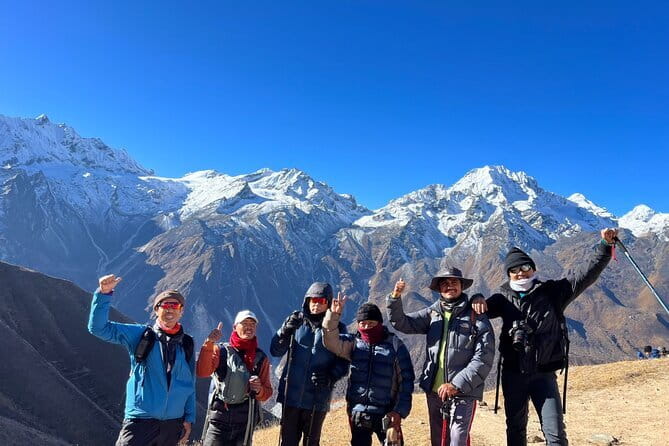
- Kyanjin Ri viewpoint: The rest day includes an early hike with views toward Langtang Lirung, Ganesh Himal, Shishapangma, Kang Guru, and Dorje Lakpa.
- Kathmandu built in: You get a guided day at Boudhanath Stupa, Pashupatinath Temple, and Kathmandu Durbar Square before trekking.
- Simple mountain logistics: Shared bus transport, guesthouse or homestay accommodation, permits, and guide costs are included.
- A clear return route: You retrace the valley to Syabrubesi, then return to Kathmandu with a spare city day.
- Good private-trip value: At $1,050 per person, the package covers several costly essentials, though meals and drinks add about $25 per day.
Why the homestay idea changes the trek
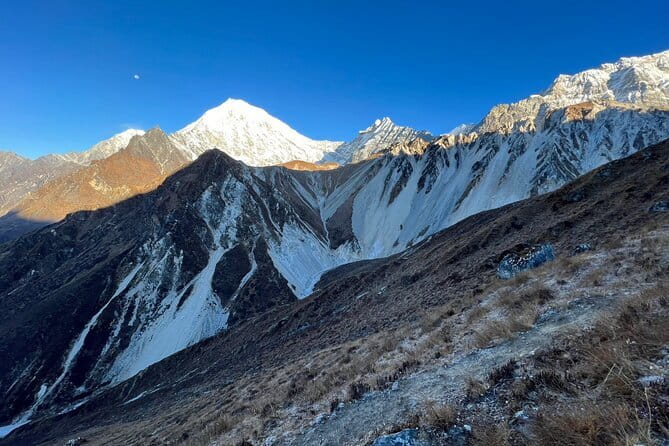
Langtang is not only a route to mountain views. It is also a chance to spend time in Tamang communities, where the rhythm of village life matters as much as the walking. Staying in local homes can give you a closer look at family routines, traditional food, ceremonies, and customs than a standard trekking lodge usually can.
That difference matters most during the quieter parts of the day. You may have time for a village walk, a conversation over a meal, or a traditional activity. Depending on the dates, you might also encounter a local festival or ceremony. Those moments cannot be promised, but the flexible design gives them room.
I would confirm the lodging arrangement in writing before paying. The experience is presented as a homestay trek, yet the included services also say accommodation in guesthouses during the trek. That may simply mean local homes and simple guesthouses are both used, but it is an important distinction if a family stay is the main reason you are booking.
More Langtang treks:
- Langtang Valley Trek
★ 5.0 · 140 reviews - Private 8 – Day Langtang Trekking
★ 5.0 · 29 reviews - Kathmandu: 6-Day Limitless Langtang Trek
★ 5.0 · 21 reviews
Kathmandu begins with temples and preparation
Your first day is simple. You are met at Tribhuvan International Airport with a name card and taken to the hotel. Four nights of two-star hotel accommodation with breakfast are included in Kathmandu, giving you time to settle in before heading into the hills.
Day two brings a private-car city tour with a licensed guide. Boudhanath Stupa gives you a strong introduction to Tibetan Buddhist culture, while Pashupatinath Temple offers a very different religious setting along the Bagmati River. Kathmandu Durbar Square adds old palaces, courtyards, and traditional city architecture.
The afternoon is practical rather than scenic. You meet the trekking guide, check permits and official documents, inspect gear, pack the duffel bags, and handle any last shopping. This is useful planning, not wasted time. A well-organized start helps prevent small problems from becoming mountain problems.
The strongest praise connected with the operation goes to Sham for organization and to Bishnu for route support and encouragement. Your assigned guide may differ, but the company’s local guiding system is a key part of the package. The guide’s costs, food, accommodation, and other standard expenses are included.
The long road to Syabrubesi on day three
The trek begins with a drive to Syabrubesi, listed with an overnight stay at Hotel Garden Inn Shyfru Bensi. The road follows green hills, terraced fields, waterfalls, villages, and views toward snow-covered peaks. After Dhunche, the route follows the Trishuli River toward Syabrubesi.
The drive takes about seven hours, so think of this as a full travel day rather than a gentle introduction to walking. The scenery helps, but mountain roads can make a long ride feel longer. Shared bus transport is included, which keeps the cost down but offers less privacy and flexibility than a private vehicle.
Syabrubesi is the gateway for the valley trek. It is also where the journey shifts from road travel to foot travel. Keep your day-one expectations modest, organize your pack, and save energy for the trail ahead.
Forest trails and the climb to Lama Hotel
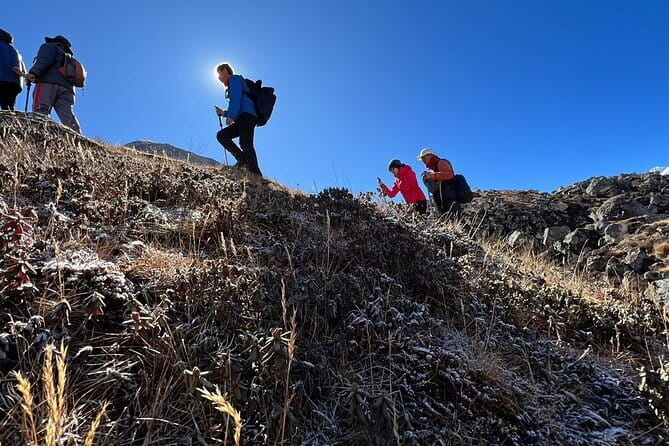
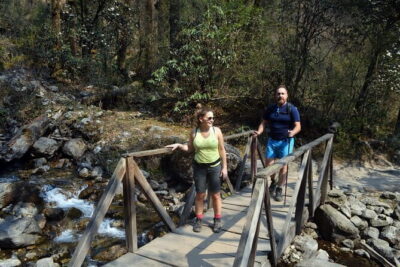
Day four follows the Bhote Kosi and Langtang Rivers through woodland and terraced fields. You pass small settlements before entering thicker forest, where bamboo and other trees give the route shade.
From Rimche, at about 2,400 meters, the path continues beside the Langtang River and climbs toward Lama Hotel. The walking time is around six hours. The route has a steady uphill feel, so good shoes and controlled pacing matter more than speed.
The forest is one of the early pleasures of the trek. It softens the first mountain miles and keeps the views changing. The route is also known for possible sightings of wildlife such as the red panda, though no sighting is guaranteed. Consider it a bonus, not a promise.
More walking in the hills of Kathmandu:
- Everest Base Camp Trek – 14 Days
★ 5.0 · 1,499 reviews - Everest Base Camp Trekking
★ 5.0 · 485 reviews - Nagarkot Sunrise View and Day Hiking from Kathmandu
★ 5.0 · 471 reviews - Annapurna Circuit Trek with Tilicho Lake
★ 5.0 · 368 reviews
From Ghoda Tabela to Langtang Village
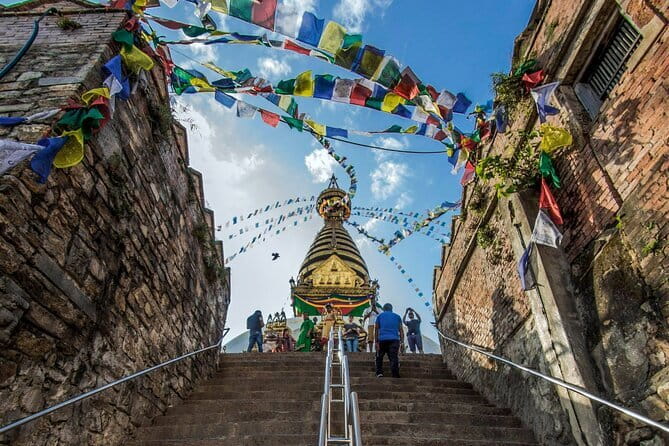
Day five begins beside the river, then turns uphill through forest. The valley gradually opens, and snowy peaks begin to appear behind the wooded slopes. At Ghoda Tabela, around 3,030 meters, the narrow valley spreads out.
You register permits there before continuing through Chyamki at about 3,230 meters. The trail then becomes more cultural in feel, with chortens, prayer wheels, mani walls, and water mills along the way. These are not decorations added for visitors. They reflect the beliefs and working life of the communities through which you walk.
Langtang Village is the day’s destination. The six-hour route gains height steadily, so you should drink regularly and tell your guide if you feel unwell. The package is designed for people with moderate fitness, not for complete beginners who expect an easy walk.
The high valley around Kyanjin Gompa
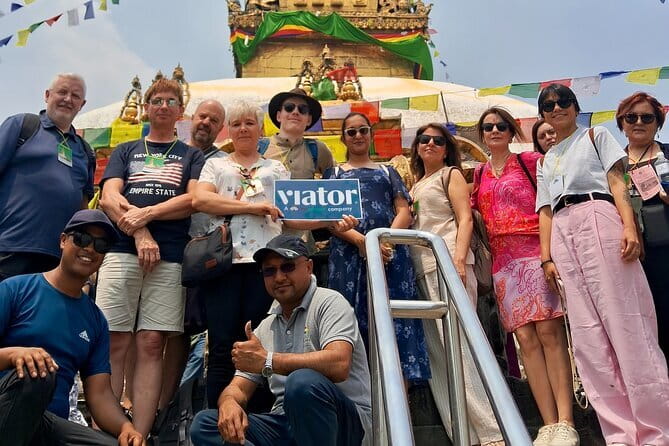
The route continues toward Kyanjin Gompa, a settlement surrounded by high peaks and hills. The day is described as a short, easy walk, though the listed walking time is still about six hours. That difference likely reflects stops, gradual altitude gain, and the pace of a group.
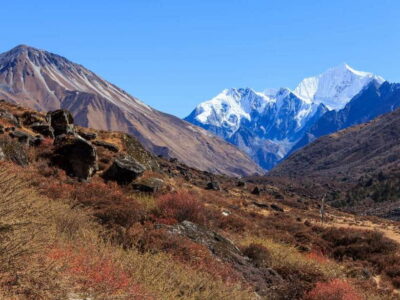
You pass small plateaus, mani walls, yak pastures, and remote villages. The scenery changes from wooded valley to more open mountain country. This is where the Langtang Valley begins to feel properly alpine, with broader views and fewer trees.
Kyanjin Gompa is a good place to slow down. You are not simply passing through on the way to another overnight stop. The schedule gives you time to rest and then use the next day for the main viewpoint walk.
Kyanjin Ri makes the rest day worthwhile
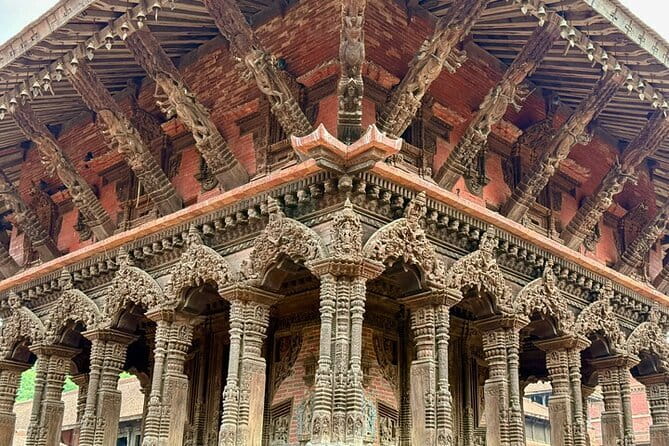
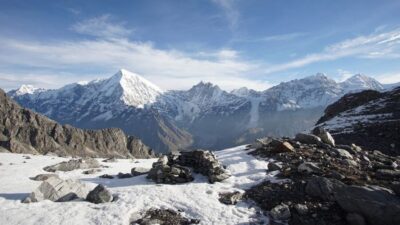
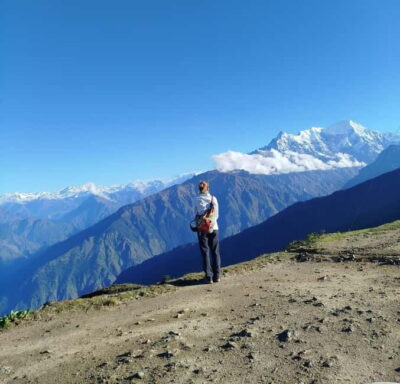
Day seven is labeled a rest day, but it starts with an early hike to Kyanjin Ri. This is the trip’s main high viewpoint, with views toward Langtang Lirung, Ganesh Himal, Shishapangma, Kang Guru, and Dorje Lakpa.
An early start makes sense for mountain views, since cloud can build later in the day. The climb may be the hardest walking of the trip because you are gaining more height above an already high settlement. The reward is a wide mountain outlook rather than a single close peak.
After returning, you have time to explore the monastery and village. That balance is important. A trek that only counts walking hours can leave you tired but disconnected. Here, the afternoon gives you a chance to notice the place itself, speak with your guide, and take part in the cultural side of the trip.
The description calls this a rest day, so do not read that as a day with no effort. It is better understood as an acclimatization and exploration day with one serious morning hike.
Descending through forests and waterfalls
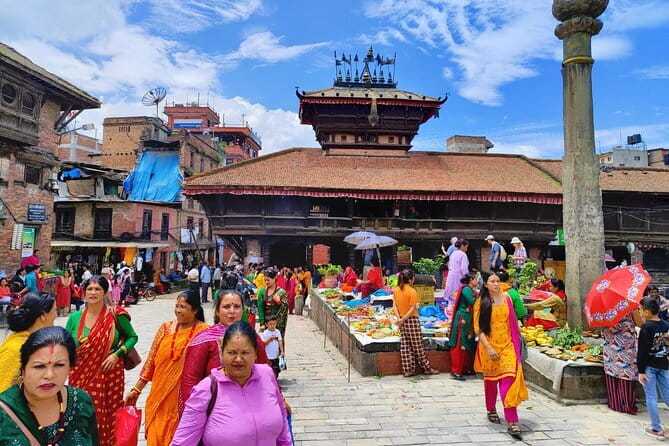
The return on day eight follows the same route back toward Lama Hotel. You first descend from Kyanjin Gompa through pastures and Langtang Village, then drop through dense forest.
The trail follows the Langtang River and passes waterfalls. Downhill walking is often easier on the lungs but harder on the knees, especially after the Kyanjin Ri climb. Trekking poles, if you already use them, can be helpful, though poles are not listed among the included gear.
Retracing your steps has a practical advantage: the route becomes familiar. You already know the villages and major turns, and the guide can help you judge the pace. The tradeoff is that the return offers fewer surprises than a loop route.
Syabrubesi and the optional Rimche detour
Day nine continues down to Syabrubesi, again listed with an overnight stay at Hotel Garden Inn Shyfru Bensi. The forested hills are quieter on the way back, and the descent gives you a final look at the river corridor.
If you feel strong, you can take the route from Rimche to Syabrubesi. It takes longer, but the description presents it as a striking detour. This choice should depend on your energy, not on pride. You will still have a long drive the next day, and arriving exhausted can take the shine off the final stretch.
The tour is private for your group, which may make this kind of pacing decision easier. You can discuss the detour with your guide instead of trying to match the speed of strangers.
Returning to Kathmandu and using the spare day
Day ten starts early with the drive back to Kathmandu. The road takes about seven hours, and you are dropped at your hotel on arrival. The remaining time is open for shopping and local markets.
Day eleven is a free day in Kathmandu. You can rest, continue exploring, or choose an optional activity such as an Everest mountain flight, Everest Base Camp helicopter tour, or Bhaktapur Tour. These options are not included in the stated price, so treat them as extra-cost choices.
Having a spare city day is useful after a trek. It gives you time to wash clothes, sort photos, buy gifts, and recover before your flight. It also adds a buffer if the mountain schedule changes, though no specific weather or delay guarantee is given.
On day twelve, you check out and receive a transfer to Tribhuvan International Airport. The international flight is not included.
What $1,050 really covers
At $1,050 per person, the price has solid value if you want a guided trek with Kathmandu services already arranged. It includes four nights of two-star hotel accommodation with breakfast, airport pickup and drop-off, the private Kathmandu tour, entrance fees for that city tour, permits, official documents, guide costs, trekking transport, and mountain accommodation.
The package also includes a government-licensed English-speaking guide and a normal first-aid kit. Those details matter in the Langtang Valley, where route knowledge and help with basic problems are more useful than luxury extras.
Meals on the trek are not included. Food and drinks are available for purchase, with an estimated cost of about $25 per day. That is roughly $300 across 12 days if you budget for food throughout the trip, though the exact total depends on which meals are covered by the included hotel breakfasts and how many days you are walking.
The accommodation level is basic. The package does not promise upscale rooms, private bathrooms, or hotel-style service in the mountain villages. You are paying for access, guiding, transport, and a local experience rather than comfort.
Who should book this Langtang route?
I would recommend this trip to you if you want three things in one journey: a Himalayan trek, contact with Tamang communities, and a few days of culture in Kathmandu. It suits people who prefer a planned private group and want permits, transfers, and a guide handled together.
You should have moderate physical fitness and be ready for walking days of about six hours. The Kyanjin Ri hike adds a more demanding morning, and the drive days are long. This is not the right choice if you want a relaxed sightseeing holiday with only short walks.
It is also a good fit for people who value local interaction more than polished lodging. Ask in advance how many nights are spent in family homes and how many are in guesthouses. That one answer will tell you how closely the final experience matches your hopes.
The cancellation terms are friendly if your plans change early: cancel at least 24 hours before the start time for a full refund. Changes or cancellations within 24 hours are not accepted for a refund, using local time as the cutoff.
Should you book it?
Book this Langtang trek if the Tamang homestay element is central to what you want and you are comfortable with simple rooms, paid meals, shared transport, and steady mountain walking. The route gives you forests, rivers, villages, prayer walls, yak pastures, high peaks, and a memorable viewpoint day at Kyanjin Ri.
The $1,050 price is reasonable for the included planning and support, especially with Kathmandu sightseeing, permits, airport transfers, guide expenses, and transport bundled together. Before you commit, confirm the exact homestay and guesthouse mix, the guide assigned to your group, and what breakfast coverage applies outside Kathmandu.
If those details suit you, this is a thoughtful way to see Langtang without reducing the valley to a string of mountain photos. You get time to walk, time to look around, and time to meet the people who call the route home.
FAQ
How long is the Langtang Valley homestay trek?
The experience lasts approximately 12 days, including arrival and departure transfers, Kathmandu sightseeing, the trek, and the return to Kathmandu.
What is included in the price?
The price includes four nights of two-star hotel accommodation with breakfast in Kathmandu, airport transfers, the guided Kathmandu city tour by private car, city tour entrance fees, trekking permits, official documents, a licensed English-speaking guide, shared transport between Kathmandu and Syabrubesi, mountain accommodation, and the guide’s food, accommodation, and standard expenses.
Are meals included during the trek?
Food and drinks are not included during the trek. They are available to purchase, with an estimated cost of about $25 per day.
Is airport pickup provided?
Yes. Pickup from Tribhuvan International Airport on arrival and drop-off at the airport on departure are included.
Does the tour include a Kathmandu city tour?
Yes. The guided city tour includes Boudhanath Stupa, Pashupatinath Temple, and Kathmandu Durbar Square. Entrance fees for the city tour are included.
Where do you stay during the trek?
The experience is described as staying with local Tamang families, while the inclusions also mention guesthouse accommodation during the trek. Confirm the exact accommodation plan with CAN Travels before booking.
Is the trip private?
Yes. Only your group participates in the private tour or activity.
How fit do you need to be?
A moderate level of physical fitness is required. Trekking days are generally listed at about six hours, and the trip includes an early hike to Kyanjin Ri.
Is the Kyanjin Ri hike included?
Yes. Day seven includes an early hike to Kyanjin Ri, followed by time to explore the monastery and village around Kyanjin Gompa.
What is the cancellation policy?
You can receive a full refund if you cancel at least 24 hours before the experience begins. Cancellations or changes made within 24 hours are not refunded or accepted, based on local time.
New in the Kathmandu listings
- Traditional Momo Making Class★ 5.0 · 10 reviews
- Kathmandu: Ancient City Kirtipur & Pharping Monastery Tour★ 5.0 · 2 reviews
- Kathmandu to Pokhara Premium sofa bus ticket★ 4.0 · 17 reviews
- Women Empowerment Project(Nepali cooking class & jewelry workshop★ 5.0 · 15 reviews
- 7-Day Langtang Valley Trek from Kathmandu★ 5.0 · 1 review
- Kathmandu 2 Nights 3 Days Chitwan Jungle Safari Tour★ 5.0 · 9 reviews
- Yoga Experience Day Trip with Private Transfer From Kathmandu★ 4.0 · 2 reviews
- Wildlife Adventure in Chitwan Nepal★ 4.0 · 4 reviews
Langtang Valley Treks, compared.
Trekking in Annapurna/Langtang/Everest/Upper Mustang regions
Read our review →
Browse the lists this tour appears in