
REVIEW · LANGTANG VALLEY TREKS
12 Days Yala Peak Climbing With Langtang Trek
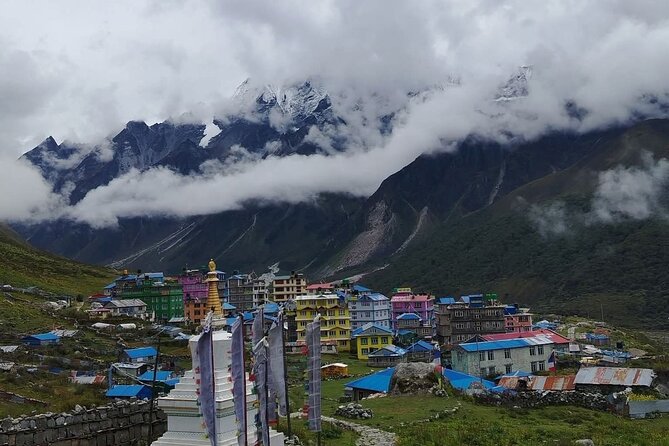
The Himalayas begin before the summit. This 12-day Yala Peak climb combines a classic Langtang Valley trek with a 5,520-meter peak ascent, giving you village life, mountain views, and a real high-altitude challenge in one trip. I like the contrast between the Tibetan-influenced Langtang Valley and the more serious camping and rope work needed near the peak.
I also like that the $1,850 price includes permits, guides, climbing equipment, accommodation, meals, and private ground transfers. The main consideration is fitness: this is not simply a scenic walk, and the itinerary gives you only one clear preparation and acclimatization day before summit day.
In This Review
- Five things to know before booking
- What this 12-day Nepal adventure really involves
- Day 1: Airport pickup and a soft landing in Kathmandu
- Day 2: Eight hours by road to Syabrubesi
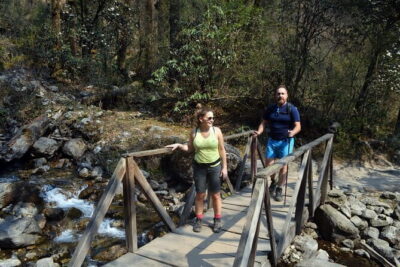
- Day 3: The Langtang River and rhododendron forest
- Day 4: Yaks, mountain views, and Langtang Village
- Day 5: From Kyanjin Gompa to Yala Peak Base Camp
- Day 6: A repeated Base Camp entry worth clarifying
- Day 7: Preparation and altitude adjustment
- Day 8: Summit day on Yala Peak
- Days 9 and 10: Returning through Lama Hotel to Syabrubesi
- Day 11: The long drive back to Kathmandu
- Day 12: Airport transfer and departure
- What the $1,850 price includes
- The strongest parts of the experience
- Who should book this climb?
- Should you book the Yala Peak and Langtang trip?
- FAQ
- Where does the Yala Peak climbing trip start?
- How high is Yala Peak?
- How long does the experience last?
- Are permits and national park fees included?
- Is climbing equipment provided?
- Is travel insurance included?
Five things to know before booking
- The summit reaches 5,520 meters: Yala Peak is high enough to require careful pacing, preparation, and respect for changing conditions.
- Langtang Valley comes first: You walk beside the Langtang River, through rhododendron forest, past grazing yaks, and into mountain villages before the climb begins.
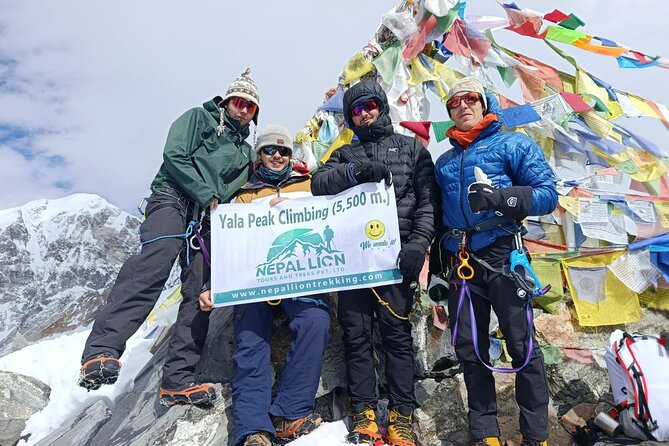
- The summit views are the prize: From high on Yala Peak, you may see Langtang Lirung, Dorje Lakpa, and Shishapangma, which rises to 8,027 meters.
- Camping begins near Base Camp: Most nights use guesthouses or lodges, while the peak section includes tents and camping equipment.
- The package covers major climbing costs: A climbing guide, Sherpa climbing guide, permits, fixed ropes, group gear, park fees, meals, and transfers are included.
- The group can reach 15 people: That is small enough for a shared expedition feel, though summit-day attention may vary by group size.
What this 12-day Nepal adventure really involves
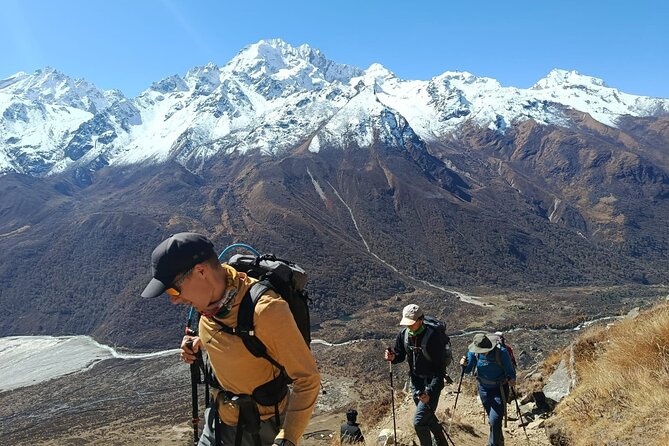
This is best understood as two trips joined together. The first part is a Langtang Valley trek, with forests, rivers, villages, and mountain scenery. The second part takes you away from the normal walking route and toward Yala Peak, where you camp, prepare, and climb with ropes and group equipment.
The summit is lower and shorter than many Himalayan climbing objectives, but 5,520 meters is still a serious altitude. You need strong physical fitness, and you should approach the climb as a mountaineering trip rather than a long sightseeing hike.
The itinerary uses a maximum group size of 15 people. That keeps the trip more manageable than a large bus-style tour, but 15 is still a sizable climbing group. If the group fills, ask how many guides will be assigned to the climbers and how summit-day decisions are made.
One small point worth clearing up before you book: the peak is called Yala Peak in most of the itinerary, while the overview also uses Yela Peak. Confirm the spelling and exact climbing objective with Nepal Lion Tours and Treks Pvt Ltd before departure.
More Langtang treks:
- Langtang Valley Trek
★ 5.0 · 140 reviews - Private 8 – Day Langtang Trekking
★ 5.0 · 29 reviews - Kathmandu: 6-Day Limitless Langtang Trek
★ 5.0 · 21 reviews
Day 1: Airport pickup and a soft landing in Kathmandu
Your trip begins at Tribhuwan International Airport, where private transport takes you to your Kathmandu hotel. This is a simple first day, but it matters after an international flight. You have time to refresh, settle in, and prepare for an early start.
The main meeting point is Nepal Lion Tours and Treks Pvt Ltd on Paknajol Marg, Kathmandu. The listed start time is 6:45 am. Since airport pickup is included, confirm where you will meet the representative and how the first morning transfer will work.
Accommodation in Kathmandu is included. A welcome or farewell dinner is also part of the package, giving the trip a defined beginning or ending without adding another restaurant decision to your list.
Day 2: Eight hours by road to Syabrubesi
The drive north to Syabrubesi takes about eight hours in a private vehicle. That is a long road day, but it is necessary to reach the Langtang trailhead.
The journey gives you a look at Nepal’s changing terrain and local culture. You move away from Kathmandu and toward higher ground, with the road itself becoming part of the experience. The benefit of private transport is flexibility and a more personal trip than a public bus. The drawback is that eight hours on mountain roads can be tiring before you have taken your first trekking step.
Plan for a full day in the vehicle. Keep water, snacks, and any important medication close at hand rather than buried in your main luggage.
Day 3: The Langtang River and rhododendron forest
The walking begins with the route toward Lama Hotel at about 2,500 meters. The day’s main features are the Langtang River and rhododendron forest, which give you a gentler introduction to the valley than the later rocky trails.
This section is valuable because it lets you settle into a walking rhythm before the route reaches its higher villages. The river provides a constant point of reference, while the forest gives the day a shaded, enclosed feel.
Lama Hotel is the first important overnight stop on foot. You stay in guesthouse or lodge accommodation during the trekking portion, according to the package details. The distance and walking time are not specified, so ask for the expected hours and elevation gain before setting out.
More walking in the hills of Kathmandu:
- Everest Base Camp Trek – 14 Days
★ 5.0 · 1,499 reviews - Everest Base Camp Trekking
★ 5.0 · 485 reviews - Nagarkot Sunrise View and Day Hiking from Kathmandu
★ 5.0 · 471 reviews - Annapurna Circuit Trek with Tilicho Lake
★ 5.0 · 368 reviews
Day 4: Yaks, mountain views, and Langtang Village
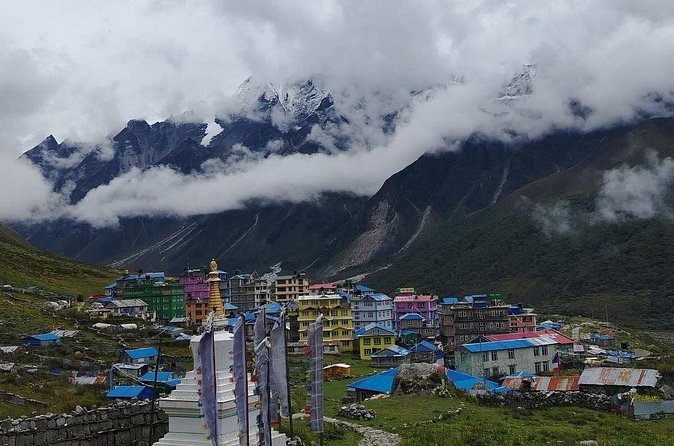
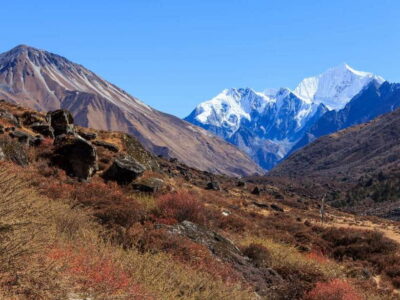
The trail continues toward Langtang Village through Gumanechowk. You pass open areas where yaks graze, and the mountain views become clearer as the valley opens.
Langtang Valley is not only a route to the peak. It is also a place shaped by Tibetan cultural influence, with villages and highland ways of life that give the trek its character. The scenery changes from forested river corridors to wider mountain country.
This is one of the days when walking slowly pays off. You are gaining altitude, and the coming climb will ask more from your body. Keep your pace steady and avoid treating the day as a race to the next lodge.
Day 5: From Kyanjin Gompa to Yala Peak Base Camp
The route heads from Kyanjin Gompa toward Yala Peak Base Camp. The trail becomes rocky and crosses pastures, a clear shift from the more established valley walking of the earlier days.
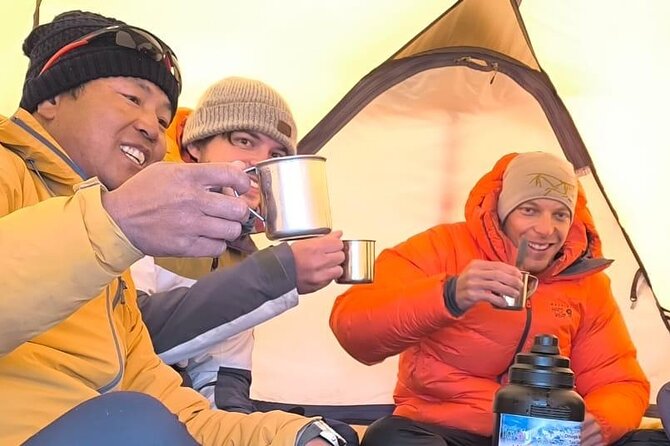
By evening, you camp at Base Camp. Tents, camping equipment, and group climbing equipment are included, along with fixed climbing ropes. This change from lodge life to tent life is part of the appeal, but it also means less comfort and more dependence on the team’s camp routine.
The itinerary places Kyanjin Gompa and Base Camp in the same general stage of the trip, so confirm the exact overnight sequence with the operator. The published schedule repeats the Base Camp move on Day 6, which suggests that one of those entries may be intended for a different activity or location.
Day 6: A repeated Base Camp entry worth clarifying
Day 6 is described the same way as Day 5: leaving Kyanjin Gompa, following a rocky trail through pastures, and camping at Yala Peak Base Camp. Because the wording is repeated, you should ask for the detailed day-by-day route before paying the balance.
This is not a reason to reject the trip. It is simply an important planning point. A climbing itinerary should make clear where you sleep each night, when equipment is sorted, and how much time is reserved for acclimatization.
The package includes both a trekking guide and a Sherpa climbing guide. Ask which guide leads each section and how the climbing team is organized at Base Camp.
Day 7: Preparation and altitude adjustment
The day before the climb is set aside to prepare for Yala Peak and let your body adjust to the increasing altitude and changing climate. This is one of the most important days in the entire schedule.
Use it properly. Check your clothing, boots, gloves, headwear, water supply, and personal medical items. The operator provides tents, ropes, and group climbing gear, but you remain responsible for personal clothing and any equipment not specifically listed in the inclusions.
The itinerary gives you one full preparation day before the summit attempt. That can work well for a fit person who has already prepared for high altitude, but it leaves little spare time if weather, health, or acclimatization causes a delay. Personal travel insurance should cover trekking and climbing at this altitude. Helicopter rescue and evacuation are not included.
Day 8: Summit day on Yala Peak
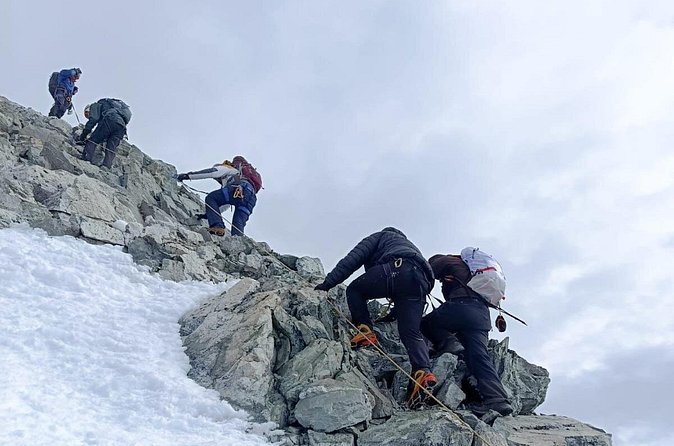
The climb begins after the preparation day. Yala Peak is described as a short climb compared with larger Himalayan objectives, but short does not mean easy. At 5,520 meters, thin air can make every step feel expensive.
Fixed climbing ropes and group climbing equipment are included. A Sherpa climbing guide is also part of the package. These are important inclusions for a first high-altitude climbing experience, though you should still ask exactly what technical instruction and personal climbing gear are supplied.
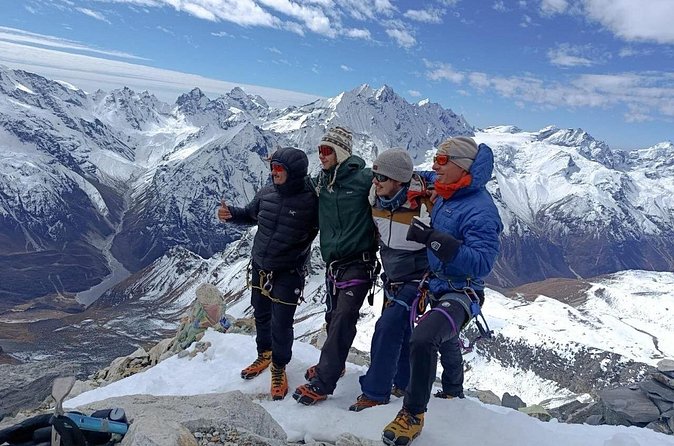
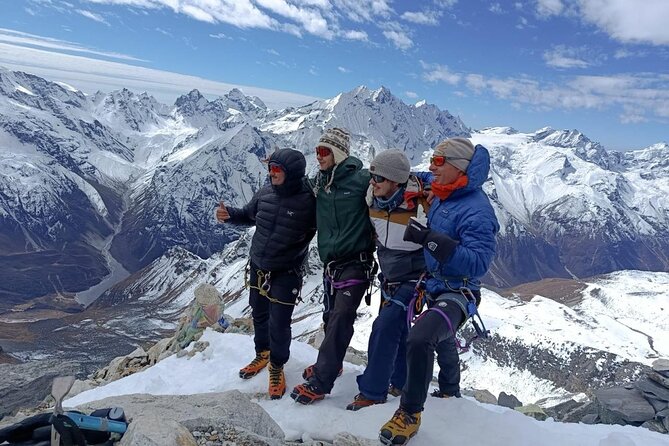
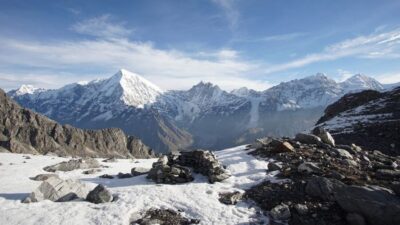
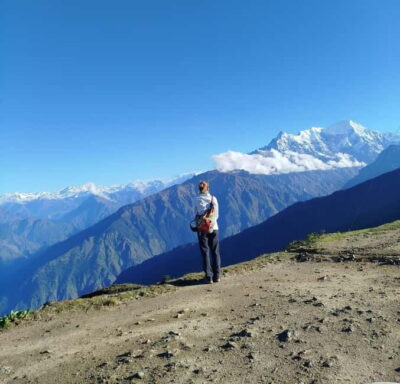
The reward is the view. From the peak area, the itinerary highlights Langtang Lirung, Dorje Lakpa, and Shishapangma, the 8,027-meter mountain across the border region. The combination of a reachable climbing objective and major Himalayan peaks in view is the strongest reason to choose this trip.
Summit day depends on conditions and individual ability. The schedule presents Day 8 as the climbing day, but you should confirm how the guide handles a delayed or unsuccessful summit attempt.
Days 9 and 10: Returning through Lama Hotel to Syabrubesi
After the climb, the route returns toward Lama Hotel. This is a welcome change of direction after the effort of summit day, and the lower altitude should feel easier as you descend.
Day 10 continues down to Syabrubesi. The mountains gradually seem farther away, a normal but slightly bittersweet part of leaving the high valley. The return route also gives you a second look at places that may have passed quickly on the way up.
The schedule does not describe a rest day after the summit. That means you should be prepared for a prompt return to walking. If you expect a slow recovery day after climbing, ask if the plan can be adjusted.
Day 11: The long drive back to Kathmandu
The return drive to Kathmandu takes about eight hours, using private transport. It is another full road day, but you finish the trek with your main transport already arranged.
Once back in Kathmandu, you return to hotel accommodation. This final night gives you a place to shower, repack, and prepare for your flight home. Keep some flexibility in your wider Nepal plans because road travel can be tiring, even when the schedule is set.
Day 12: Airport transfer and departure
On the final day, the company takes you to the airport according to your flight schedule. Airport drop-off is included, so the trip ends where it began, with ground transfers handled by the operator.
The package includes breakfast on 11 days, lunch on 10 days, and dinner on 10 days. Those numbers fit a 12-day trip with arrival and departure days treated differently, but confirm which meals are covered on travel days.
What the $1,850 price includes
At $1,850 per person, this is not a budget Langtang walk. It is priced as a supported peak-climbing trip, and the value depends on using the included services.
The package covers:
- Private airport pickup and drop-off
- Private ground transfers
- Kathmandu accommodation
- Guesthouse, lodge, and tented accommodation during the trek and climb
- An English-speaking trekking guide
- A Sherpa climbing guide
- Yala Peak royalty permit
- Langtang National Park and conservation-area fees
- Tents and camping equipment
- Fixed climbing ropes and group climbing gear
- Garbage fees
- A general medical kit
- Government taxes
- Most listed meals
- A welcome or farewell dinner
Those inclusions remove several costs that can add up on a climbing trip. Permits, park fees, camping support, two types of guides, and private road transport are especially important when judging the price.
You still pay for personal spending, laundry, telephone use, bar bills, tips, travel insurance, personal medical costs, and any service not listed. Helicopter rescue and evacuation are also excluded, so insurance is not an optional extra in practical terms.
The strongest parts of the experience
I like the way this trip links a culturally interesting valley trek with a clear physical goal. You are not simply walking to a viewpoint, and you are not thrown straight into a climb. You first pass through forest, rivers, villages, and yak pastures before reaching Base Camp.
The second major strength is the equipment and permit coverage. A first high-altitude climber may find it hard to arrange fixed ropes, camping equipment, climbing permits, and specialist support alone. Having those items organized makes the trip easier to plan.
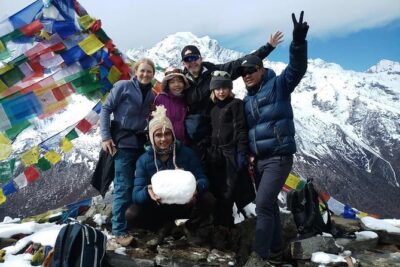
The single published experience connected with the company describes a four-person group that spent two weeks in Nepal and praised the overall trip, including a Kathmandu city tour and cultural and historical sights. That detail suggests the company may also arrange broader Nepal programs, though a city tour is not listed in this 12-day package. Do not assume it is included here.
The biggest weakness is schedule clarity. The repeated Day 5 and Day 6 descriptions need explanation, and the plan offers limited spare time around the summit. Get the exact overnight stops, walking hours, climbing instruction, and weather contingency in writing.
Who should book this climb?
This trip suits you if you want more than the standard Langtang trek and have strong physical fitness. It is especially appealing if you are a first-time high-altitude climber who wants a defined peak objective with guides, permits, camping support, and group equipment arranged.
It may not suit you if you prefer comfortable lodge trekking, dislike long road transfers, or want a relaxed schedule with several spare days. The eight-hour drives and high camp conditions are real parts of the experience, not minor inconveniences.
The trip also suits a small group of friends. The four-person group described in the company material is a useful model for the kind of shared expedition atmosphere you might prefer. At the maximum size of 15, the feel could be less personal.
Free cancellation is available if you cancel at least 24 hours before the experience start time. Changes made within 24 hours are not accepted, and the cut-off follows local time.
Should you book the Yala Peak and Langtang trip?
Book it if you want a compact Himalayan climbing trip that combines Langtang culture and scenery with a 5,520-meter summit attempt. The price is reasonable for the permits, private transfers, accommodation, meals, guides, camping gear, and climbing support included.
Before booking, ask for clarification on the duplicated Base Camp days, the exact personal gear list, guide-to-climber ratio, summit-day backup plan, and insurance requirements. If the answers are clear and you are fit for high altitude, this is a strong choice for an introductory Nepal peak climb with plenty of mountain scenery along the way.
FAQ
Where does the Yala Peak climbing trip start?
The listed starting point is Nepal Lion Tours and Treks Pvt Ltd on Paknajol Marg in Kathmandu, Nepal. The listed start time is 6:45 am, and airport pickup is offered.
How high is Yala Peak?
Yala Peak reaches 5,520 meters above sea level.
How long does the experience last?
The planned duration is approximately 12 days, from airport arrival and transfer to the final airport drop-off.
Are permits and national park fees included?
Yes. The package includes the Yala Peak climbing royalty permit, Langtang National Park fees, conservation-area permit fees, garbage fees, and government local taxes.
Is climbing equipment provided?
Tents, camping equipment, fixed climbing ropes, and group climbing equipment are included. Personal equipment and personal expenses are not listed as included, so confirm the required gear with the operator.
Is travel insurance included?
No. Personal medical and travel insurance are not included. Helicopter rescue and evacuation, if needed, are also excluded.
New in the Kathmandu listings
- Traditional Momo Making Class★ 5.0 · 10 reviews
- Kathmandu: Ancient City Kirtipur & Pharping Monastery Tour★ 5.0 · 2 reviews
- Kathmandu to Pokhara Premium sofa bus ticket★ 4.0 · 17 reviews
- Women Empowerment Project(Nepali cooking class & jewelry workshop★ 5.0 · 15 reviews
- 7-Day Langtang Valley Trek from Kathmandu★ 5.0 · 1 review
- Kathmandu 2 Nights 3 Days Chitwan Jungle Safari Tour★ 5.0 · 9 reviews
- Yoga Experience Day Trip with Private Transfer From Kathmandu★ 4.0 · 2 reviews
- Wildlife Adventure in Chitwan Nepal★ 4.0 · 4 reviews
Langtang Valley Treks, compared.
Trekking in Annapurna/Langtang/Everest/Upper Mustang regions
Read our review →
Browse the lists this tour appears in