
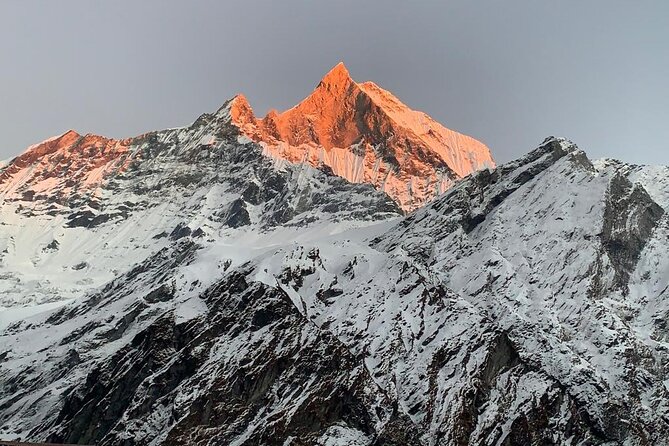
REVIEW · ANNAPURNA BASE CAMP TREKS
Annapurna Base Camp Trek 12 Days
The Himalayas reward steady feet. This 12-day Annapurna Base Camp trek combines a classic mountain route with a Poon Hill sunrise, Gurung and Magar village life, and a hot-spring stop at Jhinu. I especially like the included meals, permits, transport, and guide, which keep the trip simple, and the fact that airport pickup and drop-off are arranged from Kathmandu. The main thing to consider is the physical effort: this is a moderate trek with long uphill sections, roughly 3,000 stone steps to Ulleri, and increasing altitude near Deurali and base camp.
I also like the small-group format. This is a private trip, so only your own group takes part, and the guide can offer more flexibility than a large fixed departure. The company has received strong praise for helpful staff, reasonable pricing, and experienced guides such as Arjun, Sudip, and porter-guide Ram. Still, the price does not cover Kathmandu accommodation, most food in Kathmandu and Pokhara, drinks, insurance, tips, or a porter if you need one.
In This Review
- Key points before you book
- What the 12-day route really gives you
- Day 1: A soft landing in Thamel
- Day 2: Kathmandu to Pokhara by tourist bus
- Day 3: Nayapul to Tikhedhunga
- Day 4: The 3,000 steps to Ulleri and on to Ghorepani
- Day 5: Poon Hill at 3,200 meters
- Day 6: Tadapani to Chhomrong
- Day 7: Chhomrong into the Annapurna Sanctuary
- Day 8: Sinuwa, Bamboo, Dovan, and Deurali
- Day 9: Deurali to Fishtail Base Camp and Annapurna Base Camp
- Day 10: Sunrise and the long return to Dovan
- Day 11: Dovan to Sinuwa Hill
- Day 12: Jhinu hot spring and Pokhara
- What the $799 price includes
- Guides, flexibility, and personal service
- Who should book this Annapurna trek?
- Should you book it?
- FAQ
- How long is the Annapurna Base Camp trek?
- What is the price of the trek?
- Is airport pickup included?
- Is this a private tour?
- What accommodation is included?
- Are meals included?
- Is a trekking porter included?
- Are permits included?
- How fit do I need to be?
- Can I cancel for a refund?
Key points before you book
- Poon Hill sunrise at 3,200 meters: An early climb brings wide views of about 15 Himalayan peaks, weather permitting.
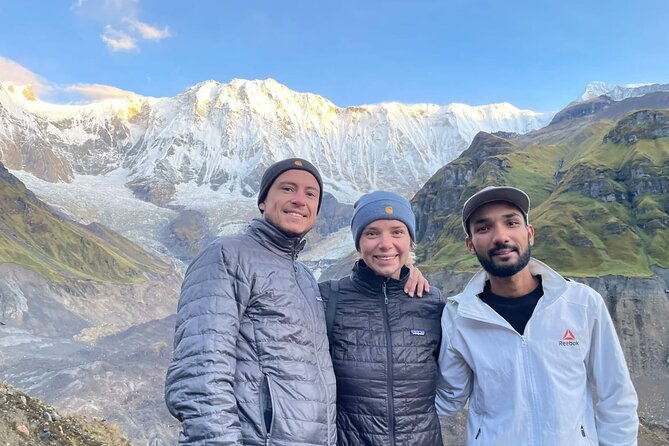
- A real Annapurna Sanctuary trek: The route passes through forests, river valleys, mountain villages, and the foothills of Annapurna South and Machhapuchhre.
- Private group departure: You trek only with your own party, with a professional guide leading the way.
- Value-focused package: Lodging, three meals a day on the trail, ground transport, permits, and airport transfers are included.
- Gurung and Magar culture: The route passes through communities where village life is part of the experience, not just scenery beside the trail.
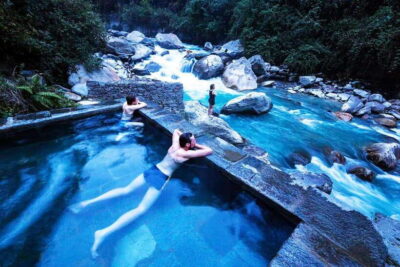
- Jhinu hot spring finish: After the return walk, you have time to bathe in the natural hot spring before heading to Pokhara.
What the 12-day route really gives you
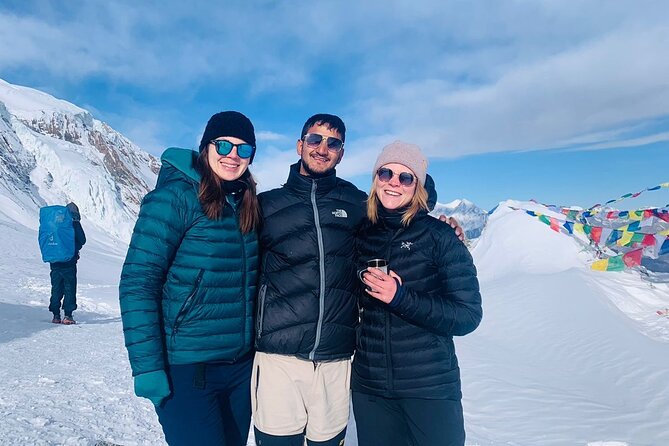
This is not the shortest way to Annapurna Base Camp. That is a good thing if you want more than a quick mountain photo. The route adds Poon Hill, a highly regarded sunrise point, before turning into the Annapurna Sanctuary toward base camp.
You begin in Kathmandu, travel overland to Pokhara, and then reach the trailhead near Nayapul by private vehicle. From there, the route moves through Tikhedhunga, Ulleri, Ghorepani, Poon Hill, Tadapani, Chhomrong, Dovan, and Deurali before reaching the high point of the trek.
The return follows the Modi River corridor toward Dovan, Sinuwa, and Jhinu. You finish in Pokhara rather than returning directly to Kathmandu. That arrangement gives you a little breathing room after the mountain section, though the trip does not include accommodation in Kathmandu and Pokhara.
More Annapurna Base Camp treks:
- Annapurna base camp trek 5 Days
★ 5.0 · 252 reviews - Annapurna Base Camp Trek
★ 5.0 · 111 reviews - Kathmandu to Annapurna Base Camp (ABC) 5-Day Trek
★ 5.0 · 102 reviews
Day 1: A soft landing in Thamel
Your trip starts at Tribhuvan International Airport, where an Adventure Glacier representative meets you at the arrival gate. You are transferred to a hotel in Kathmandu, followed by a trek briefing.
This first day matters more than it may seem. International arrivals, airport queues, and Kathmandu traffic can leave you tired, so having a pickup removes one early decision. The briefing also gives you a chance to clarify the walking schedule, permits, meals, and any porter arrangements.
Your Kathmandu accommodation is not included, so check the booking details carefully. Airport pickup is included, but the hotel itself is your responsibility unless you arrange it separately.
Day 2: Kathmandu to Pokhara by tourist bus
The group leaves Kathmandu around 7:00 a.m. by tourist bus for Pokhara. The ride usually takes six to seven hours, depending on road conditions.
This is a long road day, but it connects the capital with the main gateway for the Annapurna trek. After arriving in Pokhara, you check into your hotel and have time to rest. The itinerary includes the transfer, but food in Pokhara, apart from the daily breakfast arrangement stated for the trip, is not included.
I would treat this as a practical travel day rather than a sightseeing day. You are saving the cost and complication of arranging another transfer, but you should expect a full day on the road.
Day 3: Nayapul to Tikhedhunga
After breakfast, a private vehicle takes you from Pokhara for about two hours to Nayapul. This is where the walking section begins.
The route passes through countryside and follows the meeting area of the Modi River and another river system before continuing toward Tikhedhunga. The first walking day is useful for finding your rhythm. You get a sense of the trail underfoot without immediately facing the highest parts of the trek.
Your overnight stay is at a lodge, and the package includes lodging, dinner, breakfast, lunch, and tea or coffee while trekking. Drinks beyond the stated tea and coffee, along with personal purchases, are extra.
More walking in the hills of Kathmandu:
- Everest Base Camp Trek – 14 Days
★ 5.0 · 1,499 reviews - Everest Base Camp Trekking
★ 5.0 · 485 reviews - Nagarkot Sunrise View and Day Hiking from Kathmandu
★ 5.0 · 471 reviews - Annapurna Circuit Trek with Tilicho Lake
★ 5.0 · 368 reviews
Day 4: The 3,000 steps to Ulleri and on to Ghorepani
This is one of the days you should take seriously. After breakfast, you climb toward Ulleri on about 3,000 stone steps, a section that takes roughly two hours.
The trail then continues toward Ghorepani. The day has a clear physical challenge, but the steady pace is manageable for someone with moderate fitness who prepares properly. Short steps, regular water breaks, and patience will serve you better than trying to race uphill.
Ghorepani is important because it positions you for the early walk to Poon Hill. You are not simply passing through another overnight village. You are setting up the trip’s first major mountain viewpoint.
Day 5: Poon Hill at 3,200 meters
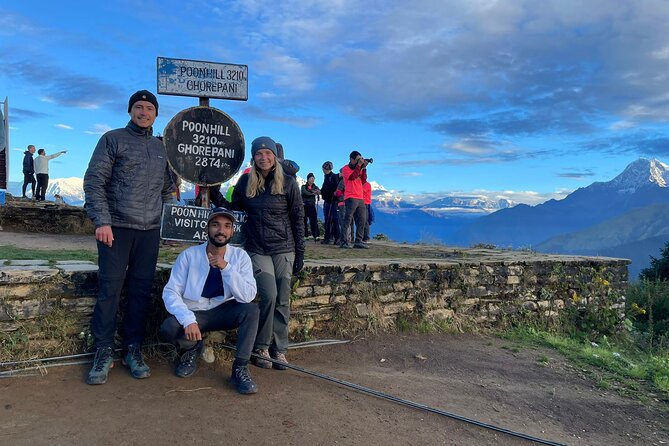
Poon Hill is reached by an early walk of about 50 minutes. The goal is sunrise over the high peaks, with views of around 15 mountains when the weather cooperates.
This is one of the strongest features of the itinerary. You get a major Himalayan viewpoint before reaching Annapurna Base Camp, so the trek has an early reward rather than saving every scenic moment for the final day.
The early start can be cold and tiring, and cloud can block the view. That is simply mountain weather, not a flaw in the tour. The route then continues through the mountain corridor toward the next overnight area, with Tadapani named as the following stage of the journey.
Day 6: Tadapani to Chhomrong
From Tadapani, the route drops about 900 meters into the Gurjung River valley. It then climbs along a ridge to Chhomrong, a large Gurung village high above the river corridor.
This is a day of repeated descent and ascent. Your knees may notice the downhill more than your lungs notice the climb. Chhomrong is a worthwhile stop because the village setting brings the local culture into focus, rather than making the walk only about peaks and elevation.
The Gurung communities are part of what gives this route its character. The company’s stated aim is to include cultural contact with Gurung and Magar communities, and Chhomrong is one of the clearest places for that village connection.
Day 7: Chhomrong into the Annapurna Sanctuary
The trail first descends toward Chhomrong Khola, then climbs toward Sinuwa for about three hours. From there, the route enters a steep valley leading toward the Annapurna Sanctuary, below Annapurna South and Machhapuchhre, also known as Fishtail.
This is where the route begins to feel more enclosed and mountain-focused. You move from broad village ridges into a valley framed by major Himalayan peaks. Forest, river sounds, and steep slopes become the main features of the walk.
Do not underestimate the day because the distances may look modest on paper. The repeated climb and descent, combined with the growing altitude, make a measured pace important.
Day 8: Sinuwa, Bamboo, Dovan, and Deurali
The route continues above Dovan, where altitude begins to have a stronger effect. The walk to Deurali takes about two hours through a peaceful forest and reaches another Himalayan settlement.
The description of this section points to lush woodland, quiet trails, and a change in how your body responds to the climb. The scenery may be less instantly dramatic than the high ridges, but the forest gives the approach to base camp a gradual rhythm.
At this stage, follow your guide’s pace and pay attention to how you feel. The itinerary is designed for a moderate level of fitness, but altitude affects people differently. The inclusion of a professional guide is particularly valuable here because the route and conditions can change with the season.
Day 9: Deurali to Fishtail Base Camp and Annapurna Base Camp
This is the central day of the trek. From Deurali, the trail reaches Fishtail Base Camp in about two hours, then continues toward Annapurna Base Camp.
The route between Deurali and Fishtail Base Camp can be affected by avalanches. The crossing near the Modi River may change depending on the season and current conditions, so your guide may use a different route.
That flexibility is not a minor detail. A fixed path is less important than a safe path in high mountain country. The tour includes permits and local fees, including the Annapurna Conservation Area Permit, and the guide’s expenses, insurance, and equipment are covered.
At base camp, the reward is the scale of the surrounding peaks and the feeling of reaching a high mountain destination on foot. The route is not a casual walk. The altitude and terrain make this the day when preparation, patience, and good judgment matter most.
Day 10: Sunrise and the long return to Dovan
After watching sunrise over the Annapurna range, you begin walking back toward Dovan. The first part can be steep, followed by more gradual downhill sections.
The return is not an afterthought. You are still walking through demanding terrain, and downhill travel can be hard on tired legs. Dovan sits at a river junction where two streams meet, giving the overnight stop a clear geographic character.
The sunrise timing is one of the trip’s best touches. You get a second major morning view, this time from the base camp area, after reaching the central goal of the trek.
Day 11: Dovan to Sinuwa Hill
You follow the river through forest, passing waterfalls and listening to birds and running water. The route then climbs more gently toward Sinuwa Hill, where you spend the night at a trekking lodge.
This section offers a welcome change from the higher, more exposed parts of the route. The forest and water make the walk feel calmer, although the upward finish means you are not simply strolling downhill all day.
The overnight lodge is included, as are meals on the trail. Basic mountain lodging is part of the bargain, so you should focus on location, warmth, food, and rest rather than expect hotel comforts.
Day 12: Jhinu hot spring and Pokhara
The final walking section takes about two hours to Jhinu, home to a natural hot spring. You have time to bathe, eat lunch, and then drive back to Pokhara, or possibly walk farther before the drive, depending on the plan.
The hot spring is a smart ending. After several days of steep trails, a warm soak gives your legs a pleasant break before the return to Pokhara. It also keeps the final day from feeling like nothing more than transport.
Once back in Pokhara, the trekking portion is over. The package does not include dinner or other personal food costs in Pokhara, so budget for those separately.
What the $799 price includes
At $799 per person, the package offers solid value if you use the included services. It covers:
- Lodges along the trekking route
- Breakfast, lunch, and dinner during the trek
- Tea or coffee with trekking meals
- Ground transportation
- Professional guide and the guide’s expenses
- Guide insurance and equipment
- Airport pickup and drop-off
- Annapurna Conservation Area and local permits
- Ten lunches, twelve breakfasts, and ten dinners as specified
The inclusion of permits and guide costs is important. These are expenses that can make a supposedly cheap trek less cheap once added separately.
You should also account for the items left out. Drinks, tips, personal expenses, your own insurance, meals in Kathmandu and Pokhara, Kathmandu accommodation, and porter service are not included. If you want a porter, ask about the cost before departure rather than assuming it is part of the package.
Guides, flexibility, and personal service
The company presents this as a private activity, which is useful if you are traveling with friends or family and want the schedule to suit your own group. Past guests have specifically praised guides and porters including Arjun, Krishna, Sudip, and Ram.
One particularly useful detail is the company’s help with changing travel plans. When a flight to Pokhara was canceled because of weather, the director, Dil Prasad Sapkota, helped find a solution and offered customized itinerary support. That matters in Nepal, where weather can affect transport plans.
You should still ask clear questions before booking. Confirm the exact hotel in Kathmandu, the Pokhara arrangements, the porter price, the number of people in your private group, and the current transport plan. Good communication before departure can prevent small surprises later.
Who should book this Annapurna trek?
I would recommend this trip to someone who wants a guided Himalayan trek with a clear support system and a blend of scenery and local village life. It suits friends, couples, and private groups who prefer not to walk with strangers.
You should have moderate physical fitness and be comfortable with several hours of walking, stone steps, steep climbs, and high-altitude conditions. The 3,000-step climb to Ulleri and the approach to base camp are the clearest tests.
This is less suitable if you want a relaxed holiday, dislike basic lodge accommodation, or expect every cost to be included. It is also not the right choice if you want a short, low-effort mountain outing.
Should you book it?
I would book this trek if you want Poon Hill and Annapurna Base Camp in one route, with meals, permits, transport, and a guide already arranged. The 4.9 rating from 18 ratings, full recommendation rate, and repeated praise for professional staff and reasonable prices support the company’s value claim.
Before paying, clarify the excluded costs and porter arrangements. If you are comfortable with a demanding 12-day schedule and basic mountain lodges, this offers a practical way to experience the Annapurna region without organizing every moving part yourself.
FAQ
How long is the Annapurna Base Camp trek?
The experience lasts approximately 12 days, beginning with airport pickup in Kathmandu and ending in Pokhara after the return from Jhinu.
What is the price of the trek?
The listed price is $799 per person.
Is airport pickup included?
Yes. Airport pickup and drop-off are included, with the starting meeting point at Tribhuvan International Airport in Kathmandu.
Is this a private tour?
Yes. Only your own group participates in the activity.
What accommodation is included?
Accommodation at lodges along the trekking route is included. Accommodation in Kathmandu is not included.
Are meals included?
Breakfast, lunch, and dinner are included during the trekking portion, along with a cup of tea or coffee en route. Food in Kathmandu and Pokhara is not included apart from the stated daily breakfast arrangement.
Is a trekking porter included?
No. A trekking porter is available if needed, but the cost is not included in the listed price.
Are permits included?
Yes. The package includes applicable permits and fees, including the Annapurna Conservation Area Permit and local permits.
How fit do I need to be?
The tour states that participants should have a moderate level of physical fitness. The route includes about 3,000 stone steps to Ulleri, steep sections, and walking at increasing altitude.
Can I cancel for a refund?
You can cancel at least 24 hours before the experience starts for a full refund. Cancellations or changes made within 24 hours are not accepted for a refund.
New in the Kathmandu listings
- Traditional Momo Making Class★ 5.0 · 10 reviews
- Kathmandu: Ancient City Kirtipur & Pharping Monastery Tour★ 5.0 · 2 reviews
- Kathmandu to Pokhara Premium sofa bus ticket★ 4.0 · 17 reviews
- Women Empowerment Project(Nepali cooking class & jewelry workshop★ 5.0 · 15 reviews
- 7-Day Langtang Valley Trek from Kathmandu★ 5.0 · 1 review
- Kathmandu 2 Nights 3 Days Chitwan Jungle Safari Tour★ 5.0 · 9 reviews
- Yoga Experience Day Trip with Private Transfer From Kathmandu★ 4.0 · 2 reviews
- Wildlife Adventure in Chitwan Nepal★ 4.0 · 4 reviews
Annapurna Base Camp Treks, compared.
Kathmandu to Annapurna Base Camp (ABC) 5-Day Trek
Read our review →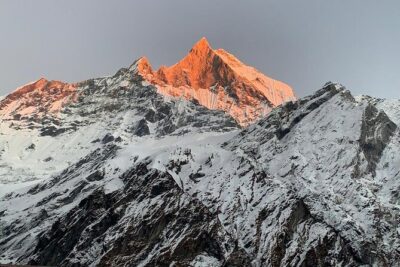
Kathmandu/Pokhara: 5-Day Annapurna Base Camp (ABC) Trek
Read our review →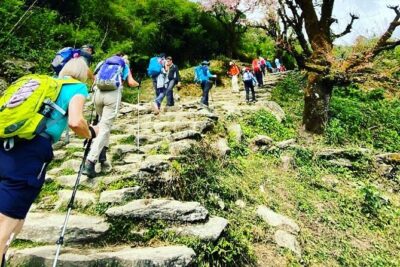
11-Day Hike Tour to Annapurna Base Camp Bliss in Kathmandu
Read our review →Browse the lists this tour appears in