
REVIEW · ANNAPURNA BASE CAMP TREKS
Annapurna Base Camp Trek
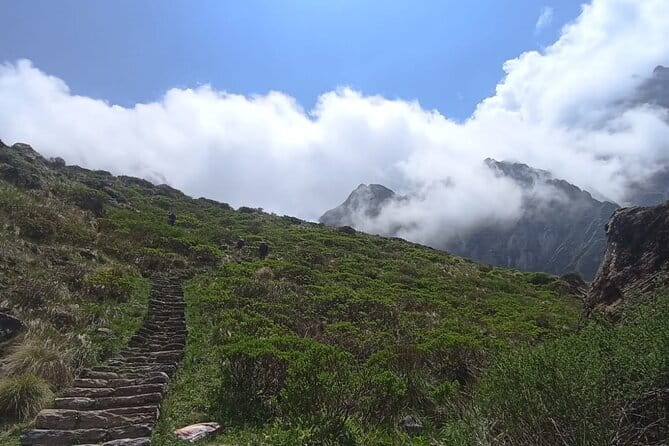
Annapurna rewards steady walkers. This 11-day Annapurna Base Camp trek takes you from Kathmandu through Pokhara, Ghandruk, forest trails, and the high mountain bowl of the Annapurna Sanctuary. You get close views of Annapurna I, Machapuchare, and Hiunchuli without giving up the comforts of teahouse lodging and organized transport.
I like the mix of Gurung village life and mountain scenery, especially Ghandruk and the hot springs at Jhinu Danda. I also like the level of support: permits, meals, a guide, a porter shared by two trekkers, airport transfers, and Kathmandu to Pokhara transport are arranged. The main caution is the advertised $50 price, which is unusually low for an 11-day trek with this much included. Confirm exactly which package you are booking, since the guide-and-permit option may not include the full itinerary or all listed services.
Mount Elegance Treks & Expedition receives a 5 out of 5 rating from two verified bookings. Mary specifically praised the personal care and named Shishir as someone who helped throughout her journey. That kind of attention matters in the Himalayas, where a calm guide and clear planning can make a hard day feel manageable.
In This Review
- Key points to know before booking
- What the Annapurna Base Camp route gives you
- Days 1 and 2: Kathmandu orientation and the road to Pokhara
- Day 3: Nayapul to Ghandruk and the first real climb
- Day 4: Ghandruk to Sinuwa through rhododendron forest
- Day 5: Sinuwa to Deurali and higher mountain country
- Day 6: Deurali to Machapuchare Base Camp and Annapurna Base Camp
- Day 7: The descent from ABC to Bamboo
- Day 8: Bamboo to Jhinu Danda and a well-earned soak
- Day 9: Jhinu Danda to Siwa or Ghandruk Phedi, then Pokhara
- Day 10 and 11: Back to Kathmandu and home
- What the $50 price really means
- Who this trek suits best
- Should you book the Annapurna Base Camp trek?
- FAQ
- How long is the Annapurna Base Camp trek?
- What peaks can I see on the route?
- Is transportation from Kathmandu to Pokhara included?
- Are meals included during the trek?
- Is a guide included?
- What equipment should I bring?
- Is travel insurance included?
Key points to know before booking
- Annapurna Base Camp at roughly 4,130 meters: The route climbs from warm, green foothills to a high mountain sanctuary surrounded by major Himalayan peaks.
- Ghandruk adds cultural depth: This traditional Gurung village gives the trek an early taste of local life, stone paths, and mountain views.
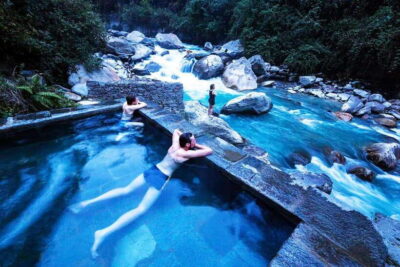
- Jhinu Danda includes hot springs: After several demanding days, a warm soak offers a welcome change from dusty boots and cold mountain air.
- Two long tourist-bus rides: The road between Kathmandu and Pokhara takes about seven to eight hours each way, so the trip includes plenty of sitting as well as walking.
- A guide, permits, meals, and porter support are included: One porter serves two trekkers, which keeps your personal load lighter.
- The route is private, with English or Spanish support: The experience is designed for people who want expert help without joining a large public group.
What the Annapurna Base Camp route gives you
The Annapurna Base Camp trek is a compact Himalayan journey with a clear sense of progression. You begin in Kathmandu, travel to Pokhara, walk through terraced hills and thick forest, then reach a high valley enclosed by peaks. The return follows a different emotional rhythm: less pressure, warmer air, and the promise of a hot spring.
The sanctuary itself is the main prize. Annapurna I, Machapuchare, and Hiunchuli rise around the route, creating the feeling of entering a natural mountain amphitheater. You are not simply walking toward a viewpoint for a few minutes. The trail gradually changes under your feet and in front of your eyes.
This is still a serious trek. The schedule includes steep climbs, high altitude, changing weather, and several days of continuous walking. You should arrive prepared for long days rather than treating this as a casual sightseeing trip with a little hiking attached.
More Annapurna Base Camp treks:
- Annapurna base camp trek 5 Days
★ 5.0 · 252 reviews - Annapurna Base Camp Trek
★ 5.0 · 111 reviews - Kathmandu to Annapurna Base Camp (ABC) 5-Day Trek
★ 5.0 · 102 reviews
Days 1 and 2: Kathmandu orientation and the road to Pokhara
Your first day is simple but useful. A representative meets you at Tribhuvan International Airport and takes you to your Kathmandu hotel. Later, the team leader holds a pre-trek briefing.
Use this meeting to ask practical questions. Confirm the route, what the porter will carry, what equipment is supplied, and how the team handles altitude problems. This is also the right moment to check the difference between the full trek package and the guide-and-permit-only option.
Day 2 brings a scenic drive to Pokhara, Nepal’s lake city. The trip takes around seven to eight hours by road. That sounds easy on paper, but road travel in Nepal can be tiring, especially after an international flight and a busy Kathmandu arrival.
Still, the drive gives you a useful transition. The city gradually gives way to rural scenery, rivers, and terraced hillsides. A tourist bus is included, so you do not need to arrange this major transfer yourself. The drawback is time. If you prefer to reach the mountains quickly, the long road journey may test your patience.
Accommodation in Kathmandu and Pokhara is listed as a three-star hotel with breakfast. Lunch and dinner in both cities are not included, so budget separately for those meals.
Day 3: Nayapul to Ghandruk and the first real climb
The walking begins after a short drive from Pokhara to Nayapul. From there, the trail climbs toward Ghandruk on stone-paved paths.
Ghandruk is one of the most appealing stops on the route. It is a Gurung village with traditional houses and broad mountain views. The village gives you more than a place to sleep. It offers a first look at the communities that support life in the Annapurna region.
This first walking day sets the tone. You will be moving uphill, and the stone trail can feel demanding after the road transfer. Take it slowly. A measured pace now is better than racing ahead and paying for it later.
The route through terraced fields and forest also makes this a visually varied start. You are not yet in the high, bare mountain zone. Green slopes, village paths, and cultivated hillsides help you see how quickly the region changes with altitude.
Day 4: Ghandruk to Sinuwa through rhododendron forest
Leaving Ghandruk, the trail drops to the Kimrong Khola before climbing again. This up-and-down pattern is worth noting because Himalayan distance figures can be misleading. A day with a modest mileage can still feel hard when the trail repeatedly loses and regains height.
The path passes through rhododendron and oak forest. Sinuwa is a small settlement surrounded by dense trees, and the forest provides shade and a cooler walking environment.
For me, this is the kind of day that shows why a guide is useful. The route is not just a straight road from one village to the next. You need to manage your pace, watch your footing, and follow the changing trail. A licensed guide also handles the permit requirements and provides support if conditions become difficult.
Sinuwa is not promoted as a major sightseeing stop, and that is part of its appeal. It is a practical overnight point on the way into the sanctuary, with the forest doing most of the visual work.
More walking in the hills of Kathmandu:
- Everest Base Camp Trek – 14 Days
★ 5.0 · 1,499 reviews - Everest Base Camp Trekking
★ 5.0 · 485 reviews - Nagarkot Sunrise View and Day Hiking from Kathmandu
★ 5.0 · 471 reviews - Annapurna Circuit Trek with Tilicho Lake
★ 5.0 · 368 reviews
Day 5: Sinuwa to Deurali and higher mountain country
The trail from Sinuwa to Deurali passes through bamboo forest and small settlements including Dobhan and Himalaya. The route climbs gradually, but the surroundings become more rugged as you gain height.
You will see more glacial streams and fewer trees near Deurali. This change gives the day a strong sense of movement into high country. The trail is no longer mainly about village scenery and cultivated slopes. Rock, water, and steep mountain terrain begin to dominate.
This is also a day to take altitude seriously. The trip information specifically advises proper acclimatization, hydration, sun protection, and attention to sudden weather changes. Follow your guide’s instructions, and do not hide symptoms because you want to keep the schedule.
Bring snacks even though full board meals are included during the trek. Food is supplied at breakfast, lunch, and dinner, but a personal snack can help during a long climb. Carry cash too, since ATMs may not be available in remote areas.
Day 6: Deurali to Machapuchare Base Camp and Annapurna Base Camp
Day 6 is the central challenge and the main reward. You leave Deurali for Machapuchare Base Camp, then continue to Annapurna Base Camp.
The scenery becomes increasingly dramatic as the trail reaches the high mountain bowl. From Machapuchare Base Camp, the path climbs gradually toward ABC, where Annapurna I, Machapuchare, and Hiunchuli surround you.
The name Annapurna Sanctuary makes sense here. Peaks rise around the broad natural amphitheater, and the feeling is enclosed rather than simply panoramic. The destination is not only a sign or a photo stop. It is the experience of reaching a high place that is ringed by some of the world’s tallest mountains.
Expect cold conditions and sudden weather changes. Warm clothing, a hat, sunscreen, water, hiking shoes, and proper trekking gear are essential. Your sleeping bag is supplied for the trek and must be returned afterward, but personal equipment is not included.
Altitude can affect anyone, regardless of fitness. The route includes advice to acclimatize properly and watch for altitude sickness. That guidance should shape your behavior throughout the trek, not just on the ABC day.
Day 7: The descent from ABC to Bamboo
After time at ABC, you retrace the route toward Bamboo. Descending is usually easier on the lungs, but it can be tough on knees and thighs. Trekking poles and good shoes can make this section more comfortable, though personal equipment is your responsibility.
The return also gives you a second look at places that may have passed quickly during the climb. The forest becomes thicker as you lose altitude, and Bamboo is a small settlement in a wooded setting.
This day may feel long because of the change in mood. You have reached the goal, but you are not finished. Keep your pace controlled, drink water, and resist the temptation to hurry simply because the trail is going downhill.
Day 8: Bamboo to Jhinu Danda and a well-earned soak
The walk from Bamboo to Jhinu Danda passes through lush forest, with occasional views toward the Annapurna range. After the high, exposed surroundings near ABC, the return to thicker vegetation feels gentle.
Jhinu Danda is one of the itinerary’s smartest choices. Its hot springs give you a chance to rest after several days of walking. The spring stop is not a substitute for recovery, but it offers a memorable change from teahouse rooms, trail dust, and packed schedules.
This is also a good reminder that the trip is not only about collecting mountain photographs. Village stops, forest paths, and a simple hot spring create the variety that makes the route feel like a journey through a region rather than a single climb.
Day 9: Jhinu Danda to Siwa or Ghandruk Phedi, then Pokhara
The final walking section is described as short and easy. You descend to either Siwa or Ghandruk Phedi, depending on your pace, then meet a vehicle for the return to Pokhara.
The exact endpoint is flexible, so ask your guide about the plan at the start of the day. This flexibility can be helpful, but it also means you should not assume every group finishes at the same place.
Returning to Pokhara gives you a comfortable change after the trail. The city is a useful place to rest before the next road journey, though lunch and dinner there are not included.
Day 10 and 11: Back to Kathmandu and home
Day 10 repeats the seven to eight-hour tourist-bus journey from Pokhara to Kathmandu. The route passes rivers, rural settlements, and terraced hillsides.
It is a practical end to the trip, but not a fast one. Keep your schedule realistic if you have an international flight soon after the return. The final night in Kathmandu is included in the hotel arrangement, and breakfast is included at the listed city hotels.
Day 11 is departure day. Depending on your flight time, you can relax before the airport transfer. Airport pickup and drop-off in Kathmandu are part of the stated services, which removes one more task after a demanding trek.
What the $50 price really means
The advertised price is $50 per person, but you should treat that figure as something to verify before paying. An 11-day Nepal trek that includes hotels, teahouses, full board meals, permits, a guide, porter service, tourist-bus transport, sleeping bag, duffel bag, airport transfers, and a farewell dinner would normally require careful clarification at that price.
The experience is listed with a guide-and-permit-only choice. That option includes a licensed English-speaking or local-language guide and trekking permits such as the TIMS Card and conservation-area entry permits. It may not include the full package described above.
Ask for a written breakdown of your exact booking. Check these points:
- Are Kathmandu and Pokhara hotels included?
- Are all trek meals included?
- Is the porter service included?
- Are the bus rides included?
- Is the sleeping bag and duffel bag included?
- What does travel insurance cover?
- Is the farewell dinner part of your selected package?
There is also conflicting insurance wording. The inclusions list travel insurance, while the exclusions say personal loss, injury, or illness insurance is not included. Buy your own policy that specifically covers trekking, and ask the provider to explain its coverage.
Who this trek suits best
This trip suits you if you want a structured route with expert support but still value time on foot and contact with mountain villages. The private group format is useful if you prefer a more personal schedule than a large public departure.
It is aimed at people aged 12 to 70, with children under 12 and people over 70 listed as unsuitable. The trip also advises against participation for pregnant women and people with back or heart problems.
You do not need to be an extreme mountaineer, but you do need to prepare for repeated climbs, high altitude, cold weather, and long transport days. Comfortable shoes alone are not enough. Bring proper hiking shoes, warm layers, a hat, sunscreen, water, snacks, and suitable trekking gear.
The English and Spanish guide options add flexibility. A guide who can explain local villages, mountain culture, and safety procedures can help the route feel less confusing and more meaningful. Mary’s experience with the team, including the personal help she received from Shishir, suggests that individual attention is one of Mount Elegance Treks’ stronger points.
Should you book the Annapurna Base Camp trek?
I would consider booking this trek if you want Annapurna scenery, a village-based route, and a support system that covers the hard practical work. The combination of Ghandruk, forest trails, ABC, Jhinu Danda, and Pokhara gives you a varied trip rather than eleven days of identical walking.
I would not book until the price and package details are confirmed in writing. The low advertised cost and the different guide-only option create too much uncertainty to ignore.
If the full inclusions are honored, this could be strong value for a private, supported Himalayan trek. If only the guide and permits are included, your total cost will be much higher once you add lodging, meals, transport, equipment, and insurance. Ask clear questions, prepare properly for altitude, and choose this trip if you want a demanding but well-supported route through one of Nepal’s most dramatic mountain areas.
FAQ
How long is the Annapurna Base Camp trek?
The planned experience lasts 11 days, including arrival in Kathmandu, the trek, transport between Kathmandu and Pokhara, and final departure.
What peaks can I see on the route?
The route provides views of Annapurna I, Machapuchare, and Hiunchuli. The trail reaches Annapurna Base Camp in the Annapurna Sanctuary.
Is transportation from Kathmandu to Pokhara included?
Yes. The package includes a tourist-bus drive from Kathmandu to Pokhara and a return drive. Each journey takes approximately seven to eight hours.
Are meals included during the trek?
Breakfast, lunch, and dinner are included during the trekking portion. Lunch and dinner in Kathmandu and Pokhara are not included.
Is a guide included?
The full package includes a professional English-speaking guide. A separate guide-and-permit option is also available, with English-speaking or local-language guide support.
What equipment should I bring?
You should bring comfortable shoes, hiking shoes, warm clothing, a hat, snacks, sunscreen, water, and trekking gear. A duffel bag and sleeping bag are supplied for the trek and must be returned afterward.
Is travel insurance included?
The information gives conflicting details. Travel insurance appears in the inclusions, but personal loss, injury, or illness insurance appears among the exclusions. Confirm the coverage and obtain adequate trekking insurance before departure.
New in the Kathmandu listings
- Traditional Momo Making Class★ 5.0 · 10 reviews
- Kathmandu: Ancient City Kirtipur & Pharping Monastery Tour★ 5.0 · 2 reviews
- Kathmandu to Pokhara Premium sofa bus ticket★ 4.0 · 17 reviews
- Women Empowerment Project(Nepali cooking class & jewelry workshop★ 5.0 · 15 reviews
- 7-Day Langtang Valley Trek from Kathmandu★ 5.0 · 1 review
- Kathmandu 2 Nights 3 Days Chitwan Jungle Safari Tour★ 5.0 · 9 reviews
- Yoga Experience Day Trip with Private Transfer From Kathmandu★ 4.0 · 2 reviews
- Wildlife Adventure in Chitwan Nepal★ 4.0 · 4 reviews
Annapurna Base Camp Treks, compared.
Kathmandu to Annapurna Base Camp (ABC) 5-Day Trek
Read our review →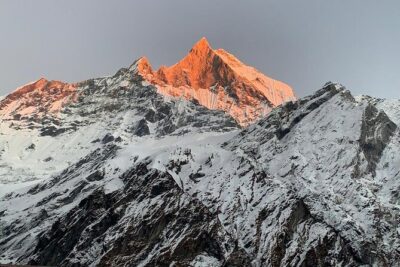
Kathmandu/Pokhara: 5-Day Annapurna Base Camp (ABC) Trek
Read our review →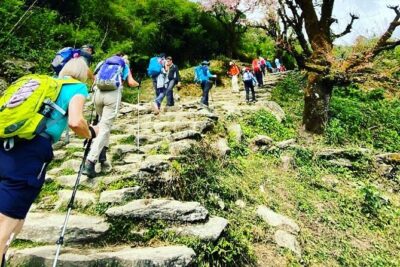
11-Day Hike Tour to Annapurna Base Camp Bliss in Kathmandu
Read our review →Browse the lists this tour appears in