
REVIEW · ANNAPURNA CIRCUIT TREKS
Annapurna Circuit Trek With Tilicho Lake :Best Trek in Nepal
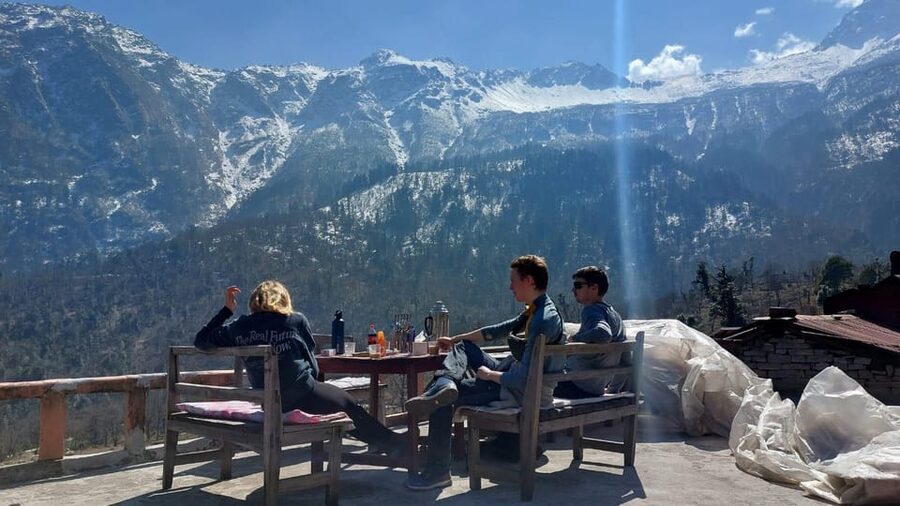
The mountains change every day. This 12-day trek links subtropical hills, pine forests, dry Himalayan valleys, Tibetan-style villages, Tilicho Lake, and Thorong La Pass in one demanding trip. I especially like the route’s variety and the chance to see village life along the Marsyangdi Valley, rather than simply walking through one type of scenery.
I also like the small-group format, limited to six people, and the careful guide support included in the $604 price. Guides such as Ganesh Devkota, Kumar, Jeewan, and Prakash received warm praise for keeping people safe, adjusting the walking pace, and explaining local culture. The main drawback is the schedule: several days involve around seven hours of walking, and the route reaches 5,416 meters at Thorong La.
In This Review
- Five things to know before booking
- Why this route earns its reputation
- Day 1: Kathmandu to Besisahar, then Dharapani
- Day 2: Dharapani to Chame through forested country
- Day 3: Chame to Pisang and the first big mountain views
- Day 4: Pisang to Manang Valley
- Day 5: Acclimatization in Manang and Gangapurna Lake
- Day 6: Manang to Tilicho Base Camp
- Day 7: Tilicho Lake and back to base camp
- Day 8: Shree Kharka to Ledar
- Day 9: Ledar to Thorong High Camp
- Day 10: Thorong La Pass and Muktinath
- Day 11: Muktinath to Tatopani by road
- Day 12: Tatopani to Pokhara
- What the $604 price really covers
- Guides, group size, and the human side
- Who should book this trek?
- Booking flexibility and practical details
- Should you book the Annapurna Circuit with Tilicho Lake?
- FAQ
- How long is the Annapurna Circuit with Tilicho Lake trek?
- What is the price per person?
- Where does the experience start?
- How large is the group?
- What language does the guide speak?
- Is transportation included?
- Are trekking permits included?
- Is accommodation included?
- Is food included?
- What should I bring?
Five things to know before booking
- Tilicho Lake reaches about 4,910 meters: The side trip is one of the trek’s great rewards, but rugged paths and possible snow make it a serious high-altitude day.
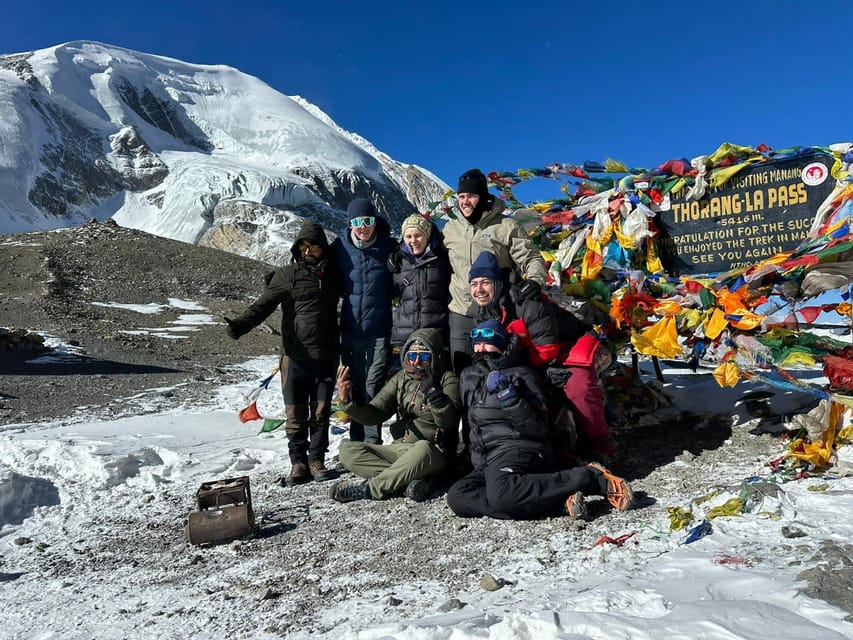
- Thorong La is the route’s highest point: At 5,416 meters, the pass demands steady pacing, warm clothing, and attention to altitude symptoms.
- The scenery changes sharply: You move from green forest and terraced farmland to dry, almost desert-like valleys around Manang and Muktinath.
- Guides are a major strength: The package includes a licensed English-speaking guide, insurance, accommodation, food, and transport for the guide.
- Food costs extra: Breakfast and dinner are available at tea houses, while lunch is usually taken at a café. Allow about $5 to $7 per meal, plus money for drinks and personal needs.
Why this route earns its reputation
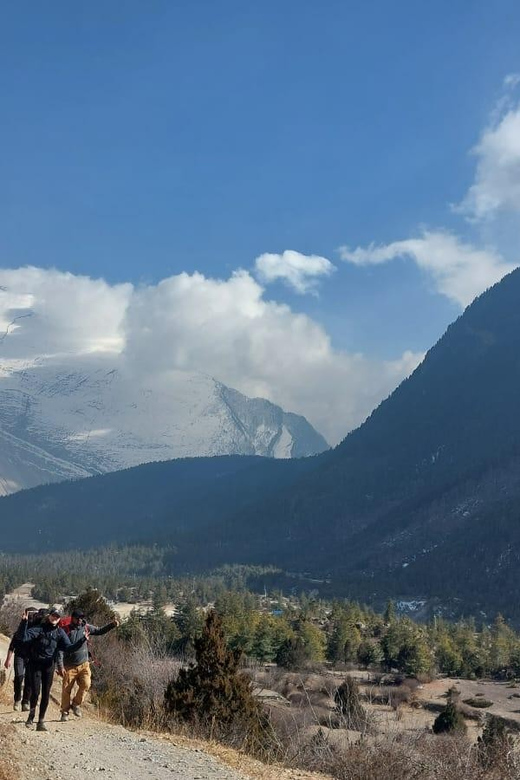
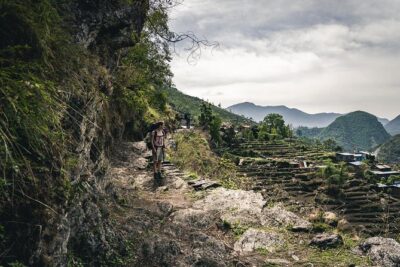
The Annapurna Circuit works because it gives you a full cross-section of Nepal in a relatively compact trek. You begin among lower hills and cultivated land, then follow the Marsyangdi River into higher country where the air gets thinner, the trees become fewer, and the mountains take over.
The views include Annapurna I, Manaslu, Machapuchare, Dhaulagiri, and Thorong Peak. You are not simply looking at distant peaks from one viewpoint. The mountains shift around you as the path turns through valleys and passes.
The cultural side matters just as much. Villages in the upper region have strong Tibetan influence, and Manang offers a useful pause to see local religious customs, homes, and daily routines. Later, Muktinath brings a different spiritual setting, important to both Hindu and Buddhist pilgrims.
The Tilicho Lake detour makes this version harder than a basic Annapurna Circuit. It adds a high mountain basin and a long out-and-back section before you continue toward Thorong La. If your main goal is the pass, you may find the extra effort demanding. If you want the most memorable scenery, Tilicho is likely the part you will talk about longest.
More Annapurna Circuit treks:
- Kathmandu: 9-Day Annapurna Circuit Trek via Thorong La Pass
★ 5.0 · 17 reviews - Kathmandu: 10-Day Annapurna Circuit Trek via Thorong La Pass
★ 5.0 · 10 reviews - Kathmandu/Pokhara: Annapurna Circuit Trek 10 days
★ 5.0 · 6 reviews
Day 1: Kathmandu to Besisahar, then Dharapani
The trip begins with pickup in Thamel and a bus ride of about seven hours to Besisahar. This is a long first day, and road conditions can affect how tiring it feels. At Besisahar, you continue by jeep or SUV toward Dharapani, with the listed transfer taking about five hours.
The schedule describes a short walk and time to look around Dharapani after arrival. In practical terms, this is more about reaching the trailhead and settling in than completing a major walk.
The road journey is not glamorous, but it lets the trek begin farther along the route. You should expect a full day of transport, not a gentle warm-up. Keep water, snacks, a jacket, and anything you need during the ride in your day bag.
Day 2: Dharapani to Chame through forested country
The walk to Chame takes about seven hours. This section brings you into the Marsyangdi River valley, with forest, mountain views, and villages along the way.
Chame is the administrative center of Manang District and a useful overnight stop. The important point for you is the gradual gain in height. You are already moving toward the high country, so do not treat this as a race.
The guide’s role begins to matter here. Jeewan was praised for checking how people felt each day and changing the pace when needed. That kind of attention is more valuable than a fast walking speed on a route where altitude can catch up with you quietly.
Day 3: Chame to Pisang and the first big mountain views
The Chame to Pisang stage takes around seven hours. The scenery becomes more open, and the Annapurna and Manaslu ranges begin to feel much closer.
Pisang is split into lower and upper areas, with a noticeable change in setting as you gain height. The route description does not promise a specific side trip, so your exact walking path will depend on the guide, conditions, and group pace.
This is a good day to keep your camera ready, but do not let photography turn the walk into a stop-start exercise. Dry air, sun, and rising altitude can tire you faster than expected. Sunglasses, sunscreen, a hat, and regular water breaks are practical necessities.
More walking in the hills of Pokhara:
- Poon hill Trek 3 days
★ 5.0 · 176 reviews - Trekking in Annapurna/Langtang/Everest/Upper Mustang regions
★ 5.0 · 161 reviews - Pokhara: 4-Day Ghorepani, Poonhill & Ghandruk Mountain Trek
★ 5.0 · 132 reviews - Ghorepani – Poon Hill Trek 3N-4D
★ 5.0 · 125 reviews
Day 4: Pisang to Manang Valley
The walk to Manang takes roughly seven hours. This is one of the most rewarding sections because the scenery shifts from forested lower valleys toward dry, high mountain country.
Manang is more than a sleeping stop. It is the main acclimatization point in the schedule and gives you a chance to see a Tibetan-influenced way of life. The village setting, religious traditions, and mountain backdrop make this one of the best places to slow down and look around.
At this height, the weather can change quickly. You may begin in sunshine and later face cloud, wind, or colder conditions. Pack layers where you can reach them instead of burying them at the bottom of your bag.
Day 5: Acclimatization in Manang and Gangapurna Lake
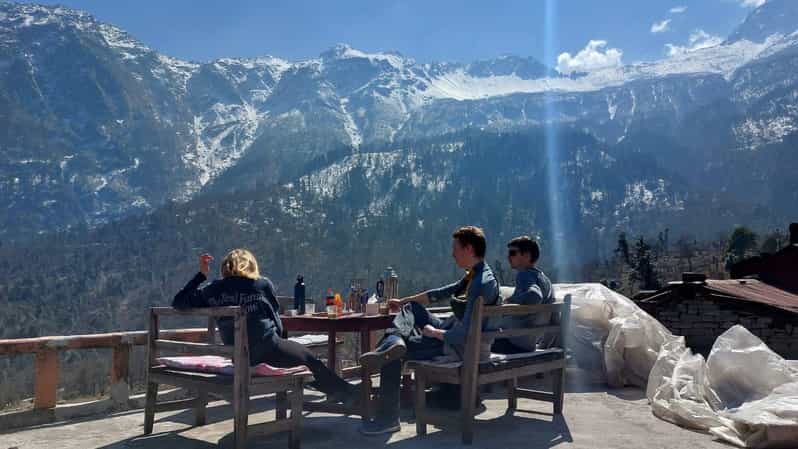
The rest day in Manang is one of the most important parts of the plan. It is not wasted time. Your body needs a chance to adjust before the Tilicho section and the crossing of Thorong La.
The planned outing includes Gangapurna Lake, with about five hours of walking and sightseeing. The lake and surrounding peaks offer a worthwhile outing without forcing you to move onward to a new overnight stop.
You should use this day sensibly. Walk, explore, eat, drink, and rest. Do not spend the entire day lying in bed, but do not turn it into a hard training session either. Tell your guide clearly if you have a headache, nausea, unusual tiredness, or trouble sleeping.
Day 6: Manang to Tilicho Base Camp
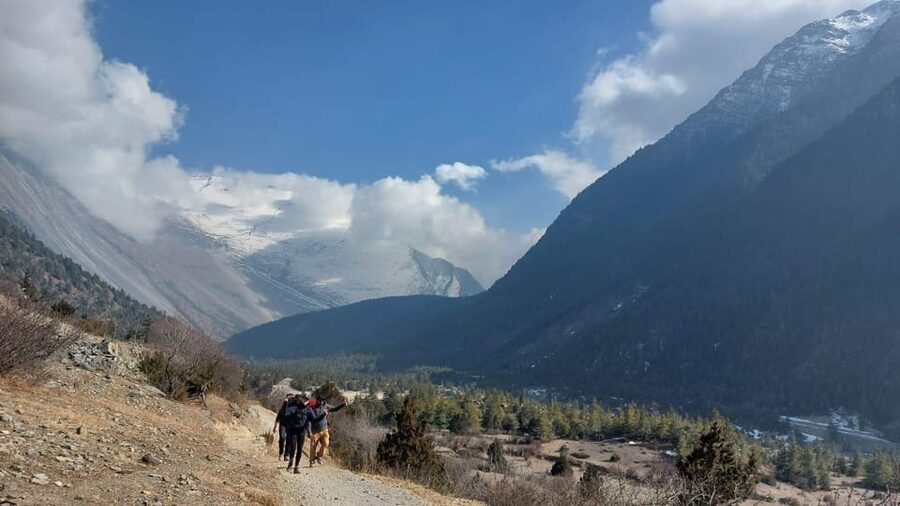
The route to Tilicho Base Camp takes about seven hours. This is where the trek becomes more rugged and less forgiving.
You leave the main circuit for the Tilicho side route and walk through rough high-country terrain. The path may include steep sections, loose ground, and snow depending on conditions. The package includes tea-house accommodation, but facilities become simpler as you move farther from larger settlements.
The reward is that Tilicho Lake does not feel like an ordinary sightseeing stop. It sits high among the peaks, reached only after a serious walk. You should carry a waterproof layer and protect spare clothing, electronics, and documents from rain or snow.
Day 7: Tilicho Lake and back to base camp
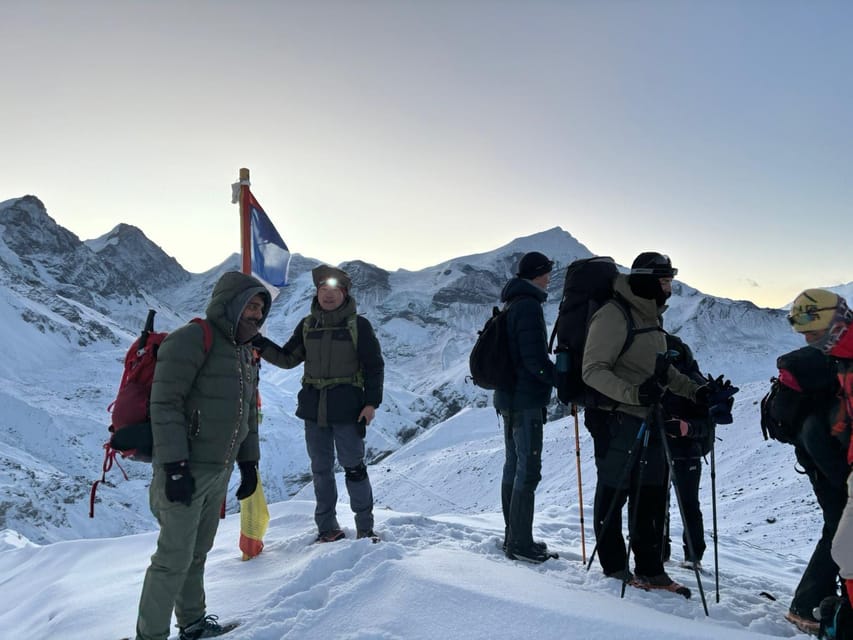
The visit to Tilicho Lake takes about four hours of walking, followed by an overnight stay at the base camp. The exact amount of time at the lake will depend on weather, trail conditions, and how the group is moving.
The lake is described as the world’s highest, at roughly 4,910 meters. Its turquoise water, surrounded by high peaks, is the visual prize of the side trip. The altitude is the real challenge. You may feel short of breath even when walking slowly, so keep your pace controlled.
This is also one of the clearest reasons to choose a small group. With no more than six participants, it should be easier for the guide to keep the group together and respond to different walking speeds. Still, small group size cannot remove the physical demands of the route.
Day 8: Shree Kharka to Ledar
After returning through Shree Kharka, you continue toward Ledar. The supplied schedule places the Shree Kharka section at about four hours and the Ledar stage at around seven hours, so this part of the route involves a substantial amount of walking.
Ledar is a key overnight stop before the final push toward Thorong High Camp. The scenery is now much drier and more exposed than it was near Dharapani. You will notice fewer trees, wider views, and stronger wind.
This is a day for patience. The goal is not to arrive first. Eat properly, keep drinking, and use your warm layers before you feel cold. At altitude, recovering your energy is harder than it is in Kathmandu or Pokhara.
Day 9: Ledar to Thorong High Camp
The walk to Thorong High Camp takes about seven hours. This is a demanding stage because you are gaining height before crossing the pass.
High Camp is basic by design. It is a functional overnight stop, not a place for comfort or entertainment. You should organize your clothes, gloves, headlamp, water, and snacks before sleeping so the early start is less chaotic.
The high point of the entire trip is close now, but do not assume the next day will be easy. Altitude, wind, cold, and fatigue all arrive together. The guide’s experience and your willingness to follow a measured pace are important here.
Day 10: Thorong La Pass and Muktinath
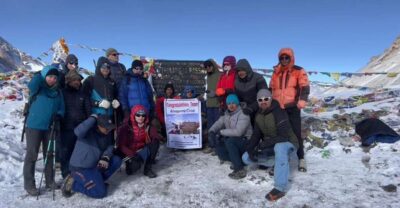
The crossing of Thorong La reaches 5,416 meters and takes about four hours from High Camp to Muktinath according to the schedule. The pass is the physical centerpiece of the Annapurna Circuit.
The climb can feel slow. That is normal. Take short steps, breathe steadily, and stop when the guide recommends it. The pass offers wide Himalayan views, including Thorong Peak and surrounding mountain ranges, but the weather may limit visibility.
The descent to Muktinath changes the mood of the trek. Muktinath is a holy place for Hindus and Buddhists, and its religious importance gives the stop meaning beyond its role as an endpoint. The descent may bring relief, but it can still be hard on knees and legs.
Day 11: Muktinath to Tatopani by road
The next day uses road transport to Tatopani, known for its hot spring. The ride is listed at about eight hours, so expect another long day of sitting and changing scenery.
After several days on foot, the transfer can feel welcome. It also reminds you that the Annapurna region combines trekking with road travel. Conditions may be rough, and the ride could be tiring, but it saves several walking days.
Tatopani gives you an overnight stop and the chance to use the hot spring. Bring a small towel or swimwear if you want to make the most of it, though the supplied information does not specify what is provided on site.
Day 12: Tatopani to Pokhara
The final bus journey takes you to Pokhara. This closes the organized portion of the trip, with transport included from Muktinath to Pokhara.
Pokhara is a logical place to recover after a high-altitude trek. The package does not include further services there, so plan separately if you want extra nights, sightseeing, or onward transport.
The final day is mostly about getting there. If you are hoping for a short, easy finish, remember that road travel in the mountains can take much of the day.
What the $604 price really covers
At $604 per person, the package offers solid value if you want the main logistics arranged. It includes transport from Kathmandu to Besisahar, the jeep to Dharapani, transport from Muktinath to Pokhara, permits, the TIMS card, tea-house accommodation, a licensed guide, guide costs, a first-aid box, and tax.
That is a useful bundle for a 12-day high-altitude route. You are not paying only for a walking guide. You are also paying for permits, transport connections, overnight arrangements, and support if the group needs a slower pace.
Food is not included. Breakfast and dinner can be bought at the tea houses, and lunch is usually taken at a café, with meals costing about $5 to $7 each. Drinks and snacks add up, especially in remote areas, so carry enough Nepalese rupees. Cash is preferred along the route.
Trekking gear is also excluded. You need hiking shoes, warm clothes, gloves, a jacket, sunscreen, sunglasses, toiletries, hiking pants, a reusable bottle, a waterproof bag, and a sleeping bag. Travel insurance is your responsibility and should include high-altitude trekking.
Guides, group size, and the human side
The strongest part of this package is the guide service. The included guide speaks English and holds a government license. The guide’s salary, food, accommodation, and insurance are covered, so you do not need to manage those arrangements separately.
Specific guides received strong praise for different reasons. Ganesh Devkota was described as caring for the group from beginning to end. Kumar was appreciated for safety checks, useful explanations, and keeping the mood light. Jeewan was noted for adjusting the pace, checking comfort, finding photo spots, arranging local tea stops, and sharing stories about villages and culture. Prakash was praised for his experience and understanding of the mountains, villages, and local customs.
You should still ask about the guide assigned to your departure, since names may vary. The small group limit of six is a real advantage. It allows more direct communication and makes it easier to discuss symptoms, walking speed, and daily plans.
Who should book this trek?
I would recommend it to fit hikers who want a serious Himalayan route with cultural contact and changing scenery. It suits you if you can walk for several hours on consecutive days and accept basic tea-house accommodation.
It is not suitable for anyone already dealing with altitude sickness, and the package advises against it for people over 70 and babies under one year. Wheelchair users cannot take part because of the rough trail and high mountain conditions.
You do not need to be an elite athlete, but you do need preparation. Walking regularly before Nepal, including uphill practice, will make the long stages easier. The biggest mistake would be focusing only on the distance and ignoring altitude.
The route has built-in acclimatization at Manang, but that does not guarantee that you will feel well. Listen to your body and tell the guide about symptoms early. Weather can change fast, so warm and waterproof clothing is not optional.
Booking flexibility and practical details
You can cancel up to 24 hours before departure for a full refund, and the reserve-now, pay-later option lets you hold a place without paying immediately. The activity is valid for 12 days, and departure times should be checked before booking.
Communication is easier if you buy a local SIM card with data in Kathmandu. Phone service may not be consistent in remote areas, but the SIM can help before and after the trek.
The best packing strategy is to keep your main bag organized and put daily essentials in a small accessible pack. Carry water, snacks, sunscreen, gloves, a hat, rain protection, and extra layers where you can reach them quickly.
Should you book the Annapurna Circuit with Tilicho Lake?
Book it if you want a demanding, varied trek and value having transport, permits, tea-house rooms, and a licensed guide arranged for you. The $604 cost is reasonable for what is included, especially with a group capped at six.
Choose a shorter or less demanding route if you dislike long road transfers, basic accommodation, or high-altitude walking. Tilicho Lake and Thorong La make this a serious trip, not a casual mountain holiday.
For the right person, this route gives you the best kind of Nepal experience: huge peaks, difficult walking, spiritual places, changing village life, and enough time to feel the country shift beneath your boots.
FAQ
How long is the Annapurna Circuit with Tilicho Lake trek?
The organized experience lasts 12 days, including transport from Kathmandu to the trail area and the final journey to Pokhara.
What is the price per person?
The listed price is $604 per person.
Where does the experience start?
Pickup is provided in Thamel, Kathmandu.
How large is the group?
The group is limited to six participants.
What language does the guide speak?
The live guide speaks English.
Is transportation included?
Yes. Transportation includes Kathmandu to Besisahar, a jeep from Besisahar to Dharapani, and transport from Muktinath to Pokhara.
Are trekking permits included?
Yes. The package includes the TIMS card and ACAP permits.
Is accommodation included?
Yes. Tea-house accommodation is included during the trekking period.
Is food included?
No. Food and beverages are not included. Breakfast and dinner can be purchased at tea houses, and lunch is usually taken at cafés. Meals generally cost $5 to $7 each.
What should I bring?
Bring warm clothing, sunglasses, a sun hat, hiking shoes, sunscreen, a jacket, gloves, a sleeping bag, toiletries, hiking pants, a reusable water bottle, and waterproof bags or shoes.
New in the Pokhara listings
- Pokhara: Pokhara Highlights Tour by Bus★ 3.6 · 10 reviews
- Discover Pokhara in Style: Private Vehicle Service with Driver★ 5.0 · 5 reviews
- Multi-Day Tour from Pokhara, Poon Hill and Mulde Trek★ 5.0 · 1 review
- Pokhara in 5 Hours: Lake, Museum, Cave, Falls & Pagoda Hill★ 4.5 · 16 reviews
- Private 4 Day Poon Hill Trek from Pokhara★ 5.0 · 16 reviews
- 4 Day Mardi Himal Base Camp Trek from Pokhara★ 5.0 · 18 reviews
- From Pokhara Full Day Entire Pokhara Tour with Guide★ 5.0 · 1 review
- Ultralight Flight: Into The Heart Of The Mountains (90 min)★ 5.0 · 1 review
Annapurna Circuit Treks, compared.
15-Day Private Annapurna Circuit Trek from Kathmandu
Read our review →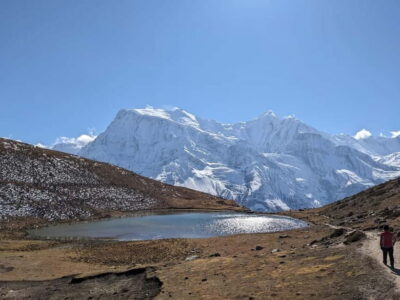
Browse the lists this tour appears in