
REVIEW · ANNAPURNA CIRCUIT TREKS
Annapurna Circuit Treks
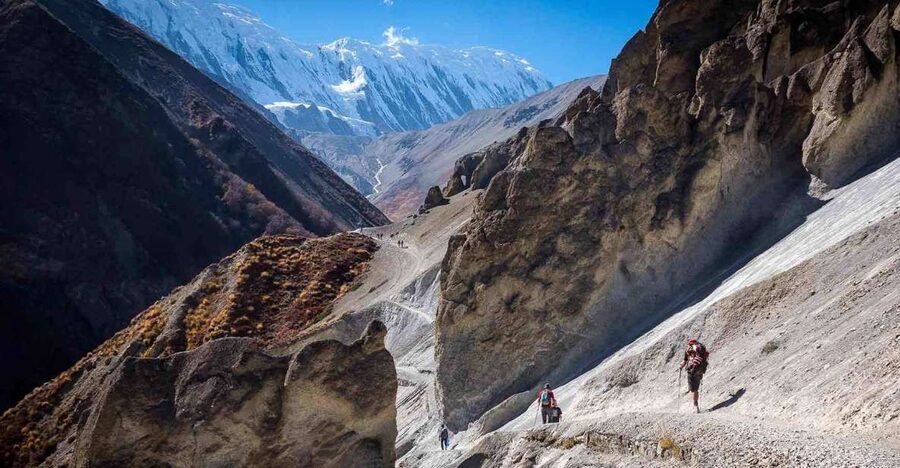
The mountains keep changing every day. This 20-day Annapurna Circuit with Tilicho Lake links subtropical foothills, high valleys, Tibetan-influenced villages, and the 5,416-meter Thorong La Pass. I like the inclusion of Tilicho Lake, one of the world’s highest alpine lakes, and the small-group format, capped at 10 people. The main concern is altitude: several nights are above 4,000 meters, with one long pass-crossing day reaching 5,416 meters.
I also like that the price includes a licensed guide, porters, teahouse lodging, three daily meals, permits, staff insurance, and the Jomsom to Pokhara flight. That removes several major costs from a Himalayan trek. The itinerary supplied runs from arrival in Kathmandu through departure on Day 17, although the advertised duration is 20 days, so I would confirm what the extra days cover before paying.
In This Review
- Key points at a glance
- Why the Annapurna Circuit still earns its reputation
- Kathmandu arrival and the road to Syange
- Syange to Chame, from river valleys to mountain country
- Manang’s acclimatization day is not spare time
- The Tilicho Lake side trip at 4,949 meters
- Yak Kharka and Thorong Phedi, the final setup
- Thorong La Pass and the descent to Muktinath
- Muktinath to Jomsom and the flight to Pokhara
- What the $1,610 price really covers
- Food, lodging, staff, and group size
- Practical preparation for the altitude
- Should you book this Annapurna trek?
- FAQ
- How long is the Annapurna Circuit with Tilicho Lake?
- What is the highest point on the trek?
- How high is Tilicho Lake?
- Is accommodation included?
- Are meals included?
- Is the Jomsom to Pokhara flight included?
- What languages are available for the guide?
- Is travel insurance included?
- Can I cancel for a full refund?
Key points at a glance
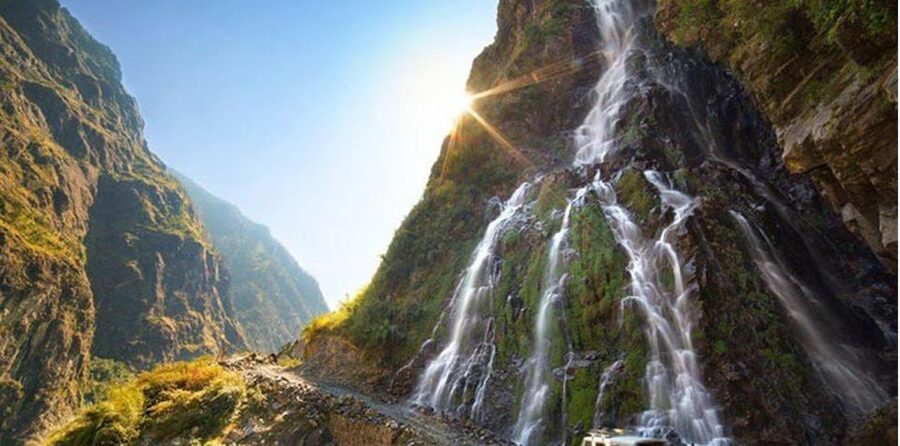
- Tilicho Lake at 4,949 meters: A demanding side trip brings you to a high, stark lake surrounded by Himalayan country.
- Thorong La Pass at 5,416 meters: The circuit’s biggest physical test and its defining crossing.
- Small groups of up to 10: A useful size for narrow mountain trails and easier contact with your guide.
- Full-board trekking: Breakfast, lunch, and dinner are included throughout the walking section, along with teahouse beds.
- Jomsom to Pokhara flight: This saves a long return overland journey, though mountain flights can be affected by conditions.
- Strong solo support: A verified French customer, Gautier, gave the operator five stars and noted that the agency fulfilled its commitments even with a solo booking.
Why the Annapurna Circuit still earns its reputation
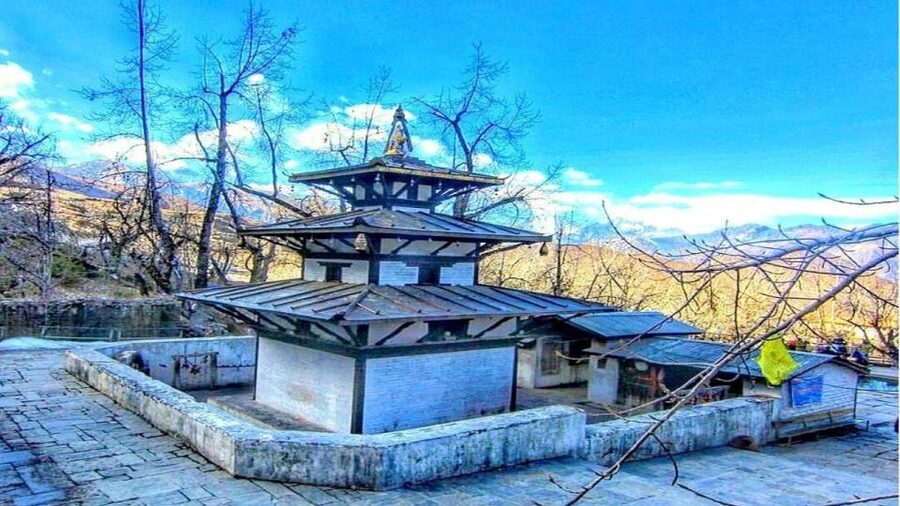
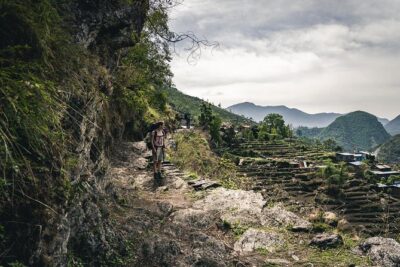
The Annapurna Circuit works because the scenery does not stay fixed. You begin among green hills, terraced fields, and forest. Higher up, the route becomes drier and more open, with stone villages and views shaped by the Tibetan plateau.
That steady change gives the trek more variety than a route that spends its entire time above the tree line. You see traditional mountain life rather than only big peaks. The villages, lodges, prayer sites, and farming areas help explain how people live in a difficult environment.
The Tilicho Lake addition makes this version more demanding than a basic circuit. It takes you away from the main route for several high-altitude walking days before reconnecting near Yak Kharka. For me, that is the trip’s most special feature, but it also means less room for rushing or ignoring early signs of altitude trouble.
The package is designed as a guided trek, not an independent lodge-to-lodge walk. A local guide leads the group, porters carry personal gear and group equipment, and staff receive food, lodging, wages, insurance, and required transport. That arrangement is valuable in a region where weather, altitude, and trail conditions can change the day’s plan.
More Annapurna Circuit treks:
- Kathmandu: 9-Day Annapurna Circuit Trek via Thorong La Pass
★ 5.0 · 17 reviews - Kathmandu: 10-Day Annapurna Circuit Trek via Thorong La Pass
★ 5.0 · 10 reviews - Kathmandu/Pokhara: Annapurna Circuit Trek 10 days
★ 5.0 · 6 reviews
Kathmandu arrival and the road to Syange
Day 1 is simple: airport pickup and transfer to a Kathmandu hotel. Accommodation is listed as a three-star hotel in Kathmandu, with a double room and breakfast. A welcome dinner is also included, giving you a first chance to meet the group and receive trip information.
The next day begins with a private drive from Kathmandu, at 1,350 meters, to Syange, at 1,100 meters. This is a road transfer rather than a walking day, and it gets you to the circuit’s lower section quickly.
The distance and condition of mountain roads can make this a tiring start. You should think of Day 2 as a full travel day, not a relaxed morning followed by a short ride. The benefit is that the walking begins lower on the circuit, where the air is easier and the route can build upward gradually.
Syange to Chame, from river valleys to mountain country
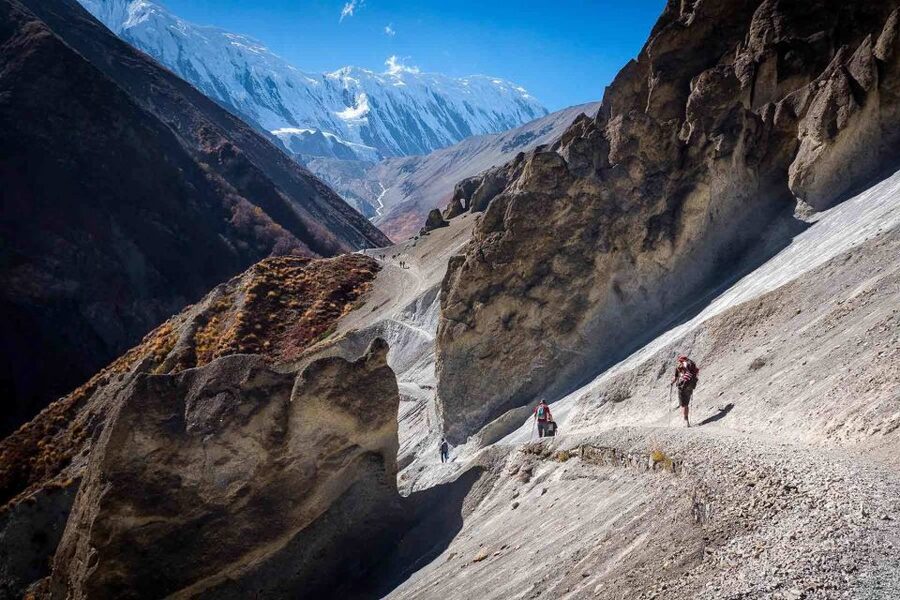
The walk from Syange to Dharapani on Day 3 climbs through the lower Annapurna region. At 1,100 meters, Syange sits far below the circuit’s major altitude challenges. Dharapani, at 1,960 meters, begins to feel more like a mountain settlement and marks a useful step upward.
Day 4 continues from Dharapani to Chame, at 2,710 meters. Chame is the administrative center of the Manang district and a practical overnight stop before the route moves into higher country. The changing altitude matters here. You are not yet at extreme height, but your body is already being asked to adjust.
The trek then reaches Upper Pisang on Day 5, at 3,300 meters. The choice of Upper Pisang is significant because it keeps you in the higher, more traditional part of the valley. Expect a colder, drier setting than the lower trail, with village architecture and mountain views becoming more pronounced.
The route from Upper Pisang to Manang on Day 6 reaches 3,500 meters. Manang is one of the circuit’s main hubs, and it is the right place to pause before the trip’s serious altitude work. The village’s Tibetan influence is part of its appeal, while the surrounding country begins to look much more open and dry.
Manang’s acclimatization day is not spare time
Day 7 is reserved for acclimatization in Manang at 3,500 meters. This is one of the most important parts of the schedule. You may be tempted to treat it as a free day, but its real job is to help your body prepare for nights above 4,000 meters.
The supplied plan does not specify a particular acclimatization walk or sightseeing program. Your guide can explain how the day will be handled, but you should expect the pace to remain controlled. Rest, fluids, and attention to how you feel matter more than squeezing in extra distance.
After Manang, the trek becomes more serious. You are heading toward Siri Kharka at 4,060 meters, then Tilicho Base Camp at 4,420 meters. Those elevations are not small details. They affect sleep, walking speed, appetite, and the time needed for each stage.
More walking in the hills of Pokhara:
- Poon hill Trek 3 days
★ 5.0 · 176 reviews - Trekking in Annapurna/Langtang/Everest/Upper Mustang regions
★ 5.0 · 161 reviews - Pokhara: 4-Day Ghorepani, Poonhill & Ghandruk Mountain Trek
★ 5.0 · 132 reviews - Ghorepani – Poon Hill Trek 3N-4D
★ 5.0 · 125 reviews
The Tilicho Lake side trip at 4,949 meters
Day 8 takes you from Manang to Siri Kharka, at 4,060 meters. This is the first night listed above 4,000 meters. Siri Kharka is not simply another lodge stop. It positions you for the high route toward Tilicho Lake.
On Day 9, you continue to Tilicho Base Camp, at 4,420 meters. At this point, the air is thin and the surroundings are more severe. The itinerary allows the group to reach the base camp before attempting the lake, which is a sensible arrangement.
Day 10 is the major Tilicho outing. You visit the lake at 4,949 meters, then return to Siri Kharka at 4,060 meters. The return is worth noting: this is not a short photo stop followed by an easy descent. You gain considerable altitude and then retrace your route to sleep lower.
Tilicho Lake is the trip’s most unusual target. Its appeal comes from its height and isolation, not from facilities or comfort. You should expect a demanding day in a bare, high setting, with little margin for moving too fast. If you want the classic circuit but also want a major side adventure, this is the addition that justifies choosing this program.
Yak Kharka and Thorong Phedi, the final setup
Day 11 drops slightly from Siri Kharka to Yak Kharka, at 4,040 meters. The change in elevation is modest, but returning to the main circuit gives the journey a different rhythm after the Tilicho excursion.
From Yak Kharka, Day 12 continues to Thorong Phedi, at 4,420 meters. Thorong Phedi is the staging point for the pass crossing. The schedule places you close to the pass rather than trying to reach it in one enormous push from a lower village.
This is another night when altitude can affect rest. The included teahouse accommodation keeps the trip practical, but teahouses are mountain lodges, not city hotels. Hot showers, battery charging, telephone use, and some drinks cost extra. Carry cash for those small expenses, plus tips for guides, porters, and local staff.
Thorong La Pass and the descent to Muktinath
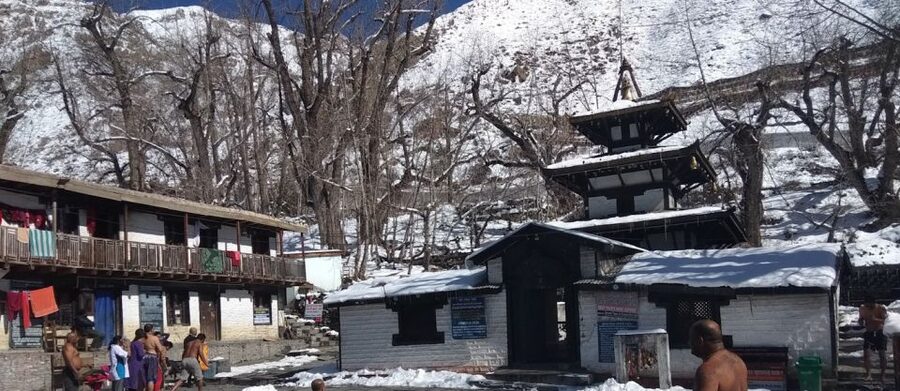
Day 13 is the hardest and most memorable stage: from Thorong Phedi to Muktinath via Thorong La Pass. The pass reaches 5,416 meters, or 17,769 feet. That is the highest point on the route and the moment when altitude, weather, and stamina matter most.
The day ends at Muktinath, at 3,800 meters, so the route includes a major descent after the pass. Muktinath is known as an important religious site, making it more than a convenient stopping point. The transition from the high pass to this pilgrimage center also marks a cultural shift in the circuit.
You should not judge this day by distance alone. The elevation gain, thin air, early start requirements, and uneven mountain trail are the real measures. A guide and small group can help keep the pace together, but no operator can remove the physical demands.
Muktinath to Jomsom and the flight to Pokhara
Day 14 takes you from Muktinath down to Jomsom, at 2,720 meters. This lower altitude should feel easier after the pass, although the trek is not finished yet. Jomsom is a key town in the Mustang area and a natural place to end the walking portion.
The following day includes the flight from Jomsom to Pokhara. This is a major practical advantage of the package. Without it, the return can involve a long road journey, while the flight gets you to Pokhara and ends the high mountain section quickly.
The flight is also a point to treat with flexibility. The program includes it, but the information provided does not promise a backup arrangement if conditions interfere. Ask the operator how delays, extra accommodation, or alternate transport are handled, and keep some financial room for unexpected costs.
Day 16 is a drive from Pokhara to Kathmandu. Day 17 is international departure. Pokhara accommodation is included, and the package also covers airport transfers for international flights. Since the advertised duration is 20 days but the detailed schedule ends on Day 17, confirm the final day count and any included nights before booking flights.
What the $1,610 price really covers
At $1,610 per person, the price has solid value if you use the included services. It covers Kathmandu and Pokhara hotels, the Jomsom to Pokhara flight, private transport to Syange, trekking permits, a map, teahouse lodging, and three meals per trekking day.
It also pays for the guide, porters, and support staff, including their food, accommodation, wages, equipment, insurance, and required transport. Those costs add up quickly on a high-altitude route. The package also includes the Annapurna Conservation Area Project permit and TIMS card, along with government taxes.
A few inclusions need clarification. One section says sleeping bags and duffel bags are available for use, while another says personal trekking gear is excluded and refers to required personal and climbing equipment. I would ask exactly what is supplied before arrival. Do not assume that boots, warm layers, poles, technical clothing, or every item on a personal packing list comes with the price.
You also pay separately for international flights, Nepal’s entry visa, personal purchases, hot showers, charging, telephone use, laundry, alcoholic drinks, cold drinks, and personal expenses. Tips are not included. Travel and medical insurance must be arranged independently, and it should cover trekking and helicopter rescue.
Food, lodging, staff, and group size
Full-board meals are included during the trek, with breakfast, lunch, and dinner each day. The exact menus are not specified, so you should expect practical teahouse food rather than restaurant variety. Meals are part of the package, but drinks and personal extras are not.
Teahouse accommodation is included throughout the trek. This is the right lodging style for the circuit because it keeps you close to village life and avoids carrying camping equipment for the normal walking sections. Tents are mentioned for climbing, but this itinerary is a trek, not a climbing expedition.
The group is limited to 10 participants, which is a useful balance. A group of that size can share transport and staff costs without becoming unwieldy on narrow trails. The operator lists guides who can work in English, Chinese, French, German, Spanish, or Hindi. Confirm the language of your specific guide rather than assuming every trip offers all six languages at once.
The sole verified booking review gave the operator five stars. Gautier from France specifically praised the agency for meeting its commitments despite his booking as a solo participant. That is a useful sign for solo customers who want the structure of a group trip without arranging every permit, lodge, meal, and transfer themselves.
Practical preparation for the altitude
You need a passport or identification document, a change of clothes, hiking shoes, and cash. That short list does not replace a proper high-altitude packing plan. The supplied exclusions make clear that personal trekking equipment is your responsibility unless the operator confirms otherwise.
Bring clothing suited to a wide range of conditions. The route starts low and warm, then reaches cold, high lodges and exposed passes. A sleeping bag and duffel bag may be provided for use, but confirm their availability and specifications before relying on them.
The route is not suitable for wheelchair users. It includes long mountain walks, steep altitude changes, teahouse lodging, and high passes. You also need travel insurance that remains valid during trekking and includes helicopter rescue, since emergency evacuation is excluded from the price.
The operator offers free cancellation up to 24 hours before the activity for a full refund, and you can reserve now and pay later. Those terms help if your plans are still moving, but they do not remove the need to check your insurance, flights, visa, and health preparation.
Should you book this Annapurna trek?
I would book this trip if you want the classic Annapurna Circuit with a serious high-altitude side trip, and you value having permits, meals, porters, lodging, and transport arranged in one package. The strongest reasons are Tilicho Lake, the small group, the included Jomsom flight, and the support for solo participants.
I would pause if you want a short or easy Himalayan holiday. The route reaches 5,416 meters, includes several nights above 4,000 meters, and has a demanding pass day. Before booking, get written clarification about the 20-day duration, the equipment supplied, flight disruption plans, and the exact travel insurance requirements.
For a prepared trekker, the $1,610 cost looks practical for what is included. For someone new to altitude, the key question is not only price. It is whether you are ready to walk slowly, accept basic lodging, carry personal essentials, and give the acclimatization plan the respect it deserves.
FAQ
How long is the Annapurna Circuit with Tilicho Lake?
The experience is advertised as a 20-day trek. The detailed schedule provided runs from arrival in Kathmandu on Day 1 through international departure on Day 17, so confirm the remaining days with the operator before booking.
What is the highest point on the trek?
The highest point is Thorong La Pass at 5,416 meters, or 17,769 feet.
How high is Tilicho Lake?
Tilicho Lake is listed at 4,949 meters, or 16,236 feet.
Is accommodation included?
Yes. The package includes a three-star hotel in Kathmandu and Pokhara, plus teahouse or lodge accommodation during the trek.
Are meals included?
Yes. Breakfast, lunch, and dinner are included during the trekking portion. Personal drinks and some extras are excluded.
Is the Jomsom to Pokhara flight included?
Yes. The flight from Jomsom to Pokhara is included in the price.
What languages are available for the guide?
The listed guide languages are English, Chinese, French, German, Spanish, and Hindi. Confirm the language of your assigned guide before departure.
Is travel insurance included?
No. You must arrange your own travel and medical insurance. It should be valid for trekking and include helicopter rescue.
Can I cancel for a full refund?
You can cancel up to 24 hours in advance for a full refund, according to the booking terms provided.
New in the Pokhara listings
- Pokhara: Pokhara Highlights Tour by Bus★ 3.6 · 10 reviews
- Discover Pokhara in Style: Private Vehicle Service with Driver★ 5.0 · 5 reviews
- Private 4 Day Poon Hill Trek from Pokhara★ 5.0 · 16 reviews
- Multi-Day Tour from Pokhara, Poon Hill and Mulde Trek★ 5.0 · 1 review
- Pokhara in 5 Hours: Lake, Museum, Cave, Falls & Pagoda Hill★ 4.5 · 16 reviews
- 4 Day Mardi Himal Base Camp Trek from Pokhara★ 5.0 · 18 reviews
- From Pokhara Full Day Entire Pokhara Tour with Guide★ 5.0 · 1 review
- Ultralight Flight: Into The Heart Of The Mountains (90 min)★ 5.0 · 1 review
Annapurna Circuit Treks, compared.
15-Day Private Annapurna Circuit Trek from Kathmandu
Read our review →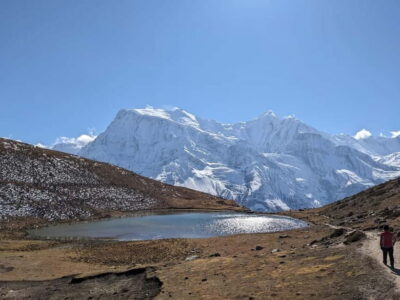
Browse the lists this tour appears in