
REVIEW · EVEREST REGION TOURS
Everest Region: Mera Peak Climbing
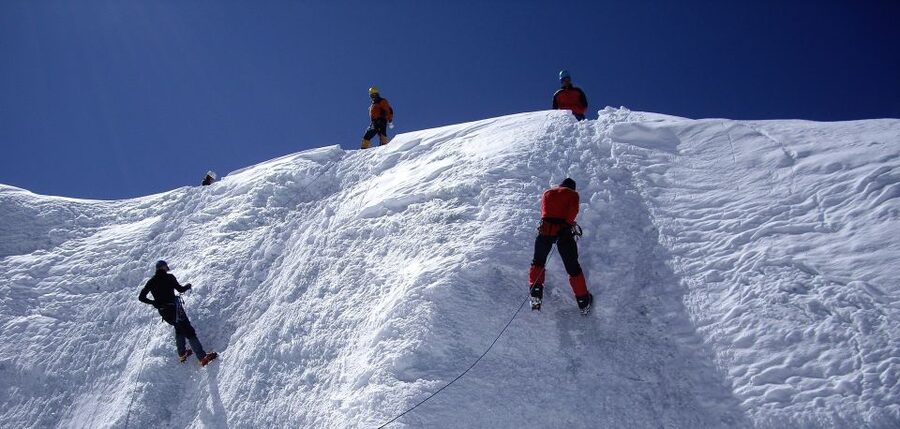
The summit is only half the story. This 16-day Mera Peak trip combines a remote trek through Sherpa villages with a genuine high-altitude climb to 6,476 meters. I like the mix of culture and mountaineering, especially the ice-climbing practice at Khare and the chance to see some of the Himalayas from a very high perch.
I also like that the trip includes a private group, English-speaking guides, porters, climbing tents, group equipment, and a spare summit day for bad weather. The main drawback is cost clarity: the advertised $1,900 does not include Lukla flights, the Mera climbing permit, meals, personal climbing gear, or insurance. Those extras can make the final bill noticeably higher.
In This Review
- Key points to know before booking
- What kind of climb is Mera Peak?
- Day 1: A soft landing in Kathmandu
- Day 2: Lukla to Chutanga, the route begins quickly
- Day 3: Crossing Zatra La to Thuli Kharka
- Day 4: Thuli Kharka to Kothe
- Day 5: The valley route to Thangnag
- Day 6: Thangnag to Khare at 5,000 meters
- Day 7: Ice-climbing practice at Khare
- Day 8: Khare to Mera High Camp
- Day 9: Summit attempt and return to Khare
- Day 10: A useful weather reserve
- Days 11 to 13: Descending through Kothe and Thuli Kharka
- Day 14: Flying back to Kathmandu or Manthali
- Days 15 and 16: Recovery and departure
- What the $1,900 price really covers
- The support team and group setup
- Who should book this Mera Peak trip?
- Should you book it?
- FAQ
- How long is the Mera Peak climbing program?
- How high is Mera Peak?
- Is the Mera Peak climbing permit included?
- Are flights between Kathmandu and Lukla included?
- What meals are included?
- Is climbing equipment provided?
- Is there a spare day for bad weather?
Key points to know before booking
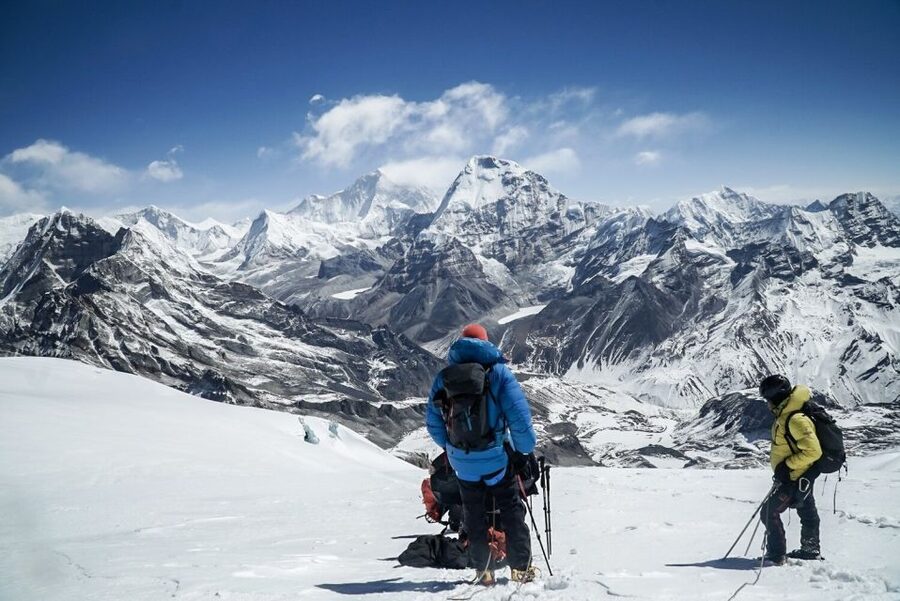
- Mera Peak reaches 6,476 meters: This is a serious altitude challenge, not simply a tough day hike.
- Khare includes three hours of ice-climbing practice: You get a chance to work with climbing equipment before summit day.
- The route crosses Zatra La twice: The passes add demanding uphill work and help make this a real mountain expedition.
- The itinerary includes a weather reserve day: Day 10 gives the group another chance at the summit if conditions stop the first attempt.
- The $1,900 price covers important support: Guides, one porter for every two clients, tents, group climbing equipment, lodging, permits, and transfers are included.
- Lukla flights and the Mera permit cost extra: Add these charges, food, insurance, and personal equipment before judging the full value.
What kind of climb is Mera Peak?
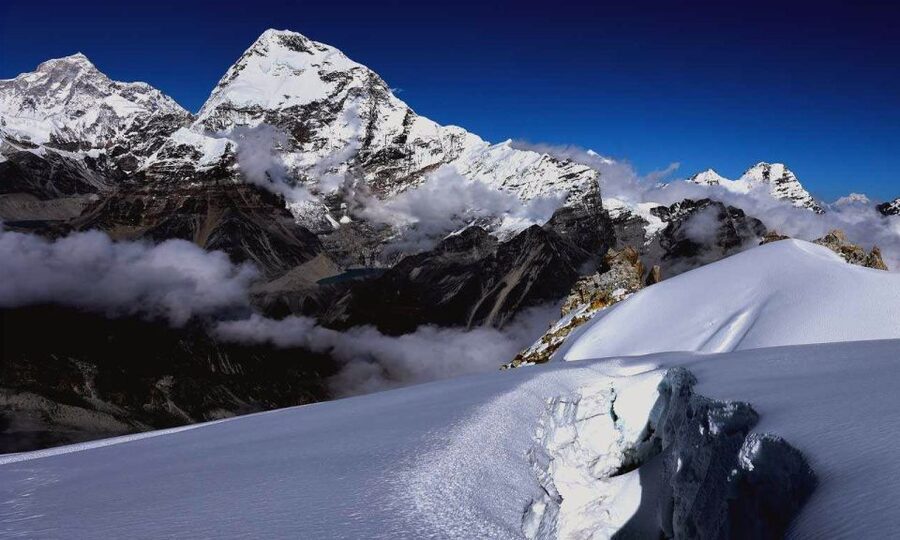
Mera Peak is 6,476 meters high, or 21,247 feet. That figure matters. At this height, cold, thin air, long walking hours, and changing weather become part of the climb, not minor inconveniences.
This program uses a gradual approach. You begin in Kathmandu at 1,350 meters, fly to Lukla at 2,800 meters, and then walk through Chutanga, Thuli Kharka, Kothe, Thangnag, and Khare before reaching high camp. The route gives you several days to gain height rather than rushing straight toward the summit.
I like that the plan includes an acclimatization day at Khare. You spend three hours practicing ice climbing, then have a built-in rest and adjustment period before high camp. That is useful for anyone who has not spent much time using crampons, an ice axe, ropes, or other mountain equipment.
Still, you should not mistake a supported climb for an easy one. The itinerary has several six to seven-hour walking days, a high pass, a summit push, and a return from high camp to Khare in one long effort. You need good fitness and the ability to keep moving when the air is thin.
A short list of alternatives around Nepal
- Kathmandu: 1-Hour Mount Everest Flight with Private Transfer
★ 4.7 · 98 reviews - Everest Base Camp Trek from Lukla
★ 5.0 · 6 reviews - From Kathmandu: Everest Base Camp Landing Helicopter Tour
★ 5.0 · 3 reviews
Day 1: A soft landing in Kathmandu
The first day is for arrival in Kathmandu at 1,350 meters. Airport pickup is included in a private vehicle, and the driver carries a sign with your last name. That small detail makes the first airport transfer less stressful after a long international flight.
You receive three nights of twin-sharing accommodation in a deluxe Kathmandu Suite Home or a similar hotel. The hotel is useful as a base before and after the mountain section, though lunch and dinner in Kathmandu are not included.
Use this opening time for practical preparation. Check your personal climbing equipment, organize your bags, and confirm which items are supplied by the outfitter. The listed group gear includes ropes, ice screws, snow bars, ice hammers, camping tents, and kitchen equipment, but your own equipment remains your responsibility.
Day 2: Lukla to Chutanga, the route begins quickly
The flight from Kathmandu to Lukla reaches 2,800 meters. The round-trip flight is not included in the $1,900 price, so check the added cost before booking.
From Lukla, you trek to Chutanga at 3,475 meters. This is a short geographic distance compared with many trekking routes, but the elevation gain gives the day real weight. You are moving from an airport town into a quieter mountain route almost at once.
The change from Kathmandu to remote walking is part of the appeal. You trade traffic and city noise for forested paths, local lodges, and the first real sense that the climb has begun. The accommodation is the best available in local lodges during the trek, with private bathrooms and hot showers specifically provided at Lukla.
Day 3: Crossing Zatra La to Thuli Kharka
The route climbs from Chutanga to Thuli Kharka at 4,300 meters by way of Zatra La, which reaches about 4,600 meters. The day takes roughly seven to eight hours, depending on conditions and group pace.
This is one of the route’s first serious tests. You gain height quickly, cross a high pass, and then continue toward the lodge at Thuli Kharka. The pass provides a strong introduction to the physical demands ahead, but it can also expose a weakness in your preparation early in the trip.
I would treat this as a day for patience, not speed. Short steps and steady breathing are more useful than racing uphill. The route does not offer a gentle warm-up after Lukla, so you should arrive with some hiking experience rather than relying on enthusiasm alone.
A completely different way to spend the day:
- Everest Base Camp Trek – 14 Days
★ 5.0 · 1,499 reviews - Private Kathmandu Sightseeing Tour | UNESCO World Heritage sites
★ 5.0 · 756 reviews - Everest Base Camp Helicopter Tour landing at Everest View Hotel
★ 5.0 · 668 reviews - ZipFlyer Nepal – The World’s Steepest Zip-line
★ 5.0 · 608 reviews
Day 4: Thuli Kharka to Kothe
From Thuli Kharka, the trek continues to Kothe at about 4,182 meters, with six to seven hours on foot. The route begins to feel more remote, and the settlements become important rest points rather than simple stops on a map.
Kothe gives you a chance to settle into the rhythm of the expedition. You walk, eat, rest, and prepare for the next increase in altitude. Lodges provide a more comfortable night than the tented section later, but personal comforts such as Wi-Fi, hot showers, laundry, and battery charging are extra where available.
This is also where the support structure begins to show its value. The price includes a government-licensed English-speaking trekking guide, porters, and their food, accommodation, salary, equipment, and insurance.
Day 5: The valley route to Thangnag
The walk from Kothe to Thangnag at 4,356 meters takes about five to six hours. Compared with the previous day, it is a shorter walking period, giving you useful time to adjust before Khare.
Thangnag is one of the route’s high stops, so your body may notice the altitude even during a shorter day. You should expect the pace to slow. A private group helps here because the schedule can feel more personal than a large fixed group, though the guide still needs to protect the timetable and the group’s safety.
The gradual approach is one of the strongest parts of this program. You are not simply flown high and sent uphill. The route brings you through several altitude stages before the technical practice and summit attempt.
Day 6: Thangnag to Khare at 5,000 meters
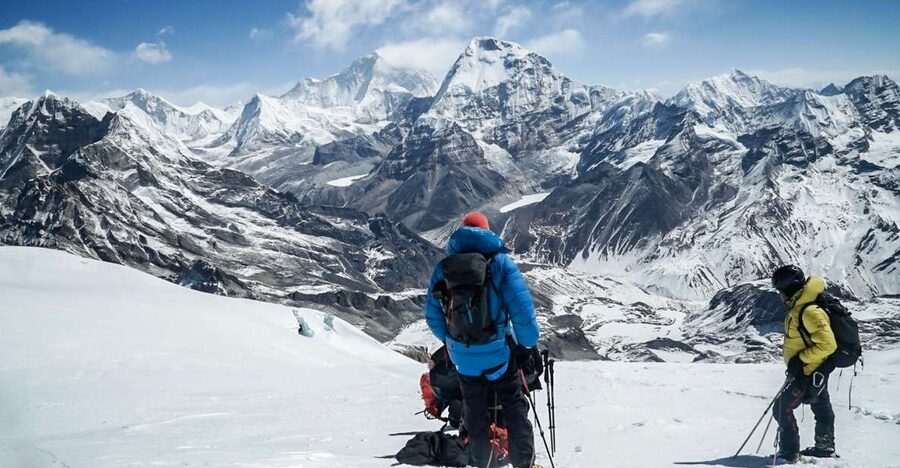
The trek from Thangnag to Khare takes five to six hours and reaches 5,000 meters. Khare is the key preparation point for the actual climb.
At this height, even ordinary actions can require more effort. You should expect walking, eating, packing, and sleeping to feel different than they did in Kathmandu. The schedule gives you the next day to adjust instead of pushing straight onward.
Khare is also where the expedition changes character. Up to this point, the trip looks like a demanding high-altitude trek. From here, you prepare for snow, ice, tents, ropes, and a summit day that lasts roughly eight to nine hours.
Day 7: Ice-climbing practice at Khare
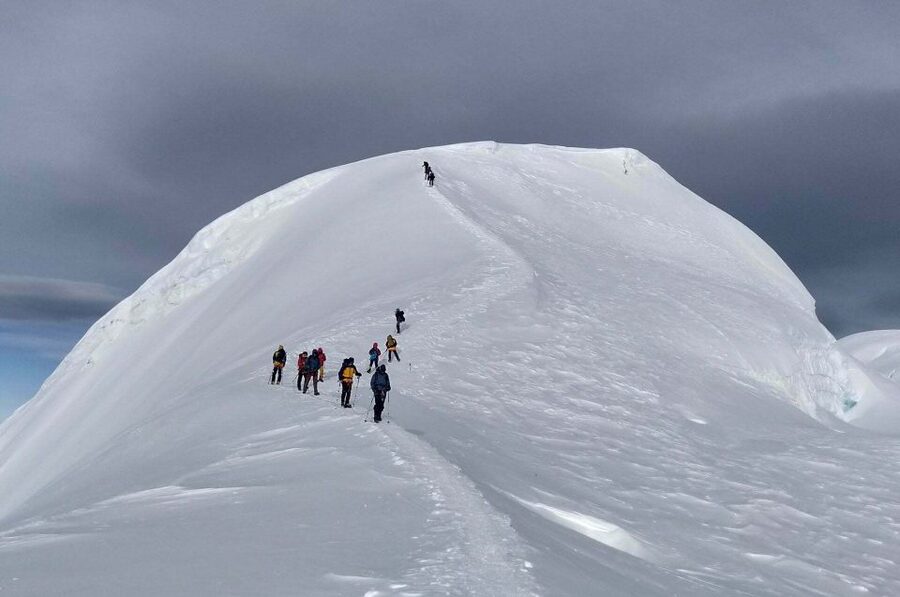
The three-hour ice-climbing session is one of the best features of the program. It gives you practical time with climbing methods before you reach high camp.
The included group equipment covers climbing ropes, ice screws, snow bars, ice hammers, tents, and kitchen equipment. You still need to bring or rent personal climbing equipment, which is not included. Ask for a precise equipment list before departure so you know exactly what remains to arrange.
This practice day also serves as a rest day. You are learning skills without using up the full energy needed for the summit push. If you are new to mountaineering, pay close attention here. Familiarity with your equipment can make the high section less confusing and help you use your energy wisely.
Day 8: Khare to Mera High Camp
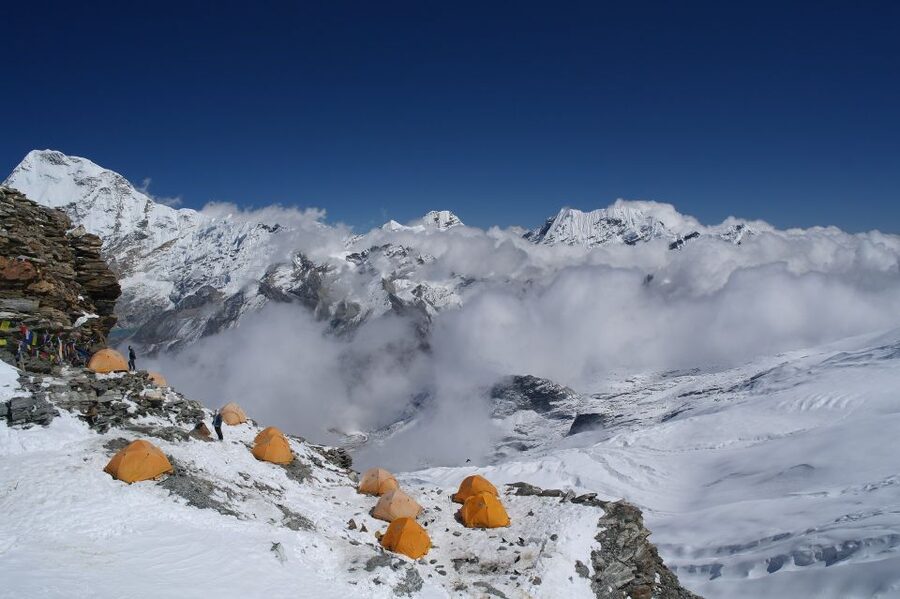
The trek to Mera High Camp reaches about 5,800 meters and is listed at roughly six to eight hours. The high camp is a tented section, unlike the local lodge nights earlier in the route.
This is the point where comfort becomes basic. You trade a lodge room for a tent, and the cold and altitude become more direct. The climbing team provides tented accommodation during the climb, along with kitchen equipment and support from the climbing staff.
The move to high camp is not just another walking day. You need to carry or manage your personal equipment, stay hydrated, eat what you can, and preserve energy for the summit. I would keep your pack organized before leaving Khare so you are not searching for gloves, layers, or climbing items when tired.
Day 9: Summit attempt and return to Khare
Summit day runs from Mera High Camp to the summit and back to Khare, taking about eight to nine hours. Reaching 6,476 meters gives you wide views across snow-capped Himalayan peaks, which is the major visual reward of the expedition.
The route is also physically demanding. You must climb high, spend time near the summit, and then descend all the way to Khare. The return matters just as much as the ascent because fatigue makes basic decisions harder.
The summit is never guaranteed. Weather, health, snow conditions, and group pace can all affect the outcome. The program wisely includes Day 10 as a spare climbing day, but that reserve cannot remove every mountain risk. You should book this trip because you value the climb itself, not only the photograph at the top.
Day 10: A useful weather reserve
The spare day is held for bad weather or a delayed summit attempt. This is a practical feature, not wasted time. Mountain schedules need flexibility, and a fixed return date without any reserve can turn one poor weather window into a failed attempt.
If the summit goes ahead on Day 9, the day may become extra rest or contingency time, depending on the guide’s plan. If weather stops the first attempt, it gives you another chance within the 16-day schedule.
You should still allow some flexibility around flights. Lukla air travel is included in the itinerary but excluded from the package price, and the plan allows return to Kathmandu or Manthali on Day 14.
Days 11 to 13: Descending through Kothe and Thuli Kharka
After the climb, you trek from Khare to Kothe at about 3,600 meters in six to seven hours. The lower altitude should feel welcome, but the day is still long after the summit effort.
Day 12 returns from Kothe to Thuli Kharka in six to seven hours. This retraces part of the approach route, giving you a second look at places that may have passed in a blur during the uphill push.
Day 13 goes from Thuli Kharka to Lukla by way of Zatrwa La Pass, again taking six to seven hours. Crossing the pass on the return adds one final hard section before you reach the airport town.
This descending route is a good reminder that the trip is not finished at the summit. Your legs still need to handle several full walking days, and the final pass requires attention even when your mind is already picturing Kathmandu.
Day 14: Flying back to Kathmandu or Manthali
The return flight leaves Lukla for Kathmandu or Manthali. The itinerary allows either destination, which is worth checking when you confirm your travel plans.
The flight is not included in the package price, along with departure taxes. Keep enough budget for this part of the journey and avoid arranging an international departure immediately after the scheduled return if your plans can allow extra breathing room.
Days 15 and 16: Recovery and departure
Day 15 is a leisure day in Kathmandu. After the trek and climb, this gives you time to rest, sort your gear, and enjoy the city without another mountain schedule hanging over you.
Day 16 includes transfer to the international airport for your final flight. Airport transfers are provided in a private vehicle according to the itinerary, and the trip includes a climbing achievement certificate.
What the $1,900 price really covers
At $1,900 per person, the package offers solid support for a 16-day climb. You receive three Kathmandu hotel nights, local lodge accommodation, climbing tents, group equipment, guides, porters, national park permits, government taxes, office service charges, transfers, and a garbage deposit of $500.
The porter arrangement is one porter for every two clients. Solo participants need to pay separately for a porter, which is an important cost difference for anyone booking alone.
The major exclusions deserve equal attention:
- Round-trip Kathmandu to Lukla flights and departure taxes
- Mera Peak climbing permit
- Breakfast, lunch, and dinner during the trek, listed at about $30 per day
- Lunch and dinner in Kathmandu
- Travel insurance
- Personal climbing equipment
- Drinks, laundry, Wi-Fi, hot showers, and battery charging during the trek
The package has good value if you already own or can reasonably rent your personal gear and if the added permits and flights fit your budget. It is less attractive if you expect $1,900 to cover nearly every cost from airport arrival to departure.
The support team and group setup
The tour uses a private group with an English-speaking trekking guide and a peak climbing guide during the climb. The guides are government licensed, and the package covers the staff’s food, lodging, salary, equipment, and insurance.
That support is especially useful on the technical section. A trekking guide handles the long approach and return, while the climbing guide supports the high-altitude climb and practice sessions.
The private format should appeal to you if you prefer a small, more personal arrangement. The information does not give a fixed maximum group size, so ask the provider how many clients and staff will be assigned to your departure.
Accessible Adventure Private Limited provides the trip. Cancellation is free up to 24 hours before the activity for a full refund, and you can reserve now and pay later. Those terms help with early planning, but they do not remove the need to check flight, permit, insurance, and equipment costs.
Who should book this Mera Peak trip?
I would recommend it to a fit hiker who wants more than a standard Himalayan trek and is ready to learn basic climbing skills. It suits you if you can handle repeated six to seven-hour walking days, a 4,600-meter pass, a 5,800-meter high camp, and an eight to nine-hour summit attempt.
It is also a good match if you value Sherpa villages, quiet mountain routes, and a close climbing group as much as the summit itself. The route gives you both cultural contact and a serious high-altitude objective.
I would be cautious if you want a relaxed holiday, dislike cold tent nights, or have no interest in arranging insurance and personal climbing gear. The schedule is fixed at 16 days, and the mountain may still require flexibility despite the spare day.
Should you book it?
Book this Mera Peak program if you want a supported expedition with a gradual approach, ice practice at Khare, a private English-speaking team, and a planned weather reserve. The route offers genuine challenge without pretending that the summit is guaranteed.
Before paying, request the current Mera climbing permit cost, Lukla flight price, personal equipment list, and full meal estimate. If those additions fit your budget and you are prepared for altitude, long days, and basic high-camp conditions, the $1,900 starting price can be good value for a serious Himalayan climb.
FAQ
How long is the Mera Peak climbing program?
The program lasts 16 days, including arrival and departure days, the trek to and from Mera Peak, the summit attempt, a spare climbing day, and leisure time in Kathmandu.
How high is Mera Peak?
Mera Peak reaches 6,476 meters, or 21,247 feet.
Is the Mera Peak climbing permit included?
No. The Mera Peak climbing permit is listed as an additional cost.
Are flights between Kathmandu and Lukla included?
No. Round-trip Kathmandu to Lukla flights, including departure taxes, are not included in the $1,900 price.
What meals are included?
Breakfast, lunch, and dinner during the trek are not included. The listed estimate is about $30 per day. Lunch and dinner in Kathmandu are also excluded.
Is climbing equipment provided?
Group equipment is provided, including climbing ropes, ice screws, snow bars, ice hammers, camping tents, and kitchen equipment. Personal climbing equipment is not included.
Is there a spare day for bad weather?
Yes. Day 10 is reserved for a climbing attempt if bad weather prevents the planned summit push on Day 9.
New in the Nepal listings
- Traditional Momo Making Class★ 5.0 · 10 reviews
- Kathmandu: Ancient City Kirtipur & Pharping Monastery Tour★ 5.0 · 2 reviews
- Pokhara: Pokhara Highlights Tour by Bus★ 3.6 · 10 reviews
- Day Walk(8-10h.) inside Chitwan National Park.★ 5.0 · 1 review
- One Day Tour inside Chitwan National Park★ 5.0 · 2 reviews
- Night Stay in Chitwan National Park, 2 Nights 3 Days Package★ 5.0 · 1 review
- Private Jeep Safari (8-10 hrs.)inside Chitwan National Park.★ 5.0 · 3 reviews
- Jungle Towernight Stay: 4-Day Tour in Chitwan National Park★ 5.0 · 4 reviews
Everest Region Tours, compared.
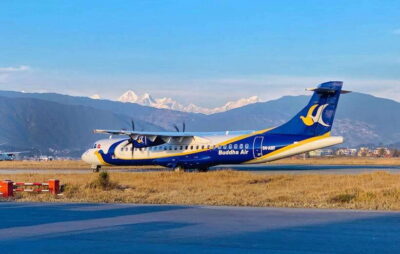
1-Hour Mount Everest Flight with Private Transfer
Read our review →
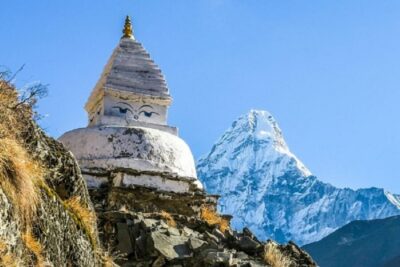
Everest Base Camp Trek: A short EBC Trek to Iconic Himalaya
Read our review →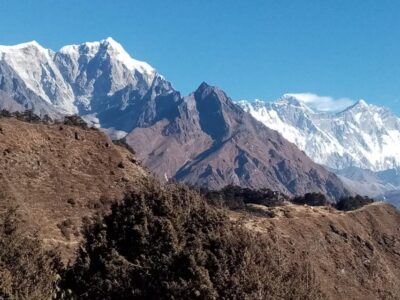
From Kathmandu Budget: 15 Day Everest Base Camp Trek
Read our review →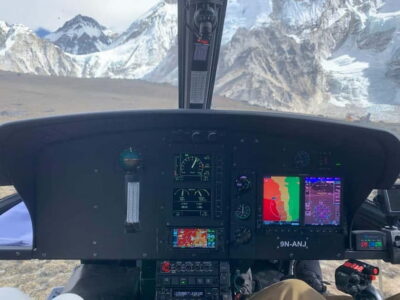
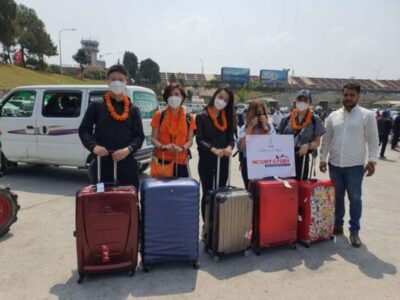
Mount Everest Panorama View Trek: Closest MT. Everest Hiking
Read our review →Browse the lists this tour appears in